Guest
Новости и обновления • 3 мин. чтения

Польша ускоряет переход на грузоперевозки с нулевым уровнем выбросов

Создано: 25.11.2025

Обновлено: 25.11.2025

Транспортный сектор Польши переживает серьезные преобразования. В последние месяцы правительство представило ряд дорогостоящих программ финансирования, направленных на декарбонизацию дорожной сети страны и логистических операций. Большая часть этой деятельности направлена на инфраструктуру, связанную с большегрузными автомобилями, что свидетельствует о том, что переход на более чистые грузоперевозки набирает обороты по всей Европе.

Масштаб инвестиций - и скорость, с которой они осуществляются, - будет иметь большое значение для операторов, менеджеров и планировщиков инфраструктуры по всей Европе. Чтобы понять, почему это так, необходимо рассмотреть как общеевропейский контекст, так и специфику финансирования, доступного в Польше.

Дорога Европы к нулевым выбросам

Движение в сторону транспорта с низким и нулевым уровнем выбросов уже несколько лет набирает обороты в Европе. Пакет ЕС Fit for 55 и Green Deal установили амбициозные цели по сокращению выбросов от большегрузных автомобилей на 45% к 2030 году и на 90% к 2040 году.

Постановление Alternative Fuels Infrastructure Regulation (AFIR) также гласит, что к 2030 году вдоль Трансъевропейской транспортной сети (TEN-T) - системы европейских автомобильных и железных дорог, портов и аэропортов, составляющих основу континентальных грузоперевозок, - каждые 60 километров должны быть оборудованы мощные зарядные пункты для тяжелых автомобилей. Водородные заправочные станции должны быть доступны через каждые 200 километров.

Великобритания идет по аналогичному пути. Проекты Z[ero Emission Road Freight Demonstrator] (https://iuk-business-connect.org.uk/programme/zero-emission-heavy-goods-vehicles-and-infrastructure/) используются для тестирования электрических и водородных грузовых автомобилей на дальних маршрутах, а финансирование выделяется на инфраструктуру зарядки и заправки в депо.

На этом фоне программа Польши показывает, что Центральная и Восточная Европа готовы взять на себя ведущую роль в создании более чистого и удобного транспорта.

Обязательства на несколько миллиардов злотых

В марте 2025 года Национальный фонд охраны окружающей среды и водного хозяйства Польши (https://www.gov.pl/web/nfosigw/nfosigw-2-mld-zl-w-marcowych-naborach-na-elektromobilnosc) (NFOŚiGW) объявил два крупных конкурса на финансирование общей стоимостью 2 миллиарда злотых.

Первый из них охватывает строительство и расширение электросетей, питающих мощные зарядные станции, особенно тех, которые находятся на трассе TEN-T. Это касается как расширения сети, так и установки новых соединений. Это означает, что сеть сможет поставлять энергию, необходимую для быстрой зарядки грузовиков. Энергетики и операторы сетей могут претендовать на гранты, если их проекты соответствуют минимальным пороговым значениям мощности.

Второй конкурс финансирования направлен на строительство зарядных станций для большегрузных автомобилей. Цель - создать 550 общедоступных пунктов по всей стране, обслуживающих как электрические, так и водородные грузовики.

Последняя программа, стартовавшая во II квартале 2025 года, предоставляет субсидии и кредиты предприятиям, чтобы они могли купить или взять в лизинг грузовики с нулевым уровнем выбросов в категориях N2 и N3. Категория N2 распространяется на автомобили полной массой от 3,5 до 12 тонн, а N3 - на грузовики массой свыше 12 тонн. Уровень финансирования варьируется от 30 до 60 процентов в зависимости от размера компании. Верхний предел в 400 000 злотых применяется к автомобилям N2, а 750 000 злотых - к моделям N3. Заявки будут [открыты до 2029 года] (https://www.logistyka.net.pl/aktualnosci/english-speaking-zone/item/96519-funding-for-zero-emission-trucks-has-been-launched?tmpl=component&print=1), чтобы операторы могли спланировать свой переход на автомобили с нулевым уровнем выбросов.

Эти инвестиции дополняют существующую в Польше программу [Nasz Eauto] (https://naszeauto.gov.pl/), которая субсидирует покупку электромобилей для частных лиц и компаний, расширяя стратегию устойчивого развития транспорта страны за пределы пассажирских автомобилей.
Создание сети интенсивного транспорта

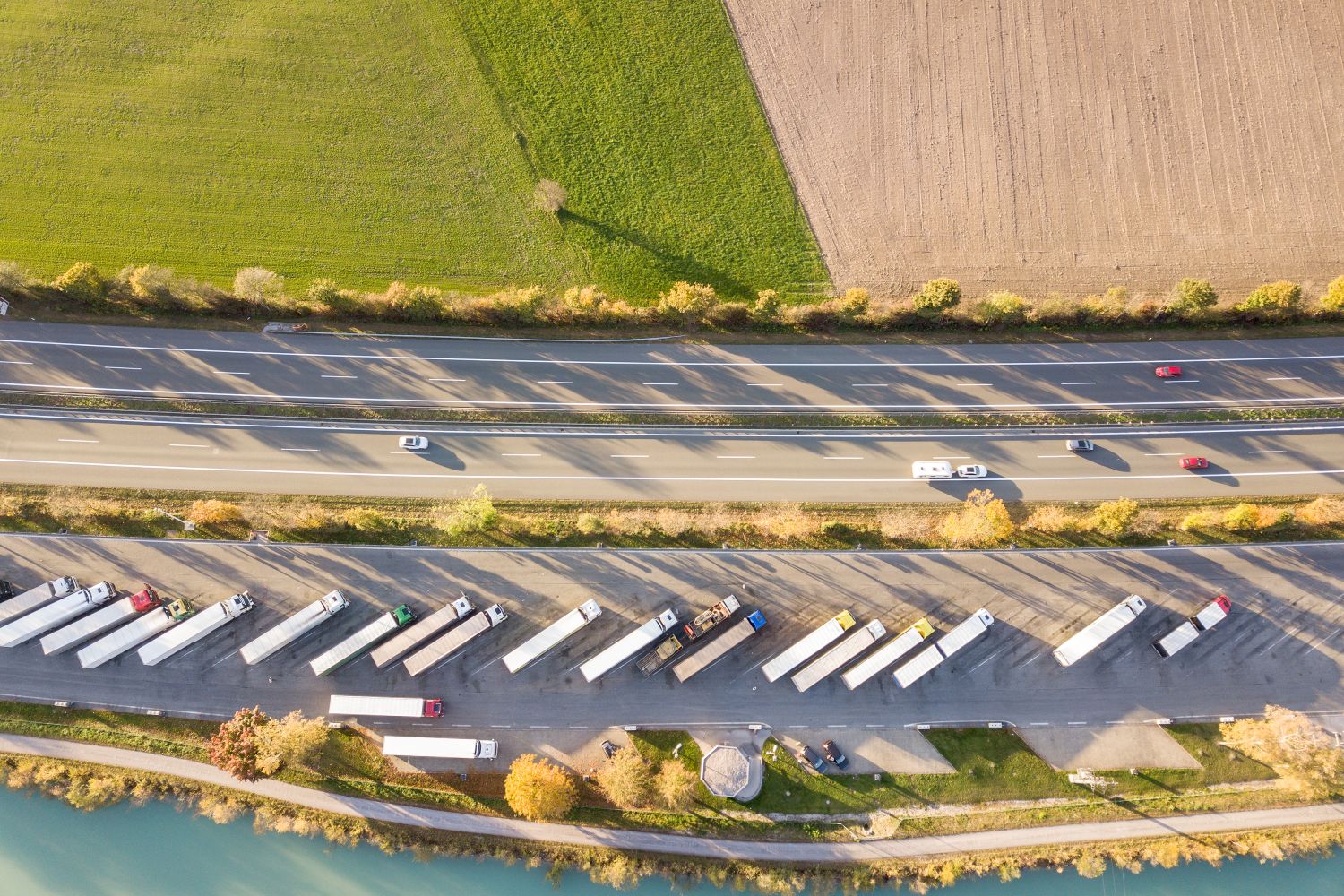
По данным Международного союза автомобильного транспорта (IRU), Польша перевозит больше товаров автомобильным транспортом, чем любая другая страна ЕС. Она является естественными воротами между Западной Европой и странами Балтии, Украиной и Балканами, а это значит, что надежная инфраструктура с нулевым уровнем выбросов в Польше будет иметь общеевропейское значение.

Устанавливая четкие требования к мощности и согласовывая проекты с коридорами TEN-T, правительство обеспечивает скоординированный подход, а не изолированные проекты. Цель - создать надежную сеть, в которой электрические и водородные грузовики смогут беспрепятственно передвигаться по ключевым торговым маршрутам. Заместитель министра по вопросам климата и окружающей среды описал программу как способ укрепить "конкурентоспособность польских грузовых операторов" и одновременно сократить выбросы в одном из крупнейших секторов экономики страны.

Внутренняя сеть Польши также является частью более широкой инициативы [Clean Transport Corridor Initiative] (https://transport.ec.europa.eu/news-events/news/eu-ministers-commit-faster-truck-recharging-deployment-2025-09-16_en). В сентябре 2025 года девять стран ЕС, включая Польшу, взяли на себя обязательство ускорить развертывание зарядной инфраструктуры на ключевых грузовых маршрутах, таких как Североморско-Балтийский и Скандинавско-Средиземноморский коридоры TEN-T.

Для автопарков, работающих по всей Европе, эта инициатива означает, что инфраструктура зарядки станет более стандартизированной и предсказуемой в разных странах. Это поможет водителям с большей уверенностью планировать трансграничные маршруты, поддерживая переход к грузоперевозкам с нулевым уровнем выбросов.

Практические возможности и реальные проблемы

Для операторов автопарков наступили благоприятные времена. Грузовики с нулевым уровнем выбросов быстро [выходят на европейский рынок] (https://theicct.org/publication/r2z-eu-hdv-market-development-quarterly-january-june-2025-sept25/), причем в первой половине 2025 года в ЕС будет зарегистрировано около 2 000 электрогрузовиков с нулевым уровнем выбросов.

Однако есть и трудности. Добавление мощных зарядных мощностей означает, что операторы электросетей, местные власти и логистические центры должны сотрудничать. Кроме того, потребуется время, чтобы нанять технических специалистов, обладающих навыками установки и обслуживания высоковольтного оборудования.

Кроме того, стоимость транспортных средств и эксплуатационные факторы также могут замедлить прогресс. Даже при щедрых субсидиях предприятия должны взвесить стоимость владения электромобилями, схемы маршрутов и готовность складов.

Что это значит для мобильности

Для автотранспортного сообщества польская программа является важной вехой. После ее завершения сеть зарядки и заправки соединит Восточную и Западную Европу, поддерживая более чистые и эффективные грузоперевозки.

"Это поворотный момент для тяжелого транспорта", - говорит Ник Рентон, руководитель европейского отдела стратегии и развития бизнеса SNAP. "Действия Польши показывают, что грузоперевозки с нулевым уровнем выбросов становятся частью повседневной жизни, а не долгосрочной перспективой. По мере увеличения числа пунктов зарядки и заправки операторы смогут с уверенностью планировать более чистые поездки".

По мере развития ситуации мы будем продолжать оказывать поддержку автопаркам по всей Европе, предоставляя технологии, информацию и практические инструменты для водителей. Наше приложение intruck app помогает находить и бронировать места для отдыха, заправки и охраняемые парковки, причем по мере открытия новых объектов добавляется все больше объектов с нулевым уровнем выбросов. Операторам, стремящимся опередить изменения в инфраструктуре, оно дает четкое представление о том, как развивается дорожная сеть и где появляются новые возможности.
Поделиться с

Другие тоже читают...

Header Image

понедельник 08 декабря 2025 • Новости и обновления

ТРЕНДЫ ГРУЗОВИКОВ: ПРОГНОЗЫ НА 2026 ГОД

Guest

Major changes are coming for the mobility sector.The next 12 months will bring some of the most significant regulatory and technological shifts European transport has seen in years. New emissions rules, driver-monitoring systems, hydrogen trials and autonomous pilots will reshape how fleets operate across the UK and EU.For operators and professional drivers, understanding these changes now will make the difference between adapting confidently and struggling to keep up. come into force in 2026, introducing new requirements for fleets. Nitrogen oxide and carbon monoxide limits will tighten further, with the permitted particle size dropping from 23 nanometres to 10. In addition, for the first time.Every new truck sold will need to comply with Euro VII. While vehicle pricing is likely to be affected, the bigger impact will fall on procurement timelines, fleet renewal cycles and long-term decarbonisation.. These monitor eye and head movement to identify early signs of fatigue or inattention, enabling safer interventions and supporting accident-reduction goals across Europe. By 2029, new cab designs must minimise blind spots through improved glass visibility rather than camera reliance. This will particularly influence urban operations, vulnerable road user safety and future vehicle specification.. After years of exemption, this change effectively brings smaller commercial vehicles under full drivers’ hours enforcement.For operators with mixed fleets, this means introducing:● new driver cards● regular data downloads● updated monitoring processes● revised routing and rest-time planningThousands of vehicles that previously operated freely will need compliance systems in place almost immediately. requires companies with more than 250 employees or €40 million revenue to collect and report verified CO₂ emissions – including Scope 3 transport activity.This will cascade through supply chains. Smaller hauliers without reliable emissions reporting risk losing access to larger contracts, accelerating the push toward better data systems and standardised reporting.Electric HGV production will rise rapidly in 2026. are all expanding manufacturing capacity.To support this, electric charging is also expanding. , as part of HyHAUL's M4 corridor project. Three refuelling stations, each supplying up to two tonnes of hydrogen daily, support the pilot. If successful, the project aims for 30 trucks on the road by the end of 2026 and 300 by 2030. Alongside this, . Five more will follow by 2027.Vehicle manufacturers are taking different approaches to developing hydrogen-fuelled trucks: ● and DAF are planning similar systems. ● will introduce its next-generation hydrogen fuel cell stack in 2026 with improved durability and lower operating costs.Hydrotreated Vegetable Oil (HVO) is emerging as a notable transitional fuel for haulage in 2026, thanks to two factors: stricter biofuel mandates in north-western Europe and its compatibility with existing diesel engines. Reports by confirm that HVO is a “drop-in” fuel: it can be used in many existing heavy-duty vehicles without engine or infrastructure changes, which gives operators a practical pathway to immediate CO₂ reductions. Meanwhile, forecast that HVO consumption could reach record highs in 2026. Germany alone may need an additional 1.5 million tonnes – almost four times 2025 levels – to meet demand. Although uptake remains modest when compared with battery-electric or hydrogen alternatives, the current regulatory push and infrastructure compatibility mean HVO is likely to gain traction in 2026.From spring 2026, in controlled zones – a full year ahead of plans. Enabled by the , this transition supports an industry expected to contribute £42 billion to the UK economy by 2035 and create an estimated 38,000 jobs. Germany is close behind. , supported by €20 million in seed funding. Across northern Europe, autonomous freight along the 1,200-km Rotterdam-Oslo corridor. The programme runs until March 2026 and examines how autonomous vehicles perform across borders, terrain types and logistics hubs.In Sweden, already move goods between warehouses, processing five million data points per second. Their controlled deployments demonstrate the potential for automation in predictable, repeatable routes.Despite this progress, humans will continue to play a central role. . So while automation will support specific functions, such as port operations, depot shuttles and fixed urban routes, long-haul and complex international transport will remain human-led.The scale and speed of change arriving in 2026 is unlike any previous year for European road transport. Multiple regulatory, technological and sustainability shifts will land simultaneously, reshaping how fleets operate across borders."The operators who succeed in 2026 won't be those who resist change but those who prepare for it systematically," says Nick Long, European Strategic Partnership and Development Manager at SNAP. "We're working with fleets across Europe to build the infrastructure that tomorrow's industry needs. Secure parking. Integrated payments for new toll structures. The building blocks of success are available now for those ready to use them."SNAP helps fleets prepare for the future with integrated solutions for parking, payments and fleet management across Europe. Visit snapacc.com to discover how we can support your transition to 2026 and beyond.

Header Image

четверг 04 декабря 2025 • Новости и обновления

ОБЕСПЕЧЬТЕ БЕСПЕРЕБОЙНУЮ РАБОТУ ВАШЕГО АВТОПАРКА В СЕЗОН ОТПУСКОВ

Guest

As the holiday season approaches, you are likely preparing for a surge in delivery demand and more complex operating conditions. This seasonal pressure overlaps with winter weather challenges, creating a unique risk environment for fleets across the UK. The festive period brings extra stress to your vehicles and operations. From consumer-driven surges in mileage to the impact of cold weather on vehicle performance, several seasonal factors converge at once. Understanding these pressures up-front helps you prepare proactively and minimise disruptions across your fleet.Consumer activity , which increases delivery volumes, compresses schedules and raises service expectations. This surge means that even minor disruptions can escalate quickly, as fleets have less flexibility to absorb delays. With more journeys scheduled and tighter handover times, vehicle downtime becomes more costly. A missed inspection or delayed repair can have a much larger operational impact than during other parts of the year.When peak consumer activity overlaps with hazardous weather, fleets experience amplified risk. Traffic congestion increases, road conditions deteriorate and minor mechanical problems can escalate into serious incidents more easily. To combat these issues, you must strengthen preventive maintenance, adjust schedules, and improve real-time monitoring to prevent avoidable breakdowns or delays.Cold temperatures, icy surfaces and reduced daylight all increase mechanical and on-road risks for commercial vehicles, raising the likelihood of weakened batteries, reduced tyre traction and visibility issues. UK roadworthiness standards emphasise the importance of more robust winter maintenance for brakes, lighting, fluids and tyres as conditions deteriorate, reinforcing why winter readiness is essential for uninterrupted fleet operations. Even mild cold , making proactive winter maintenance crucial.Beyond vehicle strain, the holiday season and winter conditions also place pressure on drivers and operational workflows. Increased traffic, unpredictable weather and tighter delivery windows can lead to fatigue, stress and an increased risk of accidents. Careful scheduling, clear communication and proactive support for drivers are essential to maintain safety and ensure that your fleet continues to operate efficiently under these seasonal pressures.Maintaining steady operations during the festive rush requires more than reactive problem-solving. It necessitates deliberate planning across vehicle maintenance, driver readiness, technology utilisation and operational coordination. These streamlined strategies will help you stay ahead of winter season disruptions and maintain consistent fleet performance throughout the holidays.Seasonal demand often requires vehicles to operate in harsher conditions for longer hours, so front-loading maintenance is one of the most effective ways to prevent in-season breakdowns. In construction, downtime can cost , highlighting the importance of proactive upkeep. Focus on winter-critical systems such as batteries, brakes, heating and defrosting systems, tyres, and fluid levels. Addressing minor issues before the holiday rush ensures your vehicles start the season in top condition and reduces the risk of unscheduled downtime when capacity is at its tightest.Drivers face greater pressure during the festive period, from congested roads to unpredictable weather. Preparing them early helps reduce risk and maintain service reliability. Share updated winter driving protocols, reinforce fatigue management best practices and ensure every vehicle carries essential cold-weather equipment. A well-prepared driver can adapt more effectively to seasonal hazards and keep journeys running safely.Access to parts and repair support becomes more challenging during the holidays due to demand spikes and supplier slowdowns. Securing key components in advance and confirming the availability of a repair shop ensures you can respond quickly to mid-season issues. These steps reduce the likelihood of lengthy delays and keep more of your vehicles on the road during peak workloads.Accurate, real-time insights become even more valuable when weather and traffic conditions can change quickly. Telematics systems, identify emerging vehicle issues and adapt routes proactively. Using data to make same-day decisions — whether rerouting, rescheduling or escalating maintenance — helps your fleet stay responsive throughout the holiday period.Seasonal peaks require tighter alignment across dispatchers, drivers, maintenance teams and customers. Clear communication reduces uncertainty and makes it easier to adjust schedules when conditions shift. Share regular updates about weather alerts, route changes, delivery windows and vehicle availability so everyone stays coordinated and able to respond quickly.Even with strong preparation, winter introduces variables that no fleet can fully control. Creating contingency plans provides your team with a structured response in the event of incidents. Establish backup routes, identify alternative suppliers and workshops, and maintain a reserve vehicle strategy where possible. Planning for disruption ensures that unexpected issues don’t halt operations entirely.Use this checklist to make sure your team, vehicles and workflows are ready for the busiest stretch of the year:● Review historical traffic data and expected holiday congestion to build more efficient routing. Tools that monitor and report real-time conditions help reduce delays and fuel waste.● Check batteries, fluids, tyres, wipers and heating systems to prevent cold-weather breakdowns and improve driver safety.● Conduct brief refresher sessions on winter driving techniques, fatigue management and emergency protocols. This supports both safety and productivity.● Holiday mileage and cold temps can accelerate wear. A tighter maintenance schedule helps catch issues before they result in downtime.● Ensure that asset trackers and sensors are fully functional for accurate location and condition data during peak demand.● Many suppliers operate on reduced hours during the holidays. Secure parts and consumables in advance to avoid repair delays.Holiday and winter conditions amplify every small inefficiency. Preparing early helps prevent avoidable downtime, strengthens driver safety and keeps your operations moving through the toughest time of the year. With precise planning, reliable tools and a proactive maintenance rhythm, fleets can turn seasonal challenges into opportunities for better performance and customer satisfaction.Discover more from

Header Image

четверг 30 октября 2025 • Новости и обновления

ОПТИМИЗАЦИЯ РАБОТЫ АВТОПАРКА: ИСТОРИЯ УСПЕХА КОМПАНИИ FET LOGISTICS

Susie Jones

Located in Colnbrook, Berkshire, is a family-owned and family-run company specialising in the transportation of pharmaceutical products.The company originated from humble beginnings in 1984 when Frederick Woolley produced a service that was second to none in the secure logistics industry his very own tracking system, the best on the market, which left companies knocking on his door to transport their goods safely throughout Europe. In 1999, FET entered the world of pharmaceutical transportation, with Frederick taking on a partner, his son-in-law, Harry Hughes. From there, the business has gone from strength to strength, becoming one of the best pharmaceutical logistics companies in the UK. We sit down with Managing Director, Harry, to discuss what it's like running a fleet across Europe and how SNAP has helped ease processes."We focus on transporting high-value, high-consequence goods, white glove deliveries, and hospital deliveries. We're often in mainland Europe pretty much every day, from Northern Ireland all the way down to Spain, Italy, and even Greece."Transporting high-value goods comes with the added pressure to ensure your drivers park in safe and secure areas. For Harry, his drivers must have access to a wide network of truck stops across Europe, complete with details regarding security features something SNAP can deliver through its and Transporting high-consequence goods also brings additional challenges, as Harry explains:"We have the same challenges as everyone else in the supply chain, but you're adding temperature as well. That's another critical requirement. Whether it be a dry ice box that's got a life of 72 hours, or you need to keep that van completely at the right temperature throughout its journey. If the truck or van has to park up overnight, we need to ensure that the temperature is being monitored through the night as well."TAPA EMEA's TSR regulations have been developed by the industry, for the industry. The standard protects products transported by road and aims to ensure the safety of drivers, vehicles, and cargo. As TAPA UK Lead, Harry knows the importance and the benefits of transporting goods under TAPA TSR."We outsource to an external monitoring company for some of the delicate loads being transported under TSR. This means they will monitor the load for the route and geofence it if it deviates. They're checking in with the driver and also checking that it's parked at the right location from the route risk assessment we've uploaded to the monitoring company."These standards give drivers, fleet operators, and customers peace of mind that their cargo will be transported safely. And Harry has peace of mind when these journeys utilise SNAP's vast network of truck stops across Europe."You know that if you go to a SNAP site, you're going to get a decent site."Driver welfare remains a critical topic within the mobility industry, and for fleets like Harry's, ensuring their drivers are looked after while on the road remains vital. We asked Harry what offerings truck stops must provide to those on the road regularly:"I think the drivers just want some decent facilities. If they've got a shower, toilet, and a hot meal, they're generally happy." He also notes that it's not a one-size-fits-all, "they've all got different requirements. Some of them want to go to sites with a fancy restaurant, and some of them are just happy with a burger and chips. I think if the basics are there of clean facilities, hot and cold food, and showers, that's the main thing."Truck stops are already in high demand, and the most popular ones, offering the right facilities and security requirements, tend to fill up early in the evening. This often forces drivers to park in unsafe areas, a challenge that's expected to grow even more significant when SNAP not only simplifies life for fleet managers but also delivers a seamless parking experience for drivers. This leads to increased convenience and satisfaction on the road, while enhancing efficiency and streamlining operations across the company."It's the simplicity for the drivers. They don't have to worry about anything. They just pull in, and the parking payment method is already done for them. The drivers love it since we've implemented it," Harry states. SNAP's growing network of truck wash sites is something that hasn't gone unnoticed by FET Logistics, especially when the weather takes a turn for the worse:"More truck washes are coming onto the network, which helps us especially through winter. Nobody wants to see a dirty truck turn up if you're loading pharmaceuticals into it."Inspired by what you've just read? Catch the full interview with