Susie Jones
Novice in posodobitve • 2 min branja

Postajališče za tovornjake Sutterton: dvig standarda za udobje in varnost voznikov

Ustvarjeno: 08. 01. 2026

Posodobljeno: 08. 01. 2026

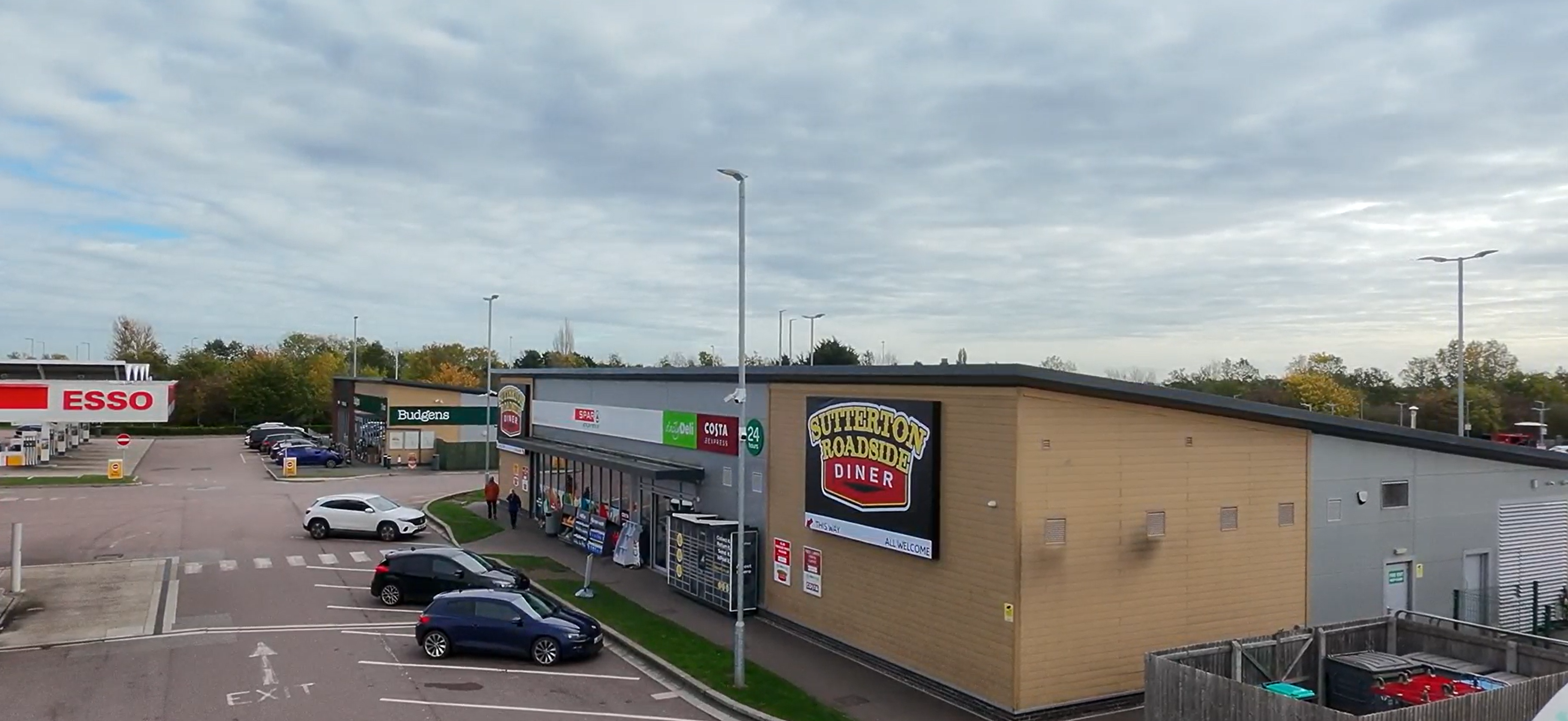
Na avtocesti A17, nedaleč od Bostona, se nahaja Sutterton Truck Stop, zatočišče za voznike tovornjakov, ki prevažajo blago po tej cesti. Lokacija ne zagotavlja le postajališča za tovornjake z običajnim udobjem, ki ga pričakujemo - čiste prhe, sanitarije, trgovina in možnosti oskrbe z gorivom -, temveč voznikom ponuja tudi možnost večerje v restavraciji Roadside Diner, ki obiskovalcem ponuja ameriško obarvano restavracijo z različnimi jedmi.

Z direktorjem Jamesom Townsendom smo se pogovarjali o izboljšavah na lokaciji, dobrem počutju voznikov, varnosti na lokaciji in njihovem dolgoletnem odnosu z organizacijo SNAP.

"V letu 2020 smo odprli postajo Sutterton Truck Stop. Že od samega začetka smo poskušali to ponudbo usmeriti neposredno na voznike tovornih vozil, " pojasnjuje James.

Prenova in izboljšave lokacije

Objekt je bil temeljito prenovljen, pri čemer so bile v ospredju potrebe voznikov tovornjakov.

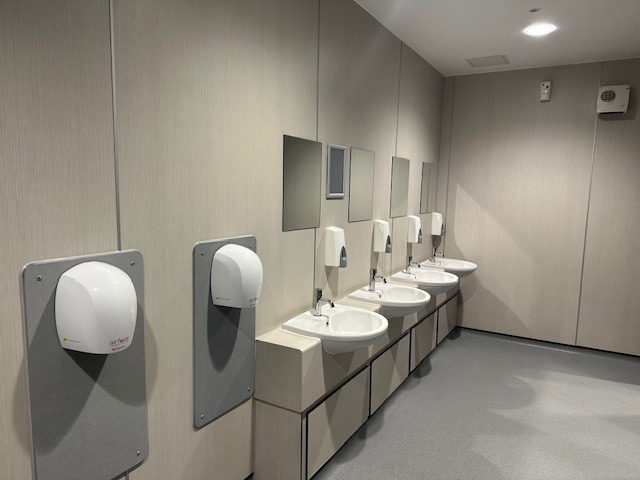
"Popolnoma smo prenovili vse prhe in sanitarije, saj so se po petih letih nekoliko utrudili. Zato smo investirali v novo prezračevanje in nove kabine za prhanje. "
Znotraj postajališča za tovornjake se nahaja nova obcestna okrepčevalnica. James in njegova ekipa so pred kratkim prevzeli lastništvo in ga prenovili. "Osredotočili smo se na voznike tovornih vozil. Tako ponujamo celotno paleto obrokov, od zajtrka do večernih obrokov, " pravi James.

Pojasnil je še, da je šlo za več kot le za nadgradnjo obstoječih objektov, temveč za zagotavljanje ustreznih zmogljivosti voznikom, da bi bilo to mesto kot dom daleč od doma.

"Moja vizija je bila, da voznik pripelje na to postajališče za tovornjake, mi pa poskrbimo, da bo za voznika čim bolj udobno, varno, zanesljivo in ekonomsko upravičeno. Poskušali smo poskrbeti, da voznik koristi čim več brezplačnih storitev, ki jih lahko ponudimo. Tako ne zaračunavamo za prhe ali stranišča, ponujamo bone za hrano za parkiranje, brezplačen brezžični internet in okrepčevalnico, ki ponuja brezplačne polnilce in vtičnice. Vse to je zelo namenjeno voznikom. "

SNAP je voznike tovornjakov, ki parkirajo v Suttertonu, vprašal, kaj menijo o novi ponudbi. Eden od voznikov je povedal:

"Menim, da so to fantastični objekti, ki vam čez dan omogočajo uporabo tušev, tudi če niste plačali vstopnice. Tam je tudi nova okrepčevalnica, ki je prav tako zelo spodobna, in z vozovnico za parkiranje vam dajo nekaj denarja, kar je lepo. Kar zadeva parkiranje, ga je tukaj veliko in za cesto A17 je precej dobro. Do nas fantov so več kot prijazni. "

Pri zasnovi parkirišča za tovornjake je podjetje SNAP tesno sodelovalo z gradbiščem, da bi kar najbolj izkoristilo potencial gradbišča:

"Od samega začetka smo družbo SNAP vključili v oblikovanje in način nabave parkirišč, avtomatov in osnove za kartice. Tako je bil projekt v veliki meri osredotočen na SNAP. "

Dobrobit voznika

Dobro počutje voznikov še vedno ostaja pomembna prednostna naloga za zaposlene v panogi, saj je naložb v parkiranje tovornjakov premalo, česar se James po sodelovanju z DFT še predobro zaveda.

"Sodeloval sem z njimi pri urejanju parkirišč za voznike po vsej državi in pokazalo se je, da je naložb v parkirišča za tovornjake premalo. Imeli smo srečo, da smo dobili nekaj nepovratnih sredstev za izvedbo del, kar nam je omogočilo, da smo naredili še več, da smo delo dokončali, " pojasnjuje.

*"Industrija potrebuje več vlaganj s strani vlade, da bi se te stvari izvedle." *

Naložbe so dragocene, vendar jih je treba usmeriti tudi v ustrezne objekte za voznike tovornjakov.

"Po mojem mnenju morate na to gledati kot na voznika tovornjaka, ki vstopa v prostor. Morajo imeti varen prostor. Parkirišče mora biti asfaltirano in tlakovano; biti mora dobro osvetljeno, ograjeno in vzdrževano. Ko vstopajo v stavbo, morajo imeti na voljo čisto opremo in prostor za počitek, " pravi James.

*"Ti fantje so 12 ur na dan na prostem in predstavljam si, da je to precej osamljeno delo. Moramo jih spraviti iz tovornjaka in za to smo res navdušeni." *

Delo s SNAP

James in preostali člani ekipe tesno sodelujejo z britansko mrežno ekipo SNAP in SNAP Access & Security ter jim v primeru težav nudijo enotno in jasno kontaktno točko.

"Pri nas lahko pritožbo hitro rešimo. Če imamo težave z videonadzorom ali s parkirnimi terminali, se lahko obrnemo na eno osebo, " pojasnjuje James.

*"S tem delom, ki je velik del, smo se ukvarjali in nam ni treba več porabljati časa za to." *

Podpora za pritožbe in tehnične težave je velika prednost za postajališče za tovornjake, kot je Sutterton, ki se pogosto spopada s konkurenčnimi zahtevami. Sodelovanje s podjetjem SNAP je prineslo tudi dodatne koristi, kot pravi James:

"Če pogledamo vse prihodke, ki jih dobimo, jih dobimo prek omrežja SNAP. "
Varnost in zaščita na postajališčih za tovornjake.

Da bi voznikom tovornjakov zagotovili dober nočni počitek, je bilo za postajališče Sutterton Truck Stop ključnega pomena zagotoviti čim bolj varno in zanesljivo lokacijo. Sodelovanje s podjetjem SNAP Access & Security je Jamesu in ekipi že od samega začetka omogočilo prav to.

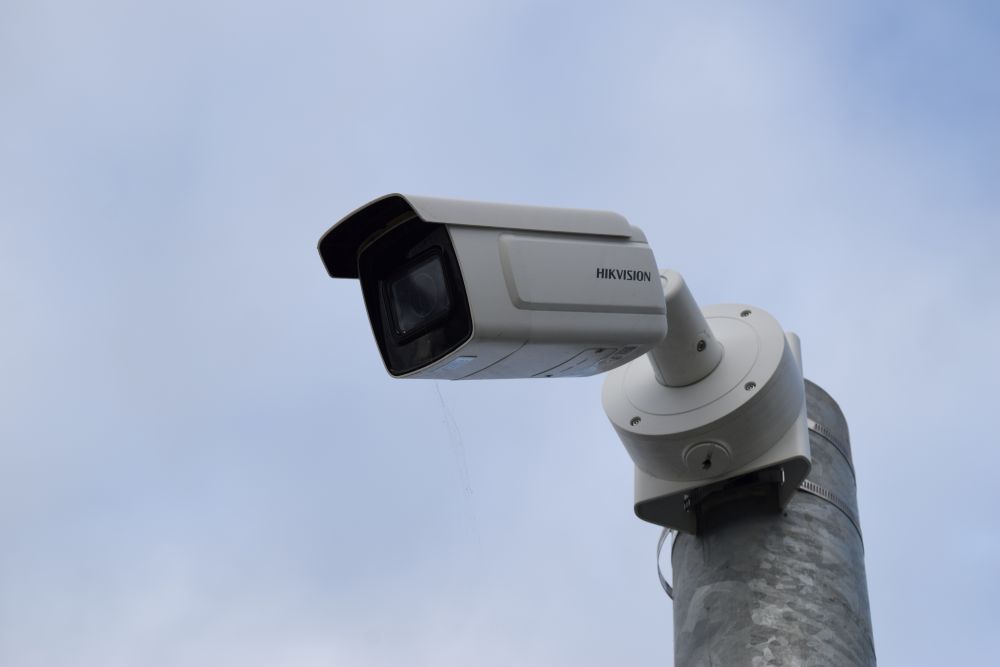
"Vse je ograjeno s palisadami. Sistem CCTV deluje na celotnem območju in se lahko arhivira do 40 dni. Imamo patrulje z osebjem, vse pa je povezano s paničnimi gumbi za lokalno policijo. Če pride do incidenta, se takoj odzovemo, " pravi James.

Stran je prepričana, da svoje osebje usposablja za ravnanje ob incidentih, če do njih pride.

"Usposabljanje smo izvedli v sodelovanju z organizacijama TAPA in Park Mark Freight, nato pa smo to prenesli na osebje, da vedo, kako skrbeti za te voznike. "

Pridružite se rastoči mreži SNAP.

Vas navdihuje, kar ste pravkar prebrali? [Začnite svojo zgodbo o uspehu s SNAP-om še danes.] (https://snapacc.com/sign-up/)

Oglejte si celoten intervju s Sutterton Truck Stop.
Delite z

Tudi drugi berejo...

Header Image

sreda 11 marec 2026 • Novice in posodobitve

PROAKTIVNI NASVETI ZA VARNOST IN UČINKOVITOST VOZNEGA PARKA V VSEH LETNIH ČASIH

Guest

Fleet performance rarely unravels overnight. It slips through small oversights — a missed service interval, worn tread or a delayed depot repair. As a UK fleet manager, the cost of reacting late shows up in downtime, higher insurance premiums and risk to your reputation.Your proactive, seasonal strategy protects the vehicles, drivers and infrastructure before temperature-triggered issues escalate. Align maintenance cycles with weather patterns, operational peaks and compliance demands. Your fleet will be steadier, safer on the road and reduce unwelcome surprises.Reactive fleet management costs you more. Emergency repairs can disrupt tight schedules, strain budgets and frustrate even the best drivers. In contrast, effective forward planning can reduce unplanned downtime and extend vehicle life cycles.Predictive maintenance and seasonal checks are strategic in supporting compliance. The Driver and Vehicle Standards Agency can for roadworthiness at any time, not just during the annual inspection. A prevention-first culture demonstrates your team’s due diligence and strengthens your Operator Compliance Risk Score, without warning.Driver retention links closely to this mindset. Vehicles that are reliable in winter, maintain cabin comfort in summer and feel safe in poor weather send a clear message that your organisation values professionalism and safety.Longer daylight hours and increased road activity shift risk profiles. Construction zones expand, cyclists and pedestrians increase and higher temperatures stress mechanical systems.Introduce quarterly automobile network checks before weather changes set in.: Ensure all vehicles’ air conditioning systems operate efficiently. Comfortable drivers remain more alert and calm on long routes and in heavy traffic, while being hot and bothered behind the wheel fosters reckless driving. : Check radiators, coolant levels and hoses. Heat accelerates wear and can trigger overheating if systems run hot due to environmental factors. : Rising temperatures can affect tyre pressure. Confirm correct inflation and inspect for sidewall damage to reduce the risk of blowouts. Hot road surfaces also wear tyre tread more easily, affecting braking capacity. Reinforce safe driving techniques that consider sun glare, roadworks and higher traffic density. Consider installing tinted windshields when drivers face extreme light conditions.Heat amplifies even minor engine weaknesses. Address mechanical safety early, and you'll prevent mid-season breakdowns or disrupted delivery windows.Shorter days, heavy rain and icy surfaces demand that your team is on top of their game. Autumn brings leaves and debris that litter already-slick roadways, and winter compounds the challenge with frost and failing batteries. Prepare before these conditions set in to keep your mobile assets from deteriorating:: Inspect all headlights, brake lights and indicators. Replace worn wipers, top up the windshield washer reservoirs with de-icing chemicals rated for low-temperature use and add anti-freeze to radiators. : Confirm adequate grip depth on all wheels for additional safety on wet and icy roads and consider swapping to winter sets where routes justify the investment. This is also an ideal time to check your fleet’s tyre ages, as no commercial vehicle may be on the road in the UK with ago, which are considered unroadworthy. : Cold weather reduces battery efficiency. Test older units and replace those nearing the end of life. Trickle chargers help maintain truck batteries' charge when drivers must stop to meet their rest requirements. : Low light and adverse weather can trigger anyone's natural sleep instinct, so manage drivers' alertness levels. Review route planning and rest policies to reduce strain or assign two drivers on longer routes.Vehicle readiness supports road safety, yet infrastructure also plays a role. Poor depot lighting, icy yard surfaces or malfunctioning entry points can delay departures and create hazards before trucks even reach public roads.Mobile asset safety starts at the depot. Vehicles often sit for hours in storage yards or warehouses. A compromised facility exposes high-value assets to theft, weather damage and operational delay. Commercial lots or warehouses are vulnerable matter.Rolling doors and access points demand particular attention in the UK’s damp climate. Corrosion frequently begins at exterior door components, affecting guides and structural elements. Over time, degradation can trigger failures that halt departures or compromise security. Noncorrosive rolling doors made with , like stainless steel, provide safety for the fleet’s vehicles and secure valuable manifests at depots.Businesses operating in high-moisture or coastal environments should invest in corrosion-resistant products. Use cleaning agents and lubricants to prevent hinges and mechanisms from seizing up. Functional doors safeguard operations because a primary access door that fails during peak dispatch hours can result in vehicles missing slots and customer confidence slipping. Proactive facility maintenance reduces that risk.Broader property readiness matters, too. Seasonal inspections of drainage, roofing and external lighting strengthen operational continuity at all hours of the day. Thorough winter preparation should prevent structural and water-related damage. Treat your depot as part of the company's mobility ecosystem by securing doors and maintaining clean yard surfaces. Resilient infrastructure protects vehicles before they reach the road.Technology strengthens your seasonal planning. Telematics platforms provide a wealth of information, including identifying braking patterns, fuel efficiency shifts and early warning codes before faults escalate. Advanced driver-assistance systems add further safeguards, particularly in low-visibility conditions.Use AI to help you analyse data and create workflows that meet each season’s changing needs. Data-driven insights inform scheduling. Use analytics to identify recurring battery failures in cold-region trucks or cooling issues during summer peaks. Adjust the fleet's scheduled maintenance according to telematics guidance.Modern trucks with telematics can of data per minute from hundreds of sensors, which is only useful if you have the computing systems to extrapolate findings and trends that inform maintenance and performance schedules.Proactive company asset management evolves beyond checklists. It becomes a continuous improvement process informed by data, temperatures and infrastructure integrity.Seasonal transitions present predictable challenges from heat-stressing engines, cold-draining batteries and moisture corroding structural components. Increased traffic and vehicle use alter risk patterns.Address these variables before they disrupt your team’s operations. Align maintenance cycles with weather trends, reinforce driver training ahead of weather shifts and invest in resilient depot infrastructure.A fleet that anticipates change operates with confidence and performs consistently with improved safety metrics and decreased downtime. Those incremental advantages compound into measurable operational strength.

Header Image

ponedeljek 26 januar 2026 • Novice in posodobitve

PRIPRAVA PRORAČUNA ZA VOZNI PARK ZA LETO 2026 NA (NE)PRIČAKOVANE

Guest

Preparing your fleet budget goes beyond simple financial exercises. As a manager, you need strategic oversight to navigate economic headwinds and an evolving regulatory framework. It is essential to prepare your company for unexpected events, as these instances define operational stability and success. Here’s how to build a responsive budget and get ready for future challenges. Being a fleet manager means foreseeing both the predictable trends and significant uncertainties. The following seven strategies are designed to absorb shocks, adapt to change and build resilience. Your budget may have a fixed monetary amount each year. While simple, it could be too static when anticipating unexpected events. Make your financial planning more dynamic by allocating a specific percentage rather than a fixed amount. For instance, your emergency fund could be 5% of the total budget instead of $100,000 annually. Using a percentage is wise because it hedges against inflation. A fixed amount loses purchasing power over the years, whereas a percentage-based fund grows with the budget. You get automatic protection from marketwide surges. Consumer prices in the U.K. , though they can quickly fluctuate due to market conditions. Fleet managers used to determine their budgets based on acquisition prices. Now, they are focusing on budget stability and long-term strategies. Make your process more holistic by managing the total cost of ownership (TCO) and the cost per vehicle over their lifetimes. This approach makes you more meticulous and your budget more dynamic. Mastering TCO involves centralising your data and using dedicated fleet management software. This technology helps your business by and recommending conservation strategies. TCO also enables you to forecast the year for each vehicle based on historical information. Use this to make more informed acquisitions and save money. A volatile economic climate means you need to contain costs. Leverage your company’s position by reviewing supplier contracts and considering renegotiations before renewal. This strategy converts unpredictable expenses into more manageable line items. Your business partner may raise prices on essential goods, so your meetings should lock in prices for tyres and oil. Narrow your negotiation to key areas, such as pricing structure. Your primary focus should be fixed-price agreements for high-volume items and standard labour rates. Savvy fleet managers leverage their spending from the previous year to earn volume discounts and capped increases. These properly managed contracts insulate your business and transfer risk to suppliers. Risk management for your fleet budget also includes insurance optimisation. Managers should turn this annual exercise into an opportunity to protect their business from financial debilitation. The right policy is crucial because it protects against shocks that can result in third-party damage or injury. It also increases predictability by turning repair bills into known variables. Insurance optimisation requires a thoughtful, data-driven process. Give your broker a risk management portfolio to showcase positive trends, such as fewer speeding incidents or less harsh braking. If you have policy excess, ask your insurer to model the premium savings for a higher deductible. Therefore, you can save money on your monthly payment. Maintenance and repairs can be unpredictable and expensive. One breakdown on the M6 could require costly engine work or a transmission replacement. Be proactive by implementing structured service schedules. Beyond the manufacturer's guidelines, you should create detailed plans for each vehicle based on its usage and age. You can dive deeper by including motorway driving and city travel. Your maintenance schedule should also include daily tasks. For example, experts to prevent condensation formation. If the tank is close to empty, sediment buildup and pump damage may occur. Cleaning is another nonnegotiable daily chore, especially when driving over road salts and chemicals. Rinse off dirt and other contaminants before storing vehicles. Accidents are among the most unexpected parts of your fleet budget. Besides the crash, managers must also and solicitor fees. However, proper driver training can mitigate this cost by reducing its frequency. Targeted coaching helps operators understand defensive driving, hazard perception and the specific dynamics of their jobs. Investing in driver training is one element of risk control. Human driving can be unpredictable, but education transforms it into a more consistent variable. By improving your drivers, you also help your insurance premiums. An accident can raise rates, so proper training is one way to control costs. A decrease in incidents can be used as leverage in insurance negotiations. Fleets are becoming more connected as they transform into data hubs. Your vehicles can generate and store vast amounts of information, which is essential for management. However, the connectivity exposes the modern automobile to liabilities. Budget for cybersecurity to protect your assets from digital threats and prepare for the unexpected. Managing this part of your fleet budget involves protecting vehicle systems. You could invest in hardware and software solutions to create firewalls around your GPS and V2X communications. This strategy helps keep your software up to date and protected from external threats. Secure data transmission is another part of preparing for the unexpected. Forward-thinking managers invest in fleet management systems with end-to-end encryption. Before building a resilient operation, it is essential to understand why. You should budget for unexpected events to ensure continuity. If a vehicle breaks down, it could halt operations and delay services. However, planning for these incidents provides a buffer and safeguards your bottom line. All vehicles are subject to failure, so you are preparing for the physical reality. This strategy is also essential for the bigger picture. For instance, economic volatility is a factor outside your control. Sudden inflation, interest rate hikes and price increases are detrimental to static budgets. However, planning for unexpected costs helps absorb them. By accurately forecasting expenses, you build financial discipline and credibility with stakeholders.Building a dynamic budget demonstrates strategic leadership more than defensive measures. As you incorporate wise approaches, you fundamentally shift your organisation’s mindset and promote proactive control. The modern economic climate requires fleet managers to absorb shocks and mitigate asset failure. A strong budgetary framework lets you protect profit margins and guarantee continuity.Discover more from

Header Image

ponedeljek 19 januar 2026 • Novice in posodobitve

RAZČLENITEV CESTNINSKIH SISTEMOV V EVROPI

Guest

For many fleets operating across Europe, tolls have quietly become one of the most complex and least predictable costs. What was once a relatively straightforward question of motorway charges has evolved into a patchwork of national systems, technologies and pricing models that now reflect emissions, vehicle weight, axle count, geography and even time of day.As we move into 2026, tolling is no longer just an infrastructure charge. It is increasingly a policy lever, used by governments to fund roads, manage congestion and accelerate the shift towards lower-emission transport. For fleet operators, that shift has real financial consequences.This article breaks down how tolling works across Europe, what fleets actually pay today, and what changes are coming next.Margins in road transport are tight. Fuel, labour, insurance and compliance costs have all risen sharply in recent years. Against that backdrop, tolls are becoming more significant, particularly for long-distance and cross-border operators.In countries such as Germany and Austria, toll costs per kilometre can now rival fuel costs on certain routes. In Central and Eastern Europe, tolls remain lower, but rapid rises and network expansion are closing that gap. At the same time, the introduction of CO₂-based charging means that two otherwise identical vehicles can face very different toll bills depending on their emissions profile.For fleets operating internationally, tolls are a consideration for route planning, vehicle procurement and pricing.There is no single European toll system. Instead, fleets must navigate a mix of national approaches that broadly fall into three categories.Distance-based tolls charge vehicles per kilometre travelled. These are now the dominant model for heavy goods vehicles and are used in countries such as Germany, Austria, Poland, Hungary and Belgium.Time-based vignettes allow vehicles to use the road network for a fixed period of time, such as a day, week or year. These were traditionally a pass displayed in the windscreen, but are increasingly digital.Hybrid systems combine toll roads with toll-free alternatives. France, Italy and Spain all operate models where tolls apply only on specific routes.Across all three models, the EU’s revised Eurovignette Directive is pushing countries towards distance-based, emissions-linked charging. This is steadily reducing the role of flat-rate vignettes and increasing the costs of high-mileage fleets.Operationally, tolling is becoming more digital. Most distance-based systems rely on GNSS or GPS tracking via onboard units (OBU), supported by roadside gantries, toll booths and camera enforcement.For fleets, this means greater reliance on onboard technology, tighter compliance requirements, and less tolerance for administrative error. Missed payments on free-flow roads (where there are no toll booths and no need to stop) can quickly turn into fines, particularly for international drivers unfamiliar with local rules.Interoperable toll services under the European Electronic Toll Service (EETS) framework are becoming more important for cross-border operators. Instead of fitting vehicles with multiple country-specific onboard units, fleets can use a single approved device to pay tolls across several European networks. This simplifies administration, reduces installation and maintenance costs – and lowers the risk of non-compliance when vehicles move between different toll regimes. Germany operates one of Europe’s most comprehensive toll systems. The LKW-Maut applies to all trucks over 3.5 tonnes on motorways and federal roads. Since December 2023, tolls include a CO₂ charge, which has increased costs for diesel vehicles. Official details are published by Austria’s GO-Maut is among the most expensive per kilometre in Europe. A Euro VI articulated truck paid around on motorways in 2025. The system includes infrastructure, noise, air pollution and CO₂ components. Electric trucks benefit from lower rates. Belgium operates a kilometre-based toll for trucks in Flanders, Wallonia and Brussels. Rates vary by region, weight and Euro class, with annual increases. From 2026, zero-emission vehicles will no longer be fully exempt but will still pay reduced infrastructure charges. Official information is available from France uses a motorway concession model. Tolls apply on routes operated by private companies and are paid at toll booths or electronically. Annual increases are modest and regulated. The Italy follows a similar concession-based approach. HGVs pay on the Autostrade network. The government is working towards more dynamic tolling by 2026, potentially linking charges to congestion and emissions. Hungary’s HU-GO system applies to trucks over 3.5 tonnes on motorways and main roads. Following high inflation, toll rates have increased sharply. Official updates are published at Poland’s e-TOLL system charges per kilometre using GNSS (satellite) technology. Rates rose in 2025 and will again in 2026, while the toll network continues to expand. The official platform is Spain is unusual in that many major motorways have become toll-free following the expiry of concessions. Some tolled routes remain and costs vary per kilometre for HGVs. The Spanish government’s position is outlined via the Romania currently operates a vignette system for trucks, with a seven-day pass costing around for the heaviest vehicles. This will change in July 2026, when Romania introduces a distance-based toll system called TollRo. Initial rates are expected to be low, but are likely to rise over time. Several developments make 2026 a pivotal year for European tolling.The Netherlands will introduce a kilometre-based truck toll from 1 July, replacing the Eurovignette. Average rates are expected to be around €0.19 per kilometre, with discounts for low-emission vehicles. Official information is available at As mentioned, Romania will transition from vignettes to distance-based charging, bringing it in line with neighbouring countries.Across Europe, CO₂-based differentiation will become standard, with reduced exemptions and tighter enforcement. Electric trucks will continue to benefit, but full exemptions are gradually being replaced by reduced rates rather than zero tolls.For fleets, this means higher exposure to mileage-based costs and greater incentives to invest in cleaner vehicles and better planning tools.Operators are now evaluating routes to balance toll costs against fuel use and journey time. Investment in Euro VI and zero-emission vehicles is increasingly justified not only by fuel savings but by toll reductions. In addition, toll surcharges are becoming more explicit in customer contracts and digital route optimisation tools are playing a larger role in daily operations.Fleets therefore need accurate forecasting, up-to-date vehicle data and clear visibility of toll exposure by route and customer. Vehicle procurement decisions should factor in toll classes alongside fuel efficiency. Cross-border operators should prioritise interoperable toll solutions and ensure drivers understand local payment rules, particularly on free-flow roads.Most importantly, toll costs need to be reflected transparently in pricing. As tolling becomes more emissions-driven, fleets that plan ahead will be better placed to protect margins and remain competitive.For fleets, the question is no longer whether tolls will rise, but how well prepared they are to manage them. In the years ahead, it will not just be about how far a vehicle travels, but how cleanly, where and under which system.As tolls become more closely linked to emissions, mileage and vehicle type, understanding what you pay and where matters more than ever. SNAP helps fleet managers and operators manage payments and support drivers with access to safe, well-equipped truck stops.