Guest
Новини та оновлення • 4 хв читання

Розподіл систем толінгових платежів у Європі

Створено: 19.01.2026

Оновлено: 19.01.2026

Для багатьох автопарків, що працюють по всій Європі, плата за проїзд непомітно стала однією з найскладніших і найменш передбачуваних витрат. Те, що колись було відносно простим питанням плати за проїзд по автомагістралях, перетворилося на клаптикову ковдру національних систем, технологій і моделей ціноутворення, які тепер враховують викиди, вагу транспортного засобу, кількість осей, географічне розташування і навіть час доби.

З наближенням 2026 року плата за проїзд перестає бути просто інфраструктурним збором. Це все частіше стає політичним важелем, який використовується урядами для фінансування доріг, управління заторами і прискорення переходу до транспорту з низьким рівнем викидів. Для операторів автопарків цей перехід має реальні фінансові наслідки.

У цій статті розповідається про те, як працює толінг в Європі, скільки автотранспортні підприємства платять сьогодні, і які зміни очікують на них у майбутньому.

Чому плата за проїзд важлива

Маржа в автомобільному транспорті є обмеженою. За останні роки різко зросли витрати на пальне, робочу силу, страхування та дотримання законодавства. На цьому тлі плата за проїзд стає все більш значущою, особливо для операторів міжміських та міжнародних перевезень.

У таких країнах, як Німеччина та Австрія, вартість проїзду за кілометр тепер може конкурувати з вартістю пального на певних маршрутах. У Центральній та Східній Європі плата за проїзд залишається нижчою, але швидке зростання цін і розширення мережі скорочують цей розрив. Водночас, запровадження плати за проїзд на основі викидів CO₂ означає, що два ідентичні транспортні засоби можуть мати дуже різні рахунки за проїзд залежно від їхнього профілю викидів.

Для автопарків, що працюють на міжнародному рівні, плата за проїзд враховується при плануванні маршрутів, закупівлі транспортних засобів та ціноутворенні.

Як працює система автодорожніх зборів в Європі

Єдиної європейської системи автодорожніх зборів не існує. Замість цього автопарки повинні орієнтуватися на поєднання національних підходів, які загалом поділяються на три категорії.

Плата за проїзд на основі відстані стягується з транспортних засобів за пройдений кілометр. Зараз це домінуюча модель для вантажних транспортних засобів, яка використовується в таких країнах, як Німеччина, Австрія, Польща, Угорщина та Бельгія.

Часові віньєтки дозволяють транспортним засобам користуватися дорожньою мережею протягом певного періоду часу, наприклад, дня, тижня або року. Традиційно це були перепустки, що відображалися на лобовому склі, але зараз вони все частіше стають цифровими.

Гібридні системи поєднують платні дороги з безкоштовними альтернативами. У Франції, Італії та Іспанії діють моделі, де плата за проїзд стягується лише на певних маршрутах.

В усіх трьох моделях переглянута Директива ЄС про євровіньєтки підштовхує країни до стягнення плати за пробіг, прив'язаної до викидів. Це неухильно зменшує роль віньєток з фіксованою ставкою і збільшує витрати на автопарки з великим пробігом.

Технологія оплати за проїзд

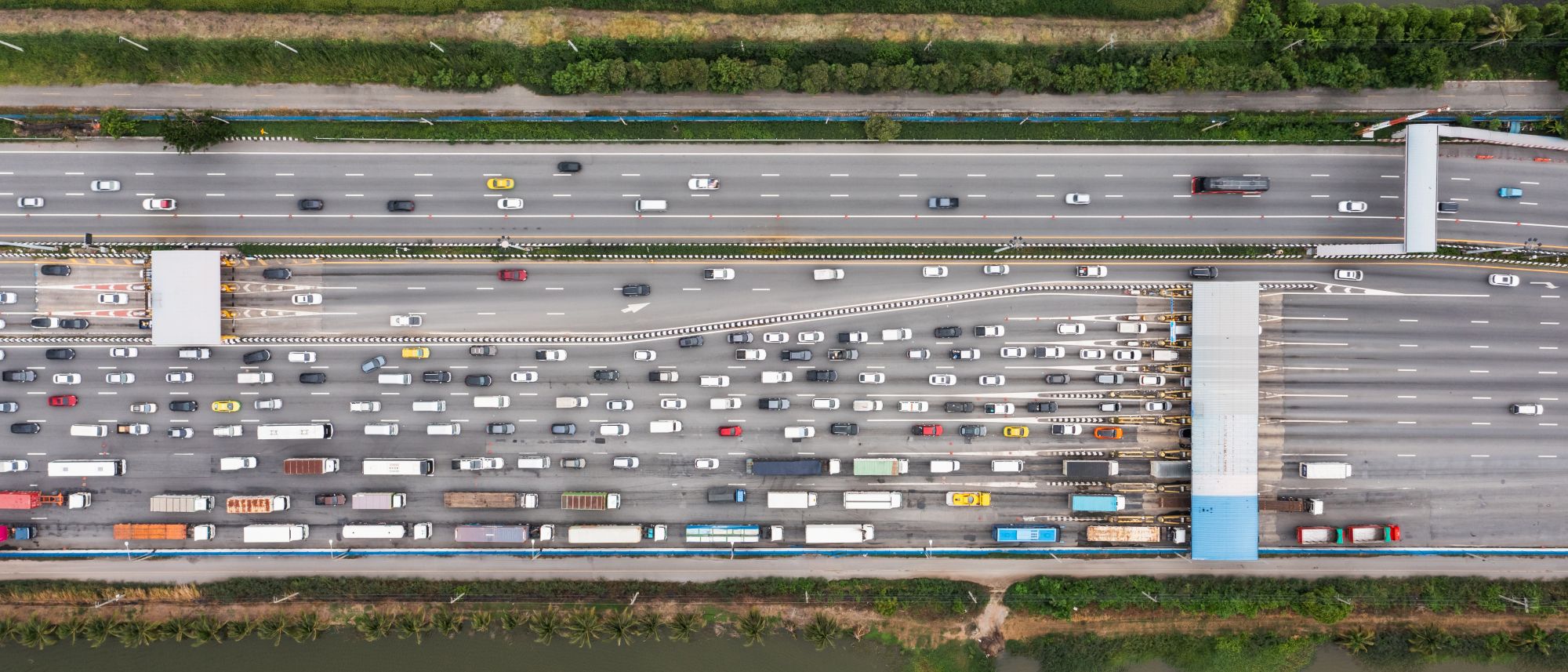
Операційно, оплата за проїзд стає все більш цифровою. Більшість систем, що базуються на відстанях, покладаються на GNSS або GPS відстеження за допомогою бортових пристроїв (OBU), які підтримуються придорожніми порталами, пунктами оплати та камерами відеоспостереження.

Для автопарків це означає більшу залежність від бортових технологій, жорсткіші вимоги до дотримання правил і меншу толерантність до адміністративних помилок. Пропущені платежі на дорогах з вільним рухом (де немає пунктів оплати і немає необхідності зупинятися) можуть швидко обернутися штрафами, особливо для водіїв-іноземців, які не знайомі з місцевими правилами.

Інтероперабельність послуг зі сплати дорожніх зборів в рамках Європейської системи електронних платежів за проїзд (EETS) стає все більш важливою для транскордонних операторів. Замість того, щоб оснащувати транспортні засоби кількома бортовими пристроями для різних країн, автопарки можуть використовувати один затверджений пристрій для сплати дорожніх зборів у кількох європейських мережах. Це спрощує адміністрування, зменшує витрати на встановлення та обслуговування, а також знижує ризик недотримання вимог при пересуванні транспортних засобів між різними режимами оплати за проїзд.
Розподіл за країнами

Країни з високими витратами

У Німеччині діє одна з найбільш комплексних систем дорожніх зборів у Європі. LKW-Maut застосовується до всіх вантажівок вагою понад 3,5 тонни на автобанах та федеральних дорогах. З грудня 2023 року плата за проїзд включає збір за викиди CO₂, що збільшило витрати для дизельних транспортних засобів. Офіційна інформація опублікована на сайті [Toll Collect.] (https://www.toll-collect.de/de/tollcollect/tchomepage.html)

Австрійський GO-Maut є одним з найдорожчих за кілометр в Європі. У 2025 році зчленована вантажівка стандарту Євро-6 платитиме близько 0,50-0,53 євро за кілометр на автомагістралях. Система включає компоненти інфраструктури, шуму, забруднення повітря та CO₂. Електричні вантажівки отримують вигоду від нижчих тарифів. [ASFINAG надає повні таблиці тарифів онлайн.] (https://www.asfinag.at/)

У Бельгії діє покілометрова плата за проїзд для вантажних автомобілів у Фландрії, Валлонії та Брюсселі. Ставки залежать від регіону, ваги та єврокласу і щорічно підвищуються. З 2026 року транспортні засоби з нульовим рівнем викидів більше не будуть повністю звільнені від сплати, але все одно сплачуватимуть зменшену плату за інфраструктуру. Офіційна інформація доступна за посиланням Viapass.

Ринки платних доріг з середньою вартістю

Франція використовує модель концесії автомагістралей. Плата за проїзд застосовується на маршрутах, що експлуатуються приватними компаніями, і сплачується в пунктах оплати або в електронному вигляді. Щорічне підвищення є помірним і регульованим. Більш детальну інформацію публікує [Асоціація французьких автодорожніх товариств] (https://www.autoroutes.fr/index.htm).

Італія дотримується схожого концесійного підходу. Вантажні автомобілі платять [близько 0,10 євро за кілометр] (https://trans.info/en/europe-s-priciest-routes-444305) в мережі Autostrade. Уряд працює над тим, щоб до 2026 року зробити плату за проїзд більш динамічною, потенційно прив'язавши її до заторів та викидів. [Autostrade per l'Italia пояснює розрахунки плати за проїзд] (https://www.autostrade.it/it/home).

Угорська система HU-GO застосовується до вантажівок вагою понад 3,5 тонни на автомагістралях і головних дорогах. Внаслідок високої інфляції тарифи на проїзд різко зросли. Офіційні оновлення публікуються на сайті hu-go.hu.

Ринки з низькою вартістю та перехідні ринки

Польська система e-TOLL стягує плату за кілометр за допомогою GNSS (супутникової) технології. Тарифи зросли у 2025 році і знову зростуть у 2026 році, в той час як мережа платних доріг продовжує розширюватися. Офіційна платформа - [etoll.gov.pl.] (https://etoll.gov.pl/)

Іспанія незвичайна тим, що багато основних автомагістралей стали платними після закінчення терміну дії концесій. Деякі платні маршрути залишилися, і вартість проїзду для вантажівок варіюється в залежності від кілометражу. Позиція іспанського уряду викладена на сайті [Міністерства транспорту] (https://www.transportes.gob.es/movilidad-sostenible/actuaciones-prtr).

Наразі в Румунії діє система віньєток для вантажівок, семиденний пропуск коштує близько [71 євро, а річний - 1 425 євро] (https://www.taxeauto.ro/ro/rovinieta) для найважчих транспортних засобів. Це зміниться в липні 2026 року, коли Румунія запровадить систему оплати за проїзд на основі відстані під назвою TollRo. Очікується, що початкові тарифи будуть низькими, але з часом вони, ймовірно, зростуть. [Поточні тарифи на віньєтки можна знайти в Інтернеті.] (https://roviniete.ro/ro/)
Зміни на 2026 рік

Кілька подій роблять 2026 рік ключовим для європейського толінгу.

З 1 липня Нідерланди запровадять покілометрову плату за проїзд вантажівок, яка замінить євровіньєтку. Очікується, що середній тариф становитиме близько 0,19 євро за кілометр, зі знижками для транспортних засобів з низьким рівнем викидів. Офіційна інформація доступна за посиланням www.vrachtwagenheffing.nl.

Як уже згадувалося, Румунія перейде від віньєток до оплати за проїзд на основі відстані, привівши її у відповідність до сусідніх країн.

По всій Європі диференціація на основі викидів CO₂ стане стандартом, зі зменшенням кількості звільнень та більш жорстким правозастосуванням. Електромобілі й надалі отримуватимуть пільги, але повне звільнення від сплати за проїзд поступово замінюється зниженими ставками, а не нульовою платою за проїзд.

Для автопарків це означає більшу схильність до витрат, що залежать від пробігу, і більше стимулів інвестувати в більш чисті транспортні засоби та кращі інструменти планування.

Як плата за проїзд впливає на поведінку автопарку

Зараз оператори оцінюють маршрути, щоб збалансувати вартість плати за проїзд з витратами пального та часом у дорозі. Інвестиції в транспортні засоби стандарту Євро-6 та транспортні засоби з нульовим рівнем викидів все частіше виправдовуються не лише економією пального, але й зниженням плати за проїзд. Крім того, доплати за проїзд стають більш чіткими в контрактах з клієнтами, а цифрові інструменти оптимізації маршрутів відіграють все більшу роль у повсякденній роботі.

Тому автопарки потребують точного прогнозування, актуальних даних про транспортні засоби та чіткого уявлення про витрати на оплату за проїзд за маршрутами та клієнтами. Рішення про закупівлю транспортних засобів повинні враховувати класи оплати за проїзд, а також паливну ефективність. Транскордонні оператори повинні надавати пріоритет сумісним рішенням щодо оплати за проїзд та забезпечувати розуміння водіями місцевих правил оплати, особливо на дорогах з безперешкодним рухом.

Найважливіше те, що витрати на оплату проїзду повинні бути прозоро відображені в ціноутворенні. Оскільки плата за проїзд все більше залежить від викидів, автопарки, які планують свою діяльність заздалегідь, матимуть більше шансів захистити свою маржу і залишатися конкурентоспроможними.

Для автопарків питання вже не в тому, чи зростуть ціни на проїзд, а в тому, наскільки добре вони підготовлені до управління ними. У найближчі роки мова йтиме не лише про те, як далеко проїжджає транспортний засіб, але й про те, наскільки чисто, де і за якою системою він проїжджає.

Оскільки плата за проїзд все тісніше пов'язана з викидами, пробігом і типом транспортного засобу, розуміння того, за що і де ви платите, має більше значення, ніж будь-коли. SNAP допомагає менеджерам автопарків та операторам управляти платежами та надавати водіям доступ до безпечних, добре обладнаних стоянок для вантажівок. Зареєструйтеся безкоштовно вже сьогодні.
Поділіться на

Читайте також...

Header Image

понеділок 26 січня 2026 • Новини та оновлення

ПІДГОТУВАТИ БЮДЖЕТ ВАШОГО АВТОПАРКУ НА 2026 РІК ДЛЯ (НЕ)ОЧІКУВАНИХ ВИТРАТ

Guest

Preparing your fleet budget goes beyond simple financial exercises. As a manager, you need strategic oversight to navigate economic headwinds and an evolving regulatory framework. It is essential to prepare your company for unexpected events, as these instances define operational stability and success. Here’s how to build a responsive budget and get ready for future challenges. Being a fleet manager means foreseeing both the predictable trends and significant uncertainties. The following seven strategies are designed to absorb shocks, adapt to change and build resilience. Your budget may have a fixed monetary amount each year. While simple, it could be too static when anticipating unexpected events. Make your financial planning more dynamic by allocating a specific percentage rather than a fixed amount. For instance, your emergency fund could be 5% of the total budget instead of $100,000 annually. Using a percentage is wise because it hedges against inflation. A fixed amount loses purchasing power over the years, whereas a percentage-based fund grows with the budget. You get automatic protection from marketwide surges. Consumer prices in the U.K. , though they can quickly fluctuate due to market conditions. Fleet managers used to determine their budgets based on acquisition prices. Now, they are focusing on budget stability and long-term strategies. Make your process more holistic by managing the total cost of ownership (TCO) and the cost per vehicle over their lifetimes. This approach makes you more meticulous and your budget more dynamic. Mastering TCO involves centralising your data and using dedicated fleet management software. This technology helps your business by and recommending conservation strategies. TCO also enables you to forecast the year for each vehicle based on historical information. Use this to make more informed acquisitions and save money. A volatile economic climate means you need to contain costs. Leverage your company’s position by reviewing supplier contracts and considering renegotiations before renewal. This strategy converts unpredictable expenses into more manageable line items. Your business partner may raise prices on essential goods, so your meetings should lock in prices for tyres and oil. Narrow your negotiation to key areas, such as pricing structure. Your primary focus should be fixed-price agreements for high-volume items and standard labour rates. Savvy fleet managers leverage their spending from the previous year to earn volume discounts and capped increases. These properly managed contracts insulate your business and transfer risk to suppliers. Risk management for your fleet budget also includes insurance optimisation. Managers should turn this annual exercise into an opportunity to protect their business from financial debilitation. The right policy is crucial because it protects against shocks that can result in third-party damage or injury. It also increases predictability by turning repair bills into known variables. Insurance optimisation requires a thoughtful, data-driven process. Give your broker a risk management portfolio to showcase positive trends, such as fewer speeding incidents or less harsh braking. If you have policy excess, ask your insurer to model the premium savings for a higher deductible. Therefore, you can save money on your monthly payment. Maintenance and repairs can be unpredictable and expensive. One breakdown on the M6 could require costly engine work or a transmission replacement. Be proactive by implementing structured service schedules. Beyond the manufacturer's guidelines, you should create detailed plans for each vehicle based on its usage and age. You can dive deeper by including motorway driving and city travel. Your maintenance schedule should also include daily tasks. For example, experts to prevent condensation formation. If the tank is close to empty, sediment buildup and pump damage may occur. Cleaning is another nonnegotiable daily chore, especially when driving over road salts and chemicals. Rinse off dirt and other contaminants before storing vehicles. Accidents are among the most unexpected parts of your fleet budget. Besides the crash, managers must also and solicitor fees. However, proper driver training can mitigate this cost by reducing its frequency. Targeted coaching helps operators understand defensive driving, hazard perception and the specific dynamics of their jobs. Investing in driver training is one element of risk control. Human driving can be unpredictable, but education transforms it into a more consistent variable. By improving your drivers, you also help your insurance premiums. An accident can raise rates, so proper training is one way to control costs. A decrease in incidents can be used as leverage in insurance negotiations. Fleets are becoming more connected as they transform into data hubs. Your vehicles can generate and store vast amounts of information, which is essential for management. However, the connectivity exposes the modern automobile to liabilities. Budget for cybersecurity to protect your assets from digital threats and prepare for the unexpected. Managing this part of your fleet budget involves protecting vehicle systems. You could invest in hardware and software solutions to create firewalls around your GPS and V2X communications. This strategy helps keep your software up to date and protected from external threats. Secure data transmission is another part of preparing for the unexpected. Forward-thinking managers invest in fleet management systems with end-to-end encryption. Before building a resilient operation, it is essential to understand why. You should budget for unexpected events to ensure continuity. If a vehicle breaks down, it could halt operations and delay services. However, planning for these incidents provides a buffer and safeguards your bottom line. All vehicles are subject to failure, so you are preparing for the physical reality. This strategy is also essential for the bigger picture. For instance, economic volatility is a factor outside your control. Sudden inflation, interest rate hikes and price increases are detrimental to static budgets. However, planning for unexpected costs helps absorb them. By accurately forecasting expenses, you build financial discipline and credibility with stakeholders.Building a dynamic budget demonstrates strategic leadership more than defensive measures. As you incorporate wise approaches, you fundamentally shift your organisation’s mindset and promote proactive control. The modern economic climate requires fleet managers to absorb shocks and mitigate asset failure. A strong budgetary framework lets you protect profit margins and guarantee continuity.Discover more from

Header Image

середа 14 січня 2026 • Новини та оновлення

НАЙСКЛАДНІШІ МІСТА ЄВРОПИ ДЛЯ ПАРКУВАННЯ ТА ВОДІННЯ

Josh Cousens

Driving and parking in Europe’s cities can be a daily headache for HGV drivers — and high stress levels don’t just affect wellbeing; they impact fleet efficiency too. For logistics managers, knowing where these challenges are greatest is crucial for route planning, driver safety, and operational performance.Using social listening to analyse millions of geotagged posts across 150 European cities, our research identifies the places drivers find most stressful. Liverpool tops the list (60.5% of posts show driving-related stress), followed by Prague (59.2%) and Dublin (58.5%). Liverpool also ranks 2nd for most stressful city for parking in the UK. Congestion, scarce parking, and tricky road conditions are the main pain points highlighted by drivers across Europe.This study maps Europe’s HGV stress hotspots using real-world driver sentiment, showing how city conditions affect wellbeing. It is not about ranking countries, but giving fleet and logistics managers clear, actionable insights to support drivers, plan smarter routes, and reduce urban driving pressures.Our research analysed over 14 million geotagged social media posts from 150 European cities, covering driving-related topics such as parking, traffic, and road conditions. Posts were assessed for stress by tracking keywords and phrases linked to negative emotions in English and local languages. Each city was scored based on the percentage of posts expressing stress, providing a clear picture of driver pressure across Europe. Data was collected across major social media platform X (formerly Twitter) throughout 2025.“Stress” covers the pressures fleet drivers face on the road, including traffic, parking, road conditions, general driving, and conflicts with other drivers. Understanding these factors helps support driver wellbeing and performance.As of 2025 for most stressful cities for driving:1. . 60.5% of stressed social posts about parking the highest proportion of stress-related driving posts in Europe. . 59.2% of stressed social posts about parking likely due to dense traffic, historic street design, and limited space for larger vehicles navigating the city. . 58.5% of stressed social posts about parking – Driver stress is strongly linked to congestion delays, parking shortages, and busy commuter routes impacting daily driving conditions.The top 3 most stressful UK cities for parking in 2025:1. . Commonly shortened to as “Newcastle” and located in the county, Tyne and Wear, this city has a staggering 65.3% of stressed social posts about parking, making it the most stressful UK city for parking in 2025. . In Merseyside, 64.4% of social posts about parking in Liverpool express stress. . 63.9% of stressed social posts about parking in this city of North Yorkshire.Scotland also shows elevated parking stress, with ) and ranking among the UK’s most challenging cities to park in. Additionally, (57.9 of stressed social posts about parking. Contributing factors could include narrow streets, dense urban layouts, high demand for limited parking space, and city-centre restrictions, which may increase pressure on drivers.Using millions of geotagged social media posts, we scored each city was by the share of stress-related posts, revealing Europe’s top driving, parking hotspots, and highlighting the urban conditions that challenge drivers most. Our infographic map shows the top cities for driving and parking pressure, revealing key urban hotspots and the challenges faced by drivers in each market.Cities can increase driver stress due to congestion, narrow streets, and complex road layouts. (ranked 1st), (4th), and (5th) all feature among the most stressful cities to drive in England, with between and . Congestion hotspots and bottlenecks — such as and heavily congested routes like .— are key contributors to these elevated stress levels. and is one of Europe’s most congested cities, with due to heavy traffic, highlighting persistent congestion pressures on urban roads. Further social listening focused specifically on Irish motorists revealed that the counties of and recorded notably high parking stress levels, with scores ranging from to These high figures highlight persistent challenges for drivers in these areas, largely driven by heavy car dependency — , . Additionally, Leitrim has local reports of sparse road infrastructure and that contributes driver stress in this Irish county. (ranked 7th) – while not one of the most congested Polish cities overall, , with drivers spending notable time in traffic and major roadways such as the S86 and A4 seeing heavy daily traffic volumes that can contribute to the stress score of 53.6%. Similarly, (ranked 13th) has drivers spending approximately , contributing to its stress score of 50.3% in 2025. (ranked 8th) faces notorious congestion as one of Europe’s most crowded cities, with drivers spending significantly more time in gridlock and due to slow traffic. Spain’s capital; (15th) suffers from heavy congestion, with a . Narrow streets and persistent traffic, especially in areas like make every day driving slow and stressful. Similarly, in Bilbao, in Spain (ranked 20th) on key routes like the A‑8 and BI‑30, causing extended queues and slow movement, which contributes to stressful driving conditions.Parking also contributes to driver and fleet management stress, as limited availability, high demand, and restrictive regulations across Europe’s cities which can delay journeys, increase frustration, and complicate route planning.Also, through social listening, we have collected data on the cities where drivers experience the across Europe, specifically in Romania, Poland, Spain, and the UK. Paying attention to these areas is important for fleet operators, as limited parking availability, high demand, and urban congestion can disrupt schedules, increase delays, and affect driver wellbeing.Our research shows the highest parking stress in Europe is in (83.3%) and (80%) facing issues like limited urban parking spaces and high vehicle density. Similarly, in the UK, (65.3%), (64.4%), and (63.9%) are the cities with the most parking stress for motorists. These located struggle with restricted city‑centre spaces, , congestion and contribute to driver frustration. Romanian cities and , along with the Spanish cities of and , recorded the within their respective countries. However, compared with the UK and Poland, their stress scores are lower — ranging from to — suggesting more manageable parking conditions, fewer bottlenecks, and relatively less pressure on drivers in these urban areas.HGV drivers face pressures that differ from regular car drivers. Limited parking for large vehicles, navigating narrow or congested streets, and high traffic volumes can make urban driving more challenging and stressful, turning routine journeys into time‑pressured, high‑stress experiences.Let us dive deeper into the factors causing stress for HGV drivers:. Scarce lorry bays and high demand make it hard to find safe places to stop, especially in urban centres. The reports an estimated creating significant stress for HGV drivers who struggle to find safe and legal places to park., creating significant stress for HGV drivers who struggle to find safe and legal places to park. . Tight roads and historic city centres require careful navigation, increasing stress and risk of delays in cities like Prague, Dublin, and Liverpool. Heavy commuter and freight traffic slows journeys, increases travel times, and heightens frustration particularly in busier cities like London, Birmingham, Bucharest, and Madrid. Restrictions on vehicle access, extra charges, and rerouting requirements can complicate planning and add pressure. For example, require some HGVs to seek alternate routes. Height and weight limits, prohibited turns, and time-specific delivery windows force drivers onto longer or less convenient routes. Long urban journeys without access to rest areas, fuelling, or amenities can increase fatigue and mental strain for HGV drivers.Stressful cities create challenges for HGV drivers. Congestion, limited parking, and complex urban layouts can lead to lost time, missed deliveries, increased fatigue, and a higher risk of minor collisions or near-misses.Drivers can manage stress by planning routes carefully, taking scheduled breaks, and using technology to anticipate delays or help with . SNAP supports drivers with tools like the intruck app, helping them locate available parking, plan efficient routes, and stay informed about congestion, reducing stress and making and more manageable.Stressful cities do not just affect drivers — they impact fleet performance too. Congestion and limited parking can lead to delayed deliveries, higher fuel and operating costs, reduced driver wellbeing, and increased risk of fines or penalties. These pressures can eat into margins and complicate scheduling, , and customer satisfaction.Fleet operators can overcome these challenges by adopting and support systems: using real‑time traffic and parking insights, building flexible schedules, and . Available at over 850 service partners across Europe, SNAP’s fleet payment solution is used every 12 seconds across the continent to pay for truck services — without cash or a card.Understanding driving and parking stress hotspots across Europe helps fleets operate more safely and efficiently. By using these insights for route planning, driver training, tech adoption, and risk reduction, operators can reduce delays, improve wellbeing, and protect their drivers. SNAP supports this mission for the haulage fleets, offering secure parking, seamless payments, and tools that make daily operations calmer and safer.

Header Image

четвер 08 січня 2026 • Новини та оновлення

СТОЯНКА ДЛЯ ВАНТАЖІВОК У САТТЕРТОНІ: ПІДВИЩЕННЯ СТАНДАРТІВ КОМФОРТУ ТА БЕЗПЕКИ ВОДІЇВ

Susie Jones

Situated on the A17 and a short drive from Boston is , a haven for truck drivers transporting goods along this stretch of road. The location provides not only a truck stop with the usual amenities one would expect clean showers, toilets, shop, and refuelling options but it also presents drivers with the choice to dine at the Roadside Diner, providing visitors with an American-themed restaurant with a variety of meals. We sat down with Director James Townsend to discuss improvements to the site, driver welfare, site security, and their long-standing relationship with SNAP. explains James. The site has undergone a major refurbishment, prioritising the needs of truck drivers. Nestled inside the truck stop is the new roadside diner. James and the team have recently taken back ownership of this and refurbished it. James says. He goes on to explain that it was more than upgrading existing facilities, but providing drivers with the right facilities to make the site a home away from home. SNAP asked truck drivers parking at Sutterton what they thought of the new facilities on offer. One driver commented:When it came to the design of the truck park, the site worked closely with SNAP to maximise the site’s potential:Driver welfare still remains a huge priority for those working in the industry, with investment into truck parking lacking, something James is all too aware of after working with the DFT. he explains. While investment is valuable, directing it into the right facilities for truck drivers is also imperative. James states. James and the rest of the team work closely with SNAP’s UK Network Team as well as , providing them with a single, clear point of contact should any issues arise. explains James. Having the support in place for complaints and technical issues is a major advantage for a truck stop like Sutterton, which often manages competing demands. Working with SNAP has delivered additional benefits as well, as James goes on to say:To ensure truck drivers get a good night’s rest, ensuring the site is as safe and secure as possible was vital for Sutterton Truck Stop. Working with SNAP Access & Security from the outset has allowed James and the team to do exactly that. says James. The site is a firm believer in training its staff to deal with incidents if they occur. Inspired by what you’ve just read? Catch the full interview with