Guest
Novinky a aktualizace • 4 min čtení

Rozdělení mýtných systémů v Evropě

Vytvořeno: 19.01.2026

Aktualizováno: 19.01.2026

Pro mnoho vozových parků působících v Evropě se mýtné v tichosti stalo jedním z nejsložitějších a nejméně předvídatelných nákladů. Kdysi relativně jednoduchá otázka dálničních poplatků se změnila ve změť národních systémů, technologií a cenových modelů, které nyní zohledňují emise, hmotnost vozidel, počet náprav, zeměpisnou polohu a dokonce i denní dobu.

S příchodem roku 2026 už mýtné není jen poplatkem za infrastrukturu. Stále častěji se jedná o politickou páku, kterou vlády využívají k financování silnic, řízení dopravních zácp a urychlení přechodu na dopravu s nižšími emisemi. Pro provozovatele vozových parků má tento posun reálné finanční důsledky.

V tomto článku se dozvíte, jak funguje mýtné v Evropě, kolik dnes vozový park skutečně platí a jaké změny se chystají.

Proč je mýtné důležité

Marže v silniční dopravě jsou nízké. Náklady na pohonné hmoty, pracovní sílu, pojištění a dodržování předpisů v posledních letech prudce vzrostly. V této souvislosti nabývá mýtné na významu, zejména pro dálkové a přeshraniční dopravce.

V zemích, jako je Německo a Rakousko, se náklady na mýtné na kilometr mohou na některých trasách rovnat nákladům na pohonné hmoty. Ve střední a východní Evropě je mýtné stále nižší, ale rychlý nárůst a rozšiřování sítě tento rozdíl snižují. Zavedení mýtného na základě emisí CO₂ zároveň znamená, že dvě jinak stejná vozidla mohou mít v závislosti na svém emisním profilu velmi rozdílné účty za mýtné.

Pro vozové parky provozující mezinárodní dopravu je mýtné důležitým faktorem při plánování tras, pořizování vozidel a stanovování cen.

Jak funguje mýtné v Evropě

Neexistuje jednotný evropský mýtný systém. Místo toho se musí vozový park pohybovat v kombinaci národních přístupů, které obecně spadají do tří kategorií.

Mýtné podle ujeté vzdálenosti se účtuje za každý ujetý kilometr. V současné době se jedná o dominantní model pro těžká nákladní vozidla, který se používá v zemích, jako je Německo, Rakousko, Polsko, Maďarsko a Belgie.

Časové dálniční známky umožňují vozidlům využívat silniční síť po pevně stanovenou dobu, například den, týden nebo rok. Tradičně se jednalo o průkaz zobrazený na čelním skle, ale stále častěji se používá digitální podoba.

Hybridní systémy kombinují zpoplatněné silnice s alternativami bez mýtného. Francie, Itálie a Španělsko provozují modely, kde se mýtné platí pouze na určitých trasách.

Revidovaná směrnice EU o eurovinětě ve všech třech modelech tlačí země k účtování poplatků na základě ujeté vzdálenosti a emisí. Tím se postupně snižuje úloha paušálních dálničních známek a zvyšují se náklady vozových parků s vysokým počtem ujetých kilometrů.

Technologie mýtného

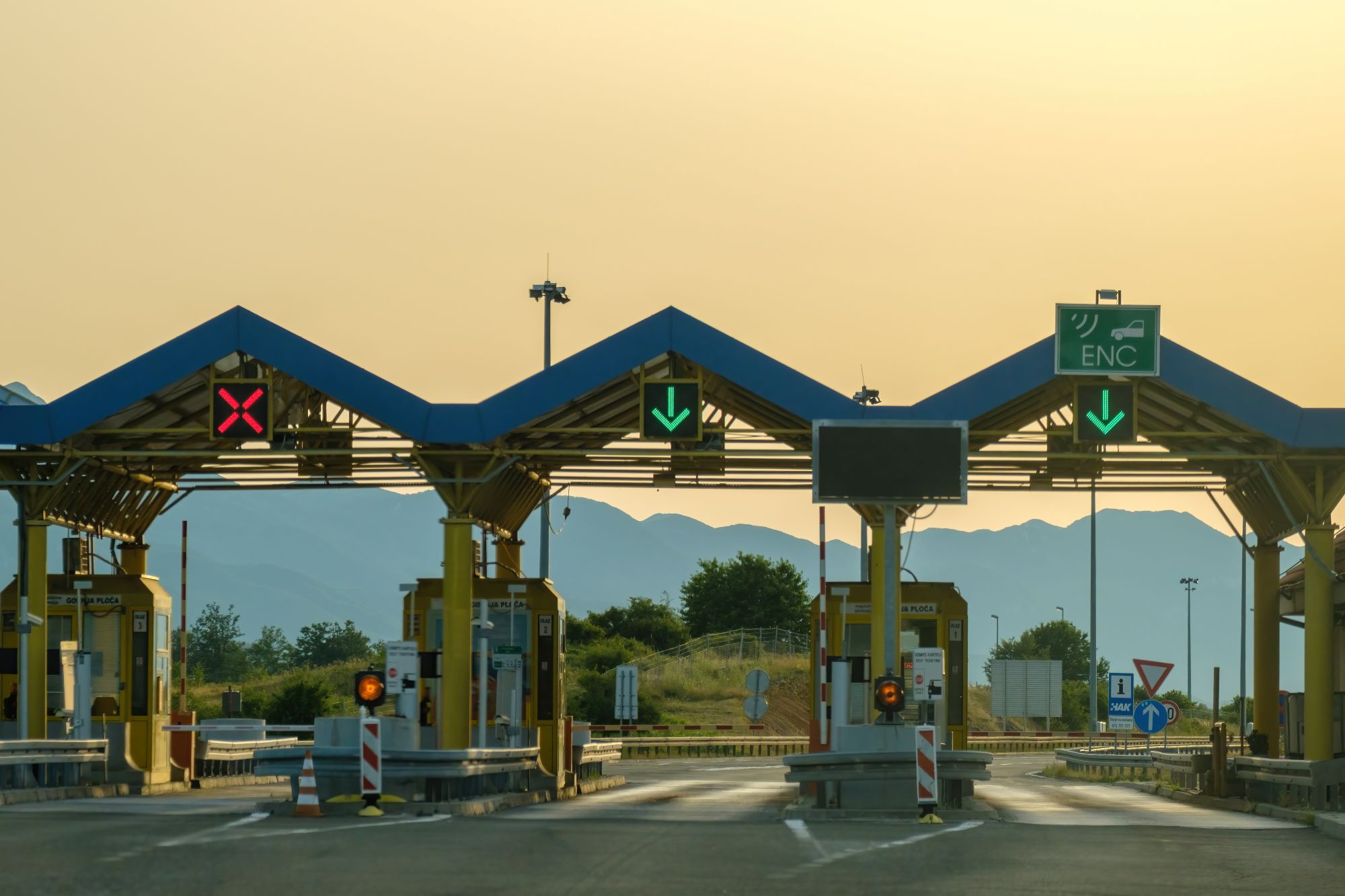
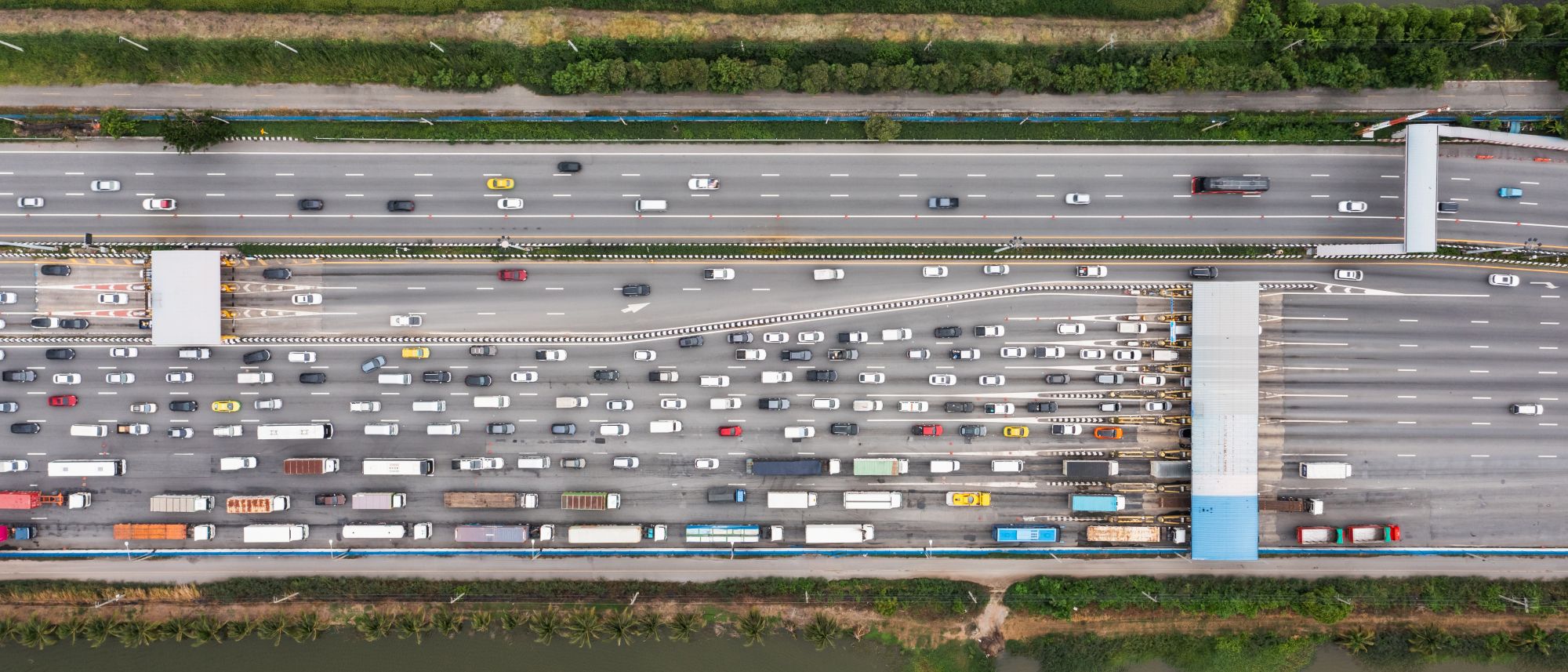
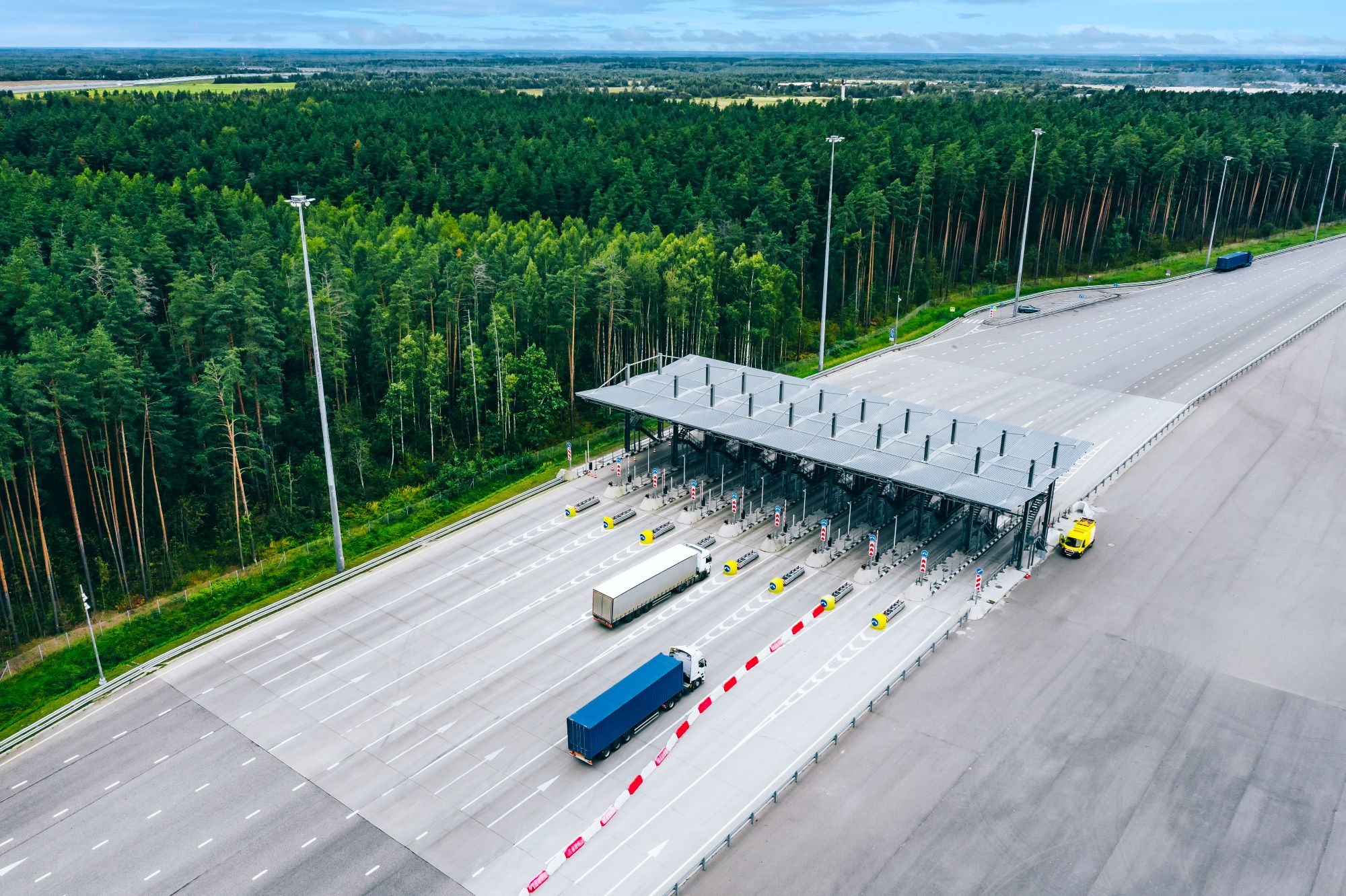
Z provozního hlediska se mýtné stále více digitalizuje. Většina systémů založených na měření vzdálenosti se spoléhá na sledování pomocí GNSS nebo GPS prostřednictvím palubních jednotek (OBU), které jsou podporovány silničními portály, mýtnými budkami a kamerami.

Pro vozové parky to znamená větší závislost na palubních technologiích, přísnější požadavky na dodržování předpisů a menší toleranci pro administrativní chyby. Chybějící platby na volně průjezdných silnicích (kde nejsou mýtné brány a není třeba zastavovat) se mohou rychle proměnit v pokuty, zejména u mezinárodních řidičů, kteří neznají místní pravidla.

Interoperabilní mýtné služby v rámci Evropské služby elektronického mýtného (EETS) jsou pro přeshraniční provozovatele stále důležitější. Namísto vybavení vozidel palubními jednotkami pro jednotlivé země mohou vozové parky používat jediné schválené zařízení k placení mýtného v několika evropských sítích. To zjednodušuje správu, snižuje náklady na instalaci a údržbu a snižuje riziko nedodržení předpisů při přejezdu vozidel mezi různými režimy mýtného.
Rozdělení podle jednotlivých zemí

Země s vysokými náklady

Německo provozuje jeden z nejrozsáhlejších mýtných systémů v Evropě. LKW-Maut se vztahuje na všechna nákladní vozidla nad 3,5 tuny na dálnicích a spolkových silnicích. Od prosince 2023 je součástí mýtného poplatek za emise CO₂, který zvýšil náklady pro vozidla s dieselovým motorem. Oficiální podrobnosti zveřejňuje [Toll Collect.] (https://www.toll-collect.de/de/tollcollect/tchomepage.html).

Rakouská silnice GO-Maut patří v přepočtu na kilometr k nejdražším v Evropě. Kloubový nákladní automobil splňující normu Euro VI platil v roce 2025 na dálnicích přibližně 0,50 až 0,53 eur na kilometr. Systém zahrnuje složky infrastruktury, hluku, znečištění ovzduší a emisí CO₂. Elektrická nákladní vozidla mají výhodu nižších sazeb. [ASFINAG poskytuje úplné tabulky sazeb online] (https://www.asfinag.at/).

V Belgii se pro nákladní automobily ve Vlámsku, Valonsku a Bruselu vybírá mýtné na základě ujetých kilometrů. Sazby se liší podle regionu, hmotnosti a třídy Euro a každoročně se zvyšují. Od roku 2026 již nebudou vozidla s nulovými emisemi zcela osvobozena od mýtného, ale stále budou platit snížené poplatky za infrastrukturu. Oficiální informace jsou k dispozici na adrese Viapass..

Středně nákladné mýtné trhy

Francie používá koncesní model dálnic. Mýtné se platí na trasách provozovaných soukromými společnostmi a platí se v mýtných budkách nebo elektronicky. Roční nárůsty jsou mírné a regulované. Více informací zveřejňuje [Association des Sociétés Françaises d'Autoroutes] (https://www.autoroutes.fr/index.htm).

Itálie uplatňuje podobný přístup založený na koncesích. Těžká nákladní vozidla platí na síti Autostrade přibližně 0,10 EUR za kilometr. Vláda pracuje na dynamičtějším zpoplatnění do roku 2026, které by mohlo být spojeno s dopravními zácpami a emisemi. [Autostrade per l'Italia vysvětluje výpočty mýtného] (https://www.autostrade.it/it/home).

Maďarský systém HU-GO se vztahuje na nákladní vozidla nad 3,5 tuny na dálnicích a hlavních silnicích. V důsledku vysoké inflace se sazby mýtného prudce zvýšily. Oficiální aktualizace jsou zveřejňovány na adrese hu-go.hu..

Levnější a přechodné trhy

Polský systém e-TOLL zpoplatňuje kilometr pomocí satelitní technologie GNSS. Sazby se zvýšily v roce 2025 a znovu se zvýší v roce 2026, přičemž síť mýtného se nadále rozšiřuje. Oficiální platforma je etoll.gov.pl..

Španělsko je výjimečné tím, že mnoho hlavních dálnic bylo po vypršení koncesí zpoplatněno. Některé zpoplatněné trasy zůstávají a náklady na kilometr se pro nákladní vozidla liší. Postoj španělské vlády je popsán prostřednictvím [ministerstva dopravy] (https://www.transportes.gob.es/movilidad-sostenible/actuaciones-prtr).

V Rumunsku v současné době funguje systém dálničních známek pro nákladní vozidla, přičemž sedmidenní známka stojí přibližně 71 eur a roční známka 1 425 eur pro nejtěžší vozidla. To se změní v červenci 2026, kdy Rumunsko zavede mýtný systém založený na ujeté vzdálenosti s názvem TollRo. Očekává se, že počáteční sazby budou nízké, ale časem se pravděpodobně zvýší. [Aktuální sazby dálničních známek naleznete na internetu] (https://roviniete.ro/ro/).
Změny pro rok 2026

Rok 2026 je pro evropské mýtné klíčový díky několika událostem.

Nizozemsko zavede od 1. července mýtné pro nákladní automobily podle ujetých kilometrů, které nahradí eurovinětu. Očekává se, že průměrné sazby budou činit přibližně 0,19 EUR za kilometr, přičemž pro vozidla s nízkými emisemi budou poskytovány slevy. Oficiální informace jsou k dispozici na adrese www.vrachtwagenheffing.nl..

Jak již bylo zmíněno, Rumunsko přejde z dálničních známek na zpoplatnění na dálku, čímž se vyrovná sousedním zemím.

V celé Evropě se diferenciace na základě CO₂ stane standardem s omezením výjimek a přísnějším prosazováním. Elektrická nákladní vozidla budou i nadále zvýhodněna, ale úplné osvobození se postupně nahrazuje sníženými sazbami, nikoli nulovým mýtným.

Pro vozové parky to znamená vyšší expozici nákladům na základě ujetých kilometrů a větší motivaci k investicím do ekologičtějších vozidel a lepších nástrojů pro plánování.

Jak mýtné ovlivňuje chování vozového parku

Provozovatelé nyní vyhodnocují trasy, aby vyvážili náklady na mýtné a spotřebu paliva a dobu jízdy. Investice do vozidel Euro 6 a vozidel s nulovými emisemi jsou stále více odůvodňovány nejen úsporou paliva, ale i snížením mýtného. Kromě toho jsou mýtné příplatky stále explicitněji uvedeny ve smlouvách se zákazníky a digitální nástroje pro optimalizaci tras hrají v každodenním provozu stále větší roli.

Vozové parky proto potřebují přesné předpovědi, aktuální údaje o vozidlech a jasný přehled o vystavení mýtnému podle tras a zákazníků. Při rozhodování o nákupu vozidel by se měly zohlednit třídy mýtného spolu s palivovou účinností. Přeshraniční provozovatelé by měli upřednostňovat interoperabilní řešení mýtného a zajistit, aby řidiči rozuměli místním pravidlům placení, zejména na volně průjezdných silnicích.

Nejdůležitější je, aby se náklady na mýtné transparentně odrážely v cenách. Vzhledem k tomu, že mýtné se stále více řídí emisemi, budou mít vozové parky, které plánují dopředu, lepší možnost chránit marže a zůstat konkurenceschopné.

Pro vozové parky již není otázkou, zda se mýtné zvýší, ale jak dobře jsou na jeho zvládnutí připraveny. V příštích letech nepůjde jen o to, jak daleko vozidlo ujede, ale jak čistě, kde a v rámci jakého systému.

Vzhledem k tomu, že mýtné je stále více vázáno na emise, počet ujetých kilometrů a typ vozidla, je pochopení toho, kolik a kde platíte, důležitější než kdy jindy. SNAP pomáhá správcům a provozovatelům vozových parků spravovat platby a podporovat řidiče v přístupu k bezpečným a dobře vybaveným zastávkám pro nákladní automobily. Zaregistrujte se zdarma ještě dnes.

Sdílet na

Ostatní také čtou...

Header Image

čtvrtek 11 června 2026 • Novinky a aktualizace

CESTY NA MISTROVSTVÍ SVĚTA V KOPANÉ VERSUS REALITA SILNIČNÍ NÁKLADNÍ DOPRAVY: JAK EVROPŠTÍ ŘIDIČI KAMIONŮ KAŽDÝ TÝDEN PŘEKONÁVAJÍ VZDÁLENOSTI NA TURNAJI

Lucy Black

When football fans think about the FIFA World Cup, they think about big matches, packed stadiums and long journeys.And in 2026, those journeys will be bigger than ever.The expanded FIFA World Cup will feature 48 teams, 104 matches and 16 host cities spread across the United States, Canada and Mexico. It will be the largest and most geographically dispersed World Cup ever staged.Millions of supporters will travel across North America. Teams will cover thousands of kilometres throughout the tournament. Billions of pounds will be spent. Vast amounts of equipment, merchandise, food, drink and technology will need to be moved between venues.But while football fans focus on the journeys made by players and supporters, there is another group of professionals covering similar distances every month.Europe's truck drivers.In fact, a truck driver in Spain could cover more than 10,000 kilometres in just four weeks. That's comparable to the distance some teams could travel throughout an entire World Cup campaign.There's another important similarity too.Without logistics, there is no World Cup.As , explains:Every match, every fan zone and every broadcast relies on goods being delivered to the right place at the right time. From food and drink to merchandise, security infrastructure and broadcasting equipment, road transport plays a critical role behind the scenes.The reality is simple. While football takes centre stage, logistics makes it possible.The 2026 tournament will create one of the most complex logistics operations ever seen in sport.Unlike previous World Cups hosted in a single country, teams could be travelling thousands of kilometres between fixtures throughout the competition.For players, those journeys will be carefully planned and supported by charter flights, recovery teams and world-class facilities.For truck drivers, covering long distances is simply part of everyday life.Across Europe, drivers move goods between manufacturers, ports, warehouses, retailers and customers every day. They connect supply chains, support businesses and keep economies moving.The scale of logistics required for a global event like the World Cup is enormous.As , explains:Every screen, every item of merchandise, every catering delivery and every piece of technical equipment must arrive exactly where it is needed.The same expertise that helps major sporting events run smoothly is being used every day across Europe's transport networks.A team progressing from the group stages to the final could realistically travel between 8,000 and 15,000 kilometres during the 2026 FIFA World Cup.To put that into perspective, SNAP compared projected World Cup travel distances against the average weekly mileage completed by truck drivers across some of Europe's largest freight markets.The results show that truck drivers across Europe routinely cover World Cup-level distances in as little as four weeks.In Spain, Portugal, the Netherlands and Poland, drivers can cover close to or more than 10,000 kilometres over a month.While football teams travel with dedicated support staff and carefully planned schedules, drivers achieve similar distances while managing delivery deadlines, congestion, border crossings, parking shortages and increasingly complex transport networks.It is a reminder of the scale of modern road freight and the critical role drivers play in keeping supply chains moving.Comparing distances only tells part of the story.Players travel between matches.Drivers travel whilst managing deliveries, navigating road networks, complying with regulations and keeping customers supplied.Every week, millions of tonnes of goods move across Europe, supporting supermarkets, manufacturers, construction projects, healthcare providers and countless other industries.The distances may be similar.The challenges are not.Road freight remains the backbone of European trade.Around 75% of inland freight transport across the European Union is moved by road when measured in tonne-kilometres.Every year, billions of tonnes of goods travel across Europe's road networks.Behind every delivery is a transport operation built on the expertise of drivers, fleet managers and logistics professionals.Major sporting events simply make that reality more visible.The World Cup creates additional demand for food, beverages, merchandise, security equipment and event infrastructure. The pressure on transport networks increases significantly.But for transport operators, managing complex logistics is not a once-every-four-years challenge.It's business as usual.Large sporting events often highlight challenges that fleet operators deal with every day.Research from previous World Cups and Olympic Games has shown that host cities experience increased congestion, higher freight demand and greater pressure on transport infrastructure.During major sporting tournaments, cities often see:Increased congestion Higher demand for food and beverage deliveries Greater pressure on parking facilities Increased demand for security logistics Additional passenger transport requirements More complex route planningAs , points out:He's right.Whether it's food and drink for supporters, retail stock, security infrastructure or broadcast technology, major events place huge demands on logistics networks.For fleet managers, those operational pressures are familiar territory.While football teams rely on coaches, analysts and support staff, supply chains rely on drivers.Yet Europe's transport sector continues to face significant challenges.There is an estimated shortage of around 390,000 secure truck parking spaces across Europe.At the same time, driver shortages remain a major concern across many markets.Without drivers, supply chains stop.Without safe, secure places to rest, attracting and retaining drivers becomes even more difficult.As , explains:It's a simple observation, but it highlights an important truth.Whether it's a major sporting tournament or a normal weekend, drivers are the people making sure shelves stay stocked, businesses stay supplied and customers get what they need.For fleet managers, investing in driver welfare is no longer a nice-to-have.It's a business necessity.Providing access to secure parking, quality facilities and efficient payment solutions helps improve driver satisfaction, supports retention and drives operational efficiency.The biggest lesson from the World Cup isn't about football.It's about preparation.The teams that perform best are supported by planning, logistics and infrastructure that allows them to perform when it matters most.The same applies to transport operations.The fleets best positioned for success are those investing in:Driver welfare Secure truck parking Operational visibility Smarter transport payments Fleet efficiency Transport technology Simplified fleet managementThe journeys completed by football teams during the World Cup may capture the headlines.But they also provide a useful reminder of the distances being covered by Europe's transport industry every single day.From Spain and Portugal to Poland, Romania and the United Kingdom, professional drivers routinely travel extraordinary distances whilst supporting businesses, communities and supply chains across the continent.While the world's best footballers compete on the biggest stage, millions of drivers will continue doing what they do every day: keeping goods moving and economies running.At SNAP, we're proud to support those journeys through smarter transport payments, better access to truck parking and driver facilities, and solutions designed to make life easier for fleets and drivers alike.Because while the World Cup only lasts a few weeks, Europe's transport industry operates at that scale every single day.

Header Image

středa 25 března 2026 • Novinky a aktualizace

JAK PREDIKTIVNÍ SYSTÉMY KROTÍ NEJISTOTU DODÁVEK

Evelyn Long

Delivery operations rarely unfold exactly as planned. Even the most carefully designed logistics schedules must contend with an unpredictable world. Travel congestion can add hours to a route, severe weather can delay entire regions and a single vehicle breakdown can disrupt dozens of deliveries scheduled throughout the day. When these disruptions occur, they often create a chain reaction that affects drivers, warehouses, customers and operational costs. For companies that operate fleets, whether they deliver packages, medical supplies, food or construction materials, this uncertainty can significantly impact business performance. Missed delivery windows frustrate customers and can damage brand reputation. Delays can also increase fuel costs, overtime pay and operational inefficiencies. In industries where margins are tight, even small disruptions can add up quickly.What makes delivery uncertainty especially challenging is how interconnected modern logistics networks have become. A delay at one point in the system can ripple outward, affecting multiple routes and schedules. Without the right tools to anticipate and manage these disruptions, businesses are often forced to react in real time, which can lead to rushed decisions and inefficient solutions.One of the key technologies helping organisations manage delivery uncertainty is the Internet of Things (IoT). IoT refers to networks of connected devices, such as sensors, GPS trackers and telematics systems, that connect and transmit real-time data from vehicles, equipment and infrastructure. In fleet operations, IoT devices can monitor a wide range of conditions. GPS tracking for vehicles on the road. Engine sensors can track vehicle performance and detect early signs of mechanical issues. Temperature sensors can ensure that sensitive cargo remains within required conditions during transit. Together, these data streams create a detailed picture of what’s happening across an entire delivery network. This level of visibility is essential for managing uncertainty. When managers can see where vehicles are, how they’re performing and whether any issues are developing, they can respond much faster. Instead of discovering a problem hours later, they can address it as soon as the warning signs appear. In many cases, this visibility also feeds into predictive systems that analyse the data and forecast potential disruptions before they occur. While IoT provides the data, AI offers the intelligence needed to interpret it. AI systems analyse large volumes of operational information, including traffic patterns, weather forecasts, vehicle performance metrics, delivery history and route efficiency. By identifying patterns in this data, to occur and recommend adjustments. For example, predictive algorithms can analyse historical traffic conditions along a delivery route and estimate when congestion is likely to occur during certain times of day. If the system detects that a particular route will likely experience delays, it can suggest an alternative path before the driver even leaves the depot. Similarly, AI-driven maintenance systems can analyse engine data and identify early warning signs of mechanical problems, allowing repairs to be scheduled before a breakdown occurs on the road. Predictive systems work best when they combine data from multiple sources and translate that information into actionable insights. In a fleet environment, this often means integrating vehicle telematics, weather data, delivery schedules and live traffic information into a single predictive platform. When all of this data is analysed together, the system early. For example, if a severe storm is forecasted along a delivery route, the network can recommend adjusting departure times or rerouting drivers to avoid affected areas. If sensors detect that a vehicle component is likely to fail soon, it can schedule maintenance during planned downtime rather than allowing a breakdown to disrupt deliveries. Over time, these predictive adjustments make delivery operations smoother and more efficient. Routes become more optimised because the system continually learns from previous trips. Maintenance becomes strategic because vehicles are rather than fixed schedules. Even warehouse operations can improve, since more accurate delivery predictions allow teams to better coordinate loading and unloading processes. Beyond preventing disruptions, predictive systems also help fleets operate more efficiently. Businesses that have access to reliable forecasts and operational insights can plan routes, staffing and vehicle usage with greater precision.For instance, predictive analytics can identify patterns in delivery demand, allowing companies to allocate resources where they’re most needed. If certain routes consistently experience delays during specific hours, schedules can be adjusted to avoid those peak periods. Fuel usage can also be optimised by identifying more efficient routes or driving patterns. Over time, these incremental improvements add up. Vehicles spend less time idling in traffic, drivers spend more time completing deliveries rather than waiting or rerouting, and customers receive more accurate delivery estimates, and satisfaction. Another key benefit of predictive technology is the ability to monitor and control systems remotely. As connected devices become more common, consumers and businesses expect this level of oversight and convenience. A survey found that smart garage door openers consider remote monitoring and control to be a crucial feature. While this statistic relates to residential technology, it highlights a broader shift in expectations. People increasingly value the ability to check on systems, receive alerts and manage operations from anywhere. The same mindset is becoming more important in professional logistics environments. Fleet managers want to see vehicle locations in real time, receive notifications about potential issues and make adjustments without needing to be physically present. Predictive systems support this capability by turning complex operational data into clear, actionable insights that can be assessed remotely. While predictive systems provide clear advantages, they also introduce new considerations that businesses must address. In 2024, the of suspected internet crime. As fleets become more connected and reliant on digital platforms, cybersecurity becomes increasingly important. IoT devices, cloud platforms and AI-driven systems all rely on network connectivity and data exchange. Systems that aren’t properly secured could become targets for cyberattacks. A compromised system could disrupt operations, expose sensitive data or interfere with fleet management tools.Delivery uncertainty may never disappear entirely, but predictive systems are making it far more manageable. By combining IoT connectivity with AI-driven analytics, fleet operators can gain deeper visibility into their operations and anticipate problems before they disrupt schedules. As these technologies continue to evolve, they will play an important role in helping fleet-based businesses reduce uncertainty, streamline operations and deliver a more consistent experience for their customers.Discover more from

Header Image

středa 11 března 2026 • Novinky a aktualizace

PROAKTIVNÍ TIPY PRO BEZPEČNOST A VÝKONNOST VOZOVÉHO PARKU V KAŽDÉM ROČNÍM OBDOBÍ

Guest

Fleet performance rarely unravels overnight. It slips through small oversights — a missed service interval, worn tread or a delayed depot repair. As a UK fleet manager, the cost of reacting late shows up in downtime, higher insurance premiums and risk to your reputation.Your proactive, seasonal strategy protects the vehicles, drivers and infrastructure before temperature-triggered issues escalate. Align maintenance cycles with weather patterns, operational peaks and compliance demands. Your fleet will be steadier, safer on the road and reduce unwelcome surprises.Reactive fleet management costs you more. Emergency repairs can disrupt tight schedules, strain budgets and frustrate even the best drivers. In contrast, effective forward planning can reduce unplanned downtime and extend vehicle life cycles.Predictive maintenance and seasonal checks are strategic in supporting compliance. The Driver and Vehicle Standards Agency can for roadworthiness at any time, not just during the annual inspection. A prevention-first culture demonstrates your team’s due diligence and strengthens your Operator Compliance Risk Score, without warning.Driver retention links closely to this mindset. Vehicles that are reliable in winter, maintain cabin comfort in summer and feel safe in poor weather send a clear message that your organisation values professionalism and safety.Longer daylight hours and increased road activity shift risk profiles. Construction zones expand, cyclists and pedestrians increase and higher temperatures stress mechanical systems.Introduce quarterly automobile network checks before weather changes set in.: Ensure all vehicles’ air conditioning systems operate efficiently. Comfortable drivers remain more alert and calm on long routes and in heavy traffic, while being hot and bothered behind the wheel fosters reckless driving. : Check radiators, coolant levels and hoses. Heat accelerates wear and can trigger overheating if systems run hot due to environmental factors. : Rising temperatures can affect tyre pressure. Confirm correct inflation and inspect for sidewall damage to reduce the risk of blowouts. Hot road surfaces also wear tyre tread more easily, affecting braking capacity. Reinforce safe driving techniques that consider sun glare, roadworks and higher traffic density. Consider installing tinted windshields when drivers face extreme light conditions.Heat amplifies even minor engine weaknesses. Address mechanical safety early, and you'll prevent mid-season breakdowns or disrupted delivery windows.Shorter days, heavy rain and icy surfaces demand that your team is on top of their game. Autumn brings leaves and debris that litter already-slick roadways, and winter compounds the challenge with frost and failing batteries. Prepare before these conditions set in to keep your mobile assets from deteriorating:: Inspect all headlights, brake lights and indicators. Replace worn wipers, top up the windshield washer reservoirs with de-icing chemicals rated for low-temperature use and add anti-freeze to radiators. : Confirm adequate grip depth on all wheels for additional safety on wet and icy roads and consider swapping to winter sets where routes justify the investment. This is also an ideal time to check your fleet’s tyre ages, as no commercial vehicle may be on the road in the UK with ago, which are considered unroadworthy. : Cold weather reduces battery efficiency. Test older units and replace those nearing the end of life. Trickle chargers help maintain truck batteries' charge when drivers must stop to meet their rest requirements. : Low light and adverse weather can trigger anyone's natural sleep instinct, so manage drivers' alertness levels. Review route planning and rest policies to reduce strain or assign two drivers on longer routes.Vehicle readiness supports road safety, yet infrastructure also plays a role. Poor depot lighting, icy yard surfaces or malfunctioning entry points can delay departures and create hazards before trucks even reach public roads.Mobile asset safety starts at the depot. Vehicles often sit for hours in storage yards or warehouses. A compromised facility exposes high-value assets to theft, weather damage and operational delay. Commercial lots or warehouses are vulnerable matter.Rolling doors and access points demand particular attention in the UK’s damp climate. Corrosion frequently begins at exterior door components, affecting guides and structural elements. Over time, degradation can trigger failures that halt departures or compromise security. Noncorrosive rolling doors made with , like stainless steel, provide safety for the fleet’s vehicles and secure valuable manifests at depots.Businesses operating in high-moisture or coastal environments should invest in corrosion-resistant products. Use cleaning agents and lubricants to prevent hinges and mechanisms from seizing up. Functional doors safeguard operations because a primary access door that fails during peak dispatch hours can result in vehicles missing slots and customer confidence slipping. Proactive facility maintenance reduces that risk.Broader property readiness matters, too. Seasonal inspections of drainage, roofing and external lighting strengthen operational continuity at all hours of the day. Thorough winter preparation should prevent structural and water-related damage. Treat your depot as part of the company's mobility ecosystem by securing doors and maintaining clean yard surfaces. Resilient infrastructure protects vehicles before they reach the road.Technology strengthens your seasonal planning. Telematics platforms provide a wealth of information, including identifying braking patterns, fuel efficiency shifts and early warning codes before faults escalate. Advanced driver-assistance systems add further safeguards, particularly in low-visibility conditions.Use AI to help you analyse data and create workflows that meet each season’s changing needs. Data-driven insights inform scheduling. Use analytics to identify recurring battery failures in cold-region trucks or cooling issues during summer peaks. Adjust the fleet's scheduled maintenance according to telematics guidance.Modern trucks with telematics can of data per minute from hundreds of sensors, which is only useful if you have the computing systems to extrapolate findings and trends that inform maintenance and performance schedules.Proactive company asset management evolves beyond checklists. It becomes a continuous improvement process informed by data, temperatures and infrastructure integrity.Seasonal transitions present predictable challenges from heat-stressing engines, cold-draining batteries and moisture corroding structural components. Increased traffic and vehicle use alter risk patterns.Address these variables before they disrupt your team’s operations. Align maintenance cycles with weather trends, reinforce driver training ahead of weather shifts and invest in resilient depot infrastructure.A fleet that anticipates change operates with confidence and performs consistently with improved safety metrics and decreased downtime. Those incremental advantages compound into measurable operational strength.