Evelyn Long
Industrie-Nachrichten • 4 min lesen

Anwerbung der nächsten Generation: Jüngere Talente für die Lkw-Branche gewinnen

Erstellt: 30.04.2026

Aktualisiert: 30.04.2026

Der Fahrermangel im Vereinigten Königreich ist eine bekannte Schlagzeile, aber die wahre Geschichte ist komplexer als die Zahlen. Es handelt sich um einen grundlegenden Wandel bei den Arbeitskräften, der eine neue Denkweise erfordert. Es handelt sich zwar um eine Krise, aber auch um eine Chance für vorausschauende Fuhrparks, innovativ zu sein und sich einen Vorteil gegenüber der Konkurrenz zu verschaffen. Die Unternehmen, denen es gelingt, die nächste Generation von Fahrern für sich zu gewinnen, werden in den kommenden Jahrzehnten florieren.

Das Fahrermanko in Großbritannien verstehen

Hier ein kurzer Blick auf die Kräfte, die das Missverhältnis zwischen ausscheidenden Lkw-Fahrern und neuen Auszubildenden verursachen.

Ein Paradoxon auf dem Arbeitsmarkt

Die nationalen Arbeitslosenzahlen steigen. Im Jahr 2025 kletterte sie auf 5,2 % in den drei Monaten vor dem Dezember, die höchste Quote seit fast fünf Jahren. Gleichzeitig gibt es einen gravierenden Mangel an Berufskraftfahrern.

Der Fahrermangel im Vereinigten Königreich ist nicht einfach ein Arbeitskräftemangel. Es ist ein Qualifikationsdefizit. Es gibt viele Hindernisse, die die allgemeine arbeitslose Bevölkerung daran hindern, die Stelle zu besetzen, wie zum Beispiel:

● Hoher Kosten- und Zeitaufwand für den Erwerb einer Lkw-Lizenz

● Das Erfordernis eines Befähigungsnachweises

● Die einzigartigen Anforderungen des Lebensstils, die sich nicht mit einem normalen 9-to-5-Job vereinbaren lassen

Das Paradoxon der hohen Arbeitslosigkeit und des erheblichen Fahrermangels ist der Grund, warum die Branchenverbände nicht passiv darauf warten, dass der Arbeitsmarkt das Problem löst. Die Regierung hat [mehrere Änderungen zur Bekämpfung des Mangels] (https://www.gov.uk/government/topical-events/hgv-driver-shortage-uk-government-response/about) vorgenommen, von der Steigerung der Effizienz der derzeitigen Lieferkette bis zur Verbesserung der Bedingungen, um mehr Fahrer für den Sektor zu gewinnen.

Die wahren Gründe für leere Taxis

Der Mangel an Fahrern ist nicht nur auf einen Mangel an neuen Fahrern zurückzuführen. Die Branche verliert aktiv erfahrene Fachkräfte. Zwar ist der Anteil der Unternehmen, die offene Stellen melden, [zwischen 2023 und 2024 leicht zurückgegangen] (https://www.gov.uk/government/statistics/road-freight-statistics-2024/heavy-goods-vehicle-driver-vacancies-in-the-united-kingdom-2024), doch das Problem liegt in der anhaltenden Einstellungslücke.

Viele verlassen das Unternehmen wegen besserer Bezahlung oder Sozialleistungen. Die Fahrer entscheiden sich vielleicht für eine Stelle in einem Lagerhaus, die ein ähnliches Gehalt wie die derzeitige bietet, aber mit vorhersehbaren Schichten und mehr sozialen Kontakten verbunden ist. Die physische und psychische Belastung durch lange Arbeitszeiten, die soziale Isolation und die schlechte Qualität der Einrichtungen am Straßenrand sind weitere Gründe für die Abwanderung.

Eine alternde Belegschaft

Der Ruhestand ist in jeder Branche normal. Das Problem ist, dass in der Lkw-Branche die ausscheidenden Fahrer nicht in vergleichbarem Umfang ersetzt werden. Dies ist ein zunehmender Trend in vielen Industriezweigen, der möglicherweise auf eine größere gesellschaftliche Verschiebung hin zu diesen Berufen hindeutet.

Die Zahl der Lkw-Fahrer unter 35 Jahren [stieg zwischen dem dritten Quartal 2023 und dem dritten Quartal 2024 um 31.650] (https://snapacc.com/newsroom/uk-driver-shortage-are-numbers-improving/). Trotzdem sind über 53 % der Arbeitskräfte in der Branche 50 Jahre und älter. Ebenso ist einer von fünf Bauarbeitern 55 Jahre oder älter. Für die Industrie bedeutet diese Zahl einen massiven drohenden Verlust an Erfahrung, einen schrumpfenden Pool zuverlässiger Talente und das Risiko, dass institutionelles Wissen auf der Strecke bleibt.

Rebranding des Berufsstandes für eine moderne Belegschaft

Das Image der Branche ist ein ebenso großes Hindernis wie jede praktische Herausforderung. Ziel ist es, das überholte Klischee des "einsamen Truckers" durch das des "qualifizierten Logistikers" zu ersetzen.

Der erste Schritt zum Rebranding besteht darin, zu definieren, was der Beruf im 21. Jahrhundert beinhaltet. Im Wesentlichen fahren Lkw-Fachleute Fahrzeuge mit einem Gesamtgewicht von [mehr als 7.500 kg] (https://skillsengland.education.gov.uk/apprenticeships/st0257-v1-4) und sorgen für die sichere und effiziente Lieferung von Produkten zur richtigen Zeit, am richtigen Ort und unter den richtigen Bedingungen.

Um junge Talente anzuziehen, müssen Fuhrparkmanager anerkennen, dass die meisten von ihnen nach Karrieremöglichkeiten und einem Sinn suchen. Personalverantwortliche können eine sichtbare Karriereleiter entwerfen, um zu zeigen, dass es sich nicht um einen "Sackgassenjob" handelt. Der Weg kann zum Beispiel so aussehen, dass man vom Fahrer zum Mentor für neue Auszubildende, zum Transportplaner und zum Fuhrparkleiter aufsteigt.

Es ist eine gute Strategie, die Arbeit mit einem größeren Ziel zu verbinden, denn viele der jüngeren Generationen wollen etwas bewirken. Verknüpfen Sie die täglichen Aufgaben des Fahrers mit dem großen Ganzen. Anstatt zu erwähnen, dass die Arbeit darin besteht, Produkte zu transportieren, können Personalverantwortliche hervorheben, wie die Arbeit dafür sorgt, dass Familien frische Lebensmittel auf den Tisch bekommen.

Strategien zur Gewinnung junger Talente

Hier sind einige Änderungen, die Fuhrparkmanager vornehmen können, um effektivere Arbeitgeber zu werden.

Modernisierung von Ausbildung und Training

Stellen Sie sicher, dass das Ausbildungsprogramm eine moderne, ansprechende und unterstützende Erfahrung bietet. Bringen Sie Auszubildende mit erfahrenen Fahrern zusammen, die bereit und ausgebildet sind, als Mentoren zu fungieren. Nutzen Sie die Technologie in der Ausbildung. Die Programme können beispielsweise realitätsnahe Fahrsimulatoren umfassen, in denen die Auszubildenden üben können, auf gefährliche Situationen zu reagieren.

Die Ausbildung muss mehr umfassen als nur das Bestehen der Fahrprüfung. Dazu gehören Module zu den Themen Kundenservice, Finanzwissen für potenzielle Betreiber, Technologie in der Kabine sowie Gesundheits- und Wellnesskurse für die Fahrer.

Zeitplanung und Work-Life-Balance neu überdenken

Flexibilität und Vorhersehbarkeit bei der Zeitplanung sind wichtige Faktoren. Erwägen Sie alternative Modelle, wie z. B.:

● Hub-and-Spoke: Die Fahrer fahren von einem lokalen Depot aus, übernehmen die erste und letzte Etappe einer Fahrt und kehren täglich nach Hause zurück.

● Relaissysteme: Ein Fahrer bringt eine Last von Punkt A zu einem Übergabepunkt B, wo ein zweiter Fahrer sie zu Punkt C bringt und so weiter.

● Feste Rotationen: Führen Sie Zeitpläne wie "vier Tage arbeiten, vier Tage frei" ein, um feste, vorhersehbare Blöcke zu schaffen.

Investieren Sie in das Wohlergehen und die Einrichtungen der Fahrer

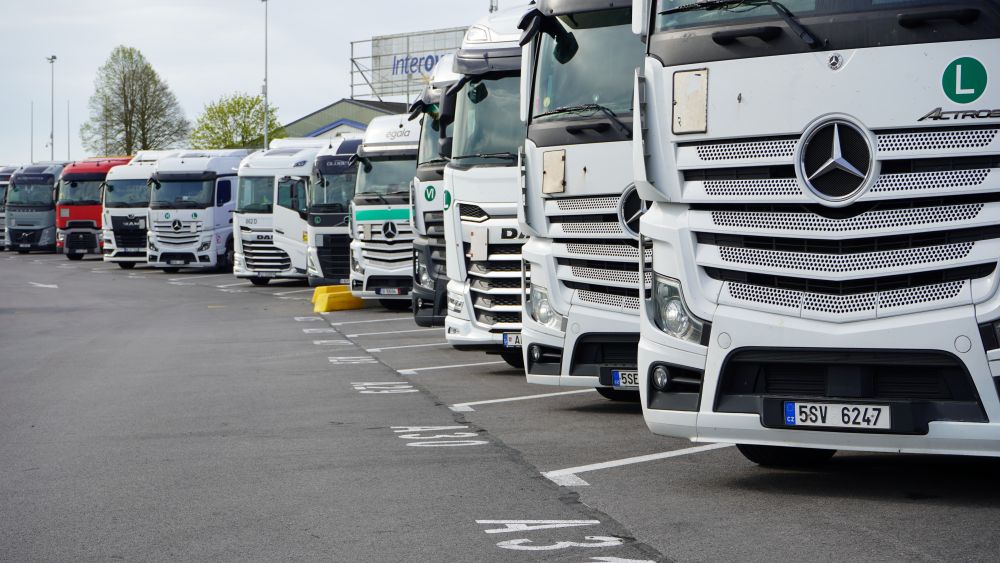
Investieren Sie in den Komfort und die Sicherheit der Fahrer, um ihnen zu zeigen, dass sie wertgeschätzt werden. Es mangelt an [rund 11.000 Lkw-Parkplätzen] (https://www.rha.uk.net/Campaigns/Roadside-Facilities), was den täglichen Stress der Fahrer, die vergeudeten Stunden bei der Suche nach einem sicheren Parkplatz und das Risiko von Ladungsdiebstählen erhöht. Flottenmanager müssen sicherstellen, dass ihre Depots Orte sind, an denen sich Fachleute gerne aufhalten, mit sauberen, modernen Pausenräumen, Duschen und Küchen.

Eine weitere wirkungsvolle Investition ist die Förderung einer Kultur des Respekts. Sorgen Sie dafür, dass Disponenten unterstützende Partner sind, die bei der Lösung von Problemen helfen. Bieten Sie Schulungen für eine positive, respektvolle Kommunikation zwischen Fahrern und dem Büro an, um die Zufriedenheit der Mitarbeiter und die Mitarbeiterbindung zu verbessern.

Aufbau einer nachhaltigen Zukunft für das britische Transportgewerbe

Der Personalmangel ist ein Katalysator für die notwendige Entwicklung. Die Flotten, die den Kampf um Talente gewinnen werden, sind diejenigen, die ihren Ansatz an die Erwartungen der modernen Fahrer anpassen. Ein strategisches Rebranding des Berufsbildes, die Modernisierung von Praktiken und Investitionen in echte Ressourcen für das Wohlergehen der Fahrer können zukunftsorientierte Unternehmen auszeichnen. Die Notwendigkeit von Veränderungen ist eine Herausforderung, aber auch eine aufregende Gelegenheit, eine stärkere, widerstandsfähigere Belegschaft aufzubauen, die das britische Transportgewerbe in die Zukunft tragen wird.

Entdecken Sie mehr von [Renovated Magazine] (https://renovated.com/)
Teilen mit

Andere lesen auch...

Header Image

Dienstag 28 April 2026 • Industrie-Nachrichten

WIE SICH DIE SPANNUNGEN UM DEN IRAN AUF DIE EUROPÄISCHE LOGISTIK AUSWIRKEN KÖNNTEN

Lucy Mowatt

Geopolitical conflict rarely stays confined to the region where it began. In global logistics, disruption in one part of the world can quickly ripple through supply chains thousands of kilometres away.That is the reality as tensions escalate around Iran and the Strait of Hormuz – a narrow shipping channel between Iran and Oman that serves as one of the world’s most important transport corridors.Roughly passes through the strait, alongside large volumes of liquefied natural gas and other commodities. When shipping through this corridor slows or stops, the consequences are felt around the world.For transport operators in Europe, the effects are already beginning to emerge through rising fuel costs, rerouted shipping traffic and growing uncertainty in global supply chains. have already begun avoiding routes close to the Strait of Hormuz due to that transit is not allowed and that the area is unsafe. Vessels passing through or caught up in military action. Instead, they are diverting vessels via the at the southern tip of Africa. Although this avoids high-risk zones, it also adds thousands of miles to many journeys.For global supply chains, the effects are clear: Longer transit times Increased fuel consumption for vessels Higher freight costs for cargo ownersWhat begins as a maritime disruption often ends up affecting inland logistics once delayed cargo finally reaches European ports. This creates a “feast or famine” effect: periods with little cargo to move followed by sudden surges when multiple vessels arrive at once.Energy markets have been shaken by activity in the Strait of Hormuz.Because the waterway handles such a large share of global oil exports, any disruption immediately affects expectations about future supply. Even short-term interruptions can cause price volatility across international markets.For road transport, the implications are immediate. Diesel remains the primary fuel for most commercial fleets across Europe; sudden price increases can quickly affect operating margins.Early signals of this shift are already visible. According to, Spain’s carrier federation Fenadismer reports that in the 10 days following the outbreak of the conflict in Iran, diesel prices in Spain rose by more than 30%, reaching about €1.80 per litre.For haulage operators, this kind of volatility creates difficult planning conditions. Fuel often represents one of the largest operational costs for a fleet, and sudden increases can affect everything from freight rates to contract negotiations.Insurance markets respond quickly when geopolitical risks escalate.When tensions rise in maritime corridors, insurers may or otherwise alter policy wording. Ships travelling through or near those areas face higher premiums or additional surcharges for each voyage.These costs rarely remain confined to the shipping sector. Instead, they are passed through the logistics chain in the form of higher freight rates and increased transportation costs.Another, less visible consequence of shipping disruption is the impact on container availability.Global shipping depends on the circulation of containers between ports. When vessels are rerouted onto longer journeys, and take more time to return to export hubs.Over time, this can create imbalances across the global container system.Ports receiving delayed or diverted vessels may also experience when ships arrive, while exporters in other regions may struggle to secure empty containers for outbound cargo.For European freight operators, these disruptions can translate into irregular cargo volumes and more unpredictable container collection schedules.The disruption around the Strait of Hormuz comes at a time when global shipping routes are already under pressure.Since late 2023, instability in the Red Sea corridor – particularly around the Bab el-Mandeb Strait and the southern entrance to the Suez Canal – has forced many shipping companies to divert vessels away from the region.In response, numerous carriers began rerouting ships around the Cape of Good Hope, adding significant time to journeys between Asia and Europe.Now, with tensions affecting traffic near the Strait of Hormuz as well, the pressure on international shipping routes is intensifying.The combined disruption of the Strait of Hormuz and the Red Sea illustrates how dependent global logistics remains on a small number of maritime chokepoints. The Strait of Hormuz is critical for the global flow of oil and energy products. The Red Sea and Suez Canal corridor, meanwhile, is the primary maritime gateway for containerised goods moving between Asia and Europe.When instability affects either corridor individually, shipping networks can usually adapt by adjusting schedules or rerouting vessels.With the Red Sea still heavily disrupted and traffic through the Strait of Hormuz now sharply reduced, the system becomes far less flexible.With fewer safe passages available, containers on affected services remain in transit for longer period, tightening availability on some trade lanes.Although these disruptions start at sea, their consequences are ultimately felt on Europe’s roads.Fleet operators may encounter:Energy market instability can drive rapid changes in diesel prices.Delayed cargo arrivals can put pressure on logistics providers to move goods more quickly once shipments reach port.Insurance premiums, longer shipping routes, rising fuel prices and surcharges all contribute to increased transportation costs.Events around the Strait of Hormuz and the Red Sea highlight a growing reality for global logistics: supply chains now operate in an environment where geopolitical risk can quickly reshape trade routes.“Global logistics has always been interconnected, but events like these show just how disruption can reshape logistics networks,” says Nick Renton, Head of European Strategy & Business Development at SNAP. “Even when the initial crisis occurs thousands of miles away, the effects soon reach European supply chains through fuel prices, shipping delays and tighter delivery windows.“The fleets that adapt most effectively are those that plan for uncertainty – with flexible routes, better information and and rest when schedules change.”With access to reliable information and trusted truck parking across Europe, SNAP helps fleets and drivers stay flexible, plan ahead and keep journeys moving.

Header Image

Mittwoch 15 April 2026 • Industrie-Nachrichten

FRACHTDIEBSTAHL IN EUROPA: WARUM ES ZUNIMMT UND WIE FLOTTEN DAS RISIKO VERRINGERN KÖNNEN

Guest

Cargo theft is a growing threat across Europe. What was once seen as an occasional disruption is now a more persistent and organised risk to road transport, affecting fleets, drivers and the wider supply chain. Reported losses and incidents have risen sharply, with one widely cited industry figure pointing to a in recent years. In alone, 557 cargo crimes were recorded across 38 countries in the TAPA EMEA Intelligence System, and even though values were disclosed for fewer than one in five incidents, those 100 cases still totalled more than €43 million.In this article, we explore the current trends and what fleet managers and operators can do to minimise their risks.Food and beverage shipments are among the most commonly targeted categories in Europe, accounting for . also rank highly. These goods are attractive because they are easy to move, easy to sell and often difficult to trace once they enter secondary markets.The recent on its way from Italy to Poland is a useful example. Nestlé said the missing load amounted to roughly 413,793 bars, showing how quickly a mainstream consumer shipment can become a target when moving across borders.These shipments are attractive targets for organised groups because they can be offloaded quickly, resulting in rapid returns. Cargo crime often happens while loads are moving. report found that hijackings accounted for 21% of incidents, while 41% of thefts happened in transit. That is a reminder that risk does not begin when a truck parks for the night. It can begin long before a vehicle stops for the night, particularly on exposed corridors or routes where load visibility and security controls are weaker.Parked vehicles remain a major point of vulnerability. In the UK, Munich Re reported that nearly half of all thefts take place at unsecured roadside parking and rest areas. Across Europe, unsecured roadside locations and rest areas continue to feature prominently in cargo crime reporting, especially where drivers have limited alternatives and secure sites are full.Some of the most concerning incidents show coordination. recently documented attacks in Germany in which dozens of trucks were targeted in a single night along the A1 corridor. In one November 2023 incident, 67 trucks had trailers slashed at service and rest areas including Ostetal South and Grundbergsee South. Similar attacks had already taken place on the same route months earlier.Germany remains one of the clearest hotspots, largely because of the scale of freight passing through the country. Analysis showed that in 2023, more than double France in second place. Other recurring hotspots include France, Italy, Spain and the United Kingdom. That pattern reflects the reality of European freight movement. Dense logistics networks, major freight hubs and heavily used motorways create more opportunities for organised criminals, especially when secure parking capacity fails to keep pace with demand.Munich Re warns that cargo thieves are increasingly using more sophisticated methods, including identity deception, cyber-enabled scams and other tactics that bypass traditional controls. Wider points to GPS jamming, paperwork manipulation and shipment diversion as part of that shift.A stolen load may now begin with compromised data, a fraudulent carrier, a diverted instruction or a vehicle whose movements can no longer be tracked properly. For fleets, that means theft prevention now involves more than physical security. It also requires tighter dispatch processes, better control over shipment data and clearer real-time visibility.The most obvious impact is financial. Stolen goods lead to lost goods, insurance claims and disruption. But the direct value of the missing load is only part of the problem. Delayed deliveries, vehicle damage, missed slots and customer dissatisfaction can all push the true cost much higher. There is also a human cost. Drivers may face intimidation, confrontation or the shock of discovering that their vehicle has been tampered with while they were resting. Even where there is no direct violence, exposure to insecure roadside stops creates stress, fatigue and a sense of vulnerability that can affect driver welfare and retention. Operationally, the knock-on effects spread quickly through the supply chain. A single theft can mean missed delivery windows, rerouted vehicles, stock shortages and added pressure on already stretched teams. For temperature-sensitive, time-critical or high-value loads, the consequences can multiply fast.There is no single fix, but fleets can reduce exposure with a more structured approach to planning, parking and security.Secure parking remains one of the clearest areas for improvement. TAPA’s Parking Security Requirements framework provides an internationally recognised benchmark for secure truck parking, helping operators assess which locations offer stronger protection for vehicles, loads and drivers. Choosing accredited sites will not eliminate cargo theft, but it can significantly reduce the opportunity for organised criminals to strike.In practice, that may mean stopping earlier than planned to reach a safer site rather than pushing on to an unsecured lay-by. While that can feel less efficient in the moment, it is often the more resilient choice.For fleets, the challenge is not just knowing secure parking matters but being able to access it easily. SNAP helps bridge that gap by giving drivers and operators better visibility of trusted parking options across the UK and Europe, making it simpler to plan and reserve safer stops from the outset.Read more: Cybersecurity now sits alongside physical security in any serious theft-prevention strategy. Tracking, geofencing and anti-jamming tools can all help, but only if they are backed by clear processes. Fleets should review how shipment data is shared, who can alter route instructions, how delivery paperwork is verified and what happens if a vehicle suddenly disappears from view. Drivers are often the last line of defence, but they should not carry the burden alone. Clear escalation procedures, regular check-ins, secure rest planning and training on suspicious activity all matter. One of the biggest structural issues behind cargo theft is the shortage of secure truck parking. When drivers cannot find protected sites with proper lighting, access control and welfare facilities, they are more likely to end up in the very locations thieves are already targeting. SNAP has trained working to accredit more parking sites across the UK and continental Europe, helping expand the availability of secure truck parking and reduce opportunities for organised theft.For fleets, the challenge is not just understanding risk, but building safer stopping decisions into everyday operations. At SNAP, we help drivers and operators identify trusted parking options across the UK and Europe, making it easier to plan routes with security and driver welfare in mind.

Header Image

Mittwoch 11 März 2026 • Industrie-Nachrichten

LKW-PARKEN IN EUROPA: DIE REGELN, DIE LÜCKEN, DIE RISIKEN

Guest

Ask most fleet operators what makes life harder than it needs to be and you’ll hear the same answer across Europe: truck parking.Drivers have to stop. Hours rules and rest requirements make that non-negotiable. But on many of Europe’s busiest transport corridors, finding a safe, legal place to park is still uncertain. Capacity is low, security varies widely and most urban hubs aren’t built with HGVs in mind.That pressure has consequences. When designated areas are full, drivers are pushed towards places that were never intended for HGV parking: slip roads, access ramps and industrial estates. Compliance becomes a choice between two risks: stop where you shouldn’t, or keep driving when you shouldn’t.When truck parking overflows into unsuitable places, the environment becomes dangerous: poor visibility, high speeds, unpredictable manoeuvres and limited escape routes. starkly in February 2026, reporting fatal crashes in Germany and Belgium involving stationary lorries. The article challenges the easy explanation of “illegal parking” and points back to the underlying cause: drivers were out of driving time and the spaces were gone.In addition, a shortage of truck parking in Europe doesn’t just mean “no space”; it often means the only available space is poorly lit, unmonitored and isolated. That elevates the risk of theft and driver harm, which can have a knock-on effect for supply chain reliability.Poor parking provision also affects workforce sustainability. When drivers face uncertainty around legal, safe stopping, it makes the role harder and less attractive – compounding .For a long time, the conversation about truck parking focused on enforcement: where you can’t park and the penalties that follow. Increasingly, the focus is moving towards provision: where drivers can stop safely, reliably and legally. Under revised Trans-European Transport Network (TEN-T) rules, EU Member States must ensure the development of certified secure parking . The same requirement sets expectations for the location of truck parking. It must be immediately on the network or within 3km of an exit, which will have benefits for route planning. Alongside this shift, the European Commission positions safe and secure truck parking as a priority within its Intelligent Transport Systems work, including the need for to help drivers locate suitable sites.But the EU isn’t just asking Member States to add more truck parking spaces. It’s also defining what “safe and secure” means. In April 2022, the European Commission adopted EU standards for , categorising sites into four security levels: bronze, silver, gold and platinum. The intention is to create transparency for drivers and fleets, and to support investment by giving operators a clear target to design and audit against.This sits against a significant capacity gap. A European Commission study estimates a across the bloc, with the gap potentially rising towards half a million by 2040 if the network does not scale at the pace freight demand requires.Looking at more practical aspects of the situation, what are HGV parking rules and regulations in Europe?At first glance, HGV parking rules across Europe look consistent: Motorways are not designed to absorb overflow parking. Hard shoulders exist for emergencies and safety buffers. Access ramps are not for planned stopping.Urban areas add a layer of complexity. Local restrictions and enforcement are common because HGV parking competes with residents, retail and public space – and because badly parked vehicles create safety risks.Rules around HGV parking in the UK are clear. Trucks should use designated areas such as motorway services, truckstops and lorry parks. Conversely, drivers must avoid parking in locations that create risks, such as pavements, verges and central reservations. Restrictions around parking in residential areas vary by local authority, so it’s vital to check if this is unavoidable. The major constraint is supply. The RHA’s estimate of an , with very high utilisation on key routes, helps explain why informal and unsafe parking persists even where drivers know it isn’t ideal. In 2022, the Department for Transport across England, aimed at better rest areas and more secure parking, framed as part of a broader programme to improve roadside facilities.In Germany, motorway stopping rules are anchored in the (StVO), which makes clear that stopping on the autobahn – including the hard shoulder – is prohibited except in emergencies. That means running out of driving time is not treated as justification. Fines increase if obstruction or danger is caused, and enforcement is active on heavily used corridors. Poland follows the familiar motorway rule that hard shoulders are reserved for breakdowns and emergencies. The nuance appears within cities, where tonnage-based entry restrictions and are common. Overnight HGV parking in urban areas can require municipal approval and enforcement varies between municipalities. For cross-border fleets, that means treating urban stopping as permission-led rather than assumed.France reinforces the same principle through the . Articles R417-9 and R417-10 classify dangerous or obstructive parking offences, and stopping on autoroute carriageways or shoulders is prohibited except in cases of absolute necessity. Penalties can include fines and licence points.However, publishes dedicated information for secure truck parking on its network, reflecting how motorway operators guide HGV stopping into appropriate locations.Spain’s prohibits stopping on motorway shoulders except in emergencies, aligning with broader European practice. Additional complexity lies at municipal level. Many cities operate local overnight bans or restrict HGV parking to designated industrial zones, with enforcement handled by local police rather than motorway authorities. That creates a layered compliance environment: legal on the motorway network does not automatically mean legal in urban areas.To highlight positive developments, that a truck parking facility in La Jonquera became the first in Spain to receive TAPA certification, describing measures such as controlled access, fencing, lighting and continuous monitoring.Italy distinguishes clearly between motorway carriageways, ramps and designated service areas. Stopping on access or exit ramps is explicitly prohibited, and enforcement around motorway infrastructure is consistent. Importantly, Italy differentiates between aree di servizio (full service areas with facilities) and simpler rest or parking lay-bys, which may not support overnight welfare needs. However, Italy is also seeing new secure truck parking developments focused on welfare and security, reflecting the wider European momentum towards better provision.Across Europe, an additional regulatory layer now shapes truck parking decisions: Low Emission Zones (LEZs) and restricted urban traffic zones. Cities in France (Crit’Air), Germany (Umweltzonen), Spain (Zonas de Bajas Emisiones) and Italy (ZTL areas) impose vehicle-class or permit requirements that can apply even to stationary vehicles within the zone. A driver who parks overnight in a restricted area without the correct classification or registration risks fines – even if the stop itself is otherwise legal. Across Europe in 2026, the rules are clear. The constraint is capacity, especially near urban hubs and on high-volume corridors. For fleets, this has a practical impact: European truck parking can’t be left to chance at the end of a shift. It needs to be planned with the same seriousness as , routing, driver hours and security – because when the network fails to provide legal space, every other compliance system gets squeezed.SNAP can help. .