Guest
Ipari hírek • 4 min olvasni

A 2025-ös brit költségvetés: Mit jelent a fuvarozás számára

Létrehozva: 10. 12. 2025

Frissítve: 10. 12. 2025

A [2025. évi brit költségvetés] (https://www.gov.uk/government/publications/budget-2025-document/budget-2025-html) nehéz pillanatban érkezik a közúti közlekedési ágazat számára. Az üzemeltetők növekvő bérekkel és működési költségekkel, szűk árréssel, elöregedő infrastruktúrával és a munkaerő-felvétel körüli folyamatos nyomással küzdenek. Ugyanakkor a tisztább mobilitás felé való elmozdulás felgyorsul, ami új elvárásokat támaszt és növeli a hosszú távú beruházások szükségességét.

Az alábbi cikk azt mutatja be, hogy mit jelent a költségvetés az infrastruktúra, a beruházások, a munkaerőköltségek és a fuvarozás tágabb működési környezete szempontjából.

Infrastrukturális beruházások

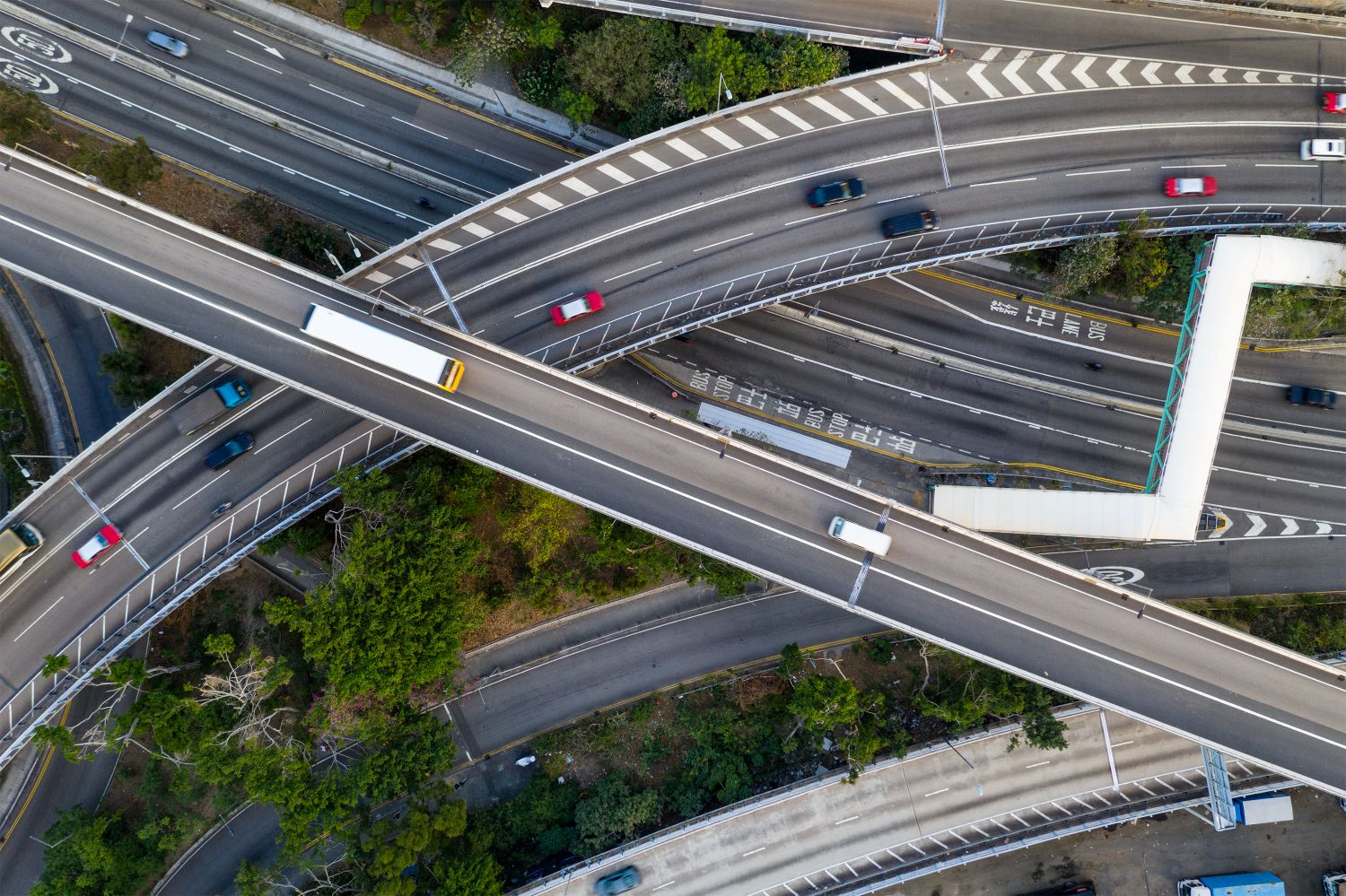
A flottákra évek óta hatással vannak a romló utak, az elöregedő hidak súlykorlátozásai és a menetidők egyre kiszámíthatatlanabbá válása. A kormányzati és iparági adatok ezt világossá teszik. A [Road Condition Index] (https://www.asphaltuk.org/wp-content/uploads/ALARMSurvey2024.pdf) jelentés szerint Angliában és Walesben minden tíz mérföldből több mint egy mérföldnyi úthálózatot a következő évben valószínűleg karbantartásra kell majd karbantartani, és az újraaszfaltozási munkák hátraléka egyre nő. Ezek a problémák a járművek károsodásához, a járművezetők fáradtságához, magasabb biztosítási költségekhez és megszakadt menetrendekhez vezetnek. Emellett további nyomást gyakorolnak az amúgy is szűk árréssel küzdő üzemeltetőkre.

Az új költségvetés elismeri ezeket az aggodalmakat. Az egyik pozitív lépés a stratégiai nemzeti projektek jelentős finanszírozása, beleértve az [alsó temzei átkelőre] (https://www.bbc.co.uk/news/articles/ce8qee5n7zzo) elkülönített közel 900 millió fontot, amely csökkenti a torlódásokat, megbízhatóbb menetidőt és biztonságosabb vezetési környezetet biztosít a nehéz tehergépjárművek számára.

A helyi hatóságok is részesülnek 2 milliárd fontból, kifejezetten az utak javítására és a kátyúk növekvő számának kezelésére. Ez érezhető különbséget jelenthet a flották számára. A helyi utakon szállítják a belföldi árufuvarozás nagy részét, és szinte minden szállítás első és utolsó mérföldjeként szolgálnak. Javításukkal csökkenteni lehetne a járművek kopását és elhasználódását, valamint az üzemeltetési terhelést.

Ezek a kötelezettségvállalások nem fogják azonnal orvosolni az évtizedek óta tartó alulfinanszírozottságot, de fontos elmozdulást jelentenek egy olyan úthálózat felé, amely rugalmasabb és jobban megfelel a modern logisztika valóságának.

A munkaerő fejlesztése a tanulószerződéses gyakorlati képzéseken keresztül

A költségvetés nagyobb hangsúlyt fektet a készségekre is. A kis- és középvállalkozásoknál dolgozó 25 év alattiak számára biztosított [teljes mértékben finanszírozott szakmai gyakorlatok] (https://www.logic4training.co.uk/insights/the-uks-2025-budget-announcement-apprenticeships-free-training-for-under-25s-in-smes/) segíthetnének új belépőket vonzani egy olyan szakmába, amelynek sürgősen szüksége van rájuk.

A járművezetőhiány jól dokumentált. Az Egyesült Királyságnak mintegy [200 000 új tehergépkocsivezetőt kell felvennie a következő öt évben] (https://www.rha.uk.net/news/news/detail/rha-report-200-000-hgv-drivers-needed-in-next-5-years) az ellátási láncok stabilizálása érdekében, és Európa-szerte a hivatásos járművezetők átlagéletkora folyamatosan emelkedik. A járművezetőknek csak kis hányada 25 év alatti, és a képzési költségek sok fiatalabb jelentkező számára akadályt jelentenek.

A finanszírozott tanulószerződéses gyakorlati képzések biztosítása kritikus időszakban teszi elérhetőbbé a logisztikát. Támogatja a kisebb vállalkozásokat is, amelyek gyakran nehezen tudnak befektetni a képzésbe, annak ellenére, hogy bővíteniük kell a csapataikat.

A korszerűsítés ösztönzése

A költségvetés további beruházási támogatást vezet be, különösen a flotta megújítása terén. A töltőinfrastruktúrát telepítő üzemeltetők 2027 márciusáig az első évben 100%-os támogatást vehetnek igénybe. Ez segít ellensúlyozni az elektromos nehéz tehergépjárművek és a töltőberendezések kezdeti költségeit.

2026 januárjától az első évben egy új, 40%-os kedvezmény lesz elérhető számos főadó-köteles eszközre, beleértve a tehergépkocsikat is - ez különösen hasznos ott, ahol a teljes költségelszámolás vagy az éves beruházási kedvezmény nem alkalmazható, például egyes lízingelt flották és jogi személyiséggel nem rendelkező üzemeltetők esetében.

A működési költségekre nehezedő nyomás

Bár az őszi költségvetés számos pozitív intézkedést tartalmaz, az üzemeltetőknek növekvő költségekkel is számolniuk kell. Az üzemanyagadó 2026. augusztus vége és 2027. március között fokozatosan emelkedik. Az üzemanyag már most is az üzemeltetők egyik legnagyobb kiadása, és a tervezett emelések valószínűleg még nagyobb hangsúlyt fektetnek majd az üzemanyag-hatékonyságra, a telematikára, a konszolidált útvonaltervezésre és a flotta megújítására.

A gépjárművek jövedéki adóját (útdíj) 2026 áprilisától az inflációval összhangban emelik, beleértve a nehéz tehergépjárműveket is. 2028 áprilisától az új elektromos járművek jövedéki adója (eVED) a meglévő VED-en felül kilométer-alapú díjat vet ki az akkumulátoros elektromos és plug-in hibrid autókra. Bár az eVED kezdetben nem vonatkozik az elektromos furgonokra és tehergépkocsikra, hosszabb távon a távolságalapú adózás irányába történő elmozdulást jelzi, amelyet a flottáknak a jövőbeli tervezés során figyelembe kell venniük.

A nehéz tehergépkocsikra kivetett illeték is visszatér az inflációval együtt emelkedő szintre. A tizenkét tonna feletti járműveknek az A utak vagy autópályák használata előtt meg kell fizetniük az illetéket, és a felülvizsgált mérték újabb költséget jelent, amelyet a flottáknak figyelembe kell venniük az előzetes tervezés során.

A nagyobb, nagyobb értékű ingatlanokra valószínűleg nagyobb nyomást gyakorolnak az üzleti adóváltozások. A költségvetés megerősíti a kiskereskedelem, a vendéglátás és a szabadidős tevékenységek tartósan alacsonyabb iparűzési adóját, amelyet részben a legdrágább üzlethelyiségekre kivetett magasabb díjakból finanszíroznak. Ezek közé tartoznak a nagy raktárak és elosztóközpontok, így a nagy telephelyekkel rendelkező üzemeltetők idővel arányosan magasabb számlákra számíthatnak, mint a kisebb raktárak vagy a főutcai helyszínek.

A költségvetés emellett számos olyan intézkedést vezet be, amelyek közvetlenül érintik a fuvarozók és a fuvarozási vállalkozásokat működtető vagy azokban dolgozó személyek pénzügyi helyzetét. A munkaerő már most is az ágazat egyik legmagasabb költségét jelenti, és ezek a változások hatással lesznek a bértervezésre, a személyzet megtartására és sok tulajdonos-üzemeltető személyes pénzügyeire.

A minimálbér-emelések azt jelentik, hogy a munkáltatóknak magasabb személyzeti költségekkel kell szembenézniük a raktározás, az utolsó mérföldön történő logisztika és a támogató szerepkörök terén. Sok gazdasági szereplő már az elmúlt években is küzdött a béremelésekkel, és ez a további emelés további nyomást gyakorol egy olyan időszakban, amikor a haszonkulcsok továbbra is szűkek. A túlórákra, éjszakai munkára vagy szezonális csúcsidőszakokra támaszkodó flották esetében a hatás még érezhetőbb lesz.

Növekvő adminisztratív igények

A költségvetés folytatja a kormánynak az adózás és a jelentéstétel nagyobb mértékű digitalizálása felé tett lépését. Az elkövetkező években növekedni fognak a megfelelési elvárások, a késedelmes HÉA- és önellenőrzési bevallásokért kiszabható szigorúbb büntetésekkel, valamint a 2027-től kibővített Making Tax Digital keretrendszerrel. A kötelező elektronikus számlázás 2029-ben következik.

A csomagszállítókat és a vegyes rakományt fuvarozókat is érintik a kis értékű behozatalra kivetett vámok változásai, amelyek legkésőbb 2029 márciusától a 135 fontnál kisebb értékű tételekre vonatkoznak. Bár a cél az, hogy kiegyenlítsék a brit gyártók versenyfeltételeit, ez valószínűleg növeli a fuvarozó cégekre nehezedő adminisztratív nyomást.

Ezek a változások végül javíthatják a hatékonyságot, de beruházásokat igényelnek a rendszerekbe és a személyzet képzésébe. A kisebb, külön adminisztratív csapatokkal nem rendelkező flották valószínűleg a legélesebben fogják érezni a kiigazítást.

Vegyes költségvetés

Bár az üzemeltetők magasabb költségekkel és bonyolultabb adminisztrációval szembesülnek majd, a 2025-ös költségvetés az elmúlt évek legjelentősebb kötelezettségvállalásait is tartalmazza a közúthálózat és a szakképzettségek fejlesztése terén.

Ezek az intézkedések együttesen olyan költségvetést jeleznek, amely megpróbál egyensúlyt teremteni a költségvetési megszorítások és a hosszú távú szükségletek között. Az előttünk álló út továbbra is gondos tervezést és stratégiai beruházásokat igényel, de valódi lehetőségek vannak az ágazat alapjainak megerősítésére és a fuvarozás rugalmasabb jövőjének támogatására.

A SNAP gyakorlati eszközöket biztosít a flottáknak a változó környezet kezeléséhez, a parkolási hozzáféréstől a megfelelőséget és az operatív döntéshozatalt támogató adatokig. Regisztráljon, hogy megtudja, hogyan segíthet a SNAP megerősíteni flottája ellenálló képességét az elkövetkező hónapokban.

Megosztás a

Mások is olvasnak...

Header Image

hétfő 03 november 2025 • Ipari hírek

9 MÓD, AHOGY AZ AI FELISMERÉS ÁTALAKÍTJA A FLOTTAIPART

Guest

Artificial intelligence (AI) has redefined how fleet professionals approach daily operations. Modern technologies let managers measurably improve maintenance, safety and compliance across their vehicles. As regulatory pressures rise, AI-driven insights will be more critical in gaining a decisive edge. Here are nine ways AI detection is transforming the fleet industry. Advanced telematics and machine learning (ML) algorithms help AI detection in fleets by monitoring driver behaviour. These devices analyse real-time patterns and flag risky driving behaviours like speeding and harsh braking. ML models instantly process data from in-vehicle sensors and identify deviations from safe driving norms and company policies.Drivers receive immediate feedback in the vehicle, while fleet managers get detailed reports on trends. The wealth of information helps supervisors personalise coaching sessions and find specific improvement areas. Telematics solutions have been critical to fleets nationwide because through improved behaviour and training programmes. AI algorithms are essential to analysing real-time traffic data, like road closures and weather conditions. Congestion can be significant, especially if your routes pass through London. A 2024 Inrix report said drivers when driving in the capital city. ML models can quickly identify bottlenecks and adverse weather to meet critical delivery times. Fleet managers benefit because their drivers can improve on-time performance. Route optimisation means deliveries are more likely to arrive during scheduled windows. It also enhances driver behaviours by idling less and covering fewer miles. Modern AI technologies rapidly detect roadway closures and unexpected weather changes to minimise disruptions. Accident reporting used to include manual logs and documentation. However, AI can reduce labour needs by automatically detecting and submitting incident reports. From collisions to near misses, these technologies can recognise potential incidents. Sensors gather relevant information at the event’s timing to provide more context. Unusual circumstances like airbag deployment can also be part of the automatic reporting. Once AI detection is complete, the system compiles information into a standardised report. Manual logs can create time-consuming tasks, so AI can automate these processes and free up staff. Fleet managers and insurers receive the report, thus ensuring compliance and accurate communication. Advanced technologies capture relevant data and use consistent formatting, so all parties get the critical details. Unexpected vehicle breakdowns can disrupt schedules and delay deliveries. AI helps fleet managers detect these problems before they become significant issues. From engine temperature to oil pressure, characteristics are monitored in real time. Advanced algorithms identify subtle anomalies and alert operators when a component is nearing failure. While fixed service intervals can be beneficial, AI lets you be more proactive and schedule maintenance precisely. Tire pressure sensors are an excellent example, especially for construction and utility companies. Experts say air compressors than equipment needs to maintain best practises. These sensors continually monitor output and detect gradual drops, flagging early signs of leaks.AI detection in fleets goes beyond studying driver behaviour. Telematics and sensors analyse speed and acceleration patterns to better understand fuel consumption. The systems monitor your vehicles for excessive idling and inefficient routing that increases petrol or diesel usage. AI can tailor recommendations to drivers by offering optimised speed ranges or maintenance needs.Fleet managers benefit by getting aggregated data on fuel consumption and spending. This information helps them make more informed vehicle procurement and route planning decisions. If older vehicles show inefficiencies, it may be time to upgrade the lot. Logistics professionals should compare individual vehicles against industry standards to see outliers. The U.K.’s environmental goals by 2050. Therefore, fleet managers must be more aware of tightening standards and the risk of fines. AI detection helps vehicles through sensors and onboard diagnostics systems, which collect data during operations. ML algorithms identify patterns and anomalies within the information and notify of excessive emissions. AI can alert fleet managers and enable proactive maintenance if a vehicle exceeds emissions thresholds. While humans take measures to reduce greenhouse gases, AI detection is rising to help the transportation industry. A 2025 study said by adapting eco-driving capabilities. The U.S. researchers said implementing it in 10% of vehicles would reduce carbon emissions up to 50%. Another way fleet managers can reduce emissions is through electric vehicle (EV) conversion. EV ownership is rising nationally through private drivers and fleet owners, as a 2025 report from 2023. AI can assist logistics professionals in the transition by recommending when, where and how to electrify their fleets. First-time EV owners may need help with charging windows and infrastructure needs. AI-powered systems detect when and where electric cars could naturally align with charging windows. For example, it could recommend the best times to charge to reduce schedule disruptions. Some may be pondering the switch to EVs, so logistics managers can leverage AI to compare cost data between electric and petrol cars. While AI investment can be a barrier, it may be financially beneficial in the long run. These software options that slows daily operations. Early detection of issues can lead to a more well-maintained fleet, which creates more uptime and revenue. Fleet managers can also save money through enhanced route optimisation and fuel management. AI detection in fleets is essential for streamlining administrative processes. These technologies can automatically perform compliance checks and incident documentation, thus reducing the need for manual paperwork. Your operators can focus more on the bigger picture and less on administrative overhead. If monitoring helps your drivers, it could reduce the cost of vehicle repairs and legal claims. Vehicle and cargo theft ., though they remain significant concerns. AI detection offers additional security layers by reducing the window of opportunity for thieves. Asset tracking features combine GPS and telematics capabilities to monitor real-time location, essential for companies transporting high-value assets. Fleet managers benefit from geofencing features, allowing them to set virtual boundaries. If a truck or van exits these zones, AI-powered systems automatically flag the event and notify logistics professionals. The algorithm is intelligent enough to understand anomalies and security protocols. Abnormalities can trigger security measures like remote disabling. AI is a practical, game-changing tool for fleet managers. Advanced analytics and real-time monitoring empower logistics professionals to drive measurable safety and performance improvements. While technologies are developing, the future is here. Your business should be willing to invest in AI-driven solutions to reduce costs and minimise risks. Discover more from .

Header Image

csütörtök 28 augusztus 2025 • Ipari hírek

A FLOTTÁK ÁTÁLLNAK AZ AUTONÓM JÁRMŰVEK INTEGRÁLÁSÁRA?

Guest

The buzz around self-driving cars isn’t as loud as it used to be, but it remains a constant noise in fleet managers’ ears. The United Kingdom government has moved autonomous vehicle integration pilot plans to 2026, renewing interest in the technology. Will decision-makers ignore the noise or embrace early adoption?Autonomous vehicle integration involves embedding self-driving technologies like artificial intelligence, light detection and ranging (LiDAR), and high-definition cameras into commercial fleets. On a broader scale, it entails introducing self-driving cars into existing public transportation systems.Driver assistance systems include collision avoidance, automatic speed adjustment, lane-centring, adaptive cruise control and intelligent ride-hailing. Partial and conditional automation leverage more advanced technologies to enable hands-free operation under certain circumstances.Level 4 and 5 automation are top priorities for automakers but challenging to implement in practice because engineers must account for countless edge cases. Even with advanced AI, perfecting parking and preventing collisions can be difficult. What if the pavement markings are barely visible or a child runs into the road? Adoption hinges on the car’s reaction.According to the Centre for Connected & Autonomous Vehicles, transport secretary Heidi Alexander confirmed the U.K. government will accelerate self-driving commercial pilot plans and aim for Spring 2026. The move could and add £42 billion to the U.K. economy by 2035.The country’s new automated vehicle legislation is among the most robust worldwide, laying the groundwork for widespread commercial adoption. Technological maturity is the only remaining hurdle.In an interview with McKinsey & Company, Sascha Meyer — the CEO of German automotive technology company MOIA — said predicting autonomous vehicle integration timelines has been challenging. In 2016, her enterprise MOIA throughout Europe by 2021.Since then, Meyer has realised adoption entails designing an entire ecosystem, not just driving functions. The new timeline sees self-driving cars in European cities by 2030 at the earliest. The engineers at MOIA are designing the prototype to exceed mandated redundancies. This way, they will be ready to operate commercially once the relevant legislation passes.Delivery, taxi, utility, and commercial fleets are seeing an uptick in driver assistance systems and intelligent automation. However, the penetration rate remains relatively low, especially considering how long the technology has existed. What are their plans for autonomy?Increased efficiency is among the main reasons fleet managers are embracing automation. Unlike humans, driverless vans can operate around the clock. With telematics systems, they can optimise driving and minimise idle time to improve fuel efficiency and expedite trips.AI is immune to human error, eliminating harsh braking and distracted driving. It cannot become fatigued and does not have blind spots. These improvements could help reduce road collisions and car accidents, which can mitigate costly workers’ compensation claims and potentially lower insurance costs.Cost savings are another contributing factor. At Level 4 and 5, owners can optimise labour expenses and compensate for driver shortages. Moreover, electric driverless cars with vehicle-to-grid capacity can over 30 years, helping offset the upfront investment.Aside from waiting for driverless technology to mature, fleet owners are delaying adoption due to high upfront costs. Embedding LiDAR, AI and telematics into every truck is expensive. Buying new instead of retrofitting is equally pricey. Even if cost savings could be found, technology is moving quickly — their investment may quickly become outdated.Safety is another concern. Photo-eye sensors garage doors. They stop the door from closing on objects, cars or people, and are used throughout the industry in car washes and automotive assembly lines. While some automakers utilise camera-only systems, engineers have had to pioneer new solutions. Today, many use LiDAR, global navigation satellite systems and ultrasonic sensors.However, even the most advanced systems are fallible. It is not enough to make automated cars perform as well as people — they must succeed where human drivers fail.Sensors have existed for years, but engineers have not perfected them yet. They may fail in edge cases or unfamiliar scenarios. Level 3 cars only work on premapped, divided highways in clear weather. Given that the U.K. in 2021, they may be too unreliable for adoption at scale.Autonomous vehicle integration may be moving slowly, but it is on track to reach its destination within the next decade. According to Goldman Sachs research, sold worldwide could be Level 3 vehicles by 2030. It forecasts that Level 2 — those requiring driver supervision — will increase from 20% of sales in 2025 to 30% in 2027.Managers should consider the scope and cost of autonomous fleet integration to determine whether early adoption is right for them. It will likely result in long-term savings, but waiting may be more rewarding because it allows time for technological advancement. If the cost-benefit analysis is unconvincing, they should consider incrementally upgrading as cars fail.Those who proceed with adoption must develop operation, storage, security and upgrades policies. These rules should vary depending on the automation level. For instance, drivers of Level 3 lorries should be required to pay full attention to the road to take control if necessary.Educating employees on their role is essential for successful implementation. Volkswagen Financial Services research found consider themselves better drivers than autonomous vehicles, so they are unlikely to overestimate the driverless system’s capabilities. However, they should still receive explicit training on best practices and habits to avoid.Self-driving machines are hard at work in ports and warehouses across Europe. Automating highway vehicles is more challenging because they are not on a fixed track. Also, they must account for variables like weather and other motorists. Geofencing, telematics and AI are accelerating adoption by making the unpredictable predictable. At the very least, these solutions enhance response times and mitigate human error, demonstrating that these previously unproven technologies are just as capable as human motorists.For now, full automation that eliminates the need for human attention remains theoretical. However, hands-free driving is a reality, and driverless systems could soon become standard issue in commercial fleets. As automakers perfect driving functions, fleet owners should prioritise route mapping, driver management and maintenance scheduling.Discover more from .

Header Image

csütörtök 31 július 2025 • Ipari hírek

HOGYAN BEFOLYÁSOLJA AZ EURÓPAI HŐHULLÁM A MOBILITÁST: HOGYAN MARADJUNK ÉLEN?

Guest

Europe’s roads are baking – and the heat is only rising. Across the continent, July 2025 delivered record-breaking temperatures, infrastructure failures and transport disruption on an unprecedented scale. For fleet operators and professional drivers, the challenge is no longer theoretical. Extreme heat is here and it’s reshaping the mobility landscape in real time.Much has been written about the health impacts and climate signals of this year’s heatwave. But far less attention has been paid to how it’s affecting logistics, freight networks and the people who keep goods moving across borders. This article explores how heatwaves are disrupting Europe’s road transport sector – from melting tarmac and cracked motorways to wildfires, driver safety concerns and delivery delays – and offers practical advice to help fleets stay operational, resilient and one step ahead.According to the , Europe regularly experiences extreme heat, with temperatures well above seasonal norms. In the first week of July 2025, Germany recorded , while Spain and Portugal faced temperatures exceeding 46°C during the month. Europe, as a whole, is warming at roughly .These conditions are not just uncomfortable – they’re operationally disruptive. Research cited by Logistics Business shows that heatwaves are a growing risk factor for freight operations, reducing driver welfare, damaging cargo and delaying deliveries.As a result, temperature-sensitive cargo such as food, pharmaceuticals and electronics are becoming harder to move safely. Operators are seeing rising spoilage rates and late delivery penalties. The situation is especially complex in areas where power grids are stretched by increased cooling demand, reducing cold chain reliability.One of the clearest signs of heat’s toll on mobility came in early July, when parts of Germany’s autobahn network began to crack under the pressure of thermal expansion. Sections of the A1, A9 and A10 motorways, amongst others, were closed for urgent repairs as – a direct consequence of the country’s prolonged heatwave.As ground temperatures rise and vegetation dries out, wildfires are also becoming a regular – and dangerous – feature of European summers. According to Wikipedia’s 2025 European heatwave summary, wildfires have broken out across southern Spain, Germany and Greece, prompting mass evacuations and the temporary closure of major roadways and border crossings.In June 2025, the due to wildfires, while fires closed several in France. These closures don’t just create traffic chaos – they mean that HGVs have to reroute, often through narrow, unsuitable roads that can extend journey times by hours.In addition, smoke reduces visibility for drivers and poses health risks, especially for those spending long hours in-cab with inadequate air filtration. And in many areas, emergency services are stretched, meaning delays in clearing affected roads or managing diversions.The risks to infrastructure are accompanied by risks to people. Professional drivers are particularly vulnerable to heat stress, dehydration and fatigue. SNAP’s for drivers outlines the dangers of overheating cabs, the strain of long hours in high temperatures, and the importance of cooling systems and rest.Many roadside facilities in southern and eastern Europe remain poorly equipped to support driver wellbeing during heatwaves. Air-conditioned rest stops, shaded parking and reliable water access are not guaranteed – making SNAP’s more important than ever.“This summer’s heatwave is a wake-up call,” says Raquel Martinez, European Sales Manager at SNAP. “Europe’s transport systems were designed for a cooler climate. But we’re not going back. Fleets that adapt now – with the right tools, the right rest strategies, and the right technology – will be the ones that thrive.”In response to the heat, several countries have introduced or extended heat-triggered truck bans. As , Bulgaria and Hungary enforced daytime HGV restrictions when temperatures soared in July 2025. Restrictions also applied to heavy vehicles on certain vulnerable roads during specified periods. In addition, national holiday-related truck bans in Germany, France, Poland and Italy are compounding summer congestion. Full details can be found at Trafficban.com, which lists regional and time-based restrictions across the continent.For drivers and planners, these bans create a patchwork of compliance zones and timing limitations that require careful navigation and up-to-date planning tools.With the increasing risks posed by extreme heat, insurers are starting to reassess their exposure. That’s likely to affect premiums across the board. Goods-in-transit cover is under pressure, particularly for temperature-sensitive loads, with more claims arising from spoilage and missed delivery deadlines. Vehicle insurance costs may also rise as claims for heat-related breakdowns and accidents increase. Meanwhile, there’s growing scrutiny around employers’ liability, especially if drivers or staff suffer heat-related health issues due to inadequate welfare provisions. Together, these trends could mean higher premiums and tougher renewal conversations for operators without clear resilience plans in place.At SNAP, we believe the key to navigating Europe’s heatwaves lies in preparation, planning and proactive welfare management. Use real-time weather data to help drivers avoid high-risk routes. Stock vehicles with water, shade equipment and emergency cooling kits. Stay informed of changing truck bans across borders using verified sources like Trafficban.com. Encourage drivers to use apps like to locate well-equipped, air-conditioned facilities across Europe. Pay extra attention to tyres, cooling systems and battery performance during maintenance – especially for electric or hybrid vehicles. Ensure policies account for climate-related delays, cargo spoilage and fire damage.Check out our or download the today. With thousands of trusted partners across Europe, it’s your shortcut to safer stops – whatever the temperature.