Guest
Știri din industrie • 4 min citește

9 moduri în care detectarea AI transformă industria flotelor

Creat: 03.11.2025

Actualizat: 04.11.2025

Inteligența artificială (AI) a redefinit modul în care profesioniștii din domeniul flotelor abordează operațiunile zilnice. Tehnologiile moderne permit managerilor să îmbunătățească în mod măsurabil întreținerea, siguranța și conformitatea vehiculelor lor. Pe măsură ce cresc presiunile de reglementare, informațiile bazate pe inteligența artificială vor fi mai esențiale pentru obținerea unui avantaj decisiv. Iată nouă moduri în care detectarea AI transformă industria flotelor.

1. Monitorizarea comportamentului conducătorului auto

Sistemele telematice avansate și algoritmii de învățare automată (ML) ajută la detectarea IA în flote prin monitorizarea comportamentului șoferilor. Aceste dispozitive analizează modelele în timp real și semnalează comportamentele de conducere riscante, cum ar fi excesul de viteză și frânarea bruscă. Modelele ML prelucrează instantaneu datele de la senzorii de la bordul vehiculelor și identifică abaterile de la normele de conducere sigură și de la politicile companiei.

Șoferii primesc feedback imediat în vehicul, în timp ce managerii de flotă primesc rapoarte detaliate privind tendințele. Bogăția de informații îi ajută pe supraveghetori să personalizeze sesiunile de pregătire și să găsească domenii specifice de îmbunătățire. Soluțiile telematice au fost esențiale pentru flotele din întreaga țară deoarece [reduc accidentele și rănile] (https://www.crowncommercial.gov.uk/agreements/RM6315) prin îmbunătățirea comportamentului și a programelor de formare.

2. Optimizarea rutelor

Algoritmii AI sunt esențiali pentru analizarea datelor de trafic în timp real, precum închiderea drumurilor și condițiile meteorologice. Congestia poate fi semnificativă, mai ales dacă rutele dvs. trec prin Londra. Un raport Inrix din 2024 a declarat că șoferii au înregistrat 101 ore de întârzieri atunci când au condus în capitală. Modelele ML pot identifica rapid blocajele și condițiile meteorologice nefavorabile pentru a respecta termenele de livrare critice.

Managerii de flote au de câștigat deoarece șoferii lor își pot îmbunătăți performanța în ceea ce privește punctualitatea. Optimizarea rutelor înseamnă că este mai probabil ca livrările să ajungă în timpul intervalelor programate. De asemenea, aceasta îmbunătățește comportamentul șoferilor prin reducerea timpului de ralanti și a numărului de kilometri parcurși. Tehnologiile moderne de inteligență artificială detectează rapid închiderile de drumuri și schimbările meteorologice neașteptate, pentru a minimiza perturbările.

3. Automatizarea rapoartelor de conformitate

Raportarea accidentelor obișnuia să includă înregistrări și documente manuale. Cu toate acestea, inteligența artificială poate reduce necesarul de forță de muncă prin detectarea și transmiterea automată a rapoartelor de incident. De la coliziuni la accidente la limită, aceste tehnologii pot recunoaște potențiale incidente. Senzorii colectează informații relevante la momentul producerii evenimentului pentru a oferi un context mai bun. Circumstanțele neobișnuite, cum ar fi declanșarea airbag-urilor, pot fi, de asemenea, incluse în rapoartele automate.

Odată ce detectarea AI este completă, sistemul compilează informațiile într-un raport standardizat. Înregistrările manuale pot crea sarcini consumatoare de timp, astfel încât AI poate automatiza aceste procese și poate elibera personalul. Managerii de flote și asigurătorii primesc raportul, asigurând astfel conformitatea și comunicarea corectă. Tehnologiile avansate captează datele relevante și utilizează o formatare consecventă, astfel încât toate părțile să primească detaliile esențiale.

4. Îmbunătățirea întreținerii predictive

Defecțiunile neașteptate ale vehiculelor pot întrerupe programele și întârzia livrările. Inteligența artificială îi ajută pe administratorii de flote să detecteze aceste probleme înainte ca ele să devină probleme semnificative. De la temperatura motorului la presiunea uleiului, caracteristicile sunt monitorizate în timp real. Algoritmii avansați identifică anomaliile subtile și alertează operatorii atunci când o componentă este aproape de defecțiune.

În timp ce intervalele fixe de service pot fi benefice, AI vă permite să fiți mai proactivi și să programați întreținerea cu precizie. Senzorii de presiune a anvelopelor sunt un exemplu excelent, în special pentru companiile de construcții și utilități. Experții spun că compresoarele de aer [ar trebui să livreze cu 25% mai mult CFM] (https://blog.hercrentals.com/air-compressors-and-tools/what-air-compressor-size-do-i-need/) decât are nevoie echipamentul pentru a menține cele mai bune practici. Acești senzori monitorizează continuu randamentul și detectează scăderile treptate, semnalând semnele timpurii ale scurgerilor.
5. Analiza consumului de combustibil

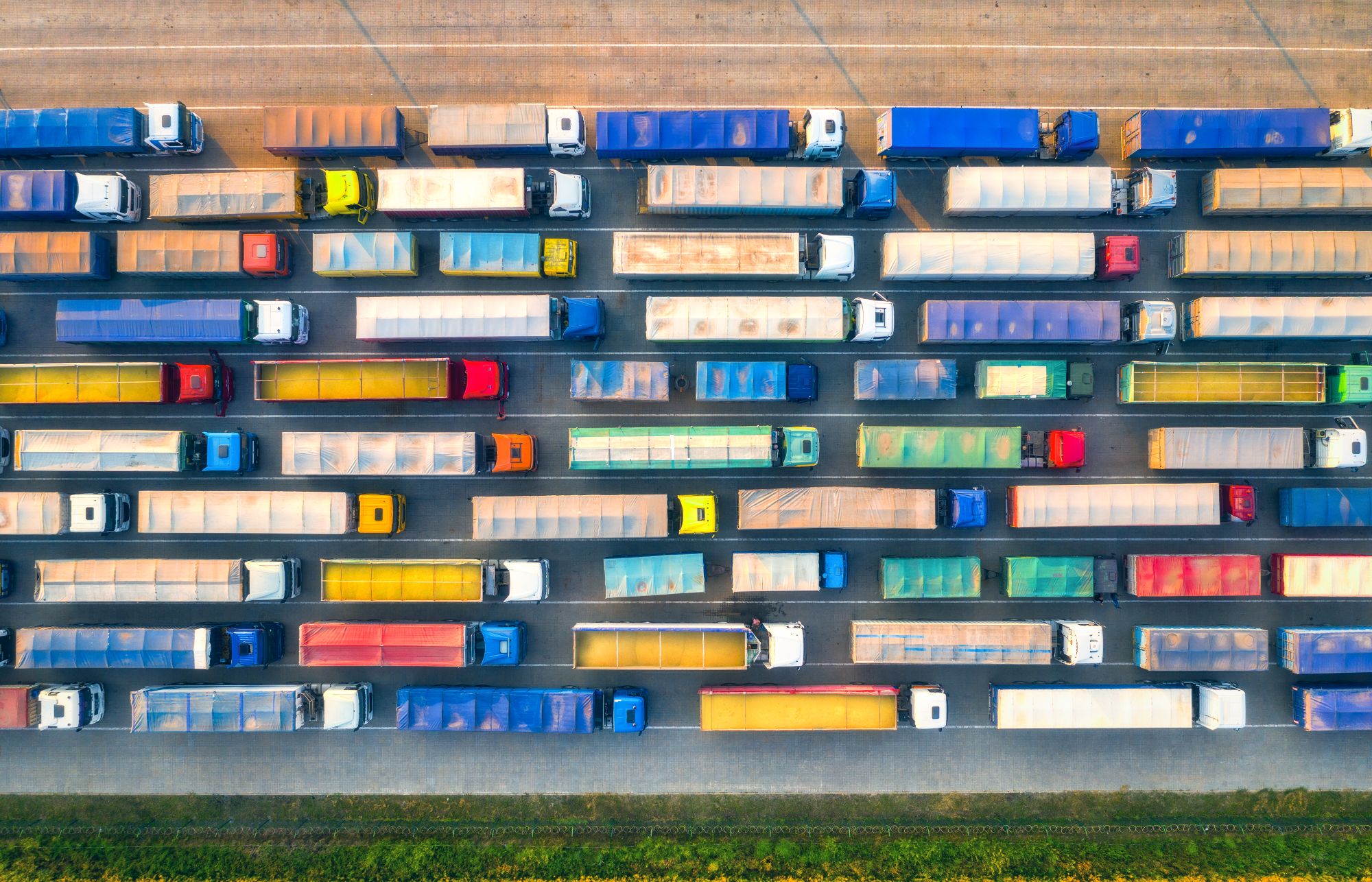
Detectarea inteligenței artificiale în flote merge dincolo de studierea comportamentului șoferului. Telematica și senzorii analizează modelele de viteză și accelerație pentru a înțelege mai bine consumul de combustibil. Sistemele monitorizează vehiculele dumneavoastră pentru a depista funcționarea excesivă la ralanti și rutele ineficiente care cresc consumul de benzină sau motorină. Inteligența Artificială poate adapta recomandările pentru șoferi, oferindu-le intervale de viteză optimizate sau nevoi de întreținere.

Managerii de flote beneficiază de date agregate privind consumul de combustibil și cheltuielile. Aceste informații îi ajută să ia decizii mai informate privind achiziția de vehicule și planificarea rutelor. În cazul în care vehiculele mai vechi prezintă ineficiențe, ar putea fi timpul să modernizați lotul. Profesioniștii din domeniul logisticii ar trebui să compare vehiculele individuale cu standardele din industrie pentru a vedea valorile aberante.

6. Reducerea emisiilor

Obiectivele de mediu ale Regatului Unit [includ atingerea emisiilor nete zero] (https://commonslibrary.parliament.uk/research-briefings/cbp-9888/) până în 2050. Prin urmare, managerii de flote trebuie să fie mai conștienți de înăsprirea standardelor și de riscul de amenzi. Detectarea AI ajută vehiculele prin intermediul senzorilor și al sistemelor de diagnosticare la bord, care colectează date în timpul operațiunilor. Algoritmii ML identifică modele și anomalii în cadrul informațiilor și notifică emisiile excesive.

IA poate alerta managerii de flote și permite întreținerea proactivă în cazul în care un vehicul depășește pragurile de emisii. În timp ce oamenii iau măsuri pentru a reduce emisiile de gaze cu efect de seră, detectarea AI este în creștere pentru a ajuta industria transporturilor. Un studiu din 2025 a afirmat că deep reinforcement learning maximizează reducerea emisiilor prin adaptarea capacităților de conducere ecologică. Cercetătorii americani au afirmat că implementarea acesteia în 10% din vehicule ar reduce emisiile de carbon cu până la 50%.

7. Tranziția la vehiculele electrice

O altă modalitate prin care managerii de flote pot reduce emisiile este conversia vehiculelor electrice (VE). Deținerea de vehicule electrice este în creștere la nivel național prin intermediul șoferilor particulari și al proprietarilor de flote, după cum arată un raport din 2025 [care relevă o creștere anuală de 38,9 %] (https://www.smmt.co.uk/more-than-a-million-evs-on-uk-roads-as-vehicle-ownership-reaches-new-high/) începând din 2023. Inteligența artificială poate asista profesioniștii din domeniul logisticii în această tranziție, recomandându-le când, unde și cum să își electrifice flotele.

Cei care dețin pentru prima dată un vehicul electric pot avea nevoie de ajutor cu privire la ferestrele de încărcare și la infrastructura necesară. Sistemele bazate pe inteligență artificială detectează când și unde mașinile electrice s-ar putea alinia în mod natural cu ferestrele de încărcare. De exemplu, ar putea recomanda cele mai bune momente de încărcare pentru a reduce întreruperile de program. Este posibil ca unii să se gândească la trecerea la vehiculele electrice, astfel încât managerii de logistică să poată utiliza inteligența artificială pentru a compara datele privind costurile între mașinile electrice și cele pe benzină.

8. Reducerea costurilor

Deși investiția în IA poate reprezenta o barieră, aceasta poate fi benefică din punct de vedere financiar pe termen lung. Aceste opțiuni software reduc costurile prin minimizarea timpilor morți care încetinesc operațiunile zilnice. Detectarea timpurie a problemelor poate duce la o flotă mai bine întreținută, ceea ce creează mai mult timp de funcționare și venituri. De asemenea, administratorii de flote pot economisi bani prin optimizarea sporită a rutelor și gestionarea combustibilului.

Detectarea IA în flote este esențială pentru eficientizarea proceselor administrative. Aceste tehnologii pot efectua în mod automat verificări ale conformității și documentarea incidentelor, reducând astfel nevoia de documente manuale. Operatorii dvs. se pot concentra mai mult pe imaginea de ansamblu și mai puțin pe cheltuielile administrative generale. Dacă monitorizarea vă ajută șoferii, aceasta ar putea reduce costul reparațiilor vehiculelor și al reclamațiilor juridice.

9. Urmărirea activelor

Furtul de vehicule și de marfă [a scăzut constant în Regatul Unit] (https://www.ons.gov.uk/peoplepopulationandcommunity/crimeandjustice/datasets/crimeinenglandandwalesappendixtables)., deși rămân preocupări semnificative. Detectarea AI oferă straturi suplimentare de securitate prin reducerea ferestrei de oportunitate pentru hoți. Funcțiile de urmărire a bunurilor combină capacitățile GPS și telematice pentru a monitoriza locația în timp real, esențială pentru companiile care transportă bunuri de mare valoare.

Managerii de flote beneficiază de funcții de geofencing, care le permit să stabilească limite virtuale. Dacă un camion sau o camionetă iese din aceste zone, sistemele bazate pe inteligență artificială semnalează automat evenimentul și notifică profesioniștii din domeniul logisticii. Algoritmul este suficient de inteligent pentru a înțelege anomaliile și protocoalele de securitate. Anomaliile pot declanșa măsuri de securitate precum dezactivarea de la distanță.

Exploatarea detecției AI pentru costuri și conformitate

Inteligența artificială este un instrument practic, care schimbă regulile jocului pentru managerii de flote. Analizele avansate și monitorizarea în timp real permit profesioniștilor din domeniul logisticii să realizeze îmbunătățiri măsurabile ale siguranței și performanței. În timp ce tehnologiile sunt în curs de dezvoltare, viitorul este aici. Întreprinderea dumneavoastră ar trebui să fie dispusă să investească în soluții bazate pe IA pentru a reduce costurile și a minimiza riscurile.

Descoperiți mai multe din Renovated Magazine.

Share to

Alții citesc de asemenea...

Header Image

miercuri 15 aprilie 2026 • Știri din industrie

FURTUL DE MARFĂ ÎN EUROPA: DE CE ESTE ÎN CREȘTERE ȘI CUM POT REDUCE FLOTELE RISCUL

Guest

Cargo theft is a growing threat across Europe. What was once seen as an occasional disruption is now a more persistent and organised risk to road transport, affecting fleets, drivers and the wider supply chain. Reported losses and incidents have risen sharply, with one widely cited industry figure pointing to a in recent years. In alone, 557 cargo crimes were recorded across 38 countries in the TAPA EMEA Intelligence System, and even though values were disclosed for fewer than one in five incidents, those 100 cases still totalled more than €43 million.In this article, we explore the current trends and what fleet managers and operators can do to minimise their risks.Food and beverage shipments are among the most commonly targeted categories in Europe, accounting for . also rank highly. These goods are attractive because they are easy to move, easy to sell and often difficult to trace once they enter secondary markets.The recent on its way from Italy to Poland is a useful example. Nestlé said the missing load amounted to roughly 413,793 bars, showing how quickly a mainstream consumer shipment can become a target when moving across borders.These shipments are attractive targets for organised groups because they can be offloaded quickly, resulting in rapid returns. Cargo crime often happens while loads are moving. report found that hijackings accounted for 21% of incidents, while 41% of thefts happened in transit. That is a reminder that risk does not begin when a truck parks for the night. It can begin long before a vehicle stops for the night, particularly on exposed corridors or routes where load visibility and security controls are weaker.Parked vehicles remain a major point of vulnerability. In the UK, Munich Re reported that nearly half of all thefts take place at unsecured roadside parking and rest areas. Across Europe, unsecured roadside locations and rest areas continue to feature prominently in cargo crime reporting, especially where drivers have limited alternatives and secure sites are full.Some of the most concerning incidents show coordination. recently documented attacks in Germany in which dozens of trucks were targeted in a single night along the A1 corridor. In one November 2023 incident, 67 trucks had trailers slashed at service and rest areas including Ostetal South and Grundbergsee South. Similar attacks had already taken place on the same route months earlier.Germany remains one of the clearest hotspots, largely because of the scale of freight passing through the country. Analysis showed that in 2023, more than double France in second place. Other recurring hotspots include France, Italy, Spain and the United Kingdom. That pattern reflects the reality of European freight movement. Dense logistics networks, major freight hubs and heavily used motorways create more opportunities for organised criminals, especially when secure parking capacity fails to keep pace with demand.Munich Re warns that cargo thieves are increasingly using more sophisticated methods, including identity deception, cyber-enabled scams and other tactics that bypass traditional controls. Wider points to GPS jamming, paperwork manipulation and shipment diversion as part of that shift.A stolen load may now begin with compromised data, a fraudulent carrier, a diverted instruction or a vehicle whose movements can no longer be tracked properly. For fleets, that means theft prevention now involves more than physical security. It also requires tighter dispatch processes, better control over shipment data and clearer real-time visibility.The most obvious impact is financial. Stolen goods lead to lost goods, insurance claims and disruption. But the direct value of the missing load is only part of the problem. Delayed deliveries, vehicle damage, missed slots and customer dissatisfaction can all push the true cost much higher. There is also a human cost. Drivers may face intimidation, confrontation or the shock of discovering that their vehicle has been tampered with while they were resting. Even where there is no direct violence, exposure to insecure roadside stops creates stress, fatigue and a sense of vulnerability that can affect driver welfare and retention. Operationally, the knock-on effects spread quickly through the supply chain. A single theft can mean missed delivery windows, rerouted vehicles, stock shortages and added pressure on already stretched teams. For temperature-sensitive, time-critical or high-value loads, the consequences can multiply fast.There is no single fix, but fleets can reduce exposure with a more structured approach to planning, parking and security.Secure parking remains one of the clearest areas for improvement. TAPA’s Parking Security Requirements framework provides an internationally recognised benchmark for secure truck parking, helping operators assess which locations offer stronger protection for vehicles, loads and drivers. Choosing accredited sites will not eliminate cargo theft, but it can significantly reduce the opportunity for organised criminals to strike.In practice, that may mean stopping earlier than planned to reach a safer site rather than pushing on to an unsecured lay-by. While that can feel less efficient in the moment, it is often the more resilient choice.For fleets, the challenge is not just knowing secure parking matters but being able to access it easily. SNAP helps bridge that gap by giving drivers and operators better visibility of trusted parking options across the UK and Europe, making it simpler to plan and reserve safer stops from the outset.Read more: Cybersecurity now sits alongside physical security in any serious theft-prevention strategy. Tracking, geofencing and anti-jamming tools can all help, but only if they are backed by clear processes. Fleets should review how shipment data is shared, who can alter route instructions, how delivery paperwork is verified and what happens if a vehicle suddenly disappears from view. Drivers are often the last line of defence, but they should not carry the burden alone. Clear escalation procedures, regular check-ins, secure rest planning and training on suspicious activity all matter. One of the biggest structural issues behind cargo theft is the shortage of secure truck parking. When drivers cannot find protected sites with proper lighting, access control and welfare facilities, they are more likely to end up in the very locations thieves are already targeting. SNAP has trained working to accredit more parking sites across the UK and continental Europe, helping expand the availability of secure truck parking and reduce opportunities for organised theft.For fleets, the challenge is not just understanding risk, but building safer stopping decisions into everyday operations. At SNAP, we help drivers and operators identify trusted parking options across the UK and Europe, making it easier to plan routes with security and driver welfare in mind.

Header Image

miercuri 11 martie 2026 • Știri din industrie

PARCAREA CAMIOANELOR ÎN EUROPA: REGULI, LACUNE, RISCURI

Guest

Ask most fleet operators what makes life harder than it needs to be and you’ll hear the same answer across Europe: truck parking.Drivers have to stop. Hours rules and rest requirements make that non-negotiable. But on many of Europe’s busiest transport corridors, finding a safe, legal place to park is still uncertain. Capacity is low, security varies widely and most urban hubs aren’t built with HGVs in mind.That pressure has consequences. When designated areas are full, drivers are pushed towards places that were never intended for HGV parking: slip roads, access ramps and industrial estates. Compliance becomes a choice between two risks: stop where you shouldn’t, or keep driving when you shouldn’t.When truck parking overflows into unsuitable places, the environment becomes dangerous: poor visibility, high speeds, unpredictable manoeuvres and limited escape routes. starkly in February 2026, reporting fatal crashes in Germany and Belgium involving stationary lorries. The article challenges the easy explanation of “illegal parking” and points back to the underlying cause: drivers were out of driving time and the spaces were gone.In addition, a shortage of truck parking in Europe doesn’t just mean “no space”; it often means the only available space is poorly lit, unmonitored and isolated. That elevates the risk of theft and driver harm, which can have a knock-on effect for supply chain reliability.Poor parking provision also affects workforce sustainability. When drivers face uncertainty around legal, safe stopping, it makes the role harder and less attractive – compounding .For a long time, the conversation about truck parking focused on enforcement: where you can’t park and the penalties that follow. Increasingly, the focus is moving towards provision: where drivers can stop safely, reliably and legally. Under revised Trans-European Transport Network (TEN-T) rules, EU Member States must ensure the development of certified secure parking . The same requirement sets expectations for the location of truck parking. It must be immediately on the network or within 3km of an exit, which will have benefits for route planning. Alongside this shift, the European Commission positions safe and secure truck parking as a priority within its Intelligent Transport Systems work, including the need for to help drivers locate suitable sites.But the EU isn’t just asking Member States to add more truck parking spaces. It’s also defining what “safe and secure” means. In April 2022, the European Commission adopted EU standards for , categorising sites into four security levels: bronze, silver, gold and platinum. The intention is to create transparency for drivers and fleets, and to support investment by giving operators a clear target to design and audit against.This sits against a significant capacity gap. A European Commission study estimates a across the bloc, with the gap potentially rising towards half a million by 2040 if the network does not scale at the pace freight demand requires.Looking at more practical aspects of the situation, what are HGV parking rules and regulations in Europe?At first glance, HGV parking rules across Europe look consistent: Motorways are not designed to absorb overflow parking. Hard shoulders exist for emergencies and safety buffers. Access ramps are not for planned stopping.Urban areas add a layer of complexity. Local restrictions and enforcement are common because HGV parking competes with residents, retail and public space – and because badly parked vehicles create safety risks.Rules around HGV parking in the UK are clear. Trucks should use designated areas such as motorway services, truckstops and lorry parks. Conversely, drivers must avoid parking in locations that create risks, such as pavements, verges and central reservations. Restrictions around parking in residential areas vary by local authority, so it’s vital to check if this is unavoidable. The major constraint is supply. The RHA’s estimate of an , with very high utilisation on key routes, helps explain why informal and unsafe parking persists even where drivers know it isn’t ideal. In 2022, the Department for Transport across England, aimed at better rest areas and more secure parking, framed as part of a broader programme to improve roadside facilities.In Germany, motorway stopping rules are anchored in the (StVO), which makes clear that stopping on the autobahn – including the hard shoulder – is prohibited except in emergencies. That means running out of driving time is not treated as justification. Fines increase if obstruction or danger is caused, and enforcement is active on heavily used corridors. Poland follows the familiar motorway rule that hard shoulders are reserved for breakdowns and emergencies. The nuance appears within cities, where tonnage-based entry restrictions and are common. Overnight HGV parking in urban areas can require municipal approval and enforcement varies between municipalities. For cross-border fleets, that means treating urban stopping as permission-led rather than assumed.France reinforces the same principle through the . Articles R417-9 and R417-10 classify dangerous or obstructive parking offences, and stopping on autoroute carriageways or shoulders is prohibited except in cases of absolute necessity. Penalties can include fines and licence points.However, publishes dedicated information for secure truck parking on its network, reflecting how motorway operators guide HGV stopping into appropriate locations.Spain’s prohibits stopping on motorway shoulders except in emergencies, aligning with broader European practice. Additional complexity lies at municipal level. Many cities operate local overnight bans or restrict HGV parking to designated industrial zones, with enforcement handled by local police rather than motorway authorities. That creates a layered compliance environment: legal on the motorway network does not automatically mean legal in urban areas.To highlight positive developments, that a truck parking facility in La Jonquera became the first in Spain to receive TAPA certification, describing measures such as controlled access, fencing, lighting and continuous monitoring.Italy distinguishes clearly between motorway carriageways, ramps and designated service areas. Stopping on access or exit ramps is explicitly prohibited, and enforcement around motorway infrastructure is consistent. Importantly, Italy differentiates between aree di servizio (full service areas with facilities) and simpler rest or parking lay-bys, which may not support overnight welfare needs. However, Italy is also seeing new secure truck parking developments focused on welfare and security, reflecting the wider European momentum towards better provision.Across Europe, an additional regulatory layer now shapes truck parking decisions: Low Emission Zones (LEZs) and restricted urban traffic zones. Cities in France (Crit’Air), Germany (Umweltzonen), Spain (Zonas de Bajas Emisiones) and Italy (ZTL areas) impose vehicle-class or permit requirements that can apply even to stationary vehicles within the zone. A driver who parks overnight in a restricted area without the correct classification or registration risks fines – even if the stop itself is otherwise legal. Across Europe in 2026, the rules are clear. The constraint is capacity, especially near urban hubs and on high-volume corridors. For fleets, this has a practical impact: European truck parking can’t be left to chance at the end of a shift. It needs to be planned with the same seriousness as , routing, driver hours and security – because when the network fails to provide legal space, every other compliance system gets squeezed.SNAP can help. .

Header Image

joi 26 februarie 2026 • Știri din industrie

FEMEILE ÎN TRANSPORTURI: DEBLOCAREA TALENTELOR NEEXPLOATATE

Guest

Across the UK, around . They transport food to supermarkets, materials to construction sites and goods to ports and distribution centres. They underpin daily life and economic stability, forming a critical part of the UK’s national infrastructure.Yet only around . That amounts to roughly one per cent of the UK HGV workforce, according to reporting by . For an industry facing long-term recruitment pressure, that figure raises important questions about where future talent will come from and how the sector presents itself to potential entrants.There are signs of progress, however. The percentage of from 6.7% in 2011/12 to 9.7% by 2021/22. Over the past decade, women securing Category C and C+E licences increased by 144%, according to SME Web. More women are clearly choosing to train and qualify. The pipeline is widening, but the proportion of women behind the wheel remains marginal.Women have not been entirely absent from road transport. One of the earliest recorded female truck drivers was, who began driving heavy vehicles in the United States in 1918. During wartime periods in both the US and the UK, women stepped into transport roles out of necessity. Then, in the 1960s, became the UK’s first long-distance lorry driver, often working 100-hour weeks.However, outside exceptional circumstances, haulage has traditionally been male dominated. Cultural perceptions, physical assumptions about the work and the lifestyle associated with long distance driving have all played a part. Only in recent decades has participation begun to shift in a more sustained way.The reasons for low female participation are not limited to awareness. Structural and practical barriers remain.Facilities are a big concern. Professional drivers depend on secure parking, clean rest areas and appropriate welfare provision. For many years, roadside infrastructure has struggled to meet demand across the board. When rest stops are inadequate, poorly lit, feel unsafe or lack privacy, this can discourage women from joining the sector.Working patterns also play a role. Long-haul journeys can involve overnight stays and time away from home. While many drivers value the independence that comes with the role, the perception of work-life balance may deter some women, especially those with caring responsibilities. There is also the issue of visibility. When only one per cent of drivers are women, prospective candidates may struggle to see themselves in the sector. In addition, menopause symptoms such as fatigue, sleep disruption, hot flushes and anxiety can be difficult to manage in roles that involve long hours, limited access to private facilities and time away from home. In sectors where welfare provision is already under pressure, a lack of understanding or practical support can lead to experienced drivers leaving the workforce.For haulage, this is not a peripheral issue. Retaining experienced drivers is as important as attracting new entrants. Change is not confined to driving roles. Across the broader transport and logistics ecosystem, women are increasingly visible in management, planning and policy functions.The shows that leadership representation by women has increased from 26% to 36% in recent years. However, much of this growth has taken place outside core operational functions. Senior representation within frontline transport roles remains comparatively limited.Several industry organisations are addressing this gap. Women in Transport offers mentorship opportunities, while everywoman recognises excellence through its , raising the profile of female professionals across the sector. The Chartered Institute of Logistics and Transport has also announced a new , aimed at supporting career progression and professional networks.Alongside this, community initiatives such as demonstrate that interest and engagement are growing. The spotlighting female drivers and employees, further increasing visibility. Collectively, these platforms help challenge outdated perceptions and provide practical support for women entering or advancing within the industry.For the UK haulage sector, this is not just a diversity conversation. It is a strategic one.Previous industry reporting has highlighted the scale of recruitment pressure across logistics. The that tens of thousands of new drivers will be required in the coming years to maintain supply chain stability. At the same time, the existing workforce is ageing.With only one per cent of drivers currently women, a significant proportion of the potential labour market remains underrepresented. If participation rates were to move closer to parity with the wider workforce, the impact on recruitment could be substantial.There is also evidence that inclusive cultures contribute to improved retention and engagement. A sector that demonstrates visible progression pathways, fair access to training and appropriate welfare provision is likely to appeal more broadly across demographics.Progress will not accelerate through awareness alone. Structural changes are needed.Investment in safe, well maintained roadside facilities is fundamental. Secure parking, adequate lighting and clean welfare amenities benefit all drivers and remove avoidable barriers to entry.Flexible working models, where operationally feasible, can broaden appeal. This may include regional route design, job sharing arrangements or clearer progression pathways from warehouse and planning roles into driving positions.Funded licence pathways and apprenticeships can also reduce financial barriers. As previously outlined, the cost of training can be significant. Targeted funding initiatives aimed at underrepresented groups can support a more balanced intake.Finally, transparency around workforce data matters. Publishing gender breakdowns, monitoring progression rates and setting measurable objectives signal that inclusion is being taken seriously.International Women’s Day provides an opportunity to reflect on how far the UK haulage industry has come and how far it still has to go. The rise in female licence acquisition and test pass rates demonstrates that interest exists. Leadership representation is improving in some areas and support networks are expanding. However, the scale of underrepresentation remains stark.Haulage is central to national resilience. It keeps shelves stocked, infrastructure projects supplied and trade flowing. Ensuring that this workforce reflects the full breadth of available talent is not simply a question of equity. It is a matter of long term sustainability.Supporting women in haulage also means improving the day-to-day realities of life on the road. Access to secure parking, well-lit rest areas and appropriate facilities is fundamental to retention and wellbeing for all drivers. SNAP’s intruck app helps all drivers locate and book trusted truck stops across the UK and Europe, giving fleets greater visibility and drivers greater confidence wherever their route takes them. .