Guest
Știri din industrie • 3 min citește

Modul în care valul de căldură din Europa afectează mobilitatea: cum să vă mențineți în frunte

Creat: 31.07.2025

Actualizat: 31.07.2025

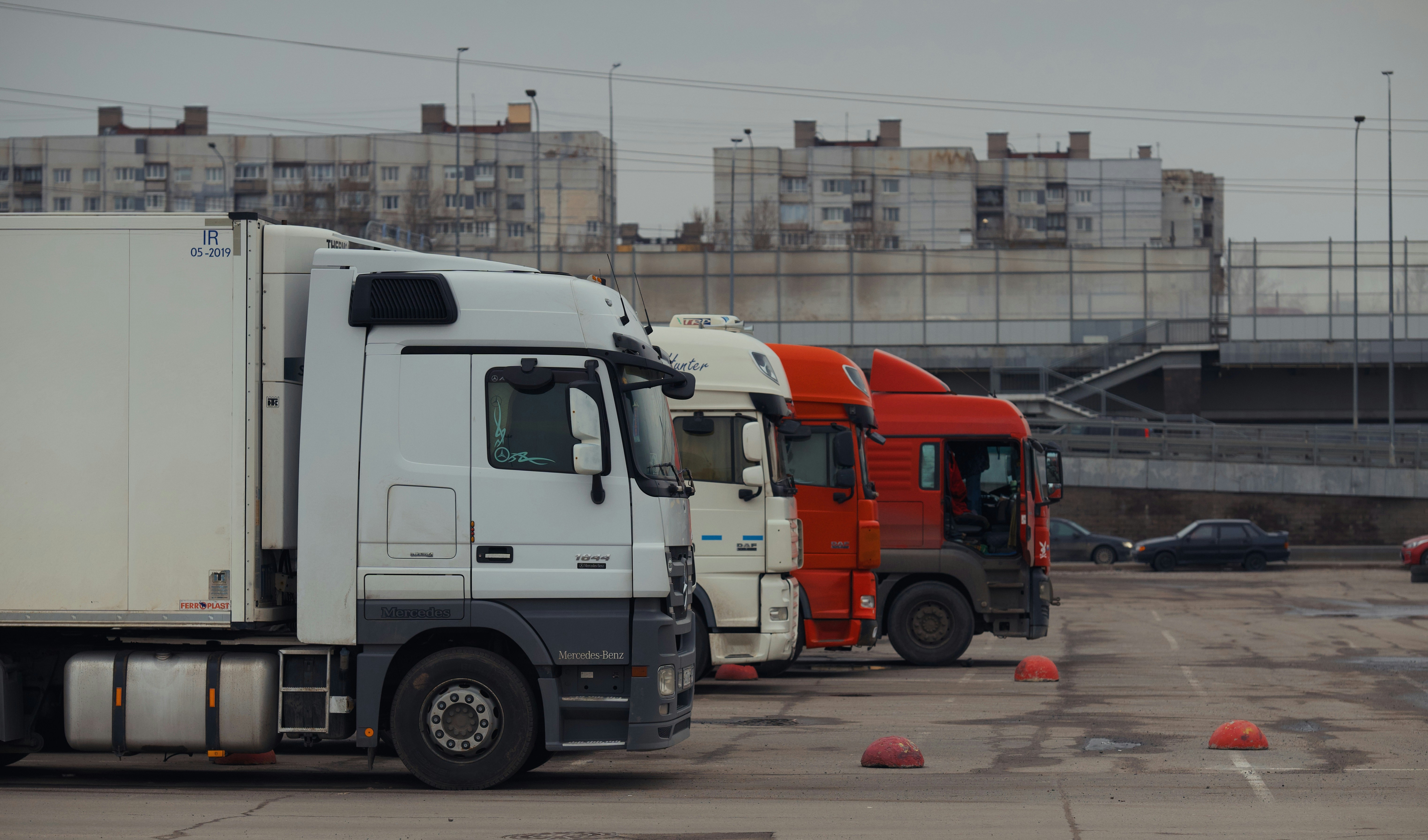
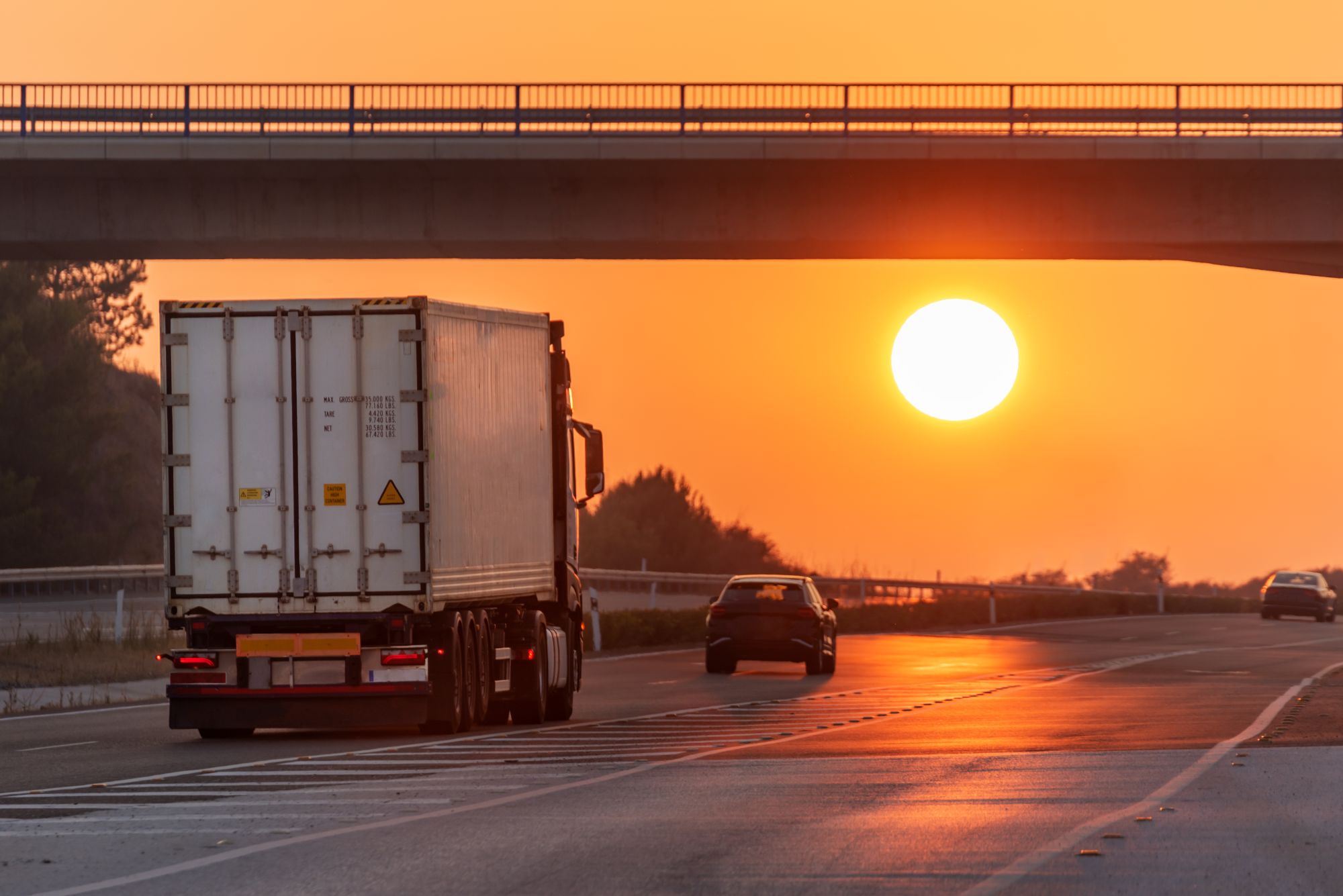
Drumurile din Europa sunt fierbinți, iar căldura nu face decât să crească. Pe întregul continent, luna iulie 2025 a adus temperaturi record, defecțiuni ale infrastructurii și perturbări ale transportului la o scară fără precedent. Pentru operatorii de flote și șoferii profesioniști, provocarea nu mai este teoretică. Căldura extremă este aici și remodelează peisajul mobilității în timp real.

S-a scris mult despre impactul asupra sănătății și despre semnalele climatice ale valului de căldură din acest an. Dar mult mai puțină atenție a fost acordată modului în care afectează logistica, rețelele de transport de marfă și oamenii care asigură deplasarea mărfurilor peste granițe.

Acest articol explorează modul în care valurile de căldură perturbă sectorul european al transportului rutier - de la topirea asfaltului și autostrăzile crăpate până la incendiile de vegetație, îngrijorările legate de siguranța șoferilor și întârzierile în livrări - și oferă sfaturi practice pentru a ajuta flotele să rămână operaționale, rezistente și cu un pas înainte.

Valurile de căldură devin noua normalitate

Conform Organizației Meteorologice Mondiale, Europa se confruntă în mod regulat cu călduri extreme, cu temperaturi mult peste normele sezoniere. În prima săptămână din iulie 2025, Germania a înregistrat temperaturi maxime de peste 39°C, în timp ce Spania și Portugalia s-au confruntat cu temperaturi de peste 46°C în cursul lunii. Europa, în ansamblu, se încălzește de aproximativ două ori mai mult decât media globală.

Aceste condiții nu sunt doar inconfortabile - ele perturbă operațiunile. Cercetările citate de Logistics Business arată că valurile de căldură sunt un factor de risc tot mai mare pentru operațiunile de transport de marfă, reducând bunăstarea șoferilor, deteriorând încărcătura și întârziind livrările.

Ca urmare, încărcăturile sensibile la temperatură, cum ar fi alimentele, produsele farmaceutice și electronicele, sunt din ce în ce mai greu de transportat în siguranță. Operatorii constată o creștere a ratelor de deteriorare și a penalităților de întârziere a livrărilor. Situația este deosebit de complexă în zonele în care rețelele electrice sunt solicitate de creșterea cererii de răcire, reducând fiabilitatea lanțului frigorific.

Drumuri topite și autostrăzi crăpate

Unul dintre cele mai clare semne ale impactului căldurii asupra mobilității a apărut la începutul lunii iulie, când părți ale rețelei de autostrăzi din Germania au început să crape sub presiunea expansiunii termice. Secțiuni ale autostrăzilor A1, A9 și A10, printre altele, au fost închise pentru reparații urgente deoarece plăcile de beton s-au îndoit și rosturile s-au rupt - o consecință directă a valului de căldură prelungit din țară.

Pe măsură ce temperaturile solului cresc și vegetația se usucă, incendiile de vegetație devin, de asemenea, o caracteristică obișnuită - și periculoasă - a verilor europene. Conform rezumatului Wikipedia privind valul de căldură din Europa din 2025, incendiile de vegetație au izbucnit în sudul Spaniei, Germaniei și Greciei, provocând evacuări în masă și închiderea temporară a drumurilor principale și a punctelor de trecere a frontierei.

În iunie 2025, A939 din Scoția a fost închis din cauza incendiilor de vegetație, în timp ce incendiile au închis mai multe drumuri și tuneluri rutiere din jurul Marsiliei în Franța. Aceste închideri nu creează doar haos în trafic - ele înseamnă că vehiculele grele de marfă trebuie să schimbe ruta, adesea prin drumuri înguste și neadecvate, care pot prelungi durata călătoriei cu ore întregi.

În plus, fumul reduce vizibilitatea pentru șoferi și prezintă riscuri pentru sănătate, în special pentru cei care petrec ore îndelungate în cabină cu o filtrare inadecvată a aerului. Iar în multe zone, serviciile de urgență sunt solicitate, ceea ce înseamnă întârzieri în curățarea drumurilor afectate sau în gestionarea devierilor.

Siguranța conducătorilor auto

Riscurile pentru infrastructură sunt însoțite de riscuri pentru oameni. Șoferii profesioniști sunt deosebit de vulnerabili la stresul termic, deshidratare și oboseală. [Ghidul propriu de vară] (https://snapacc.com/newsroom/a-truck-drivers-guide-to-summer-in-europe/) al SNAP pentru șoferi subliniază pericolele supraîncălzirii cabinelor, stresul provocat de orele lungi la temperaturi ridicate și importanța sistemelor de răcire și a odihnei.

Multe facilități rutiere din sudul și estul Europei rămân slab echipate pentru a sprijini bunăstarea șoferilor în timpul valurilor de căldură. Stațiile de odihnă cu aer condiționat, parcările la umbră și accesul sigur la apă nu sunt garantate - ceea ce face ca [rețeaua de locații verificate și confortabile] a SNAP (https://snapacc.com/map/) să fie mai importantă ca niciodată.

"Valul de căldură din această vară este un semnal de alarmă", spune Raquel Martinez, director european de vânzări la SNAP. "Sistemele de transport din Europa au fost concepute pentru un climat mai rece. Dar nu vom da înapoi. Flotele care se adaptează acum - cu instrumentele potrivite, strategiile de odihnă potrivite și tehnologia potrivită - vor fi cele care vor prospera."

Interzicerea circulației camioanelor începe în Europa

Ca răspuns la căldură, mai multe țări au introdus sau au prelungit interdicțiile de circulație a camioanelor declanșate de căldură. După cum relatează TrafficBan.com, Bulgaria și Ungaria au impus restricții pentru vehiculele grele de marfă în timpul zilei, atunci când temperaturile au crescut în iulie 2025. Restricțiile s-au aplicat, de asemenea, vehiculelor grele pe anumite drumuri vulnerabile în anumite perioade.

În plus, interdicțiile privind circulația camioanelor legate de sărbătorile naționale din Germania, Franța, Polonia și Italia agravează aglomerația de vară. Detalii complete pot fi găsite pe Trafficban.com, care enumeră restricțiile regionale și orare de pe întregul continent.

Pentru șoferi și planificatori, aceste interdicții creează un mozaic de zone de conformitate și limitări de timp care necesită o navigare atentă și instrumente de planificare actualizate.

Impactul asupra asigurărilor

Având în vedere riscurile tot mai mari prezentate de căldura extremă, asigurătorii încep să își reevalueze expunerea. Acest lucru este de natură să afecteze primele în general. Asigurarea bunurilor în tranzit este sub presiune, în special în cazul încărcăturilor sensibile la temperatură, cu mai multe cereri de despăgubire cauzate de deteriorare și termene de livrare nerespectate. Costurile de asigurare a vehiculelor ar putea crește, de asemenea, ca urmare a creșterii numărului de cereri de despăgubire pentru defecțiuni și accidente cauzate de căldură.

În același timp, există o atenție tot mai mare în ceea ce privește răspunderea angajatorilor, în special dacă șoferii sau personalul suferă de probleme de sănătate legate de căldură din cauza unor dispoziții inadecvate privind bunăstarea. Împreună, aceste tendințe ar putea însemna prime mai mari și discuții mai dure privind reînnoirea contractelor pentru operatorii care nu dispun de planuri clare de reziliență.

Cum să prevenim valurile de căldură

La SNAP, credem că cheia navigării prin valurile de căldură din Europa constă în pregătire, planificare și gestionarea proactivă a bunăstării.

Iată ce pot face operatorii:

Planificați în funcție de temperatură și teren: Utilizați datele meteorologice în timp real pentru a ajuta șoferii să evite rutele cu risc ridicat.

Echipați șoferii pentru condiții: Aprovizionați vehiculele cu apă, echipament de umbră și truse de răcire de urgență.

Verificați zilnic reglementările: Rămâneți la curent cu modificările interdicțiilor pentru camioane la granițe utilizând surse verificate precum Trafficban.com.

Optimizarea stațiilor de odihnă: Încurajați șoferii să utilizeze aplicații precum intruck pentru a localiza facilități bine echipate și cu aer condiționat în întreaga Europă.

Întrețineți vehiculele pentru căldură: Acordați o atenție sporită anvelopelor, sistemelor de răcire și performanței bateriei în timpul întreținerii - în special pentru vehiculele electrice sau hibride.

Revizuirea planurilor de asigurare și de risc: Asigurați-vă că polițele iau în considerare întârzierile legate de climă, deteriorarea încărcăturii și daunele provocate de incendii.

Începeți astăzi să vă planificați pentru valurile de căldură

Consultați harta interactivă SNAP sau descărcați aplicația intruck astăzi. Cu mii de parteneri de încredere din întreaga Europă, aceasta este scurtătura dvs. către opriri mai sigure - indiferent de temperatură.
Share to

Alții citesc de asemenea...

Header Image

joi 30 aprilie 2026 • Știri din industrie

RECRUTARE DE ULTIMĂ GENERAȚIE: ATRAGEREA TINERELOR TALENTE ÎN INDUSTRIA TRANSPORTURILOR RUTIERE

Evelyn Long

The UK driver shortage is a familiar headline, but the real story is more complex than the numbers. It’s a fundamental shift in the workforce that requires a new mindset. While it’s a crisis, it’s also an opportunity for forward-thinking fleets to innovate and gain an edge over the competition. The companies that successfully attract the next generation of drivers will thrive in the coming decades. Here is a quick look at the forces fueling the disparity between retiring heavy goods vehicle (HGV) drivers and new apprentices. National unemployment figures are rising. In 2025, it climbed to leading up to December, the highest rate in nearly five years. At the same time, there is a severe shortage of professional drivers.The UK’s driver shortage is not a simple labor deficit. It is a skills shortage. Many barriers prevent the general unemployed population from filling the role, such as: ● High cost and time commitment for obtaining an HGV license● The requirement for a certificate of professional competence● The unique lifestyle demands that do not align with a standard 9-to-5 jobThe paradox of high unemployment and significant driver shortage is why industry bodies are not passively waiting for the job market to fix the problem. The government implemented , from enhancing the current supply chain’s efficiency to improving conditions to attract more drivers to the sector. The shortage is not solely due to a lack of new drivers. The industry is actively losing experienced professionals. While the proportion of businesses reporting vacancies has , the issue lies in the persistent hiring gap. Many are leaving for better pay or benefits elsewhere. Drivers may choose a warehouse job that offers a similar salary to their current one but provides predictable shifts and more social interactions. The physical and mental toll of long hours, social isolation and poor quality of roadside facilities are also push factors. Retirement is normal in any industry. The problem is that retiring drivers in the trucking sector are not being replaced at a comparable rate. This is a growing trend in many industrial industries, potentially pointing towards a larger societal shift towards these careers.The number of HGV drivers under the age of 35 between the third quarters of 2023 and 2024. Despite that, over 53% of the labor force across the industry is aged 50 years and older. Similarly, are 55 years or older. For industrial industries, this figure means a massive impending loss of experience, a shrinking pool of reliable talent and the risk of institutional knowledge walking out the door. The industry’s image is as significant a barrier as any practical challenge. The goal is to shift the narrative from the outdated “lonely trucker” stereotype to that of a “skilled logistics professional.” The first step to rebranding is to define what the job entails in the 21st century. Essentially, HGV professionals drive vehicles with a gross combined weight of , ensuring the safe and efficient delivery of products at the right time, location and condition. To attract young talent, fleet managers must acknowledge that most are seeking career paths and a sense of meaning. Recruiters can map out a visible career ladder to show that the role is not a “dead-end” job. For example, a path can look like a progression from lead driver to new apprentice mentor to transport planner to fleet manager. Connecting the job to a larger purpose is a sound strategy, as many of the younger generations want to make an impact. Link the driver's daily tasks to the bigger picture. Instead of stating how the job involves moving products, recruiters can highlight how the work ensures families have fresh food on their tables. Here are some changes fleet managers can adopt to become more effective employers.Ensure the apprenticeship program provides a modern, engaging and supportive experience. Pair apprentices with experienced drivers who are willing and trained to be mentors. Leverage technology in training. For example, programs can include high-fidelity driving simulators to allow apprentices to practice responding to hazardous conditions. The training must cover more than just passing the driving test. Include modules on customer service, financial literacy for potential owner-operators, in-cab technology and health and wellness courses for those on the road. Flexibility and predictability in scheduling are key attractors. Consider alternative models, such as: ● Hub-and-spoke: Drivers operate out of a local depot, handling the first and last leg of a journey and returning home daily. ● Relay systems: One driver takes a load from point A to a handover point B, where a second driver takes it to point C and so on. ● Fixed rotations: Implement schedules like “four days on, four days off” to provide solid, predictable blocks. Invest in the drivers’ comfort and safety to show them they are valued. There is a shortage of , which adds to the daily stress of drivers, wasted hours searching for safe parking and the risk of cargo theft. Fleet managers must ensure their depots are places professionals want to be, with clean, modern break rooms, showers and kitchens. Another impactful investment is to foster a culture of respect. Ensure dispatchers are supportive partners who help solve problems. Provide training for positive, respectful communication between drivers and the office to improve workforce satisfaction and retention.The shortage is a catalyst for necessary evolution. The fleets that will win the war for talent will be those that adapt their approach to modern drivers' expectations. Strategically rebranding the profession’s perception, modernizing practices and investing in real resources for driver welfare can set apart forward-thinking companies. The need for changes is challenging, but it’s also an exciting opportunity to build a stronger, more resilient workforce that will carry the UK haulage industry into the future. Discover more from

Header Image

marți 28 aprilie 2026 • Știri din industrie

MODUL ÎN CARE TENSIUNILE DIN JURUL IRANULUI AR PUTEA AFECTA LOGISTICA EUROPEANĂ

Lucy Mowatt

Geopolitical conflict rarely stays confined to the region where it began. In global logistics, disruption in one part of the world can quickly ripple through supply chains thousands of kilometres away.That is the reality as tensions escalate around Iran and the Strait of Hormuz – a narrow shipping channel between Iran and Oman that serves as one of the world’s most important transport corridors.Roughly passes through the strait, alongside large volumes of liquefied natural gas and other commodities. When shipping through this corridor slows or stops, the consequences are felt around the world.For transport operators in Europe, the effects are already beginning to emerge through rising fuel costs, rerouted shipping traffic and growing uncertainty in global supply chains. have already begun avoiding routes close to the Strait of Hormuz due to that transit is not allowed and that the area is unsafe. Vessels passing through or caught up in military action. Instead, they are diverting vessels via the at the southern tip of Africa. Although this avoids high-risk zones, it also adds thousands of miles to many journeys.For global supply chains, the effects are clear: Longer transit times Increased fuel consumption for vessels Higher freight costs for cargo ownersWhat begins as a maritime disruption often ends up affecting inland logistics once delayed cargo finally reaches European ports. This creates a “feast or famine” effect: periods with little cargo to move followed by sudden surges when multiple vessels arrive at once.Energy markets have been shaken by activity in the Strait of Hormuz.Because the waterway handles such a large share of global oil exports, any disruption immediately affects expectations about future supply. Even short-term interruptions can cause price volatility across international markets.For road transport, the implications are immediate. Diesel remains the primary fuel for most commercial fleets across Europe; sudden price increases can quickly affect operating margins.Early signals of this shift are already visible. According to, Spain’s carrier federation Fenadismer reports that in the 10 days following the outbreak of the conflict in Iran, diesel prices in Spain rose by more than 30%, reaching about €1.80 per litre.For haulage operators, this kind of volatility creates difficult planning conditions. Fuel often represents one of the largest operational costs for a fleet, and sudden increases can affect everything from freight rates to contract negotiations.Insurance markets respond quickly when geopolitical risks escalate.When tensions rise in maritime corridors, insurers may or otherwise alter policy wording. Ships travelling through or near those areas face higher premiums or additional surcharges for each voyage.These costs rarely remain confined to the shipping sector. Instead, they are passed through the logistics chain in the form of higher freight rates and increased transportation costs.Another, less visible consequence of shipping disruption is the impact on container availability.Global shipping depends on the circulation of containers between ports. When vessels are rerouted onto longer journeys, and take more time to return to export hubs.Over time, this can create imbalances across the global container system.Ports receiving delayed or diverted vessels may also experience when ships arrive, while exporters in other regions may struggle to secure empty containers for outbound cargo.For European freight operators, these disruptions can translate into irregular cargo volumes and more unpredictable container collection schedules.The disruption around the Strait of Hormuz comes at a time when global shipping routes are already under pressure.Since late 2023, instability in the Red Sea corridor – particularly around the Bab el-Mandeb Strait and the southern entrance to the Suez Canal – has forced many shipping companies to divert vessels away from the region.In response, numerous carriers began rerouting ships around the Cape of Good Hope, adding significant time to journeys between Asia and Europe.Now, with tensions affecting traffic near the Strait of Hormuz as well, the pressure on international shipping routes is intensifying.The combined disruption of the Strait of Hormuz and the Red Sea illustrates how dependent global logistics remains on a small number of maritime chokepoints. The Strait of Hormuz is critical for the global flow of oil and energy products. The Red Sea and Suez Canal corridor, meanwhile, is the primary maritime gateway for containerised goods moving between Asia and Europe.When instability affects either corridor individually, shipping networks can usually adapt by adjusting schedules or rerouting vessels.With the Red Sea still heavily disrupted and traffic through the Strait of Hormuz now sharply reduced, the system becomes far less flexible.With fewer safe passages available, containers on affected services remain in transit for longer period, tightening availability on some trade lanes.Although these disruptions start at sea, their consequences are ultimately felt on Europe’s roads.Fleet operators may encounter:Energy market instability can drive rapid changes in diesel prices.Delayed cargo arrivals can put pressure on logistics providers to move goods more quickly once shipments reach port.Insurance premiums, longer shipping routes, rising fuel prices and surcharges all contribute to increased transportation costs.Events around the Strait of Hormuz and the Red Sea highlight a growing reality for global logistics: supply chains now operate in an environment where geopolitical risk can quickly reshape trade routes.“Global logistics has always been interconnected, but events like these show just how disruption can reshape logistics networks,” says Nick Renton, Head of European Strategy & Business Development at SNAP. “Even when the initial crisis occurs thousands of miles away, the effects soon reach European supply chains through fuel prices, shipping delays and tighter delivery windows.“The fleets that adapt most effectively are those that plan for uncertainty – with flexible routes, better information and and rest when schedules change.”With access to reliable information and trusted truck parking across Europe, SNAP helps fleets and drivers stay flexible, plan ahead and keep journeys moving.

Header Image

miercuri 15 aprilie 2026 • Știri din industrie

FURTUL DE MARFĂ ÎN EUROPA: DE CE ESTE ÎN CREȘTERE ȘI CUM POT REDUCE FLOTELE RISCUL

Guest

Cargo theft is a growing threat across Europe. What was once seen as an occasional disruption is now a more persistent and organised risk to road transport, affecting fleets, drivers and the wider supply chain. Reported losses and incidents have risen sharply, with one widely cited industry figure pointing to a in recent years. In alone, 557 cargo crimes were recorded across 38 countries in the TAPA EMEA Intelligence System, and even though values were disclosed for fewer than one in five incidents, those 100 cases still totalled more than €43 million.In this article, we explore the current trends and what fleet managers and operators can do to minimise their risks.Food and beverage shipments are among the most commonly targeted categories in Europe, accounting for . also rank highly. These goods are attractive because they are easy to move, easy to sell and often difficult to trace once they enter secondary markets.The recent on its way from Italy to Poland is a useful example. Nestlé said the missing load amounted to roughly 413,793 bars, showing how quickly a mainstream consumer shipment can become a target when moving across borders.These shipments are attractive targets for organised groups because they can be offloaded quickly, resulting in rapid returns. Cargo crime often happens while loads are moving. report found that hijackings accounted for 21% of incidents, while 41% of thefts happened in transit. That is a reminder that risk does not begin when a truck parks for the night. It can begin long before a vehicle stops for the night, particularly on exposed corridors or routes where load visibility and security controls are weaker.Parked vehicles remain a major point of vulnerability. In the UK, Munich Re reported that nearly half of all thefts take place at unsecured roadside parking and rest areas. Across Europe, unsecured roadside locations and rest areas continue to feature prominently in cargo crime reporting, especially where drivers have limited alternatives and secure sites are full.Some of the most concerning incidents show coordination. recently documented attacks in Germany in which dozens of trucks were targeted in a single night along the A1 corridor. In one November 2023 incident, 67 trucks had trailers slashed at service and rest areas including Ostetal South and Grundbergsee South. Similar attacks had already taken place on the same route months earlier.Germany remains one of the clearest hotspots, largely because of the scale of freight passing through the country. Analysis showed that in 2023, more than double France in second place. Other recurring hotspots include France, Italy, Spain and the United Kingdom. That pattern reflects the reality of European freight movement. Dense logistics networks, major freight hubs and heavily used motorways create more opportunities for organised criminals, especially when secure parking capacity fails to keep pace with demand.Munich Re warns that cargo thieves are increasingly using more sophisticated methods, including identity deception, cyber-enabled scams and other tactics that bypass traditional controls. Wider points to GPS jamming, paperwork manipulation and shipment diversion as part of that shift.A stolen load may now begin with compromised data, a fraudulent carrier, a diverted instruction or a vehicle whose movements can no longer be tracked properly. For fleets, that means theft prevention now involves more than physical security. It also requires tighter dispatch processes, better control over shipment data and clearer real-time visibility.The most obvious impact is financial. Stolen goods lead to lost goods, insurance claims and disruption. But the direct value of the missing load is only part of the problem. Delayed deliveries, vehicle damage, missed slots and customer dissatisfaction can all push the true cost much higher. There is also a human cost. Drivers may face intimidation, confrontation or the shock of discovering that their vehicle has been tampered with while they were resting. Even where there is no direct violence, exposure to insecure roadside stops creates stress, fatigue and a sense of vulnerability that can affect driver welfare and retention. Operationally, the knock-on effects spread quickly through the supply chain. A single theft can mean missed delivery windows, rerouted vehicles, stock shortages and added pressure on already stretched teams. For temperature-sensitive, time-critical or high-value loads, the consequences can multiply fast.There is no single fix, but fleets can reduce exposure with a more structured approach to planning, parking and security.Secure parking remains one of the clearest areas for improvement. TAPA’s Parking Security Requirements framework provides an internationally recognised benchmark for secure truck parking, helping operators assess which locations offer stronger protection for vehicles, loads and drivers. Choosing accredited sites will not eliminate cargo theft, but it can significantly reduce the opportunity for organised criminals to strike.In practice, that may mean stopping earlier than planned to reach a safer site rather than pushing on to an unsecured lay-by. While that can feel less efficient in the moment, it is often the more resilient choice.For fleets, the challenge is not just knowing secure parking matters but being able to access it easily. SNAP helps bridge that gap by giving drivers and operators better visibility of trusted parking options across the UK and Europe, making it simpler to plan and reserve safer stops from the outset.Read more: Cybersecurity now sits alongside physical security in any serious theft-prevention strategy. Tracking, geofencing and anti-jamming tools can all help, but only if they are backed by clear processes. Fleets should review how shipment data is shared, who can alter route instructions, how delivery paperwork is verified and what happens if a vehicle suddenly disappears from view. Drivers are often the last line of defence, but they should not carry the burden alone. Clear escalation procedures, regular check-ins, secure rest planning and training on suspicious activity all matter. One of the biggest structural issues behind cargo theft is the shortage of secure truck parking. When drivers cannot find protected sites with proper lighting, access control and welfare facilities, they are more likely to end up in the very locations thieves are already targeting. SNAP has trained working to accredit more parking sites across the UK and continental Europe, helping expand the availability of secure truck parking and reduce opportunities for organised theft.For fleets, the challenge is not just understanding risk, but building safer stopping decisions into everyday operations. At SNAP, we help drivers and operators identify trusted parking options across the UK and Europe, making it easier to plan routes with security and driver welfare in mind.