Guest
Новости индустрии • 4 мин. чтения

Кражи грузов в Европе: Почему она растет и как автопарки могут снизить риск

Создано: 15.04.2026

Обновлено: 15.04.2026

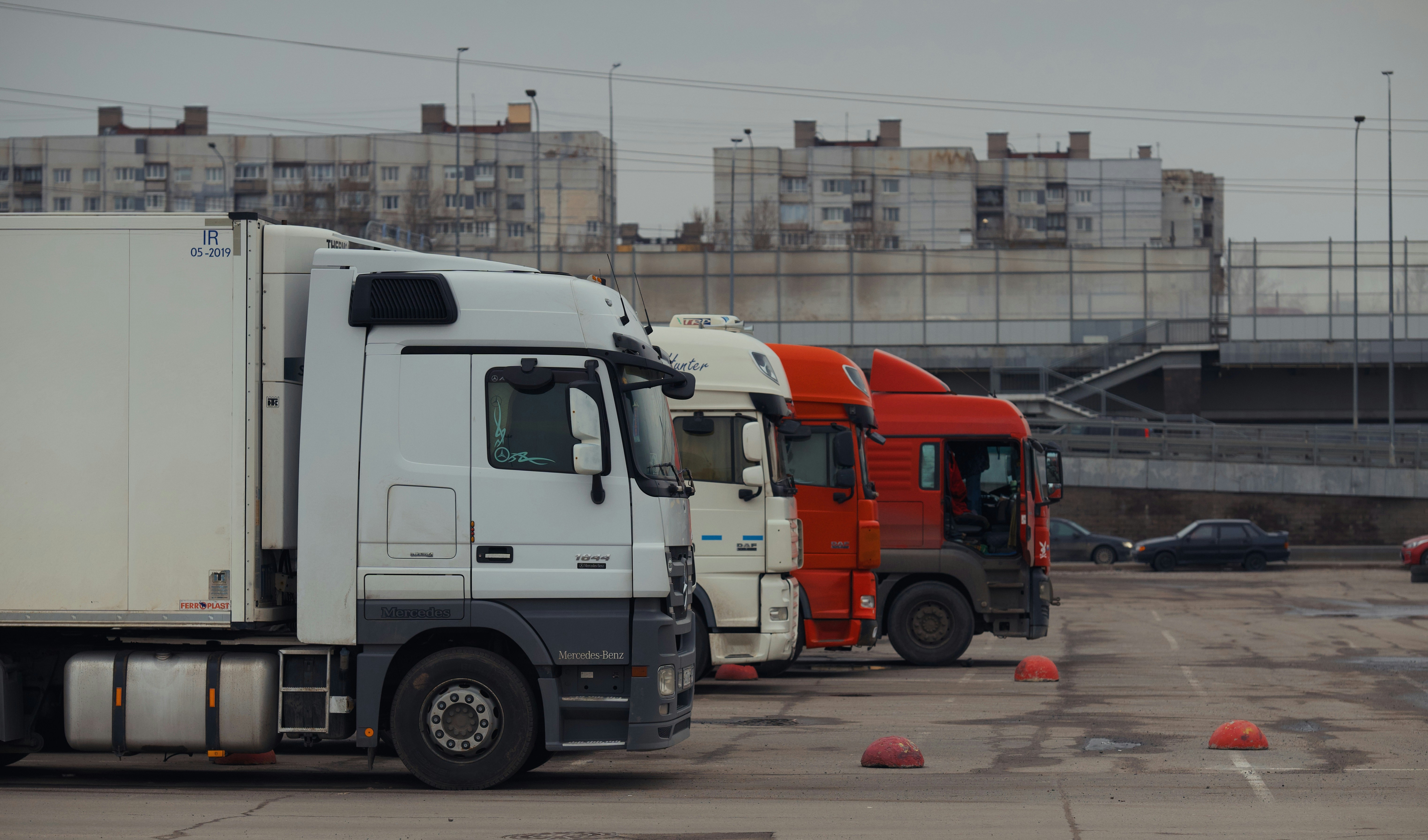
Кража грузов - растущая угроза по всей Европе. То, что раньше считалось случайным нарушением, теперь представляет собой более постоянный и организованный риск для автомобильного транспорта, затрагивающий автопарки, водителей и всю цепочку поставок.

Число зарегистрированных убытков и инцидентов резко возросло, причем один из широко цитируемых отраслевых показателей указывает на 438%-ный рост в Европе за последние годы. Только в декабре 2025 года в системе TAPA EMEA Intelligence System было зарегистрировано 557 преступлений с грузами в 38 странах, и хотя стоимость была раскрыта менее чем в каждом пятом инциденте, общая сумма этих 100 случаев составила более 43 миллионов евро.

В этой статье мы рассмотрим современные тенденции и то, что могут сделать менеджеры и операторы автопарков, чтобы минимизировать свои риски.

На что ориентируются преступники

Грузы продуктов питания и напитков являются одной из наиболее часто выбираемых категорий в Европе, на них приходится 10 % случаев краж. Электроника, металлы и алкоголь также занимают высокие позиции. Эти товары привлекательны тем, что их легко перевезти, легко продать и зачастую трудно отследить, когда они попадают на вторичные рынки.

Недавняя кража 12-тонной партии батончиков KitKat](https://www.cbsnews.com/news/nestle-kitkat-shipment-heist-stolen-europe/) на пути из Италии в Польшу - наглядный пример. Компания "Нестле" заявила, что пропавший груз составил примерно 413 793 батончика, показав, как быстро груз, предназначенный для обычных потребителей, может стать мишенью при перемещении через границу.

Эти грузы являются привлекательной целью для организованных групп, поскольку их можно быстро разгрузить и получить быструю прибыль.

Где и как происходят кражи грузов

Угон и кража во время транзита

Грузовые преступления часто происходят во время движения груза. В отчете Munich Re's 2025 говорится, что на угон приходится 21 % инцидентов, а 41 % краж произошел в пути. Это напоминание о том, что риск начинается не тогда, когда грузовик паркуется на ночь. Он может начаться задолго до остановки транспортного средства на ночь, особенно на открытых коридорах или маршрутах, где обзор груза и контроль безопасности слабее.

Атаки на припаркованные грузовики

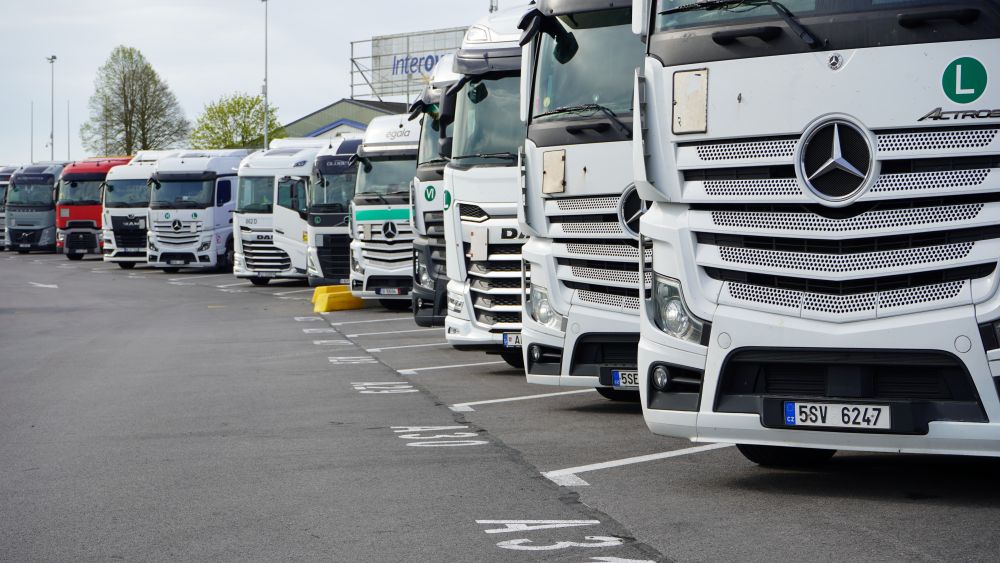
Припаркованные автомобили остаются одним из основных уязвимых мест. В Великобритании, по данным Munich Re, почти половина всех краж происходит на неохраняемых придорожных парковках и зонах отдыха. По всей Европе неохраняемые придорожные стоянки и зоны отдыха продолжают занимать видное место в отчетах о преступлениях, связанных с грузоперевозками, особенно там, где у водителей мало альтернатив, а охраняемые места переполнены.

Нападения организованных групп

Некоторые из наиболее серьезных инцидентов свидетельствуют о координации действий. Risk Intelligence недавно задокументировал нападения в Германии, в ходе которых десятки грузовиков были атакованы в течение одной ночи вдоль коридора A1. В одном из инцидентов, произошедшем в ноябре 2023 года, у 67 грузовиков были порезаны прицепы в зонах обслуживания и отдыха, включая Ostetal South и Grundbergsee South. Аналогичные нападения уже происходили на том же маршруте несколькими месяцами ранее.

Европейские горячие точки для преступлений, связанных с грузоперевозками

Германия остается одной из самых горячих точек, в основном из-за масштабов грузоперевозок, проходящих через страну. Анализ показал, что в 2023 году в Германии зарегистрировано 2 498 краж грузов, что более чем в два раза превышает показатели Франции, занимающей второе место. Среди других повторяющихся "горячих точек" - Франция, Италия, Испания и Великобритания.

Эта закономерность отражает реальное положение дел в сфере грузоперевозок в Европе. Плотные логистические сети, крупные грузовые узлы и интенсивно используемые автомагистрали создают больше возможностей для организованных преступников, особенно когда возможности охраняемых парковок не успевают за спросом.

Роль технологий в современных кражах грузов

Munich Re предупреждает, что похитители грузов все чаще используют более изощренные методы, включая обман личности, кибермошенничество и другие тактики, позволяющие обойти традиционные средства контроля. Более широкая [отраслевая отчетность] (https://trans.info/en/cargo-theft-costs-429738) указывает на глушение GPS, манипуляции с документами и переадресацию грузов как часть этого изменения.

Кража груза может начаться с компрометации данных, мошенничества перевозчика, переадресации инструкции или транспортного средства, передвижение которого невозможно отследить должным образом. Для автопарков это означает, что предотвращение краж теперь включает в себя не только физическую безопасность. Она также требует более жестких процессов диспетчеризации, лучшего контроля над данными о грузе и более четкого обзора в режиме реального времени.
Последствия для автопарков и водителей

Наиболее очевидный эффект - финансовый. Кража груза приводит к потере товара, страховым случаям и сбоям в работе. Но прямая стоимость пропавшего груза - это только часть проблемы. Задержки в доставке, повреждения транспортных средств, пропуски рейсов и недовольство клиентов - все это может привести к значительному увеличению реальной стоимости.

Есть и человеческие жертвы. Водители могут столкнуться с запугиванием, конфронтацией или шоком, обнаружив, что их автомобиль подвергся взлому, пока они отдыхали. Даже если нет прямого насилия, небезопасные остановки на дорогах вызывают стресс, усталость и чувство уязвимости, что может повлиять на самочувствие и удержание водителя.

В операционном плане последствия быстро распространяются по всей цепочке поставок. Одна кража может означать пропуск сроков доставки, перенаправление транспортных средств, нехватку запасов и дополнительную нагрузку на и без того напряженные команды. Для грузов, чувствительных к температуре, критичных по времени или имеющих высокую ценность, последствия могут быстро увеличиться.

Как снизить риск кражи груза

Единого решения проблемы не существует, но автопарки могут снизить риск с помощью более структурированного подхода к планированию, парковке и безопасности.

Используйте охраняемую парковку везде, где это возможно

Безопасная парковка остается одной из самых очевидных областей для улучшения. Система требований к безопасности стоянок TAPA представляет собой международно признанный эталон безопасной стоянки для грузовиков, помогая операторам оценить, какие места обеспечивают более надежную защиту транспортных средств, грузов и водителей. Выбор аккредитованных мест не избавит от краж грузов, но может значительно сократить возможности для организованных преступников.

На практике это может означать, что нужно остановиться раньше, чем планировалось, чтобы добраться до более безопасного места, а не ехать дальше по неохраняемой дороге. Хотя в данный момент это может показаться менее эффективным, зачастую это более надежный выбор.

Для автопарков проблема заключается не только в том, чтобы знать, где находится надежная парковка, но и в том, чтобы легко получить доступ к ней. SNAP помогает устранить этот пробел, предоставляя водителям и операторам лучшую видимость надежных парковок по всей Великобритании и Европе, упрощая планирование и резервирование безопасных остановок с самого начала.

Подробнее: Парковка грузовиков в Европе: правила, пробелы, риски

Усильте технологический и кибернетический контроль

Кибербезопасность теперь стоит в одном ряду с физической безопасностью в любой серьезной стратегии предотвращения краж. Средства отслеживания, геозонирования и защиты от помех могут помочь, но только если они подкреплены четкими процессами. Автопарки должны проанализировать, как передаются данные о грузах, кто может изменять маршрутные инструкции, как проверяются документы на доставку и что происходит, если автомобиль внезапно исчезает из поля зрения.

Поддержка драйверов

Водители часто являются последней линией обороны, но они не должны нести это бремя в одиночку. Четкие процедуры эскалации, регулярные проверки, планирование безопасного отдыха и обучение подозрительной активности - все это имеет значение.

Расширение безопасных парковок по всей Европе

Одной из самых серьезных структурных проблем, стоящих за кражей грузов, является нехватка охраняемых стоянок для грузовиков. Когда водители не могут найти охраняемые места с надлежащим освещением, контролем доступа и бытовыми удобствами, они, скорее всего, окажутся в тех самых местах, которые уже облюбовали воры.

Компания SNAP подготовила аудиторов [ Parking Safety Requirement Level 3-qualified auditors] (https://tapaemea.org/standards-trainings/parking-facility-security-requirements/), которые будут аккредитовывать все больше парковочных площадок по всей Великобритании и континентальной Европе, помогая расширить доступность безопасных парковок для грузовиков и сократить возможности для организованных краж.

Закажите безопасные, надежные остановки уже сегодня

Для автопарков задача состоит не только в том, чтобы понять риск, но и в том, чтобы внедрить решения о безопасных остановках в повседневную работу. Компания SNAP помогает водителям и операторам находить надежные варианты стоянок по всей Великобритании и Европе, облегчая планирование маршрутов с учетом требований безопасности и благополучия водителей. Подпишитесь сегодня
Поделиться с

Другие тоже читают...

Header Image

четверг 30 апреля 2026 • Новости индустрии

РЕКРУТИНГ НОВОГО ПОКОЛЕНИЯ: ПРИВЛЕЧЕНИЕ МОЛОДЫХ КАДРОВ В АВТОТРАНСПОРТНУЮ ОТРАСЛЬ

Evelyn Long

The UK driver shortage is a familiar headline, but the real story is more complex than the numbers. It’s a fundamental shift in the workforce that requires a new mindset. While it’s a crisis, it’s also an opportunity for forward-thinking fleets to innovate and gain an edge over the competition. The companies that successfully attract the next generation of drivers will thrive in the coming decades. Here is a quick look at the forces fueling the disparity between retiring heavy goods vehicle (HGV) drivers and new apprentices. National unemployment figures are rising. In 2025, it climbed to leading up to December, the highest rate in nearly five years. At the same time, there is a severe shortage of professional drivers.The UK’s driver shortage is not a simple labor deficit. It is a skills shortage. Many barriers prevent the general unemployed population from filling the role, such as: ● High cost and time commitment for obtaining an HGV license● The requirement for a certificate of professional competence● The unique lifestyle demands that do not align with a standard 9-to-5 jobThe paradox of high unemployment and significant driver shortage is why industry bodies are not passively waiting for the job market to fix the problem. The government implemented , from enhancing the current supply chain’s efficiency to improving conditions to attract more drivers to the sector. The shortage is not solely due to a lack of new drivers. The industry is actively losing experienced professionals. While the proportion of businesses reporting vacancies has , the issue lies in the persistent hiring gap. Many are leaving for better pay or benefits elsewhere. Drivers may choose a warehouse job that offers a similar salary to their current one but provides predictable shifts and more social interactions. The physical and mental toll of long hours, social isolation and poor quality of roadside facilities are also push factors. Retirement is normal in any industry. The problem is that retiring drivers in the trucking sector are not being replaced at a comparable rate. This is a growing trend in many industrial industries, potentially pointing towards a larger societal shift towards these careers.The number of HGV drivers under the age of 35 between the third quarters of 2023 and 2024. Despite that, over 53% of the labor force across the industry is aged 50 years and older. Similarly, are 55 years or older. For industrial industries, this figure means a massive impending loss of experience, a shrinking pool of reliable talent and the risk of institutional knowledge walking out the door. The industry’s image is as significant a barrier as any practical challenge. The goal is to shift the narrative from the outdated “lonely trucker” stereotype to that of a “skilled logistics professional.” The first step to rebranding is to define what the job entails in the 21st century. Essentially, HGV professionals drive vehicles with a gross combined weight of , ensuring the safe and efficient delivery of products at the right time, location and condition. To attract young talent, fleet managers must acknowledge that most are seeking career paths and a sense of meaning. Recruiters can map out a visible career ladder to show that the role is not a “dead-end” job. For example, a path can look like a progression from lead driver to new apprentice mentor to transport planner to fleet manager. Connecting the job to a larger purpose is a sound strategy, as many of the younger generations want to make an impact. Link the driver's daily tasks to the bigger picture. Instead of stating how the job involves moving products, recruiters can highlight how the work ensures families have fresh food on their tables. Here are some changes fleet managers can adopt to become more effective employers.Ensure the apprenticeship program provides a modern, engaging and supportive experience. Pair apprentices with experienced drivers who are willing and trained to be mentors. Leverage technology in training. For example, programs can include high-fidelity driving simulators to allow apprentices to practice responding to hazardous conditions. The training must cover more than just passing the driving test. Include modules on customer service, financial literacy for potential owner-operators, in-cab technology and health and wellness courses for those on the road. Flexibility and predictability in scheduling are key attractors. Consider alternative models, such as: ● Hub-and-spoke: Drivers operate out of a local depot, handling the first and last leg of a journey and returning home daily. ● Relay systems: One driver takes a load from point A to a handover point B, where a second driver takes it to point C and so on. ● Fixed rotations: Implement schedules like “four days on, four days off” to provide solid, predictable blocks. Invest in the drivers’ comfort and safety to show them they are valued. There is a shortage of , which adds to the daily stress of drivers, wasted hours searching for safe parking and the risk of cargo theft. Fleet managers must ensure their depots are places professionals want to be, with clean, modern break rooms, showers and kitchens. Another impactful investment is to foster a culture of respect. Ensure dispatchers are supportive partners who help solve problems. Provide training for positive, respectful communication between drivers and the office to improve workforce satisfaction and retention.The shortage is a catalyst for necessary evolution. The fleets that will win the war for talent will be those that adapt their approach to modern drivers' expectations. Strategically rebranding the profession’s perception, modernizing practices and investing in real resources for driver welfare can set apart forward-thinking companies. The need for changes is challenging, but it’s also an exciting opportunity to build a stronger, more resilient workforce that will carry the UK haulage industry into the future. Discover more from

Header Image

вторник 28 апреля 2026 • Новости индустрии

КАК НАПРЯЖЕННОСТЬ ВОКРУГ ИРАНА МОЖЕТ ПОВЛИЯТЬ НА ЕВРОПЕЙСКУЮ ЛОГИСТИКУ

Lucy Mowatt

Geopolitical conflict rarely stays confined to the region where it began. In global logistics, disruption in one part of the world can quickly ripple through supply chains thousands of kilometres away.That is the reality as tensions escalate around Iran and the Strait of Hormuz – a narrow shipping channel between Iran and Oman that serves as one of the world’s most important transport corridors.Roughly passes through the strait, alongside large volumes of liquefied natural gas and other commodities. When shipping through this corridor slows or stops, the consequences are felt around the world.For transport operators in Europe, the effects are already beginning to emerge through rising fuel costs, rerouted shipping traffic and growing uncertainty in global supply chains. have already begun avoiding routes close to the Strait of Hormuz due to that transit is not allowed and that the area is unsafe. Vessels passing through or caught up in military action. Instead, they are diverting vessels via the at the southern tip of Africa. Although this avoids high-risk zones, it also adds thousands of miles to many journeys.For global supply chains, the effects are clear: Longer transit times Increased fuel consumption for vessels Higher freight costs for cargo ownersWhat begins as a maritime disruption often ends up affecting inland logistics once delayed cargo finally reaches European ports. This creates a “feast or famine” effect: periods with little cargo to move followed by sudden surges when multiple vessels arrive at once.Energy markets have been shaken by activity in the Strait of Hormuz.Because the waterway handles such a large share of global oil exports, any disruption immediately affects expectations about future supply. Even short-term interruptions can cause price volatility across international markets.For road transport, the implications are immediate. Diesel remains the primary fuel for most commercial fleets across Europe; sudden price increases can quickly affect operating margins.Early signals of this shift are already visible. According to, Spain’s carrier federation Fenadismer reports that in the 10 days following the outbreak of the conflict in Iran, diesel prices in Spain rose by more than 30%, reaching about €1.80 per litre.For haulage operators, this kind of volatility creates difficult planning conditions. Fuel often represents one of the largest operational costs for a fleet, and sudden increases can affect everything from freight rates to contract negotiations.Insurance markets respond quickly when geopolitical risks escalate.When tensions rise in maritime corridors, insurers may or otherwise alter policy wording. Ships travelling through or near those areas face higher premiums or additional surcharges for each voyage.These costs rarely remain confined to the shipping sector. Instead, they are passed through the logistics chain in the form of higher freight rates and increased transportation costs.Another, less visible consequence of shipping disruption is the impact on container availability.Global shipping depends on the circulation of containers between ports. When vessels are rerouted onto longer journeys, and take more time to return to export hubs.Over time, this can create imbalances across the global container system.Ports receiving delayed or diverted vessels may also experience when ships arrive, while exporters in other regions may struggle to secure empty containers for outbound cargo.For European freight operators, these disruptions can translate into irregular cargo volumes and more unpredictable container collection schedules.The disruption around the Strait of Hormuz comes at a time when global shipping routes are already under pressure.Since late 2023, instability in the Red Sea corridor – particularly around the Bab el-Mandeb Strait and the southern entrance to the Suez Canal – has forced many shipping companies to divert vessels away from the region.In response, numerous carriers began rerouting ships around the Cape of Good Hope, adding significant time to journeys between Asia and Europe.Now, with tensions affecting traffic near the Strait of Hormuz as well, the pressure on international shipping routes is intensifying.The combined disruption of the Strait of Hormuz and the Red Sea illustrates how dependent global logistics remains on a small number of maritime chokepoints. The Strait of Hormuz is critical for the global flow of oil and energy products. The Red Sea and Suez Canal corridor, meanwhile, is the primary maritime gateway for containerised goods moving between Asia and Europe.When instability affects either corridor individually, shipping networks can usually adapt by adjusting schedules or rerouting vessels.With the Red Sea still heavily disrupted and traffic through the Strait of Hormuz now sharply reduced, the system becomes far less flexible.With fewer safe passages available, containers on affected services remain in transit for longer period, tightening availability on some trade lanes.Although these disruptions start at sea, their consequences are ultimately felt on Europe’s roads.Fleet operators may encounter:Energy market instability can drive rapid changes in diesel prices.Delayed cargo arrivals can put pressure on logistics providers to move goods more quickly once shipments reach port.Insurance premiums, longer shipping routes, rising fuel prices and surcharges all contribute to increased transportation costs.Events around the Strait of Hormuz and the Red Sea highlight a growing reality for global logistics: supply chains now operate in an environment where geopolitical risk can quickly reshape trade routes.“Global logistics has always been interconnected, but events like these show just how disruption can reshape logistics networks,” says Nick Renton, Head of European Strategy & Business Development at SNAP. “Even when the initial crisis occurs thousands of miles away, the effects soon reach European supply chains through fuel prices, shipping delays and tighter delivery windows.“The fleets that adapt most effectively are those that plan for uncertainty – with flexible routes, better information and and rest when schedules change.”With access to reliable information and trusted truck parking across Europe, SNAP helps fleets and drivers stay flexible, plan ahead and keep journeys moving.

Header Image

среда 11 марта 2026 • Новости индустрии

ПАРКОВКА ГРУЗОВИКОВ В ЕВРОПЕ: ПРАВИЛА, ПРОБЕЛЫ, РИСКИ

Guest

Ask most fleet operators what makes life harder than it needs to be and you’ll hear the same answer across Europe: truck parking.Drivers have to stop. Hours rules and rest requirements make that non-negotiable. But on many of Europe’s busiest transport corridors, finding a safe, legal place to park is still uncertain. Capacity is low, security varies widely and most urban hubs aren’t built with HGVs in mind.That pressure has consequences. When designated areas are full, drivers are pushed towards places that were never intended for HGV parking: slip roads, access ramps and industrial estates. Compliance becomes a choice between two risks: stop where you shouldn’t, or keep driving when you shouldn’t.When truck parking overflows into unsuitable places, the environment becomes dangerous: poor visibility, high speeds, unpredictable manoeuvres and limited escape routes. starkly in February 2026, reporting fatal crashes in Germany and Belgium involving stationary lorries. The article challenges the easy explanation of “illegal parking” and points back to the underlying cause: drivers were out of driving time and the spaces were gone.In addition, a shortage of truck parking in Europe doesn’t just mean “no space”; it often means the only available space is poorly lit, unmonitored and isolated. That elevates the risk of theft and driver harm, which can have a knock-on effect for supply chain reliability.Poor parking provision also affects workforce sustainability. When drivers face uncertainty around legal, safe stopping, it makes the role harder and less attractive – compounding .For a long time, the conversation about truck parking focused on enforcement: where you can’t park and the penalties that follow. Increasingly, the focus is moving towards provision: where drivers can stop safely, reliably and legally. Under revised Trans-European Transport Network (TEN-T) rules, EU Member States must ensure the development of certified secure parking . The same requirement sets expectations for the location of truck parking. It must be immediately on the network or within 3km of an exit, which will have benefits for route planning. Alongside this shift, the European Commission positions safe and secure truck parking as a priority within its Intelligent Transport Systems work, including the need for to help drivers locate suitable sites.But the EU isn’t just asking Member States to add more truck parking spaces. It’s also defining what “safe and secure” means. In April 2022, the European Commission adopted EU standards for , categorising sites into four security levels: bronze, silver, gold and platinum. The intention is to create transparency for drivers and fleets, and to support investment by giving operators a clear target to design and audit against.This sits against a significant capacity gap. A European Commission study estimates a across the bloc, with the gap potentially rising towards half a million by 2040 if the network does not scale at the pace freight demand requires.Looking at more practical aspects of the situation, what are HGV parking rules and regulations in Europe?At first glance, HGV parking rules across Europe look consistent: Motorways are not designed to absorb overflow parking. Hard shoulders exist for emergencies and safety buffers. Access ramps are not for planned stopping.Urban areas add a layer of complexity. Local restrictions and enforcement are common because HGV parking competes with residents, retail and public space – and because badly parked vehicles create safety risks.Rules around HGV parking in the UK are clear. Trucks should use designated areas such as motorway services, truckstops and lorry parks. Conversely, drivers must avoid parking in locations that create risks, such as pavements, verges and central reservations. Restrictions around parking in residential areas vary by local authority, so it’s vital to check if this is unavoidable. The major constraint is supply. The RHA’s estimate of an , with very high utilisation on key routes, helps explain why informal and unsafe parking persists even where drivers know it isn’t ideal. In 2022, the Department for Transport across England, aimed at better rest areas and more secure parking, framed as part of a broader programme to improve roadside facilities.In Germany, motorway stopping rules are anchored in the (StVO), which makes clear that stopping on the autobahn – including the hard shoulder – is prohibited except in emergencies. That means running out of driving time is not treated as justification. Fines increase if obstruction or danger is caused, and enforcement is active on heavily used corridors. Poland follows the familiar motorway rule that hard shoulders are reserved for breakdowns and emergencies. The nuance appears within cities, where tonnage-based entry restrictions and are common. Overnight HGV parking in urban areas can require municipal approval and enforcement varies between municipalities. For cross-border fleets, that means treating urban stopping as permission-led rather than assumed.France reinforces the same principle through the . Articles R417-9 and R417-10 classify dangerous or obstructive parking offences, and stopping on autoroute carriageways or shoulders is prohibited except in cases of absolute necessity. Penalties can include fines and licence points.However, publishes dedicated information for secure truck parking on its network, reflecting how motorway operators guide HGV stopping into appropriate locations.Spain’s prohibits stopping on motorway shoulders except in emergencies, aligning with broader European practice. Additional complexity lies at municipal level. Many cities operate local overnight bans or restrict HGV parking to designated industrial zones, with enforcement handled by local police rather than motorway authorities. That creates a layered compliance environment: legal on the motorway network does not automatically mean legal in urban areas.To highlight positive developments, that a truck parking facility in La Jonquera became the first in Spain to receive TAPA certification, describing measures such as controlled access, fencing, lighting and continuous monitoring.Italy distinguishes clearly between motorway carriageways, ramps and designated service areas. Stopping on access or exit ramps is explicitly prohibited, and enforcement around motorway infrastructure is consistent. Importantly, Italy differentiates between aree di servizio (full service areas with facilities) and simpler rest or parking lay-bys, which may not support overnight welfare needs. However, Italy is also seeing new secure truck parking developments focused on welfare and security, reflecting the wider European momentum towards better provision.Across Europe, an additional regulatory layer now shapes truck parking decisions: Low Emission Zones (LEZs) and restricted urban traffic zones. Cities in France (Crit’Air), Germany (Umweltzonen), Spain (Zonas de Bajas Emisiones) and Italy (ZTL areas) impose vehicle-class or permit requirements that can apply even to stationary vehicles within the zone. A driver who parks overnight in a restricted area without the correct classification or registration risks fines – even if the stop itself is otherwise legal. Across Europe in 2026, the rules are clear. The constraint is capacity, especially near urban hubs and on high-volume corridors. For fleets, this has a practical impact: European truck parking can’t be left to chance at the end of a shift. It needs to be planned with the same seriousness as , routing, driver hours and security – because when the network fails to provide legal space, every other compliance system gets squeezed.SNAP can help. .