Miranda Blake
Новости и обновления • 3 мин. чтения

Счет Dart Charge - упрощение платежей

Создано: 08.11.2024

Обновлено: 09.12.2025

Понимание тонкостей системы Dart Charge необходимо для обеспечения бесперебойной и экономичной работы на Дартфордском перекрестке. Ознакомление с вариантами оплаты, управлением счетом и потенциальными "подводными камнями" может избавить вас от ненужных штрафов и головной боли.

Понимание системы заряда Dart

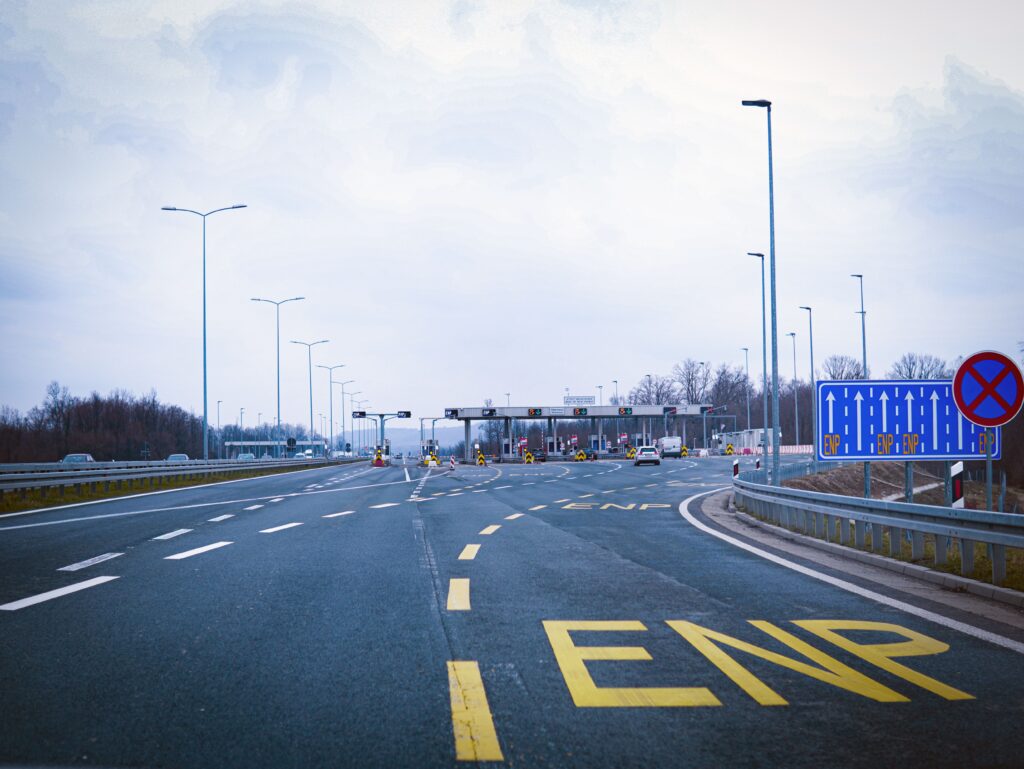
Переправа через Дартфорд, жизненно важный аспект для коммерческого движения, управляется с помощью сложной электронной системы оплаты, известной как Dart Charge. Эта инновационная система была внедрена для повышения эффективности сбора платы за проезд, устраняя необходимость в традиционных пунктах оплаты и позволяя водителям вносить предоплату или платить онлайн до конца дня.

Заряд дротиков объясняется

Интересуетесь, что именно представляет собой Dart Charge? Это способ оплаты, используемый на Дартфордском перекрестке. Система была внедрена для улучшения транспортного потока и обеспечения более удобной оплаты для пользователей.

Пересечение Дартфордского перекрестка: варианты оплаты

У водителей есть три основных варианта оплаты Dart Charge:

  1. Счет предварительной оплаты: Клиенты могут открыть счет предварительной оплаты, который предлагает автоматическое выставление счетов и льготные тарифы на пересечение границы. Такой подход обеспечивает беспрепятственное осуществление платежей, а счет автоматически списывается за каждый переход.
  2. Одноразовые платежи: Для тех, у кого нет счета предварительной оплаты, доступна возможность оплаты онлайн, по телефону или в торговых точках Payzone. Оплату можно произвести заранее или до полуночи следующего дня.
  3. Бесплатные переходы: Переход Дартфорд можно использовать бесплатно с 22:00 до 6:00 утра, что является экономически выгодным вариантом для поездок в ночное время.

Тарифы Dart Charge: понимание расходов

Вам интересно узнать, каковы тарифы Dart Charge? Они зависят от класса автомобиля и от того, есть ли у клиента счет на предоплату или он вносит единовременный платеж. Вот разбивка текущих тарифов:

Вы также можете [прочитать советы по оплате и другим аспектам для начинающих водителей здесь] (https://snapacc.com/newsroom/trucking-101-five-top-tips-for-new-drivers/).

Управление учетной записью Dart Charge

Ведение счета Dart Charge имеет решающее значение для предотвращения штрафов и оптимизации работы переходов. Давайте рассмотрим ключевые аспекты управления счетом.

Настройка учетной записи Dart Charge

Создание учетной записи Dart Charge - простой процесс. Клиенты могут посетить официальный веб-сайт Dart Charge, нажать кнопку "Начать сейчас" и выбрать опцию "Войти или создать счет Dart Charge". Кроме того, можно открыть счет предварительной оплаты, загрузив и отправив форму заявки.

Вход в систему и сброс паролей

Для доступа к учетной записи Dart Charge требуется адрес электронной почты, зарегистрированный в учетной записи. Если вы забыли свой пароль, ссылка на странице входа в систему поможет вам создать новый.

Обновление личных данных и информации о транспортном средстве

Изменить имя, адрес или регистрационные номера автомобилей, связанные с вашей учетной записью, можно, войдя в свою учетную запись Dart Charge, перейдя в разделы "Управление учетной записью" и "Профиль" или "Управление автомобилем" и внеся необходимые изменения.

Просмотр истории пересечений и выписок

Клиенты могут просматривать историю пересечений и выписки по счету, войдя в свою учетную запись Dart Charge. Эта функция позволяет отслеживать использование и убедиться, что все платежи были учтены правильно.

Недействующие и приостановленные счета

Если ваш счет Dart Charge стал неактивным из-за отсутствия регистрации транспортного средства, действующего способа оплаты или недавних пересечений, вы можете восстановить его, решив основную проблему. Аналогичным образом, приостановленный счет можно отменить, пополнив баланс или произведя платежи за все неоплаченные пересечения.

Закрытие счета Dart Charge

Когда придет время закрыть счет Dart Charge, вы можете сделать это, войдя в систему, перейдя в раздел "Управление счетом" и выбрав опцию "Закрыть счет". Оставшийся баланс будет возвращен тем же способом оплаты.

Дартфордский перекресток с оплатой по SNAP

SNAP Account предлагает удобное решение, обеспечивающее ряд преимуществ для водителей и [операторов автопарков] (https://snapacc.com/fleet-operators/).

Беспроблемный процесс оплаты

Система автоматически обрабатывает платежи за каждый переезд, избавляя вас от необходимости помнить об оплате или иметь дело с Dart Charge напрямую.

Гарантированная своевременная оплата

Вы никогда не получите штраф за просрочку платежа. Это позволяет избежать потенциальных штрафов и пеней, связанных с пропуском или задержкой платежей, обеспечивая душевное спокойствие.

Консолидированное выставление счетов

Мы упрощаем управление вашими финансами, включая операции по Дартфордскому переходу в один счет с другими вашими действиями на счете SNAP. Такая консолидация облегчает отслеживание и управление вашими расходами.

Экономия времени

Автоматизируя процесс оплаты, мы экономим драгоценное время водителей. Не нужно останавливаться и совершать отдельные платежи или помнить, что нужно заплатить до полуночи следующего дня, как это требуется при оплате напрямую через государственную систему Dart Charge.

Интеграция с другими сервисами

Наш сервис Dartford Crossing является частью более широкой экосистемы автотранспортных услуг. Такая интеграция позволяет пользователям управлять множеством аспектов поездки, включая парковку, мойку и заправку, с помощью единой платформы.

Контроль затрат для операторов автопарков

Для компаний, управляющих несколькими транспортными средствами, мы предлагаем эффективный способ контроля и мониторинга расходов на Дартфордский переезд. Консолидированная система выставления счетов и автоматизированных платежей помогает упростить процессы учета и снизить административное бремя, связанное с управлением отдельными переправами. Используя SNAP Account для оплаты проезда через Дартфордский переезд, водители и операторы автопарков могут наслаждаться более эффективным, надежным и бесперебойным использованием этого важного транспортного сообщения.

Хотите узнать больше о том, как сэкономить деньги на дороге? Ознакомьтесь с нашей статьей Советы по экономии топлива и Руководство водителя грузовика по составлению бюджета.

Поделиться с

Другие тоже читают...

Header Image

понедельник 08 декабря 2025 • Новости и обновления

ТРЕНДЫ ГРУЗОВИКОВ: ПРОГНОЗЫ НА 2026 ГОД

Guest

Major changes are coming for the mobility sector.The next 12 months will bring some of the most significant regulatory and technological shifts European transport has seen in years. New emissions rules, driver-monitoring systems, hydrogen trials and autonomous pilots will reshape how fleets operate across the UK and EU.For operators and professional drivers, understanding these changes now will make the difference between adapting confidently and struggling to keep up. come into force in 2026, introducing new requirements for fleets. Nitrogen oxide and carbon monoxide limits will tighten further, with the permitted particle size dropping from 23 nanometres to 10. In addition, for the first time.Every new truck sold will need to comply with Euro VII. While vehicle pricing is likely to be affected, the bigger impact will fall on procurement timelines, fleet renewal cycles and long-term decarbonisation.. These monitor eye and head movement to identify early signs of fatigue or inattention, enabling safer interventions and supporting accident-reduction goals across Europe. By 2029, new cab designs must minimise blind spots through improved glass visibility rather than camera reliance. This will particularly influence urban operations, vulnerable road user safety and future vehicle specification.. After years of exemption, this change effectively brings smaller commercial vehicles under full drivers’ hours enforcement.For operators with mixed fleets, this means introducing:● new driver cards● regular data downloads● updated monitoring processes● revised routing and rest-time planningThousands of vehicles that previously operated freely will need compliance systems in place almost immediately. requires companies with more than 250 employees or €40 million revenue to collect and report verified CO₂ emissions – including Scope 3 transport activity.This will cascade through supply chains. Smaller hauliers without reliable emissions reporting risk losing access to larger contracts, accelerating the push toward better data systems and standardised reporting.Electric HGV production will rise rapidly in 2026. are all expanding manufacturing capacity.To support this, electric charging is also expanding. , as part of HyHAUL's M4 corridor project. Three refuelling stations, each supplying up to two tonnes of hydrogen daily, support the pilot. If successful, the project aims for 30 trucks on the road by the end of 2026 and 300 by 2030. Alongside this, . Five more will follow by 2027.Vehicle manufacturers are taking different approaches to developing hydrogen-fuelled trucks: ● and DAF are planning similar systems. ● will introduce its next-generation hydrogen fuel cell stack in 2026 with improved durability and lower operating costs.Hydrotreated Vegetable Oil (HVO) is emerging as a notable transitional fuel for haulage in 2026, thanks to two factors: stricter biofuel mandates in north-western Europe and its compatibility with existing diesel engines. Reports by confirm that HVO is a “drop-in” fuel: it can be used in many existing heavy-duty vehicles without engine or infrastructure changes, which gives operators a practical pathway to immediate CO₂ reductions. Meanwhile, forecast that HVO consumption could reach record highs in 2026. Germany alone may need an additional 1.5 million tonnes – almost four times 2025 levels – to meet demand. Although uptake remains modest when compared with battery-electric or hydrogen alternatives, the current regulatory push and infrastructure compatibility mean HVO is likely to gain traction in 2026.From spring 2026, in controlled zones – a full year ahead of plans. Enabled by the , this transition supports an industry expected to contribute £42 billion to the UK economy by 2035 and create an estimated 38,000 jobs. Germany is close behind. , supported by €20 million in seed funding. Across northern Europe, autonomous freight along the 1,200-km Rotterdam-Oslo corridor. The programme runs until March 2026 and examines how autonomous vehicles perform across borders, terrain types and logistics hubs.In Sweden, already move goods between warehouses, processing five million data points per second. Their controlled deployments demonstrate the potential for automation in predictable, repeatable routes.Despite this progress, humans will continue to play a central role. . So while automation will support specific functions, such as port operations, depot shuttles and fixed urban routes, long-haul and complex international transport will remain human-led.The scale and speed of change arriving in 2026 is unlike any previous year for European road transport. Multiple regulatory, technological and sustainability shifts will land simultaneously, reshaping how fleets operate across borders."The operators who succeed in 2026 won't be those who resist change but those who prepare for it systematically," says Nick Long, European Strategic Partnership and Development Manager at SNAP. "We're working with fleets across Europe to build the infrastructure that tomorrow's industry needs. Secure parking. Integrated payments for new toll structures. The building blocks of success are available now for those ready to use them."SNAP helps fleets prepare for the future with integrated solutions for parking, payments and fleet management across Europe. Visit snapacc.com to discover how we can support your transition to 2026 and beyond.

Header Image

четверг 04 декабря 2025 • Новости и обновления

ОБЕСПЕЧЬТЕ БЕСПЕРЕБОЙНУЮ РАБОТУ ВАШЕГО АВТОПАРКА В СЕЗОН ОТПУСКОВ

Guest

As the holiday season approaches, you are likely preparing for a surge in delivery demand and more complex operating conditions. This seasonal pressure overlaps with winter weather challenges, creating a unique risk environment for fleets across the UK. The festive period brings extra stress to your vehicles and operations. From consumer-driven surges in mileage to the impact of cold weather on vehicle performance, several seasonal factors converge at once. Understanding these pressures up-front helps you prepare proactively and minimise disruptions across your fleet.Consumer activity , which increases delivery volumes, compresses schedules and raises service expectations. This surge means that even minor disruptions can escalate quickly, as fleets have less flexibility to absorb delays. With more journeys scheduled and tighter handover times, vehicle downtime becomes more costly. A missed inspection or delayed repair can have a much larger operational impact than during other parts of the year.When peak consumer activity overlaps with hazardous weather, fleets experience amplified risk. Traffic congestion increases, road conditions deteriorate and minor mechanical problems can escalate into serious incidents more easily. To combat these issues, you must strengthen preventive maintenance, adjust schedules, and improve real-time monitoring to prevent avoidable breakdowns or delays.Cold temperatures, icy surfaces and reduced daylight all increase mechanical and on-road risks for commercial vehicles, raising the likelihood of weakened batteries, reduced tyre traction and visibility issues. UK roadworthiness standards emphasise the importance of more robust winter maintenance for brakes, lighting, fluids and tyres as conditions deteriorate, reinforcing why winter readiness is essential for uninterrupted fleet operations. Even mild cold , making proactive winter maintenance crucial.Beyond vehicle strain, the holiday season and winter conditions also place pressure on drivers and operational workflows. Increased traffic, unpredictable weather and tighter delivery windows can lead to fatigue, stress and an increased risk of accidents. Careful scheduling, clear communication and proactive support for drivers are essential to maintain safety and ensure that your fleet continues to operate efficiently under these seasonal pressures.Maintaining steady operations during the festive rush requires more than reactive problem-solving. It necessitates deliberate planning across vehicle maintenance, driver readiness, technology utilisation and operational coordination. These streamlined strategies will help you stay ahead of winter season disruptions and maintain consistent fleet performance throughout the holidays.Seasonal demand often requires vehicles to operate in harsher conditions for longer hours, so front-loading maintenance is one of the most effective ways to prevent in-season breakdowns. In construction, downtime can cost , highlighting the importance of proactive upkeep. Focus on winter-critical systems such as batteries, brakes, heating and defrosting systems, tyres, and fluid levels. Addressing minor issues before the holiday rush ensures your vehicles start the season in top condition and reduces the risk of unscheduled downtime when capacity is at its tightest.Drivers face greater pressure during the festive period, from congested roads to unpredictable weather. Preparing them early helps reduce risk and maintain service reliability. Share updated winter driving protocols, reinforce fatigue management best practices and ensure every vehicle carries essential cold-weather equipment. A well-prepared driver can adapt more effectively to seasonal hazards and keep journeys running safely.Access to parts and repair support becomes more challenging during the holidays due to demand spikes and supplier slowdowns. Securing key components in advance and confirming the availability of a repair shop ensures you can respond quickly to mid-season issues. These steps reduce the likelihood of lengthy delays and keep more of your vehicles on the road during peak workloads.Accurate, real-time insights become even more valuable when weather and traffic conditions can change quickly. Telematics systems, identify emerging vehicle issues and adapt routes proactively. Using data to make same-day decisions — whether rerouting, rescheduling or escalating maintenance — helps your fleet stay responsive throughout the holiday period.Seasonal peaks require tighter alignment across dispatchers, drivers, maintenance teams and customers. Clear communication reduces uncertainty and makes it easier to adjust schedules when conditions shift. Share regular updates about weather alerts, route changes, delivery windows and vehicle availability so everyone stays coordinated and able to respond quickly.Even with strong preparation, winter introduces variables that no fleet can fully control. Creating contingency plans provides your team with a structured response in the event of incidents. Establish backup routes, identify alternative suppliers and workshops, and maintain a reserve vehicle strategy where possible. Planning for disruption ensures that unexpected issues don’t halt operations entirely.Use this checklist to make sure your team, vehicles and workflows are ready for the busiest stretch of the year:● Review historical traffic data and expected holiday congestion to build more efficient routing. Tools that monitor and report real-time conditions help reduce delays and fuel waste.● Check batteries, fluids, tyres, wipers and heating systems to prevent cold-weather breakdowns and improve driver safety.● Conduct brief refresher sessions on winter driving techniques, fatigue management and emergency protocols. This supports both safety and productivity.● Holiday mileage and cold temps can accelerate wear. A tighter maintenance schedule helps catch issues before they result in downtime.● Ensure that asset trackers and sensors are fully functional for accurate location and condition data during peak demand.● Many suppliers operate on reduced hours during the holidays. Secure parts and consumables in advance to avoid repair delays.Holiday and winter conditions amplify every small inefficiency. Preparing early helps prevent avoidable downtime, strengthens driver safety and keeps your operations moving through the toughest time of the year. With precise planning, reliable tools and a proactive maintenance rhythm, fleets can turn seasonal challenges into opportunities for better performance and customer satisfaction.Discover more from

Header Image

вторник 25 ноября 2025 • Новости и обновления

ПОЛЬША УСКОРЯЕТ ПЕРЕХОД К ПЕРЕВОЗКАМ С НУЛЕВЫМ УРОВНЕМ ВЫБРОСОВ

Guest

Poland’s transportation sector is undergoing a major transformation. In recent months, the government has introduced a series of high-value funding programmes aimed at decarbonising the country’s road network and logistics operations. Much of this activity focuses on infrastructure related to heavy-duty vehicles – a sign that the transition to cleaner freight is being embraced across Europe.The scale of investment – and the speed at which it's happening – will be important for operators, managers and infrastructure planners right across Europe. To understand why, it helps to look at both the wider European context and the specific funding available in Poland.The move towards lowand zero-emission transport has been gathering pace across Europe for several years. The EU’s package and to cut emissions from heavy-duty vehicles by 45% by 2030 and by 90% by 2040. The (AFIR) also states that there must be high-power charging points for heavy vehicles every 60 kilometres along the Trans-European Transport Network (TEN-T) – a system of European roads, railways, ports and airports that forms the backbone of continental freight – by 2030. Hydrogen refuelling stations must be available every 200 kilometres.The UK is following a similar path. Z are being used to test electric and hydrogen HGVs on long-haul routes, while funding is being allocated to depot charging and refuelling infrastructure.Against this backdrop, Poland’s programme shows that Central and Eastern Europe are ready to take a leading role in building cleaner, better-connected transportation.In March 2025, Poland’s (NFOŚiGW) launched two major funding calls worth a combined PLN 2 billion. The first will cover the construction and expansion of power grids that supply high-capacity charging stations, especially those on the TEN-T. It covers both grid expansion and the installation of new connections. This will mean that the network can deliver the energy needed for rapid truck charging. Energy and grid operators can apply for grants if their projects meet minimum power thresholds. The second funding call supports the construction of heavy-vehicle charging stations themselves. The aim is to create 550 publicly accessible points across the country, serving both electric and hydrogen trucks. A final programme, which launched in Q2 2025, gives grants and loans to businesses so they can buy or lease zero-emission trucks in categories N2 and N3. Category N2 covers vehicles with a gross weight between 3.5 and 12 tonnes, while N3 applies to trucks over 12 tonnes. Funding levels range from 30 to 60 per cent, depending on company size. Upper limits of PLN 400,000 apply to N2 vehicles and PLN 750,000 to N3 models. Applications will be , so operators can plan their transition to zero-emission vehicles. These investments sit alongside Poland’s existing programme, which subsidises electric car purchases for individuals and companies, further extending the country’s sustainable transport strategy beyond passenger vehicles.According to the , Poland transports more goods by road than any other EU country. It is a natural gateway between Western Europe and the Baltic States, Ukraine and the Balkans, which means a reliable zero-emission infrastructure in Poland will have a Europe-wide impact.By setting clear power requirements and aligning projects with the TEN-T corridors, the government is ensuring a coordinated approach rather than isolated projects. The goal is a dependable network where electric and hydrogen trucks can move freely along key trade routes. The Deputy Minister for Climate and Environment described the programme as a way to strengthen “the competitiveness of Polish freight operators” while cutting emissions from one of the country’s largest economic sectors.Poland’s domestic network is also part of the wider . A total of nine EU countries – including Poland – committed in September 2025 to accelerate charging infrastructure deployment along key freight routes, such as the North Sea-Baltic and Scandinavian-Mediterranean corridors of the TEN-T.For fleets that operate across Europe, the initiative means charging infrastructure will become more standardised and predictable between countries. This will help drivers plan cross-border routes with greater confidence while supporting the shift towards zero-emission freight.For fleet operators, the timing is encouraging. Zero-emission trucks are rapidly , with sales of nearly 2,000 zero-emission heavy-duty electric trucks registered in the first half of 2025 across the EU. There are challenges, however. Adding high-power charging capacity will mean that grid operators, local authorities and logistics centres have to cooperate. It will also take time to hire technicians with the skills to install and maintain high-voltage equipment.In addition, vehicle costs and operational factors could also slow progress. Even with generous subsidies, businesses must weigh the cost of electric vehicle ownership, route patterns and depot readiness.For the road transport community, Poland’s programme is a significant milestone. Once complete, its charging and refuelling network will connect eastern and western Europe, supporting cleaner and more efficient freight movement.“This is a turning point for heavy transport,” says Nick Renton, Head of European Strategy and Business Development at SNAP. “Poland’s actions show that zero-emission freight is becoming part of daily life, rather than a long-term vision. As charging and refuelling points multiply, operators will be able to schedule cleaner journeys with confidence.”As the situation develops, we will continue to support fleets across Europe with technology, insight and practical tools for drivers. Our helps identify and book rest stops, refuelling points and secure parking, with more zero-emission facilities being added as new sites open. For operators looking to stay ahead of infrastructure changes, it provides a clear view of how the road network is evolving – and where new opportunities are emerging.