Miranda Blake
Новости индустрии • 2 мин. чтения

Дорога вперед к 2025 году: Тенденции развития грузовой промышленности

Создано: 02.01.2025

Обновлено: 02.01.2025

От общего недовольства водителей до недавних изменений в CPC и задержек в работе [системы въезда/выезда в ЕС] (https://snapacc.com/newsroom/everything-you-need-to-know-about-the-eu-entryexit-system/) - 2024 год стал вихрем для логистической отрасли. На горизонте маячит 2025 год - здесь мы рассмотрим тенденции, которые, как ожидается, будут определять развитие отрасли.

Использование всех преимуществ искусственного интеллекта

Предполагается, что автоматизация будет играть ключевую роль в наступающем году. Будут развиваться технологии автономных транспортных средств, системы управления транспортом и электронные регистраторы, что приведет к более широкому внедрению и значительным изменениям в отрасли.

Кроме того, ожидается рост использования искусственного интеллекта для оптимизации маршрутов, предиктивного обслуживания и управления автопарком. Это позволит добиться лучших результатов, таких как повышение операционной эффективности и снижение затрат. Особенно ценными будут Интернет вещей (IoT) и машинное обучение, которые будут использоваться для прогнозирования неисправностей оборудования, что позволит сократить время простоя.

Кроме того, телематика будет делиться ценными данными о работе автомобиля, поведении водителя и состоянии груза, что позволит повысить безопасность и соблюдение норм.

Борьба с гендерным неравенством и нехваткой водителей

Привлечение большего числа женщин-грузоперевозчиков - один из способов решения проблемы [нехватки водителей] (https://snapacc.com/newsroom/hgv-drivers-challenge-the-term-driver-shortage/). Работодатели могут предоставить более широкий спектр должностей, внедрить программы обучения и политику, которые будут выгодны женщинам, и сделать рабочую среду более инклюзивной. В последнем случае речь идет о наставничестве или графиках работы, которые лучше подходят для жизни дальнобойщиков (например, дневные смены или круговые маршруты, чтобы поддержать тех, у кого есть семейные обязательства).

Однако обсуждение на странице [SNAP Facebook] (https://www.facebook.com/snapaccount) показало, что и мужчины, и женщины-водители нуждаются в переменах. Хотя некоторые отметили, что некоторые вещи могли бы быть лучше для женщин (например, один заметил, что в 90 % депо нет санитарных контейнеров), было много комментариев по поводу общего пакета услуг для сотрудников и удобств на стоянке грузовиков:

*Мужчины нуждаются в лучшей поддержке по уходу за детьми. Если бы они это делали, то не перекладывали бы на женщин ответственность за "отток" рабочей силы, когда речь идет о болезнях или приоритетах их детей. Условия для обоих полов просто шокируют".

*"Улучшите условия и условия для ВСЕХ водителей, и вы увидите, как в отрасль придет больше людей, как мужчин, так и женщин".

Поэтому компаниям следует задуматься о том, как привлечь и удержать весь персонал. Они могут предложить лучшую компенсацию, условия труда и возможности для развития. Кроме того, они могут проводить обучение, чтобы люди обладали всеми необходимыми способностями - как сейчас, так и в будущем.

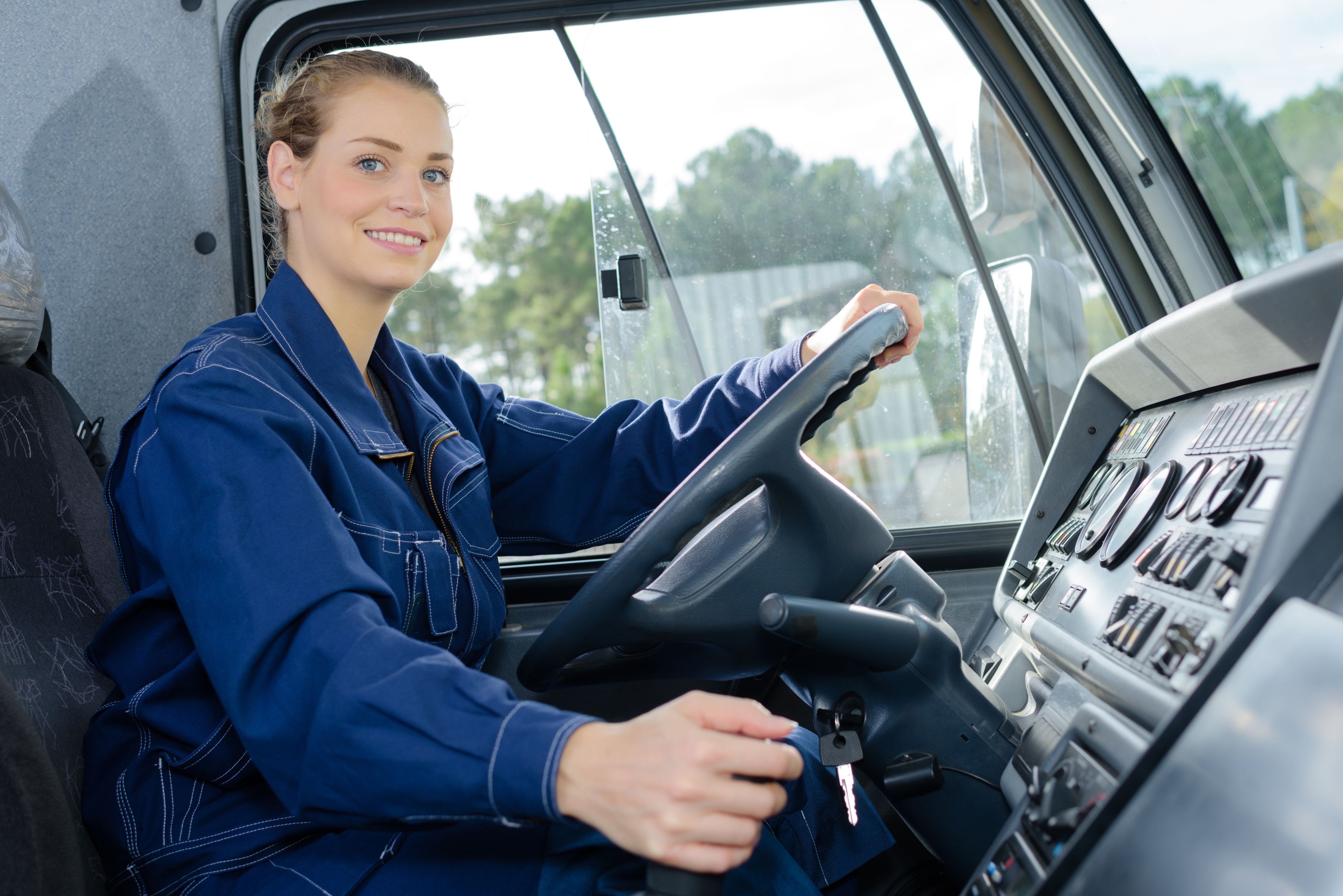
Женщина за рулем грузовика

Продвижение экологически чистой промышленности

Еще одним основным направлением станет устойчивое развитие - особенно в связи с ужесточением экологических законов, переходом на чистый ноль и стремительным ростом цен на топливо.

Автомобили на альтернативном топливе не оправдали ожиданий в 2024 году, поэтому предполагается, что, хотя инновации в этой области еще будут появляться, большее внимание будет уделяться тому, как автопарки могут повысить операционную эффективность (например, с помощью технологий, данных и искусственного интеллекта сократить потери времени). Компании также будут стремиться к созданию более экологичных цепочек поставок, работая с более экологичными поставщиками и перевозчиками.

Аналогичным образом растет и переход на электрические грузовики - в этом году в парках для грузовиков будет больше пунктов зарядки EV. Однако автопарки сталкиваются с такими препятствиями, как значительные первоначальные затраты и недостаточное количество зарядной инфраструктуры.

Увеличение объема междугородних перевозок

Наконец, прогнозируется резкое увеличение объемов воздушных и морских перевозок, что окажет влияние на индустрию грузоперевозок. Все это усугубляется тем, что глобальные цепочки поставок становятся все более и более взаимосвязанными.

В результате увеличится объем дальних грузоперевозок, что еще больше повышает важность того, чтобы водители имели достаточные перерывы на безопасных стоянках. И именно здесь SNAP может помочь.

Наше приложение intruck насчитывает более 800 сайтов по всей Европе, в том числе в Австрии, Болгарии, Чехии, Греции, Венгрии, Италии и Румынии. Мы помогаем упростить управление автопарком и обеспечить соблюдение операторами и дальнобойщиками Директивы о рабочем времени водителей в 2025 году и в последующие годы.

Чтобы узнать больше, свяжитесь с нашей командой по телефону +44 (0)1603 777242.

Поделиться с

Другие тоже читают...

Header Image

вторник 16 декабря 2025 • Новости индустрии

ЧТО ОЗНАЧАЕТ ОБЯЗАТЕЛЬНЫЙ ЦИФРОВОЙ УЧЕТ В ИСПАНИИ ДЛЯ АВТОПАРКОВ, РАБОТАЮЩИХ В ЕВРОПЕ

Guest

Spain is preparing for one of the most significant transport reforms in its recent history. The Sustainable Mobility Law (Ley de Movilidad Sostenible), which received final approval in November 2025, will introduce mandatory digital records for road freight control documentation, creating a more transparent, enforceable and efficient system for domestic and international carriers. Although this is a major national change, it forms part of a wider trend. Across Europe, governments and operators are moving towards a fully digital freight environment as the EU prepares to implement the (eFTI).For fleets working in and out of Spain, this is the start of an important transition. It signals a future in which paper documentation becomes the exception rather than the rule and in which digital processes support faster checks, smoother operations and greater consistency across borders.While the Sustainable Mobility Law addresses wide-ranging transport reforms – from urban mobility to domestic flight restrictions – the provisions most relevant to international freight operators centre on digital documentation. A central section of the law introduces a mandatory digital “control document” for road freight. This includes the use of approved digital formats, such as the electronic consignment note (eCMR), which Spain has already ratified and treats as legally equivalent to the paper CMR note. The law aims to reduce administrative burdens, eliminate inconsistencies in paperwork and shorten the time required for checks and inspections. Rather than relying on handwritten notes or physical documents that can be misplaced, carriers will store, share and verify transport information digitally. For operators, this should mean fewer disputes over documentation, less ambiguity around compliance requirements and greater certainty when preparing for audits or regulatory reviews.In practice, the obligation focuses first on the digital control document used for roadside and regulatory checks, but it is expected to accelerate wider use of eCMR and other digital freight documents across the supply chain.The timeline for implementation will begin once the law is published in Spain's Official State Gazette. Carriers should expect the digital control document obligation to take effect roughly ten months after publication, making 2026 the likely year when full compliance will be required.The Mobility Law applies to road transport operations that fall under Spanish control rules on Spanish territory, not just Spanish-registered companies. Carriers will need to ensure their systems can produce and transmit digital records in compliant formats. Any delay in adopting digital documentation could slow down inspections or disrupt customer schedules.This means that foreign operators running international loads into, out of or through Spain should plan on being able to provide the required control document in digital form when requested by Spanish authorities.The Spanish reforms align closely with the EU’s eFTI Regulation, which will require Member States to accept digital freight documentation once the technical and certification rules are in place (from mid-2027). eFTI sets a unified framework for how information is structured, transmitted and verified. While it obliges authorities to accept digital records, it does not require operators to use them. Spain’s Mobility Law therefore goes further, making digital control documents mandatory for road freight.Under eFTI, carriers will be able to provide freight information electronically through certified platforms. Enforcement authorities will receive that information through secure digital channels. This should reduce administrative friction across the EU’s busiest freight routes.Spain is not alone in taking early steps. Several EU countries have already moved towards paperless freight systems and their experience demonstrates what a fully digital environment could look like.● The Netherlands has been one of the earliest adopters of eCMR and has trialled end-to-end digital workflows across different modes of transport. ● France also moved early, supporting digital documentation and faster roadside checks following its ratification of the eCMR protocol. ● In the Benelux region, Belgium, Luxembourg and the Netherlands are running a joint eCMR pilot and digital logistics corridor, illustrating how interoperable documentation can work across national boundaries.● Denmark and Sweden have operated national e-freight trials designed to simplify the sharing of transport information. Taken together, these examples show that Spain’s Mobility Law is part of a broader European transition. Rather than standing apart, Spain is moving in step with a continental shift towards digital documentation that aims to make road freight faster, more transparent and more consistent across borders.The move to digital records brings several practical advantages. Digital documents reduce the time drivers and enforcement officers spend handling paperwork and shorten inspections during roadside checks. This mirrors the benefits seen with the introduction of , which have reduced unnecessary stops for compliant drivers and improved the consistency of enforcement across Europe.Digital documentation also removes the errors that can arise from handwritten notes or damaged paper notes. Fleet managers can instantly retrieve records, resolve errors more easily and maintain clearer oversight of documentation across multiple routes. For operators managing complex schedules, this increased predictability supports better planning and stronger customer service.Drivers are likely to benefit too. A shift to digital records reduces administrative pressure and helps avoid disagreement at delivery points. With all documents stored digitally, drivers have a single source of truth that is accepted across the supply chain.Fleets may need to invest in updated transport management systems or integrate new tools that support digital documentation. Operators may require additional support and training to shift from paper-based processes to new digital workflows.There will also be a period of adjustment in which paper and digital systems may operate side by side. As eFTI becomes established across Europe, some countries will move faster than others. Operators travelling across different borders may encounter varying expectations, particularly in the early years.Throughout this transition, driver welfare should remain a priority. The administrative load associated with new processes often falls on drivers. Clear training and straightforward systems will be essential.Spain’s Mobility Law marks an important moment in the evolution of European freight. It reflects a sector that is modernising at speed and preparing for a future built on digital workflows rather than manual paperwork. Operators that begin preparing now will be in a strong position as Spain’s digital control document requirements take effect and eFTI comes into force across Europe.At SNAP, we support fleets across Spain and the wider continent with tools that make daily operations simpler and more predictable. The intruck app helps drivers locate and book secure parking along their route, which is particularly valuable as compliance processes evolve. If your fleet is preparing for Spain’s new requirements or the broader digital transition across Europe, SNAP is here to support every step of the journey.

Header Image

среда 10 декабря 2025 • Новости индустрии

БЮДЖЕТ ВЕЛИКОБРИТАНИИ НА 2025 ГОД: ЧТО ЭТО ЗНАЧИТ ДЛЯ ГРУЗОПЕРЕВОЗОК

Guest

The arrives at a difficult moment for the road transport sector. Operators are working against rising wages and operating costs, tight margins, ageing infrastructure and ongoing pressures around recruitment. At the same time, the shift towards cleaner mobility is accelerating, creating new expectations and increasing the need for long-term investment.The following article outlines what the Budget means for infrastructure, investment, workforce costs and the wider operating environment for haulage.For many years, fleets have been affected by deteriorating roads, weight restrictions on ageing bridges and the growing unpredictability of journey times. Government and industry data makes this clear. More than one in every ten miles of network in England and Wales is likely to require maintenance within the next year, according to reporting, and the backlogs for resurfacing work continue to rise. These issues lead to vehicle damage, driver fatigue, higher insurance costs and disrupted schedules. They also place additional pressure on operators already dealing with narrow margins.The new Budget acknowledges these concerns. One positive step is the substantial funding for strategic national projects, including almost £900 million allocated to the , which should reduce congestion, provide more reliable journey times and a safer driving environment for HGVs.Local authorities will also receive a share of and address the growing number of potholes. This could make a noticeable difference for fleets. Local roads carry the majority of domestic freight and serve as the first and last mile of nearly every delivery. Improving them should reduce wear and tear on vehicles as well as operational strain. These commitments will not fix decades of underinvestment immediately, but they represent an important shift towards a road network that is more resilient and better suited to the realities of modern logistics.The Budget also places more focus on skills. for under-25s working in small and medium-sized businesses could help attract new entrants into a profession that urgently needs them. The driver shortage is well documented. The UK must recruit around in order to stabilise supply chains, and across Europe the average age of professional drivers continues to climb. Only a small proportion of drivers are under 25, and training costs have been a barrier for many younger candidates.Providing funded apprenticeships makes logistics more accessible at a critical time. It also supports smaller operators, who often struggle to invest in training despite needing to expand their teams. The Budget introduces further support for investment, particularly around fleet renewal. Operators installing charging infrastructure can take advantage of a 100% first-year allowance until March 2027. This will help offset the upfront cost of electric HGVs and depot charging equipment.From January 2026, a new 40% first-year allowance will be available on many main-rate assets, including trucks – particularly useful where full expensing or the Annual Investment Allowance don’t apply, such as some leased fleets and unincorporated operators.While the Autumn Budget contains several positive measures, operators will also need to plan for increasing costs. Fuel duty will rise in stages between the end of August 2026 and March 2027. Fuel is already one of the largest expenses for operators, and the planned rises are likely to increase the emphasis on fuel efficiency, telematics, consolidated routing and fleet renewal.Vehicle Excise Duty (Road Tax) will be uprated in line with inflation from April 2026, including for HGVs. From April 2028, a new Electric Vehicle Excise Duty (eVED) will also apply a mileage-based charge to battery-electric and plug-in hybrid cars, on top of existing VED. Although eVED initially excludes electric vans and trucks, it signals a longer-term shift toward distance-based taxation that fleets will need to factor into future planning.The HGV Levy will also return to rising with inflation. Vehicles over twelve tonnes must pay the levy before using A roads or motorways, and the revised rate will add another cost that fleets must factor into forward planning.Larger, higher‑value properties are also likely to feel more pressure from business rates changes. The Budget confirms permanently lower business rates for retail, hospitality and leisure, funded in part by higher charges on the most expensive commercial premises. These include big warehouses and distribution centres, so operators with large sites can expect proportionately higher bills over time than smaller depots or high‑street locations.In addition, the Budget introduces several measures that directly affect the financial landscape for operators and the people who run or work within haulage businesses. Labour already represents one of the sector’s highest costs, and these changes will shape payroll planning, staff retention and the personal finances of many owner-operators.Minimum wage increases mean that employers will face higher staffing costs across warehousing, last-mile logistics and support roles. Many operators have already tackled wage rises in recent years, and this further uplift will add pressure at a time when margins remain narrow. For fleets that rely on overtime, night work or seasonal peaks, the impact will be even more noticeable.The Budget continues the government’s move toward greater digitalisation of tax and reporting. Compliance expectations will grow over the coming years, with stricter penalties for late VAT and Self Assessment returns and an expanded Making Tax Digital framework from 2027. Mandatory electronic invoicing will follow in 2029. Parcel carriers and mixed load operators will also be affected by changes to customs duty for low-value imports, which will apply to items worth less than £135 by March 2029 at the latest. While the aim is to even the playing field for UK manufacturers, it is likely to increase administrative pressure on haulage firms. These changes may eventually improve efficiency, but they will require investment in systems and staff training. Smaller fleets without dedicated administrative teams are likely to feel the adjustment most sharply.Although operators will face higher costs and increased administrative complexity, the 2025 Budget also provides some of the most significant commitments to the road network and skills pipeline seen in recent years. Taken together, these measures signal a Budget that attempts to balance fiscal constraints with long-term needs. The road ahead will still require careful planning and strategic investment, but there are genuine opportunities to strengthen the sector’s foundations and support a more resilient future for haulage.SNAP gives fleets practical tools to manage this shifting landscape, from parking access to data that supports compliance and operational decision-making. to discover how SNAP can help strengthen your fleet’s resilience in the months ahead.

Header Image

понедельник 03 ноября 2025 • Новости индустрии

9 СПОСОБОВ, С ПОМОЩЬЮ КОТОРЫХ ОБНАРУЖЕНИЕ АИ ПРЕОБРАЗУЕТ ИНДУСТРИЮ АВТОПАРКОВ

Guest

Artificial intelligence (AI) has redefined how fleet professionals approach daily operations. Modern technologies let managers measurably improve maintenance, safety and compliance across their vehicles. As regulatory pressures rise, AI-driven insights will be more critical in gaining a decisive edge. Here are nine ways AI detection is transforming the fleet industry. Advanced telematics and machine learning (ML) algorithms help AI detection in fleets by monitoring driver behaviour. These devices analyse real-time patterns and flag risky driving behaviours like speeding and harsh braking. ML models instantly process data from in-vehicle sensors and identify deviations from safe driving norms and company policies.Drivers receive immediate feedback in the vehicle, while fleet managers get detailed reports on trends. The wealth of information helps supervisors personalise coaching sessions and find specific improvement areas. Telematics solutions have been critical to fleets nationwide because through improved behaviour and training programmes. AI algorithms are essential to analysing real-time traffic data, like road closures and weather conditions. Congestion can be significant, especially if your routes pass through London. A 2024 Inrix report said drivers when driving in the capital city. ML models can quickly identify bottlenecks and adverse weather to meet critical delivery times. Fleet managers benefit because their drivers can improve on-time performance. Route optimisation means deliveries are more likely to arrive during scheduled windows. It also enhances driver behaviours by idling less and covering fewer miles. Modern AI technologies rapidly detect roadway closures and unexpected weather changes to minimise disruptions. Accident reporting used to include manual logs and documentation. However, AI can reduce labour needs by automatically detecting and submitting incident reports. From collisions to near misses, these technologies can recognise potential incidents. Sensors gather relevant information at the event’s timing to provide more context. Unusual circumstances like airbag deployment can also be part of the automatic reporting. Once AI detection is complete, the system compiles information into a standardised report. Manual logs can create time-consuming tasks, so AI can automate these processes and free up staff. Fleet managers and insurers receive the report, thus ensuring compliance and accurate communication. Advanced technologies capture relevant data and use consistent formatting, so all parties get the critical details. Unexpected vehicle breakdowns can disrupt schedules and delay deliveries. AI helps fleet managers detect these problems before they become significant issues. From engine temperature to oil pressure, characteristics are monitored in real time. Advanced algorithms identify subtle anomalies and alert operators when a component is nearing failure. While fixed service intervals can be beneficial, AI lets you be more proactive and schedule maintenance precisely. Tire pressure sensors are an excellent example, especially for construction and utility companies. Experts say air compressors than equipment needs to maintain best practises. These sensors continually monitor output and detect gradual drops, flagging early signs of leaks.AI detection in fleets goes beyond studying driver behaviour. Telematics and sensors analyse speed and acceleration patterns to better understand fuel consumption. The systems monitor your vehicles for excessive idling and inefficient routing that increases petrol or diesel usage. AI can tailor recommendations to drivers by offering optimised speed ranges or maintenance needs.Fleet managers benefit by getting aggregated data on fuel consumption and spending. This information helps them make more informed vehicle procurement and route planning decisions. If older vehicles show inefficiencies, it may be time to upgrade the lot. Logistics professionals should compare individual vehicles against industry standards to see outliers. The U.K.’s environmental goals by 2050. Therefore, fleet managers must be more aware of tightening standards and the risk of fines. AI detection helps vehicles through sensors and onboard diagnostics systems, which collect data during operations. ML algorithms identify patterns and anomalies within the information and notify of excessive emissions. AI can alert fleet managers and enable proactive maintenance if a vehicle exceeds emissions thresholds. While humans take measures to reduce greenhouse gases, AI detection is rising to help the transportation industry. A 2025 study said by adapting eco-driving capabilities. The U.S. researchers said implementing it in 10% of vehicles would reduce carbon emissions up to 50%. Another way fleet managers can reduce emissions is through electric vehicle (EV) conversion. EV ownership is rising nationally through private drivers and fleet owners, as a 2025 report from 2023. AI can assist logistics professionals in the transition by recommending when, where and how to electrify their fleets. First-time EV owners may need help with charging windows and infrastructure needs. AI-powered systems detect when and where electric cars could naturally align with charging windows. For example, it could recommend the best times to charge to reduce schedule disruptions. Some may be pondering the switch to EVs, so logistics managers can leverage AI to compare cost data between electric and petrol cars. While AI investment can be a barrier, it may be financially beneficial in the long run. These software options that slows daily operations. Early detection of issues can lead to a more well-maintained fleet, which creates more uptime and revenue. Fleet managers can also save money through enhanced route optimisation and fuel management. AI detection in fleets is essential for streamlining administrative processes. These technologies can automatically perform compliance checks and incident documentation, thus reducing the need for manual paperwork. Your operators can focus more on the bigger picture and less on administrative overhead. If monitoring helps your drivers, it could reduce the cost of vehicle repairs and legal claims. Vehicle and cargo theft ., though they remain significant concerns. AI detection offers additional security layers by reducing the window of opportunity for thieves. Asset tracking features combine GPS and telematics capabilities to monitor real-time location, essential for companies transporting high-value assets. Fleet managers benefit from geofencing features, allowing them to set virtual boundaries. If a truck or van exits these zones, AI-powered systems automatically flag the event and notify logistics professionals. The algorithm is intelligent enough to understand anomalies and security protocols. Abnormalities can trigger security measures like remote disabling. AI is a practical, game-changing tool for fleet managers. Advanced analytics and real-time monitoring empower logistics professionals to drive measurable safety and performance improvements. While technologies are developing, the future is here. Your business should be willing to invest in AI-driven solutions to reduce costs and minimise risks. Discover more from .