
Guest
Novice in posodobitve • 4 min branja

Ali je vaše vozno omrežje tarča? Prednostna obravnava varnosti v tehnološko spretnem svetu

Ustvarjeno: 19. 12. 2025

Posodobljeno: 19. 12. 2025

Pripravljenost na kibernetsko varnost mora biti glavna prednostna naloga lastnikov in upravljavcev voznih parkov v Združenem kraljestvu. Zaradi hitre digitalne preobrazbe v transportni in logistični industriji so vozni parki postali privlačna tarča hekerjev. Spoznajte trende na področju kibernetske varnosti, ki se jih morajo zavedati upravljavci voznih parkov, in strategije, ki jih morate sprejeti, da zmanjšate svojo dovzetnost za napade.

Kibernetska varnost v transportni in logistični industriji

Pojav povezanih vozil, prizadevanja za elektrifikacijo voznega parka, vključevanje naprav interneta stvari (IoT) in zanašanje na avtomatizacijo so razširili območje napadov, ki ga lahko oportunistični kibernetski kriminalci izkoristijo za vdor v vaše omrežje.

Ranljivi zaledni sistemi telematike, nezanesljive posodobitve vdelane programske opreme in pomanjkljivi vmesniki API so pogoste vstopne točke za ribarje, tatove podatkov, poslovne saboterje in napadalce z izsiljevalsko programsko opremo. Udeleženci groženj vse bolj uporabljajo tudi umetno inteligenco za bolj verodostojne prevare.

Žrtev kibernetskega napada lahko povzroči več kot le daljši in nenačrtovan izpad. Odmeven varnostni incident lahko vaši organizaciji povzroči veliko škodo na ugledu in dolgoročno škoduje vašemu poslovanju.

Čeprav vam kibernetsko zavarovanje lahko povrne milijonske izgube, lahko finančne posledice privedejo do insolventnosti - kot se je junija 2025 zgodilo družbi KNP Logistics. Napad z izsiljevalsko programsko opremo Akira je poslabšal že obstoječe finančne težave te velike logistične skupine, zaradi česar je morala razglasiti plačilno nesposobnost in odpustiti 730 zaposlenih.

Strategije za zmanjšanje tveganja kibernetske varnosti vašega voznega parka

Vsako podjetje je izpostavljeno tveganju kibernetskih napadov, vendar lahko s temi strategijami poskrbite, da bodo vaša programska oprema za upravljanje voznega parka in vozila manj ranljiva.

1. Izkoristite obveščevalne podatke o grožnjah

Zanesljiva platforma za obveščanje o grožnjah krepi kibernetsko varnost, saj vam omogoča proaktivno zaščito sredstev pred zlonamernimi akterji in zmanjšanje izgub, če vas ti napadejo. V nadaljevanju so predstavljeni glavni načini uporabe informacij o grožnjah za izboljšanje vašega varnostnega položaja:

Umeščanje kibernetskih groženj v kontekst

S kontekstualizacijo lahko vaša ekipa identificira storilce določenih napadov, razume njihove motive in zmogljivosti, ugotovi, kaj želijo od vaše organizacije, in razume njihove metode. Kontekstualnost preoblikuje surove podatke o grožnjah v uporabne obveščevalne podatke, kar vam omogoča informativno sprejemanje odločitev.

Spremljanje novih in starih nasprotnikov

Napadalci se razvijajo, zato spoznavanje njihovega delovanja v preteklosti ne zadostuje za natančno predvidevanje njihovih prihodnjih dejanj. Platforma za obveščanje o grožnjah vam lahko pomaga slediti znanim zlonamernim akterjem in vašo ekipo seznaniti z relativno neznanimi. Nekatere organizacije uporabljajo tehnologije prevare, s katerimi privabijo kibernetske kriminalce in jih opazujejo pri delovanju v nadzorovanem okolju.

Izvajanje enotne strategije

Programska rešitev, ki se lahko integrira v obstoječa orodja vašega podjetja, odpravlja silose in omogoča, da se podatki o grožnjah prosto pretakajo med ekipami. Sodelovanje med oddelki je ključ do učinkovitega izvajanja strategije kibernetske varnosti na ravni celotne organizacije.

Hitro odkrivanje napadov

Platforma za obveščanje o grožnjah lahko spremlja vaše omrežne dejavnosti in dovolj zgodaj zazna vzorce napadov, da o tem takoj obvesti vaš varnostni operativni center ali strokovnjake za IT. Zgodnje odkrivanje je ključnega pomena za štetje groženj, še preden prodrejo globoko v vaš sistem in povzročijo večjo škodo.

Avtomatizacija obrambe

Odzivanje na nujne incidente zahteva manj ročnega dela s platformo za obveščanje o grožnjah. Ta programska rešitev lahko organizira bistvene naloge za ublažitev kršitev, s čimer vašim notranjim strokovnjakom za kibernetsko varnost omogoči, da se osredotočijo na dejavnosti, pri katerih je človeški prispevek bolj vpliven.

Upoštevanje predpisov in standardov.

Regulativni okviri in standardi zasebnosti podatkov so sčasoma vse strožji. Platforma za obveščanje o grožnjah pomaga pri zagotavljanju skladnosti, saj zagotavlja, da vaša ekipa odgovorno ravna z občutljivimi podatki, in ustvarja podrobna poročila za dokumentiranje najboljših praks.
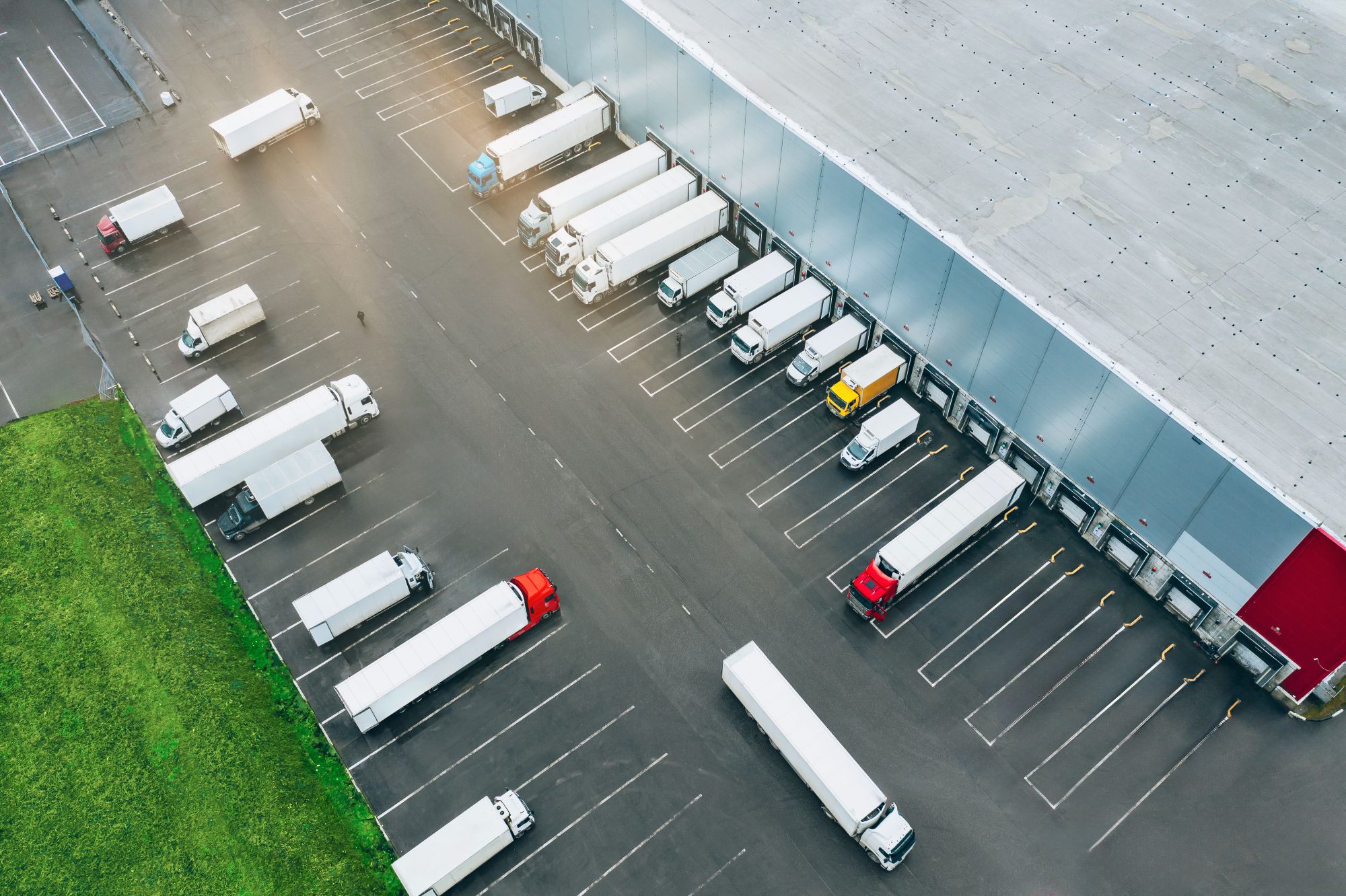
2. Preklop na arhitekturo brez zaupanja

Ničelno zaupanje zmanjšuje verjetnost nepooblaščenega dostopa do sistemov za upravljanje voznega parka s stalnim preverjanjem vsakega uporabnika in naprave ter uveljavljanjem na identiteto osredotočenega nadzora dostopa.

Ta pristop priznava, da lahko grožnje prihajajo iz notranjosti organizacije. Predpostavka, da lahko vsaka zahteva prihaja od zlonamernega akterja, odraža raven budnosti, ki jo morate izvajati, da zaščitite svoje delovanje pred prefinjenimi napadi in pomagate svoji ekipi, da se prilagodi zapletenim, dinamičnim okoljem, ki vključujejo oddaljene uporabnike, naprave interneta stvari in storitve v oblaku.

Po preverjanju ničelno zaupanje uporabnikom in napravam omogoča le toliko dostopa, da lahko opravljajo določene naloge. Načelo najmanjših privilegijev omogoča učinkovito obvladovanje groženj, če kibernetski kriminalec vstopi vanj.

3. Vlagajte v digitalno pismenost

Po podatkih poročila Cybersecurity Insiders 2024 Insiders Threat Report se je število napadov z notranjimi grožnjami povečalo. Oktobra 2024 je 51 % od 413 anketirancev s področja IT in kibernetske varnosti poročalo, da se je v zadnjem letu srečalo z vsaj šestimi napadi. 29 % jih je poročalo, da so za odpravo napada porabili več kot 1 milijon dolarjev.

Glavni razlog za povečanje števila teh kibernetskih napadov je uvajanje novih tehnologij. Vlaganje v usposabljanje zaposlenih je ključnega pomena za preprečevanje, da bi člani ekipe postali notranje grožnje.

Ciljnim uporabnikom zagotovite zadostna sredstva, da se seznanijo s tehnologijami. Poudarite načine, kako lahko nenamerno izpustijo občutljive informacije ali ogrozijo sistem. Seznanite jih z rdečimi zastavicami, na katere morajo biti pozorni, da prepoznajo zlonamerne sheme, in jih naučite varnih in odgovornih načinov ravnanja s spletnimi kriminalci.

4. Povečajte fizično varnost

Stroga fizična varnost lahko zaščiti vaše premoženje pred digitalnimi ugrabitelji. Učinkovita fizična zaščita pogosto vključuje večplasten pristop, ki vključuje ograjo na obodu, strateško namestitev nadzorne opreme in elektronska ohišja vozil, ki jih je mogoče poškodovati. Poleg tega z omejevanjem vidljivosti z neprozornimi vrati preprečite, da bi kriminalci videli dragocena sredstva, s čimer dodate dodatno raven zaščite fizične varnosti.

Z združevanjem fizičnih zaščitnih ukrepov z digitalnimi rešitvami lahko omejite možnosti hekerjev, tudi če jim uspe pridobiti nadzor nad voznim parkom. Leta 2022 je skupina hekerjev napadla rusko storitev prevoza s prevoznimi sredstvi Yandex Taxi in usmerila več sto enot, da se zberejo na istem mestu v zahodni Moskvi. Incident bi moral služiti kot opozorilo, da sprejmete ukrepe za imobilizacijo sredstev, če kriminalci na daljavo prevzamejo nadzor nad voznikovim sedežem.

5. Sodelujte z dobavitelji

Vaše podjetje je tako močno, kot je močan najšibkejši člen v vaši dobavni verigi. Pozitivni učinek nepremagljive notranje kibernetske varnosti se zmanjša, če dobavitelji tretjih oseb kršiteljem zakona olajšajo krajo vaših podatkov od drugod. Na primer, vključitev najemne opreme v vaš vozni park lahko začasno ogrozi vašo kibernetsko varnost, če ima vaš najemodajalec zastarelo programsko opremo.

Sodelovanje s partnerji v dobavni verigi, ki enako skrbijo za kibernetsko varnost, zmanjšuje vašo izpostavljenost tveganju. Vključevanje sistemov dobaviteljev v platformo za obveščanje o grožnjah zagotavlja boljše usklajevanje med kršitvami varnosti podatkov. Tesno sodelovanje s ključnimi zunanjimi strankami spodbuja pripravljenost na kibernetsko varnost in pomaga vsem, da se pripravijo na morebitne napade.

Sprejmite smiselne ukrepe za grožnje kibernetski varnosti v državi.

Pri sodobnem upravljanju voznega parka je spopadanje z akterji spletnih groženj neizogibno. Prednost dajte proaktivnim strategijam, da ostanete pred hekerji. Z izvajanjem večplastne obrambe, ki združuje tehnologijo, usposabljanje zaposlenih in strateška partnerstva, lahko vzpostavite odporno delovanje. S takšno držo zaščitite svoja trenutna sredstva in zagotovite prihodnost podjetja v vse bolj povezanem svetu.

Odkrijte več iz Renovated Magazine.
Delite z

Tudi drugi berejo...

Header Image

ponedeljek 08 december 2025 • Novice in posodobitve

TRENDI NA PODROČJU TOVORNJAKOV: NAPOVEDI ZA LETO 2026

Guest

Major changes are coming for the mobility sector.The next 12 months will bring some of the most significant regulatory and technological shifts European transport has seen in years. New emissions rules, driver-monitoring systems, hydrogen trials and autonomous pilots will reshape how fleets operate across the UK and EU.For operators and professional drivers, understanding these changes now will make the difference between adapting confidently and struggling to keep up. come into force in 2026, introducing new requirements for fleets. Nitrogen oxide and carbon monoxide limits will tighten further, with the permitted particle size dropping from 23 nanometres to 10. In addition, for the first time.Every new truck sold will need to comply with Euro VII. While vehicle pricing is likely to be affected, the bigger impact will fall on procurement timelines, fleet renewal cycles and long-term decarbonisation.. These monitor eye and head movement to identify early signs of fatigue or inattention, enabling safer interventions and supporting accident-reduction goals across Europe. By 2029, new cab designs must minimise blind spots through improved glass visibility rather than camera reliance. This will particularly influence urban operations, vulnerable road user safety and future vehicle specification.. After years of exemption, this change effectively brings smaller commercial vehicles under full drivers’ hours enforcement.For operators with mixed fleets, this means introducing:● new driver cards● regular data downloads● updated monitoring processes● revised routing and rest-time planningThousands of vehicles that previously operated freely will need compliance systems in place almost immediately. requires companies with more than 250 employees or €40 million revenue to collect and report verified CO₂ emissions – including Scope 3 transport activity.This will cascade through supply chains. Smaller hauliers without reliable emissions reporting risk losing access to larger contracts, accelerating the push toward better data systems and standardised reporting.Electric HGV production will rise rapidly in 2026. are all expanding manufacturing capacity.To support this, electric charging is also expanding. , as part of HyHAUL's M4 corridor project. Three refuelling stations, each supplying up to two tonnes of hydrogen daily, support the pilot. If successful, the project aims for 30 trucks on the road by the end of 2026 and 300 by 2030. Alongside this, . Five more will follow by 2027.Vehicle manufacturers are taking different approaches to developing hydrogen-fuelled trucks: ● and DAF are planning similar systems. ● will introduce its next-generation hydrogen fuel cell stack in 2026 with improved durability and lower operating costs.Hydrotreated Vegetable Oil (HVO) is emerging as a notable transitional fuel for haulage in 2026, thanks to two factors: stricter biofuel mandates in north-western Europe and its compatibility with existing diesel engines. Reports by confirm that HVO is a “drop-in” fuel: it can be used in many existing heavy-duty vehicles without engine or infrastructure changes, which gives operators a practical pathway to immediate CO₂ reductions. Meanwhile, forecast that HVO consumption could reach record highs in 2026. Germany alone may need an additional 1.5 million tonnes – almost four times 2025 levels – to meet demand. Although uptake remains modest when compared with battery-electric or hydrogen alternatives, the current regulatory push and infrastructure compatibility mean HVO is likely to gain traction in 2026.From spring 2026, in controlled zones – a full year ahead of plans. Enabled by the , this transition supports an industry expected to contribute £42 billion to the UK economy by 2035 and create an estimated 38,000 jobs. Germany is close behind. , supported by €20 million in seed funding. Across northern Europe, autonomous freight along the 1,200-km Rotterdam-Oslo corridor. The programme runs until March 2026 and examines how autonomous vehicles perform across borders, terrain types and logistics hubs.In Sweden, already move goods between warehouses, processing five million data points per second. Their controlled deployments demonstrate the potential for automation in predictable, repeatable routes.Despite this progress, humans will continue to play a central role. . So while automation will support specific functions, such as port operations, depot shuttles and fixed urban routes, long-haul and complex international transport will remain human-led.The scale and speed of change arriving in 2026 is unlike any previous year for European road transport. Multiple regulatory, technological and sustainability shifts will land simultaneously, reshaping how fleets operate across borders."The operators who succeed in 2026 won't be those who resist change but those who prepare for it systematically," says Nick Long, European Strategic Partnership and Development Manager at SNAP. "We're working with fleets across Europe to build the infrastructure that tomorrow's industry needs. Secure parking. Integrated payments for new toll structures. The building blocks of success are available now for those ready to use them."SNAP helps fleets prepare for the future with integrated solutions for parking, payments and fleet management across Europe. Visit snapacc.com to discover how we can support your transition to 2026 and beyond.

Header Image

četrtek 04 december 2025 • Novice in posodobitve

POSKRBITE ZA NEMOTENO DELOVANJE SVOJEGA VOZNEGA PARKA MED PRAZNIKI

Guest

As the holiday season approaches, you are likely preparing for a surge in delivery demand and more complex operating conditions. This seasonal pressure overlaps with winter weather challenges, creating a unique risk environment for fleets across the UK. The festive period brings extra stress to your vehicles and operations. From consumer-driven surges in mileage to the impact of cold weather on vehicle performance, several seasonal factors converge at once. Understanding these pressures up-front helps you prepare proactively and minimise disruptions across your fleet.Consumer activity , which increases delivery volumes, compresses schedules and raises service expectations. This surge means that even minor disruptions can escalate quickly, as fleets have less flexibility to absorb delays. With more journeys scheduled and tighter handover times, vehicle downtime becomes more costly. A missed inspection or delayed repair can have a much larger operational impact than during other parts of the year.When peak consumer activity overlaps with hazardous weather, fleets experience amplified risk. Traffic congestion increases, road conditions deteriorate and minor mechanical problems can escalate into serious incidents more easily. To combat these issues, you must strengthen preventive maintenance, adjust schedules, and improve real-time monitoring to prevent avoidable breakdowns or delays.Cold temperatures, icy surfaces and reduced daylight all increase mechanical and on-road risks for commercial vehicles, raising the likelihood of weakened batteries, reduced tyre traction and visibility issues. UK roadworthiness standards emphasise the importance of more robust winter maintenance for brakes, lighting, fluids and tyres as conditions deteriorate, reinforcing why winter readiness is essential for uninterrupted fleet operations. Even mild cold , making proactive winter maintenance crucial.Beyond vehicle strain, the holiday season and winter conditions also place pressure on drivers and operational workflows. Increased traffic, unpredictable weather and tighter delivery windows can lead to fatigue, stress and an increased risk of accidents. Careful scheduling, clear communication and proactive support for drivers are essential to maintain safety and ensure that your fleet continues to operate efficiently under these seasonal pressures.Maintaining steady operations during the festive rush requires more than reactive problem-solving. It necessitates deliberate planning across vehicle maintenance, driver readiness, technology utilisation and operational coordination. These streamlined strategies will help you stay ahead of winter season disruptions and maintain consistent fleet performance throughout the holidays.Seasonal demand often requires vehicles to operate in harsher conditions for longer hours, so front-loading maintenance is one of the most effective ways to prevent in-season breakdowns. In construction, downtime can cost , highlighting the importance of proactive upkeep. Focus on winter-critical systems such as batteries, brakes, heating and defrosting systems, tyres, and fluid levels. Addressing minor issues before the holiday rush ensures your vehicles start the season in top condition and reduces the risk of unscheduled downtime when capacity is at its tightest.Drivers face greater pressure during the festive period, from congested roads to unpredictable weather. Preparing them early helps reduce risk and maintain service reliability. Share updated winter driving protocols, reinforce fatigue management best practices and ensure every vehicle carries essential cold-weather equipment. A well-prepared driver can adapt more effectively to seasonal hazards and keep journeys running safely.Access to parts and repair support becomes more challenging during the holidays due to demand spikes and supplier slowdowns. Securing key components in advance and confirming the availability of a repair shop ensures you can respond quickly to mid-season issues. These steps reduce the likelihood of lengthy delays and keep more of your vehicles on the road during peak workloads.Accurate, real-time insights become even more valuable when weather and traffic conditions can change quickly. Telematics systems, identify emerging vehicle issues and adapt routes proactively. Using data to make same-day decisions — whether rerouting, rescheduling or escalating maintenance — helps your fleet stay responsive throughout the holiday period.Seasonal peaks require tighter alignment across dispatchers, drivers, maintenance teams and customers. Clear communication reduces uncertainty and makes it easier to adjust schedules when conditions shift. Share regular updates about weather alerts, route changes, delivery windows and vehicle availability so everyone stays coordinated and able to respond quickly.Even with strong preparation, winter introduces variables that no fleet can fully control. Creating contingency plans provides your team with a structured response in the event of incidents. Establish backup routes, identify alternative suppliers and workshops, and maintain a reserve vehicle strategy where possible. Planning for disruption ensures that unexpected issues don’t halt operations entirely.Use this checklist to make sure your team, vehicles and workflows are ready for the busiest stretch of the year:● Review historical traffic data and expected holiday congestion to build more efficient routing. Tools that monitor and report real-time conditions help reduce delays and fuel waste.● Check batteries, fluids, tyres, wipers and heating systems to prevent cold-weather breakdowns and improve driver safety.● Conduct brief refresher sessions on winter driving techniques, fatigue management and emergency protocols. This supports both safety and productivity.● Holiday mileage and cold temps can accelerate wear. A tighter maintenance schedule helps catch issues before they result in downtime.● Ensure that asset trackers and sensors are fully functional for accurate location and condition data during peak demand.● Many suppliers operate on reduced hours during the holidays. Secure parts and consumables in advance to avoid repair delays.Holiday and winter conditions amplify every small inefficiency. Preparing early helps prevent avoidable downtime, strengthens driver safety and keeps your operations moving through the toughest time of the year. With precise planning, reliable tools and a proactive maintenance rhythm, fleets can turn seasonal challenges into opportunities for better performance and customer satisfaction.Discover more from

Header Image

torek 25 november 2025 • Novice in posodobitve

POLJSKA POSPEŠUJE PREHOD NA PREVOZ BREZ EMISIJ

Guest

Poland’s transportation sector is undergoing a major transformation. In recent months, the government has introduced a series of high-value funding programmes aimed at decarbonising the country’s road network and logistics operations. Much of this activity focuses on infrastructure related to heavy-duty vehicles – a sign that the transition to cleaner freight is being embraced across Europe.The scale of investment – and the speed at which it's happening – will be important for operators, managers and infrastructure planners right across Europe. To understand why, it helps to look at both the wider European context and the specific funding available in Poland.The move towards lowand zero-emission transport has been gathering pace across Europe for several years. The EU’s package and to cut emissions from heavy-duty vehicles by 45% by 2030 and by 90% by 2040. The (AFIR) also states that there must be high-power charging points for heavy vehicles every 60 kilometres along the Trans-European Transport Network (TEN-T) – a system of European roads, railways, ports and airports that forms the backbone of continental freight – by 2030. Hydrogen refuelling stations must be available every 200 kilometres.The UK is following a similar path. Z are being used to test electric and hydrogen HGVs on long-haul routes, while funding is being allocated to depot charging and refuelling infrastructure.Against this backdrop, Poland’s programme shows that Central and Eastern Europe are ready to take a leading role in building cleaner, better-connected transportation.In March 2025, Poland’s (NFOŚiGW) launched two major funding calls worth a combined PLN 2 billion. The first will cover the construction and expansion of power grids that supply high-capacity charging stations, especially those on the TEN-T. It covers both grid expansion and the installation of new connections. This will mean that the network can deliver the energy needed for rapid truck charging. Energy and grid operators can apply for grants if their projects meet minimum power thresholds. The second funding call supports the construction of heavy-vehicle charging stations themselves. The aim is to create 550 publicly accessible points across the country, serving both electric and hydrogen trucks. A final programme, which launched in Q2 2025, gives grants and loans to businesses so they can buy or lease zero-emission trucks in categories N2 and N3. Category N2 covers vehicles with a gross weight between 3.5 and 12 tonnes, while N3 applies to trucks over 12 tonnes. Funding levels range from 30 to 60 per cent, depending on company size. Upper limits of PLN 400,000 apply to N2 vehicles and PLN 750,000 to N3 models. Applications will be , so operators can plan their transition to zero-emission vehicles. These investments sit alongside Poland’s existing programme, which subsidises electric car purchases for individuals and companies, further extending the country’s sustainable transport strategy beyond passenger vehicles.According to the , Poland transports more goods by road than any other EU country. It is a natural gateway between Western Europe and the Baltic States, Ukraine and the Balkans, which means a reliable zero-emission infrastructure in Poland will have a Europe-wide impact.By setting clear power requirements and aligning projects with the TEN-T corridors, the government is ensuring a coordinated approach rather than isolated projects. The goal is a dependable network where electric and hydrogen trucks can move freely along key trade routes. The Deputy Minister for Climate and Environment described the programme as a way to strengthen “the competitiveness of Polish freight operators” while cutting emissions from one of the country’s largest economic sectors.Poland’s domestic network is also part of the wider . A total of nine EU countries – including Poland – committed in September 2025 to accelerate charging infrastructure deployment along key freight routes, such as the North Sea-Baltic and Scandinavian-Mediterranean corridors of the TEN-T.For fleets that operate across Europe, the initiative means charging infrastructure will become more standardised and predictable between countries. This will help drivers plan cross-border routes with greater confidence while supporting the shift towards zero-emission freight.For fleet operators, the timing is encouraging. Zero-emission trucks are rapidly , with sales of nearly 2,000 zero-emission heavy-duty electric trucks registered in the first half of 2025 across the EU. There are challenges, however. Adding high-power charging capacity will mean that grid operators, local authorities and logistics centres have to cooperate. It will also take time to hire technicians with the skills to install and maintain high-voltage equipment.In addition, vehicle costs and operational factors could also slow progress. Even with generous subsidies, businesses must weigh the cost of electric vehicle ownership, route patterns and depot readiness.For the road transport community, Poland’s programme is a significant milestone. Once complete, its charging and refuelling network will connect eastern and western Europe, supporting cleaner and more efficient freight movement.“This is a turning point for heavy transport,” says Nick Renton, Head of European Strategy and Business Development at SNAP. “Poland’s actions show that zero-emission freight is becoming part of daily life, rather than a long-term vision. As charging and refuelling points multiply, operators will be able to schedule cleaner journeys with confidence.”As the situation develops, we will continue to support fleets across Europe with technology, insight and practical tools for drivers. Our helps identify and book rest stops, refuelling points and secure parking, with more zero-emission facilities being added as new sites open. For operators looking to stay ahead of infrastructure changes, it provides a clear view of how the road network is evolving – and where new opportunities are emerging.