Guest
Novice in posodobitve • 4 min branja

Razčlenitev cestninskih sistemov po Evropi

Ustvarjeno: 19. 01. 2026

Posodobljeno: 19. 01. 2026

Za številna vozna parka, ki delujejo po Evropi, so cestnine potihoma postale eden najbolj zapletenih in najmanj predvidljivih stroškov. Nekoč razmeroma preprosto vprašanje avtocestnih pristojbin se je razvilo v splet nacionalnih sistemov, tehnologij in cenovnih modelov, ki zdaj odražajo emisije, maso vozila, število osi, geografijo in celo čas dneva.

V letu 2026 cestninjenje ni več le infrastrukturna pristojbina. Vedno bolj postaja politični vzvod, ki ga vlade uporabljajo za financiranje cest, obvladovanje zastojev in pospeševanje prehoda na promet z manjšimi emisijami. Za upravljavce voznih parkov ima ta premik dejanske finančne posledice.

V tem članku je opisano, kako cestninjenje deluje v Evropi, koliko vozni parki dejansko plačujejo danes in kakšne spremembe se obetajo v prihodnosti.

Zakaj je cestninjenje pomembno

Marže v cestnem prometu so nizke. Stroški goriva, dela, zavarovanja in skladnosti so se v zadnjih letih močno povečali. Glede na to so cestnine vse pomembnejše, zlasti za prevoznike na dolge razdalje in čezmejne prevoznike.

V državah, kot sta Nemčija in Avstrija, lahko stroški cestnine na kilometer na nekaterih poteh zdaj konkurirajo stroškom goriva. V Srednji in Vzhodni Evropi so cestnine še vedno nižje, vendar se zaradi hitrega povečevanja in širitve omrežja ta razlika zmanjšuje. Hkrati pa uvedba cestninjenja na podlagi emisij CO₂ pomeni, da lahko dve sicer enaki vozili glede na njun emisijski profil plačujeta zelo različne cestnine.

Pri voznih parkih, ki opravljajo mednarodne prevoze, so cestnine pomemben dejavnik pri načrtovanju poti, nabavi vozil in določanju cen.

Kako deluje cestninjenje v Evropi

Enotnega evropskega cestninskega sistema ni. Namesto tega morajo vozni parki uporabljati mešanico nacionalnih pristopov, ki se na splošno delijo na tri kategorije.

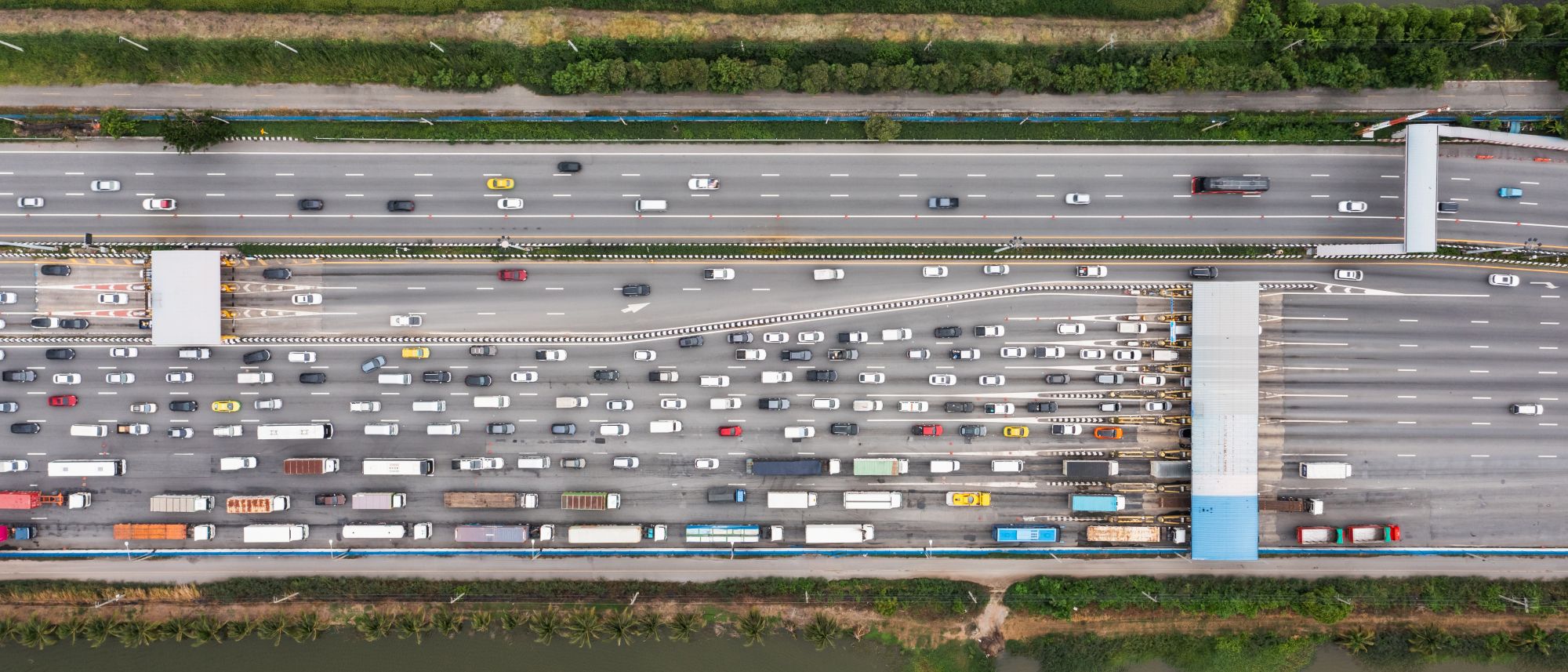
Cestnine na podlagi prevožene razdalje se zaračunavajo na prevoženi kilometer. To je zdaj prevladujoči model za težka tovorna vozila, ki se uporablja v državah, kot so Nemčija, Avstrija, Poljska, Madžarska in Belgija.

Časovne vinjete omogočajo vozilom uporabo cestnega omrežja v določenem časovnem obdobju, kot je dan, teden ali leto. Tradicionalno so bile to izkaznice, ki so bile prikazane na vetrobranskem steklu, vendar so vedno bolj digitalne.

Hibridni sistemi združujejo cestninske ceste z nadomestnimi cestami brez cestnine. V Franciji, Italiji in Španiji veljajo modeli, pri katerih se cestnina zaračunava le na določenih poteh.

Pri vseh treh modelih prenovljena direktiva EU o evrovinjeti spodbuja države k zaračunavanju pristojbin na podlagi prevožene razdalje in emisij. To postopoma zmanjšuje vlogo pavšalnih vinjet in povečuje stroške voznih parkov z velikim številom prevoženih kilometrov.

Tehnologija cestninjenja

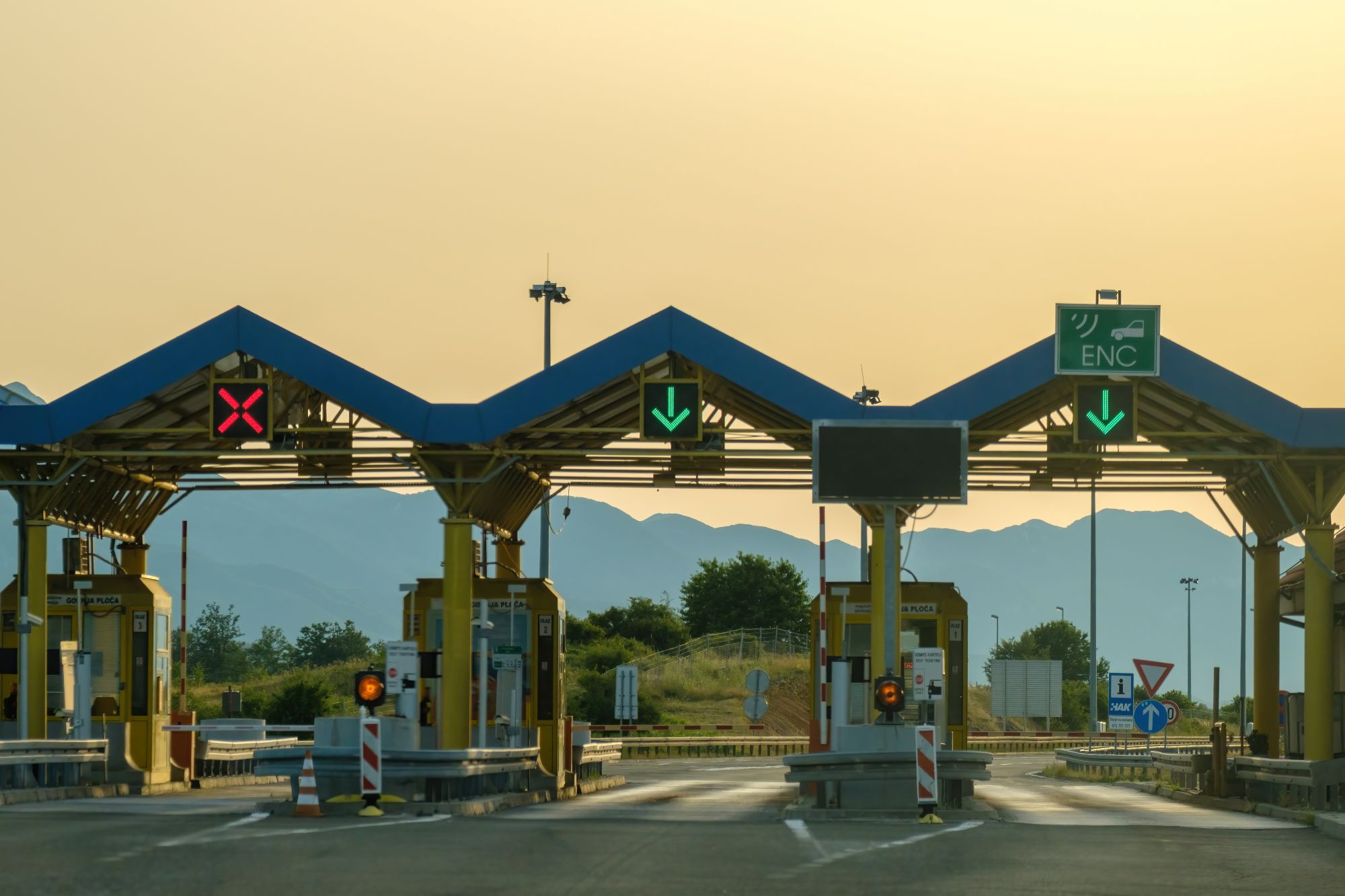
Operativno postaja cestninjenje vse bolj digitalno. Večina sistemov, ki temeljijo na razdaljah, se zanaša na sledenje GNSS ali GPS z vgrajenimi enotami (OBU), ki jih podpirajo obcestni portali, cestninske postaje in nadzor s kamerami.

Za vozne parke to pomeni večjo odvisnost od tehnologije v vozilu, strožje zahteve glede skladnosti in manj dopuščanja administrativnih napak. Zamujena plačila na cestah s prostim prometom (kjer ni cestninskih postaj in se ni treba ustaviti) se lahko hitro spremenijo v globe, zlasti za mednarodne voznike, ki ne poznajo lokalnih predpisov.

Interoperabilne storitve cestninjenja v okviru evropske storitve elektronskega cestninjenja (EETS) postajajo vse pomembnejše za čezmejne operaterje. Namesto da bi vozila opremili z več vgrajenimi enotami, značilnimi za posamezno državo, lahko vozni park za plačevanje cestnine v več evropskih omrežjih uporablja eno samo odobreno napravo. To poenostavlja upravljanje, zmanjšuje stroške namestitve in vzdrževanja ter zmanjšuje tveganje neskladnosti, ko vozila prehajajo med različnimi cestninskimi režimi.
Razčlenitev po državah

Države z visokimi stroški

Nemčija upravlja enega najobsežnejših evropskih cestninskih sistemov. Cestnina LKW-Maut velja za vsa tovorna vozila nad 3,5 tone na avtocestah in zveznih cestah. Od decembra 2023 cestnine vključujejo tudi pristojbino za emisije CO₂, kar je povečalo stroške za dizelska vozila. Uradne podrobnosti objavlja [Toll Collect] (https://www.toll-collect.de/de/tollcollect/tchomepage.html).

Avstrijski avtocestni sistem GO-Maut je med najdražjimi na kilometer v Evropi. V letu 2025 je bilo na avtocestah za zgibni tovornjak Euro 6 treba plačati približno 0,50 do 0,53 evra na kilometer. Sistem vključuje komponente, povezane z infrastrukturo, hrupom, onesnaževanjem zraka in emisijami CO₂. Električna tovorna vozila imajo koristi od nižjih stopenj. [ASFINAG zagotavlja celotne tarifne tabele na spletu] (https://www.asfinag.at/).

V Belgiji se za tovorna vozila v Flandriji, Valoniji in Bruslju plačuje cestnina na podlagi prevoženih kilometrov. Cene se razlikujejo glede na regijo, težo in evro razred ter se vsako leto zvišujejo. Od leta 2026 vozila z ničelnimi emisijami ne bodo več v celoti oproščena plačila cestnine, vendar bodo še vedno plačevala znižane infrastrukturne pristojbine. Uradne informacije so na voljo na spletni strani [Viapass.] (https://www.viapass.be/en/)

Trgi srednje dragih cestnin

Francija uporablja koncesijski model avtocest. Cestnine se plačujejo na cestah, ki jih upravljajo zasebna podjetja, in se plačujejo na cestninskih postajah ali elektronsko. Letna povišanja so skromna in regulirana. Več informacij objavlja [Association des Sociétés Françaises d'Autoroutes] (https://www.autoroutes.fr/index.htm).

Italija uporablja podoben pristop, ki temelji na koncesijah. Težka tovorna vozila plačujejo približno 0,10 EUR na kilometer v omrežju Autostrade. Vlada si prizadeva za bolj dinamično cestninjenje do leta 2026, ki bi lahko povezalo pristojbine z zastoji in emisijami. [Autostrade per l'Italia pojasnjuje izračun cestnin] (https://www.autostrade.it/it/home).

Madžarski sistem HU-GO velja za tovornjake, težje od 3,5 tone, na avtocestah in glavnih cestah. Zaradi visoke inflacije so se cestnine močno zvišale. Uradne posodobitve so objavljene na spletni strani [hu-go.hu.] (https://hu-go.hu/articles/category/aktulis)

Trgi z nižjimi stroški in prehodni trgi

Poljski sistem e-TOLL zaračunava kilometrske pristojbine z uporabo satelitske tehnologije GNSS. Cene so se zvišale leta 2025 in se bodo ponovno zvišale leta 2026, medtem ko se cestninsko omrežje še naprej širi. Uradna platforma je [etoll.gov.pl.] (https://etoll.gov.pl/)

Španija je nenavadna po tem, da so številne glavne avtoceste po izteku koncesij postale brezplačne. Nekatere ceste so še vedno plačljive, stroški za težka tovorna vozila pa se razlikujejo na kilometer. Stališče španske vlade je predstavljeno prek [Ministrstva za promet] (https://www.transportes.gob.es/movilidad-sostenible/actuaciones-prtr).

V Romuniji trenutno velja vinjetni sistem za tovornjake, pri čemer sedemdnevna vinjeta za najtežja vozila stane približno 71 EUR, letna pa 1 425 EUR. To se bo spremenilo julija 2026, ko bo Romunija uvedla cestninski sistem na podlagi prevožene razdalje, imenovan TollRo. Začetne stopnje naj bi bile nizke, vendar se bodo sčasoma verjetno zvišale. [Trenutne cene vinjet so na voljo na spletu] (https://roviniete.ro/ro/).
Spremembe za leto 2026

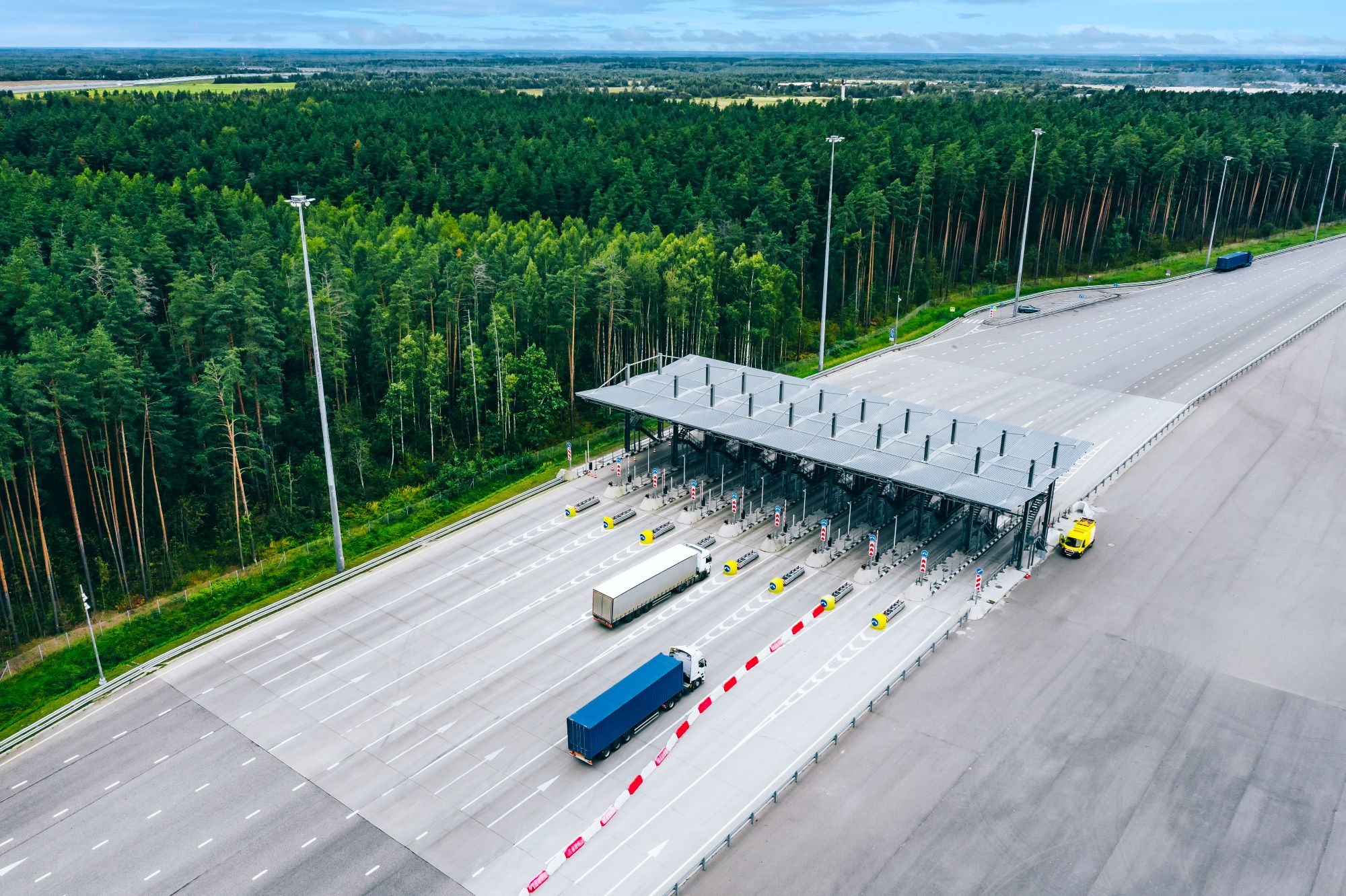
Leto 2026 je zaradi več dogodkov ključno za evropsko cestninjenje.

Nizozemska bo s 1. julijem uvedla cestnino za tovorna vozila na podlagi prevoženih kilometrov, ki bo nadomestila evrovinjeto. Povprečne stopnje naj bi znašale približno 0,19 EUR na kilometer, s popusti za vozila z nizkimi emisijami. Uradne informacije so na voljo na www.vrachtwagenheffing.nl.

Kot smo že omenili, bo Romunija prešla z vinjet na zaračunavanje na podlagi prevožene razdalje, s čimer se bo uskladila s sosednjimi državami.

V Evropi bo razlikovanje na podlagi CO₂ postalo standard, z manjšim številom izjem in strožjim izvajanjem. Električna tovorna vozila bodo še naprej deležna ugodnosti, vendar se popolne oprostitve postopoma nadomeščajo z znižanimi stopnjami in ne z ničelnimi cestninami.

Za vozne parke to pomeni večjo izpostavljenost stroškom na podlagi prevoženih kilometrov in večje spodbude za naložbe v čistejša vozila in boljša orodja za načrtovanje.

Kako cestnine oblikujejo vedenje voznega parka

Upravljavci zdaj ocenjujejo poti, da bi uravnotežili stroške cestnine s porabo goriva in časom potovanja. Naložbe v vozila Euro 6 in vozila z ničelnimi emisijami so vedno bolj upravičene ne le zaradi prihranka goriva, temveč tudi zaradi znižanja cestnine. Poleg tega so v pogodbah s strankami vedno bolj jasno opredeljeni cestninski dodatki, digitalna orodja za optimizacijo poti pa imajo večjo vlogo pri vsakodnevnem poslovanju.

Vozni park zato potrebuje natančne napovedi, posodobljene podatke o vozilih in jasno vidnost izpostavljenosti cestninam po posameznih poteh in strankah. Pri odločitvah o nakupu vozil je treba poleg učinkovitosti porabe goriva upoštevati tudi cestninske razrede. Čezmejni upravljavci morajo dati prednost interoperabilnim rešitvam za cestninjenje in zagotoviti, da vozniki razumejo lokalna pravila plačevanja, zlasti na cestah s prostim prometom.

Najpomembneje je, da se stroški cestninjenja pregledno odražajo v cenah. Ker je cestninjenje vse bolj vezano na emisije, bodo vozni parki, ki načrtujejo vnaprej, lažje zaščitili marže in ostali konkurenčni.

Za vozne parke ni več vprašanje, ali se bodo cestnine zvišale, temveč kako dobro so pripravljeni na njihovo upravljanje. V prihodnjih letih ne bo pomembno le, kako daleč vozilo potuje, temveč tudi, kako čisto, kje in v okviru katerega sistema.

Ker so cestnine vedno bolj povezane z emisijami, prevoženimi kilometri in vrsto vozila, je razumevanje, koliko in kje plačujete, pomembnejše kot kdaj koli prej. SNAP pomaga upravljavcem voznih parkov in upravljavcem upravljati plačila ter voznikom omogoča dostop do varnih in dobro opremljenih postajališč za tovornjake. [Še danes se brezplačno prijavite ] (https://snapacc.com/sign-up/)
Delite z

Tudi drugi berejo...

Header Image

sreda 14 januar 2026 • Novice in posodobitve

NAJBOLJ STRESNA EVROPSKA MESTA ZA PARKIRANJE IN VOŽNJO

Josh Cousens

Driving and parking in Europe’s cities can be a daily headache for HGV drivers — and high stress levels don’t just affect wellbeing; they impact fleet efficiency too. For logistics managers, knowing where these challenges are greatest is crucial for route planning, driver safety, and operational performance.Using social listening to analyse millions of geotagged posts across 150 European cities, our research identifies the places drivers find most stressful. Liverpool tops the list (60.5% of posts show driving-related stress), followed by Prague (59.2%) and Dublin (58.5%). Liverpool also ranks 2nd for most stressful city for parking in the UK. Congestion, scarce parking, and tricky road conditions are the main pain points highlighted by drivers across Europe.This study maps Europe’s HGV stress hotspots using real-world driver sentiment, showing how city conditions affect wellbeing. It is not about ranking countries, but giving fleet and logistics managers clear, actionable insights to support drivers, plan smarter routes, and reduce urban driving pressures.Our research analysed over 14 million geotagged social media posts from 150 European cities, covering driving-related topics such as parking, traffic, and road conditions. Posts were assessed for stress by tracking keywords and phrases linked to negative emotions in English and local languages. Each city was scored based on the percentage of posts expressing stress, providing a clear picture of driver pressure across Europe. Data was collected across major social media platform X (formerly Twitter) throughout 2025.“Stress” covers the pressures fleet drivers face on the road, including traffic, parking, road conditions, general driving, and conflicts with other drivers. Understanding these factors helps support driver wellbeing and performance.As of 2025 for most stressful cities for driving:1. . 60.5% of stressed social posts about parking the highest proportion of stress-related driving posts in Europe. . 59.2% of stressed social posts about parking likely due to dense traffic, historic street design, and limited space for larger vehicles navigating the city. . 58.5% of stressed social posts about parking – Driver stress is strongly linked to congestion delays, parking shortages, and busy commuter routes impacting daily driving conditions.The top 3 most stressful UK cities for parking in 2025:1. . Commonly shortened to as “Newcastle” and located in the county, Tyne and Wear, this city has a staggering 65.3% of stressed social posts about parking, making it the most stressful UK city for parking in 2025. . In Merseyside, 64.4% of social posts about parking in Liverpool express stress. . 63.9% of stressed social posts about parking in this city of North Yorkshire.Scotland also shows elevated parking stress, with ) and ranking among the UK’s most challenging cities to park in. Additionally, (57.9 of stressed social posts about parking. Contributing factors could include narrow streets, dense urban layouts, high demand for limited parking space, and city-centre restrictions, which may increase pressure on drivers.Using millions of geotagged social media posts, we scored each city was by the share of stress-related posts, revealing Europe’s top driving, parking hotspots, and highlighting the urban conditions that challenge drivers most. Our infographic map shows the top cities for driving and parking pressure, revealing key urban hotspots and the challenges faced by drivers in each market.Cities can increase driver stress due to congestion, narrow streets, and complex road layouts. (ranked 1st), (4th), and (5th) all feature among the most stressful cities to drive in England, with between and . Congestion hotspots and bottlenecks — such as and heavily congested routes like .— are key contributors to these elevated stress levels. and is one of Europe’s most congested cities, with due to heavy traffic, highlighting persistent congestion pressures on urban roads. Further social listening focused specifically on Irish motorists revealed that the counties of and recorded notably high parking stress levels, with scores ranging from to These high figures highlight persistent challenges for drivers in these areas, largely driven by heavy car dependency — , . Additionally, Leitrim has local reports of sparse road infrastructure and that contributes driver stress in this Irish county. (ranked 7th) – while not one of the most congested Polish cities overall, , with drivers spending notable time in traffic and major roadways such as the S86 and A4 seeing heavy daily traffic volumes that can contribute to the stress score of 53.6%. Similarly, (ranked 13th) has drivers spending approximately , contributing to its stress score of 50.3% in 2025. (ranked 8th) faces notorious congestion as one of Europe’s most crowded cities, with drivers spending significantly more time in gridlock and due to slow traffic. Spain’s capital; (15th) suffers from heavy congestion, with a . Narrow streets and persistent traffic, especially in areas like make every day driving slow and stressful. Similarly, in Bilbao, in Spain (ranked 20th) on key routes like the A‑8 and BI‑30, causing extended queues and slow movement, which contributes to stressful driving conditions.Parking also contributes to driver and fleet management stress, as limited availability, high demand, and restrictive regulations across Europe’s cities which can delay journeys, increase frustration, and complicate route planning.Also, through social listening, we have collected data on the cities where drivers experience the across Europe, specifically in Romania, Poland, Spain, and the UK. Paying attention to these areas is important for fleet operators, as limited parking availability, high demand, and urban congestion can disrupt schedules, increase delays, and affect driver wellbeing.Our research shows the highest parking stress in Europe is in (83.3%) and (80%) facing issues like limited urban parking spaces and high vehicle density. Similarly, in the UK, (65.3%), (64.4%), and (63.9%) are the cities with the most parking stress for motorists. These located struggle with restricted city‑centre spaces, , congestion and contribute to driver frustration. Romanian cities and , along with the Spanish cities of and , recorded the within their respective countries. However, compared with the UK and Poland, their stress scores are lower — ranging from to — suggesting more manageable parking conditions, fewer bottlenecks, and relatively less pressure on drivers in these urban areas.HGV drivers face pressures that differ from regular car drivers. Limited parking for large vehicles, navigating narrow or congested streets, and high traffic volumes can make urban driving more challenging and stressful, turning routine journeys into time‑pressured, high‑stress experiences.Let us dive deeper into the factors causing stress for HGV drivers:. Scarce lorry bays and high demand make it hard to find safe places to stop, especially in urban centres. The reports an estimated creating significant stress for HGV drivers who struggle to find safe and legal places to park., creating significant stress for HGV drivers who struggle to find safe and legal places to park. . Tight roads and historic city centres require careful navigation, increasing stress and risk of delays in cities like Prague, Dublin, and Liverpool. Heavy commuter and freight traffic slows journeys, increases travel times, and heightens frustration particularly in busier cities like London, Birmingham, Bucharest, and Madrid. Restrictions on vehicle access, extra charges, and rerouting requirements can complicate planning and add pressure. For example, require some HGVs to seek alternate routes. Height and weight limits, prohibited turns, and time-specific delivery windows force drivers onto longer or less convenient routes. Long urban journeys without access to rest areas, fuelling, or amenities can increase fatigue and mental strain for HGV drivers.Stressful cities create challenges for HGV drivers. Congestion, limited parking, and complex urban layouts can lead to lost time, missed deliveries, increased fatigue, and a higher risk of minor collisions or near-misses.Drivers can manage stress by planning routes carefully, taking scheduled breaks, and using technology to anticipate delays or help with . SNAP supports drivers with tools like the intruck app, helping them locate available parking, plan efficient routes, and stay informed about congestion, reducing stress and making and more manageable.Stressful cities do not just affect drivers — they impact fleet performance too. Congestion and limited parking can lead to delayed deliveries, higher fuel and operating costs, reduced driver wellbeing, and increased risk of fines or penalties. These pressures can eat into margins and complicate scheduling, , and customer satisfaction.Fleet operators can overcome these challenges by adopting and support systems: using real‑time traffic and parking insights, building flexible schedules, and . Available at over 850 service partners across Europe, SNAP’s fleet payment solution is used every 12 seconds across the continent to pay for truck services — without cash or a card.Understanding driving and parking stress hotspots across Europe helps fleets operate more safely and efficiently. By using these insights for route planning, driver training, tech adoption, and risk reduction, operators can reduce delays, improve wellbeing, and protect their drivers. SNAP supports this mission for the haulage fleets, offering secure parking, seamless payments, and tools that make daily operations calmer and safer.

Header Image

četrtek 08 januar 2026 • Novice in posodobitve

SUTTERTON TRUCK STOP: DVIG STANDARDA ZA UDOBJE IN VARNOST VOZNIKOV

Susie Jones

Situated on the A17 and a short drive from Boston is , a haven for truck drivers transporting goods along this stretch of road. The location provides not only a truck stop with the usual amenities one would expect clean showers, toilets, shop, and refuelling options but it also presents drivers with the choice to dine at the Roadside Diner, providing visitors with an American-themed restaurant with a variety of meals. We sat down with Director James Townsend to discuss improvements to the site, driver welfare, site security, and their long-standing relationship with SNAP. explains James. The site has undergone a major refurbishment, prioritising the needs of truck drivers. Nestled inside the truck stop is the new roadside diner. James and the team have recently taken back ownership of this and refurbished it. James says. He goes on to explain that it was more than upgrading existing facilities, but providing drivers with the right facilities to make the site a home away from home. SNAP asked truck drivers parking at Sutterton what they thought of the new facilities on offer. One driver commented:When it came to the design of the truck park, the site worked closely with SNAP to maximise the site’s potential:Driver welfare still remains a huge priority for those working in the industry, with investment into truck parking lacking, something James is all too aware of after working with the DFT. he explains. While investment is valuable, directing it into the right facilities for truck drivers is also imperative. James states. James and the rest of the team work closely with SNAP’s UK Network Team as well as , providing them with a single, clear point of contact should any issues arise. explains James. Having the support in place for complaints and technical issues is a major advantage for a truck stop like Sutterton, which often manages competing demands. Working with SNAP has delivered additional benefits as well, as James goes on to say:To ensure truck drivers get a good night’s rest, ensuring the site is as safe and secure as possible was vital for Sutterton Truck Stop. Working with SNAP Access & Security from the outset has allowed James and the team to do exactly that. says James. The site is a firm believer in training its staff to deal with incidents if they occur. Inspired by what you’ve just read? Catch the full interview with

Header Image

petek 19 december 2025 • Novice in posodobitve

JE VAŠA FLOTA TARČA? PREDNOSTNA OBRAVNAVA VARNOSTI V TEHNOLOŠKO SPRETNEM SVETU

Guest

Cybersecurity readiness must be a top priority for fleet owners and managers in the United Kingdom. The rapid digital transformation in the transportation and logistics industry has made fleets attractive targets for hackers. Learn about the cybersecurity trends fleet operators must be aware of and strategies you should adopt to lower your susceptibility to attacks.The advent of connected vehicles, push for fleet electrification, integration of Internet of Things (IoT) devices and reliance on automation have expanded the attack surface opportunistic cybercriminals can exploit to infiltrate your network.Vulnerable telematics back-end systems, insecure over-the-air firmware updates and buggy APIs are common entry points for phishers, data thieves, business saboteurs and ransomware attackers. Threat actors are also increasingly leveraging artificial intelligence to launch more believable scams.Falling victim to a cyberattack can cause more than extended, unscheduled downtime. A high-profile security incident can inflict severe reputational damage on your organisation and harm your business in the long term.Although your cyber insurance coverage may compensate you millions for losses, the financial impact can lead to insolvency — as happened to KNP Logistics in June 2025. An Akira ransomware attack exacerbated this major logistics group’s preexisting financial struggles, and let go of 730 employees.Every business is at risk from cyberattacks, but these strategies can help make your fleet management software and vehicles less vulnerable.A robust threat intelligence platform strengthens cybersecurity, as it allows you to proactively defend your assets from malicious actors and minimise your losses if they target you. Here are the primary ways to use threat intel to improve your security posture:Contextualisation enables your team to identify the perpetrators behind specific attacks, understand their motives and capabilities, determine what they want from your organisation, and comprehend their methods. Context transforms raw threat data into actionable intelligence, enabling you to inform your decision-making.Attackers evolve, so learning how they operated in the past is not enough to accurately anticipate their future actions. A threat intelligence platform can help you keep pace with known malicious actors and familiarise your team with relatively unknown ones. Some organisations use deception technologies to lure cybercriminals and watch them in action in a controlled environment.A software solution that can integrate into your company’s existing tools breaks down silos and allows threat intelligence to flow freely across teams. Cross-departmental collaboration is the key to implementing an organisation-wide cybersecurity strategy effectively.A threat intelligence platform can monitor your network activity and sense attack patterns early enough to notify your Security Operations Centre or IT professionals immediately. Early detection is vital to count threats before they infiltrate deeply into your system and cause more harm.Responding to urgent incidents involves less manual work with a threat intelligence platform. This software solution can orchestrate essential tasks to mitigate breaches, enabling your in-house cybersecurity professionals to focus on activities where human input is more impactful.Regulatory frameworks and data privacy standards are becoming more stringent over time. A threat intelligence platform aids compliance by ensuring that your team handles sensitive data responsibly and generates detailed reports to document your best practices.Zero trust minimises the likelihood of unauthorised access to fleet management systems by continuously verifying every user and device and enforcing identity-centric access control.This approach acknowledges that threats can come from within the organisation. Assuming that each request may come from a malicious actor reflects the level of vigilance you must exercise to protect your operation from sophisticated attacks and help your team adapt to complex, dynamic environments involving remote users, IoT devices and cloud services.After verification, zero trust gives users and devices just enough access to perform specific tasks. The principle of least privilege enables effective threat containment if a cybercriminal gets in.According to Cybersecurity Insiders’ 2024 Insider Threat Report, insider threat attacks have spiked. In October 2024, 51% of the 413 respondents in IT and cybersecurity reportedly over the past year. 29% reported spending over $1 million on remediation.The adoption of new technologies is a primary driver behind the rise in these cyberattacks. Investing in employee training is crucial for preventing team members from becoming insider threats.Provide target users with sufficient resources to familiarise themselves with the technologies. Highlight the ways they may inadvertently leak sensitive information or compromise the system. Tell them the red flags to watch out for to identify malicious schemes and teach them safe, responsible ways to deal with cybercriminals.Tight physical security can safeguard your assets from digital hijackers. Effective physical protection often involves a layered approach, which includes perimeter fencing, strategic placement of surveillance equipment and tamper-evident vehicle electronics casings. Additionally, limiting visibility with opaque doors , thereby adding an extra layer of protection to your physical security. Blending physical safeguards with digital solutions can restrict what hackers can do, even if they manage to gain control over fleet vehicles. In 2022, a group of hacktivists attacked the Russian ride-hailing service Yandex Taxi and directed in the same place in western Moscow. The incident should serve as a wake-up call to embrace measures to immobilise your assets if criminals remotely take control of the driver’s seat.Your company is only as strong as the weakest link in your supply chain. The positive impact of impregnable internal cybersecurity diminishes when third-party vendors make it easy for lawbreakers to steal your data from elsewhere. For instance, temporarily could jeopardise your cybersecurity if your lessor has outdated software.Working with supply chain partners that are as particular about cybersecurity reduces your risk exposure. Integrating your suppliers’ systems into your threat intelligence platform ensures better coordination during data breaches. Close collaboration with critical external parties promotes cybersecurity readiness and helps everyone prepare for potential attacks.Contending with online threat actors is inevitable in modern fleet management. Prioritise proactive strategies to stay ahead of hackers. By implementing a multi-layered defence that combines technology, employee training and strategic partnerships, you can build a resilient operation. This stance protects your current assets and secures your company’s future in an increasingly connected world.Discover more from