Susie Jones
Новини та оновлення • 5 хв читання

Байки далекобійників: історії з відкритих доріг

Створено: 22.08.2024

Оновлено: 22.08.2024

Ми хочемо пролити світло на спільноту вантажоперевізників і познайомитися з людьми за кермом.

Від гелікоптерів, що приземляються перед вантажівками, до автомобілів, що виїжджають на зустрічну смугу, - дізнайтеся більше про водіїв, які доставляють ваші вантажі.

Алан

Алан працює водієм вже 23 роки і вирішив приєднатися до цієї індустрії після того, як послухав пісні Еллі Томсон про водіння вантажівок. Коли його запитують, що він найбільше любить у цій роботі, він відповідає, що це "усамітнення, яке приносить водіння вантажівки - повне відокремлення від домашнього життя".

Вантажівки Volvo - його улюблені, адже він подорожує Великобританією, перевозячи товари з Amazon. Він каже, що перевозив багато цікавих товарів: "Вибір безмежний - просто подумайте про все, що продає Amazon".

Водіям, які паркуються на ніч, важко розважитися під час простою. Однак досвідчені водії, такі як Алан, мають свій вечірній розпорядок дня до дрібниць. Він каже, що "любить дивитися Sky TV через iPad", коли паркується на ніч.

Для водіїв, які намагаються не нудьгувати за кермом, ми підготували список способів запобігти нудьзі.

Хоча довгі години в дорозі можуть здатися багатьом монотонними, Алан пояснює, що завжди є щось, що тримає його в тонусі.

"Думаю, найбожевільніша річ, яку я бачив за кермом, - це вертоліт, що приземлився прямо переді мною", - пояснює він, і це далеко від монотонної репутації, яка окутала галузь протягом десятиліть.

Маючи за плечима 23 роки роботи в цій галузі, Алан пропонує кілька порад, які допоможуть зберегти ваш перламутрово-білий колір під час подорожей.

Він пояснює: "Порада, яку я б дав усім новачкам у цій галузі, - завжди пам'ятати, що ваша зубна щітка має бути зарядженою".

Річард

36 років тому Річард розпочав свою кар'єру в галузі вантажоперевезень і ніколи не озирався назад. Він підхопив водійську хворобу, коли приєднався до двох своїх старших братів, щоб допомагати доставляти вантажі по всій Великій Британії.

"Я люблю завантажуватися і вирушати в дорогу. Я сам вирішую, коли мені робити перерву і де зупинитися. Бути в дорозі і подорожувати по всій Великобританії - це чудово", - пояснює він.

За час своєї кар'єри життя на дорозі привело його до Мілану, Італія - виснажлива подорож навіть для найдосвідченіших водіїв. Коли його запитують, як він розважається під час подорожей, він відповідає: "Я люблю слухати музику і дивитися фільми під час простою".
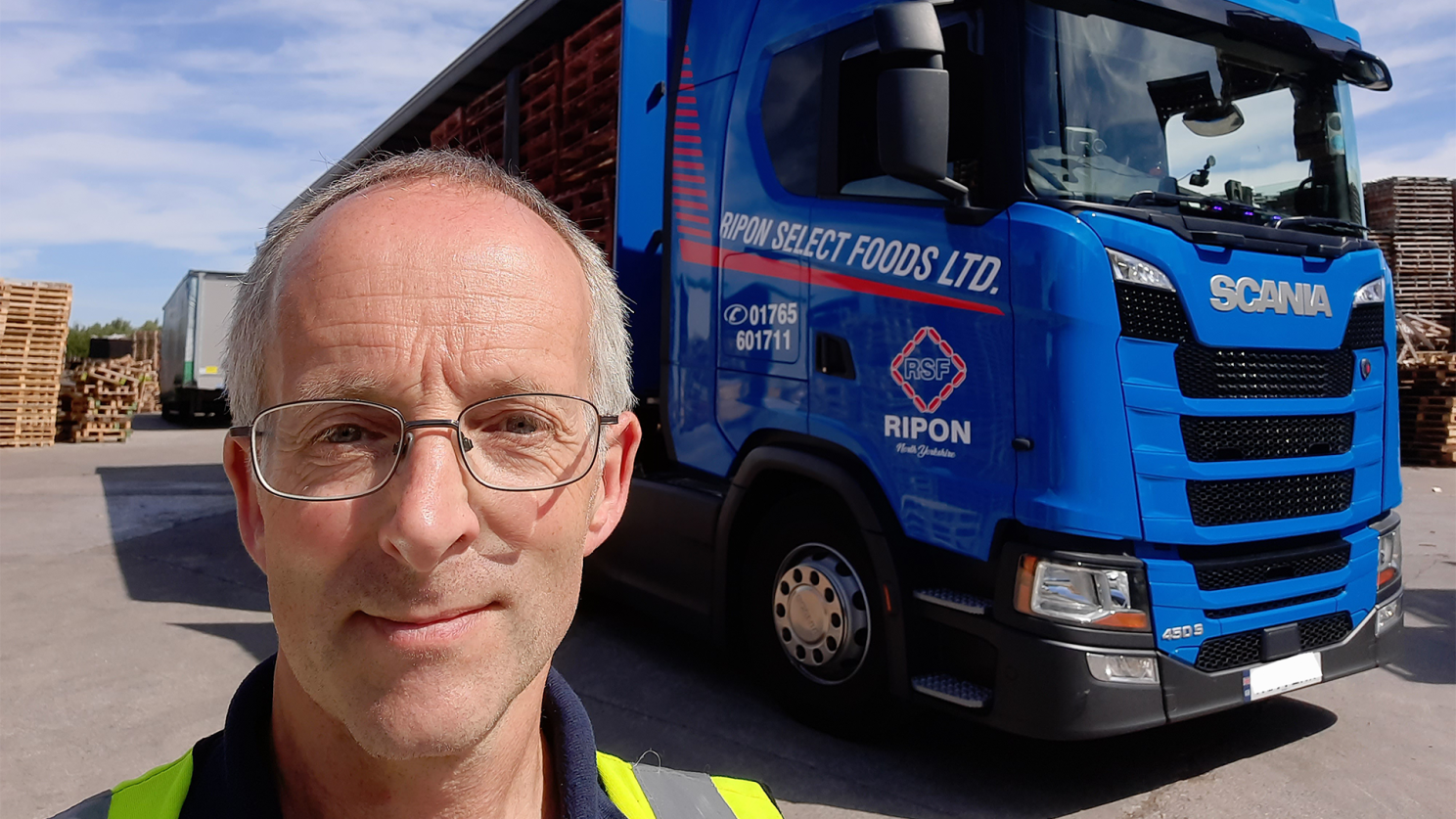
Найкраща вантажівка для цього? "Це має бути Scania Next Generation 450S", - каже він.

Для Річарда 30 років у цій галузі не обійшлися без божевільних історій і незвичайних доставок: "Я бачив, як машина їхала не в той бік по автобану, як з'їжджала з дороги, що ковзала. Найцікавіше, що я перевозив у кузові вантажівки, - це поплавок з параду на День Святого Вілфреда".

Хоча Річард все ще любить відкриту дорогу, він стверджує, що іноді за це доводиться платити. Він пропонує чудове розуміння реальності цієї професії та поради для тих, хто хоче приєднатися до цієї галузі.

"Дуже добре подумайте, чи підходить вам ця кар'єра. Очікуйте довгих робочих годин і відсутності сімейного життя".

Шон

Шон виріс у сім'ї водіїв, тому водіння вантажівок було у нього в крові. 20 років тому він сів за кермо і почав свою кар'єру в галузі вантажоперевезень.

Ця робота має багато переваг, але Шон найбільше любить свободу, яку вона дає. Ця свобода привела його аж до Шотландії на шеститижневе служіння. Під час цих довгих подорожей його розвагою є дзвінки друзям і перегляд телевізора.
Крім того, зупинки вантажівок відіграли для Шона ключову роль у боротьбі з ізоляцією, яку приносить водіння. Зупинки вантажівок, які часто є роєм активності, дозволяють Шону наздогнати друзів під час подорожі.

Ці піт-стопи - чудова нагода почути божевільні історії від інших водіїв вантажівок. Як і Річард, найдивнішою річчю, яку бачив Шон під час своїх подорожей, була "машина, що їхала не в той бік автостради в темряві" - історія, яка дуже часто трапляється серед водіїв-далекобійників.

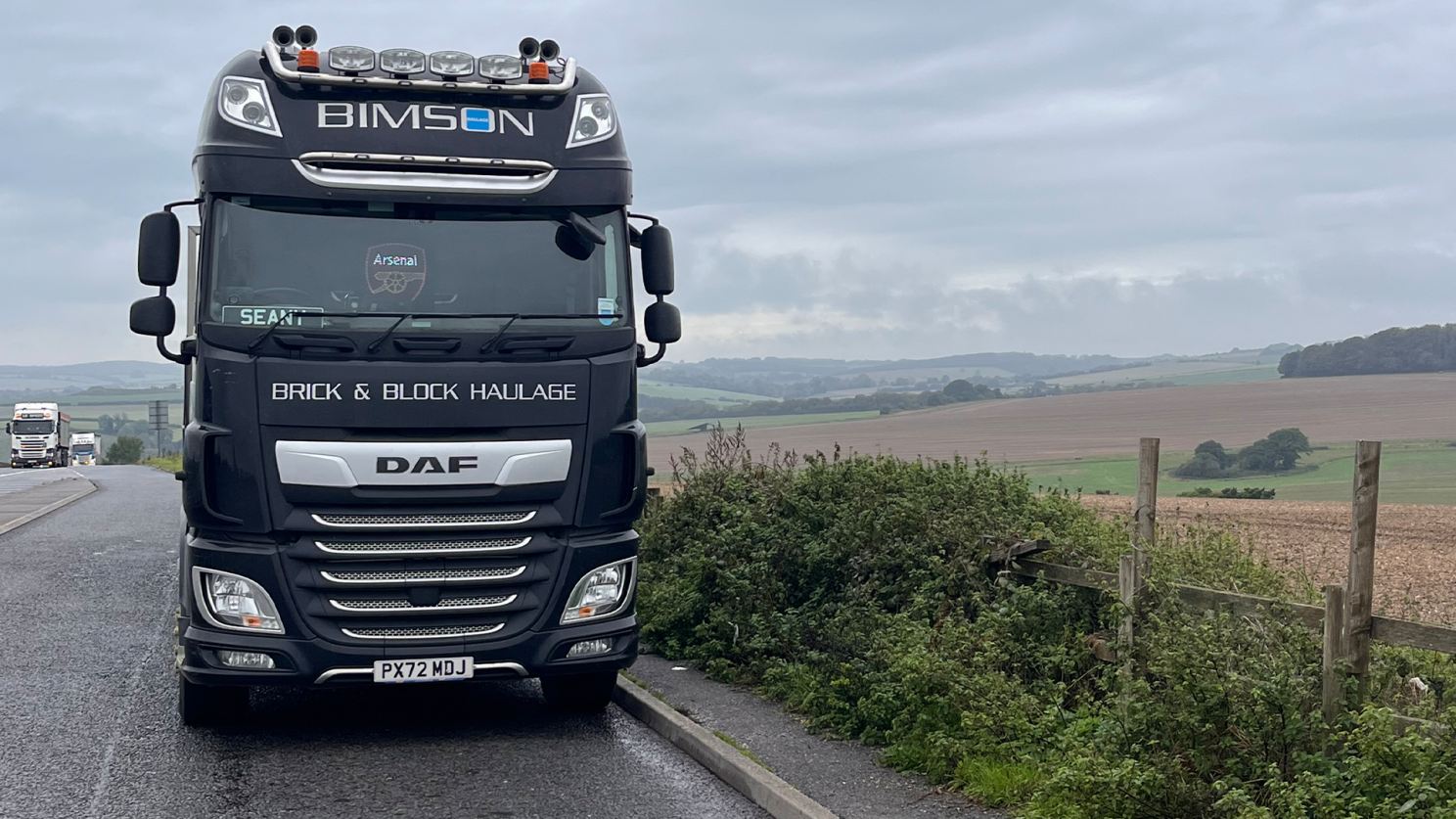
DAF XF 530 - улюблена вантажівка Шона для перевезення будівельних матеріалів по всій Великобританії. Він радить усім, хто хоче зробити кар'єру в галузі вантажоперевезень, "просто спробувати!"

Дейв

Дейв водить вантажівки вже 30 років і встиг побувати в Данії та Іспанії. Коли він не подорожує на своїй улюбленій вантажівці Volvo FH, він любить дивитися серіали в комфорті своєї кабіни.

"Поведінка деяких водіїв змусила мене розповісти кілька божевільних історій", - пояснює він. Однак, коли ми запитали Дейва про найцікавішу річ, яку він перевозив у кузові своєї вантажівки, він залишився небагатослівним - "це цілком таємно", - стверджує він.

За 30 років роботи у сфері вантажоперевезень Дейв дізнався кілька цікавих фактів про цей світ. Він дає чудову пораду тим, хто хоче розпочати свою кар'єру в цій галузі: "Переконайтеся, що ви на чомусь спеціалізуєтеся".

Аластер

Відносно новачок у цій галузі, Аластер вирішив продовжити кар'єру водія вантажівки, щоб мати чим зайнятися після виходу на пенсію. Маючи п'ять років за плечима, він насолоджується різноманітністю професії більше, ніж будь-чим іншим.

За цей час Аластер встиг помандрувати Великобританією та Європою: "Я побував в Інвернесі, Копенгагені, Лісабоні, Будапешті та Римі", - розповідає він.

Щоб не нудьгувати, Аластер любить слухати "Radio 4, LBC та 5 Live".

Подорожуючи Європою, він не раз був свідком незвичної поведінки інших учасників дорожнього руху. Однак ближче до дому йому довелося маневрувати своєю вантажівкою через "демонстрації в Лондоні. Це була, мабуть, найбожевільніша річ, яку я пережив", - пояснює він.

Для фанатів агента 007 Аластер розповідає, як йому доводилося перевозити надсекретні предмети.

"Найцікавішою річчю, яку я перевозив у кузові вантажівки, були б, мабуть, експонати з виставки про Джеймса Бонда", - каже він.

Хоча Аластер працює в цій галузі не так давно, у нього є кілька слів для новачків.

"Порада, яку я б дав тим, хто думає про те, щоб приєднатися до світу перевезень, - зберігати спокій".

Шон V

Любов Шона до доріг сягає корінням у літні канікули, проведені з батьком у його вантажівці. Після 30 років за кермом його любов до водіння продовжує зростати.

"Що мені подобається в цій роботі, так це можливість побачити всі красиві місця у Великобританії та Європі", - пояснює він. Завдяки цій роботі він побував у різних місцях, а найвіддаленішим з них був Рим.

Коли він не досліджує міста, Шон любить розважатися, дивлячись телевізор, використовуючи свій iPad, а до недавнього часу - граючи в ігри в комфорті власного таксі.
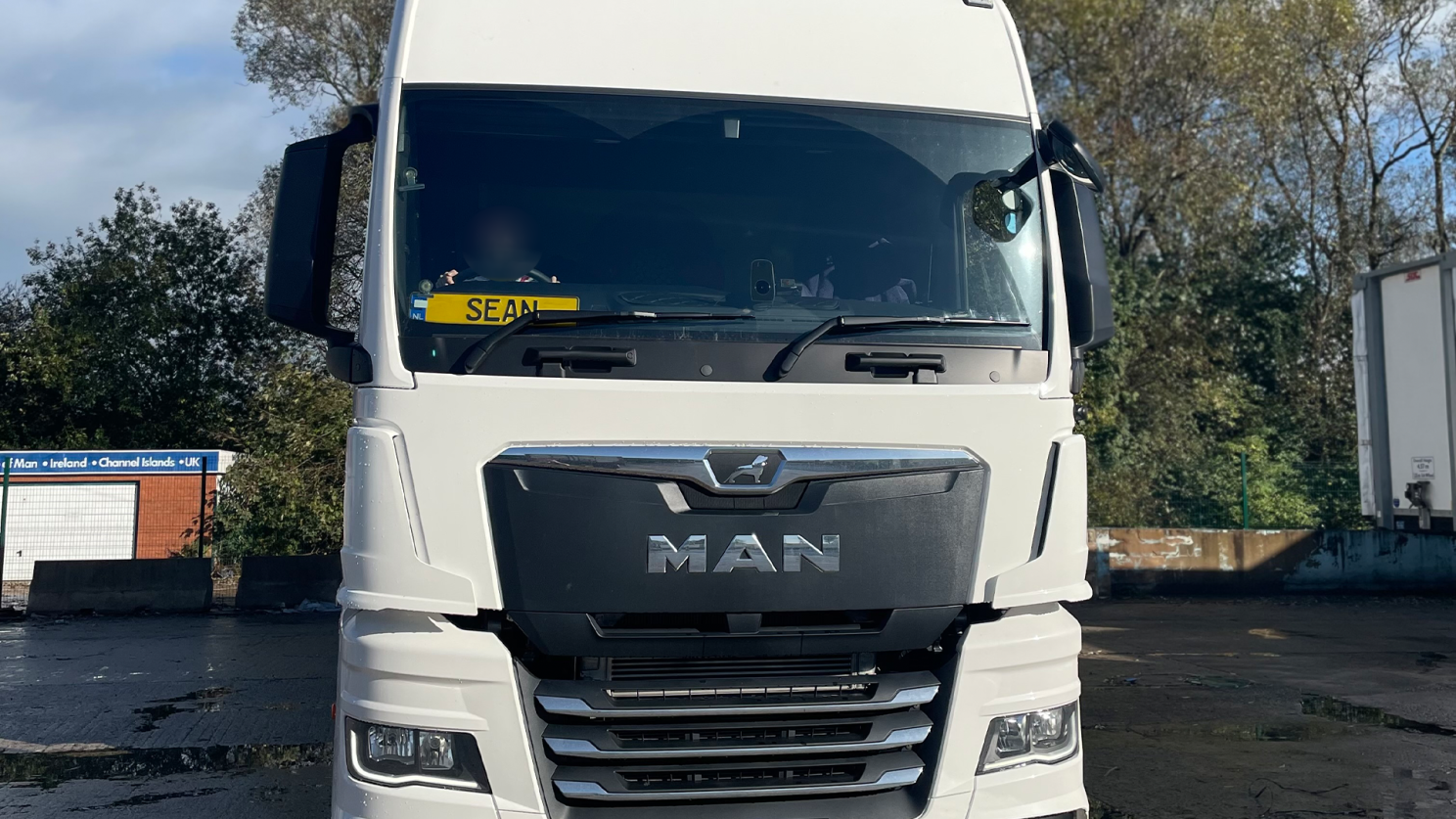
Найбожевільніша річ, яку він бачив на дорозі?

На жаль, Шон став ще одним свідком картини, яка дуже часто зустрічається серед водіїв вантажівок - "машина їде по автостраді в неправильному напрямку", - пояснює він.

Протягом 30-річної кар'єри Шон стверджує, що вантажівки DAF були його улюбленими, а найцікавішим вантажем, який він перевозив, було "спеціалізоване медичне обладнання".

Любов Шона до галузі переважує деякі негативні аспекти роботи. Однак для тих, хто хоче розпочати свою кар'єру в галузі вантажоперевезень, він може запропонувати ці мудрі слова:

"Якщо ви думаєте приєднатися до індустрії, будьте готові до того, що вам доведеться працювати довгі години".

Підпишіться на SNAP вже сьогодні

SNAP полегшує ваше життя, підключаючи вас до нашої широкої мережі автотранспортних послуг. [Підпишіться сьогодні.] (https://snapacc.com/sign-up/)

Поділіться на

Читайте також...

Header Image

середа 25 березня 2026 • Новини та оновлення

ЯК СИСТЕМИ ПРОГНОЗУВАННЯ ПРИБОРКУЮТЬ НЕВИЗНАЧЕНІСТЬ ДОСТАВКИ

Evelyn Long

Delivery operations rarely unfold exactly as planned. Even the most carefully designed logistics schedules must contend with an unpredictable world. Travel congestion can add hours to a route, severe weather can delay entire regions and a single vehicle breakdown can disrupt dozens of deliveries scheduled throughout the day. When these disruptions occur, they often create a chain reaction that affects drivers, warehouses, customers and operational costs. For companies that operate fleets, whether they deliver packages, medical supplies, food or construction materials, this uncertainty can significantly impact business performance. Missed delivery windows frustrate customers and can damage brand reputation. Delays can also increase fuel costs, overtime pay and operational inefficiencies. In industries where margins are tight, even small disruptions can add up quickly.What makes delivery uncertainty especially challenging is how interconnected modern logistics networks have become. A delay at one point in the system can ripple outward, affecting multiple routes and schedules. Without the right tools to anticipate and manage these disruptions, businesses are often forced to react in real time, which can lead to rushed decisions and inefficient solutions.One of the key technologies helping organisations manage delivery uncertainty is the Internet of Things (IoT). IoT refers to networks of connected devices, such as sensors, GPS trackers and telematics systems, that connect and transmit real-time data from vehicles, equipment and infrastructure. In fleet operations, IoT devices can monitor a wide range of conditions. GPS tracking for vehicles on the road. Engine sensors can track vehicle performance and detect early signs of mechanical issues. Temperature sensors can ensure that sensitive cargo remains within required conditions during transit. Together, these data streams create a detailed picture of what’s happening across an entire delivery network. This level of visibility is essential for managing uncertainty. When managers can see where vehicles are, how they’re performing and whether any issues are developing, they can respond much faster. Instead of discovering a problem hours later, they can address it as soon as the warning signs appear. In many cases, this visibility also feeds into predictive systems that analyse the data and forecast potential disruptions before they occur. While IoT provides the data, AI offers the intelligence needed to interpret it. AI systems analyse large volumes of operational information, including traffic patterns, weather forecasts, vehicle performance metrics, delivery history and route efficiency. By identifying patterns in this data, to occur and recommend adjustments. For example, predictive algorithms can analyse historical traffic conditions along a delivery route and estimate when congestion is likely to occur during certain times of day. If the system detects that a particular route will likely experience delays, it can suggest an alternative path before the driver even leaves the depot. Similarly, AI-driven maintenance systems can analyse engine data and identify early warning signs of mechanical problems, allowing repairs to be scheduled before a breakdown occurs on the road. Predictive systems work best when they combine data from multiple sources and translate that information into actionable insights. In a fleet environment, this often means integrating vehicle telematics, weather data, delivery schedules and live traffic information into a single predictive platform. When all of this data is analysed together, the system early. For example, if a severe storm is forecasted along a delivery route, the network can recommend adjusting departure times or rerouting drivers to avoid affected areas. If sensors detect that a vehicle component is likely to fail soon, it can schedule maintenance during planned downtime rather than allowing a breakdown to disrupt deliveries. Over time, these predictive adjustments make delivery operations smoother and more efficient. Routes become more optimised because the system continually learns from previous trips. Maintenance becomes strategic because vehicles are rather than fixed schedules. Even warehouse operations can improve, since more accurate delivery predictions allow teams to better coordinate loading and unloading processes. Beyond preventing disruptions, predictive systems also help fleets operate more efficiently. Businesses that have access to reliable forecasts and operational insights can plan routes, staffing and vehicle usage with greater precision.For instance, predictive analytics can identify patterns in delivery demand, allowing companies to allocate resources where they’re most needed. If certain routes consistently experience delays during specific hours, schedules can be adjusted to avoid those peak periods. Fuel usage can also be optimised by identifying more efficient routes or driving patterns. Over time, these incremental improvements add up. Vehicles spend less time idling in traffic, drivers spend more time completing deliveries rather than waiting or rerouting, and customers receive more accurate delivery estimates, and satisfaction. Another key benefit of predictive technology is the ability to monitor and control systems remotely. As connected devices become more common, consumers and businesses expect this level of oversight and convenience. A survey found that smart garage door openers consider remote monitoring and control to be a crucial feature. While this statistic relates to residential technology, it highlights a broader shift in expectations. People increasingly value the ability to check on systems, receive alerts and manage operations from anywhere. The same mindset is becoming more important in professional logistics environments. Fleet managers want to see vehicle locations in real time, receive notifications about potential issues and make adjustments without needing to be physically present. Predictive systems support this capability by turning complex operational data into clear, actionable insights that can be assessed remotely. While predictive systems provide clear advantages, they also introduce new considerations that businesses must address. In 2024, the of suspected internet crime. As fleets become more connected and reliant on digital platforms, cybersecurity becomes increasingly important. IoT devices, cloud platforms and AI-driven systems all rely on network connectivity and data exchange. Systems that aren’t properly secured could become targets for cyberattacks. A compromised system could disrupt operations, expose sensitive data or interfere with fleet management tools.Delivery uncertainty may never disappear entirely, but predictive systems are making it far more manageable. By combining IoT connectivity with AI-driven analytics, fleet operators can gain deeper visibility into their operations and anticipate problems before they disrupt schedules. As these technologies continue to evolve, they will play an important role in helping fleet-based businesses reduce uncertainty, streamline operations and deliver a more consistent experience for their customers.Discover more from

Header Image

середа 11 березня 2026 • Новини та оновлення

ПРОАКТИВНІ ПОРАДИ ЩОДО БЕЗПЕКИ ТА ПРОДУКТИВНОСТІ АВТОПАРКУ В БУДЬ-ЯКИЙ СЕЗОН

Guest

Fleet performance rarely unravels overnight. It slips through small oversights — a missed service interval, worn tread or a delayed depot repair. As a UK fleet manager, the cost of reacting late shows up in downtime, higher insurance premiums and risk to your reputation.Your proactive, seasonal strategy protects the vehicles, drivers and infrastructure before temperature-triggered issues escalate. Align maintenance cycles with weather patterns, operational peaks and compliance demands. Your fleet will be steadier, safer on the road and reduce unwelcome surprises.Reactive fleet management costs you more. Emergency repairs can disrupt tight schedules, strain budgets and frustrate even the best drivers. In contrast, effective forward planning can reduce unplanned downtime and extend vehicle life cycles.Predictive maintenance and seasonal checks are strategic in supporting compliance. The Driver and Vehicle Standards Agency can for roadworthiness at any time, not just during the annual inspection. A prevention-first culture demonstrates your team’s due diligence and strengthens your Operator Compliance Risk Score, without warning.Driver retention links closely to this mindset. Vehicles that are reliable in winter, maintain cabin comfort in summer and feel safe in poor weather send a clear message that your organisation values professionalism and safety.Longer daylight hours and increased road activity shift risk profiles. Construction zones expand, cyclists and pedestrians increase and higher temperatures stress mechanical systems.Introduce quarterly automobile network checks before weather changes set in.: Ensure all vehicles’ air conditioning systems operate efficiently. Comfortable drivers remain more alert and calm on long routes and in heavy traffic, while being hot and bothered behind the wheel fosters reckless driving. : Check radiators, coolant levels and hoses. Heat accelerates wear and can trigger overheating if systems run hot due to environmental factors. : Rising temperatures can affect tyre pressure. Confirm correct inflation and inspect for sidewall damage to reduce the risk of blowouts. Hot road surfaces also wear tyre tread more easily, affecting braking capacity. Reinforce safe driving techniques that consider sun glare, roadworks and higher traffic density. Consider installing tinted windshields when drivers face extreme light conditions.Heat amplifies even minor engine weaknesses. Address mechanical safety early, and you'll prevent mid-season breakdowns or disrupted delivery windows.Shorter days, heavy rain and icy surfaces demand that your team is on top of their game. Autumn brings leaves and debris that litter already-slick roadways, and winter compounds the challenge with frost and failing batteries. Prepare before these conditions set in to keep your mobile assets from deteriorating:: Inspect all headlights, brake lights and indicators. Replace worn wipers, top up the windshield washer reservoirs with de-icing chemicals rated for low-temperature use and add anti-freeze to radiators. : Confirm adequate grip depth on all wheels for additional safety on wet and icy roads and consider swapping to winter sets where routes justify the investment. This is also an ideal time to check your fleet’s tyre ages, as no commercial vehicle may be on the road in the UK with ago, which are considered unroadworthy. : Cold weather reduces battery efficiency. Test older units and replace those nearing the end of life. Trickle chargers help maintain truck batteries' charge when drivers must stop to meet their rest requirements. : Low light and adverse weather can trigger anyone's natural sleep instinct, so manage drivers' alertness levels. Review route planning and rest policies to reduce strain or assign two drivers on longer routes.Vehicle readiness supports road safety, yet infrastructure also plays a role. Poor depot lighting, icy yard surfaces or malfunctioning entry points can delay departures and create hazards before trucks even reach public roads.Mobile asset safety starts at the depot. Vehicles often sit for hours in storage yards or warehouses. A compromised facility exposes high-value assets to theft, weather damage and operational delay. Commercial lots or warehouses are vulnerable matter.Rolling doors and access points demand particular attention in the UK’s damp climate. Corrosion frequently begins at exterior door components, affecting guides and structural elements. Over time, degradation can trigger failures that halt departures or compromise security. Noncorrosive rolling doors made with , like stainless steel, provide safety for the fleet’s vehicles and secure valuable manifests at depots.Businesses operating in high-moisture or coastal environments should invest in corrosion-resistant products. Use cleaning agents and lubricants to prevent hinges and mechanisms from seizing up. Functional doors safeguard operations because a primary access door that fails during peak dispatch hours can result in vehicles missing slots and customer confidence slipping. Proactive facility maintenance reduces that risk.Broader property readiness matters, too. Seasonal inspections of drainage, roofing and external lighting strengthen operational continuity at all hours of the day. Thorough winter preparation should prevent structural and water-related damage. Treat your depot as part of the company's mobility ecosystem by securing doors and maintaining clean yard surfaces. Resilient infrastructure protects vehicles before they reach the road.Technology strengthens your seasonal planning. Telematics platforms provide a wealth of information, including identifying braking patterns, fuel efficiency shifts and early warning codes before faults escalate. Advanced driver-assistance systems add further safeguards, particularly in low-visibility conditions.Use AI to help you analyse data and create workflows that meet each season’s changing needs. Data-driven insights inform scheduling. Use analytics to identify recurring battery failures in cold-region trucks or cooling issues during summer peaks. Adjust the fleet's scheduled maintenance according to telematics guidance.Modern trucks with telematics can of data per minute from hundreds of sensors, which is only useful if you have the computing systems to extrapolate findings and trends that inform maintenance and performance schedules.Proactive company asset management evolves beyond checklists. It becomes a continuous improvement process informed by data, temperatures and infrastructure integrity.Seasonal transitions present predictable challenges from heat-stressing engines, cold-draining batteries and moisture corroding structural components. Increased traffic and vehicle use alter risk patterns.Address these variables before they disrupt your team’s operations. Align maintenance cycles with weather trends, reinforce driver training ahead of weather shifts and invest in resilient depot infrastructure.A fleet that anticipates change operates with confidence and performs consistently with improved safety metrics and decreased downtime. Those incremental advantages compound into measurable operational strength.

Header Image

понеділок 26 січня 2026 • Новини та оновлення

ПІДГОТУВАТИ БЮДЖЕТ ВАШОГО АВТОПАРКУ НА 2026 РІК ДЛЯ (НЕ)ОЧІКУВАНИХ ВИТРАТ

Guest

Preparing your fleet budget goes beyond simple financial exercises. As a manager, you need strategic oversight to navigate economic headwinds and an evolving regulatory framework. It is essential to prepare your company for unexpected events, as these instances define operational stability and success. Here’s how to build a responsive budget and get ready for future challenges. Being a fleet manager means foreseeing both the predictable trends and significant uncertainties. The following seven strategies are designed to absorb shocks, adapt to change and build resilience. Your budget may have a fixed monetary amount each year. While simple, it could be too static when anticipating unexpected events. Make your financial planning more dynamic by allocating a specific percentage rather than a fixed amount. For instance, your emergency fund could be 5% of the total budget instead of $100,000 annually. Using a percentage is wise because it hedges against inflation. A fixed amount loses purchasing power over the years, whereas a percentage-based fund grows with the budget. You get automatic protection from marketwide surges. Consumer prices in the U.K. , though they can quickly fluctuate due to market conditions. Fleet managers used to determine their budgets based on acquisition prices. Now, they are focusing on budget stability and long-term strategies. Make your process more holistic by managing the total cost of ownership (TCO) and the cost per vehicle over their lifetimes. This approach makes you more meticulous and your budget more dynamic. Mastering TCO involves centralising your data and using dedicated fleet management software. This technology helps your business by and recommending conservation strategies. TCO also enables you to forecast the year for each vehicle based on historical information. Use this to make more informed acquisitions and save money. A volatile economic climate means you need to contain costs. Leverage your company’s position by reviewing supplier contracts and considering renegotiations before renewal. This strategy converts unpredictable expenses into more manageable line items. Your business partner may raise prices on essential goods, so your meetings should lock in prices for tyres and oil. Narrow your negotiation to key areas, such as pricing structure. Your primary focus should be fixed-price agreements for high-volume items and standard labour rates. Savvy fleet managers leverage their spending from the previous year to earn volume discounts and capped increases. These properly managed contracts insulate your business and transfer risk to suppliers. Risk management for your fleet budget also includes insurance optimisation. Managers should turn this annual exercise into an opportunity to protect their business from financial debilitation. The right policy is crucial because it protects against shocks that can result in third-party damage or injury. It also increases predictability by turning repair bills into known variables. Insurance optimisation requires a thoughtful, data-driven process. Give your broker a risk management portfolio to showcase positive trends, such as fewer speeding incidents or less harsh braking. If you have policy excess, ask your insurer to model the premium savings for a higher deductible. Therefore, you can save money on your monthly payment. Maintenance and repairs can be unpredictable and expensive. One breakdown on the M6 could require costly engine work or a transmission replacement. Be proactive by implementing structured service schedules. Beyond the manufacturer's guidelines, you should create detailed plans for each vehicle based on its usage and age. You can dive deeper by including motorway driving and city travel. Your maintenance schedule should also include daily tasks. For example, experts to prevent condensation formation. If the tank is close to empty, sediment buildup and pump damage may occur. Cleaning is another nonnegotiable daily chore, especially when driving over road salts and chemicals. Rinse off dirt and other contaminants before storing vehicles. Accidents are among the most unexpected parts of your fleet budget. Besides the crash, managers must also and solicitor fees. However, proper driver training can mitigate this cost by reducing its frequency. Targeted coaching helps operators understand defensive driving, hazard perception and the specific dynamics of their jobs. Investing in driver training is one element of risk control. Human driving can be unpredictable, but education transforms it into a more consistent variable. By improving your drivers, you also help your insurance premiums. An accident can raise rates, so proper training is one way to control costs. A decrease in incidents can be used as leverage in insurance negotiations. Fleets are becoming more connected as they transform into data hubs. Your vehicles can generate and store vast amounts of information, which is essential for management. However, the connectivity exposes the modern automobile to liabilities. Budget for cybersecurity to protect your assets from digital threats and prepare for the unexpected. Managing this part of your fleet budget involves protecting vehicle systems. You could invest in hardware and software solutions to create firewalls around your GPS and V2X communications. This strategy helps keep your software up to date and protected from external threats. Secure data transmission is another part of preparing for the unexpected. Forward-thinking managers invest in fleet management systems with end-to-end encryption. Before building a resilient operation, it is essential to understand why. You should budget for unexpected events to ensure continuity. If a vehicle breaks down, it could halt operations and delay services. However, planning for these incidents provides a buffer and safeguards your bottom line. All vehicles are subject to failure, so you are preparing for the physical reality. This strategy is also essential for the bigger picture. For instance, economic volatility is a factor outside your control. Sudden inflation, interest rate hikes and price increases are detrimental to static budgets. However, planning for unexpected costs helps absorb them. By accurately forecasting expenses, you build financial discipline and credibility with stakeholders.Building a dynamic budget demonstrates strategic leadership more than defensive measures. As you incorporate wise approaches, you fundamentally shift your organisation’s mindset and promote proactive control. The modern economic climate requires fleet managers to absorb shocks and mitigate asset failure. A strong budgetary framework lets you protect profit margins and guarantee continuity.Discover more from