Guest
Novinky a aktualizace • 4 min čtení

Proaktivní tipy pro bezpečnost a výkonnost vozového parku v každém ročním období

Vytvořeno: 11.03.2026

Aktualizováno: 11.03.2026

Výkonnost vozového parku se zřídkakdy zhorší ze dne na den. Drobná nedopatření - nedodržení servisního intervalu, opotřebovaný běhoun nebo opožděná oprava v depu - jsou příčinou skluzu. Jako správce vozového parku ve Velké Británii se náklady na pozdní reakci projeví v prostojech, vyšším pojistném a riziku pro vaši pověst.

Vaše proaktivní sezónní strategie chrání vozidla, řidiče a infrastrukturu dříve, než dojde k eskalaci problémů vyvolaných teplotou. Přizpůsobte cykly údržby povětrnostním podmínkám, provozním špičkám a požadavkům na dodržování předpisů. Váš vozový park bude stabilnější, bezpečnější na cestách a snížíte počet nevítaných překvapení.

1. Proaktivní postoj je neoddiskutovatelný

Reaktivní správa vozového parku vás stojí více. Nouzové opravy mohou narušit napjaté harmonogramy, zatížit rozpočet a frustrovat i ty nejlepší řidiče. Naproti tomu efektivní plánování dopředu může snížit neplánované prostoje a prodloužit životnost vozidel.

Prediktivní údržba a sezónní kontroly mají strategický význam pro podporu dodržování předpisů. Agentura pro normy řidičů a vozidel může kontrolovat vozidla pro komerční a veřejné služby z hlediska technické způsobilosti kdykoli, nejen při každoroční kontrole. Kultura zaměřená na prevenci prokazuje náležitou pečlivost vašeho týmu a posiluje skóre rizika shody provozovatele, snižuje pravděpodobnost kontrol bez varování.

Udržení řidičů úzce souvisí s tímto způsobem myšlení. Vozidla, která jsou spolehlivá v zimě, zachovávají komfort v kabině v létě a jsou bezpečná za špatného počasí, vysílají jasný signál, že si vaše organizace cení profesionality a bezpečnosti.

2. Příprava na teplejší jarní a letní měsíce

Delší denní světlo a zvýšená aktivita na silnicích mění rizikové profily. Rozšiřují se stavební zóny, přibývá cyklistů a chodců a vyšší teploty zatěžují mechanické systémy.

Zavedení čtvrtletních kontrol automobilové sítě před změnami počasí.

  • Servis vzduchotechniky: Zajistěte, aby klimatizační systémy všech vozidel fungovaly efektivně. Pohodlní řidiči zůstávají na dlouhých trasách a v hustém provozu ostražitější a klidnější, zatímco horko a únava za volantem podporují bezohlednou jízdu.
  • Kontrola chladicího systému: Zkontrolujte chladiče, hladinu chladicí kapaliny a hadice. Teplo urychluje opotřebení a může vyvolat přehřátí, pokud systémy pracují horké v důsledku okolních faktorů.
  • Kontrola tlaku v pneumatikách: Rostoucí teploty mohou ovlivnit tlak v pneumatikách. Zkontrolujte správné nahuštění a zkontrolujte, zda nejsou poškozeny bočnice, abyste snížili riziko prasknutí pneumatiky. Horký povrch vozovky také snadněji opotřebovává běhoun pneumatiky, což má vliv na brzdný výkon.
  • Školení o oslnění a viditelnosti: Posilujte techniky bezpečné jízdy, které zohledňují oslnění sluncem, práce na silnici a vyšší hustotu provozu. Zvažte instalaci tónovaných čelních skel, pokud řidiči čelí extrémním světelným podmínkám.

Teplo zesiluje i drobné nedostatky motoru. Včasným řešením mechanické bezpečnosti předejdete poruchám uprostřed sezóny nebo přerušení dodávek.

3. Příprava na podzimní a zimní drsné podmínky

Kratší dny, silný déšť a zledovatělé povrchy vyžadují, aby byl váš tým na vrcholu sil. Podzim přináší listí a odpadky, které znečišťují již tak kluzké vozovky, a zima zvyšuje náročnost mrazem a selhávajícími bateriemi. Připravte se na tyto podmínky dříve, než nastanou, aby se vaše mobilní prostředky nezničily:

  • Kontrola osvětlení a stěračů: Zkontrolujte všechna světla, brzdová světla a blinkry. Vyměňte opotřebované stěrače, doplňte do nádržek ostřikovačů chemikálie proti námraze určené pro použití při nízkých teplotách a doplňte nemrznoucí směs do chladičů.
  • Kontrola hloubky dezénu: Zkontrolujte dostatečnou hloubku přilnavosti všech kol pro větší bezpečnost na mokrých a zledovatělých silnicích a zvažte výměnu za zimní sady, pokud trasy tuto investici ospravedlňují. Je to také ideální doba pro kontrolu stáří pneumatik vašeho vozového parku, protože ve Spojeném království nesmí být na silnici žádné užitkové vozidlo s pneumatikami vydanými před více než 10 lety, které jsou považovány za nezpůsobilé k provozu.
  • Testování baterií: Chladné počasí snižuje účinnost baterie. Testujte starší jednotky a vyměňte ty, jejichž životnost se blíží ke konci. Třífázové nabíječky pomáhají udržovat nabití baterií nákladních vozidel, když řidiči musí zastavit, aby splnili požadavky na odpočinek.
  • Řízení únavy řidičů: Nízké osvětlení a nepříznivé počasí mohou u každého vyvolat přirozený instinkt spánku, proto řídí úroveň bdělosti řidičů. Přezkoumejte plánování tras a zásady odpočinku, abyste snížili zátěž, nebo na delší trasy přidělte dva řidiče.

Připravenost vozidel podporuje bezpečnost silničního provozu, ale svou roli hraje i infrastruktura. Špatné osvětlení depa, zledovatělý povrch dvora nebo nefunkční vjezdové body mohou zdržovat odjezdy a vytvářet nebezpečí ještě předtím, než se nákladní vozidla dostanou na veřejné komunikace.

4. Údržba domovské základny vaší flotily

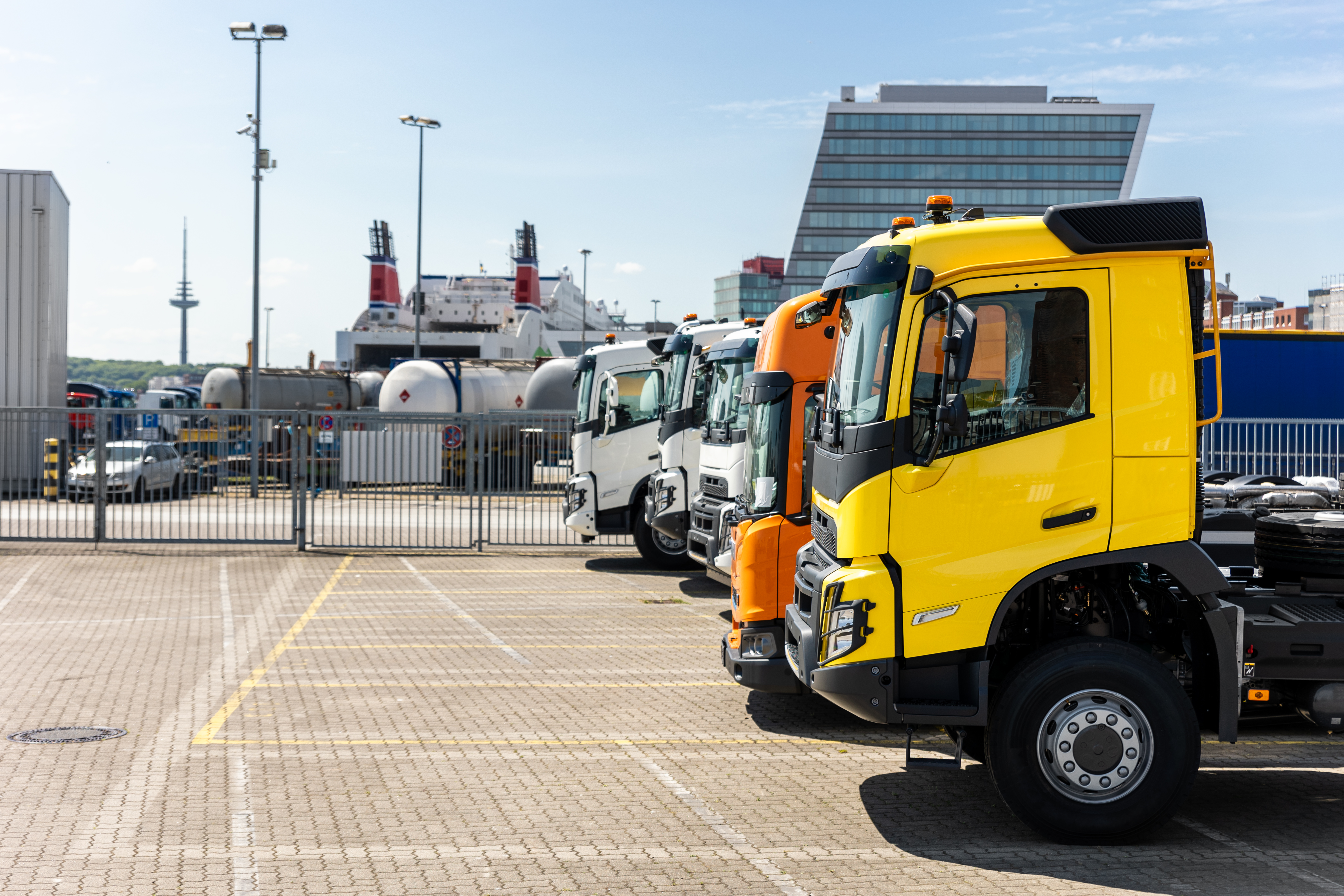
Bezpečnost mobilních prostředků začíná v depu. Vozidla často stojí celé hodiny ve skladištích nebo skladech. Ohrožené zázemí vystavuje vysoce cenný majetek krádeži, poškození vlivem počasí a provoznímu zpoždění. Komerční pozemky nebo sklady jsou zranitelné prostory, kde záleží na kamerách a kontrole přístupu.

Rolovací vrata a přístupové body vyžadují ve vlhkém klimatu Spojeného království zvláštní pozornost. Koroze často začíná na vnějších součástech vrat a postihuje vodicí a konstrukční prvky. Časem může degradace vyvolat poruchy, které zastaví odjezdy nebo ohrozí bezpečnost. Nekorodující rolovací vrata vyrobená z materiálů, které odolávají stálé expozici, jako je nerezová ocel, zajišťují bezpečnost vozidel vozového parku a zabezpečují cenné manifesty v depech.

Podniky působící v prostředí s vysokou vlhkostí nebo v pobřežním prostředí by měly investovat do výrobků odolných proti korozi. Používejte čisticí prostředky a maziva, abyste zabránili zadření pantů a mechanismů. Funkční dveře chrání provoz, protože primární přístupové dveře, které selžou v době expediční špičky, mohou způsobit, že vozidla nebudou mít sloty a důvěra zákazníků se propadne. Proaktivní údržba zařízení toto riziko snižuje.

Záleží také na širší připravenosti majetku. Sezónní kontroly odvodnění, střešní krytiny a vnějšího osvětlení posilují plynulost provozu v kteroukoli denní dobu. Důkladná příprava na zimu by měla zabránit škodám na konstrukcích a škodám způsobeným vodou. Chovejte se ke svému depu jako k součásti ekosystému mobility společnosti tím, že zabezpečíte dveře a budete udržovat čisté povrchy dvora. Odolná infrastruktura chrání vozidla ještě předtím, než se dostanou na silnici.

5. Plánování proaktivní správy vozového parku

Technologie posiluje vaše sezónní plánování. Telematické platformy poskytují množství informací, včetně identifikace vzorců brzdění, posunů ve spotřebě paliva a včasných varovných kódů před eskalací závad. Pokročilé asistenční systémy pro řidiče přidávají další bezpečnostní opatření, zejména za snížené viditelnosti.

Pomocí umělé inteligence můžete analyzovat data a vytvářet pracovní postupy, které odpovídají měnícím se potřebám každého ročního období. Poznatky založené na datech poskytují informace pro plánování. Pomocí analytiky můžete identifikovat opakující se poruchy baterií u vozů v chladném regionu nebo problémy s chlazením během letních špiček. Upravte plánovanou údržbu vozového parku podle telematických pokynů.

Moderní nákladní vozidla s telematikou mohou generovat až 20 gigabajtů dat za minutu ze stovek senzorů, což je užitečné pouze tehdy, pokud máte k dispozici výpočetní systémy pro extrapolaci zjištění a trendů, které slouží jako podklady pro plánování údržby a výkonu.

Proaktivní správa majetku společnosti se vyvíjí nad rámec kontrolních seznamů. Stává se procesem neustálého zlepšování, který je založen na datech, teplotách a integritě infrastruktury.

Udržení výkonu po celý rok

Sezónní změny představují předvídatelné výzvy, které se týkají motorů namáhaných teplem, baterií vyčerpávajících chlad a konstrukčních prvků korodujících vlivem vlhkosti. Zvýšený provoz a používání vozidel mění rizikové vzorce.

Řešte tyto proměnné dříve, než naruší chod vašeho týmu. Slaďte cykly údržby s vývojem počasí, posilujte školení řidičů před změnami počasí a investujte do odolné infrastruktury depa.

Vozový park, který předvídá změny, pracuje s jistotou a dosahuje konzistentních výsledků s lepšími bezpečnostními ukazateli a snížením prostojů. Tyto postupné výhody se promítají do měřitelné provozní síly.
Sdílet na

Ostatní také čtou...

Header Image

středa 25 března 2026 • Novinky a aktualizace

JAK PREDIKTIVNÍ SYSTÉMY KROTÍ NEJISTOTU DODÁVEK

Evelyn Long

Delivery operations rarely unfold exactly as planned. Even the most carefully designed logistics schedules must contend with an unpredictable world. Travel congestion can add hours to a route, severe weather can delay entire regions and a single vehicle breakdown can disrupt dozens of deliveries scheduled throughout the day. When these disruptions occur, they often create a chain reaction that affects drivers, warehouses, customers and operational costs. For companies that operate fleets, whether they deliver packages, medical supplies, food or construction materials, this uncertainty can significantly impact business performance. Missed delivery windows frustrate customers and can damage brand reputation. Delays can also increase fuel costs, overtime pay and operational inefficiencies. In industries where margins are tight, even small disruptions can add up quickly.What makes delivery uncertainty especially challenging is how interconnected modern logistics networks have become. A delay at one point in the system can ripple outward, affecting multiple routes and schedules. Without the right tools to anticipate and manage these disruptions, businesses are often forced to react in real time, which can lead to rushed decisions and inefficient solutions.One of the key technologies helping organisations manage delivery uncertainty is the Internet of Things (IoT). IoT refers to networks of connected devices, such as sensors, GPS trackers and telematics systems, that connect and transmit real-time data from vehicles, equipment and infrastructure. In fleet operations, IoT devices can monitor a wide range of conditions. GPS tracking for vehicles on the road. Engine sensors can track vehicle performance and detect early signs of mechanical issues. Temperature sensors can ensure that sensitive cargo remains within required conditions during transit. Together, these data streams create a detailed picture of what’s happening across an entire delivery network. This level of visibility is essential for managing uncertainty. When managers can see where vehicles are, how they’re performing and whether any issues are developing, they can respond much faster. Instead of discovering a problem hours later, they can address it as soon as the warning signs appear. In many cases, this visibility also feeds into predictive systems that analyse the data and forecast potential disruptions before they occur. While IoT provides the data, AI offers the intelligence needed to interpret it. AI systems analyse large volumes of operational information, including traffic patterns, weather forecasts, vehicle performance metrics, delivery history and route efficiency. By identifying patterns in this data, to occur and recommend adjustments. For example, predictive algorithms can analyse historical traffic conditions along a delivery route and estimate when congestion is likely to occur during certain times of day. If the system detects that a particular route will likely experience delays, it can suggest an alternative path before the driver even leaves the depot. Similarly, AI-driven maintenance systems can analyse engine data and identify early warning signs of mechanical problems, allowing repairs to be scheduled before a breakdown occurs on the road. Predictive systems work best when they combine data from multiple sources and translate that information into actionable insights. In a fleet environment, this often means integrating vehicle telematics, weather data, delivery schedules and live traffic information into a single predictive platform. When all of this data is analysed together, the system early. For example, if a severe storm is forecasted along a delivery route, the network can recommend adjusting departure times or rerouting drivers to avoid affected areas. If sensors detect that a vehicle component is likely to fail soon, it can schedule maintenance during planned downtime rather than allowing a breakdown to disrupt deliveries. Over time, these predictive adjustments make delivery operations smoother and more efficient. Routes become more optimised because the system continually learns from previous trips. Maintenance becomes strategic because vehicles are rather than fixed schedules. Even warehouse operations can improve, since more accurate delivery predictions allow teams to better coordinate loading and unloading processes. Beyond preventing disruptions, predictive systems also help fleets operate more efficiently. Businesses that have access to reliable forecasts and operational insights can plan routes, staffing and vehicle usage with greater precision.For instance, predictive analytics can identify patterns in delivery demand, allowing companies to allocate resources where they’re most needed. If certain routes consistently experience delays during specific hours, schedules can be adjusted to avoid those peak periods. Fuel usage can also be optimised by identifying more efficient routes or driving patterns. Over time, these incremental improvements add up. Vehicles spend less time idling in traffic, drivers spend more time completing deliveries rather than waiting or rerouting, and customers receive more accurate delivery estimates, and satisfaction. Another key benefit of predictive technology is the ability to monitor and control systems remotely. As connected devices become more common, consumers and businesses expect this level of oversight and convenience. A survey found that smart garage door openers consider remote monitoring and control to be a crucial feature. While this statistic relates to residential technology, it highlights a broader shift in expectations. People increasingly value the ability to check on systems, receive alerts and manage operations from anywhere. The same mindset is becoming more important in professional logistics environments. Fleet managers want to see vehicle locations in real time, receive notifications about potential issues and make adjustments without needing to be physically present. Predictive systems support this capability by turning complex operational data into clear, actionable insights that can be assessed remotely. While predictive systems provide clear advantages, they also introduce new considerations that businesses must address. In 2024, the of suspected internet crime. As fleets become more connected and reliant on digital platforms, cybersecurity becomes increasingly important. IoT devices, cloud platforms and AI-driven systems all rely on network connectivity and data exchange. Systems that aren’t properly secured could become targets for cyberattacks. A compromised system could disrupt operations, expose sensitive data or interfere with fleet management tools.Delivery uncertainty may never disappear entirely, but predictive systems are making it far more manageable. By combining IoT connectivity with AI-driven analytics, fleet operators can gain deeper visibility into their operations and anticipate problems before they disrupt schedules. As these technologies continue to evolve, they will play an important role in helping fleet-based businesses reduce uncertainty, streamline operations and deliver a more consistent experience for their customers.Discover more from

Header Image

pondělí 26 ledna 2026 • Novinky a aktualizace

PŘÍPRAVA ROZPOČTU VOZOVÉHO PARKU NA ROK 2026 NA (NE)OČEKÁVANOU SITUACI

Guest

Preparing your fleet budget goes beyond simple financial exercises. As a manager, you need strategic oversight to navigate economic headwinds and an evolving regulatory framework. It is essential to prepare your company for unexpected events, as these instances define operational stability and success. Here’s how to build a responsive budget and get ready for future challenges. Being a fleet manager means foreseeing both the predictable trends and significant uncertainties. The following seven strategies are designed to absorb shocks, adapt to change and build resilience. Your budget may have a fixed monetary amount each year. While simple, it could be too static when anticipating unexpected events. Make your financial planning more dynamic by allocating a specific percentage rather than a fixed amount. For instance, your emergency fund could be 5% of the total budget instead of $100,000 annually. Using a percentage is wise because it hedges against inflation. A fixed amount loses purchasing power over the years, whereas a percentage-based fund grows with the budget. You get automatic protection from marketwide surges. Consumer prices in the U.K. , though they can quickly fluctuate due to market conditions. Fleet managers used to determine their budgets based on acquisition prices. Now, they are focusing on budget stability and long-term strategies. Make your process more holistic by managing the total cost of ownership (TCO) and the cost per vehicle over their lifetimes. This approach makes you more meticulous and your budget more dynamic. Mastering TCO involves centralising your data and using dedicated fleet management software. This technology helps your business by and recommending conservation strategies. TCO also enables you to forecast the year for each vehicle based on historical information. Use this to make more informed acquisitions and save money. A volatile economic climate means you need to contain costs. Leverage your company’s position by reviewing supplier contracts and considering renegotiations before renewal. This strategy converts unpredictable expenses into more manageable line items. Your business partner may raise prices on essential goods, so your meetings should lock in prices for tyres and oil. Narrow your negotiation to key areas, such as pricing structure. Your primary focus should be fixed-price agreements for high-volume items and standard labour rates. Savvy fleet managers leverage their spending from the previous year to earn volume discounts and capped increases. These properly managed contracts insulate your business and transfer risk to suppliers. Risk management for your fleet budget also includes insurance optimisation. Managers should turn this annual exercise into an opportunity to protect their business from financial debilitation. The right policy is crucial because it protects against shocks that can result in third-party damage or injury. It also increases predictability by turning repair bills into known variables. Insurance optimisation requires a thoughtful, data-driven process. Give your broker a risk management portfolio to showcase positive trends, such as fewer speeding incidents or less harsh braking. If you have policy excess, ask your insurer to model the premium savings for a higher deductible. Therefore, you can save money on your monthly payment. Maintenance and repairs can be unpredictable and expensive. One breakdown on the M6 could require costly engine work or a transmission replacement. Be proactive by implementing structured service schedules. Beyond the manufacturer's guidelines, you should create detailed plans for each vehicle based on its usage and age. You can dive deeper by including motorway driving and city travel. Your maintenance schedule should also include daily tasks. For example, experts to prevent condensation formation. If the tank is close to empty, sediment buildup and pump damage may occur. Cleaning is another nonnegotiable daily chore, especially when driving over road salts and chemicals. Rinse off dirt and other contaminants before storing vehicles. Accidents are among the most unexpected parts of your fleet budget. Besides the crash, managers must also and solicitor fees. However, proper driver training can mitigate this cost by reducing its frequency. Targeted coaching helps operators understand defensive driving, hazard perception and the specific dynamics of their jobs. Investing in driver training is one element of risk control. Human driving can be unpredictable, but education transforms it into a more consistent variable. By improving your drivers, you also help your insurance premiums. An accident can raise rates, so proper training is one way to control costs. A decrease in incidents can be used as leverage in insurance negotiations. Fleets are becoming more connected as they transform into data hubs. Your vehicles can generate and store vast amounts of information, which is essential for management. However, the connectivity exposes the modern automobile to liabilities. Budget for cybersecurity to protect your assets from digital threats and prepare for the unexpected. Managing this part of your fleet budget involves protecting vehicle systems. You could invest in hardware and software solutions to create firewalls around your GPS and V2X communications. This strategy helps keep your software up to date and protected from external threats. Secure data transmission is another part of preparing for the unexpected. Forward-thinking managers invest in fleet management systems with end-to-end encryption. Before building a resilient operation, it is essential to understand why. You should budget for unexpected events to ensure continuity. If a vehicle breaks down, it could halt operations and delay services. However, planning for these incidents provides a buffer and safeguards your bottom line. All vehicles are subject to failure, so you are preparing for the physical reality. This strategy is also essential for the bigger picture. For instance, economic volatility is a factor outside your control. Sudden inflation, interest rate hikes and price increases are detrimental to static budgets. However, planning for unexpected costs helps absorb them. By accurately forecasting expenses, you build financial discipline and credibility with stakeholders.Building a dynamic budget demonstrates strategic leadership more than defensive measures. As you incorporate wise approaches, you fundamentally shift your organisation’s mindset and promote proactive control. The modern economic climate requires fleet managers to absorb shocks and mitigate asset failure. A strong budgetary framework lets you protect profit margins and guarantee continuity.Discover more from

Header Image

pondělí 19 ledna 2026 • Novinky a aktualizace

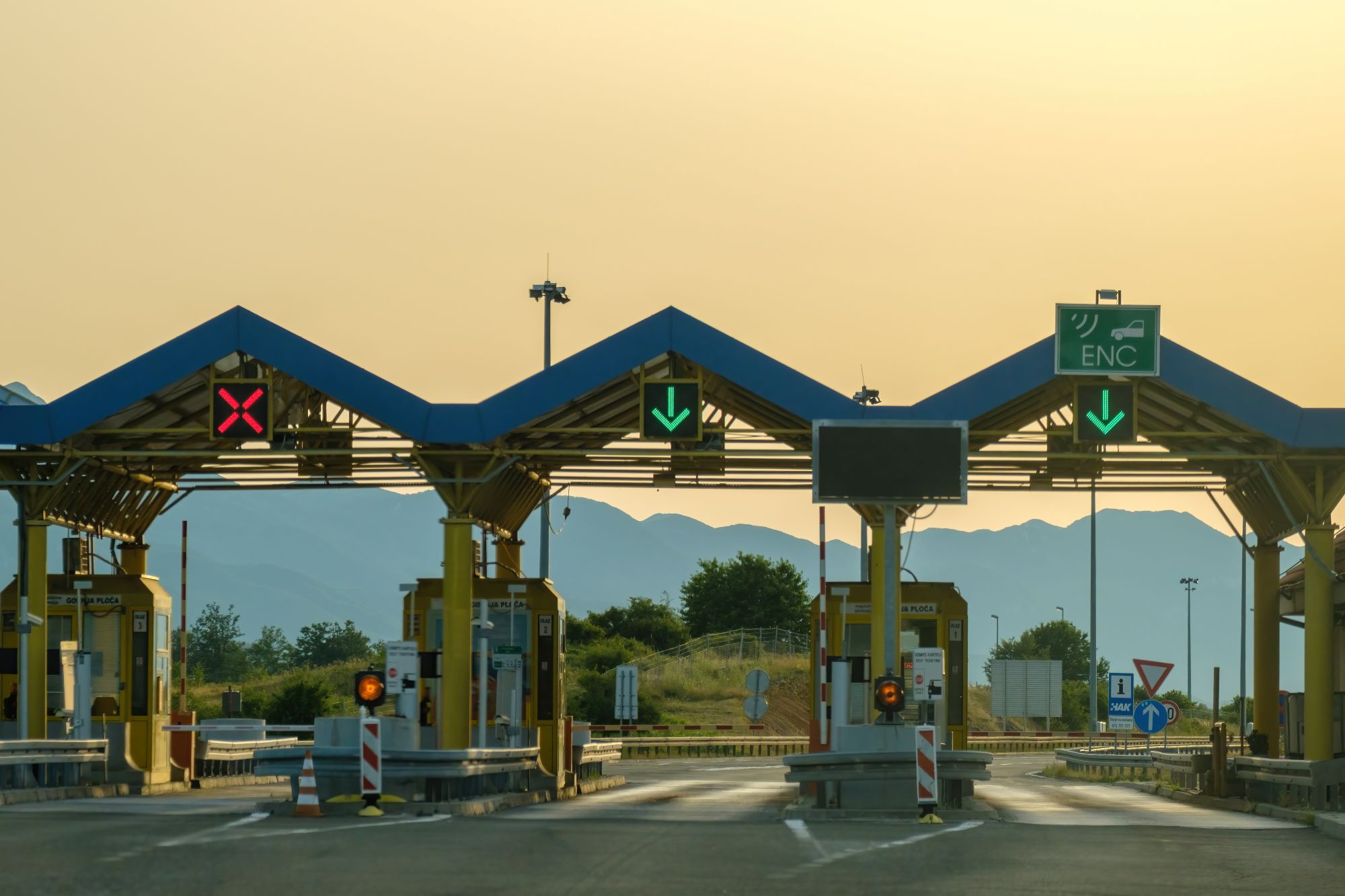
ROZDĚLENÍ MÝTNÝCH SYSTÉMŮ V EVROPĚ

Guest

For many fleets operating across Europe, tolls have quietly become one of the most complex and least predictable costs. What was once a relatively straightforward question of motorway charges has evolved into a patchwork of national systems, technologies and pricing models that now reflect emissions, vehicle weight, axle count, geography and even time of day.As we move into 2026, tolling is no longer just an infrastructure charge. It is increasingly a policy lever, used by governments to fund roads, manage congestion and accelerate the shift towards lower-emission transport. For fleet operators, that shift has real financial consequences.This article breaks down how tolling works across Europe, what fleets actually pay today, and what changes are coming next.Margins in road transport are tight. Fuel, labour, insurance and compliance costs have all risen sharply in recent years. Against that backdrop, tolls are becoming more significant, particularly for long-distance and cross-border operators.In countries such as Germany and Austria, toll costs per kilometre can now rival fuel costs on certain routes. In Central and Eastern Europe, tolls remain lower, but rapid rises and network expansion are closing that gap. At the same time, the introduction of CO₂-based charging means that two otherwise identical vehicles can face very different toll bills depending on their emissions profile.For fleets operating internationally, tolls are a consideration for route planning, vehicle procurement and pricing.There is no single European toll system. Instead, fleets must navigate a mix of national approaches that broadly fall into three categories.Distance-based tolls charge vehicles per kilometre travelled. These are now the dominant model for heavy goods vehicles and are used in countries such as Germany, Austria, Poland, Hungary and Belgium.Time-based vignettes allow vehicles to use the road network for a fixed period of time, such as a day, week or year. These were traditionally a pass displayed in the windscreen, but are increasingly digital.Hybrid systems combine toll roads with toll-free alternatives. France, Italy and Spain all operate models where tolls apply only on specific routes.Across all three models, the EU’s revised Eurovignette Directive is pushing countries towards distance-based, emissions-linked charging. This is steadily reducing the role of flat-rate vignettes and increasing the costs of high-mileage fleets.Operationally, tolling is becoming more digital. Most distance-based systems rely on GNSS or GPS tracking via onboard units (OBU), supported by roadside gantries, toll booths and camera enforcement.For fleets, this means greater reliance on onboard technology, tighter compliance requirements, and less tolerance for administrative error. Missed payments on free-flow roads (where there are no toll booths and no need to stop) can quickly turn into fines, particularly for international drivers unfamiliar with local rules.Interoperable toll services under the European Electronic Toll Service (EETS) framework are becoming more important for cross-border operators. Instead of fitting vehicles with multiple country-specific onboard units, fleets can use a single approved device to pay tolls across several European networks. This simplifies administration, reduces installation and maintenance costs – and lowers the risk of non-compliance when vehicles move between different toll regimes. Germany operates one of Europe’s most comprehensive toll systems. The LKW-Maut applies to all trucks over 3.5 tonnes on motorways and federal roads. Since December 2023, tolls include a CO₂ charge, which has increased costs for diesel vehicles. Official details are published by Austria’s GO-Maut is among the most expensive per kilometre in Europe. A Euro VI articulated truck paid around on motorways in 2025. The system includes infrastructure, noise, air pollution and CO₂ components. Electric trucks benefit from lower rates. Belgium operates a kilometre-based toll for trucks in Flanders, Wallonia and Brussels. Rates vary by region, weight and Euro class, with annual increases. From 2026, zero-emission vehicles will no longer be fully exempt but will still pay reduced infrastructure charges. Official information is available from France uses a motorway concession model. Tolls apply on routes operated by private companies and are paid at toll booths or electronically. Annual increases are modest and regulated. The Italy follows a similar concession-based approach. HGVs pay on the Autostrade network. The government is working towards more dynamic tolling by 2026, potentially linking charges to congestion and emissions. Hungary’s HU-GO system applies to trucks over 3.5 tonnes on motorways and main roads. Following high inflation, toll rates have increased sharply. Official updates are published at Poland’s e-TOLL system charges per kilometre using GNSS (satellite) technology. Rates rose in 2025 and will again in 2026, while the toll network continues to expand. The official platform is Spain is unusual in that many major motorways have become toll-free following the expiry of concessions. Some tolled routes remain and costs vary per kilometre for HGVs. The Spanish government’s position is outlined via the Romania currently operates a vignette system for trucks, with a seven-day pass costing around for the heaviest vehicles. This will change in July 2026, when Romania introduces a distance-based toll system called TollRo. Initial rates are expected to be low, but are likely to rise over time. Several developments make 2026 a pivotal year for European tolling.The Netherlands will introduce a kilometre-based truck toll from 1 July, replacing the Eurovignette. Average rates are expected to be around €0.19 per kilometre, with discounts for low-emission vehicles. Official information is available at As mentioned, Romania will transition from vignettes to distance-based charging, bringing it in line with neighbouring countries.Across Europe, CO₂-based differentiation will become standard, with reduced exemptions and tighter enforcement. Electric trucks will continue to benefit, but full exemptions are gradually being replaced by reduced rates rather than zero tolls.For fleets, this means higher exposure to mileage-based costs and greater incentives to invest in cleaner vehicles and better planning tools.Operators are now evaluating routes to balance toll costs against fuel use and journey time. Investment in Euro VI and zero-emission vehicles is increasingly justified not only by fuel savings but by toll reductions. In addition, toll surcharges are becoming more explicit in customer contracts and digital route optimisation tools are playing a larger role in daily operations.Fleets therefore need accurate forecasting, up-to-date vehicle data and clear visibility of toll exposure by route and customer. Vehicle procurement decisions should factor in toll classes alongside fuel efficiency. Cross-border operators should prioritise interoperable toll solutions and ensure drivers understand local payment rules, particularly on free-flow roads.Most importantly, toll costs need to be reflected transparently in pricing. As tolling becomes more emissions-driven, fleets that plan ahead will be better placed to protect margins and remain competitive.For fleets, the question is no longer whether tolls will rise, but how well prepared they are to manage them. In the years ahead, it will not just be about how far a vehicle travels, but how cleanly, where and under which system.As tolls become more closely linked to emissions, mileage and vehicle type, understanding what you pay and where matters more than ever. SNAP helps fleet managers and operators manage payments and support drivers with access to safe, well-equipped truck stops.