Guest
Wiadomości i aktualizacje • 4 min read

Jak brytyjskie fundusze infrastrukturalne mogą wpłynąć na branżę mobilności

Utworzony: 02.07.2025

Aktualizacja: 03.07.2025

Po latach nierównomiernych inwestycji i rosnących korków, rząd Wielkiej Brytanii zobowiązał się do wydania ponad 700 miliardów funtów na infrastrukturę w ciągu następnej dekady - z czego znaczna część przeznaczona jest na krajowe drogi. Od nowych korytarzy transportowych po najnowocześniejsze cyfrowe systemy ruchu drogowego, wpływ 10-letniej strategii infrastrukturalnej na kierowców komercyjnych i szerszą branżę mobilności może być transformacyjny.

Drogi osiągają punkt krytyczny

Drogi to tylko jeden z elementów brytyjskiego transportu, ale to właśnie nimi przewożona jest zdecydowana większość towarów. Według danych rządowych, 81% krajowego transportu towarowego i 75% importu i eksportu odbywa się drogami, co czyni je kręgosłupem brytyjskiej logistyki i gospodarki.

Pomimo tego, że stanowią one nieco ponad dwa procent sieci drogowej Wielkiej Brytanii pod względem długości, Strategiczna Sieć Drogowa (SRN) obsługuje 34% wszystkich przejazdów drogowych - w tym wiele najbardziej wrażliwych czasowo tras towarowych o dużym natężeniu ruchu. Dla kierowców z nich korzystających, ich stan i przepustowość mają bezpośredni wpływ na bezpieczeństwo, efektywność i wydajność dostaw.

Jednak dane Road Condition Index (RCI) pokazują, że około 24 500 mil - więcej niż jedna na każde 10 mil - sieci w Anglii i Walii prawdopodobnie będzie wymagać konserwacji w ciągu najbliższych 12 miesięcy.

Szereg niedawnych awaryjnych zamknięć mostów dodatkowo ujawniło, jak wrażliwa stała się sieć. W niektórych obszarach popękane konstrukcje wsporcze i beton sprzed dziesięcioleci stworzyły niebezpieczne warunki dla wszystkich użytkowników dróg - zwłaszcza dla samochodów ciężarowych, które często jako pierwsze muszą stawić czoła ograniczeniom masy lub wymuszonej zmianie trasy.

Rząd zareagował nowym funduszem w wysokości 1 miliarda funtów na naprawę i odbudowę niszczejących mostów, skrzyżowań i wiaduktów w ramach swojej strategii infrastrukturalnej. To mile widziany krok, który odzwierciedla rosnącą presję ze strony branży. Dla zawodowych kierowców może to oznaczać mniej objazdów, mniej nagłych ograniczeń i mniej czasu straconego na infrastrukturę, która nie nadaje się do nowoczesnej logistyki.

Bezpieczeństwo to jednak nie tylko unikanie katastrofalnych awarii. Chodzi również o długoterminową odporność - zapewnienie, że drogi, mosty i zatoczki są odpowiednio konserwowane, zanim staną się zagrożeniem. Ten odnowiony nacisk na konserwację sygnalizuje, że utrzymanie dróg może wreszcie zacząć odpowiadać skali, rozmiarowi i prędkości pojazdów, które są od nich zależne.
Problem wybojów

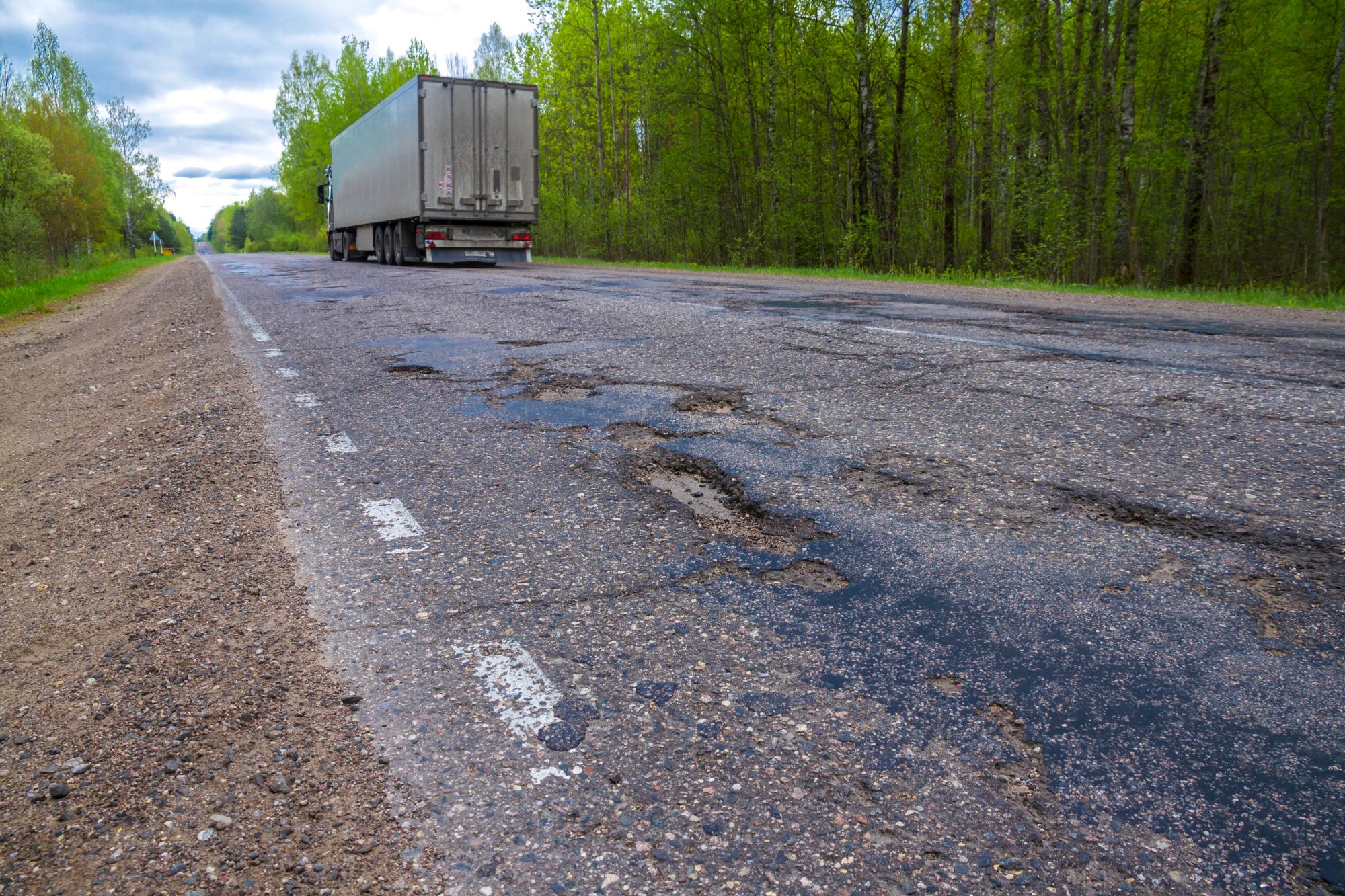
Podczas gdy głośne projekty dominują w ogłoszeniach, to często codzienny stan nawierzchni dróg ma największy wpływ na kierowców. Dla przewoźników wyboje są czymś więcej niż tylko uciążliwością - stanowią stałe zagrożenie dla bezpieczeństwa i kosztowne obciążenie.

Powtarzająca się ekspozycja na nierówne nawierzchnie zwiększa zużycie pojazdów ciężarowych, uszkadza opony i zawieszenie oraz przyczynia się do zmęczenia kierowcy. W niektórych przypadkach uszkodzenia spowodowane wybojami zmusiły pojazdy do zjechania z drogi w celu dokonania napraw awaryjnych, zakłócając dostawy i wpływając na umowy dotyczące poziomu usług.

Dla kierowców ryzyko jest osobiste. Próba ominięcia wybojów - zwłaszcza na wąskich lub ruchliwych drogach - może prowadzić do niebezpiecznych manewrów. Jeśli dodamy do tego złą pogodę, ograniczone oświetlenie lub napięte harmonogramy dostaw, stawka rośnie.

W ramach szerzej zakrojonych działań na rzecz infrastruktury, rząd przeznaczył 1,6 miliarda funtów (https://www.gov.uk/government/news/pm-tells-councils-to-prove-action-on-pothole-plague-to-unlock-extra-cash-and-reveals-48bn-for-major-roads) w ramach Planu Zmian na modernizację lokalnej infrastruktury, w tym wybojów, popękanych nawierzchni i zużytych jezdni. Celem jest doprowadzenie dróg do bezpieczniejszego, bardziej niezawodnego standardu - szczególnie na trasach o dużym natężeniu ruchu towarowego.

Nie rozwiąże to problemu z dnia na dzień, ale oznacza zmianę priorytetów - uznanie, że dobrobyt kierowcy zaczyna się od podstaw, a bezpieczna i wygodna podróż zależy od dobrze utrzymanych dróg.

Dla flot oznacza to mniej nieplanowanych napraw, niższe roszczenia ubezpieczeniowe i mniej przestojów. Dla kierowców oznacza to mniej wstrząsów, mniej stresu i jedną rzecz mniej do zmartwienia podczas długiej zmiany.

Niezawodna sieć

Dobrobyt kierowców jest głównym tematem współczesnych rozmów o transporcie. Długie godziny pracy, opóźnione rozkłady jazdy i nieodpowiednie udogodnienia zbierają swoje żniwo. Jednak najnowsze plany rządu dają nadzieję na bezpieczniejszą, lepiej połączoną sieć.

W całej Wielkiej Brytanii obiekty dla kierowców z trudem nadążają za popytem. Parkingi są często ograniczone, usługi są napięte, a wiele miejsc odpoczynku nie zapewnia komfortu i bezpieczeństwa - szczególnie w przypadku operacji długodystansowych. Dlatego też rząd [poprawia środowisko jazdy] (https://www.gov.uk/government/news/more-than-14-million-in-joint-government-and-industry-funding-to-boost-innovation-and-working-conditions-in-freight): bezpieczniejsze parkingi, lepsze udogodnienia socjalne i reformy planowania, aby przyspieszyć rozwój nowych miejsc.

Jednocześnie przyspieszają inwestycje w centra ładowania i tankowania ciężarówek elektrycznych i wodorowych. Na przykład firma Moto zobowiązała się do zainstalowania ponad 300 ładowarek elektrycznych dla pojazdów ciężarowych w 23 lokalizacjach przy autostradach, podczas gdy Ashford Truckstop jest przekształcany w główny węzeł ładowania dla transportu towarowego przez Kanał La Manche. W tych obiektach nie chodzi tylko o utrzymanie pojazdów w ruchu - chodzi o zapewnienie kierowcom bezpiecznych, dobrze wyposażonych miejsc do odpoczynku i naładowania akumulatorów.

Jeśli Twoi kierowcy szukają bezpiecznego miejsca na postój, nasza aplikacja intruck umożliwia im identyfikację i rezerwację postojów w Wielkiej Brytanii i Europie. Dowiedz się więcej i pobierz ją tutaj.
Koszt korków

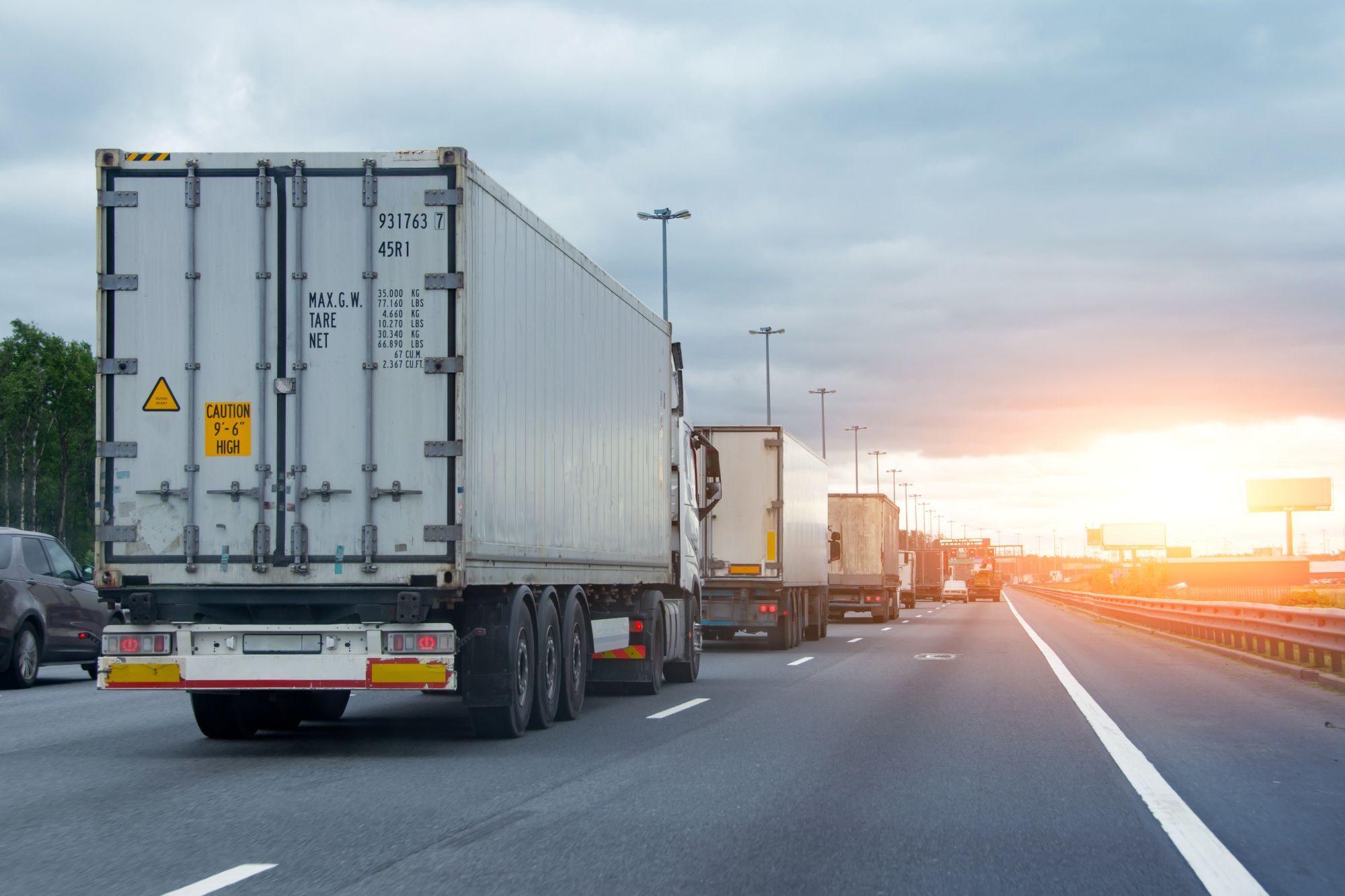
Korki, nieprzewidywalne trasy i presja na dotrzymanie terminów dostaw przyczyniają się do stresu i zmęczenia kierowców - i sprawiają, że droga staje się bardziej niebezpiecznym miejscem.

Główne modernizacje infrastruktury, takie jak Lower Thames Crossing, A66 dualling i M60 Simister Island, mają na celu zmniejszenie zatorów i zmniejszenie ryzyka wypadków w niektórych z najbardziej znanych punktów zatorowych w Wielkiej Brytanii.

Ponadto nadal istnieje potrzeba wprowadzania narzędzi cyfrowych, które wspierają bezpieczniejsze i płynniejsze podróże. Alerty drogowe w czasie rzeczywistym, inteligentne systemy wykrywania i lepsze zarządzanie ruchem pomogą menedżerom flot i kierowcom szybko reagować na zakłócenia i zmieniać trasę w razie potrzeby.

Program dróg cyfrowych [National Highways' Digital Roads programme] (https://nationalhighways.co.uk/our-work/digital-data-and-technology/digital-roads/) już kładzie podwaliny pod inteligentną infrastrukturę, która może wcześniej wykrywać zagrożenia, inteligentniej zarządzać przepływem ruchu i przekazywać bardziej przejrzyste aktualizacje w czasie rzeczywistym.

Co to oznacza dla mobilności?

Krok naprzód dla mobilności i dobrobytu kierowców. Skoordynowany krajowy wysiłek na rzecz rozwiązania problemu zaległości infrastrukturalnych w Wielkiej Brytanii i modernizacji dróg w sposób przynoszący korzyści kierowcom, którzy polegają na nich najbardziej.

Prawdziwym testem będzie realizacja. Przekształcenie funduszy w namacalne ulepszenia będzie wymagało słuchania kierowców, uczenia się na podstawie doświadczeń z pierwszej linii i mierzenia sukcesu na podstawie tego, jak drogi się czują - a nie tylko ile kosztują.

"W tej nowej fali inwestycji nie chodzi tylko o skrócenie czasu podróży" - mówi Stuart Willetts, kierownik ds. rozwoju biznesu w Wielkiej Brytanii w SNAP. "Chodzi o zbudowanie sieci transportowej, która wspiera dobre samopoczucie kierowców i wydajność operacyjną oraz przejście na czystą mobilność. Nie możemy się doczekać, aby zobaczyć wyniki".

Chcesz zobaczyć, jak mobilność ewoluuje tam, gdzie jesteś?

Skorzystaj z mapy SNAP, aby znaleźć usługi i rozwiązania w pobliżu - bez względu na to, na jakiej drodze się znajdujesz.

Udostępnij

Inni również czytają...

Header Image

czwartek 11 czerwca 2026 • Wiadomości i aktualizacje

PODRÓŻE W RAMACH MISTRZOSTW ŚWIATA A RZECZYWISTOŚĆ TRANSPORTU DROGOWEGO: JAK EUROPEJSCY KIEROWCY CIĘŻARÓWEK POKONUJĄ ODLEGŁOŚCI TURNIEJOWE KAŻDEGO TYGODNIA

Lucy Black

When football fans think about the FIFA World Cup, they think about big matches, packed stadiums and long journeys.And in 2026, those journeys will be bigger than ever.The expanded FIFA World Cup will feature 48 teams, 104 matches and 16 host cities spread across the United States, Canada and Mexico. It will be the largest and most geographically dispersed World Cup ever staged.Millions of supporters will travel across North America. Teams will cover thousands of kilometres throughout the tournament. Billions of pounds will be spent. Vast amounts of equipment, merchandise, food, drink and technology will need to be moved between venues.But while football fans focus on the journeys made by players and supporters, there is another group of professionals covering similar distances every month.Europe's truck drivers.In fact, a truck driver in Spain could cover more than 10,000 kilometres in just four weeks. That's comparable to the distance some teams could travel throughout an entire World Cup campaign.There's another important similarity too.Without logistics, there is no World Cup.As , explains:Every match, every fan zone and every broadcast relies on goods being delivered to the right place at the right time. From food and drink to merchandise, security infrastructure and broadcasting equipment, road transport plays a critical role behind the scenes.The reality is simple. While football takes centre stage, logistics makes it possible.The 2026 tournament will create one of the most complex logistics operations ever seen in sport.Unlike previous World Cups hosted in a single country, teams could be travelling thousands of kilometres between fixtures throughout the competition.For players, those journeys will be carefully planned and supported by charter flights, recovery teams and world-class facilities.For truck drivers, covering long distances is simply part of everyday life.Across Europe, drivers move goods between manufacturers, ports, warehouses, retailers and customers every day. They connect supply chains, support businesses and keep economies moving.The scale of logistics required for a global event like the World Cup is enormous.As , explains:Every screen, every item of merchandise, every catering delivery and every piece of technical equipment must arrive exactly where it is needed.The same expertise that helps major sporting events run smoothly is being used every day across Europe's transport networks.A team progressing from the group stages to the final could realistically travel between 8,000 and 15,000 kilometres during the 2026 FIFA World Cup.To put that into perspective, SNAP compared projected World Cup travel distances against the average weekly mileage completed by truck drivers across some of Europe's largest freight markets.The results show that truck drivers across Europe routinely cover World Cup-level distances in as little as four weeks.In Spain, Portugal, the Netherlands and Poland, drivers can cover close to or more than 10,000 kilometres over a month.While football teams travel with dedicated support staff and carefully planned schedules, drivers achieve similar distances while managing delivery deadlines, congestion, border crossings, parking shortages and increasingly complex transport networks.It is a reminder of the scale of modern road freight and the critical role drivers play in keeping supply chains moving.Comparing distances only tells part of the story.Players travel between matches.Drivers travel whilst managing deliveries, navigating road networks, complying with regulations and keeping customers supplied.Every week, millions of tonnes of goods move across Europe, supporting supermarkets, manufacturers, construction projects, healthcare providers and countless other industries.The distances may be similar.The challenges are not.Road freight remains the backbone of European trade.Around 75% of inland freight transport across the European Union is moved by road when measured in tonne-kilometres.Every year, billions of tonnes of goods travel across Europe's road networks.Behind every delivery is a transport operation built on the expertise of drivers, fleet managers and logistics professionals.Major sporting events simply make that reality more visible.The World Cup creates additional demand for food, beverages, merchandise, security equipment and event infrastructure. The pressure on transport networks increases significantly.But for transport operators, managing complex logistics is not a once-every-four-years challenge.It's business as usual.Large sporting events often highlight challenges that fleet operators deal with every day.Research from previous World Cups and Olympic Games has shown that host cities experience increased congestion, higher freight demand and greater pressure on transport infrastructure.During major sporting tournaments, cities often see:Increased congestion Higher demand for food and beverage deliveries Greater pressure on parking facilities Increased demand for security logistics Additional passenger transport requirements More complex route planningAs , points out:He's right.Whether it's food and drink for supporters, retail stock, security infrastructure or broadcast technology, major events place huge demands on logistics networks.For fleet managers, those operational pressures are familiar territory.While football teams rely on coaches, analysts and support staff, supply chains rely on drivers.Yet Europe's transport sector continues to face significant challenges.There is an estimated shortage of around 390,000 secure truck parking spaces across Europe.At the same time, driver shortages remain a major concern across many markets.Without drivers, supply chains stop.Without safe, secure places to rest, attracting and retaining drivers becomes even more difficult.As , explains:It's a simple observation, but it highlights an important truth.Whether it's a major sporting tournament or a normal weekend, drivers are the people making sure shelves stay stocked, businesses stay supplied and customers get what they need.For fleet managers, investing in driver welfare is no longer a nice-to-have.It's a business necessity.Providing access to secure parking, quality facilities and efficient payment solutions helps improve driver satisfaction, supports retention and drives operational efficiency.The biggest lesson from the World Cup isn't about football.It's about preparation.The teams that perform best are supported by planning, logistics and infrastructure that allows them to perform when it matters most.The same applies to transport operations.The fleets best positioned for success are those investing in:Driver welfare Secure truck parking Operational visibility Smarter transport payments Fleet efficiency Transport technology Simplified fleet managementThe journeys completed by football teams during the World Cup may capture the headlines.But they also provide a useful reminder of the distances being covered by Europe's transport industry every single day.From Spain and Portugal to Poland, Romania and the United Kingdom, professional drivers routinely travel extraordinary distances whilst supporting businesses, communities and supply chains across the continent.While the world's best footballers compete on the biggest stage, millions of drivers will continue doing what they do every day: keeping goods moving and economies running.At SNAP, we're proud to support those journeys through smarter transport payments, better access to truck parking and driver facilities, and solutions designed to make life easier for fleets and drivers alike.Because while the World Cup only lasts a few weeks, Europe's transport industry operates at that scale every single day.

Header Image

środa 25 marca 2026 • Wiadomości i aktualizacje

JAK SYSTEMY PREDYKCYJNE OSWAJAJĄ NIEPEWNOŚĆ DOSTAW

Evelyn Long

Delivery operations rarely unfold exactly as planned. Even the most carefully designed logistics schedules must contend with an unpredictable world. Travel congestion can add hours to a route, severe weather can delay entire regions and a single vehicle breakdown can disrupt dozens of deliveries scheduled throughout the day. When these disruptions occur, they often create a chain reaction that affects drivers, warehouses, customers and operational costs. For companies that operate fleets, whether they deliver packages, medical supplies, food or construction materials, this uncertainty can significantly impact business performance. Missed delivery windows frustrate customers and can damage brand reputation. Delays can also increase fuel costs, overtime pay and operational inefficiencies. In industries where margins are tight, even small disruptions can add up quickly.What makes delivery uncertainty especially challenging is how interconnected modern logistics networks have become. A delay at one point in the system can ripple outward, affecting multiple routes and schedules. Without the right tools to anticipate and manage these disruptions, businesses are often forced to react in real time, which can lead to rushed decisions and inefficient solutions.One of the key technologies helping organisations manage delivery uncertainty is the Internet of Things (IoT). IoT refers to networks of connected devices, such as sensors, GPS trackers and telematics systems, that connect and transmit real-time data from vehicles, equipment and infrastructure. In fleet operations, IoT devices can monitor a wide range of conditions. GPS tracking for vehicles on the road. Engine sensors can track vehicle performance and detect early signs of mechanical issues. Temperature sensors can ensure that sensitive cargo remains within required conditions during transit. Together, these data streams create a detailed picture of what’s happening across an entire delivery network. This level of visibility is essential for managing uncertainty. When managers can see where vehicles are, how they’re performing and whether any issues are developing, they can respond much faster. Instead of discovering a problem hours later, they can address it as soon as the warning signs appear. In many cases, this visibility also feeds into predictive systems that analyse the data and forecast potential disruptions before they occur. While IoT provides the data, AI offers the intelligence needed to interpret it. AI systems analyse large volumes of operational information, including traffic patterns, weather forecasts, vehicle performance metrics, delivery history and route efficiency. By identifying patterns in this data, to occur and recommend adjustments. For example, predictive algorithms can analyse historical traffic conditions along a delivery route and estimate when congestion is likely to occur during certain times of day. If the system detects that a particular route will likely experience delays, it can suggest an alternative path before the driver even leaves the depot. Similarly, AI-driven maintenance systems can analyse engine data and identify early warning signs of mechanical problems, allowing repairs to be scheduled before a breakdown occurs on the road. Predictive systems work best when they combine data from multiple sources and translate that information into actionable insights. In a fleet environment, this often means integrating vehicle telematics, weather data, delivery schedules and live traffic information into a single predictive platform. When all of this data is analysed together, the system early. For example, if a severe storm is forecasted along a delivery route, the network can recommend adjusting departure times or rerouting drivers to avoid affected areas. If sensors detect that a vehicle component is likely to fail soon, it can schedule maintenance during planned downtime rather than allowing a breakdown to disrupt deliveries. Over time, these predictive adjustments make delivery operations smoother and more efficient. Routes become more optimised because the system continually learns from previous trips. Maintenance becomes strategic because vehicles are rather than fixed schedules. Even warehouse operations can improve, since more accurate delivery predictions allow teams to better coordinate loading and unloading processes. Beyond preventing disruptions, predictive systems also help fleets operate more efficiently. Businesses that have access to reliable forecasts and operational insights can plan routes, staffing and vehicle usage with greater precision.For instance, predictive analytics can identify patterns in delivery demand, allowing companies to allocate resources where they’re most needed. If certain routes consistently experience delays during specific hours, schedules can be adjusted to avoid those peak periods. Fuel usage can also be optimised by identifying more efficient routes or driving patterns. Over time, these incremental improvements add up. Vehicles spend less time idling in traffic, drivers spend more time completing deliveries rather than waiting or rerouting, and customers receive more accurate delivery estimates, and satisfaction. Another key benefit of predictive technology is the ability to monitor and control systems remotely. As connected devices become more common, consumers and businesses expect this level of oversight and convenience. A survey found that smart garage door openers consider remote monitoring and control to be a crucial feature. While this statistic relates to residential technology, it highlights a broader shift in expectations. People increasingly value the ability to check on systems, receive alerts and manage operations from anywhere. The same mindset is becoming more important in professional logistics environments. Fleet managers want to see vehicle locations in real time, receive notifications about potential issues and make adjustments without needing to be physically present. Predictive systems support this capability by turning complex operational data into clear, actionable insights that can be assessed remotely. While predictive systems provide clear advantages, they also introduce new considerations that businesses must address. In 2024, the of suspected internet crime. As fleets become more connected and reliant on digital platforms, cybersecurity becomes increasingly important. IoT devices, cloud platforms and AI-driven systems all rely on network connectivity and data exchange. Systems that aren’t properly secured could become targets for cyberattacks. A compromised system could disrupt operations, expose sensitive data or interfere with fleet management tools.Delivery uncertainty may never disappear entirely, but predictive systems are making it far more manageable. By combining IoT connectivity with AI-driven analytics, fleet operators can gain deeper visibility into their operations and anticipate problems before they disrupt schedules. As these technologies continue to evolve, they will play an important role in helping fleet-based businesses reduce uncertainty, streamline operations and deliver a more consistent experience for their customers.Discover more from

Header Image

środa 11 marca 2026 • Wiadomości i aktualizacje

PROAKTYWNE WSKAZÓWKI DOTYCZĄCE BEZPIECZEŃSTWA I WYDAJNOŚCI FLOTY O KAŻDEJ PORZE ROKU

Guest

Fleet performance rarely unravels overnight. It slips through small oversights — a missed service interval, worn tread or a delayed depot repair. As a UK fleet manager, the cost of reacting late shows up in downtime, higher insurance premiums and risk to your reputation.Your proactive, seasonal strategy protects the vehicles, drivers and infrastructure before temperature-triggered issues escalate. Align maintenance cycles with weather patterns, operational peaks and compliance demands. Your fleet will be steadier, safer on the road and reduce unwelcome surprises.Reactive fleet management costs you more. Emergency repairs can disrupt tight schedules, strain budgets and frustrate even the best drivers. In contrast, effective forward planning can reduce unplanned downtime and extend vehicle life cycles.Predictive maintenance and seasonal checks are strategic in supporting compliance. The Driver and Vehicle Standards Agency can for roadworthiness at any time, not just during the annual inspection. A prevention-first culture demonstrates your team’s due diligence and strengthens your Operator Compliance Risk Score, without warning.Driver retention links closely to this mindset. Vehicles that are reliable in winter, maintain cabin comfort in summer and feel safe in poor weather send a clear message that your organisation values professionalism and safety.Longer daylight hours and increased road activity shift risk profiles. Construction zones expand, cyclists and pedestrians increase and higher temperatures stress mechanical systems.Introduce quarterly automobile network checks before weather changes set in.: Ensure all vehicles’ air conditioning systems operate efficiently. Comfortable drivers remain more alert and calm on long routes and in heavy traffic, while being hot and bothered behind the wheel fosters reckless driving. : Check radiators, coolant levels and hoses. Heat accelerates wear and can trigger overheating if systems run hot due to environmental factors. : Rising temperatures can affect tyre pressure. Confirm correct inflation and inspect for sidewall damage to reduce the risk of blowouts. Hot road surfaces also wear tyre tread more easily, affecting braking capacity. Reinforce safe driving techniques that consider sun glare, roadworks and higher traffic density. Consider installing tinted windshields when drivers face extreme light conditions.Heat amplifies even minor engine weaknesses. Address mechanical safety early, and you'll prevent mid-season breakdowns or disrupted delivery windows.Shorter days, heavy rain and icy surfaces demand that your team is on top of their game. Autumn brings leaves and debris that litter already-slick roadways, and winter compounds the challenge with frost and failing batteries. Prepare before these conditions set in to keep your mobile assets from deteriorating:: Inspect all headlights, brake lights and indicators. Replace worn wipers, top up the windshield washer reservoirs with de-icing chemicals rated for low-temperature use and add anti-freeze to radiators. : Confirm adequate grip depth on all wheels for additional safety on wet and icy roads and consider swapping to winter sets where routes justify the investment. This is also an ideal time to check your fleet’s tyre ages, as no commercial vehicle may be on the road in the UK with ago, which are considered unroadworthy. : Cold weather reduces battery efficiency. Test older units and replace those nearing the end of life. Trickle chargers help maintain truck batteries' charge when drivers must stop to meet their rest requirements. : Low light and adverse weather can trigger anyone's natural sleep instinct, so manage drivers' alertness levels. Review route planning and rest policies to reduce strain or assign two drivers on longer routes.Vehicle readiness supports road safety, yet infrastructure also plays a role. Poor depot lighting, icy yard surfaces or malfunctioning entry points can delay departures and create hazards before trucks even reach public roads.Mobile asset safety starts at the depot. Vehicles often sit for hours in storage yards or warehouses. A compromised facility exposes high-value assets to theft, weather damage and operational delay. Commercial lots or warehouses are vulnerable matter.Rolling doors and access points demand particular attention in the UK’s damp climate. Corrosion frequently begins at exterior door components, affecting guides and structural elements. Over time, degradation can trigger failures that halt departures or compromise security. Noncorrosive rolling doors made with , like stainless steel, provide safety for the fleet’s vehicles and secure valuable manifests at depots.Businesses operating in high-moisture or coastal environments should invest in corrosion-resistant products. Use cleaning agents and lubricants to prevent hinges and mechanisms from seizing up. Functional doors safeguard operations because a primary access door that fails during peak dispatch hours can result in vehicles missing slots and customer confidence slipping. Proactive facility maintenance reduces that risk.Broader property readiness matters, too. Seasonal inspections of drainage, roofing and external lighting strengthen operational continuity at all hours of the day. Thorough winter preparation should prevent structural and water-related damage. Treat your depot as part of the company's mobility ecosystem by securing doors and maintaining clean yard surfaces. Resilient infrastructure protects vehicles before they reach the road.Technology strengthens your seasonal planning. Telematics platforms provide a wealth of information, including identifying braking patterns, fuel efficiency shifts and early warning codes before faults escalate. Advanced driver-assistance systems add further safeguards, particularly in low-visibility conditions.Use AI to help you analyse data and create workflows that meet each season’s changing needs. Data-driven insights inform scheduling. Use analytics to identify recurring battery failures in cold-region trucks or cooling issues during summer peaks. Adjust the fleet's scheduled maintenance according to telematics guidance.Modern trucks with telematics can of data per minute from hundreds of sensors, which is only useful if you have the computing systems to extrapolate findings and trends that inform maintenance and performance schedules.Proactive company asset management evolves beyond checklists. It becomes a continuous improvement process informed by data, temperatures and infrastructure integrity.Seasonal transitions present predictable challenges from heat-stressing engines, cold-draining batteries and moisture corroding structural components. Increased traffic and vehicle use alter risk patterns.Address these variables before they disrupt your team’s operations. Align maintenance cycles with weather trends, reinforce driver training ahead of weather shifts and invest in resilient depot infrastructure.A fleet that anticipates change operates with confidence and performs consistently with improved safety metrics and decreased downtime. Those incremental advantages compound into measurable operational strength.