Susie Jones
Știri și actualizări • 4 min citește

Șoferii de camioane solicită reforma industriei

Creat: 05.02.2025

Actualizat: 05.02.2025

În prezent, femeile șoferi de camioane grele din Regatul Unit reprezintă doar 1% din totalul șoferilor - o cifră care a crescut cu 144% în ultimul deceniu, pe măsură ce sunt introduse mai multe inițiative pentru a promova diversitatea și a reduce deficitul de șoferi.

Un articol Fleetpoint descrie numeroasele modalități prin care industria ar putea atrage mai multe femei în industrie:

  • Cultivarea unui mediu de lucru favorabil și primitor.

  • Modernizarea infrastructurii și a facilităților.

  • Acorduri de lucru flexibile și favorabile familiei.

  • Crearea unor căi clare de dezvoltare profesională.

În ciuda acestui fapt, șoferii de pe [social media] (https://www.facebook.com/photo/?fbid=988050383364634&set=a.482170237285987&locale=en_GB) au susținut că aceste provocări de lungă durată din industrie trebuie abordate pentru toată lumea înainte de a fi introduse noi inițiative pentru a elimina deficitul de șoferi.

Lipsa șoferilor - unde se află industria acum?

Penuria de șoferi a fost o problemă persistentă pentru industria transporturilor, dar după COVID-19 și Brexit, aceasta a atins niveluri critice. În 2024, în Europa, Norvegia și Regatul Unit lipseau peste 233.000 de șoferi de camion - un număr care va depăși 745.000 până în 2028 din cauza îmbătrânirii forței de muncă.

Industria încă se luptă cu consecințele și lucrează la punerea în aplicare a unor noi inițiative de promovare a diversității, de îmbunătățire a condițiilor de muncă și de reducere a deficitului de forță de muncă.

Guvernul a implementat aproximativ [33](https://www.gov.uk/government/topical-events/hgv-driver-shortage-uk-government-response/about#:~:text=We%20extended%20dangerous%20goods%20(ADR,to%20take%20refresher%20training%20now.) acțiuni pentru a face față deficitului de șoferi de vehicule grele în Regatul Unit. Inclusiv, dar nu limitat la:

  • Creșterea eficienței lanțurilor de aprovizionare existente.

  • Oferirea de asistență și formare pentru noii șoferi de vehicule grele.

  • Extinderea capacității de testare a șoferilor de vehicule grele.

  • Îmbunătățirea proceselor de acordare a licențelor.

  • Îmbunătățirea condițiilor.

  • Asigurarea stabilității lanțului de aprovizionare cu carburanți.

Ce trebuie să se schimbe? Șoferii au un cuvânt de spus.

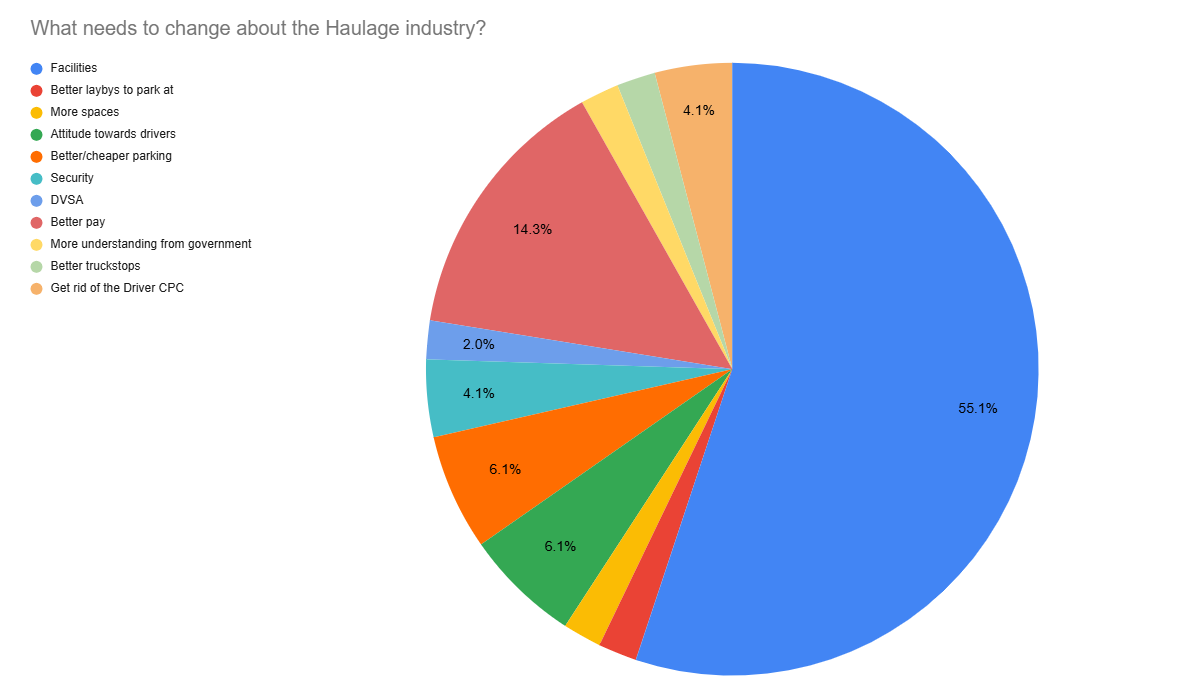
49% dintre șoferii de pe rețelele de socializare au susținut că schimbările trebuie implementate indiferent de sex - cu 27% dintre șoferii de TIR de sex feminin de acord că sectorul trebuie să evolueze pentru toată lumea. 24% au declarat că locul de muncă nu mai este atrăgător, subliniind nevoia de schimbare în industrie. Așadar, ce doresc șoferii să vadă schimbat?

Facilități

55% au dorit să vadă facilități îmbunătățite pentru toată lumea:

"Trebuie să existe facilități mai bune și un tratament mai bun. Întreaga industrie este o ruină, iar noi suntem maltratați."

"Facilitățile sunt groaznice pentru toți șoferii, bărbați și femei."

În noiembrie 2024, un [sondaj Transport Focus] (https://www.britsafe.org/safety-management/2024/uk-truckers-why-more-action-is-needed-to-make-their-working-lives-safer-and-healthier#:~:text=Improving%20roadside%20facilities&text=Drivers%20have%20long%20been%20telling,asked%20expressed%20dissatisfaction%20with%20both.) a constatat că două treimi dintre șoferi erau nemulțumiți de facilitățile din stațiile de camioane - facilitățile murdare, opțiunile alimentare slabe și lipsa spațiului social cauzând probleme semnificative.

Guvernul și industria de transport au luat măsuri semnificative, investind 14 milioane de lire sterline pentru a stimula inovarea și a îmbunătăți condițiile de muncă.

În octombrie 2024, 23 de solicitanți selectați au primit până la 4,5 milioane de lire sterline pentru a-și îmbunătăți stațiile de camioane. Modernizările vor include noi dușuri, restaurante și elemente de securitate îmbunătățite pentru a le oferi șoferilor o mai mare liniște. În plus, sistemul va crea aproximativ 430 de locuri de parcare pentru vehiculele grele de marfă.

Salariu

Salariile mai bune au ocupat locul al doilea pe listă, 14% dintre șoferi susținând că o creștere a salariilor ar încuraja un număr mai mare de persoane să intre în industrie:

"Faceți-o atractivă pentru toată lumea, măriți salariile."

Majorarea salariilor va avea un cost semnificativ pentru liderii din industrie. Dacă salariul mediu al șoferilor de camioane ar crește în conformitate cu salariul de trai național, operatorii de flote s-ar putea confrunta cu o sumă suplimentară de 1,5 miliarde de lire sterline pe an.

În ciuda acestui fapt, investițiile vor îmbunătăți ratele de retenție, vor reduce cheltuielile de recrutare și costurile de formare. Oferirea unor salarii mai mari nu numai că ar face profesia mai atractivă pentru noii veniți, dar ar recunoaște și rolul esențial pe care îl joacă șoferii în menținerea lanțului de aprovizionare.

Atitudine față de șoferi

De-a lungul anilor, opiniile publicului cu privire la șoferii de camion au evoluat semnificativ. Viața unui camionagiu a fost adesea romanțată în filme și în mass-media populară, ceea ce i-a făcut pe mulți să creadă că le este ușor. Cu toate acestea, ei au fost prezentați și ca eroi harnici, o imagine care s-a deteriorat în timp.

Spre sfârșitul secolului al XX-lea, percepțiile s-au schimbat pe măsură ce condițiile de muncă s-au înăsprit, iar șoferilor de camioane li s-au atribuit stereotipuri nedrepte - adesea din cauza unei reprezentări eronate în mass-media și uneori din cauza câtorva șoferi fără experiență. Aceste stereotipuri negative au fost atenuate în timpul pandemiei COVID-19, când a crescut aprecierea publică pentru șoferii de camioane.

Astăzi, există respect pentru drumari - cu toate acestea, industria rămâne afectată de stereotipuri și atitudini negative. Un aspect pe care 6% dintre șoferi ar dori să îl vadă schimbat:

"Gândindu-mă la Covid, am fost considerați eroi, dar după aceea, totul a revenit la normal. Nu e de mirare că șoferii actuali, bărbați și femei, vor să părăsească industria. S-au săturat de tratamentul mizerabil cu care se confruntă zilnic."

"Ar fi frumos să nu fii tratat ca un gunoi."

În ultimii ani, ascensiunea social media a început să pună la îndoială și să schimbe percepțiile negative. Mulți șoferi folosesc platforme precum TikTok și Instagram pentru a împărtăși informații despre rolul lor, a risipi concepțiile greșite și a câștiga respectul celor din afara industriei.

Feedback-ul arată nevoia urgentă a industriei de transport de mărfuri de a implementa schimbări pentru a atrage și păstra șoferii noi și existenți. Sub-reprezentarea femeilor rămâne o provocare semnificativă, iar investiția în facilități care să răspundă nevoilor lor este crucială. Cu toate acestea, aceste investiții trebuie să fie incluzive și să beneficieze întregii forțe de muncă.
În ce țări există un deficit de șoferi de camioane?

Țările din Europa au fost cele mai afectate, multe companii de camioane neputându-și extinde activitatea deoarece nu pot găsi lucrători calificați.

Europa are o populație de șoferi de camioane îmbătrânită, cu o [vârstă medie de 47 de ani] (https://www.iru.org/news-resources/newsroom/half-european-truck-operators-cant-expand-due-driver-shortages#:~:text=The%20EU%2C%20Norway%20and%20the,an%20average%20age%20of%2047.). O treime dintre camionagii au peste 55 de ani și se așteaptă să se pensioneze în următorii zece ani. În plus, mai puțin de 5% dintre șoferii de camioane din Europa au mai puțin de 25 de ani - ceea ce evidențiază golul care va rămâne odată cu pensionarea unei forțe de muncă în curs de îmbătrânire.

Există o zi de apreciere a șoferilor de camioane?

[HGV Drivers Day] (https://https://snapacc.com/newsroom/hgv-drivers-day-2025-giving-truckers-a-voice/) are loc pe 22 ianuarie și a fost înființată de NN1 Personnel. Ziua își propune să sărbătorească șoferii de camioane și tot ceea ce fac ei pentru economie și societate.

Care sunt perspectivele industriei transporturilor rutiere pentru 2025?

Din blogul nostru, [The Road Ahead for 2025] (https://snapacc.com/newsroom/the-road-ahead-for-2025-truck-industry-trends-to-expect/), ne așteptăm ca în acest an să se evidențieze în industria transporturilor rutiere următoarele aspecte:

  • Adoptarea avantajelor AI.

  • Combaterea diferenței de gen și a deficitului de șoferi.

  • Promovarea unei industrii mai ecologice.

  • Creșterea transportului de marfă pe distanțe lungi.

Share to

Alții citesc de asemenea...

Header Image

miercuri 25 martie 2026 • Știri și actualizări

MODUL ÎN CARE SISTEMELE PREDICTIVE ÎMBLÂNZESC INCERTITUDINEA LIVRĂRII

Evelyn Long

Delivery operations rarely unfold exactly as planned. Even the most carefully designed logistics schedules must contend with an unpredictable world. Travel congestion can add hours to a route, severe weather can delay entire regions and a single vehicle breakdown can disrupt dozens of deliveries scheduled throughout the day. When these disruptions occur, they often create a chain reaction that affects drivers, warehouses, customers and operational costs. For companies that operate fleets, whether they deliver packages, medical supplies, food or construction materials, this uncertainty can significantly impact business performance. Missed delivery windows frustrate customers and can damage brand reputation. Delays can also increase fuel costs, overtime pay and operational inefficiencies. In industries where margins are tight, even small disruptions can add up quickly.What makes delivery uncertainty especially challenging is how interconnected modern logistics networks have become. A delay at one point in the system can ripple outward, affecting multiple routes and schedules. Without the right tools to anticipate and manage these disruptions, businesses are often forced to react in real time, which can lead to rushed decisions and inefficient solutions.One of the key technologies helping organisations manage delivery uncertainty is the Internet of Things (IoT). IoT refers to networks of connected devices, such as sensors, GPS trackers and telematics systems, that connect and transmit real-time data from vehicles, equipment and infrastructure. In fleet operations, IoT devices can monitor a wide range of conditions. GPS tracking for vehicles on the road. Engine sensors can track vehicle performance and detect early signs of mechanical issues. Temperature sensors can ensure that sensitive cargo remains within required conditions during transit. Together, these data streams create a detailed picture of what’s happening across an entire delivery network. This level of visibility is essential for managing uncertainty. When managers can see where vehicles are, how they’re performing and whether any issues are developing, they can respond much faster. Instead of discovering a problem hours later, they can address it as soon as the warning signs appear. In many cases, this visibility also feeds into predictive systems that analyse the data and forecast potential disruptions before they occur. While IoT provides the data, AI offers the intelligence needed to interpret it. AI systems analyse large volumes of operational information, including traffic patterns, weather forecasts, vehicle performance metrics, delivery history and route efficiency. By identifying patterns in this data, to occur and recommend adjustments. For example, predictive algorithms can analyse historical traffic conditions along a delivery route and estimate when congestion is likely to occur during certain times of day. If the system detects that a particular route will likely experience delays, it can suggest an alternative path before the driver even leaves the depot. Similarly, AI-driven maintenance systems can analyse engine data and identify early warning signs of mechanical problems, allowing repairs to be scheduled before a breakdown occurs on the road. Predictive systems work best when they combine data from multiple sources and translate that information into actionable insights. In a fleet environment, this often means integrating vehicle telematics, weather data, delivery schedules and live traffic information into a single predictive platform. When all of this data is analysed together, the system early. For example, if a severe storm is forecasted along a delivery route, the network can recommend adjusting departure times or rerouting drivers to avoid affected areas. If sensors detect that a vehicle component is likely to fail soon, it can schedule maintenance during planned downtime rather than allowing a breakdown to disrupt deliveries. Over time, these predictive adjustments make delivery operations smoother and more efficient. Routes become more optimised because the system continually learns from previous trips. Maintenance becomes strategic because vehicles are rather than fixed schedules. Even warehouse operations can improve, since more accurate delivery predictions allow teams to better coordinate loading and unloading processes. Beyond preventing disruptions, predictive systems also help fleets operate more efficiently. Businesses that have access to reliable forecasts and operational insights can plan routes, staffing and vehicle usage with greater precision.For instance, predictive analytics can identify patterns in delivery demand, allowing companies to allocate resources where they’re most needed. If certain routes consistently experience delays during specific hours, schedules can be adjusted to avoid those peak periods. Fuel usage can also be optimised by identifying more efficient routes or driving patterns. Over time, these incremental improvements add up. Vehicles spend less time idling in traffic, drivers spend more time completing deliveries rather than waiting or rerouting, and customers receive more accurate delivery estimates, and satisfaction. Another key benefit of predictive technology is the ability to monitor and control systems remotely. As connected devices become more common, consumers and businesses expect this level of oversight and convenience. A survey found that smart garage door openers consider remote monitoring and control to be a crucial feature. While this statistic relates to residential technology, it highlights a broader shift in expectations. People increasingly value the ability to check on systems, receive alerts and manage operations from anywhere. The same mindset is becoming more important in professional logistics environments. Fleet managers want to see vehicle locations in real time, receive notifications about potential issues and make adjustments without needing to be physically present. Predictive systems support this capability by turning complex operational data into clear, actionable insights that can be assessed remotely. While predictive systems provide clear advantages, they also introduce new considerations that businesses must address. In 2024, the of suspected internet crime. As fleets become more connected and reliant on digital platforms, cybersecurity becomes increasingly important. IoT devices, cloud platforms and AI-driven systems all rely on network connectivity and data exchange. Systems that aren’t properly secured could become targets for cyberattacks. A compromised system could disrupt operations, expose sensitive data or interfere with fleet management tools.Delivery uncertainty may never disappear entirely, but predictive systems are making it far more manageable. By combining IoT connectivity with AI-driven analytics, fleet operators can gain deeper visibility into their operations and anticipate problems before they disrupt schedules. As these technologies continue to evolve, they will play an important role in helping fleet-based businesses reduce uncertainty, streamline operations and deliver a more consistent experience for their customers.Discover more from

Header Image

miercuri 11 martie 2026 • Știri și actualizări

SFATURI PROACTIVE PENTRU SIGURANȚA ȘI PERFORMANȚA FLOTEI ÎN FIECARE SEZON

Guest

Fleet performance rarely unravels overnight. It slips through small oversights — a missed service interval, worn tread or a delayed depot repair. As a UK fleet manager, the cost of reacting late shows up in downtime, higher insurance premiums and risk to your reputation.Your proactive, seasonal strategy protects the vehicles, drivers and infrastructure before temperature-triggered issues escalate. Align maintenance cycles with weather patterns, operational peaks and compliance demands. Your fleet will be steadier, safer on the road and reduce unwelcome surprises.Reactive fleet management costs you more. Emergency repairs can disrupt tight schedules, strain budgets and frustrate even the best drivers. In contrast, effective forward planning can reduce unplanned downtime and extend vehicle life cycles.Predictive maintenance and seasonal checks are strategic in supporting compliance. The Driver and Vehicle Standards Agency can for roadworthiness at any time, not just during the annual inspection. A prevention-first culture demonstrates your team’s due diligence and strengthens your Operator Compliance Risk Score, without warning.Driver retention links closely to this mindset. Vehicles that are reliable in winter, maintain cabin comfort in summer and feel safe in poor weather send a clear message that your organisation values professionalism and safety.Longer daylight hours and increased road activity shift risk profiles. Construction zones expand, cyclists and pedestrians increase and higher temperatures stress mechanical systems.Introduce quarterly automobile network checks before weather changes set in.: Ensure all vehicles’ air conditioning systems operate efficiently. Comfortable drivers remain more alert and calm on long routes and in heavy traffic, while being hot and bothered behind the wheel fosters reckless driving. : Check radiators, coolant levels and hoses. Heat accelerates wear and can trigger overheating if systems run hot due to environmental factors. : Rising temperatures can affect tyre pressure. Confirm correct inflation and inspect for sidewall damage to reduce the risk of blowouts. Hot road surfaces also wear tyre tread more easily, affecting braking capacity. Reinforce safe driving techniques that consider sun glare, roadworks and higher traffic density. Consider installing tinted windshields when drivers face extreme light conditions.Heat amplifies even minor engine weaknesses. Address mechanical safety early, and you'll prevent mid-season breakdowns or disrupted delivery windows.Shorter days, heavy rain and icy surfaces demand that your team is on top of their game. Autumn brings leaves and debris that litter already-slick roadways, and winter compounds the challenge with frost and failing batteries. Prepare before these conditions set in to keep your mobile assets from deteriorating:: Inspect all headlights, brake lights and indicators. Replace worn wipers, top up the windshield washer reservoirs with de-icing chemicals rated for low-temperature use and add anti-freeze to radiators. : Confirm adequate grip depth on all wheels for additional safety on wet and icy roads and consider swapping to winter sets where routes justify the investment. This is also an ideal time to check your fleet’s tyre ages, as no commercial vehicle may be on the road in the UK with ago, which are considered unroadworthy. : Cold weather reduces battery efficiency. Test older units and replace those nearing the end of life. Trickle chargers help maintain truck batteries' charge when drivers must stop to meet their rest requirements. : Low light and adverse weather can trigger anyone's natural sleep instinct, so manage drivers' alertness levels. Review route planning and rest policies to reduce strain or assign two drivers on longer routes.Vehicle readiness supports road safety, yet infrastructure also plays a role. Poor depot lighting, icy yard surfaces or malfunctioning entry points can delay departures and create hazards before trucks even reach public roads.Mobile asset safety starts at the depot. Vehicles often sit for hours in storage yards or warehouses. A compromised facility exposes high-value assets to theft, weather damage and operational delay. Commercial lots or warehouses are vulnerable matter.Rolling doors and access points demand particular attention in the UK’s damp climate. Corrosion frequently begins at exterior door components, affecting guides and structural elements. Over time, degradation can trigger failures that halt departures or compromise security. Noncorrosive rolling doors made with , like stainless steel, provide safety for the fleet’s vehicles and secure valuable manifests at depots.Businesses operating in high-moisture or coastal environments should invest in corrosion-resistant products. Use cleaning agents and lubricants to prevent hinges and mechanisms from seizing up. Functional doors safeguard operations because a primary access door that fails during peak dispatch hours can result in vehicles missing slots and customer confidence slipping. Proactive facility maintenance reduces that risk.Broader property readiness matters, too. Seasonal inspections of drainage, roofing and external lighting strengthen operational continuity at all hours of the day. Thorough winter preparation should prevent structural and water-related damage. Treat your depot as part of the company's mobility ecosystem by securing doors and maintaining clean yard surfaces. Resilient infrastructure protects vehicles before they reach the road.Technology strengthens your seasonal planning. Telematics platforms provide a wealth of information, including identifying braking patterns, fuel efficiency shifts and early warning codes before faults escalate. Advanced driver-assistance systems add further safeguards, particularly in low-visibility conditions.Use AI to help you analyse data and create workflows that meet each season’s changing needs. Data-driven insights inform scheduling. Use analytics to identify recurring battery failures in cold-region trucks or cooling issues during summer peaks. Adjust the fleet's scheduled maintenance according to telematics guidance.Modern trucks with telematics can of data per minute from hundreds of sensors, which is only useful if you have the computing systems to extrapolate findings and trends that inform maintenance and performance schedules.Proactive company asset management evolves beyond checklists. It becomes a continuous improvement process informed by data, temperatures and infrastructure integrity.Seasonal transitions present predictable challenges from heat-stressing engines, cold-draining batteries and moisture corroding structural components. Increased traffic and vehicle use alter risk patterns.Address these variables before they disrupt your team’s operations. Align maintenance cycles with weather trends, reinforce driver training ahead of weather shifts and invest in resilient depot infrastructure.A fleet that anticipates change operates with confidence and performs consistently with improved safety metrics and decreased downtime. Those incremental advantages compound into measurable operational strength.

Header Image

luni 26 ianuarie 2026 • Știri și actualizări

PREGĂTIREA BUGETULUI FLOTEI 2026 PENTRU (NE)AȘTEPTĂRI

Guest

Preparing your fleet budget goes beyond simple financial exercises. As a manager, you need strategic oversight to navigate economic headwinds and an evolving regulatory framework. It is essential to prepare your company for unexpected events, as these instances define operational stability and success. Here’s how to build a responsive budget and get ready for future challenges. Being a fleet manager means foreseeing both the predictable trends and significant uncertainties. The following seven strategies are designed to absorb shocks, adapt to change and build resilience. Your budget may have a fixed monetary amount each year. While simple, it could be too static when anticipating unexpected events. Make your financial planning more dynamic by allocating a specific percentage rather than a fixed amount. For instance, your emergency fund could be 5% of the total budget instead of $100,000 annually. Using a percentage is wise because it hedges against inflation. A fixed amount loses purchasing power over the years, whereas a percentage-based fund grows with the budget. You get automatic protection from marketwide surges. Consumer prices in the U.K. , though they can quickly fluctuate due to market conditions. Fleet managers used to determine their budgets based on acquisition prices. Now, they are focusing on budget stability and long-term strategies. Make your process more holistic by managing the total cost of ownership (TCO) and the cost per vehicle over their lifetimes. This approach makes you more meticulous and your budget more dynamic. Mastering TCO involves centralising your data and using dedicated fleet management software. This technology helps your business by and recommending conservation strategies. TCO also enables you to forecast the year for each vehicle based on historical information. Use this to make more informed acquisitions and save money. A volatile economic climate means you need to contain costs. Leverage your company’s position by reviewing supplier contracts and considering renegotiations before renewal. This strategy converts unpredictable expenses into more manageable line items. Your business partner may raise prices on essential goods, so your meetings should lock in prices for tyres and oil. Narrow your negotiation to key areas, such as pricing structure. Your primary focus should be fixed-price agreements for high-volume items and standard labour rates. Savvy fleet managers leverage their spending from the previous year to earn volume discounts and capped increases. These properly managed contracts insulate your business and transfer risk to suppliers. Risk management for your fleet budget also includes insurance optimisation. Managers should turn this annual exercise into an opportunity to protect their business from financial debilitation. The right policy is crucial because it protects against shocks that can result in third-party damage or injury. It also increases predictability by turning repair bills into known variables. Insurance optimisation requires a thoughtful, data-driven process. Give your broker a risk management portfolio to showcase positive trends, such as fewer speeding incidents or less harsh braking. If you have policy excess, ask your insurer to model the premium savings for a higher deductible. Therefore, you can save money on your monthly payment. Maintenance and repairs can be unpredictable and expensive. One breakdown on the M6 could require costly engine work or a transmission replacement. Be proactive by implementing structured service schedules. Beyond the manufacturer's guidelines, you should create detailed plans for each vehicle based on its usage and age. You can dive deeper by including motorway driving and city travel. Your maintenance schedule should also include daily tasks. For example, experts to prevent condensation formation. If the tank is close to empty, sediment buildup and pump damage may occur. Cleaning is another nonnegotiable daily chore, especially when driving over road salts and chemicals. Rinse off dirt and other contaminants before storing vehicles. Accidents are among the most unexpected parts of your fleet budget. Besides the crash, managers must also and solicitor fees. However, proper driver training can mitigate this cost by reducing its frequency. Targeted coaching helps operators understand defensive driving, hazard perception and the specific dynamics of their jobs. Investing in driver training is one element of risk control. Human driving can be unpredictable, but education transforms it into a more consistent variable. By improving your drivers, you also help your insurance premiums. An accident can raise rates, so proper training is one way to control costs. A decrease in incidents can be used as leverage in insurance negotiations. Fleets are becoming more connected as they transform into data hubs. Your vehicles can generate and store vast amounts of information, which is essential for management. However, the connectivity exposes the modern automobile to liabilities. Budget for cybersecurity to protect your assets from digital threats and prepare for the unexpected. Managing this part of your fleet budget involves protecting vehicle systems. You could invest in hardware and software solutions to create firewalls around your GPS and V2X communications. This strategy helps keep your software up to date and protected from external threats. Secure data transmission is another part of preparing for the unexpected. Forward-thinking managers invest in fleet management systems with end-to-end encryption. Before building a resilient operation, it is essential to understand why. You should budget for unexpected events to ensure continuity. If a vehicle breaks down, it could halt operations and delay services. However, planning for these incidents provides a buffer and safeguards your bottom line. All vehicles are subject to failure, so you are preparing for the physical reality. This strategy is also essential for the bigger picture. For instance, economic volatility is a factor outside your control. Sudden inflation, interest rate hikes and price increases are detrimental to static budgets. However, planning for unexpected costs helps absorb them. By accurately forecasting expenses, you build financial discipline and credibility with stakeholders.Building a dynamic budget demonstrates strategic leadership more than defensive measures. As you incorporate wise approaches, you fundamentally shift your organisation’s mindset and promote proactive control. The modern economic climate requires fleet managers to absorb shocks and mitigate asset failure. A strong budgetary framework lets you protect profit margins and guarantee continuity.Discover more from