Susie Jones
Novinky a aktualizace • 3 min čtení

Autonomní nákladní vozidla: Rozplétání cesty před námi

Vytvořeno: 16.05.2025

Aktualizováno: 23.05.2025

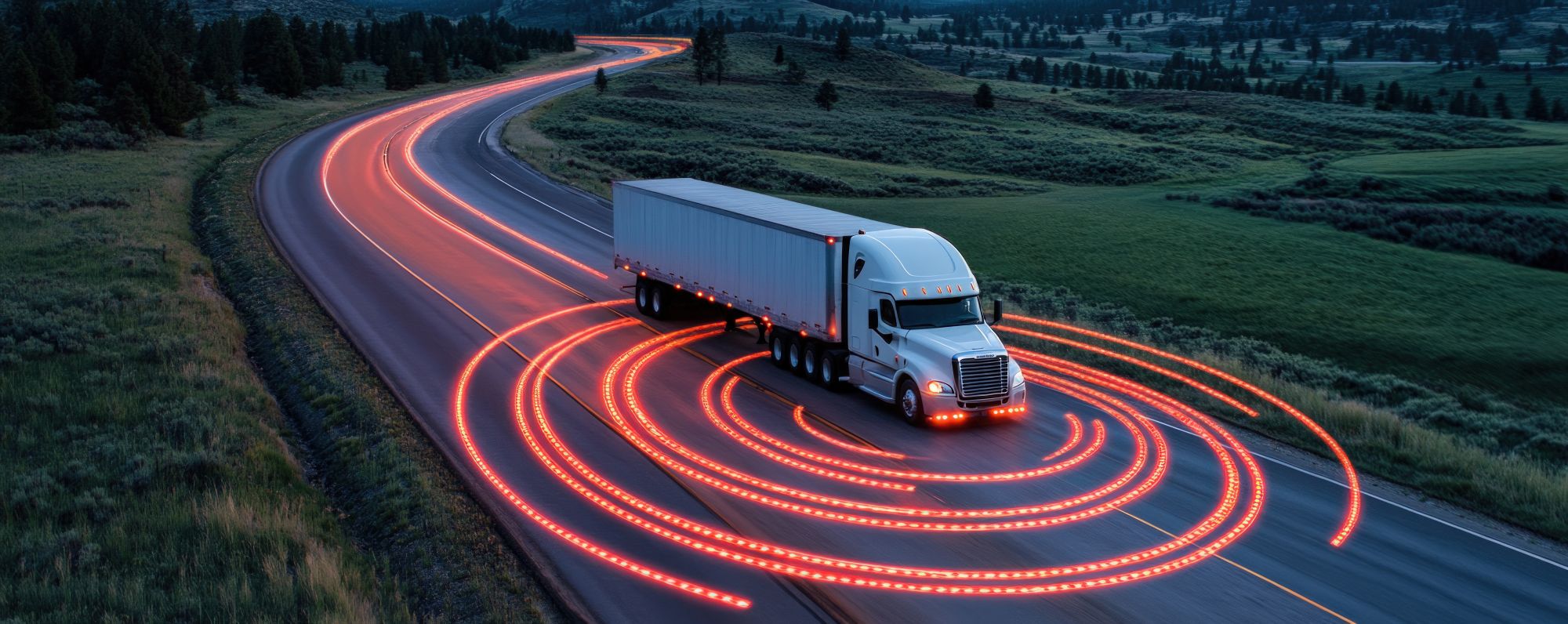
Autonomní nákladní vozidla - pro někoho odstrašující představa, ale zřejmě budoucnost logistického průmyslu. S technologickým pokrokem v tomto odvětví je vyhlídka na částečně nebo zcela autonomní vozidla, která budou doručovat vaše zboží, vysoká. Podle britské vlády by to mohlo být již v roce 2026, protože v květnu 2024 vstoupil v platnost zákon o automatizovaných vozidlech (AV).

Co se však stane, když se autonomní nákladní vozidlo dostane do nehody? Kdo nese odpovědnost? V tomto blogu se podíváme do světa autonomie, jak by mohla ovlivnit odvětví mobility, kdo nese odpovědnost při nehodách a co si o této změně myslí řidiči.

Jaké jsou různé úrovně automatizace?

Existuje šest úrovní automatizace řízení:

  • Úroveň 0 - žádná automatizace. Všechny úkoly řízení provádí člověk.

  • Úroveň 1 - asistence řidiče. Vozidlo je vybaveno jediným automatickým systémem.

  • Úroveň 2 - částečná automatizace. Vozidlo může provádět řízení a zrychlování. Člověk však stále sleduje všechny úkoly a může kdykoli převzít řízení.

  • Úroveň 3 - Podmíněná automatizace. Vozidlo může provádět většinu jízdních úkonů. Stále je však vyžadováno ovládání člověkem.

  • Úroveň 4 - Vysoká automatizace. Vyžaduje se geografické ohraničení a vozidlo může za určitých okolností provádět všechny úkoly řízení. Možnost ovládání člověkem.

  • Úroveň 5 - Plná automatizace. Vozidlo provádí všechny jízdní úkony za všech podmínek. Není nutná žádná lidská pozornost ani interakce.

Jak fungují autonomní nákladní vozidla?

Senzory, kamery a umělá inteligence umožňují autonomním nákladním vozidlům jezdit samostatně. Pokročilé programy rozhodují místo lidských řidičů.

Problémy, se kterými by se odvětví mohlo potýkat

  • Právní aspekty - Kdo nese odpovědnost při nehodách? Je to řidič, jeho zaměstnavatel nebo údržbářská firma? Tuto otázku rozebíráme níže.

  • Infrastruktura - Naše stávající silnice jsou stavěny pro svět benzinových motorů. Proto je nutné infrastrukturu modernizovat nebo vyměnit, aby podporovala flotily samořízených vozidel, což vyžaduje peníze a značnou politickou vůli.

  • Společenské změny - bude také nutné změnit postoje veřejnosti. Vyhlídka na vozidla s umělou inteligencí je pro mnohé skličující, protože se obávají o bezpečnost, sledování cesty a šedé právní oblasti týkající se dopravních nehod.

  • Bezpečnost - systém, který se spoléhá na digitální sítě, je zranitelnější vůči kybernetickým hrozbám.
Co si řidiči kamionů myslí o autonomních kamionech?

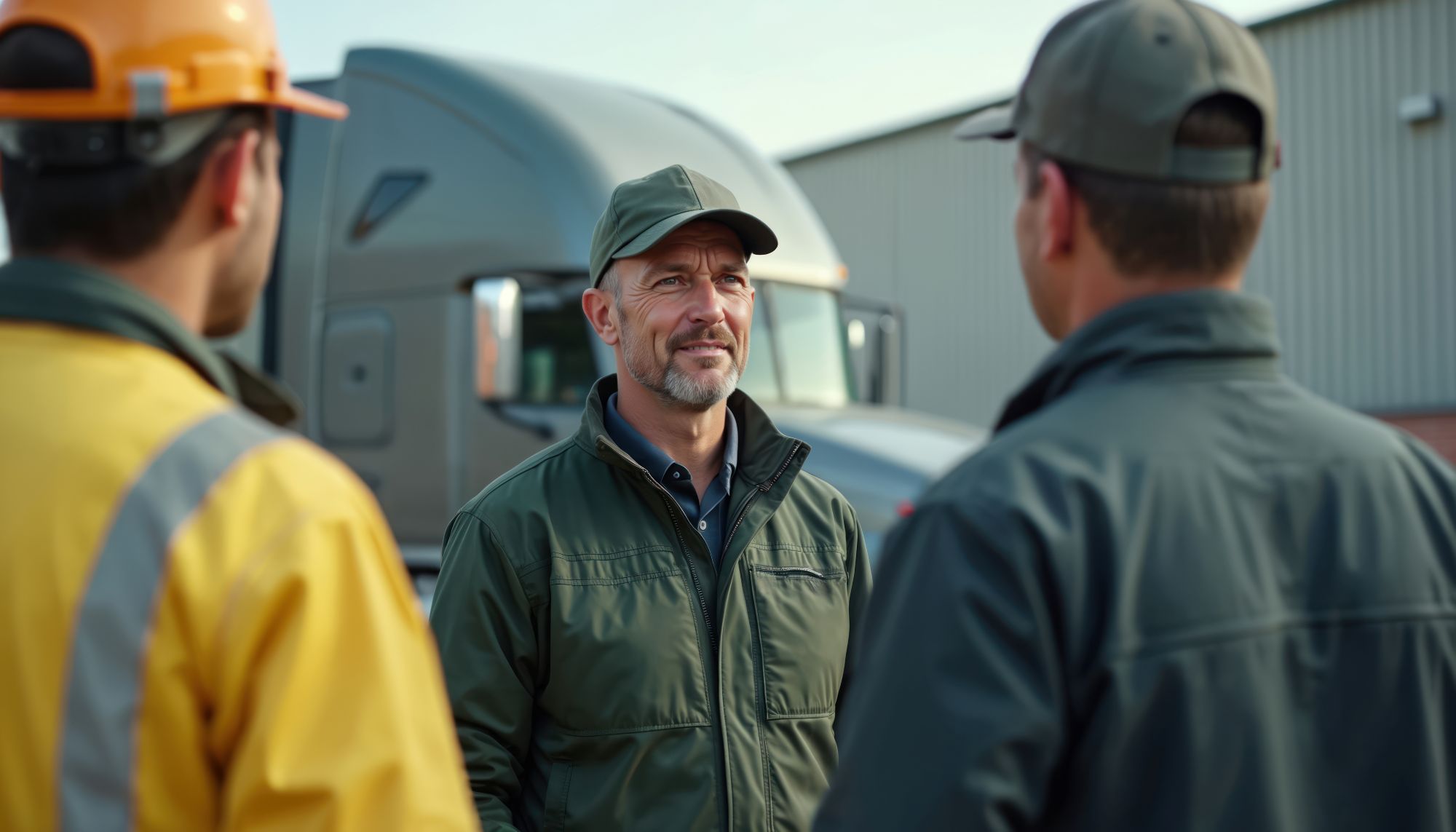
Bezpečnost autonomních kamionů je v tomto odvětví horkým tématem diskusí, přičemž mnozí diskutují o tom, zda je tato technologie na spolehlivé úrovni, aby se dokázala vypořádat s nepředvídatelným počasím a rozpoznat překážky - což řidiče kamionů na stránkách SNAP na sociálních sítích znepokojuje:

"Při sebemenším dešti ztratí můj vůz všechny automatické funkce, AEBS a tempomat. Není možné, aby nákladní auta v dohledné době jezdila sama bez řidiče."

"To způsobí další smrt na silnicích a další fronty. Jen si vzpomeňte, jak spolehlivá je elektronika ve vašem vozidle Euro 6. Stejní lidé vyrábějí autonomní nákladní automobily."

Právní aspekty - kdo je zodpovědný za nehody?

V případě nehody se může odpovědnost přenést mezi řidiče a výrobce. Soud musí určit, zda byla nehoda způsobena technickou závadou, nedostatečnou údržbou nebo chybou řidiče.

Odpovědnost výrobce

Výrobce je odpovědný v následujících případech: - Porucha snímače

  • Závady softwaru

  • Nedostatečná opatření kybernetické bezpečnosti

  • Nedostatečné testování

Odpovědnost řidiče/vozového parku

Řidič autonomního nákladního vozidla může být odpovědný za nehodu, pokud zanedbá nezbytný servis nebo údržbu potřebnou pro správnou funkci vozidla - lze namítnout, že tato odpovědnost může dopadnout i na správce vozového parku.

I přesto panují mezi pracovníky v oblasti mobility určité nejasnosti. Na našich stránkách sociálních médií jsme se zeptali řidičů nákladních vozidel, kdo by podle nich nesl odpovědnost v případě nehody s autonomním vozidlem. Podle 51 % řidičů by byl odpovědný řidič, 37 % navrhovalo výrobce automatizovaných nákladních vozidel a 12 % se domnívalo, že vývojáři softwaru.

Je zřejmé, že než se autonomní nákladní automobily stanou trvalou součástí našich silnic, je třeba, aby se v tomto odvětví více vyjasnilo.

Jak vypadá budoucnost?

Ve své revidované kampani TruckPark of the Future se SNAP zabývá budoucností odvětví mobility. S technologickým pokrokem budou v tomto odvětví hrát významnou roli autonomní vozidla, přičemž je 50% pravděpodobnost, že by stroje mohly v příštích 120 letech převzít všechna lidská pracovní místa.

Jak se však vypořádají s některými z nejnebezpečnějších evropských dálnic?

Řízení nákladního vozidla je víc než jen sezení za volantem - často jde o navigaci v neustále se měnících a nepředvídatelných podmínkách na silnici. Nabízí se otázka, zda by si autonomní nákladní vozidla mohla poradit s některými z nejhorších silnic v Evropě. Na základě své nejnovější kampaně Hazardous Highways identifikoval SNAP nejnebezpečnější evropské silnice, přičemž výsledky ukázaly, že největší obavy vzbuzují Bulharsko, Litva a Česko.

Dalo by se říci, že autonomní nákladní vozidla budou čelit problémům, když se budou snažit pohybovat po některých z těchto silnic bez lidské interakce. Situaci by mohla zkomplikovat omezená přesnost GPS, rušení senzorů a nedostatek konzistentní infrastruktury.
Sdílet na

Ostatní také čtou...

Header Image

pátek 19 prosince 2025 • Novinky a aktualizace

JE VAŠE FLOTILA CÍLEM? UPŘEDNOSTŇOVÁNÍ BEZPEČNOSTI VE SVĚTĚ, KTERÝ JE TECHNOLOGICKY VYSPĚLÝ

Guest

Cybersecurity readiness must be a top priority for fleet owners and managers in the United Kingdom. The rapid digital transformation in the transportation and logistics industry has made fleets attractive targets for hackers. Learn about the cybersecurity trends fleet operators must be aware of and strategies you should adopt to lower your susceptibility to attacks.The advent of connected vehicles, push for fleet electrification, integration of Internet of Things (IoT) devices and reliance on automation have expanded the attack surface opportunistic cybercriminals can exploit to infiltrate your network.Vulnerable telematics back-end systems, insecure over-the-air firmware updates and buggy APIs are common entry points for phishers, data thieves, business saboteurs and ransomware attackers. Threat actors are also increasingly leveraging artificial intelligence to launch more believable scams.Falling victim to a cyberattack can cause more than extended, unscheduled downtime. A high-profile security incident can inflict severe reputational damage on your organisation and harm your business in the long term.Although your cyber insurance coverage may compensate you millions for losses, the financial impact can lead to insolvency — as happened to KNP Logistics in June 2025. An Akira ransomware attack exacerbated this major logistics group’s preexisting financial struggles, and let go of 730 employees.Every business is at risk from cyberattacks, but these strategies can help make your fleet management software and vehicles less vulnerable.A robust threat intelligence platform strengthens cybersecurity, as it allows you to proactively defend your assets from malicious actors and minimise your losses if they target you. Here are the primary ways to use threat intel to improve your security posture:Contextualisation enables your team to identify the perpetrators behind specific attacks, understand their motives and capabilities, determine what they want from your organisation, and comprehend their methods. Context transforms raw threat data into actionable intelligence, enabling you to inform your decision-making.Attackers evolve, so learning how they operated in the past is not enough to accurately anticipate their future actions. A threat intelligence platform can help you keep pace with known malicious actors and familiarise your team with relatively unknown ones. Some organisations use deception technologies to lure cybercriminals and watch them in action in a controlled environment.A software solution that can integrate into your company’s existing tools breaks down silos and allows threat intelligence to flow freely across teams. Cross-departmental collaboration is the key to implementing an organisation-wide cybersecurity strategy effectively.A threat intelligence platform can monitor your network activity and sense attack patterns early enough to notify your Security Operations Centre or IT professionals immediately. Early detection is vital to count threats before they infiltrate deeply into your system and cause more harm.Responding to urgent incidents involves less manual work with a threat intelligence platform. This software solution can orchestrate essential tasks to mitigate breaches, enabling your in-house cybersecurity professionals to focus on activities where human input is more impactful.Regulatory frameworks and data privacy standards are becoming more stringent over time. A threat intelligence platform aids compliance by ensuring that your team handles sensitive data responsibly and generates detailed reports to document your best practices.Zero trust minimises the likelihood of unauthorised access to fleet management systems by continuously verifying every user and device and enforcing identity-centric access control.This approach acknowledges that threats can come from within the organisation. Assuming that each request may come from a malicious actor reflects the level of vigilance you must exercise to protect your operation from sophisticated attacks and help your team adapt to complex, dynamic environments involving remote users, IoT devices and cloud services.After verification, zero trust gives users and devices just enough access to perform specific tasks. The principle of least privilege enables effective threat containment if a cybercriminal gets in.According to Cybersecurity Insiders’ 2024 Insider Threat Report, insider threat attacks have spiked. In October 2024, 51% of the 413 respondents in IT and cybersecurity reportedly over the past year. 29% reported spending over $1 million on remediation.The adoption of new technologies is a primary driver behind the rise in these cyberattacks. Investing in employee training is crucial for preventing team members from becoming insider threats.Provide target users with sufficient resources to familiarise themselves with the technologies. Highlight the ways they may inadvertently leak sensitive information or compromise the system. Tell them the red flags to watch out for to identify malicious schemes and teach them safe, responsible ways to deal with cybercriminals.Tight physical security can safeguard your assets from digital hijackers. Effective physical protection often involves a layered approach, which includes perimeter fencing, strategic placement of surveillance equipment and tamper-evident vehicle electronics casings. Additionally, limiting visibility with opaque doors , thereby adding an extra layer of protection to your physical security. Blending physical safeguards with digital solutions can restrict what hackers can do, even if they manage to gain control over fleet vehicles. In 2022, a group of hacktivists attacked the Russian ride-hailing service Yandex Taxi and directed in the same place in western Moscow. The incident should serve as a wake-up call to embrace measures to immobilise your assets if criminals remotely take control of the driver’s seat.Your company is only as strong as the weakest link in your supply chain. The positive impact of impregnable internal cybersecurity diminishes when third-party vendors make it easy for lawbreakers to steal your data from elsewhere. For instance, temporarily could jeopardise your cybersecurity if your lessor has outdated software.Working with supply chain partners that are as particular about cybersecurity reduces your risk exposure. Integrating your suppliers’ systems into your threat intelligence platform ensures better coordination during data breaches. Close collaboration with critical external parties promotes cybersecurity readiness and helps everyone prepare for potential attacks.Contending with online threat actors is inevitable in modern fleet management. Prioritise proactive strategies to stay ahead of hackers. By implementing a multi-layered defence that combines technology, employee training and strategic partnerships, you can build a resilient operation. This stance protects your current assets and secures your company’s future in an increasingly connected world.Discover more from

Header Image

pondělí 08 prosince 2025 • Novinky a aktualizace

TRENDY V NÁKLADNÍCH VOZÍCÍCH: PŘEDPOVĚDI PRO ROK 2026

Guest

Major changes are coming for the mobility sector.The next 12 months will bring some of the most significant regulatory and technological shifts European transport has seen in years. New emissions rules, driver-monitoring systems, hydrogen trials and autonomous pilots will reshape how fleets operate across the UK and EU.For operators and professional drivers, understanding these changes now will make the difference between adapting confidently and struggling to keep up. come into force in 2026, introducing new requirements for fleets. Nitrogen oxide and carbon monoxide limits will tighten further, with the permitted particle size dropping from 23 nanometres to 10. In addition, for the first time.Every new truck sold will need to comply with Euro VII. While vehicle pricing is likely to be affected, the bigger impact will fall on procurement timelines, fleet renewal cycles and long-term decarbonisation.. These monitor eye and head movement to identify early signs of fatigue or inattention, enabling safer interventions and supporting accident-reduction goals across Europe. By 2029, new cab designs must minimise blind spots through improved glass visibility rather than camera reliance. This will particularly influence urban operations, vulnerable road user safety and future vehicle specification.. After years of exemption, this change effectively brings smaller commercial vehicles under full drivers’ hours enforcement.For operators with mixed fleets, this means introducing:● new driver cards● regular data downloads● updated monitoring processes● revised routing and rest-time planningThousands of vehicles that previously operated freely will need compliance systems in place almost immediately. requires companies with more than 250 employees or €40 million revenue to collect and report verified CO₂ emissions – including Scope 3 transport activity.This will cascade through supply chains. Smaller hauliers without reliable emissions reporting risk losing access to larger contracts, accelerating the push toward better data systems and standardised reporting.Electric HGV production will rise rapidly in 2026. are all expanding manufacturing capacity.To support this, electric charging is also expanding. , as part of HyHAUL's M4 corridor project. Three refuelling stations, each supplying up to two tonnes of hydrogen daily, support the pilot. If successful, the project aims for 30 trucks on the road by the end of 2026 and 300 by 2030. Alongside this, . Five more will follow by 2027.Vehicle manufacturers are taking different approaches to developing hydrogen-fuelled trucks: ● and DAF are planning similar systems. ● will introduce its next-generation hydrogen fuel cell stack in 2026 with improved durability and lower operating costs.Hydrotreated Vegetable Oil (HVO) is emerging as a notable transitional fuel for haulage in 2026, thanks to two factors: stricter biofuel mandates in north-western Europe and its compatibility with existing diesel engines. Reports by confirm that HVO is a “drop-in” fuel: it can be used in many existing heavy-duty vehicles without engine or infrastructure changes, which gives operators a practical pathway to immediate CO₂ reductions. Meanwhile, forecast that HVO consumption could reach record highs in 2026. Germany alone may need an additional 1.5 million tonnes – almost four times 2025 levels – to meet demand. Although uptake remains modest when compared with battery-electric or hydrogen alternatives, the current regulatory push and infrastructure compatibility mean HVO is likely to gain traction in 2026.From spring 2026, in controlled zones – a full year ahead of plans. Enabled by the , this transition supports an industry expected to contribute £42 billion to the UK economy by 2035 and create an estimated 38,000 jobs. Germany is close behind. , supported by €20 million in seed funding. Across northern Europe, autonomous freight along the 1,200-km Rotterdam-Oslo corridor. The programme runs until March 2026 and examines how autonomous vehicles perform across borders, terrain types and logistics hubs.In Sweden, already move goods between warehouses, processing five million data points per second. Their controlled deployments demonstrate the potential for automation in predictable, repeatable routes.Despite this progress, humans will continue to play a central role. . So while automation will support specific functions, such as port operations, depot shuttles and fixed urban routes, long-haul and complex international transport will remain human-led.The scale and speed of change arriving in 2026 is unlike any previous year for European road transport. Multiple regulatory, technological and sustainability shifts will land simultaneously, reshaping how fleets operate across borders."The operators who succeed in 2026 won't be those who resist change but those who prepare for it systematically," says Nick Long, European Strategic Partnership and Development Manager at SNAP. "We're working with fleets across Europe to build the infrastructure that tomorrow's industry needs. Secure parking. Integrated payments for new toll structures. The building blocks of success are available now for those ready to use them."SNAP helps fleets prepare for the future with integrated solutions for parking, payments and fleet management across Europe. Visit snapacc.com to discover how we can support your transition to 2026 and beyond.

Header Image

čtvrtek 04 prosince 2025 • Novinky a aktualizace

UDRŽUJTE SVŮJ VOZOVÝ PARK BĚHEM SVÁTKŮ V BEZPORUCHOVÉM PROVOZU.

Guest

As the holiday season approaches, you are likely preparing for a surge in delivery demand and more complex operating conditions. This seasonal pressure overlaps with winter weather challenges, creating a unique risk environment for fleets across the UK. The festive period brings extra stress to your vehicles and operations. From consumer-driven surges in mileage to the impact of cold weather on vehicle performance, several seasonal factors converge at once. Understanding these pressures up-front helps you prepare proactively and minimise disruptions across your fleet.Consumer activity , which increases delivery volumes, compresses schedules and raises service expectations. This surge means that even minor disruptions can escalate quickly, as fleets have less flexibility to absorb delays. With more journeys scheduled and tighter handover times, vehicle downtime becomes more costly. A missed inspection or delayed repair can have a much larger operational impact than during other parts of the year.When peak consumer activity overlaps with hazardous weather, fleets experience amplified risk. Traffic congestion increases, road conditions deteriorate and minor mechanical problems can escalate into serious incidents more easily. To combat these issues, you must strengthen preventive maintenance, adjust schedules, and improve real-time monitoring to prevent avoidable breakdowns or delays.Cold temperatures, icy surfaces and reduced daylight all increase mechanical and on-road risks for commercial vehicles, raising the likelihood of weakened batteries, reduced tyre traction and visibility issues. UK roadworthiness standards emphasise the importance of more robust winter maintenance for brakes, lighting, fluids and tyres as conditions deteriorate, reinforcing why winter readiness is essential for uninterrupted fleet operations. Even mild cold , making proactive winter maintenance crucial.Beyond vehicle strain, the holiday season and winter conditions also place pressure on drivers and operational workflows. Increased traffic, unpredictable weather and tighter delivery windows can lead to fatigue, stress and an increased risk of accidents. Careful scheduling, clear communication and proactive support for drivers are essential to maintain safety and ensure that your fleet continues to operate efficiently under these seasonal pressures.Maintaining steady operations during the festive rush requires more than reactive problem-solving. It necessitates deliberate planning across vehicle maintenance, driver readiness, technology utilisation and operational coordination. These streamlined strategies will help you stay ahead of winter season disruptions and maintain consistent fleet performance throughout the holidays.Seasonal demand often requires vehicles to operate in harsher conditions for longer hours, so front-loading maintenance is one of the most effective ways to prevent in-season breakdowns. In construction, downtime can cost , highlighting the importance of proactive upkeep. Focus on winter-critical systems such as batteries, brakes, heating and defrosting systems, tyres, and fluid levels. Addressing minor issues before the holiday rush ensures your vehicles start the season in top condition and reduces the risk of unscheduled downtime when capacity is at its tightest.Drivers face greater pressure during the festive period, from congested roads to unpredictable weather. Preparing them early helps reduce risk and maintain service reliability. Share updated winter driving protocols, reinforce fatigue management best practices and ensure every vehicle carries essential cold-weather equipment. A well-prepared driver can adapt more effectively to seasonal hazards and keep journeys running safely.Access to parts and repair support becomes more challenging during the holidays due to demand spikes and supplier slowdowns. Securing key components in advance and confirming the availability of a repair shop ensures you can respond quickly to mid-season issues. These steps reduce the likelihood of lengthy delays and keep more of your vehicles on the road during peak workloads.Accurate, real-time insights become even more valuable when weather and traffic conditions can change quickly. Telematics systems, identify emerging vehicle issues and adapt routes proactively. Using data to make same-day decisions — whether rerouting, rescheduling or escalating maintenance — helps your fleet stay responsive throughout the holiday period.Seasonal peaks require tighter alignment across dispatchers, drivers, maintenance teams and customers. Clear communication reduces uncertainty and makes it easier to adjust schedules when conditions shift. Share regular updates about weather alerts, route changes, delivery windows and vehicle availability so everyone stays coordinated and able to respond quickly.Even with strong preparation, winter introduces variables that no fleet can fully control. Creating contingency plans provides your team with a structured response in the event of incidents. Establish backup routes, identify alternative suppliers and workshops, and maintain a reserve vehicle strategy where possible. Planning for disruption ensures that unexpected issues don’t halt operations entirely.Use this checklist to make sure your team, vehicles and workflows are ready for the busiest stretch of the year:● Review historical traffic data and expected holiday congestion to build more efficient routing. Tools that monitor and report real-time conditions help reduce delays and fuel waste.● Check batteries, fluids, tyres, wipers and heating systems to prevent cold-weather breakdowns and improve driver safety.● Conduct brief refresher sessions on winter driving techniques, fatigue management and emergency protocols. This supports both safety and productivity.● Holiday mileage and cold temps can accelerate wear. A tighter maintenance schedule helps catch issues before they result in downtime.● Ensure that asset trackers and sensors are fully functional for accurate location and condition data during peak demand.● Many suppliers operate on reduced hours during the holidays. Secure parts and consumables in advance to avoid repair delays.Holiday and winter conditions amplify every small inefficiency. Preparing early helps prevent avoidable downtime, strengthens driver safety and keeps your operations moving through the toughest time of the year. With precise planning, reliable tools and a proactive maintenance rhythm, fleets can turn seasonal challenges into opportunities for better performance and customer satisfaction.Discover more from