Miranda Blake
Novinky a aktualizace • 2 min čtení

Optimalizace tras pomocí softwaru pro správu vozového parku - Účet SNAP

Vytvořeno: 18.11.2024

Aktualizováno: 18.11.2024

Optimalizace tras je pro provozovatele vozových parků, kteří usilují o efektivitu a hospodárnost, nejdůležitější. Účet SNAP nabízí komplexní přístup k optimalizaci tras, který řidičům i správcům vozových parků zajistí snadnou orientaci ve složitých podmínkách. Pojďme se ponořit do různých aspektů optimalizace tras a zdůraznit její přínosy a celkový dopad.

Porozumění optimalizaci trasy

Optimalizace tras zahrnuje strategické plánování cestovních tras s cílem zvýšit efektivitu, snížit náklady a zlepšit poskytování služeb. Hlavním cílem je určit nejlepší trasy pro vozidla s ohledem na faktory, jako je vzdálenost, dopravní režim a rozvrh doručování.

Význam optimalizace trasy

  • Snížení nákladů: Minimalizací cestovní vzdálenosti a času mohou společnosti výrazně snížit náklady na pohonné hmoty a opotřebení vozidel.
  • Vyšší spokojenost zákazníků: Včasné dodávky zvyšují důvěru a spokojenost zákazníků, což vede k opakovaným obchodům.
  • Zvýšení produktivity: Efektivní směrování umožňuje řidičům zvládnout více úkolů za kratší dobu, což zvyšuje celkovou produktivitu.

Klíčové faktory optimalizace trasy

  • Dopravní podmínky: Data v reálném čase mohou pomoci dynamicky upravovat trasy.
  • Schopnosti vozidel: Pochopení omezení a schopností jednotlivých nákladních vozidel je pro efektivní plánování klíčové.
  • Dodací okna: Dodržování konkrétních časů je zásadní pro spokojenost zákazníků.

Optimalizace trasy pomocí účtu SNAP

Náš software pro správu vozového parku, účet SNAP, je revoluční. Je navržen tak, aby zefektivnil různé aspekty provozu, včetně optimalizace tras, a propojuje řidiče, provozovatele vozového parku a poskytovatele služeb prostřednictvím integrované platformy. Díky tomu zajišťuje bezproblémovou komunikaci a efektivitu.

Informace o zastávkách kamionů v reálném čase

Prostřednictvím aplikace intruck a naší mapy poskytujeme přístup k síti více než 600 servisních partnerů po celé Evropě, včetně parkovišť pro kamiony, myček a čerpacích stanic. Tyto informace mohou provozovatelům vozových parků pomoci plánovat efektivnější jízdy díky identifikaci vhodných míst zastávek.
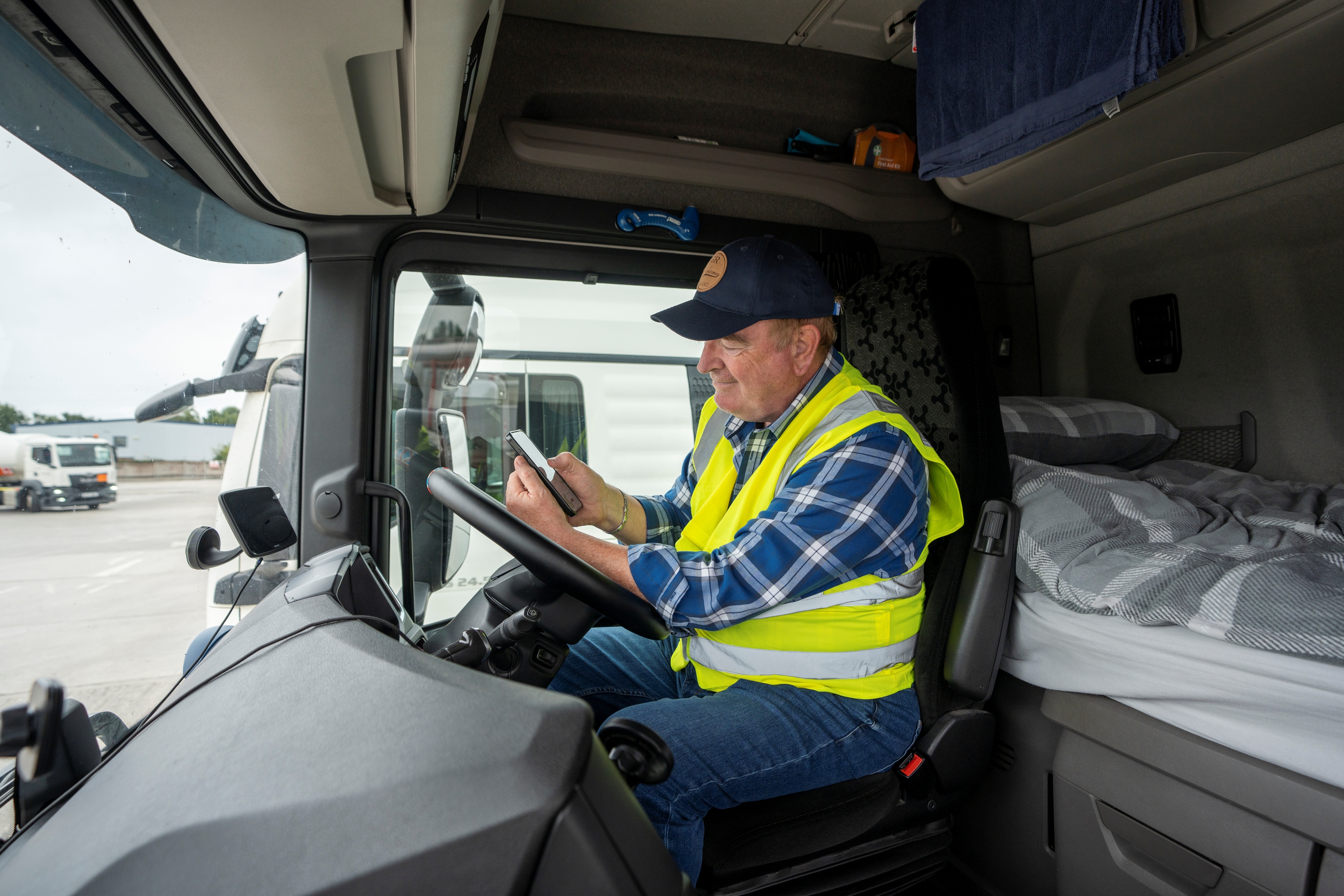
Řidič nákladního vozidla v kabině používá intruck

Možnosti předběžné rezervace

Platforma umožňuje uživatelům rezervovat si místa na více než 160 parkovacích místech, což jim může pomoci vyhnout se ztrátám času a případně optimalizovat trasy tak, aby zahrnovaly předem rezervované zastávky.

Komplexní síť služeb

S účtem SNAP mohou řidiči využívat různé služby, jako je parkování, mytí a tankování na mnoha místech v Evropě. Tato rozsáhlá síť může přispět k flexibilnějšímu a efektivnějšímu plánování tras.

Digitální správa

Náš portál umožňuje provozovatelům vozových parků spravovat více služeb pro všechna jejich vozidla na jednom účtu.

Zajímá vás, jak účet SNAP zlepšuje správu vozového parku v praxi? Objevte, co jsme udělali pro Delintra SP. Z.O.O.

Úloha palivového hospodářství

Efektivní řízení spotřeby paliva je nedílnou součástí optimalizace trasy. Účet SNAP obsahuje nástroje, které vozovým parkům pomáhají sledovat a kontrolovat spotřebu paliva.

Alternativní palivová karta

Alternativa k tradičním palivovým kartám SNAP Fuel umožňuje bezproblémovou správu paliva.

  • Transparentnost nákladů: Provozovatelé vozového parku mají přístup k podrobným zprávám o výdajích, které jim pomáhají identifikovat trendy a oblasti pro zlepšení.
  • Slevy: Díky spolupráci se společností Certas Energy můžeme uživatelům účtu SNAP poskytovat slevy na pohonné hmoty, což dále snižuje provozní náklady.

Zlepšení zkušeností řidičů

Dobře optimalizovaná trasa přináší výhody nejen provozovateli vozového parku, ale také zlepšuje celkový zážitek řidičů.

Zjednodušené platební procesy

Platforma tyto procesy pro řidiče zjednodušuje a eliminuje potřebu hotovosti nebo palivových karet.

  • Instantní platby: Mohou platit za služby pomocí poznávací značky svého vozidla, což zjednodušuje transakce.
  • Snížení administrativy: Všechny výdaje jsou konsolidovány do jediné faktury, což snižuje administrativní zátěž.

Vzhledem k tomu, že se toto odvětví neustále vyvíjí, bude pro udržení konkurenceschopnosti zásadní přijmout technologický pokrok. Provozovatelé vozových parků, kteří chtějí optimalizovat své trasy a zlepšit celkovou efektivitu, by měli zvážit přijetí účtu SNAP jako svého primárního řešení pro správu vozového parku. Nejenže zvyšuje provozní výkonnost, ale také přispívá k udržitelnější budoucnosti dopravního průmyslu.

Pokud chcete získat výhody pro svůj vlastní provoz, kontaktujte nás na telefonním čísle +44 (0)1603 777242.
Sdílet na

Ostatní také čtou...

Header Image

čtvrtek 04 prosince 2025 • Novinky a aktualizace

UDRŽUJTE SVŮJ VOZOVÝ PARK BĚHEM SVÁTKŮ V BEZPORUCHOVÉM PROVOZU.

Guest

As the holiday season approaches, you are likely preparing for a surge in delivery demand and more complex operating conditions. This seasonal pressure overlaps with winter weather challenges, creating a unique risk environment for fleets across the UK. The festive period brings extra stress to your vehicles and operations. From consumer-driven surges in mileage to the impact of cold weather on vehicle performance, several seasonal factors converge at once. Understanding these pressures up-front helps you prepare proactively and minimise disruptions across your fleet.Consumer activity , which increases delivery volumes, compresses schedules and raises service expectations. This surge means that even minor disruptions can escalate quickly, as fleets have less flexibility to absorb delays. With more journeys scheduled and tighter handover times, vehicle downtime becomes more costly. A missed inspection or delayed repair can have a much larger operational impact than during other parts of the year.When peak consumer activity overlaps with hazardous weather, fleets experience amplified risk. Traffic congestion increases, road conditions deteriorate and minor mechanical problems can escalate into serious incidents more easily. To combat these issues, you must strengthen preventive maintenance, adjust schedules, and improve real-time monitoring to prevent avoidable breakdowns or delays.Cold temperatures, icy surfaces and reduced daylight all increase mechanical and on-road risks for commercial vehicles, raising the likelihood of weakened batteries, reduced tyre traction and visibility issues. UK roadworthiness standards emphasise the importance of more robust winter maintenance for brakes, lighting, fluids and tyres as conditions deteriorate, reinforcing why winter readiness is essential for uninterrupted fleet operations. Even mild cold , making proactive winter maintenance crucial.Beyond vehicle strain, the holiday season and winter conditions also place pressure on drivers and operational workflows. Increased traffic, unpredictable weather and tighter delivery windows can lead to fatigue, stress and an increased risk of accidents. Careful scheduling, clear communication and proactive support for drivers are essential to maintain safety and ensure that your fleet continues to operate efficiently under these seasonal pressures.Maintaining steady operations during the festive rush requires more than reactive problem-solving. It necessitates deliberate planning across vehicle maintenance, driver readiness, technology utilisation and operational coordination. These streamlined strategies will help you stay ahead of winter season disruptions and maintain consistent fleet performance throughout the holidays.Seasonal demand often requires vehicles to operate in harsher conditions for longer hours, so front-loading maintenance is one of the most effective ways to prevent in-season breakdowns. In construction, downtime can cost , highlighting the importance of proactive upkeep. Focus on winter-critical systems such as batteries, brakes, heating and defrosting systems, tyres, and fluid levels. Addressing minor issues before the holiday rush ensures your vehicles start the season in top condition and reduces the risk of unscheduled downtime when capacity is at its tightest.Drivers face greater pressure during the festive period, from congested roads to unpredictable weather. Preparing them early helps reduce risk and maintain service reliability. Share updated winter driving protocols, reinforce fatigue management best practices and ensure every vehicle carries essential cold-weather equipment. A well-prepared driver can adapt more effectively to seasonal hazards and keep journeys running safely.Access to parts and repair support becomes more challenging during the holidays due to demand spikes and supplier slowdowns. Securing key components in advance and confirming the availability of a repair shop ensures you can respond quickly to mid-season issues. These steps reduce the likelihood of lengthy delays and keep more of your vehicles on the road during peak workloads.Accurate, real-time insights become even more valuable when weather and traffic conditions can change quickly. Telematics systems, identify emerging vehicle issues and adapt routes proactively. Using data to make same-day decisions — whether rerouting, rescheduling or escalating maintenance — helps your fleet stay responsive throughout the holiday period.Seasonal peaks require tighter alignment across dispatchers, drivers, maintenance teams and customers. Clear communication reduces uncertainty and makes it easier to adjust schedules when conditions shift. Share regular updates about weather alerts, route changes, delivery windows and vehicle availability so everyone stays coordinated and able to respond quickly.Even with strong preparation, winter introduces variables that no fleet can fully control. Creating contingency plans provides your team with a structured response in the event of incidents. Establish backup routes, identify alternative suppliers and workshops, and maintain a reserve vehicle strategy where possible. Planning for disruption ensures that unexpected issues don’t halt operations entirely.Use this checklist to make sure your team, vehicles and workflows are ready for the busiest stretch of the year:● Review historical traffic data and expected holiday congestion to build more efficient routing. Tools that monitor and report real-time conditions help reduce delays and fuel waste.● Check batteries, fluids, tyres, wipers and heating systems to prevent cold-weather breakdowns and improve driver safety.● Conduct brief refresher sessions on winter driving techniques, fatigue management and emergency protocols. This supports both safety and productivity.● Holiday mileage and cold temps can accelerate wear. A tighter maintenance schedule helps catch issues before they result in downtime.● Ensure that asset trackers and sensors are fully functional for accurate location and condition data during peak demand.● Many suppliers operate on reduced hours during the holidays. Secure parts and consumables in advance to avoid repair delays.Holiday and winter conditions amplify every small inefficiency. Preparing early helps prevent avoidable downtime, strengthens driver safety and keeps your operations moving through the toughest time of the year. With precise planning, reliable tools and a proactive maintenance rhythm, fleets can turn seasonal challenges into opportunities for better performance and customer satisfaction.Discover more from

Header Image

úterý 25 listopadu 2025 • Novinky a aktualizace

POLSKO URYCHLUJE PŘECHOD NA BEZEMISNÍ NÁKLADNÍ DOPRAVU

Guest

Poland’s transportation sector is undergoing a major transformation. In recent months, the government has introduced a series of high-value funding programmes aimed at decarbonising the country’s road network and logistics operations. Much of this activity focuses on infrastructure related to heavy-duty vehicles – a sign that the transition to cleaner freight is being embraced across Europe.The scale of investment – and the speed at which it's happening – will be important for operators, managers and infrastructure planners right across Europe. To understand why, it helps to look at both the wider European context and the specific funding available in Poland.The move towards lowand zero-emission transport has been gathering pace across Europe for several years. The EU’s package and to cut emissions from heavy-duty vehicles by 45% by 2030 and by 90% by 2040. The (AFIR) also states that there must be high-power charging points for heavy vehicles every 60 kilometres along the Trans-European Transport Network (TEN-T) – a system of European roads, railways, ports and airports that forms the backbone of continental freight – by 2030. Hydrogen refuelling stations must be available every 200 kilometres.The UK is following a similar path. Z are being used to test electric and hydrogen HGVs on long-haul routes, while funding is being allocated to depot charging and refuelling infrastructure.Against this backdrop, Poland’s programme shows that Central and Eastern Europe are ready to take a leading role in building cleaner, better-connected transportation.In March 2025, Poland’s (NFOŚiGW) launched two major funding calls worth a combined PLN 2 billion. The first will cover the construction and expansion of power grids that supply high-capacity charging stations, especially those on the TEN-T. It covers both grid expansion and the installation of new connections. This will mean that the network can deliver the energy needed for rapid truck charging. Energy and grid operators can apply for grants if their projects meet minimum power thresholds. The second funding call supports the construction of heavy-vehicle charging stations themselves. The aim is to create 550 publicly accessible points across the country, serving both electric and hydrogen trucks. A final programme, which launched in Q2 2025, gives grants and loans to businesses so they can buy or lease zero-emission trucks in categories N2 and N3. Category N2 covers vehicles with a gross weight between 3.5 and 12 tonnes, while N3 applies to trucks over 12 tonnes. Funding levels range from 30 to 60 per cent, depending on company size. Upper limits of PLN 400,000 apply to N2 vehicles and PLN 750,000 to N3 models. Applications will be , so operators can plan their transition to zero-emission vehicles. These investments sit alongside Poland’s existing programme, which subsidises electric car purchases for individuals and companies, further extending the country’s sustainable transport strategy beyond passenger vehicles.According to the , Poland transports more goods by road than any other EU country. It is a natural gateway between Western Europe and the Baltic States, Ukraine and the Balkans, which means a reliable zero-emission infrastructure in Poland will have a Europe-wide impact.By setting clear power requirements and aligning projects with the TEN-T corridors, the government is ensuring a coordinated approach rather than isolated projects. The goal is a dependable network where electric and hydrogen trucks can move freely along key trade routes. The Deputy Minister for Climate and Environment described the programme as a way to strengthen “the competitiveness of Polish freight operators” while cutting emissions from one of the country’s largest economic sectors.Poland’s domestic network is also part of the wider . A total of nine EU countries – including Poland – committed in September 2025 to accelerate charging infrastructure deployment along key freight routes, such as the North Sea-Baltic and Scandinavian-Mediterranean corridors of the TEN-T.For fleets that operate across Europe, the initiative means charging infrastructure will become more standardised and predictable between countries. This will help drivers plan cross-border routes with greater confidence while supporting the shift towards zero-emission freight.For fleet operators, the timing is encouraging. Zero-emission trucks are rapidly , with sales of nearly 2,000 zero-emission heavy-duty electric trucks registered in the first half of 2025 across the EU. There are challenges, however. Adding high-power charging capacity will mean that grid operators, local authorities and logistics centres have to cooperate. It will also take time to hire technicians with the skills to install and maintain high-voltage equipment.In addition, vehicle costs and operational factors could also slow progress. Even with generous subsidies, businesses must weigh the cost of electric vehicle ownership, route patterns and depot readiness.For the road transport community, Poland’s programme is a significant milestone. Once complete, its charging and refuelling network will connect eastern and western Europe, supporting cleaner and more efficient freight movement.“This is a turning point for heavy transport,” says Nick Renton, Head of European Strategy and Business Development at SNAP. “Poland’s actions show that zero-emission freight is becoming part of daily life, rather than a long-term vision. As charging and refuelling points multiply, operators will be able to schedule cleaner journeys with confidence.”As the situation develops, we will continue to support fleets across Europe with technology, insight and practical tools for drivers. Our helps identify and book rest stops, refuelling points and secure parking, with more zero-emission facilities being added as new sites open. For operators looking to stay ahead of infrastructure changes, it provides a clear view of how the road network is evolving – and where new opportunities are emerging.

Header Image

čtvrtek 30 října 2025 • Novinky a aktualizace

ZEFEKTIVNĚNÍ PROVOZU VOZOVÉHO PARKU: PŘÍBĚH FET LOGISTICS

Susie Jones

Located in Colnbrook, Berkshire, is a family-owned and family-run company specialising in the transportation of pharmaceutical products.The company originated from humble beginnings in 1984 when Frederick Woolley produced a service that was second to none in the secure logistics industry his very own tracking system, the best on the market, which left companies knocking on his door to transport their goods safely throughout Europe. In 1999, FET entered the world of pharmaceutical transportation, with Frederick taking on a partner, his son-in-law, Harry Hughes. From there, the business has gone from strength to strength, becoming one of the best pharmaceutical logistics companies in the UK. We sit down with Managing Director, Harry, to discuss what it's like running a fleet across Europe and how SNAP has helped ease processes."We focus on transporting high-value, high-consequence goods, white glove deliveries, and hospital deliveries. We're often in mainland Europe pretty much every day, from Northern Ireland all the way down to Spain, Italy, and even Greece."Transporting high-value goods comes with the added pressure to ensure your drivers park in safe and secure areas. For Harry, his drivers must have access to a wide network of truck stops across Europe, complete with details regarding security features something SNAP can deliver through its and Transporting high-consequence goods also brings additional challenges, as Harry explains:"We have the same challenges as everyone else in the supply chain, but you're adding temperature as well. That's another critical requirement. Whether it be a dry ice box that's got a life of 72 hours, or you need to keep that van completely at the right temperature throughout its journey. If the truck or van has to park up overnight, we need to ensure that the temperature is being monitored through the night as well."TAPA EMEA's TSR regulations have been developed by the industry, for the industry. The standard protects products transported by road and aims to ensure the safety of drivers, vehicles, and cargo. As TAPA UK Lead, Harry knows the importance and the benefits of transporting goods under TAPA TSR."We outsource to an external monitoring company for some of the delicate loads being transported under TSR. This means they will monitor the load for the route and geofence it if it deviates. They're checking in with the driver and also checking that it's parked at the right location from the route risk assessment we've uploaded to the monitoring company."These standards give drivers, fleet operators, and customers peace of mind that their cargo will be transported safely. And Harry has peace of mind when these journeys utilise SNAP's vast network of truck stops across Europe."You know that if you go to a SNAP site, you're going to get a decent site."Driver welfare remains a critical topic within the mobility industry, and for fleets like Harry's, ensuring their drivers are looked after while on the road remains vital. We asked Harry what offerings truck stops must provide to those on the road regularly:"I think the drivers just want some decent facilities. If they've got a shower, toilet, and a hot meal, they're generally happy." He also notes that it's not a one-size-fits-all, "they've all got different requirements. Some of them want to go to sites with a fancy restaurant, and some of them are just happy with a burger and chips. I think if the basics are there of clean facilities, hot and cold food, and showers, that's the main thing."Truck stops are already in high demand, and the most popular ones, offering the right facilities and security requirements, tend to fill up early in the evening. This often forces drivers to park in unsafe areas, a challenge that's expected to grow even more significant when SNAP not only simplifies life for fleet managers but also delivers a seamless parking experience for drivers. This leads to increased convenience and satisfaction on the road, while enhancing efficiency and streamlining operations across the company."It's the simplicity for the drivers. They don't have to worry about anything. They just pull in, and the parking payment method is already done for them. The drivers love it since we've implemented it," Harry states. SNAP's growing network of truck wash sites is something that hasn't gone unnoticed by FET Logistics, especially when the weather takes a turn for the worse:"More truck washes are coming onto the network, which helps us especially through winter. Nobody wants to see a dirty truck turn up if you're loading pharmaceuticals into it."Inspired by what you've just read? Catch the full interview with