Guest
Nyheder og opdateringer • 4 min læsning

Lavemissionszoner i Spanien: Hvad flådeoperatører skal vide

Oprettet: 03.10.2025

Opdateret: 08.10.2025

Ved udgangen af 2025 vil 149 spanske byer - fra Madrid og Barcelona til turistbyer som Valencia, Alicante og Benidorm - begrænse adgangen for køretøjer med høje emissioner. For flådeoperatører betyder det nye overholdelsesrisici, dyre opgraderinger og strammere leveringsplaner.

Spaniens lavemissionszoner (Zonas de Bajas Emisiones eller ZBE'er) er en del af en større europæisk indsats for at forbedre luftkvaliteten og reducere transportudledningen. De findes allerede i større byer over hele landet og håndhæves med bøder på op til 200 euro, men reglerne varierer fra by til by.

I denne guide forklarer vi, hvordan ZBE'er fungerer, hvilke køretøjskategorier der påvirkes, og hvad operatørerne skal gøre for at holde deres flåder på vejen.

ZBE-regler og køretøjskategorier

ZBE'er indføres i henhold til spansk lov i byer med mere end [50.000 indbyggere] (https://transporteprofesional.es/noticias-actualidad-transporte-logistica/transporte-de-mercancias/zonas-de-bajas-emisiones-impacto-y-desafios-para-el-transporte-profesional) (og i byer med mere end 20.000 indbyggere med særlig dårlig luftkvalitet) for at forbedre luftkvaliteten i byerne og støtte EU's klimamål.

Adgang til en ZBE bestemmes af et køretøjs miljømærke (distintivo ambiental), som er udstedt af det spanske generaldirektorat for trafik (DGT).

Kategorierne er

Zero (blåt skilt):

Fuld adgang

● 100% elektriske køretøjer (BEV)

Brintbiler med brændselsceller (FCEV)

● Plug-in-hybrider med mindst 40 km elektrisk rækkevidde

Eco (grøn/blå badge):

Generelt ubegrænset adgang

● Standard-hybrider (HEV)

● Plug-in-hybrider med mindre end 40 km elektrisk rækkevidde

Gasdrevne køretøjer (CNG/LNG/LPG)

C (Grønt badge):

Adgang med visse begrænsninger i tid/område

Benzinbiler: Euro 4/5/6 (typisk 2006 og fremefter)

Dieselkøretøjer: Euro 6 (typisk fra 2014 og fremefter)

B (gult skilt):

I stigende grad begrænset, ofte spærret i myldretiden

Benzinbiler: Euro 3 (typisk 2000-2005)

Dieselkøretøjer: Euro 4-5 (typisk 2006-2013)

Ingen badge:

Generelt udelukket fra alle ZBE'er

Benzinbiler under Euro 3-standarder

Dieselkøretøjer under Euro 4-standarder

Benzinbiler under Euro 3 og dieselbiler under Euro 4 er typisk forbudt i ZBE'er, men restriktionerne varierer fra by til by.

Det er vigtigt at bemærke, at udenlandske køretøjer skal registreres hos de lokale byråd, før de kører ind i en ZBE, også selvom de opfylder tilsvarende eurostandarder. Uden registrering kan køretøjer, der overholder reglerne, få automatiske bøder, hvilket er blevet et almindeligt problem for internationale vognmænd, der kører i Spanien.
Områder, der er berørt af ZBE'er

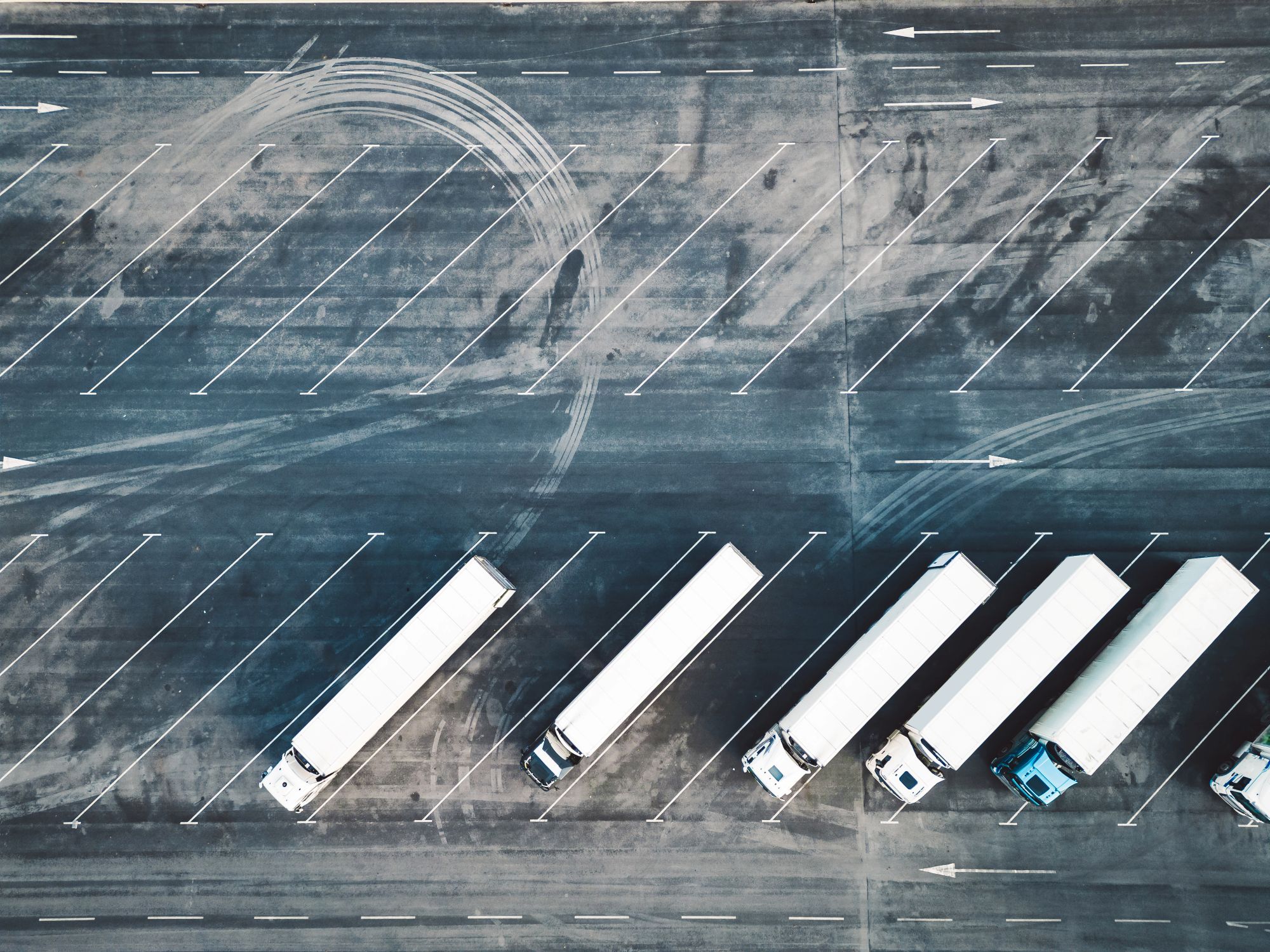
Madrid og Barcelona har haft ZBE'er i flere år med meget specifikke regler og store dækningsområder. Ved udgangen af 2025 vil systemet være udvidet til at dække 149 byer, herunder mindre byer og turistdestinationer som Benidorm, Valencia, Sevilla og Alicante.

Nogle byer er stadig i gang med at implementere eller gradvist håndhæve deres zoner, og der er indført overgangsperioder (f.eks. advarsler indtil slutningen af 2025 i Valencia og Benidorm). Andre, som [Málaga] (https://cadenaser.com/andalucia/2025/09/18/malaga-sancionara-en-la-zona-de-bajas-emisiones-a-partir-del-uno-de-diciembre-ser-malaga/), vil begynde at give bøder til køretøjer, der ikke overholder reglerne, fra december 2025.

Det skal bemærkes, at byer kan have forskellige regler, og at nogle tillader køretøjer, der ikke overholder reglerne, til vigtige tjenester, så det er vigtigt at være opmærksom på en bestemt bys regler, før man sender et køretøj af sted.

Spanien er ikke alene: Mere end 320 byer i hele Europa har nu LEZ'er, med Frankrigs Crit'Air-system, Tysklands Umweltzonen og Storbritanniens ULEZ blandt de mest etablerede. For transportører på tværs af grænserne skaber det et kludetæppe af regler, klistermærker og sanktioner, som øger risikoen og omkostningerne ved at overholde reglerne.

Hvad flådeoperatører skal gøre

Du skal sørge for, at dine køretøjer har det relevante DGT-mærke eller er registreret, hvis de har udenlandske plader.

Bøder for manglende overholdelse fastsættes typisk til [200 euro pr. overtrædelse] (https://www.sertrans.es/zonas-de-bajas-emisiones/), selvom de kan variere fra kommune til kommune. Byer som Madrid og Barcelona er allerede begyndt at udstede disse bøder via automatiske nummerpladegenkendelsessystemer (ANPR).

Problemer for flådechefer

Flådefornyelse og omkostninger

Mange logistikvirksomheder står over for forhindringer, fordi ældre diesellastbiler nu er forbudt eller begrænset i byerne. Faktisk er [gennemsnitsalderen for Spaniens fragtflåde 14 år] (https://www.acea.auto/figure/average-age-of-eu-vehicle-fleet-by-country/). Det betyder, at et stort antal køretøjer ikke er i overensstemmelse med reglerne og skal udskiftes, hvis vognmændene ønsker at komme ind i ZBE'erne.

Køretøjspriserne øger presset: En elektrisk tung lastbil kan koste tre gange mere end en tilsvarende dieselbil, mens brintlastbiler er endnu dyrere.

CETM-Madrid, den spanske sammenslutning af godstransportvirksomheder, anslår, at de samlede udgifter til Madrid-baserede vejgodsfirmaer ligger på omkring 1,3 mia. euro (https://transporteprofesional.es/ultimas-noticias/cetm-madrid-reclama-modificar-el-calendario-de-acceso-a-las-zonas-de-bajas-emisiones-a-los-camiones) og opfordrer til justeringer af tidsfrister og mere støtte.

Tidskompression

Data viser, at ændringerne har indflydelse på leveringsplanerne. En nylig undersøgelse af virksomheder i pilotzoner viste, at [36,7 % rapporterede om længere leveringstider og øgede forsendelsesomkostninger] (https://www.jiem.org/index.php/jiem/article/download/6902/1089).

Trængsel er også almindeligt i begrænsede leveringsvinduer (kl. 8-10), hvor mange operatører konkurrerer om at få adgang. Omkring [83 % af de adspurgte virksomheder] (https://www.jiem.org/index.php/jiem/article/download/6902/1089) nævnte også manglen på passende af- og pålæsningsområder som en væsentlig årsag til forsinkelser.

Denne "tidskompressionseffekt" - hvor leverancerne tvinges ned på færre timer - skaber flaskehalse ved zonegrænserne, hvilket øger sandsynligheden for sene ankomster og forstyrrede forsyningskæder.

Presset på bemandingen

Planlægningsforstyrrelser strækker sig ud over køretøjernes ruteføring til styring af arbejdsstyrken. Barcelonas tilgang til ZBE'er illustrerer udfordringen: Byen tilbyder [to timers natlevering] (https://www.rhenus.group/es/en/rhenus-group/rhenus-in-spain/blog/blog-detail/why-does-barcelona-plan-to-multiply-night-time-deliveries-by-seven-by-2030/) (21:00-07:00) for at reducere trængslen i dagtimerne, men spanske arbejdsaftaler siger, at lønnen for natarbejde har et tillæg på ca. 25 %.

Det stiller flådeoperatørerne over for et svært valg: At acceptere trængsel og forsinkelser i dagtimerne eller at absorbere stigninger i lønomkostningerne ved natkørsel.

De miljømæssige fordele ved at indføre ZBE'er

På trods af udfordringerne giver ZBE'er klare gevinster for folkesundheden. Undersøgelser af den centrale LEZ i Madrid registrerede betydelige reduktioner i nitrogendioxid (NO₂) inden for zonen. Bredere europæisk forskning viser, at udledningen af sod falder med op til 47 % og ultrafine partikler med 56 % efter udrulning af LEZ.

Disse reduktioner omsættes direkte til forbedret luftkvalitet, færre luftvejssygdomme og færre hospitalsindlæggelser. For byboere - og bilister, der tilbringer timer i overbelastet trafik - er de sundhedsmæssige fordele håndgribelige, selvom de er ubelejlige.

Støtte til chauffører og operatører i hele Europa

"Lavemissionszoner er kommet for at blive", siger Raqual Martinez, europæisk salgschef hos SNAP. "Udfordringen for vores samfund er at tilpasse sig uden at gå på kompromis med effektiviteten eller chaufførernes velfærd. Hos SNAP er vi forpligtet til at støtte flåder i Spanien og i hele Europa og hjælpe dem med at omsætte lovændringer til driftsmæssige fordele."

Selv om vi ikke kan ændre LEZ-reglerne, gør vores intruck-app livet på vejen enklere. Chauffører kan bruge den til at finde og booke sikker lastbilparkering og vask, se hvilke faciliteter der er tilgængelige ved hvert stop og planlægge hvilepauser, der passer til strammere leveringsvinduer - uanset om de kører ind i Madrid, kører uden om Barcelona eller krydser grænser på længere ruter.

Download [intruck app] (https://intruckapp.com/download/) i dag for at få en mere gnidningsfri drift på tværs af Spaniens transportlandskab i udvikling.
Del til

Andre læser også...

Header Image

mandag 08 december 2025 • Nyheder og opdateringer

TRUCK TRENDS: FORUDSIGELSER FOR 2026

Guest

Major changes are coming for the mobility sector.The next 12 months will bring some of the most significant regulatory and technological shifts European transport has seen in years. New emissions rules, driver-monitoring systems, hydrogen trials and autonomous pilots will reshape how fleets operate across the UK and EU.For operators and professional drivers, understanding these changes now will make the difference between adapting confidently and struggling to keep up. come into force in 2026, introducing new requirements for fleets. Nitrogen oxide and carbon monoxide limits will tighten further, with the permitted particle size dropping from 23 nanometres to 10. In addition, for the first time.Every new truck sold will need to comply with Euro VII. While vehicle pricing is likely to be affected, the bigger impact will fall on procurement timelines, fleet renewal cycles and long-term decarbonisation.. These monitor eye and head movement to identify early signs of fatigue or inattention, enabling safer interventions and supporting accident-reduction goals across Europe. By 2029, new cab designs must minimise blind spots through improved glass visibility rather than camera reliance. This will particularly influence urban operations, vulnerable road user safety and future vehicle specification.. After years of exemption, this change effectively brings smaller commercial vehicles under full drivers’ hours enforcement.For operators with mixed fleets, this means introducing:● new driver cards● regular data downloads● updated monitoring processes● revised routing and rest-time planningThousands of vehicles that previously operated freely will need compliance systems in place almost immediately. requires companies with more than 250 employees or €40 million revenue to collect and report verified CO₂ emissions – including Scope 3 transport activity.This will cascade through supply chains. Smaller hauliers without reliable emissions reporting risk losing access to larger contracts, accelerating the push toward better data systems and standardised reporting.Electric HGV production will rise rapidly in 2026. are all expanding manufacturing capacity.To support this, electric charging is also expanding. , as part of HyHAUL's M4 corridor project. Three refuelling stations, each supplying up to two tonnes of hydrogen daily, support the pilot. If successful, the project aims for 30 trucks on the road by the end of 2026 and 300 by 2030. Alongside this, . Five more will follow by 2027.Vehicle manufacturers are taking different approaches to developing hydrogen-fuelled trucks: ● and DAF are planning similar systems. ● will introduce its next-generation hydrogen fuel cell stack in 2026 with improved durability and lower operating costs.Hydrotreated Vegetable Oil (HVO) is emerging as a notable transitional fuel for haulage in 2026, thanks to two factors: stricter biofuel mandates in north-western Europe and its compatibility with existing diesel engines. Reports by confirm that HVO is a “drop-in” fuel: it can be used in many existing heavy-duty vehicles without engine or infrastructure changes, which gives operators a practical pathway to immediate CO₂ reductions. Meanwhile, forecast that HVO consumption could reach record highs in 2026. Germany alone may need an additional 1.5 million tonnes – almost four times 2025 levels – to meet demand. Although uptake remains modest when compared with battery-electric or hydrogen alternatives, the current regulatory push and infrastructure compatibility mean HVO is likely to gain traction in 2026.From spring 2026, in controlled zones – a full year ahead of plans. Enabled by the , this transition supports an industry expected to contribute £42 billion to the UK economy by 2035 and create an estimated 38,000 jobs. Germany is close behind. , supported by €20 million in seed funding. Across northern Europe, autonomous freight along the 1,200-km Rotterdam-Oslo corridor. The programme runs until March 2026 and examines how autonomous vehicles perform across borders, terrain types and logistics hubs.In Sweden, already move goods between warehouses, processing five million data points per second. Their controlled deployments demonstrate the potential for automation in predictable, repeatable routes.Despite this progress, humans will continue to play a central role. . So while automation will support specific functions, such as port operations, depot shuttles and fixed urban routes, long-haul and complex international transport will remain human-led.The scale and speed of change arriving in 2026 is unlike any previous year for European road transport. Multiple regulatory, technological and sustainability shifts will land simultaneously, reshaping how fleets operate across borders."The operators who succeed in 2026 won't be those who resist change but those who prepare for it systematically," says Nick Long, European Strategic Partnership and Development Manager at SNAP. "We're working with fleets across Europe to build the infrastructure that tomorrow's industry needs. Secure parking. Integrated payments for new toll structures. The building blocks of success are available now for those ready to use them."SNAP helps fleets prepare for the future with integrated solutions for parking, payments and fleet management across Europe. Visit snapacc.com to discover how we can support your transition to 2026 and beyond.

Header Image

torsdag 04 december 2025 • Nyheder og opdateringer

HOLD DIN FLÅDE KØRENDE I FERIESÆSONEN

Guest

As the holiday season approaches, you are likely preparing for a surge in delivery demand and more complex operating conditions. This seasonal pressure overlaps with winter weather challenges, creating a unique risk environment for fleets across the UK. The festive period brings extra stress to your vehicles and operations. From consumer-driven surges in mileage to the impact of cold weather on vehicle performance, several seasonal factors converge at once. Understanding these pressures up-front helps you prepare proactively and minimise disruptions across your fleet.Consumer activity , which increases delivery volumes, compresses schedules and raises service expectations. This surge means that even minor disruptions can escalate quickly, as fleets have less flexibility to absorb delays. With more journeys scheduled and tighter handover times, vehicle downtime becomes more costly. A missed inspection or delayed repair can have a much larger operational impact than during other parts of the year.When peak consumer activity overlaps with hazardous weather, fleets experience amplified risk. Traffic congestion increases, road conditions deteriorate and minor mechanical problems can escalate into serious incidents more easily. To combat these issues, you must strengthen preventive maintenance, adjust schedules, and improve real-time monitoring to prevent avoidable breakdowns or delays.Cold temperatures, icy surfaces and reduced daylight all increase mechanical and on-road risks for commercial vehicles, raising the likelihood of weakened batteries, reduced tyre traction and visibility issues. UK roadworthiness standards emphasise the importance of more robust winter maintenance for brakes, lighting, fluids and tyres as conditions deteriorate, reinforcing why winter readiness is essential for uninterrupted fleet operations. Even mild cold , making proactive winter maintenance crucial.Beyond vehicle strain, the holiday season and winter conditions also place pressure on drivers and operational workflows. Increased traffic, unpredictable weather and tighter delivery windows can lead to fatigue, stress and an increased risk of accidents. Careful scheduling, clear communication and proactive support for drivers are essential to maintain safety and ensure that your fleet continues to operate efficiently under these seasonal pressures.Maintaining steady operations during the festive rush requires more than reactive problem-solving. It necessitates deliberate planning across vehicle maintenance, driver readiness, technology utilisation and operational coordination. These streamlined strategies will help you stay ahead of winter season disruptions and maintain consistent fleet performance throughout the holidays.Seasonal demand often requires vehicles to operate in harsher conditions for longer hours, so front-loading maintenance is one of the most effective ways to prevent in-season breakdowns. In construction, downtime can cost , highlighting the importance of proactive upkeep. Focus on winter-critical systems such as batteries, brakes, heating and defrosting systems, tyres, and fluid levels. Addressing minor issues before the holiday rush ensures your vehicles start the season in top condition and reduces the risk of unscheduled downtime when capacity is at its tightest.Drivers face greater pressure during the festive period, from congested roads to unpredictable weather. Preparing them early helps reduce risk and maintain service reliability. Share updated winter driving protocols, reinforce fatigue management best practices and ensure every vehicle carries essential cold-weather equipment. A well-prepared driver can adapt more effectively to seasonal hazards and keep journeys running safely.Access to parts and repair support becomes more challenging during the holidays due to demand spikes and supplier slowdowns. Securing key components in advance and confirming the availability of a repair shop ensures you can respond quickly to mid-season issues. These steps reduce the likelihood of lengthy delays and keep more of your vehicles on the road during peak workloads.Accurate, real-time insights become even more valuable when weather and traffic conditions can change quickly. Telematics systems, identify emerging vehicle issues and adapt routes proactively. Using data to make same-day decisions — whether rerouting, rescheduling or escalating maintenance — helps your fleet stay responsive throughout the holiday period.Seasonal peaks require tighter alignment across dispatchers, drivers, maintenance teams and customers. Clear communication reduces uncertainty and makes it easier to adjust schedules when conditions shift. Share regular updates about weather alerts, route changes, delivery windows and vehicle availability so everyone stays coordinated and able to respond quickly.Even with strong preparation, winter introduces variables that no fleet can fully control. Creating contingency plans provides your team with a structured response in the event of incidents. Establish backup routes, identify alternative suppliers and workshops, and maintain a reserve vehicle strategy where possible. Planning for disruption ensures that unexpected issues don’t halt operations entirely.Use this checklist to make sure your team, vehicles and workflows are ready for the busiest stretch of the year:● Review historical traffic data and expected holiday congestion to build more efficient routing. Tools that monitor and report real-time conditions help reduce delays and fuel waste.● Check batteries, fluids, tyres, wipers and heating systems to prevent cold-weather breakdowns and improve driver safety.● Conduct brief refresher sessions on winter driving techniques, fatigue management and emergency protocols. This supports both safety and productivity.● Holiday mileage and cold temps can accelerate wear. A tighter maintenance schedule helps catch issues before they result in downtime.● Ensure that asset trackers and sensors are fully functional for accurate location and condition data during peak demand.● Many suppliers operate on reduced hours during the holidays. Secure parts and consumables in advance to avoid repair delays.Holiday and winter conditions amplify every small inefficiency. Preparing early helps prevent avoidable downtime, strengthens driver safety and keeps your operations moving through the toughest time of the year. With precise planning, reliable tools and a proactive maintenance rhythm, fleets can turn seasonal challenges into opportunities for better performance and customer satisfaction.Discover more from

Header Image

tirsdag 25 november 2025 • Nyheder og opdateringer

POLEN FREMSKYNDER SKIFTET TIL EMISSIONSFRI TRANSPORT

Guest

Poland’s transportation sector is undergoing a major transformation. In recent months, the government has introduced a series of high-value funding programmes aimed at decarbonising the country’s road network and logistics operations. Much of this activity focuses on infrastructure related to heavy-duty vehicles – a sign that the transition to cleaner freight is being embraced across Europe.The scale of investment – and the speed at which it's happening – will be important for operators, managers and infrastructure planners right across Europe. To understand why, it helps to look at both the wider European context and the specific funding available in Poland.The move towards lowand zero-emission transport has been gathering pace across Europe for several years. The EU’s package and to cut emissions from heavy-duty vehicles by 45% by 2030 and by 90% by 2040. The (AFIR) also states that there must be high-power charging points for heavy vehicles every 60 kilometres along the Trans-European Transport Network (TEN-T) – a system of European roads, railways, ports and airports that forms the backbone of continental freight – by 2030. Hydrogen refuelling stations must be available every 200 kilometres.The UK is following a similar path. Z are being used to test electric and hydrogen HGVs on long-haul routes, while funding is being allocated to depot charging and refuelling infrastructure.Against this backdrop, Poland’s programme shows that Central and Eastern Europe are ready to take a leading role in building cleaner, better-connected transportation.In March 2025, Poland’s (NFOŚiGW) launched two major funding calls worth a combined PLN 2 billion. The first will cover the construction and expansion of power grids that supply high-capacity charging stations, especially those on the TEN-T. It covers both grid expansion and the installation of new connections. This will mean that the network can deliver the energy needed for rapid truck charging. Energy and grid operators can apply for grants if their projects meet minimum power thresholds. The second funding call supports the construction of heavy-vehicle charging stations themselves. The aim is to create 550 publicly accessible points across the country, serving both electric and hydrogen trucks. A final programme, which launched in Q2 2025, gives grants and loans to businesses so they can buy or lease zero-emission trucks in categories N2 and N3. Category N2 covers vehicles with a gross weight between 3.5 and 12 tonnes, while N3 applies to trucks over 12 tonnes. Funding levels range from 30 to 60 per cent, depending on company size. Upper limits of PLN 400,000 apply to N2 vehicles and PLN 750,000 to N3 models. Applications will be , so operators can plan their transition to zero-emission vehicles. These investments sit alongside Poland’s existing programme, which subsidises electric car purchases for individuals and companies, further extending the country’s sustainable transport strategy beyond passenger vehicles.According to the , Poland transports more goods by road than any other EU country. It is a natural gateway between Western Europe and the Baltic States, Ukraine and the Balkans, which means a reliable zero-emission infrastructure in Poland will have a Europe-wide impact.By setting clear power requirements and aligning projects with the TEN-T corridors, the government is ensuring a coordinated approach rather than isolated projects. The goal is a dependable network where electric and hydrogen trucks can move freely along key trade routes. The Deputy Minister for Climate and Environment described the programme as a way to strengthen “the competitiveness of Polish freight operators” while cutting emissions from one of the country’s largest economic sectors.Poland’s domestic network is also part of the wider . A total of nine EU countries – including Poland – committed in September 2025 to accelerate charging infrastructure deployment along key freight routes, such as the North Sea-Baltic and Scandinavian-Mediterranean corridors of the TEN-T.For fleets that operate across Europe, the initiative means charging infrastructure will become more standardised and predictable between countries. This will help drivers plan cross-border routes with greater confidence while supporting the shift towards zero-emission freight.For fleet operators, the timing is encouraging. Zero-emission trucks are rapidly , with sales of nearly 2,000 zero-emission heavy-duty electric trucks registered in the first half of 2025 across the EU. There are challenges, however. Adding high-power charging capacity will mean that grid operators, local authorities and logistics centres have to cooperate. It will also take time to hire technicians with the skills to install and maintain high-voltage equipment.In addition, vehicle costs and operational factors could also slow progress. Even with generous subsidies, businesses must weigh the cost of electric vehicle ownership, route patterns and depot readiness.For the road transport community, Poland’s programme is a significant milestone. Once complete, its charging and refuelling network will connect eastern and western Europe, supporting cleaner and more efficient freight movement.“This is a turning point for heavy transport,” says Nick Renton, Head of European Strategy and Business Development at SNAP. “Poland’s actions show that zero-emission freight is becoming part of daily life, rather than a long-term vision. As charging and refuelling points multiply, operators will be able to schedule cleaner journeys with confidence.”As the situation develops, we will continue to support fleets across Europe with technology, insight and practical tools for drivers. Our helps identify and book rest stops, refuelling points and secure parking, with more zero-emission facilities being added as new sites open. For operators looking to stay ahead of infrastructure changes, it provides a clear view of how the road network is evolving – and where new opportunities are emerging.