Guest
Nachrichten und Updates • 3 min lesen

Lkw-Trends: Vorhersagen für 2026

Erstellt: 08.12.2025

Aktualisiert: 15.12.2025

Auf den Mobilitätssektor kommen große Veränderungen zu.

Die nächsten 12 Monate werden einige der bedeutendsten regulatorischen und technologischen Veränderungen bringen, die der europäische Verkehr seit Jahren erlebt hat. Neue Emissionsvorschriften, Fahrerüberwachungssysteme, Wasserstoffversuche und autonome Pilotprojekte werden den Betrieb von Fuhrparks im Vereinigten Königreich und in der EU neu gestalten.

Für Unternehmer und Berufskraftfahrer macht das Verständnis dieser Veränderungen den Unterschied zwischen einer sicheren Anpassung und dem Kampf um den Anschluss aus.

Die regulatorische Revolution

[Die Euro VII-Emissionsnormen (https://en.wikipedia.org/wiki/Europeanemissionstandards) treten 2026 in Kraft und stellen neue Anforderungen an die Fahrzeugflotten. Die Grenzwerte für Stickoxide und Kohlenmonoxid werden weiter verschärft, wobei die zulässige Partikelgröße von 23 auf 10 Nanometer sinkt. Darüber hinaus werden die Vorschriften erstmals die Emissionen von Reifen und Bremsen abdecken.

Jeder neu verkaufte Lkw muss die Euro VII-Norm erfüllen. Dies wird sich zwar wahrscheinlich auf die Fahrzeugpreise auswirken, aber die größeren Auswirkungen werden auf die Beschaffungsfristen, die Flottenerneuerungszyklen und die langfristige Dekarbonisierung zukommen.

Die Verordnung über die allgemeine Sicherheit (GSR)

[Bis Juli 2026 müssen alle neuen Lkw mit Ablenkungserkennungssystemen ausgestattet sein] (https://www.volvotrucks.com/en-en/news-stories/insights/articles/2022/may/the-eus-updated-general-safety-regulations.html). Diese überwachen die Augen- und Kopfbewegungen, um frühzeitige Anzeichen von Müdigkeit oder Unaufmerksamkeit zu erkennen, was sicherere Eingriffe ermöglicht und die Ziele der Unfallreduzierung in ganz Europa unterstützt

Direct Vision Standards

[Direct Vision Standards (DVS) werden ab 2025 eingeführt (https://www.volvotrucks.com/en-en/news-stories/insights/articles/2022/may/the-eus-updated-general-safety-regulations.html). Bis 2029 müssen neue Kabinenkonstruktionen die toten Winkel durch eine verbesserte Glassicht und nicht mehr durch die Verwendung von Kameras minimieren. Dies wird sich insbesondere auf den Betrieb in Städten, die Sicherheit ungeschützter Verkehrsteilnehmer und künftige Fahrzeugspezifikationen auswirken.

Änderungen am Fahrtenschreiber

[Ab dem 1. Juli 2026 müssen Kleintransporter zwischen 2,5 und 3,5 Tonnen im grenzüberschreitenden Verkehr mit intelligenten Fahrtenschreibern ausgestattet sein (https://snapacc.com/newsroom/second-generation-smart-tachographs-what-fleet-managers-need-to-know/). Nach jahrelanger Ausnahmeregelung werden mit dieser Änderung auch kleinere Nutzfahrzeuge unter die volle Kontrolle der Lenkzeiten gestellt.

Für Betreiber mit gemischten Flotten bedeutet dies die Einführung:

● neue Fahrerkarten

● regelmäßige Datenabrufe

● aktualisierte Überwachungsprozesse

● überarbeitete Streckenführung und Ruhezeitplanung

Tausende von Fahrzeugen, die bisher ungehindert fahren konnten, müssen fast sofort mit entsprechenden Systemen ausgestattet werden.

CSRD-Datenanforderungen

[Die Richtlinie zur Nachhaltigkeitsberichterstattung von Unternehmen (https://www.mooveconnectedmobility.com/blog/navigating-regulation-what-fleet-managers-need-to-know-in-2025) verlangt von Unternehmen mit mehr als 250 Mitarbeitern oder 40 Millionen Euro Umsatz die Erfassung und Meldung von verifizierten CO₂-Emissionen - einschließlich Scope 3 Transportaktivitäten.

Dies wird sich auf die gesamte Lieferkette auswirken. Kleinere Spediteure ohne zuverlässige Emissionsberichte riskieren, den Zugang zu größeren Verträgen zu verlieren, was den Druck in Richtung besserer Datensysteme und standardisierter Berichte erhöht.
Der Brennstoffwechsel beschleunigt sich

Elektro-Lkw werden immer mehr

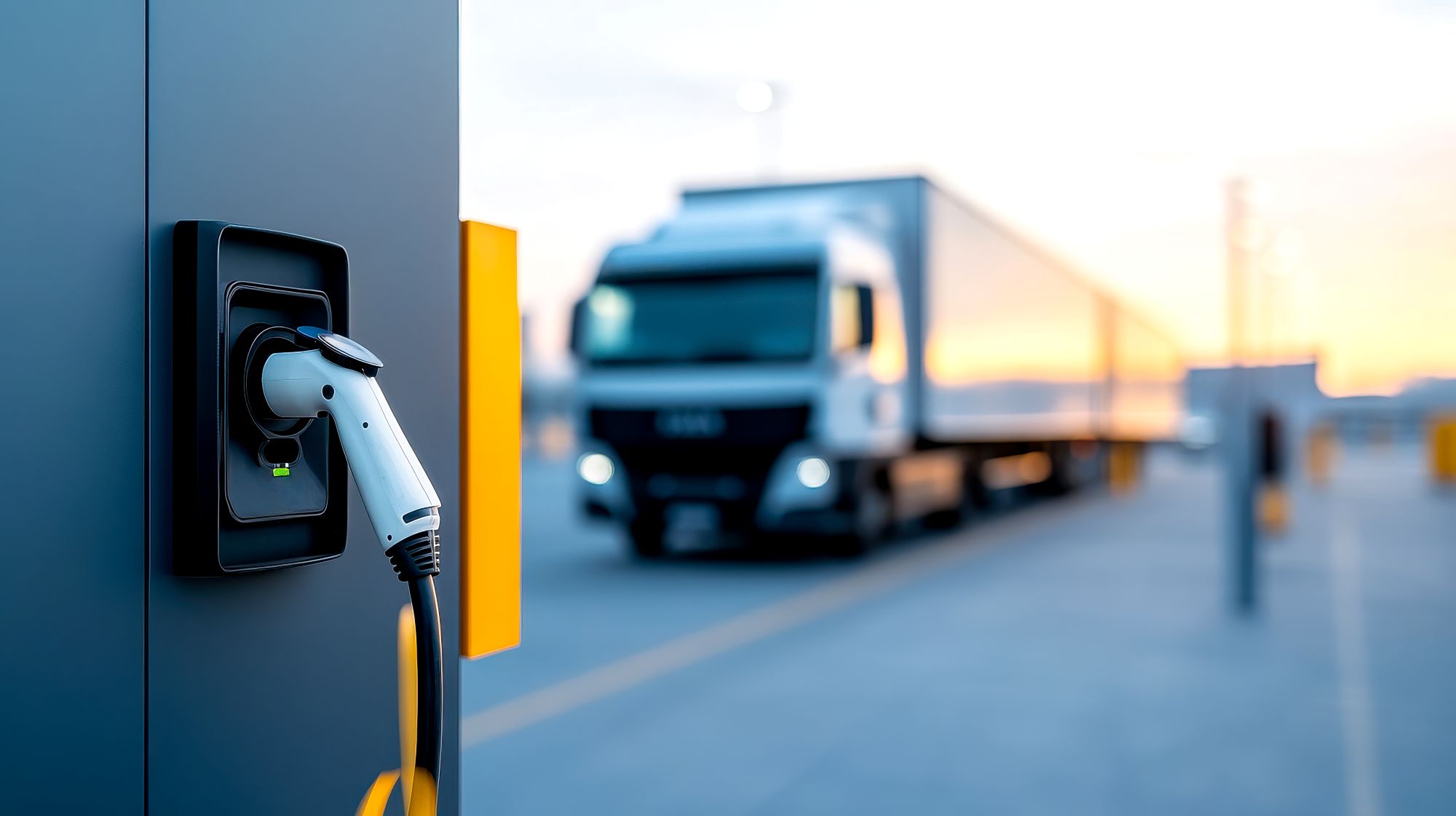
Die Produktion von Elektro-Lkw wird bis 2026 rapide ansteigen. [DAF, Mercedes, Scania und MAN (https://think.ing.com/articles/europes-market-for-e-trucks-set-to-accelerate-in-2025/) erweitern ihre Produktionskapazitäten.

Um dies zu unterstützen, wird auch die elektrische Aufladung ausgebaut. BP Pulse plant Ladestationen für Lkw mit einer Leistung von mehreren Megawatt in ganz Europa, die ab 2026 installiert werden sollen, während Polen massiv in neue Ladestationen für schwere Lkw entlang des TEN-T-Netzes investiert

Der Einsatz von Wasserstoff gewinnt an Fahrt

[Der erste britische Wasserstoff-Brennstoffzellen-Lkw von Scania wird im ersten Quartal 2026 in Betrieb genommen (https://drivinghydrogen.com/2025/03/06/explore-plant-bags-first-scania-hydrogen-truck-for-uk-operations/), als Teil des HyHAUL-Projekts für den M4-Korridor. Drei Tankstellen, die jeweils bis zu zwei Tonnen Wasserstoff pro Tag liefern, unterstützen das Pilotprojekt. Wenn das Projekt erfolgreich ist, sollen bis Ende 2026 30 Lkw und bis 2030 300 Lkw auf den Straßen unterwegs sein.

Parallel dazu wird [Anfang 2026 mit dem Bau der ersten Wasserstofftankstelle von Aegis Energy in Großbritannien begonnen] (https://hydrogen-central.com/hydrogen-vehicles-receive-huge-100-million-boost-amid-plans-to-develop-uk-wide-refuelling-network/). Fünf weitere werden bis 2027 folgen.

Die Fahrzeughersteller verfolgen bei der Entwicklung wasserstoffbetriebener Lkw unterschiedliche Ansätze:

Volvo wird 2026 mit der Erprobung von Wasserstoffverbrennungsmotoren beginnen. MAN und DAF planen ähnliche Systeme.

Toyota wird im Jahr 2026 seinen Wasserstoff-Brennstoffzellenstapel der nächsten Generation mit verbesserter Haltbarkeit und niedrigeren Betriebskosten vorstellen.

HVO-Wachstum

Hydrotreated Vegetable Oil (HVO) entwickelt sich bis 2026 zu einem bedeutenden Übergangskraftstoff für den Güterverkehr, was auf zwei Faktoren zurückzuführen ist: strengere Biokraftstoffverordnungen in Nordwesteuropa und seine Kompatibilität mit bestehenden Dieselmotoren.

Berichte von [Zemo Partnership] (https://www.zemo.org.uk/assets/reports/DecarbonisingHeavyDutyVehiclesandMachineryZemo_Nov2022.pdf) bestätigen, dass HVO ein "Drop-in"-Kraftstoff ist: Er kann in vielen bestehenden schweren Nutzfahrzeugen ohne Änderungen am Motor oder an der Infrastruktur verwendet werden, was den Betreibern einen praktischen Weg zur sofortigen CO₂-Reduzierung eröffnet.

Unterdessen prognostizieren [Analysten von Argus Media] (https://www.argusmedia.com/ja/news-and-insights/latest-market-news/2706126-hvo-demand-may-hit-record-as-eu-rules-tighten), dass der HVO-Verbrauch im Jahr 2026 ein Rekordhoch erreichen könnte. Allein Deutschland könnte zusätzliche 1,5 Millionen Tonnen - fast das Vierfache des Niveaus von 2025 - benötigen, um die Nachfrage zu decken.

Obwohl die Akzeptanz im Vergleich zu batterieelektrischen oder wasserstoffbetriebenen Alternativen noch bescheiden ist, werden die derzeitigen regulatorischen Maßnahmen und die Kompatibilität der Infrastruktur dazu führen, dass HVO im Jahr 2026 an Bedeutung gewinnen wird.

Autonome Technologie kommt an

Ab Frühjahr 2026 wird das Vereinigte Königreich selbstfahrende Fahrzeuge ohne Sicherheitsfahrer in kontrollierten Zonen zulassen - ein ganzes Jahr früher als geplant. Dieser Übergang, der durch den UK's Automated Vehicles Act ermöglicht wird, unterstützt eine Branche, die bis 2035 voraussichtlich 42 Milliarden Pfund zur britischen Wirtschaft beitragen und schätzungsweise 38.000 Arbeitsplätze schaffen wird.

Deutschland ist dicht dahinter. [Motor Ai will bis 2026 fahrerlose Fahrzeuge auf den Straßen einsetzen] (https://www.iotworldtoday.com/transportation-logistics/driverless-cars-planned-for-european-roads-in-2026), unterstützt durch eine Startfinanzierung in Höhe von 20 Millionen Euro.

In Nordeuropa testet MODI weiterhin den autonomen Güterverkehr entlang des 1.200 km langen Korridors Rotterdam-Oslo. Das Programm läuft bis März 2026 und untersucht, wie autonome Fahrzeuge über Grenzen, Geländetypen und Logistikzentren hinweg funktionieren.

In Schweden bewegen [autonome Elektro-Lkw von Einride] (https://projects.research-and-innovation.ec.europa.eu/en/horizon-magazine/self-driving-trucks-en-route-transform-europes-freight-sector) bereits Waren zwischen Lagerhäusern und verarbeiten dabei fünf Millionen Datenpunkte pro Sekunde. Ihre kontrollierten Einsätze zeigen das Potenzial für die Automatisierung von vorhersehbaren, wiederholbaren Routen.

Trotz dieser Fortschritte wird der Mensch weiterhin eine zentrale Rolle spielen. [Europa muss bis 2028 immer noch 745.000 zusätzliche Fahrer einstellen (https://www.innovationnewsnetwork.com/self-driving-trucks-en-route-to-transform-europes-freight-sector/58466/). Während also die Automatisierung bestimmte Funktionen wie den Hafenbetrieb, Depot-Shuttles und feste Stadtrouten unterstützen wird, werden Langstrecken und komplexe internationale Transporte weiterhin von Menschen geführt werden.

Das Jahr 2026 kommt

Das Ausmaß und die Geschwindigkeit der Veränderungen, die 2026 auf den europäischen Straßenverkehr zukommen, sind mit keinem anderen Jahr zu vergleichen. Zahlreiche Veränderungen in den Bereichen Regulierung, Technologie und Nachhaltigkeit werden gleichzeitig eintreten und die Art und Weise, wie Flotten grenzüberschreitend arbeiten, verändern.

"Die Betreiber, die im Jahr 2026 erfolgreich sein werden, sind nicht diejenigen, die sich dem Wandel widersetzen, sondern diejenigen, die sich systematisch darauf vorbereiten", sagt Nick Long, European Strategic Partnership and Development Manager bei SNAP. "Wir arbeiten mit Fuhrparks in ganz Europa zusammen, um die Infrastruktur aufzubauen, die die Industrie von morgen braucht. Sicheres Parken. Integrierte Zahlungen für neue Mautstrukturen. Die Bausteine für den Erfolg sind jetzt für diejenigen verfügbar, die bereit sind, sie zu nutzen."

SNAP unterstützt Fuhrparks bei der Vorbereitung auf die Zukunft mit integrierten Lösungen für Parken, Zahlungen und Flottenmanagement in ganz Europa. Besuchen Sie snapacc.com, um zu erfahren, wie wir Ihren Übergang ins Jahr 2026 und darüber hinaus unterstützen können.
Teilen mit

Andere lesen auch...

Header Image

Freitag 19 Dezember 2025 • Nachrichten und Updates

IST IHR FUHRPARK EIN ZIEL? VORRANG FÜR SICHERHEIT IN EINER TECHNIKBEGEISTERTEN WELT

Guest

Cybersecurity readiness must be a top priority for fleet owners and managers in the United Kingdom. The rapid digital transformation in the transportation and logistics industry has made fleets attractive targets for hackers. Learn about the cybersecurity trends fleet operators must be aware of and strategies you should adopt to lower your susceptibility to attacks.The advent of connected vehicles, push for fleet electrification, integration of Internet of Things (IoT) devices and reliance on automation have expanded the attack surface opportunistic cybercriminals can exploit to infiltrate your network.Vulnerable telematics back-end systems, insecure over-the-air firmware updates and buggy APIs are common entry points for phishers, data thieves, business saboteurs and ransomware attackers. Threat actors are also increasingly leveraging artificial intelligence to launch more believable scams.Falling victim to a cyberattack can cause more than extended, unscheduled downtime. A high-profile security incident can inflict severe reputational damage on your organisation and harm your business in the long term.Although your cyber insurance coverage may compensate you millions for losses, the financial impact can lead to insolvency — as happened to KNP Logistics in June 2025. An Akira ransomware attack exacerbated this major logistics group’s preexisting financial struggles, and let go of 730 employees.Every business is at risk from cyberattacks, but these strategies can help make your fleet management software and vehicles less vulnerable.A robust threat intelligence platform strengthens cybersecurity, as it allows you to proactively defend your assets from malicious actors and minimise your losses if they target you. Here are the primary ways to use threat intel to improve your security posture:Contextualisation enables your team to identify the perpetrators behind specific attacks, understand their motives and capabilities, determine what they want from your organisation, and comprehend their methods. Context transforms raw threat data into actionable intelligence, enabling you to inform your decision-making.Attackers evolve, so learning how they operated in the past is not enough to accurately anticipate their future actions. A threat intelligence platform can help you keep pace with known malicious actors and familiarise your team with relatively unknown ones. Some organisations use deception technologies to lure cybercriminals and watch them in action in a controlled environment.A software solution that can integrate into your company’s existing tools breaks down silos and allows threat intelligence to flow freely across teams. Cross-departmental collaboration is the key to implementing an organisation-wide cybersecurity strategy effectively.A threat intelligence platform can monitor your network activity and sense attack patterns early enough to notify your Security Operations Centre or IT professionals immediately. Early detection is vital to count threats before they infiltrate deeply into your system and cause more harm.Responding to urgent incidents involves less manual work with a threat intelligence platform. This software solution can orchestrate essential tasks to mitigate breaches, enabling your in-house cybersecurity professionals to focus on activities where human input is more impactful.Regulatory frameworks and data privacy standards are becoming more stringent over time. A threat intelligence platform aids compliance by ensuring that your team handles sensitive data responsibly and generates detailed reports to document your best practices.Zero trust minimises the likelihood of unauthorised access to fleet management systems by continuously verifying every user and device and enforcing identity-centric access control.This approach acknowledges that threats can come from within the organisation. Assuming that each request may come from a malicious actor reflects the level of vigilance you must exercise to protect your operation from sophisticated attacks and help your team adapt to complex, dynamic environments involving remote users, IoT devices and cloud services.After verification, zero trust gives users and devices just enough access to perform specific tasks. The principle of least privilege enables effective threat containment if a cybercriminal gets in.According to Cybersecurity Insiders’ 2024 Insider Threat Report, insider threat attacks have spiked. In October 2024, 51% of the 413 respondents in IT and cybersecurity reportedly over the past year. 29% reported spending over $1 million on remediation.The adoption of new technologies is a primary driver behind the rise in these cyberattacks. Investing in employee training is crucial for preventing team members from becoming insider threats.Provide target users with sufficient resources to familiarise themselves with the technologies. Highlight the ways they may inadvertently leak sensitive information or compromise the system. Tell them the red flags to watch out for to identify malicious schemes and teach them safe, responsible ways to deal with cybercriminals.Tight physical security can safeguard your assets from digital hijackers. Effective physical protection often involves a layered approach, which includes perimeter fencing, strategic placement of surveillance equipment and tamper-evident vehicle electronics casings. Additionally, limiting visibility with opaque doors , thereby adding an extra layer of protection to your physical security. Blending physical safeguards with digital solutions can restrict what hackers can do, even if they manage to gain control over fleet vehicles. In 2022, a group of hacktivists attacked the Russian ride-hailing service Yandex Taxi and directed in the same place in western Moscow. The incident should serve as a wake-up call to embrace measures to immobilise your assets if criminals remotely take control of the driver’s seat.Your company is only as strong as the weakest link in your supply chain. The positive impact of impregnable internal cybersecurity diminishes when third-party vendors make it easy for lawbreakers to steal your data from elsewhere. For instance, temporarily could jeopardise your cybersecurity if your lessor has outdated software.Working with supply chain partners that are as particular about cybersecurity reduces your risk exposure. Integrating your suppliers’ systems into your threat intelligence platform ensures better coordination during data breaches. Close collaboration with critical external parties promotes cybersecurity readiness and helps everyone prepare for potential attacks.Contending with online threat actors is inevitable in modern fleet management. Prioritise proactive strategies to stay ahead of hackers. By implementing a multi-layered defence that combines technology, employee training and strategic partnerships, you can build a resilient operation. This stance protects your current assets and secures your company’s future in an increasingly connected world.Discover more from

Header Image

Donnerstag 04 Dezember 2025 • Nachrichten und Updates

SORGEN SIE DAFÜR, DASS IHR FUHRPARK WÄHREND DER FERIENZEIT REIBUNGSLOS FUNKTIONIERT

Guest

As the holiday season approaches, you are likely preparing for a surge in delivery demand and more complex operating conditions. This seasonal pressure overlaps with winter weather challenges, creating a unique risk environment for fleets across the UK. The festive period brings extra stress to your vehicles and operations. From consumer-driven surges in mileage to the impact of cold weather on vehicle performance, several seasonal factors converge at once. Understanding these pressures up-front helps you prepare proactively and minimise disruptions across your fleet.Consumer activity , which increases delivery volumes, compresses schedules and raises service expectations. This surge means that even minor disruptions can escalate quickly, as fleets have less flexibility to absorb delays. With more journeys scheduled and tighter handover times, vehicle downtime becomes more costly. A missed inspection or delayed repair can have a much larger operational impact than during other parts of the year.When peak consumer activity overlaps with hazardous weather, fleets experience amplified risk. Traffic congestion increases, road conditions deteriorate and minor mechanical problems can escalate into serious incidents more easily. To combat these issues, you must strengthen preventive maintenance, adjust schedules, and improve real-time monitoring to prevent avoidable breakdowns or delays.Cold temperatures, icy surfaces and reduced daylight all increase mechanical and on-road risks for commercial vehicles, raising the likelihood of weakened batteries, reduced tyre traction and visibility issues. UK roadworthiness standards emphasise the importance of more robust winter maintenance for brakes, lighting, fluids and tyres as conditions deteriorate, reinforcing why winter readiness is essential for uninterrupted fleet operations. Even mild cold , making proactive winter maintenance crucial.Beyond vehicle strain, the holiday season and winter conditions also place pressure on drivers and operational workflows. Increased traffic, unpredictable weather and tighter delivery windows can lead to fatigue, stress and an increased risk of accidents. Careful scheduling, clear communication and proactive support for drivers are essential to maintain safety and ensure that your fleet continues to operate efficiently under these seasonal pressures.Maintaining steady operations during the festive rush requires more than reactive problem-solving. It necessitates deliberate planning across vehicle maintenance, driver readiness, technology utilisation and operational coordination. These streamlined strategies will help you stay ahead of winter season disruptions and maintain consistent fleet performance throughout the holidays.Seasonal demand often requires vehicles to operate in harsher conditions for longer hours, so front-loading maintenance is one of the most effective ways to prevent in-season breakdowns. In construction, downtime can cost , highlighting the importance of proactive upkeep. Focus on winter-critical systems such as batteries, brakes, heating and defrosting systems, tyres, and fluid levels. Addressing minor issues before the holiday rush ensures your vehicles start the season in top condition and reduces the risk of unscheduled downtime when capacity is at its tightest.Drivers face greater pressure during the festive period, from congested roads to unpredictable weather. Preparing them early helps reduce risk and maintain service reliability. Share updated winter driving protocols, reinforce fatigue management best practices and ensure every vehicle carries essential cold-weather equipment. A well-prepared driver can adapt more effectively to seasonal hazards and keep journeys running safely.Access to parts and repair support becomes more challenging during the holidays due to demand spikes and supplier slowdowns. Securing key components in advance and confirming the availability of a repair shop ensures you can respond quickly to mid-season issues. These steps reduce the likelihood of lengthy delays and keep more of your vehicles on the road during peak workloads.Accurate, real-time insights become even more valuable when weather and traffic conditions can change quickly. Telematics systems, identify emerging vehicle issues and adapt routes proactively. Using data to make same-day decisions — whether rerouting, rescheduling or escalating maintenance — helps your fleet stay responsive throughout the holiday period.Seasonal peaks require tighter alignment across dispatchers, drivers, maintenance teams and customers. Clear communication reduces uncertainty and makes it easier to adjust schedules when conditions shift. Share regular updates about weather alerts, route changes, delivery windows and vehicle availability so everyone stays coordinated and able to respond quickly.Even with strong preparation, winter introduces variables that no fleet can fully control. Creating contingency plans provides your team with a structured response in the event of incidents. Establish backup routes, identify alternative suppliers and workshops, and maintain a reserve vehicle strategy where possible. Planning for disruption ensures that unexpected issues don’t halt operations entirely.Use this checklist to make sure your team, vehicles and workflows are ready for the busiest stretch of the year:● Review historical traffic data and expected holiday congestion to build more efficient routing. Tools that monitor and report real-time conditions help reduce delays and fuel waste.● Check batteries, fluids, tyres, wipers and heating systems to prevent cold-weather breakdowns and improve driver safety.● Conduct brief refresher sessions on winter driving techniques, fatigue management and emergency protocols. This supports both safety and productivity.● Holiday mileage and cold temps can accelerate wear. A tighter maintenance schedule helps catch issues before they result in downtime.● Ensure that asset trackers and sensors are fully functional for accurate location and condition data during peak demand.● Many suppliers operate on reduced hours during the holidays. Secure parts and consumables in advance to avoid repair delays.Holiday and winter conditions amplify every small inefficiency. Preparing early helps prevent avoidable downtime, strengthens driver safety and keeps your operations moving through the toughest time of the year. With precise planning, reliable tools and a proactive maintenance rhythm, fleets can turn seasonal challenges into opportunities for better performance and customer satisfaction.Discover more from

Header Image

Dienstag 25 November 2025 • Nachrichten und Updates

POLEN BESCHLEUNIGT DIE UMSTELLUNG AUF EINEN EMISSIONSFREIEN VERKEHR

Guest

Poland’s transportation sector is undergoing a major transformation. In recent months, the government has introduced a series of high-value funding programmes aimed at decarbonising the country’s road network and logistics operations. Much of this activity focuses on infrastructure related to heavy-duty vehicles – a sign that the transition to cleaner freight is being embraced across Europe.The scale of investment – and the speed at which it's happening – will be important for operators, managers and infrastructure planners right across Europe. To understand why, it helps to look at both the wider European context and the specific funding available in Poland.The move towards lowand zero-emission transport has been gathering pace across Europe for several years. The EU’s package and to cut emissions from heavy-duty vehicles by 45% by 2030 and by 90% by 2040. The (AFIR) also states that there must be high-power charging points for heavy vehicles every 60 kilometres along the Trans-European Transport Network (TEN-T) – a system of European roads, railways, ports and airports that forms the backbone of continental freight – by 2030. Hydrogen refuelling stations must be available every 200 kilometres.The UK is following a similar path. Z are being used to test electric and hydrogen HGVs on long-haul routes, while funding is being allocated to depot charging and refuelling infrastructure.Against this backdrop, Poland’s programme shows that Central and Eastern Europe are ready to take a leading role in building cleaner, better-connected transportation.In March 2025, Poland’s (NFOŚiGW) launched two major funding calls worth a combined PLN 2 billion. The first will cover the construction and expansion of power grids that supply high-capacity charging stations, especially those on the TEN-T. It covers both grid expansion and the installation of new connections. This will mean that the network can deliver the energy needed for rapid truck charging. Energy and grid operators can apply for grants if their projects meet minimum power thresholds. The second funding call supports the construction of heavy-vehicle charging stations themselves. The aim is to create 550 publicly accessible points across the country, serving both electric and hydrogen trucks. A final programme, which launched in Q2 2025, gives grants and loans to businesses so they can buy or lease zero-emission trucks in categories N2 and N3. Category N2 covers vehicles with a gross weight between 3.5 and 12 tonnes, while N3 applies to trucks over 12 tonnes. Funding levels range from 30 to 60 per cent, depending on company size. Upper limits of PLN 400,000 apply to N2 vehicles and PLN 750,000 to N3 models. Applications will be , so operators can plan their transition to zero-emission vehicles. These investments sit alongside Poland’s existing programme, which subsidises electric car purchases for individuals and companies, further extending the country’s sustainable transport strategy beyond passenger vehicles.According to the , Poland transports more goods by road than any other EU country. It is a natural gateway between Western Europe and the Baltic States, Ukraine and the Balkans, which means a reliable zero-emission infrastructure in Poland will have a Europe-wide impact.By setting clear power requirements and aligning projects with the TEN-T corridors, the government is ensuring a coordinated approach rather than isolated projects. The goal is a dependable network where electric and hydrogen trucks can move freely along key trade routes. The Deputy Minister for Climate and Environment described the programme as a way to strengthen “the competitiveness of Polish freight operators” while cutting emissions from one of the country’s largest economic sectors.Poland’s domestic network is also part of the wider . A total of nine EU countries – including Poland – committed in September 2025 to accelerate charging infrastructure deployment along key freight routes, such as the North Sea-Baltic and Scandinavian-Mediterranean corridors of the TEN-T.For fleets that operate across Europe, the initiative means charging infrastructure will become more standardised and predictable between countries. This will help drivers plan cross-border routes with greater confidence while supporting the shift towards zero-emission freight.For fleet operators, the timing is encouraging. Zero-emission trucks are rapidly , with sales of nearly 2,000 zero-emission heavy-duty electric trucks registered in the first half of 2025 across the EU. There are challenges, however. Adding high-power charging capacity will mean that grid operators, local authorities and logistics centres have to cooperate. It will also take time to hire technicians with the skills to install and maintain high-voltage equipment.In addition, vehicle costs and operational factors could also slow progress. Even with generous subsidies, businesses must weigh the cost of electric vehicle ownership, route patterns and depot readiness.For the road transport community, Poland’s programme is a significant milestone. Once complete, its charging and refuelling network will connect eastern and western Europe, supporting cleaner and more efficient freight movement.“This is a turning point for heavy transport,” says Nick Renton, Head of European Strategy and Business Development at SNAP. “Poland’s actions show that zero-emission freight is becoming part of daily life, rather than a long-term vision. As charging and refuelling points multiply, operators will be able to schedule cleaner journeys with confidence.”As the situation develops, we will continue to support fleets across Europe with technology, insight and practical tools for drivers. Our helps identify and book rest stops, refuelling points and secure parking, with more zero-emission facilities being added as new sites open. For operators looking to stay ahead of infrastructure changes, it provides a clear view of how the road network is evolving – and where new opportunities are emerging.