Guest
Hírek és frissítések • 3 min olvasni

Teherautó trendek: Előrejelzések 2026-ra

Létrehozva: 08. 12. 2025

Frissítve: 15. 12. 2025

A mobilitási ágazatban jelentős változások következnek be.

A következő 12 hónap az elmúlt évek legjelentősebb szabályozási és technológiai változásait hozza az európai közlekedés számára. Az új kibocsátási szabályok, a járművezető-felügyeleti rendszerek, a hidrogénkísérletek és az autonóm kísérleti projektek át fogják alakítani a flották működését az Egyesült Királyságban és az EU-ban.

Az üzemeltetők és a hivatásos járművezetők számára ezeknek a változásoknak a megértése jelenti a különbséget a magabiztos alkalmazkodás és a lépéstartásért folytatott küzdelem között.

A szabályozási forradalom

Az [Euro VII kibocsátási normák] (https://en.wikipedia.org/wiki/Europeanemissionstandards) 2026-ban lépnek hatályba, és új követelményeket vezetnek be a flották számára. A nitrogén-oxid és szén-monoxid határértékek tovább szigorodnak, a megengedett részecskeméret 23 nanométerről 10-re csökken. Ezen túlmenően az előírások első alkalommal a gumiabroncsok és a fékek kibocsátására is kiterjednek.

Minden eladott új teherautónak meg kell felelnie az Euro VII szabványnak. Míg a járműárakra valószínűleg hatással lesz, a nagyobb hatás a beszerzési határidőkre, a flotta megújítási ciklusaira és a hosszú távú szén-dioxid-mentesítésre lesz.

Az általános biztonsági rendelet (GSR)

2026 júliusáig minden új teherautónak rendelkeznie kell figyelemelterelést felismerő rendszerrel. Ezek figyelik a szem és a fej mozgását, hogy a fáradtság vagy a figyelmetlenség korai jeleit felismerjék, lehetővé téve a biztonságosabb beavatkozást és támogatva a balesetek csökkentésére irányuló célkitűzéseket Európa-szerte.

Direct Vision szabványok

A Direct Vision Standards (DVS) bevezetése 2025-ben kezdődött. 2029-re az új vezetőfülkék kialakításának a holttereket nem a kamerákra való hagyatkozással, hanem az üvegből való jobb láthatósággal kell minimalizálnia. Ez különösen a városi üzemeltetést, a veszélyeztetett úthasználók biztonságát és a jövőbeli járműspecifikációkat fogja befolyásolni.

Tachográf-változások

2026. július 1-jétől a 2,5 és 3,5 tonna közötti tehergépkocsikra, amelyek nemzetközi fuvarozást végeznek, intelligens tachográfot kell felszerelni. Az évekig tartó mentesség után ez a változás a kisebb haszongépjárműveket ténylegesen a teljes munkaidő-ellenőrzés hatálya alá vonja.

A vegyes flottával rendelkező üzemeltetők számára ez a bevezetést jelenti:

● új járművezetői kártyák

● rendszeres adatletöltések

● frissített nyomon követési folyamatok

● felülvizsgált útvonaltervezés és pihenőidő-tervezés

A korábban szabadon közlekedő járművek ezreinek szinte azonnal megfelelő rendszereket kell bevezetniük.

CSRD adatigénylés

[A vállalati fenntarthatósági jelentésről szóló irányelv] (https://www.mooveconnectedmobility.com/blog/navigating-regulation-what-fleet-managers-need-to-know-in-2025) előírja, hogy a 250 főnél több alkalmazottal vagy 40 millió eurónál nagyobb árbevétellel rendelkező vállalatoknak gyűjteniük kell az ellenőrzött CO₂-kibocsátásokat - beleértve a Scope 3 közlekedési tevékenységet is - és jelenteniük kell azokat.

Ez az ellátási láncokon keresztül kaszkádszerűen fog végigvonulni. A megbízható kibocsátási jelentéssel nem rendelkező kisebb fuvarozók azt kockáztatják, hogy elveszítik a nagyobb szerződésekhez való hozzáférést, ami felgyorsítja a jobb adatrendszerek és a szabványosított jelentéstétel irányába történő elmozdulást.
Az üzemanyag átmenet felgyorsul

Elektromos teherautók méretének növelése

Az elektromos nehéz tehergépjárművek gyártása 2026-ban gyorsan emelkedik. A [DAF, a Mercedes, a Scania és az MAN] (https://think.ing.com/articles/europes-market-for-e-trucks-set-to-accelerate-in-2025/) mind bővíti gyártási kapacitását.

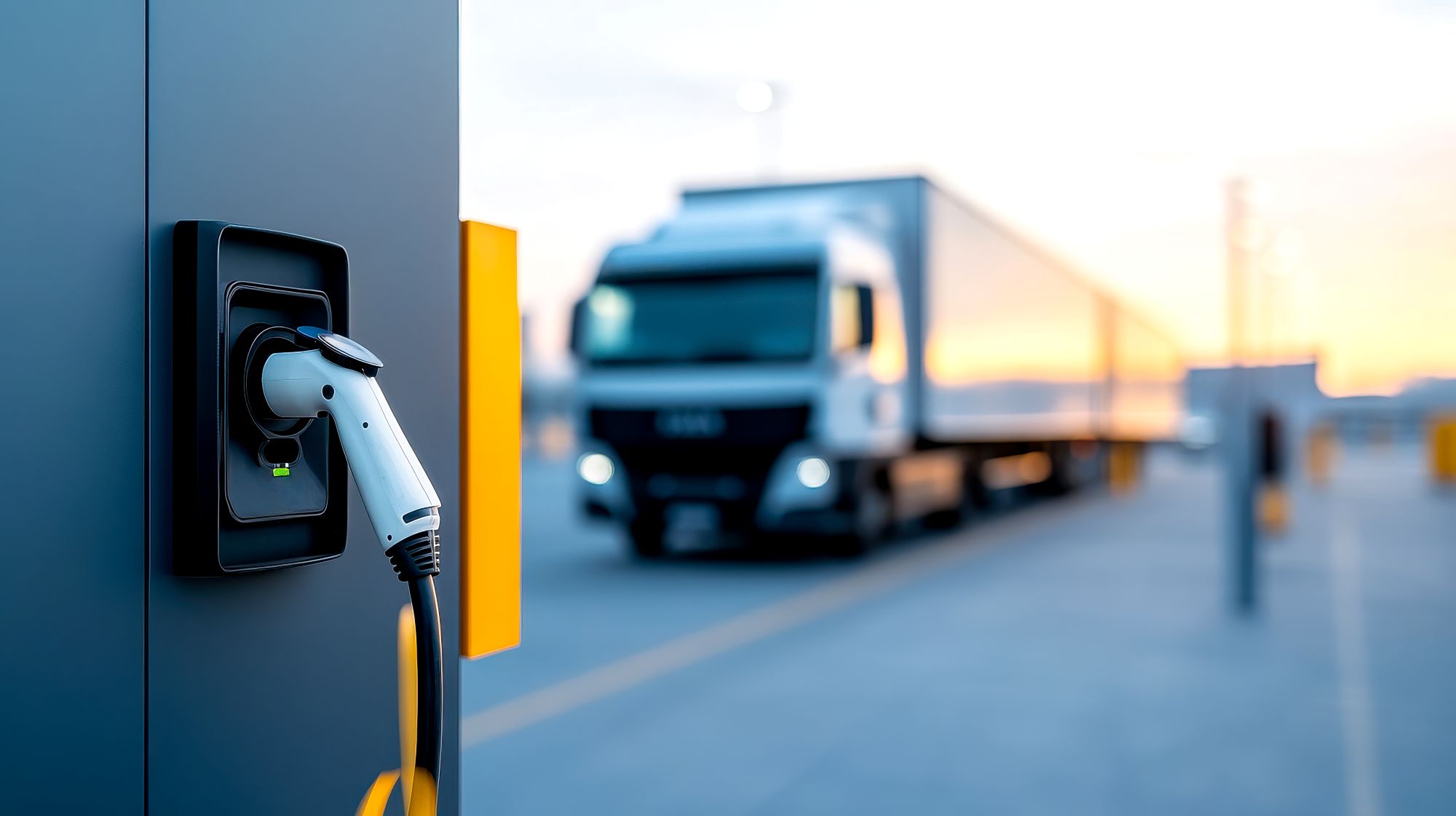
Ennek támogatására az elektromos töltés is bővül. A BP Pulse megawattos nehéz tehergépjármű-töltőket tervez Európa-szerte, 2026-tól kezdődően míg Lengyelország nagy összegeket fektet be új nehéz tehergépjármű-töltőpontok létesítésébe a TEN-T hálózat mentén.](https://snapacc.com/newsroom/poland-accelerates-the-shift-to-zero-emission-haulage/)

A hidrogén bevezetése egyre gyorsul

Az Egyesült Királyság első hidrogénüzemanyagcellás Scania teherautója 2026 első negyedévében áll forgalomba, a HyHAUL M4 folyosó projektjének részeként. A kísérleti projektet három töltőállomás támogatja, amelyek mindegyike naponta akár két tonna hidrogént is szolgáltat. Siker esetén a projekt célja, hogy 2026 végére 30, 2030-ra pedig 300 teherautó közlekedjen.

Ezzel párhuzamosan [az Aegis Energy első hidrogént kínáló állomásának építése az Egyesült Királyságban 2026 elején kezdődik] (https://hydrogen-central.com/hydrogen-vehicles-receive-huge-100-million-boost-amid-plans-to-develop-uk-wide-refuelling-network/). Ezt további öt állomás követi 2027-ig.

A járműgyártók különböző megközelítéseket alkalmaznak a hidrogénüzemű teherautók fejlesztésére:

A Volvo 2026-ban kezdi meg a hidrogénüzemű motorok tesztelését. MAN és a DAF hasonló rendszereket tervez.

Toyota 2026-ban mutatja be a következő generációs hidrogén üzemanyagcellás stacket, amely jobb tartósságot és alacsonyabb üzemeltetési költségeket biztosít.

HVO növekedés

A hidrogénezett növényi olaj (HVO) 2026-ban jelentős átmeneti üzemanyaggá válik a fuvarozásban, két tényezőnek köszönhetően: az északnyugat-európai szigorúbb bioüzemanyag-előírásoknak és a meglévő dízelmotorokkal való kompatibilitásának.

A [Zemo Partnership] (https://www.zemo.org.uk/assets/reports/DecarbonisingHeavyDutyVehiclesandMachineryZemo_Nov2022.pdf) jelentései megerősítik, hogy a HVO "drop-in" üzemanyag: számos meglévő nehéz tehergépjárműben motor- vagy infrastrukturális változtatások nélkül használható, ami az üzemeltetőknek gyakorlati utat biztosít az azonnali CO₂-csökkentéshez.

Eközben [az Argus Media elemzői] (https://www.argusmedia.com/ja/news-and-insights/latest-market-news/2706126-hvo-demand-may-hit-record-as-eu-rules-tighten) előrejelzése szerint a HVO-fogyasztás 2026-ban rekordot érhet el. Csak Németországnak további 1,5 millió tonnára - a 2025-ös szint majdnem négyszeresére - lehet szüksége a kereslet kielégítéséhez.

Bár az akkumulátoros-elektromos vagy hidrogénes alternatívákkal összehasonlítva a felhasználás még mindig szerény, a jelenlegi szabályozási törekvések és az infrastruktúra kompatibilitása azt jelenti, hogy a HVO 2026-ban valószínűleg egyre nagyobb teret nyer.

Autonóm technológia érkezik

2026 tavaszától az Egyesült Királyságban engedélyezik az önvezető járművek biztonsági vezető nélküli pilótáit az ellenőrzött zónákban - egy teljes évvel a tervek előtt. Az Egyesült Királyság automatizált járművekre vonatkozó törvénye által lehetővé tett átállás egy olyan iparágat támogat, amely 2035-ig várhatóan 42 milliárd fonttal járul hozzá az Egyesült Királyság gazdaságához, és becslések szerint 38 000 munkahelyet teremt.

Németország szorosan követi. [A Motor Ai célja, hogy 2026-ra vezető nélküli járműveket vezessen az utakon] (https://www.iotworldtoday.com/transportation-logistics/driverless-cars-planned-for-european-roads-in-2026), 20 millió eurós kezdőtőkével támogatva.

Észak-Európában a MODI folytatja az autonóm árufuvarozás tesztelését az 1200 km hosszú Rotterdam-Oslo folyosón. A program 2026 márciusáig tart, és azt vizsgálja, hogy az autonóm járművek hogyan teljesítenek a határokon, tereptípusokon és logisztikai csomópontokon.

Svédországban az [Einride autonóm elektromos teherautók] (https://projects.research-and-innovation.ec.europa.eu/en/horizon-magazine/self-driving-trucks-en-route-transform-europes-freight-sector) már most is árukat szállítanak a raktárak között, másodpercenként ötmillió adatpontot feldolgozva. Ellenőrzött bevetéseik bizonyítják az automatizálásban rejlő lehetőségeket a kiszámítható, megismételhető útvonalakon.

A fejlődés ellenére az ember továbbra is központi szerepet fog játszani. [Európának 2028-ig még mindig 745 000 új járművezetőre van szüksége] (https://www.innovationnewsnetwork.com/self-driving-trucks-en-route-to-transform-europes-freight-sector/58466/). Tehát miközben az automatizálás támogatni fog bizonyos funkciókat, például a kikötői műveleteket, a raktári ingajáratokat és a rögzített városi útvonalakat, a hosszú távú és összetett nemzetközi szállítás továbbra is ember által irányított marad.

2026 jön

A 2026-ban bekövetkező változások mértéke és sebessége az európai közúti közlekedésben nem hasonlít semmilyen korábbi évhez. Egyszerre több szabályozási, technológiai és fenntarthatósági váltás fog bekövetkezni, amelyek átformálják a flották határokon átnyúló működését.

"2026-ban nem azok az üzemeltetők lesznek sikeresek, akik ellenállnak a változásnak, hanem azok, akik szisztematikusan felkészülnek rá" - mondja Nick Long, a SNAP európai stratégiai partnerségi és fejlesztési igazgatója. "Európa-szerte együttműködünk a flottákkal, hogy kiépítsük azt az infrastruktúrát, amelyre a holnap iparának szüksége van. Biztonságos parkolás. Integrált fizetések az új útdíjrendszerekhez. A siker építőkövei már most rendelkezésre állnak azok számára, akik készen állnak a használatukra."

A SNAP integrált parkolási, fizetési és flottakezelési megoldásokkal segíti a flották felkészülését a jövőre Európa-szerte. Látogasson el a snapacc.com weboldalra, hogy megtudja, hogyan tudjuk támogatni az Ön 2026-ig és azon túl történő átmenetét.

Megosztás a

Mások is olvasnak...

Header Image

csütörtök 11 június 2026 • Hírek és frissítések

VILÁGBAJNOKI UTAZÁSOK VS. KÖZÚTI FUVAROZÁS VALÓSÁGA: HOGYAN TESZIK MEG AZ EURÓPAI TEHERAUTÓSOFŐRÖK A VERSENYHÉTVÉGE TÁVOLSÁGAIT MINDEN HÉTEN

Lucy Black

When football fans think about the FIFA World Cup, they think about big matches, packed stadiums and long journeys.And in 2026, those journeys will be bigger than ever.The expanded FIFA World Cup will feature 48 teams, 104 matches and 16 host cities spread across the United States, Canada and Mexico. It will be the largest and most geographically dispersed World Cup ever staged.Millions of supporters will travel across North America. Teams will cover thousands of kilometres throughout the tournament. Billions of pounds will be spent. Vast amounts of equipment, merchandise, food, drink and technology will need to be moved between venues.But while football fans focus on the journeys made by players and supporters, there is another group of professionals covering similar distances every month.Europe's truck drivers.In fact, a truck driver in Spain could cover more than 10,000 kilometres in just four weeks. That's comparable to the distance some teams could travel throughout an entire World Cup campaign.There's another important similarity too.Without logistics, there is no World Cup.As , explains:Every match, every fan zone and every broadcast relies on goods being delivered to the right place at the right time. From food and drink to merchandise, security infrastructure and broadcasting equipment, road transport plays a critical role behind the scenes.The reality is simple. While football takes centre stage, logistics makes it possible.The 2026 tournament will create one of the most complex logistics operations ever seen in sport.Unlike previous World Cups hosted in a single country, teams could be travelling thousands of kilometres between fixtures throughout the competition.For players, those journeys will be carefully planned and supported by charter flights, recovery teams and world-class facilities.For truck drivers, covering long distances is simply part of everyday life.Across Europe, drivers move goods between manufacturers, ports, warehouses, retailers and customers every day. They connect supply chains, support businesses and keep economies moving.The scale of logistics required for a global event like the World Cup is enormous.As , explains:Every screen, every item of merchandise, every catering delivery and every piece of technical equipment must arrive exactly where it is needed.The same expertise that helps major sporting events run smoothly is being used every day across Europe's transport networks.A team progressing from the group stages to the final could realistically travel between 8,000 and 15,000 kilometres during the 2026 FIFA World Cup.To put that into perspective, SNAP compared projected World Cup travel distances against the average weekly mileage completed by truck drivers across some of Europe's largest freight markets.The results show that truck drivers across Europe routinely cover World Cup-level distances in as little as four weeks.In Spain, Portugal, the Netherlands and Poland, drivers can cover close to or more than 10,000 kilometres over a month.While football teams travel with dedicated support staff and carefully planned schedules, drivers achieve similar distances while managing delivery deadlines, congestion, border crossings, parking shortages and increasingly complex transport networks.It is a reminder of the scale of modern road freight and the critical role drivers play in keeping supply chains moving.Comparing distances only tells part of the story.Players travel between matches.Drivers travel whilst managing deliveries, navigating road networks, complying with regulations and keeping customers supplied.Every week, millions of tonnes of goods move across Europe, supporting supermarkets, manufacturers, construction projects, healthcare providers and countless other industries.The distances may be similar.The challenges are not.Road freight remains the backbone of European trade.Around 75% of inland freight transport across the European Union is moved by road when measured in tonne-kilometres.Every year, billions of tonnes of goods travel across Europe's road networks.Behind every delivery is a transport operation built on the expertise of drivers, fleet managers and logistics professionals.Major sporting events simply make that reality more visible.The World Cup creates additional demand for food, beverages, merchandise, security equipment and event infrastructure. The pressure on transport networks increases significantly.But for transport operators, managing complex logistics is not a once-every-four-years challenge.It's business as usual.Large sporting events often highlight challenges that fleet operators deal with every day.Research from previous World Cups and Olympic Games has shown that host cities experience increased congestion, higher freight demand and greater pressure on transport infrastructure.During major sporting tournaments, cities often see:Increased congestion Higher demand for food and beverage deliveries Greater pressure on parking facilities Increased demand for security logistics Additional passenger transport requirements More complex route planningAs , points out:He's right.Whether it's food and drink for supporters, retail stock, security infrastructure or broadcast technology, major events place huge demands on logistics networks.For fleet managers, those operational pressures are familiar territory.While football teams rely on coaches, analysts and support staff, supply chains rely on drivers.Yet Europe's transport sector continues to face significant challenges.There is an estimated shortage of around 390,000 secure truck parking spaces across Europe.At the same time, driver shortages remain a major concern across many markets.Without drivers, supply chains stop.Without safe, secure places to rest, attracting and retaining drivers becomes even more difficult.As , explains:It's a simple observation, but it highlights an important truth.Whether it's a major sporting tournament or a normal weekend, drivers are the people making sure shelves stay stocked, businesses stay supplied and customers get what they need.For fleet managers, investing in driver welfare is no longer a nice-to-have.It's a business necessity.Providing access to secure parking, quality facilities and efficient payment solutions helps improve driver satisfaction, supports retention and drives operational efficiency.The biggest lesson from the World Cup isn't about football.It's about preparation.The teams that perform best are supported by planning, logistics and infrastructure that allows them to perform when it matters most.The same applies to transport operations.The fleets best positioned for success are those investing in:Driver welfare Secure truck parking Operational visibility Smarter transport payments Fleet efficiency Transport technology Simplified fleet managementThe journeys completed by football teams during the World Cup may capture the headlines.But they also provide a useful reminder of the distances being covered by Europe's transport industry every single day.From Spain and Portugal to Poland, Romania and the United Kingdom, professional drivers routinely travel extraordinary distances whilst supporting businesses, communities and supply chains across the continent.While the world's best footballers compete on the biggest stage, millions of drivers will continue doing what they do every day: keeping goods moving and economies running.At SNAP, we're proud to support those journeys through smarter transport payments, better access to truck parking and driver facilities, and solutions designed to make life easier for fleets and drivers alike.Because while the World Cup only lasts a few weeks, Europe's transport industry operates at that scale every single day.

Header Image

szerda 25 március 2026 • Hírek és frissítések

HOGYAN SZELÍDÍTIK A PREDIKTÍV RENDSZEREK A SZÁLLÍTÁSI BIZONYTALANSÁGOT

Evelyn Long

Delivery operations rarely unfold exactly as planned. Even the most carefully designed logistics schedules must contend with an unpredictable world. Travel congestion can add hours to a route, severe weather can delay entire regions and a single vehicle breakdown can disrupt dozens of deliveries scheduled throughout the day. When these disruptions occur, they often create a chain reaction that affects drivers, warehouses, customers and operational costs. For companies that operate fleets, whether they deliver packages, medical supplies, food or construction materials, this uncertainty can significantly impact business performance. Missed delivery windows frustrate customers and can damage brand reputation. Delays can also increase fuel costs, overtime pay and operational inefficiencies. In industries where margins are tight, even small disruptions can add up quickly.What makes delivery uncertainty especially challenging is how interconnected modern logistics networks have become. A delay at one point in the system can ripple outward, affecting multiple routes and schedules. Without the right tools to anticipate and manage these disruptions, businesses are often forced to react in real time, which can lead to rushed decisions and inefficient solutions.One of the key technologies helping organisations manage delivery uncertainty is the Internet of Things (IoT). IoT refers to networks of connected devices, such as sensors, GPS trackers and telematics systems, that connect and transmit real-time data from vehicles, equipment and infrastructure. In fleet operations, IoT devices can monitor a wide range of conditions. GPS tracking for vehicles on the road. Engine sensors can track vehicle performance and detect early signs of mechanical issues. Temperature sensors can ensure that sensitive cargo remains within required conditions during transit. Together, these data streams create a detailed picture of what’s happening across an entire delivery network. This level of visibility is essential for managing uncertainty. When managers can see where vehicles are, how they’re performing and whether any issues are developing, they can respond much faster. Instead of discovering a problem hours later, they can address it as soon as the warning signs appear. In many cases, this visibility also feeds into predictive systems that analyse the data and forecast potential disruptions before they occur. While IoT provides the data, AI offers the intelligence needed to interpret it. AI systems analyse large volumes of operational information, including traffic patterns, weather forecasts, vehicle performance metrics, delivery history and route efficiency. By identifying patterns in this data, to occur and recommend adjustments. For example, predictive algorithms can analyse historical traffic conditions along a delivery route and estimate when congestion is likely to occur during certain times of day. If the system detects that a particular route will likely experience delays, it can suggest an alternative path before the driver even leaves the depot. Similarly, AI-driven maintenance systems can analyse engine data and identify early warning signs of mechanical problems, allowing repairs to be scheduled before a breakdown occurs on the road. Predictive systems work best when they combine data from multiple sources and translate that information into actionable insights. In a fleet environment, this often means integrating vehicle telematics, weather data, delivery schedules and live traffic information into a single predictive platform. When all of this data is analysed together, the system early. For example, if a severe storm is forecasted along a delivery route, the network can recommend adjusting departure times or rerouting drivers to avoid affected areas. If sensors detect that a vehicle component is likely to fail soon, it can schedule maintenance during planned downtime rather than allowing a breakdown to disrupt deliveries. Over time, these predictive adjustments make delivery operations smoother and more efficient. Routes become more optimised because the system continually learns from previous trips. Maintenance becomes strategic because vehicles are rather than fixed schedules. Even warehouse operations can improve, since more accurate delivery predictions allow teams to better coordinate loading and unloading processes. Beyond preventing disruptions, predictive systems also help fleets operate more efficiently. Businesses that have access to reliable forecasts and operational insights can plan routes, staffing and vehicle usage with greater precision.For instance, predictive analytics can identify patterns in delivery demand, allowing companies to allocate resources where they’re most needed. If certain routes consistently experience delays during specific hours, schedules can be adjusted to avoid those peak periods. Fuel usage can also be optimised by identifying more efficient routes or driving patterns. Over time, these incremental improvements add up. Vehicles spend less time idling in traffic, drivers spend more time completing deliveries rather than waiting or rerouting, and customers receive more accurate delivery estimates, and satisfaction. Another key benefit of predictive technology is the ability to monitor and control systems remotely. As connected devices become more common, consumers and businesses expect this level of oversight and convenience. A survey found that smart garage door openers consider remote monitoring and control to be a crucial feature. While this statistic relates to residential technology, it highlights a broader shift in expectations. People increasingly value the ability to check on systems, receive alerts and manage operations from anywhere. The same mindset is becoming more important in professional logistics environments. Fleet managers want to see vehicle locations in real time, receive notifications about potential issues and make adjustments without needing to be physically present. Predictive systems support this capability by turning complex operational data into clear, actionable insights that can be assessed remotely. While predictive systems provide clear advantages, they also introduce new considerations that businesses must address. In 2024, the of suspected internet crime. As fleets become more connected and reliant on digital platforms, cybersecurity becomes increasingly important. IoT devices, cloud platforms and AI-driven systems all rely on network connectivity and data exchange. Systems that aren’t properly secured could become targets for cyberattacks. A compromised system could disrupt operations, expose sensitive data or interfere with fleet management tools.Delivery uncertainty may never disappear entirely, but predictive systems are making it far more manageable. By combining IoT connectivity with AI-driven analytics, fleet operators can gain deeper visibility into their operations and anticipate problems before they disrupt schedules. As these technologies continue to evolve, they will play an important role in helping fleet-based businesses reduce uncertainty, streamline operations and deliver a more consistent experience for their customers.Discover more from

Header Image

szerda 11 március 2026 • Hírek és frissítések

PROAKTÍV TIPPEK A FLOTTA BIZTONSÁGÁÉRT ÉS TELJESÍTMÉNYÉÉRT MINDEN ÉVSZAKBAN

Guest

Fleet performance rarely unravels overnight. It slips through small oversights — a missed service interval, worn tread or a delayed depot repair. As a UK fleet manager, the cost of reacting late shows up in downtime, higher insurance premiums and risk to your reputation.Your proactive, seasonal strategy protects the vehicles, drivers and infrastructure before temperature-triggered issues escalate. Align maintenance cycles with weather patterns, operational peaks and compliance demands. Your fleet will be steadier, safer on the road and reduce unwelcome surprises.Reactive fleet management costs you more. Emergency repairs can disrupt tight schedules, strain budgets and frustrate even the best drivers. In contrast, effective forward planning can reduce unplanned downtime and extend vehicle life cycles.Predictive maintenance and seasonal checks are strategic in supporting compliance. The Driver and Vehicle Standards Agency can for roadworthiness at any time, not just during the annual inspection. A prevention-first culture demonstrates your team’s due diligence and strengthens your Operator Compliance Risk Score, without warning.Driver retention links closely to this mindset. Vehicles that are reliable in winter, maintain cabin comfort in summer and feel safe in poor weather send a clear message that your organisation values professionalism and safety.Longer daylight hours and increased road activity shift risk profiles. Construction zones expand, cyclists and pedestrians increase and higher temperatures stress mechanical systems.Introduce quarterly automobile network checks before weather changes set in.: Ensure all vehicles’ air conditioning systems operate efficiently. Comfortable drivers remain more alert and calm on long routes and in heavy traffic, while being hot and bothered behind the wheel fosters reckless driving. : Check radiators, coolant levels and hoses. Heat accelerates wear and can trigger overheating if systems run hot due to environmental factors. : Rising temperatures can affect tyre pressure. Confirm correct inflation and inspect for sidewall damage to reduce the risk of blowouts. Hot road surfaces also wear tyre tread more easily, affecting braking capacity. Reinforce safe driving techniques that consider sun glare, roadworks and higher traffic density. Consider installing tinted windshields when drivers face extreme light conditions.Heat amplifies even minor engine weaknesses. Address mechanical safety early, and you'll prevent mid-season breakdowns or disrupted delivery windows.Shorter days, heavy rain and icy surfaces demand that your team is on top of their game. Autumn brings leaves and debris that litter already-slick roadways, and winter compounds the challenge with frost and failing batteries. Prepare before these conditions set in to keep your mobile assets from deteriorating:: Inspect all headlights, brake lights and indicators. Replace worn wipers, top up the windshield washer reservoirs with de-icing chemicals rated for low-temperature use and add anti-freeze to radiators. : Confirm adequate grip depth on all wheels for additional safety on wet and icy roads and consider swapping to winter sets where routes justify the investment. This is also an ideal time to check your fleet’s tyre ages, as no commercial vehicle may be on the road in the UK with ago, which are considered unroadworthy. : Cold weather reduces battery efficiency. Test older units and replace those nearing the end of life. Trickle chargers help maintain truck batteries' charge when drivers must stop to meet their rest requirements. : Low light and adverse weather can trigger anyone's natural sleep instinct, so manage drivers' alertness levels. Review route planning and rest policies to reduce strain or assign two drivers on longer routes.Vehicle readiness supports road safety, yet infrastructure also plays a role. Poor depot lighting, icy yard surfaces or malfunctioning entry points can delay departures and create hazards before trucks even reach public roads.Mobile asset safety starts at the depot. Vehicles often sit for hours in storage yards or warehouses. A compromised facility exposes high-value assets to theft, weather damage and operational delay. Commercial lots or warehouses are vulnerable matter.Rolling doors and access points demand particular attention in the UK’s damp climate. Corrosion frequently begins at exterior door components, affecting guides and structural elements. Over time, degradation can trigger failures that halt departures or compromise security. Noncorrosive rolling doors made with , like stainless steel, provide safety for the fleet’s vehicles and secure valuable manifests at depots.Businesses operating in high-moisture or coastal environments should invest in corrosion-resistant products. Use cleaning agents and lubricants to prevent hinges and mechanisms from seizing up. Functional doors safeguard operations because a primary access door that fails during peak dispatch hours can result in vehicles missing slots and customer confidence slipping. Proactive facility maintenance reduces that risk.Broader property readiness matters, too. Seasonal inspections of drainage, roofing and external lighting strengthen operational continuity at all hours of the day. Thorough winter preparation should prevent structural and water-related damage. Treat your depot as part of the company's mobility ecosystem by securing doors and maintaining clean yard surfaces. Resilient infrastructure protects vehicles before they reach the road.Technology strengthens your seasonal planning. Telematics platforms provide a wealth of information, including identifying braking patterns, fuel efficiency shifts and early warning codes before faults escalate. Advanced driver-assistance systems add further safeguards, particularly in low-visibility conditions.Use AI to help you analyse data and create workflows that meet each season’s changing needs. Data-driven insights inform scheduling. Use analytics to identify recurring battery failures in cold-region trucks or cooling issues during summer peaks. Adjust the fleet's scheduled maintenance according to telematics guidance.Modern trucks with telematics can of data per minute from hundreds of sensors, which is only useful if you have the computing systems to extrapolate findings and trends that inform maintenance and performance schedules.Proactive company asset management evolves beyond checklists. It becomes a continuous improvement process informed by data, temperatures and infrastructure integrity.Seasonal transitions present predictable challenges from heat-stressing engines, cold-draining batteries and moisture corroding structural components. Increased traffic and vehicle use alter risk patterns.Address these variables before they disrupt your team’s operations. Align maintenance cycles with weather trends, reinforce driver training ahead of weather shifts and invest in resilient depot infrastructure.A fleet that anticipates change operates with confidence and performs consistently with improved safety metrics and decreased downtime. Those incremental advantages compound into measurable operational strength.