Guest
Naujienos ir atnaujinimai • 5 min perskaityti

Kaip tapti sunkvežimio vairuotoju

Sukurta: 26-09-2025

Atnaujinta: 26-09-2025

Visoje Europoje profesionalių sunkvežimių vairuotojų paklausa dar niekada nebuvo tokia didelė. Jungtinės Karalystės Kelių transporto asociacijos duomenimis, per ateinančius penkerius metus reikės 200 000 naujų sunkvežimių vairuotojų, kad būtų užtikrintas tiekimo grandinių veikimas. Tokia pati padėtis yra ir didžiojoje Europos dalyje. Remiantis ITarptautinės kelių transporto sąjungos duomenimis, 2024 m. visoje Europoje buvo 426 000 neužpildytų vairuotojų darbo vietų.

Tačiau tai suteikia galimybę. Kaip jau anksčiau tyrinėjome (https://snapacc.com/newsroom/is-logistics-a-new-alternative-to-further-education-for-school-leavers/), krovinių gabenimo pramonė suteikia nuolatinio darbo perspektyvą abiturientams, svarstantiems apie alternatyvą universitetui, ir suaugusiesiems, norintiems persikvalifikuoti. Tapti sunkvežimio vairuotoju - tai kelias į užtikrintą uždarbį ir struktūruotą karjerą.

Daugeliui kyla klausimas: kaip tapti sunkvežimio vairuotoju? Atsakymas į šį klausimą priklauso ne tik nuo mokymų ir pažymėjimų, bet ir nuo supratimo, ką reiškia įgyti profesiją, kuri užtikrina Europos ekonomikos judėjimą.

Kas gali tapti sunkvežimio vairuotoju?

Vienas iš pagrindinių vairuotojo karjeros privalumų yra jos prieinamumas. Norint pradėti dirbti, nereikia turėti universitetinio išsilavinimo ar ilgamečio specialaus mokymo; prieš pradedant siekti profesinės kvalifikacijos, tereikia turėti standartinį automobilio vairuotojo pažymėjimą (B kategorija).

Tiek Jungtinėje Karalystėje, tiek visoje ES minimalus amžius, nuo kurio galima mokytis, yra 18 metų, o tai reiškia, kad mokyklą baigę jaunuoliai gali iš karto pereiti nuo automobilio vairuotojo pažymėjimo prie profesionalaus sunkiasvorių sunkvežimių vairuotojo mokymo. Vis dėlto daugelis įmonių pageidauja, kad tarptautinio krovinių vežimo vairuotojams būtų bent 21 metai, nes vežant krovinius dideliais atstumais jiems tenka papildoma atsakomybė.

Taip pat svarbu ir medicininis tinkamumas. Kiekvienas pareiškėjas, norėdamas gauti sunkiasvorės krovininės transporto priemonės vairuotojo pažymėjimą, turi praeiti sveikatos patikrinimą. Jungtinėje Karalystėje atliekami įvairūs testai, įskaitant regėjimo patikrinimą, kraujospūdžio matavimą ir patikrinimą dėl tokių ligų, kaip epilepsija, širdies ligos ar miego apnėja.

Europos šalys taiko tuos pačius ES masto sveikatos standartus, o reguliarus atnaujinimas užtikrina, kad vairuotojai išliktų sveiki visą savo karjerą.

Kiek uždirba sunkvežimio vairuotojas?

Daugeliui žmonių, svarstančių apie profesionalaus vairuotojo profesiją, labiausiai rūpi, kiek uždirba sunkvežimių vairuotojai?

Atsakymas priklauso nuo vietovės, patirties ir atliekamo darbo pobūdžio, tačiau visoje Europoje ši profesija siūlo konkurencingą darbo užmokestį, palyginti su kitais pradinio lygio darbais.

● Naujas vairuotojas Jungtinėje Karalystėje paprastai pradeda dirbti už maždaug 27 000 svarų sterlingų per metus. Tiems, kurie pradeda dirbti tolimojo susisiekimo srityje, ypač tarptautiniais maršrutais, atlyginimas gali išaugti iki 45 000 svarų sterlingų, o kartais ir daugiau, jei veža specializuotus ar pavojingus krovinius. tiems, kurie veža specializuotus krovinius, pavojingus krovinius ar dirba tarptautiniais maršrutais.

Ispanijoje atlyginimai paprastai yra mažesni nei Jungtinėje Karalystėje, paprastai apie 36 600 eurų, nors didelės logistikos įmonės didžiuosiuose miestuose gali pasiūlyti daugiau.

Lenkija pastaraisiais metais pastebima didelė vairuotojų paklausa, tačiau darbo užmokestis išlieka kuklus - vidutiniškai apie 92 400 PLN (apie 21 690 EUR).

Rumunija yra žemesnėje skalės dalyje - vairuotojai paprastai uždirba 80 550 RON (16 000 eurų), nors tarptautinio krovinių vežimo sutartys gali gerokai padidinti atlyginimą į rankas.

Žinoma, darbo užmokestis nėra visa istorija. Daugelis įmonių siūlo viršvalandžius, maistpinigius ar premijas už pasiektus pristatymo tikslus. Kadangi vairuotojų paklausa nemažėja, šis darbas taip pat suteikia tokį saugumo lygį, kokiam gali prilygti nedaugelis kitų pradedančiųjų vairuotojų profesijų.

Kokio sunkvežimio vairuotojo pažymėjimo man reikia?

Prieš sėsdami prie sunkvežimio vairo, turite turėti tinkamą vairuotojo pažymėjimą. Jungtinėje Karalystėje tai reiškia, kad turite ne tik standartinį automobilio vairuotojo pažymėjimą, bet ir oficialiai vadinamą didelių krovininių transporto priemonių (LGV) arba sunkiųjų krovininių transporto priemonių (HGV) vairuotojo pažymėjimą. Šie terminai dažnai vartojami pakaitomis, tačiau abu apima tas pačias profesionalaus vairavimo kategorijas.

Kai kurie žmonės pradeda nuo C1 kategorijos vairuotojo pažymėjimo, kuris išduodamas vidutinio dydžio transporto priemonėms, sveriančioms nuo 3,5 iki 7,5 tonos, dažnai naudojamoms mažesniems pristatymo sunkvežimiams.

Tačiau dauguma pradedančiųjų sunkvežimių vairuotojų iš karto įgyja C kategorijos vairuotojo pažymėjimą, kartais vadinamą 2 klasės sunkiasvorių sunkvežimių vairuotojo pažymėjimu. Tai suteikia teisę vairuoti didesnes nei 7,5 tonos standžias transporto priemones. Norintiems pereiti prie šarnyrinių sunkvežimių, t. y. didesnių transporto priemonių, dažniausiai naudojamų tolimojo susisiekimo ir tarptautiniuose maršrutuose, reikia CE kategorijos (1 klasės) vairuotojo pažymėjimo.

Kartu su šiomis kvalifikacijomis įgyjamas ir vairuotojo profesinės kompetencijos pažymėjimas (CPC), kuris yra teisinis reikalavimas visoje Jungtinėje Karalystėje ir ES. Šį pažymėjimą sudaro pradinis mokymas ir periodiškai atnaujinami kursai, kuriais siekiama, kad vairuotojai nuolat atnaujintų saugos, teisės aktų ir kelių eismo įgūdžių žinias.

Ši sistema atspindi visos ES licencijavimo sistemą. Pagrindiniai skirtumai tarp šalių yra susiję su mokymo paslaugų teikėjais, susijusiomis išlaidomis, o kai kur - ir su galimybe laikyti egzaminus.
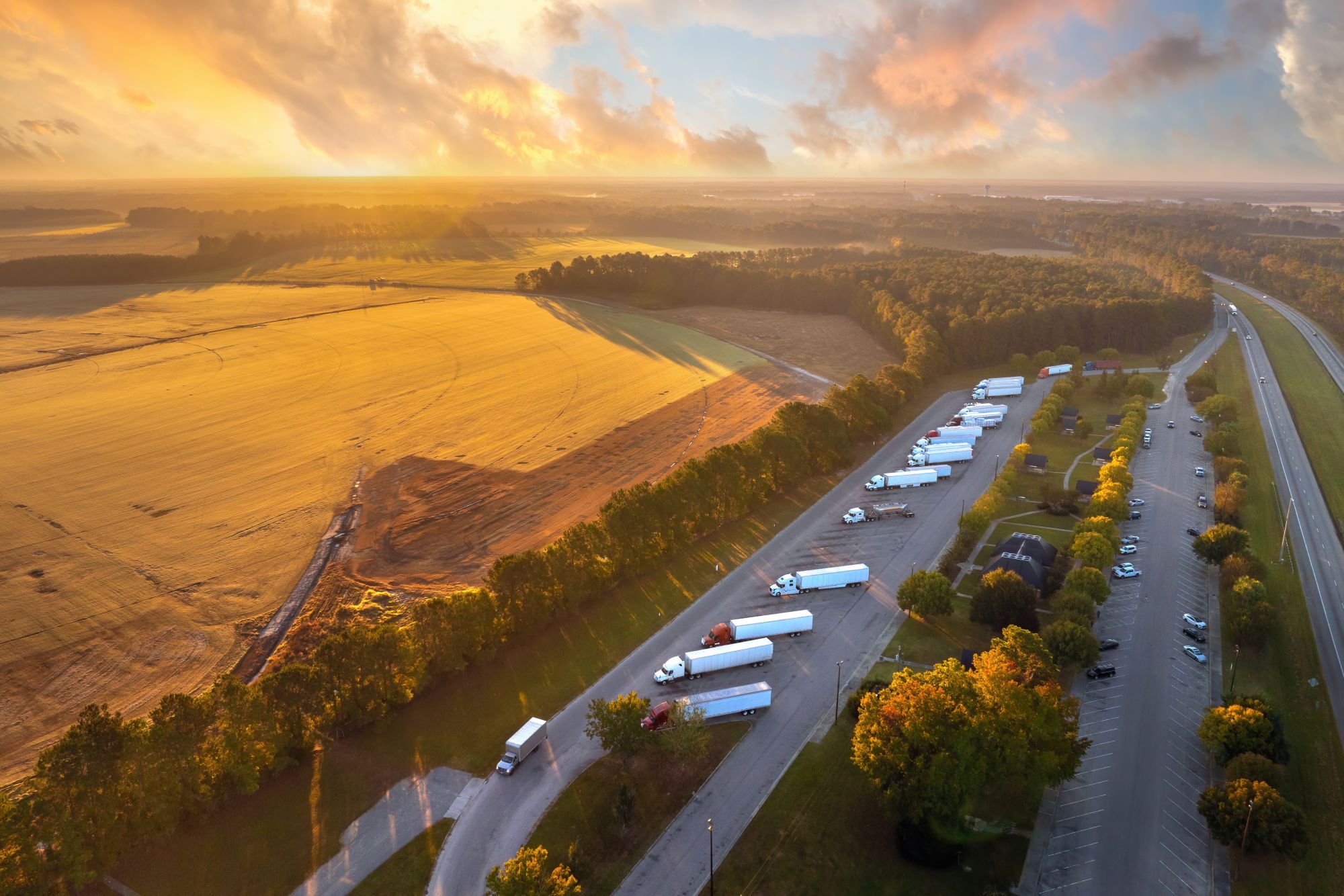
Kaip gauti sunkiasvorės krovininės transporto priemonės vairuotojo pažymėjimą

Sunkvežimio vairuotojo pažymėjimo gavimas yra pirmasis žingsnis į profesionalaus vairuotojo kelią. Jungtinėje Karalystėje šį procesą galite pradėti turėdami standartinį B kategorijos automobilio vairuotojo pažymėjimą. Po to kreipiatės dėl laikinojo sunkvežimio vairuotojo pažymėjimo, kuris leidžia pradėti mokytis vairuoti dideles krovinines transporto priemones.

Mokymo metu derinami teoriniai ir praktiniai aspektai: klasėje vyksta užsiėmimai apie kelių eismo saugą ir taisykles, po kurių prižiūrimas vairavimas sunkiasvorėmis transporto priemonėmis. Kandidatai taip pat turi baigti vairuotojo profesinės kompetencijos pažymėjimo (CPC) modulius, kuriais užtikrinama, kad vairuotojai būtų pasirengę ne tik saugiai valdyti transporto priemones, bet ir tvarkytis su kasdieniais krovinių vežimo reikalavimais.

Kiek kainuoja tapti sunkvežimio vairuotoju?

Vienas iš dažniausiai užduodamų klausimų tiems, kurie svarsto apie šią profesiją, - kiek kainuoja sunkvežimio vairuotojo mokymai. Jungtinėje Karalystėje kainos skiriasi priklausomai nuo paslaugų teikėjo, vietovės ir nuo to, ar mokotės C, ar aukštesnės CE kategorijos vairuotojo pažymėjimui gauti. Vidutiniškai nauji vairuotojai gali tikėtis išleisti nuo 2 000 iki 3 500 svarų sterlingų, kad padengtų sveikatos patikrinimus, laikinojo vairuotojo pažymėjimo mokesčius, teorijos egzaminus, praktinį mokymą, CPC modulius ir galutinį vairavimo egzaminą. Kai kurios bendrovės, ypač didesnės logistikos įmonės, siūlo programas, pagal kurias subsidijuojamas arba visiškai finansuojamas mokymas mainais į darbo įsipareigojimus, todėl šis kelias tampa prieinamesnis.

Kitur Europoje skaičiai nėra labai skirtingi. Ispanijoje mokymas paprastai kainuoja nuo 2 000 iki 3 000 eurų už visą mokymą ir sertifikavimą. Lenkijoje ši suma yra mažesnė - vidutiniškai nuo 1 500 iki 2 500 eurų. Rumunijoje mokymo išlaidos yra vienos mažiausių Europoje - daugelis kandidatų už kvalifikacijos įgijimą moka apie 1 000-1 800 eurų, nors pradinio lygio darbo užmokestis paprastai atspindi šį mažesnį barjerą patekti į rinką.

Kiek laiko užtrunka tapti sunkvežimio vairuotoju?

Laikas, per kurį įgyjama sunkvežimio vairuotojo kvalifikacija, priklauso nuo to, kur mokotės, kokio tipo vairuotojo pažymėjimo siekiate ir kaip greitai galite gauti egzaminų datas. Jungtinėje Karalystėje dauguma žmonių baigia mokymus ir išlaiko egzaminus per 2-4 mėnesius. Kai kurie intensyvūs kursai trunka kelias savaites, tačiau daugelis vairuotojų mano, kad geriau įsisavinti įgūdžius padeda pamokų išdėstymas.

Ispanijoje ir Lenkijoje šis procesas panašus, tačiau ilgesnės egzaminų eilės gali pailginti laiką. Lenkijoje dėl didelės profesionalių vairuotojų paklausos mokymo centruose susidarė spūstys, todėl kai kurie kandidatai praktinio egzamino laiko laukia kelis mėnesius. Rumunijoje šis procesas yra vienas iš greičiausių - mokymas ir egzaminavimas dažnai užbaigiamas per aštuonias-dvylika savaičių.

Mokymasis nesibaigia ir gavus vairuotojo pažymėjimą. Kiekvienas profesionalus vairuotojas kas penkerius metus turi baigti 35 valandų trukmės CPC mokymus, kad atnaujintų savo įgūdžius ir būtų pasirengęs laikytis naujausių taisyklių ir saugos standartų.

Kiek laiko gali vairuoti sunkvežimio vairuotojas?

Kai įgyjate kvalifikaciją, darbas susijęs su griežtais apribojimais, kiek laiko galite praleisti prie vairo. Šiais apribojimais siekiama apsaugoti tiek vairuotojus, tiek kitus eismo dalyvius, mažinant nuovargį.

Visoje Jungtinėje Karalystėje ir ES galioja tos pačios taisyklės. Vairuotojai kasdien prie vairo gali praleisti ne daugiau kaip devynias valandas, o du kartus per savaitę šį laiką galima pratęsti iki dešimties valandų. Savaitinis vairavimo laikas negali viršyti 56 valandų, o per dvi savaites iš eilės - 90 valandų.

Be to, po 4,5 valandos vairavimo vairuotojas privalo daryti bent 45 minučių pertrauką. Jie taip pat turi teisę į kasdienį ir kassavaitinį poilsį, kad galėtų atsigauti prieš grįždami į darbą.

Šių taisyklių laikymasis atidžiai stebimas, o transporto priemonėse įrengti tachografai, kuriais fiksuojamos valandos ir užtikrinama, kad jų būtų laikomasi. Dirbantiems tolimojo susisiekimo maršrutais, pavyzdžiui, Ispanijos vairuotojams, vykstantiems į Pirėnų pusiasalį, arba Lenkijos vežėjams, gabenantiems krovinius per rytines ES sienas, šie apribojimai lemia darbo ritmą. Nuo jų priklauso, kada ir kur vairuotojai sustoja, todėl galimybė naudotis saugiomis poilsio vietomis yra labai svarbi darbo dienos dalis.

Kaip pradėti dirbti sunkvežimio vairuotoju

Sunkvežimio vairuotoju tampama ne tik išlaikius egzaminus. Tai - įsitraukimas į darbą, už kurį tenka prisiimti tikrą atsakomybę, bet kuris taip pat suteikia ilgalaikių galimybių. Turint tinkamą vairuotojo pažymėjimą, tinkamus mokymus ir pasiryžimą priimti gyvenimą kelyje, ši karjera gali užtikrinti ir stabilumą, ir tobulėjimą.

SNAP žinome, kaip atrodo tokios kelionės. Todėl dirbame su automobilių parkais ir vairuotojais visoje Europoje, kad kelionės būtų saugesnės, paprastesnės ir patogesnės - nuo saugios automobilių stovėjimo aikštelės ir geresnių gerbūvio sąlygų iki išmaniųjų skaitmeninių įrankių, taupančių laiką ir stresą. Nesvarbu, ar tik pradedate, ar vairuojate jau daugelį metų, mes padėsime jums kiekviename kilometre.

Atsisiųskite programėlę intruck app ir jau šiandien raskite patikimas automobilių stovėjimo aikšteles, įrenginius ir paslaugas, kad ir kur jus nuvestų jūsų maršrutas.

Dalytis su

Kiti taip pat skaito...

Header Image

ketvirtadienis 11 birželio 2026 • Naujienos ir atnaujinimai

PASAULIO FUTBOLO ČEMPIONATO KELIONĖS IR KROVINIŲ VEŽIMO REALYBĖ: KAIP EUROPOS SUNKVEŽIMIŲ VAIRUOTOJAI KIEKVIENĄ SAVAITĘ ĮVEIKIA TURNYRO ATSTUMUS

Lucy Black

When football fans think about the FIFA World Cup, they think about big matches, packed stadiums and long journeys.And in 2026, those journeys will be bigger than ever.The expanded FIFA World Cup will feature 48 teams, 104 matches and 16 host cities spread across the United States, Canada and Mexico. It will be the largest and most geographically dispersed World Cup ever staged.Millions of supporters will travel across North America. Teams will cover thousands of kilometres throughout the tournament. Billions of pounds will be spent. Vast amounts of equipment, merchandise, food, drink and technology will need to be moved between venues.But while football fans focus on the journeys made by players and supporters, there is another group of professionals covering similar distances every month.Europe's truck drivers.In fact, a truck driver in Spain could cover more than 10,000 kilometres in just four weeks. That's comparable to the distance some teams could travel throughout an entire World Cup campaign.There's another important similarity too.Without logistics, there is no World Cup.As , explains:Every match, every fan zone and every broadcast relies on goods being delivered to the right place at the right time. From food and drink to merchandise, security infrastructure and broadcasting equipment, road transport plays a critical role behind the scenes.The reality is simple. While football takes centre stage, logistics makes it possible.The 2026 tournament will create one of the most complex logistics operations ever seen in sport.Unlike previous World Cups hosted in a single country, teams could be travelling thousands of kilometres between fixtures throughout the competition.For players, those journeys will be carefully planned and supported by charter flights, recovery teams and world-class facilities.For truck drivers, covering long distances is simply part of everyday life.Across Europe, drivers move goods between manufacturers, ports, warehouses, retailers and customers every day. They connect supply chains, support businesses and keep economies moving.The scale of logistics required for a global event like the World Cup is enormous.As , explains:Every screen, every item of merchandise, every catering delivery and every piece of technical equipment must arrive exactly where it is needed.The same expertise that helps major sporting events run smoothly is being used every day across Europe's transport networks.A team progressing from the group stages to the final could realistically travel between 8,000 and 15,000 kilometres during the 2026 FIFA World Cup.To put that into perspective, SNAP compared projected World Cup travel distances against the average weekly mileage completed by truck drivers across some of Europe's largest freight markets.The results show that truck drivers across Europe routinely cover World Cup-level distances in as little as four weeks.In Spain, Portugal, the Netherlands and Poland, drivers can cover close to or more than 10,000 kilometres over a month.While football teams travel with dedicated support staff and carefully planned schedules, drivers achieve similar distances while managing delivery deadlines, congestion, border crossings, parking shortages and increasingly complex transport networks.It is a reminder of the scale of modern road freight and the critical role drivers play in keeping supply chains moving.Comparing distances only tells part of the story.Players travel between matches.Drivers travel whilst managing deliveries, navigating road networks, complying with regulations and keeping customers supplied.Every week, millions of tonnes of goods move across Europe, supporting supermarkets, manufacturers, construction projects, healthcare providers and countless other industries.The distances may be similar.The challenges are not.Road freight remains the backbone of European trade.Around 75% of inland freight transport across the European Union is moved by road when measured in tonne-kilometres.Every year, billions of tonnes of goods travel across Europe's road networks.Behind every delivery is a transport operation built on the expertise of drivers, fleet managers and logistics professionals.Major sporting events simply make that reality more visible.The World Cup creates additional demand for food, beverages, merchandise, security equipment and event infrastructure. The pressure on transport networks increases significantly.But for transport operators, managing complex logistics is not a once-every-four-years challenge.It's business as usual.Large sporting events often highlight challenges that fleet operators deal with every day.Research from previous World Cups and Olympic Games has shown that host cities experience increased congestion, higher freight demand and greater pressure on transport infrastructure.During major sporting tournaments, cities often see:Increased congestion Higher demand for food and beverage deliveries Greater pressure on parking facilities Increased demand for security logistics Additional passenger transport requirements More complex route planningAs , points out:He's right.Whether it's food and drink for supporters, retail stock, security infrastructure or broadcast technology, major events place huge demands on logistics networks.For fleet managers, those operational pressures are familiar territory.While football teams rely on coaches, analysts and support staff, supply chains rely on drivers.Yet Europe's transport sector continues to face significant challenges.There is an estimated shortage of around 390,000 secure truck parking spaces across Europe.At the same time, driver shortages remain a major concern across many markets.Without drivers, supply chains stop.Without safe, secure places to rest, attracting and retaining drivers becomes even more difficult.As , explains:It's a simple observation, but it highlights an important truth.Whether it's a major sporting tournament or a normal weekend, drivers are the people making sure shelves stay stocked, businesses stay supplied and customers get what they need.For fleet managers, investing in driver welfare is no longer a nice-to-have.It's a business necessity.Providing access to secure parking, quality facilities and efficient payment solutions helps improve driver satisfaction, supports retention and drives operational efficiency.The biggest lesson from the World Cup isn't about football.It's about preparation.The teams that perform best are supported by planning, logistics and infrastructure that allows them to perform when it matters most.The same applies to transport operations.The fleets best positioned for success are those investing in:Driver welfare Secure truck parking Operational visibility Smarter transport payments Fleet efficiency Transport technology Simplified fleet managementThe journeys completed by football teams during the World Cup may capture the headlines.But they also provide a useful reminder of the distances being covered by Europe's transport industry every single day.From Spain and Portugal to Poland, Romania and the United Kingdom, professional drivers routinely travel extraordinary distances whilst supporting businesses, communities and supply chains across the continent.While the world's best footballers compete on the biggest stage, millions of drivers will continue doing what they do every day: keeping goods moving and economies running.At SNAP, we're proud to support those journeys through smarter transport payments, better access to truck parking and driver facilities, and solutions designed to make life easier for fleets and drivers alike.Because while the World Cup only lasts a few weeks, Europe's transport industry operates at that scale every single day.

Header Image

trečiadienis 25 kovo 2026 • Naujienos ir atnaujinimai

KAIP PROGNOZAVIMO SISTEMOS SUVALDO PRISTATYMO NEAPIBRĖŽTUMĄ

Evelyn Long

Delivery operations rarely unfold exactly as planned. Even the most carefully designed logistics schedules must contend with an unpredictable world. Travel congestion can add hours to a route, severe weather can delay entire regions and a single vehicle breakdown can disrupt dozens of deliveries scheduled throughout the day. When these disruptions occur, they often create a chain reaction that affects drivers, warehouses, customers and operational costs. For companies that operate fleets, whether they deliver packages, medical supplies, food or construction materials, this uncertainty can significantly impact business performance. Missed delivery windows frustrate customers and can damage brand reputation. Delays can also increase fuel costs, overtime pay and operational inefficiencies. In industries where margins are tight, even small disruptions can add up quickly.What makes delivery uncertainty especially challenging is how interconnected modern logistics networks have become. A delay at one point in the system can ripple outward, affecting multiple routes and schedules. Without the right tools to anticipate and manage these disruptions, businesses are often forced to react in real time, which can lead to rushed decisions and inefficient solutions.One of the key technologies helping organisations manage delivery uncertainty is the Internet of Things (IoT). IoT refers to networks of connected devices, such as sensors, GPS trackers and telematics systems, that connect and transmit real-time data from vehicles, equipment and infrastructure. In fleet operations, IoT devices can monitor a wide range of conditions. GPS tracking for vehicles on the road. Engine sensors can track vehicle performance and detect early signs of mechanical issues. Temperature sensors can ensure that sensitive cargo remains within required conditions during transit. Together, these data streams create a detailed picture of what’s happening across an entire delivery network. This level of visibility is essential for managing uncertainty. When managers can see where vehicles are, how they’re performing and whether any issues are developing, they can respond much faster. Instead of discovering a problem hours later, they can address it as soon as the warning signs appear. In many cases, this visibility also feeds into predictive systems that analyse the data and forecast potential disruptions before they occur. While IoT provides the data, AI offers the intelligence needed to interpret it. AI systems analyse large volumes of operational information, including traffic patterns, weather forecasts, vehicle performance metrics, delivery history and route efficiency. By identifying patterns in this data, to occur and recommend adjustments. For example, predictive algorithms can analyse historical traffic conditions along a delivery route and estimate when congestion is likely to occur during certain times of day. If the system detects that a particular route will likely experience delays, it can suggest an alternative path before the driver even leaves the depot. Similarly, AI-driven maintenance systems can analyse engine data and identify early warning signs of mechanical problems, allowing repairs to be scheduled before a breakdown occurs on the road. Predictive systems work best when they combine data from multiple sources and translate that information into actionable insights. In a fleet environment, this often means integrating vehicle telematics, weather data, delivery schedules and live traffic information into a single predictive platform. When all of this data is analysed together, the system early. For example, if a severe storm is forecasted along a delivery route, the network can recommend adjusting departure times or rerouting drivers to avoid affected areas. If sensors detect that a vehicle component is likely to fail soon, it can schedule maintenance during planned downtime rather than allowing a breakdown to disrupt deliveries. Over time, these predictive adjustments make delivery operations smoother and more efficient. Routes become more optimised because the system continually learns from previous trips. Maintenance becomes strategic because vehicles are rather than fixed schedules. Even warehouse operations can improve, since more accurate delivery predictions allow teams to better coordinate loading and unloading processes. Beyond preventing disruptions, predictive systems also help fleets operate more efficiently. Businesses that have access to reliable forecasts and operational insights can plan routes, staffing and vehicle usage with greater precision.For instance, predictive analytics can identify patterns in delivery demand, allowing companies to allocate resources where they’re most needed. If certain routes consistently experience delays during specific hours, schedules can be adjusted to avoid those peak periods. Fuel usage can also be optimised by identifying more efficient routes or driving patterns. Over time, these incremental improvements add up. Vehicles spend less time idling in traffic, drivers spend more time completing deliveries rather than waiting or rerouting, and customers receive more accurate delivery estimates, and satisfaction. Another key benefit of predictive technology is the ability to monitor and control systems remotely. As connected devices become more common, consumers and businesses expect this level of oversight and convenience. A survey found that smart garage door openers consider remote monitoring and control to be a crucial feature. While this statistic relates to residential technology, it highlights a broader shift in expectations. People increasingly value the ability to check on systems, receive alerts and manage operations from anywhere. The same mindset is becoming more important in professional logistics environments. Fleet managers want to see vehicle locations in real time, receive notifications about potential issues and make adjustments without needing to be physically present. Predictive systems support this capability by turning complex operational data into clear, actionable insights that can be assessed remotely. While predictive systems provide clear advantages, they also introduce new considerations that businesses must address. In 2024, the of suspected internet crime. As fleets become more connected and reliant on digital platforms, cybersecurity becomes increasingly important. IoT devices, cloud platforms and AI-driven systems all rely on network connectivity and data exchange. Systems that aren’t properly secured could become targets for cyberattacks. A compromised system could disrupt operations, expose sensitive data or interfere with fleet management tools.Delivery uncertainty may never disappear entirely, but predictive systems are making it far more manageable. By combining IoT connectivity with AI-driven analytics, fleet operators can gain deeper visibility into their operations and anticipate problems before they disrupt schedules. As these technologies continue to evolve, they will play an important role in helping fleet-based businesses reduce uncertainty, streamline operations and deliver a more consistent experience for their customers.Discover more from

Header Image

trečiadienis 11 kovo 2026 • Naujienos ir atnaujinimai

AKTYVŪS PATARIMAI, KAIP UŽTIKRINTI AUTOMOBILIŲ PARKO SAUGUMĄ IR NAŠUMĄ VISAIS METŲ LAIKAIS

Guest

Fleet performance rarely unravels overnight. It slips through small oversights — a missed service interval, worn tread or a delayed depot repair. As a UK fleet manager, the cost of reacting late shows up in downtime, higher insurance premiums and risk to your reputation.Your proactive, seasonal strategy protects the vehicles, drivers and infrastructure before temperature-triggered issues escalate. Align maintenance cycles with weather patterns, operational peaks and compliance demands. Your fleet will be steadier, safer on the road and reduce unwelcome surprises.Reactive fleet management costs you more. Emergency repairs can disrupt tight schedules, strain budgets and frustrate even the best drivers. In contrast, effective forward planning can reduce unplanned downtime and extend vehicle life cycles.Predictive maintenance and seasonal checks are strategic in supporting compliance. The Driver and Vehicle Standards Agency can for roadworthiness at any time, not just during the annual inspection. A prevention-first culture demonstrates your team’s due diligence and strengthens your Operator Compliance Risk Score, without warning.Driver retention links closely to this mindset. Vehicles that are reliable in winter, maintain cabin comfort in summer and feel safe in poor weather send a clear message that your organisation values professionalism and safety.Longer daylight hours and increased road activity shift risk profiles. Construction zones expand, cyclists and pedestrians increase and higher temperatures stress mechanical systems.Introduce quarterly automobile network checks before weather changes set in.: Ensure all vehicles’ air conditioning systems operate efficiently. Comfortable drivers remain more alert and calm on long routes and in heavy traffic, while being hot and bothered behind the wheel fosters reckless driving. : Check radiators, coolant levels and hoses. Heat accelerates wear and can trigger overheating if systems run hot due to environmental factors. : Rising temperatures can affect tyre pressure. Confirm correct inflation and inspect for sidewall damage to reduce the risk of blowouts. Hot road surfaces also wear tyre tread more easily, affecting braking capacity. Reinforce safe driving techniques that consider sun glare, roadworks and higher traffic density. Consider installing tinted windshields when drivers face extreme light conditions.Heat amplifies even minor engine weaknesses. Address mechanical safety early, and you'll prevent mid-season breakdowns or disrupted delivery windows.Shorter days, heavy rain and icy surfaces demand that your team is on top of their game. Autumn brings leaves and debris that litter already-slick roadways, and winter compounds the challenge with frost and failing batteries. Prepare before these conditions set in to keep your mobile assets from deteriorating:: Inspect all headlights, brake lights and indicators. Replace worn wipers, top up the windshield washer reservoirs with de-icing chemicals rated for low-temperature use and add anti-freeze to radiators. : Confirm adequate grip depth on all wheels for additional safety on wet and icy roads and consider swapping to winter sets where routes justify the investment. This is also an ideal time to check your fleet’s tyre ages, as no commercial vehicle may be on the road in the UK with ago, which are considered unroadworthy. : Cold weather reduces battery efficiency. Test older units and replace those nearing the end of life. Trickle chargers help maintain truck batteries' charge when drivers must stop to meet their rest requirements. : Low light and adverse weather can trigger anyone's natural sleep instinct, so manage drivers' alertness levels. Review route planning and rest policies to reduce strain or assign two drivers on longer routes.Vehicle readiness supports road safety, yet infrastructure also plays a role. Poor depot lighting, icy yard surfaces or malfunctioning entry points can delay departures and create hazards before trucks even reach public roads.Mobile asset safety starts at the depot. Vehicles often sit for hours in storage yards or warehouses. A compromised facility exposes high-value assets to theft, weather damage and operational delay. Commercial lots or warehouses are vulnerable matter.Rolling doors and access points demand particular attention in the UK’s damp climate. Corrosion frequently begins at exterior door components, affecting guides and structural elements. Over time, degradation can trigger failures that halt departures or compromise security. Noncorrosive rolling doors made with , like stainless steel, provide safety for the fleet’s vehicles and secure valuable manifests at depots.Businesses operating in high-moisture or coastal environments should invest in corrosion-resistant products. Use cleaning agents and lubricants to prevent hinges and mechanisms from seizing up. Functional doors safeguard operations because a primary access door that fails during peak dispatch hours can result in vehicles missing slots and customer confidence slipping. Proactive facility maintenance reduces that risk.Broader property readiness matters, too. Seasonal inspections of drainage, roofing and external lighting strengthen operational continuity at all hours of the day. Thorough winter preparation should prevent structural and water-related damage. Treat your depot as part of the company's mobility ecosystem by securing doors and maintaining clean yard surfaces. Resilient infrastructure protects vehicles before they reach the road.Technology strengthens your seasonal planning. Telematics platforms provide a wealth of information, including identifying braking patterns, fuel efficiency shifts and early warning codes before faults escalate. Advanced driver-assistance systems add further safeguards, particularly in low-visibility conditions.Use AI to help you analyse data and create workflows that meet each season’s changing needs. Data-driven insights inform scheduling. Use analytics to identify recurring battery failures in cold-region trucks or cooling issues during summer peaks. Adjust the fleet's scheduled maintenance according to telematics guidance.Modern trucks with telematics can of data per minute from hundreds of sensors, which is only useful if you have the computing systems to extrapolate findings and trends that inform maintenance and performance schedules.Proactive company asset management evolves beyond checklists. It becomes a continuous improvement process informed by data, temperatures and infrastructure integrity.Seasonal transitions present predictable challenges from heat-stressing engines, cold-draining batteries and moisture corroding structural components. Increased traffic and vehicle use alter risk patterns.Address these variables before they disrupt your team’s operations. Align maintenance cycles with weather trends, reinforce driver training ahead of weather shifts and invest in resilient depot infrastructure.A fleet that anticipates change operates with confidence and performs consistently with improved safety metrics and decreased downtime. Those incremental advantages compound into measurable operational strength.