Susie Jones
Naujienos ir atnaujinimai • 2 min perskaityti

"Sutterton Truck Stop": keliame vairuotojų komforto ir saugos standartus

Sukurta: 08-01-2026

Atnaujinta: 08-01-2026

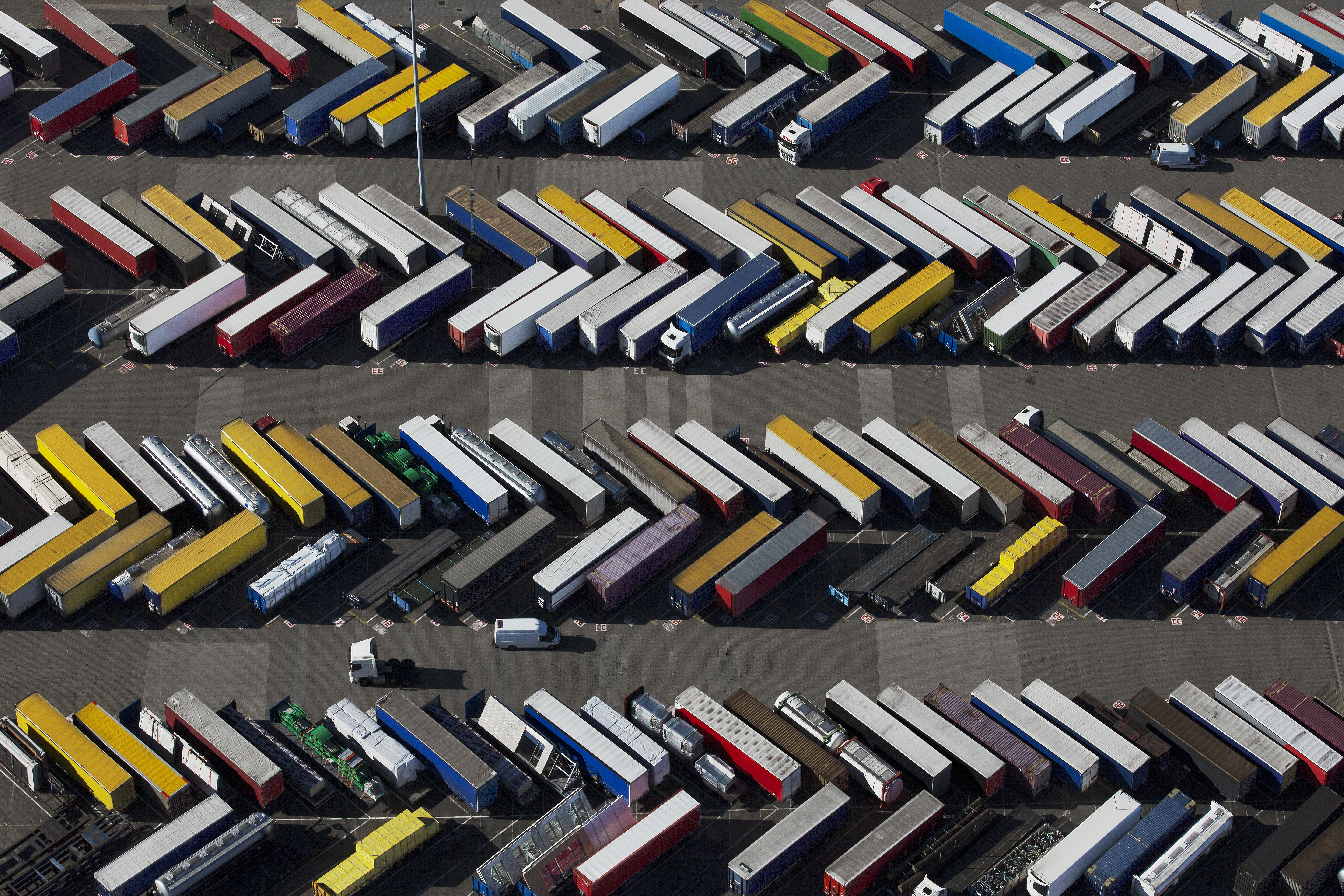
A17 kelyje, netoli Bostono, yra Sutterton Truck Stop - prieglobstis sunkvežimių vairuotojams, gabenantiems krovinius šiuo kelio ruožu. Šioje vietoje yra ne tik sunkvežimių stotelė su įprastais patogumais, kurių galima tikėtis: švarūs dušai, tualetai, parduotuvė ir degalų papildymo galimybės, bet ir galimybė vairuotojams papietauti "Roadside Diner", kur lankytojams siūlomi įvairūs amerikietiškos tematikos patiekalai.

Susėdome su direktoriumi Jamesu Townsendu ir aptarėme aikštelės patobulinimus, vairuotojų gerovę, aikštelės saugumą ir ilgamečius santykius su SNAP.

"2020 m. pradėjome veikti "Sutterton Truck Stop". Nuo pat pradžių stengėmės, kad šis pasiūlymas būtų skirtas tiesiogiai sunkiasvorių sunkvežimių vairuotojams, " aiškina Jamesas.

Svetainės atnaujinimas ir patobulinimai

Svetainė buvo iš esmės atnaujinta, pirmenybę teikiant sunkvežimių vairuotojų poreikiams.

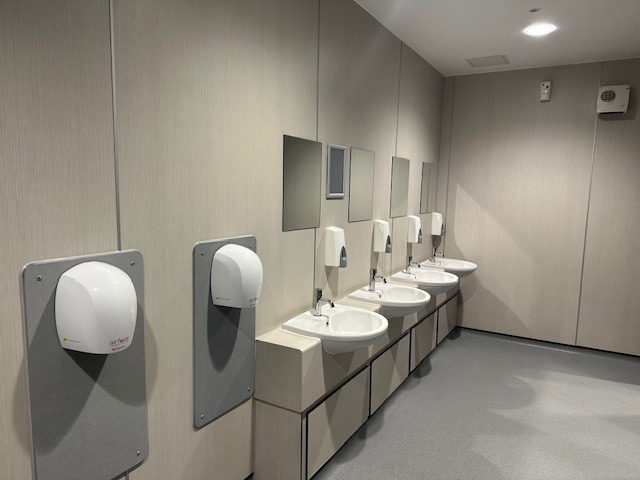
"Visiškai atnaujinome visus dušus ir tualetus, nes po penkerių metų jie buvo šiek tiek pavargę. Todėl investavome į naują ventiliaciją ir naujas dušo kabinas. "
Sunkvežimių sustojimo aikštelėje įsikūrusi nauja pakelės užkandinė. Džeimsas ir komanda neseniai perėmė ją į savo rankas ir atnaujino. "Mes ją sutelkėme į sunkiasvorių sunkvežimių vairuotojus. Taigi, siūlome visą asortimentą patiekalų nuo pusryčių iki vakarienės, " sako Džeimsas.

Toliau jis aiškina, kad reikėjo ne tik atnaujinti esamas patalpas, bet ir suteikti vairuotojams tinkamas patalpas, kad ši vieta taptų namais toli nuo namų.

"Mano vizija buvo tokia, kad vairuotojas atvažiuoja į šią sunkvežimių stotelę, o mes pasirūpiname, kad vairuotojui būtų patogu, saugu, patikima ir ekonomiškai naudinga. Stengėmės padaryti taip, kad vairuotojas galėtų naudotis kuo daugiau nemokamų patogumų, kuriuos galime pasiūlyti. Todėl neimame mokesčio už dušus ar tualetus, siūlome maisto talonus už automobilių stovėjimo aikštelę, nemokamą "Wi-Fi" ir užkandinę, kurioje yra nemokami įkrovikliai ir kištukiniai lizdai. Visa tai skirta vairuotojams. "

SNAP paklausė sunkvežimių vairuotojų, parkuojančių automobilius Suttertono mieste, ką jie mano apie naująją infrastruktūrą. Vienas vairuotojas sakė:

"Manau, kad tai fantastiškos patalpos, be to, jie leidžia naudotis dušais dienos metu, net jei nesate sumokėję už bilietą. Ten yra nauja užkandinė, kuri taip pat yra gana padori, ir jie suteikia šiek tiek nuolaidų už automobilio stovėjimo bilietą, o tai yra malonu. Kalbant apie automobilių stovėjimo aikšteles, jų čia yra daug, o A17 keliui jos gana geros. Mums, vaikinams, jie daugiau nei paslaugūs. "

Projektuojant sunkvežimių stovėjimo aikštelę, siekiant maksimaliai išnaudoti aikštelės potencialą, buvo glaudžiai bendradarbiaujama su SNAP:

"Nuo pat pradžių įtraukėme SNAP į projektavimą ir automobilių stovėjimo aikštelių, automatų ir kortelių bazės pirkimą. Taigi, viskas buvo sutelkta į SNAP. "

Vairuotojo gerovė

Vairuotojų gerovė vis dar išlieka dideliu prioritetu dirbantiems šioje pramonės šakoje, o investicijų į sunkvežimių stovėjimo aikšteles trūksta - tai Jamesas puikiai supranta po darbo su DFT.

"Bendradarbiavau su jais dėl vairuotojų patogumų visoje šalyje ir buvo pabrėžta, kad trūksta investicijų į sunkvežimių stovėjimo aikšteles. Mums pasisekė, kad gavome dotaciją darbams atlikti, todėl galėjome nueiti papildomą kelią, kad darbai būtų baigti, " aiškina jis.

"Šiai pramonei reikia daugiau vyriausybės investicijų, kad būtų galima atlikti šiuos darbus. "

Nors investicijos yra vertingos, jas būtina nukreipti į tinkamas sunkvežimių vairuotojams skirtas patalpas.

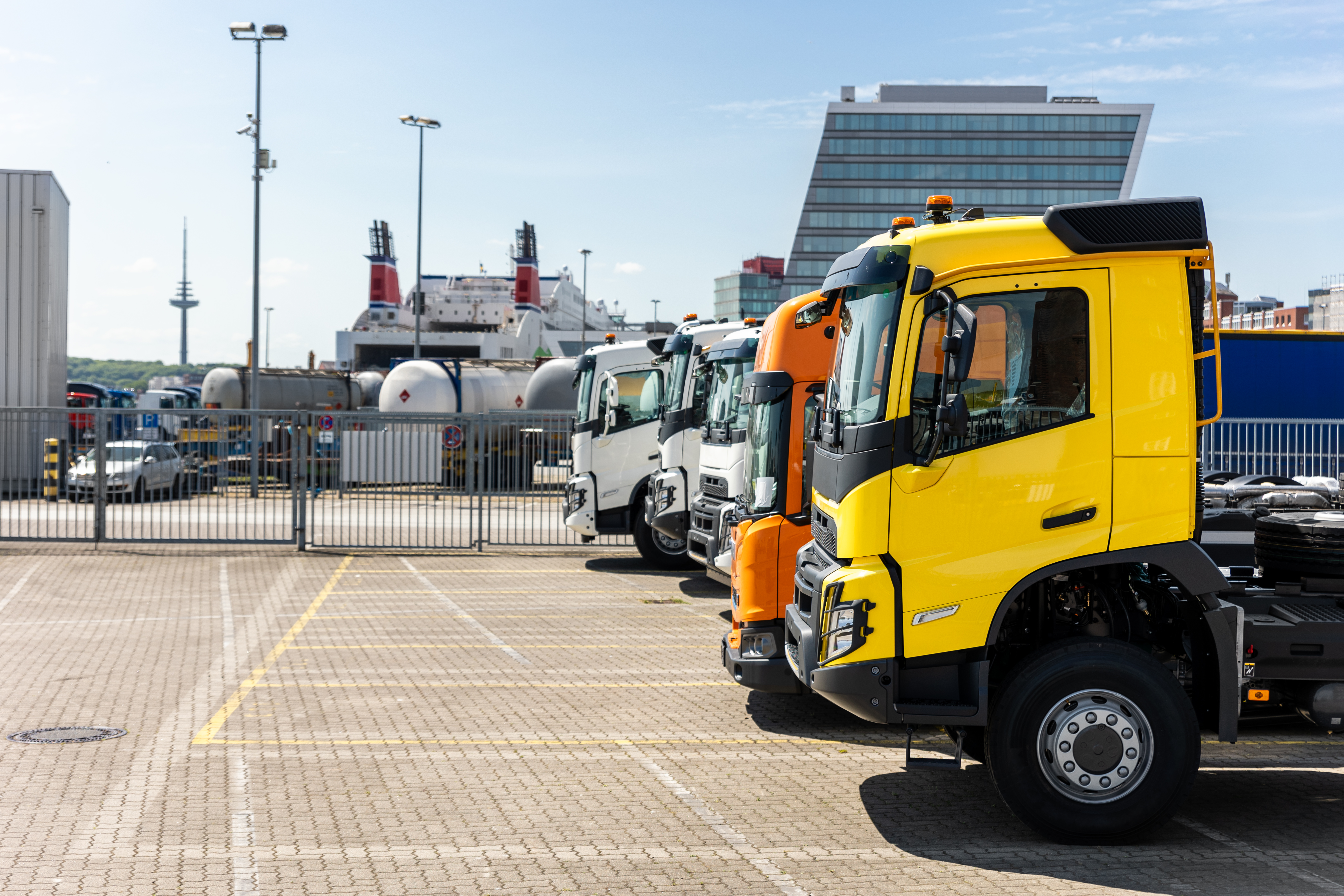
"Man į tai reikia žiūrėti kaip į sunkvežimio vairuotoją, įvažiuojantį į teritoriją. Jie turi turėti saugią ir patikimą vietą. Jiems reikia, kad stovėjimo aikštelė būtų asfaltuota ir išklota; ji turi būti gerai apšviesta, aptverta ir prižiūrima. Įeidami į pastatą, jie turi turėti švarius patogumus ir kur pailsėti, " teigia Džeimsas.

"Šie vaikinai dirba 12 valandų per parą, ir aš įsivaizduoju, kad tai gana vienišas darbas. Turime juos ištraukti iš sunkvežimių, ir tai mums labai rūpi. ".

Darbas su SNAP

Jamesas ir kiti komandos nariai glaudžiai bendradarbiauja su SNAP Jungtinės Karalystės tinklo komanda ir SNAP Access & Security, todėl iškilus bet kokiai problemai jie turi vieną aiškų kontaktinį centrą.

"Jei gauname skundą, galime greitai jį išspręsti. Jei kyla problemų dėl vaizdo stebėjimo kamerų ar automobilių stovėjimo terminalų, galima kreiptis į vieną žmogų, " aiškina Džeimsas.

"Su šia dalimi, kuri yra labai svarbi, jau susidorota, ir mums nebereikia gaišti laiko jai spręsti. "

Parama skundams ir techniniams klausimams spręsti yra didelis privalumas tokiai sunkvežimių sustojimo stočiai kaip Suttertonas, kuri dažnai susiduria su konkuruojančiais poreikiais. Džeimsas sako, kad bendradarbiavimas su SNAP davė ir papildomos naudos:

"Jei pažvelgtumėte į visas gaunamas pajamas, jos gaunamos per SNAP tinklą. "
Sunkvežimių stotelės sauga ir saugumas.

Siekiant užtikrinti, kad sunkvežimių vairuotojai galėtų gerai pailsėti, "Sutterton Truck Stop" buvo labai svarbu užtikrinti, kad aikštelė būtų kuo saugesnė ir patikimesnė. Bendradarbiavimas su SNAP Access & Security nuo pat pradžių leido Džeimsui ir komandai tai padaryti.

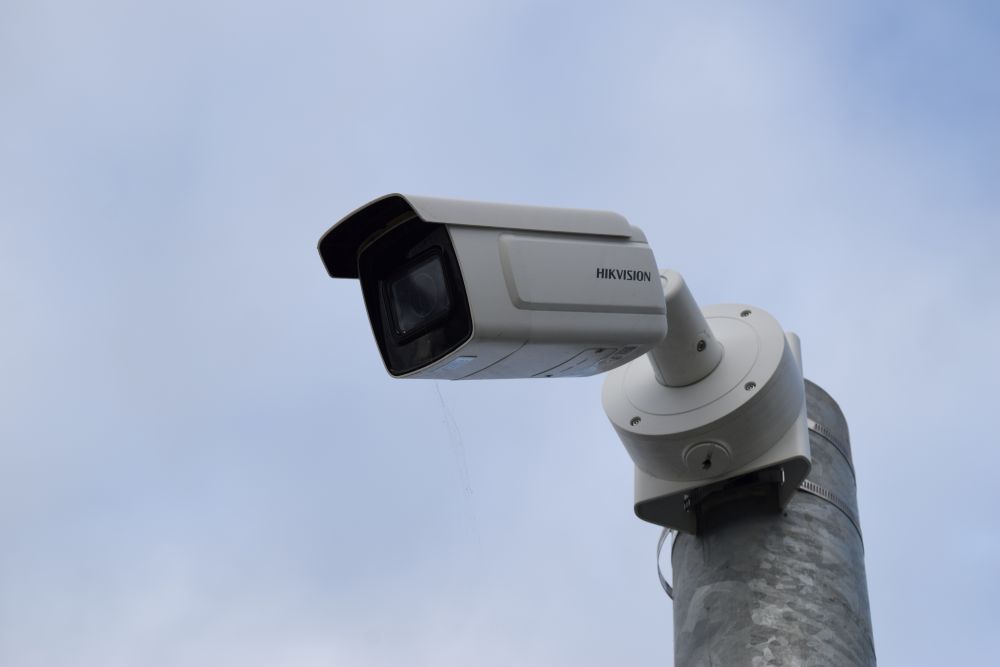
"Visa tai - palisadinė tvora. Visoje teritorijoje veikia vaizdo stebėjimo sistema, kurią galima archyvuoti iki 40 dienų. Turime patrulius su žmonėmis, viskas sujungta su vietinės policijos pavojaus mygtukais. Jei įvyksta incidentas, reaguojama nedelsiant, " sako Džeimsas.

Svetainė tvirtai tiki, kad jos darbuotojai bus mokomi, kaip elgtis įvykus incidentams.

"Kartu su TAPA ir "Park Mark Freight" surengėme mokymus, kuriuos vėliau perdavėme darbuotojams, kad jie žinotų, kaip rūpintis šiais vairuotojais. "

Prisijunkite prie augančio SNAP tinklo.

Įkvėpė tai, ką ką tik perskaitėte? [Pradėkite savo sėkmės istoriją su SNAP šiandien] (https://snapacc.com/sign-up/).

Peržiūrėkite visą interviu su [Sutterton Truck Stop.] (https://youtu.be/oxCmZfEnWcc)
Dalytis su

Kiti taip pat skaito...

Header Image

pirmadienis 26 sausio 2026 • Naujienos ir atnaujinimai

2026 M. LAIVYNO BIUDŽETO RENGIMAS ATSIŽVELGIANT Į (NE)TIKĖTINĄ

Guest

Preparing your fleet budget goes beyond simple financial exercises. As a manager, you need strategic oversight to navigate economic headwinds and an evolving regulatory framework. It is essential to prepare your company for unexpected events, as these instances define operational stability and success. Here’s how to build a responsive budget and get ready for future challenges. Being a fleet manager means foreseeing both the predictable trends and significant uncertainties. The following seven strategies are designed to absorb shocks, adapt to change and build resilience. Your budget may have a fixed monetary amount each year. While simple, it could be too static when anticipating unexpected events. Make your financial planning more dynamic by allocating a specific percentage rather than a fixed amount. For instance, your emergency fund could be 5% of the total budget instead of $100,000 annually. Using a percentage is wise because it hedges against inflation. A fixed amount loses purchasing power over the years, whereas a percentage-based fund grows with the budget. You get automatic protection from marketwide surges. Consumer prices in the U.K. , though they can quickly fluctuate due to market conditions. Fleet managers used to determine their budgets based on acquisition prices. Now, they are focusing on budget stability and long-term strategies. Make your process more holistic by managing the total cost of ownership (TCO) and the cost per vehicle over their lifetimes. This approach makes you more meticulous and your budget more dynamic. Mastering TCO involves centralising your data and using dedicated fleet management software. This technology helps your business by and recommending conservation strategies. TCO also enables you to forecast the year for each vehicle based on historical information. Use this to make more informed acquisitions and save money. A volatile economic climate means you need to contain costs. Leverage your company’s position by reviewing supplier contracts and considering renegotiations before renewal. This strategy converts unpredictable expenses into more manageable line items. Your business partner may raise prices on essential goods, so your meetings should lock in prices for tyres and oil. Narrow your negotiation to key areas, such as pricing structure. Your primary focus should be fixed-price agreements for high-volume items and standard labour rates. Savvy fleet managers leverage their spending from the previous year to earn volume discounts and capped increases. These properly managed contracts insulate your business and transfer risk to suppliers. Risk management for your fleet budget also includes insurance optimisation. Managers should turn this annual exercise into an opportunity to protect their business from financial debilitation. The right policy is crucial because it protects against shocks that can result in third-party damage or injury. It also increases predictability by turning repair bills into known variables. Insurance optimisation requires a thoughtful, data-driven process. Give your broker a risk management portfolio to showcase positive trends, such as fewer speeding incidents or less harsh braking. If you have policy excess, ask your insurer to model the premium savings for a higher deductible. Therefore, you can save money on your monthly payment. Maintenance and repairs can be unpredictable and expensive. One breakdown on the M6 could require costly engine work or a transmission replacement. Be proactive by implementing structured service schedules. Beyond the manufacturer's guidelines, you should create detailed plans for each vehicle based on its usage and age. You can dive deeper by including motorway driving and city travel. Your maintenance schedule should also include daily tasks. For example, experts to prevent condensation formation. If the tank is close to empty, sediment buildup and pump damage may occur. Cleaning is another nonnegotiable daily chore, especially when driving over road salts and chemicals. Rinse off dirt and other contaminants before storing vehicles. Accidents are among the most unexpected parts of your fleet budget. Besides the crash, managers must also and solicitor fees. However, proper driver training can mitigate this cost by reducing its frequency. Targeted coaching helps operators understand defensive driving, hazard perception and the specific dynamics of their jobs. Investing in driver training is one element of risk control. Human driving can be unpredictable, but education transforms it into a more consistent variable. By improving your drivers, you also help your insurance premiums. An accident can raise rates, so proper training is one way to control costs. A decrease in incidents can be used as leverage in insurance negotiations. Fleets are becoming more connected as they transform into data hubs. Your vehicles can generate and store vast amounts of information, which is essential for management. However, the connectivity exposes the modern automobile to liabilities. Budget for cybersecurity to protect your assets from digital threats and prepare for the unexpected. Managing this part of your fleet budget involves protecting vehicle systems. You could invest in hardware and software solutions to create firewalls around your GPS and V2X communications. This strategy helps keep your software up to date and protected from external threats. Secure data transmission is another part of preparing for the unexpected. Forward-thinking managers invest in fleet management systems with end-to-end encryption. Before building a resilient operation, it is essential to understand why. You should budget for unexpected events to ensure continuity. If a vehicle breaks down, it could halt operations and delay services. However, planning for these incidents provides a buffer and safeguards your bottom line. All vehicles are subject to failure, so you are preparing for the physical reality. This strategy is also essential for the bigger picture. For instance, economic volatility is a factor outside your control. Sudden inflation, interest rate hikes and price increases are detrimental to static budgets. However, planning for unexpected costs helps absorb them. By accurately forecasting expenses, you build financial discipline and credibility with stakeholders.Building a dynamic budget demonstrates strategic leadership more than defensive measures. As you incorporate wise approaches, you fundamentally shift your organisation’s mindset and promote proactive control. The modern economic climate requires fleet managers to absorb shocks and mitigate asset failure. A strong budgetary framework lets you protect profit margins and guarantee continuity.Discover more from

Header Image

pirmadienis 19 sausio 2026 • Naujienos ir atnaujinimai

RINKLIAVŲ SISTEMŲ SUSKIRSTYMAS EUROPOJE

Guest

For many fleets operating across Europe, tolls have quietly become one of the most complex and least predictable costs. What was once a relatively straightforward question of motorway charges has evolved into a patchwork of national systems, technologies and pricing models that now reflect emissions, vehicle weight, axle count, geography and even time of day.As we move into 2026, tolling is no longer just an infrastructure charge. It is increasingly a policy lever, used by governments to fund roads, manage congestion and accelerate the shift towards lower-emission transport. For fleet operators, that shift has real financial consequences.This article breaks down how tolling works across Europe, what fleets actually pay today, and what changes are coming next.Margins in road transport are tight. Fuel, labour, insurance and compliance costs have all risen sharply in recent years. Against that backdrop, tolls are becoming more significant, particularly for long-distance and cross-border operators.In countries such as Germany and Austria, toll costs per kilometre can now rival fuel costs on certain routes. In Central and Eastern Europe, tolls remain lower, but rapid rises and network expansion are closing that gap. At the same time, the introduction of CO₂-based charging means that two otherwise identical vehicles can face very different toll bills depending on their emissions profile.For fleets operating internationally, tolls are a consideration for route planning, vehicle procurement and pricing.There is no single European toll system. Instead, fleets must navigate a mix of national approaches that broadly fall into three categories.Distance-based tolls charge vehicles per kilometre travelled. These are now the dominant model for heavy goods vehicles and are used in countries such as Germany, Austria, Poland, Hungary and Belgium.Time-based vignettes allow vehicles to use the road network for a fixed period of time, such as a day, week or year. These were traditionally a pass displayed in the windscreen, but are increasingly digital.Hybrid systems combine toll roads with toll-free alternatives. France, Italy and Spain all operate models where tolls apply only on specific routes.Across all three models, the EU’s revised Eurovignette Directive is pushing countries towards distance-based, emissions-linked charging. This is steadily reducing the role of flat-rate vignettes and increasing the costs of high-mileage fleets.Operationally, tolling is becoming more digital. Most distance-based systems rely on GNSS or GPS tracking via onboard units (OBU), supported by roadside gantries, toll booths and camera enforcement.For fleets, this means greater reliance on onboard technology, tighter compliance requirements, and less tolerance for administrative error. Missed payments on free-flow roads (where there are no toll booths and no need to stop) can quickly turn into fines, particularly for international drivers unfamiliar with local rules.Interoperable toll services under the European Electronic Toll Service (EETS) framework are becoming more important for cross-border operators. Instead of fitting vehicles with multiple country-specific onboard units, fleets can use a single approved device to pay tolls across several European networks. This simplifies administration, reduces installation and maintenance costs – and lowers the risk of non-compliance when vehicles move between different toll regimes. Germany operates one of Europe’s most comprehensive toll systems. The LKW-Maut applies to all trucks over 3.5 tonnes on motorways and federal roads. Since December 2023, tolls include a CO₂ charge, which has increased costs for diesel vehicles. Official details are published by Austria’s GO-Maut is among the most expensive per kilometre in Europe. A Euro VI articulated truck paid around on motorways in 2025. The system includes infrastructure, noise, air pollution and CO₂ components. Electric trucks benefit from lower rates. Belgium operates a kilometre-based toll for trucks in Flanders, Wallonia and Brussels. Rates vary by region, weight and Euro class, with annual increases. From 2026, zero-emission vehicles will no longer be fully exempt but will still pay reduced infrastructure charges. Official information is available from France uses a motorway concession model. Tolls apply on routes operated by private companies and are paid at toll booths or electronically. Annual increases are modest and regulated. The Italy follows a similar concession-based approach. HGVs pay on the Autostrade network. The government is working towards more dynamic tolling by 2026, potentially linking charges to congestion and emissions. Hungary’s HU-GO system applies to trucks over 3.5 tonnes on motorways and main roads. Following high inflation, toll rates have increased sharply. Official updates are published at Poland’s e-TOLL system charges per kilometre using GNSS (satellite) technology. Rates rose in 2025 and will again in 2026, while the toll network continues to expand. The official platform is Spain is unusual in that many major motorways have become toll-free following the expiry of concessions. Some tolled routes remain and costs vary per kilometre for HGVs. The Spanish government’s position is outlined via the Romania currently operates a vignette system for trucks, with a seven-day pass costing around for the heaviest vehicles. This will change in July 2026, when Romania introduces a distance-based toll system called TollRo. Initial rates are expected to be low, but are likely to rise over time. Several developments make 2026 a pivotal year for European tolling.The Netherlands will introduce a kilometre-based truck toll from 1 July, replacing the Eurovignette. Average rates are expected to be around €0.19 per kilometre, with discounts for low-emission vehicles. Official information is available at As mentioned, Romania will transition from vignettes to distance-based charging, bringing it in line with neighbouring countries.Across Europe, CO₂-based differentiation will become standard, with reduced exemptions and tighter enforcement. Electric trucks will continue to benefit, but full exemptions are gradually being replaced by reduced rates rather than zero tolls.For fleets, this means higher exposure to mileage-based costs and greater incentives to invest in cleaner vehicles and better planning tools.Operators are now evaluating routes to balance toll costs against fuel use and journey time. Investment in Euro VI and zero-emission vehicles is increasingly justified not only by fuel savings but by toll reductions. In addition, toll surcharges are becoming more explicit in customer contracts and digital route optimisation tools are playing a larger role in daily operations.Fleets therefore need accurate forecasting, up-to-date vehicle data and clear visibility of toll exposure by route and customer. Vehicle procurement decisions should factor in toll classes alongside fuel efficiency. Cross-border operators should prioritise interoperable toll solutions and ensure drivers understand local payment rules, particularly on free-flow roads.Most importantly, toll costs need to be reflected transparently in pricing. As tolling becomes more emissions-driven, fleets that plan ahead will be better placed to protect margins and remain competitive.For fleets, the question is no longer whether tolls will rise, but how well prepared they are to manage them. In the years ahead, it will not just be about how far a vehicle travels, but how cleanly, where and under which system.As tolls become more closely linked to emissions, mileage and vehicle type, understanding what you pay and where matters more than ever. SNAP helps fleet managers and operators manage payments and support drivers with access to safe, well-equipped truck stops.

Header Image

trečiadienis 14 sausio 2026 • Naujienos ir atnaujinimai

EUROPOS MIESTAI, KURIUOSE VAIRUOTI IR PARKUOTI AUTOMOBILĮ KELIA DAUGIAUSIAI STRESO

Josh Cousens

Driving and parking in Europe’s cities can be a daily headache for HGV drivers — and high stress levels don’t just affect wellbeing; they impact fleet efficiency too. For logistics managers, knowing where these challenges are greatest is crucial for route planning, driver safety, and operational performance.Using social listening to analyse millions of geotagged posts across 150 European cities, our research identifies the places drivers find most stressful. Liverpool tops the list (60.5% of posts show driving-related stress), followed by Prague (59.2%) and Dublin (58.5%). Liverpool also ranks 2nd for most stressful city for parking in the UK. Congestion, scarce parking, and tricky road conditions are the main pain points highlighted by drivers across Europe.This study maps Europe’s HGV stress hotspots using real-world driver sentiment, showing how city conditions affect wellbeing. It is not about ranking countries, but giving fleet and logistics managers clear, actionable insights to support drivers, plan smarter routes, and reduce urban driving pressures.Our research analysed over 14 million geotagged social media posts from 150 European cities, covering driving-related topics such as parking, traffic, and road conditions. Posts were assessed for stress by tracking keywords and phrases linked to negative emotions in English and local languages. Each city was scored based on the percentage of posts expressing stress, providing a clear picture of driver pressure across Europe. Data was collected across major social media platform X (formerly Twitter) throughout 2025.“Stress” covers the pressures fleet drivers face on the road, including traffic, parking, road conditions, general driving, and conflicts with other drivers. Understanding these factors helps support driver wellbeing and performance.As of 2025 for most stressful cities for driving:1. . 60.5% of stressed social posts about parking the highest proportion of stress-related driving posts in Europe. . 59.2% of stressed social posts about parking likely due to dense traffic, historic street design, and limited space for larger vehicles navigating the city. . 58.5% of stressed social posts about parking – Driver stress is strongly linked to congestion delays, parking shortages, and busy commuter routes impacting daily driving conditions.The top 3 most stressful UK cities for parking in 2025:1. . Commonly shortened to as “Newcastle” and located in the county, Tyne and Wear, this city has a staggering 65.3% of stressed social posts about parking, making it the most stressful UK city for parking in 2025. . In Merseyside, 64.4% of social posts about parking in Liverpool express stress. . 63.9% of stressed social posts about parking in this city of North Yorkshire.Scotland also shows elevated parking stress, with ) and ranking among the UK’s most challenging cities to park in. Additionally, (57.9 of stressed social posts about parking. Contributing factors could include narrow streets, dense urban layouts, high demand for limited parking space, and city-centre restrictions, which may increase pressure on drivers.Using millions of geotagged social media posts, we scored each city was by the share of stress-related posts, revealing Europe’s top driving, parking hotspots, and highlighting the urban conditions that challenge drivers most. Our infographic map shows the top cities for driving and parking pressure, revealing key urban hotspots and the challenges faced by drivers in each market.Cities can increase driver stress due to congestion, narrow streets, and complex road layouts. (ranked 1st), (4th), and (5th) all feature among the most stressful cities to drive in England, with between and . Congestion hotspots and bottlenecks — such as and heavily congested routes like .— are key contributors to these elevated stress levels. and is one of Europe’s most congested cities, with due to heavy traffic, highlighting persistent congestion pressures on urban roads. Further social listening focused specifically on Irish motorists revealed that the counties of and recorded notably high parking stress levels, with scores ranging from to These high figures highlight persistent challenges for drivers in these areas, largely driven by heavy car dependency — , . Additionally, Leitrim has local reports of sparse road infrastructure and that contributes driver stress in this Irish county. (ranked 7th) – while not one of the most congested Polish cities overall, , with drivers spending notable time in traffic and major roadways such as the S86 and A4 seeing heavy daily traffic volumes that can contribute to the stress score of 53.6%. Similarly, (ranked 13th) has drivers spending approximately , contributing to its stress score of 50.3% in 2025. (ranked 8th) faces notorious congestion as one of Europe’s most crowded cities, with drivers spending significantly more time in gridlock and due to slow traffic. Spain’s capital; (15th) suffers from heavy congestion, with a . Narrow streets and persistent traffic, especially in areas like make every day driving slow and stressful. Similarly, in Bilbao, in Spain (ranked 20th) on key routes like the A‑8 and BI‑30, causing extended queues and slow movement, which contributes to stressful driving conditions.Parking also contributes to driver and fleet management stress, as limited availability, high demand, and restrictive regulations across Europe’s cities which can delay journeys, increase frustration, and complicate route planning.Also, through social listening, we have collected data on the cities where drivers experience the across Europe, specifically in Romania, Poland, Spain, and the UK. Paying attention to these areas is important for fleet operators, as limited parking availability, high demand, and urban congestion can disrupt schedules, increase delays, and affect driver wellbeing.Our research shows the highest parking stress in Europe is in (83.3%) and (80%) facing issues like limited urban parking spaces and high vehicle density. Similarly, in the UK, (65.3%), (64.4%), and (63.9%) are the cities with the most parking stress for motorists. These located struggle with restricted city‑centre spaces, , congestion and contribute to driver frustration. Romanian cities and , along with the Spanish cities of and , recorded the within their respective countries. However, compared with the UK and Poland, their stress scores are lower — ranging from to — suggesting more manageable parking conditions, fewer bottlenecks, and relatively less pressure on drivers in these urban areas.HGV drivers face pressures that differ from regular car drivers. Limited parking for large vehicles, navigating narrow or congested streets, and high traffic volumes can make urban driving more challenging and stressful, turning routine journeys into time‑pressured, high‑stress experiences.Let us dive deeper into the factors causing stress for HGV drivers:. Scarce lorry bays and high demand make it hard to find safe places to stop, especially in urban centres. The reports an estimated creating significant stress for HGV drivers who struggle to find safe and legal places to park., creating significant stress for HGV drivers who struggle to find safe and legal places to park. . Tight roads and historic city centres require careful navigation, increasing stress and risk of delays in cities like Prague, Dublin, and Liverpool. Heavy commuter and freight traffic slows journeys, increases travel times, and heightens frustration particularly in busier cities like London, Birmingham, Bucharest, and Madrid. Restrictions on vehicle access, extra charges, and rerouting requirements can complicate planning and add pressure. For example, require some HGVs to seek alternate routes. Height and weight limits, prohibited turns, and time-specific delivery windows force drivers onto longer or less convenient routes. Long urban journeys without access to rest areas, fuelling, or amenities can increase fatigue and mental strain for HGV drivers.Stressful cities create challenges for HGV drivers. Congestion, limited parking, and complex urban layouts can lead to lost time, missed deliveries, increased fatigue, and a higher risk of minor collisions or near-misses.Drivers can manage stress by planning routes carefully, taking scheduled breaks, and using technology to anticipate delays or help with . SNAP supports drivers with tools like the intruck app, helping them locate available parking, plan efficient routes, and stay informed about congestion, reducing stress and making and more manageable.Stressful cities do not just affect drivers — they impact fleet performance too. Congestion and limited parking can lead to delayed deliveries, higher fuel and operating costs, reduced driver wellbeing, and increased risk of fines or penalties. These pressures can eat into margins and complicate scheduling, , and customer satisfaction.Fleet operators can overcome these challenges by adopting and support systems: using real‑time traffic and parking insights, building flexible schedules, and . Available at over 850 service partners across Europe, SNAP’s fleet payment solution is used every 12 seconds across the continent to pay for truck services — without cash or a card.Understanding driving and parking stress hotspots across Europe helps fleets operate more safely and efficiently. By using these insights for route planning, driver training, tech adoption, and risk reduction, operators can reduce delays, improve wellbeing, and protect their drivers. SNAP supports this mission for the haulage fleets, offering secure parking, seamless payments, and tools that make daily operations calmer and safer.