Guest
Naujienos ir atnaujinimai • 4 min perskaityti

2026 m. laivyno biudžeto rengimas (ne)tikėtinoms aplinkybėms

Sukurta: 26-01-2026

Atnaujinta: 26-01-2026

Parko biudžeto rengimas yra daugiau nei tik paprastos finansinės užduotys. Jums, kaip vadovui, reikia strateginės priežiūros, kad galėtumėte įveikti ekonominius sunkumus ir besikeičiančią reguliavimo sistemą. Labai svarbu paruošti įmonę netikėtiems įvykiams, nes šie atvejai lemia veiklos stabilumą ir sėkmę. Štai kaip sudaryti reaguojantį biudžetą ir pasiruošti būsimiems iššūkiams.

Parko biudžeto rengimo strategijos 2026 m.

Būti automobilių parko valdytoju reiškia numatyti ir nuspėjamas tendencijas, ir didelius neapibrėžtumus. Toliau pateiktos septynios strategijos skirtos sukrėtimams amortizuoti, prisitaikyti prie pokyčių ir didinti atsparumą.

1. Padarykite nenumatytų atvejų fondą dinamišką

Jūsų biudžete kiekvienais metais gali būti numatyta fiksuota pinigų suma. Nors ir paprasta, ji gali būti per daug statiška numatant netikėtus įvykius. Padarykite savo finansinį planavimą dinamiškesnį, skirdami tam tikrą procentinę dalį, o ne fiksuotą sumą. Pavyzdžiui, jūsų nenumatytų atvejų fondas galėtų sudaryti 5 proc. viso biudžeto, o ne 100 000 JAV dolerių per metus.

Naudoti procentinę dalį yra protinga, nes taip apsidraudžiama nuo infliacijos. Fiksuota suma metams bėgant praranda perkamąją galią, o procentais pagrįstas fondas auga kartu su biudžetu. Jūs automatiškai apsisaugote nuo rinkos šuolių. Vartotojų kainos Jungtinėje Karalystėje 2025 m. pabaigoje pakilo 3,2 %, nors dėl rinkos sąlygų jos gali greitai svyruoti.

2. Įvaldykite bendrą nuosavybės kainą

Automobilių parkų vadovai savo biudžetus nustatydavo pagal įsigijimo kainas. Dabar jie daugiausia dėmesio skiria biudžeto stabilumui ir ilgalaikėms strategijoms. Padarykite savo procesą labiau holistinį, valdydami bendrąsias nuosavybės sąnaudas (TCO) ir išlaidas vienai transporto priemonei per visą jos eksploatavimo laikotarpį. Taikant tokį požiūrį tapsite kruopštesni, o jūsų biudžetas - dinamiškesnis.

Norint valdyti TCO, reikia centralizuoti duomenis ir naudoti specialią parko valdymo programinę įrangą. Ši technologija padeda jūsų verslui pateikdama realaus laiko degalų naudojimo duomenis ir rekomenduodama taupymo strategijas. TCO taip pat leidžia prognozuoti kiekvienos transporto priemonės metus remiantis istorine informacija. Pasinaudokite tuo, kad galėtumėte priimti labiau pagrįstus pirkimus ir sutaupyti pinigų.

3. Peržiūrėkite tiekėjų sutartis

Nepastovus ekonominis klimatas reiškia, kad turite apriboti išlaidas. Pasinaudokite savo įmonės padėtimi peržiūrėdami tiekėjų sutartis ir apsvarstykite galimybę prieš jas pratęsiant iš naujo derėtis. Ši strategija nenuspėjamas išlaidas paverčia lengviau valdomomis eilutėmis. Jūsų verslo partneris gali pakelti būtiniausių prekių kainas, todėl jūsų susitikimuose turėtų būti fiksuojamos padangų ir alyvos kainos.

Susiaurinkite derybas iki pagrindinių sričių, pavyzdžiui, kainų struktūros. Daugiausia dėmesio turėtumėte skirti fiksuotos kainos susitarimams dėl didelės apimties prekių ir standartinių darbo įkainių. Sumanūs automobilių parkų valdytojai pasinaudoja ankstesnių metų išlaidomis, kad gautų nuolaidų už apimtis ir ribotą padidinimą. Šios tinkamai valdomos sutartys apsaugo jūsų verslą ir perkelia riziką tiekėjams.

4. Draudimo politikos optimizavimas

Jūsų transporto priemonių parko biudžeto rizikos valdymas taip pat apima draudimo optimizavimą. Vadovai šią kasmetinę užduotį turėtų paversti galimybe apsaugoti savo verslą nuo finansinio nualinimo. Tinkamas polisas yra labai svarbus, nes apsaugo nuo sukrėtimų, dėl kurių gali būti padaryta žala tretiesiems asmenims arba jie gali būti sužaloti. Ji taip pat padidina nuspėjamumą, nes remonto sąskaitas paverčia žinomais kintamaisiais.

Draudimo optimizavimui reikia apgalvoto, duomenimis pagrįsto proceso. Pateikite savo brokeriui rizikos valdymo portfelį, kad galėtumėte pademonstruoti teigiamas tendencijas, pavyzdžiui, mažesnį greičio viršijimo atvejų skaičių arba ne tokį staigų stabdymą. Jei turite poliso franšizę, paprašykite draudiko sumodeliuoti įmokos sutaupymą dėl didesnės franšizės. Todėl galite sutaupyti pinigų mėnesinei įmokai.

5. Būkite aktyvūs techninės priežiūros srityje

Techninė priežiūra ir remontas gali būti nenuspėjami ir brangūs. Dėl vieno gedimo M6 kelyje gali prireikti brangiai kainuojančių variklio ar transmisijos keitimo darbų. Būkite aktyvūs, įgyvendindami struktūrizuotus techninės priežiūros tvarkaraščius. Be gamintojo rekomendacijų, turėtumėte sukurti išsamius planus kiekvienai transporto priemonei, atsižvelgdami į jos naudojimą ir amžių. Į juos galite įtraukti važiavimą greitkeliu ir važiavimą mieste.

Į techninės priežiūros tvarkaraštį taip pat turėtų būti įtrauktos kasdienės užduotys. Pavyzdžiui, ekspertai rekomenduoja nuolat pripildyti degalų bakus, kad nesusidarytų kondensatas. Jei bakas beveik tuščias, gali kauptis nuosėdos ir sugesti siurblys. Valymas yra dar vienas neatsiejamas kasdienis darbas, ypač važiuojant per kelio druskas ir chemikalus. Prieš laikydami transporto priemones nuplaukite purvą ir kitus teršalus.

6. Pirmenybę teikite vairuotojų mokymui

Nelaimingi atsitikimai yra viena iš netikėčiausių jūsų automobilių parko biudžeto dalių. Be avarijos, vadovai taip pat turi atsižvelgti į tokias išlaidas, kaip vilkimas ir advokatų mokesčiai. Tačiau tinkamas vairuotojų mokymas gali sušvelninti šias išlaidas, sumažindamas jų dažnumą. Tikslinis mokymas padeda operatoriams suprasti gynybinį vairavimą, pavojaus suvokimą ir specifinę jų darbo dinamiką.

Investicijos į vairuotojų mokymą yra vienas iš rizikos kontrolės elementų. Žmogaus vairavimas gali būti nenuspėjamas, tačiau mokymas paverčia jį nuoseklesniu kintamuoju. Tobulindami vairuotojus, taip pat padedate savo draudimo įmokoms. Nelaimingas atsitikimas gali padidinti įkainius, todėl tinkamas mokymas yra vienas iš būdų kontroliuoti išlaidas. Sumažėjęs incidentų skaičius gali būti naudojamas kaip svertas derybose dėl draudimo.

7. Kibernetinio saugumo biudžetas

Automobilių parkai tampa vis labiau susiję, nes jie virsta duomenų centrais. Jūsų transporto priemonės gali generuoti ir saugoti didelius kiekius informacijos, kuri yra labai svarbi valdymui. Tačiau dėl jungiamumo šiuolaikiniai automobiliai susiduria su įsipareigojimais. Skirkite biudžetą kibernetiniam saugumui, kad apsaugotumėte savo turtą nuo skaitmeninių grėsmių ir pasiruoštumėte netikėtumams.

Valdant šią automobilių parko biudžeto dalį reikia apsaugoti transporto priemonių sistemas. Galite investuoti į aparatinę ir programinę įrangą, kad sukurtumėte ugniasienes aplink GPS ir V2X ryšius. Ši strategija padeda išlaikyti jūsų programinę įrangą atnaujintą ir apsaugotą nuo išorinių grėsmių. Saugus duomenų perdavimas yra dar viena pasirengimo netikėtumams dalis. Pažangiai mąstantys vadovai investuoja į transporto priemonių parko valdymo sistemas, kuriose įdiegtas "end-to-end" šifravimas.
Kodėl automobilių parko valdytojai turėtų būti budrūs dėl netikėtumų

Prieš kuriant atsparią veiklą, būtina suprasti, kodėl. Turėtumėte numatyti biudžetą nenumatytiems įvykiams, kad užtikrintumėte tęstinumą. Sugedus transporto priemonei, gali būti sustabdyta veikla ir vėluoti paslaugų teikimas. Tačiau tokių incidentų planavimas suteikia rezervą ir apsaugo jūsų rezultatus. Visos transporto priemonės gali sugesti, todėl ruošiatės fizinei tikrovei.

Ši strategija taip pat labai svarbi platesniam kontekstui. Pavyzdžiui, ekonominis nepastovumas yra veiksnys, kurio jūs negalite kontroliuoti. Staigi infliacija, palūkanų normų kilimas ir kainų didėjimas kenkia statiškiems biudžetams. Tačiau netikėtų išlaidų planavimas padeda jas absorbuoti. Tiksliai prognozuodami išlaidas, stiprinate finansinę drausmę ir pasitikėjimą suinteresuotosiomis šalimis.

Išmintingas metinio automobilių parko biudžeto naudojimas

Dinamiško biudžeto sudarymas labiau įrodo strateginę lyderystę nei gynybines priemones. Taikydami išmintingus metodus, iš esmės keičiate savo organizacijos mąstyseną ir skatinate aktyvią kontrolę. Šiuolaikinė ekonominė aplinka reikalauja, kad automobilių parkų vadovai amortizuotų sukrėtimus ir sušvelnintų turto gedimus. Tvirta biudžeto sistema leidžia apsaugoti pelno maržas ir užtikrinti tęstinumą.

Sužinokite daugiau iš [Renovated Magazine] (https://renovated.com/)
Dalytis su

Kiti taip pat skaito...

Header Image

trečiadienis 25 kovo 2026 • Naujienos ir atnaujinimai

KAIP PROGNOZAVIMO SISTEMOS SUVALDO PRISTATYMO NEAPIBRĖŽTUMĄ

Evelyn Long

Delivery operations rarely unfold exactly as planned. Even the most carefully designed logistics schedules must contend with an unpredictable world. Travel congestion can add hours to a route, severe weather can delay entire regions and a single vehicle breakdown can disrupt dozens of deliveries scheduled throughout the day. When these disruptions occur, they often create a chain reaction that affects drivers, warehouses, customers and operational costs. For companies that operate fleets, whether they deliver packages, medical supplies, food or construction materials, this uncertainty can significantly impact business performance. Missed delivery windows frustrate customers and can damage brand reputation. Delays can also increase fuel costs, overtime pay and operational inefficiencies. In industries where margins are tight, even small disruptions can add up quickly.What makes delivery uncertainty especially challenging is how interconnected modern logistics networks have become. A delay at one point in the system can ripple outward, affecting multiple routes and schedules. Without the right tools to anticipate and manage these disruptions, businesses are often forced to react in real time, which can lead to rushed decisions and inefficient solutions.One of the key technologies helping organisations manage delivery uncertainty is the Internet of Things (IoT). IoT refers to networks of connected devices, such as sensors, GPS trackers and telematics systems, that connect and transmit real-time data from vehicles, equipment and infrastructure. In fleet operations, IoT devices can monitor a wide range of conditions. GPS tracking for vehicles on the road. Engine sensors can track vehicle performance and detect early signs of mechanical issues. Temperature sensors can ensure that sensitive cargo remains within required conditions during transit. Together, these data streams create a detailed picture of what’s happening across an entire delivery network. This level of visibility is essential for managing uncertainty. When managers can see where vehicles are, how they’re performing and whether any issues are developing, they can respond much faster. Instead of discovering a problem hours later, they can address it as soon as the warning signs appear. In many cases, this visibility also feeds into predictive systems that analyse the data and forecast potential disruptions before they occur. While IoT provides the data, AI offers the intelligence needed to interpret it. AI systems analyse large volumes of operational information, including traffic patterns, weather forecasts, vehicle performance metrics, delivery history and route efficiency. By identifying patterns in this data, to occur and recommend adjustments. For example, predictive algorithms can analyse historical traffic conditions along a delivery route and estimate when congestion is likely to occur during certain times of day. If the system detects that a particular route will likely experience delays, it can suggest an alternative path before the driver even leaves the depot. Similarly, AI-driven maintenance systems can analyse engine data and identify early warning signs of mechanical problems, allowing repairs to be scheduled before a breakdown occurs on the road. Predictive systems work best when they combine data from multiple sources and translate that information into actionable insights. In a fleet environment, this often means integrating vehicle telematics, weather data, delivery schedules and live traffic information into a single predictive platform. When all of this data is analysed together, the system early. For example, if a severe storm is forecasted along a delivery route, the network can recommend adjusting departure times or rerouting drivers to avoid affected areas. If sensors detect that a vehicle component is likely to fail soon, it can schedule maintenance during planned downtime rather than allowing a breakdown to disrupt deliveries. Over time, these predictive adjustments make delivery operations smoother and more efficient. Routes become more optimised because the system continually learns from previous trips. Maintenance becomes strategic because vehicles are rather than fixed schedules. Even warehouse operations can improve, since more accurate delivery predictions allow teams to better coordinate loading and unloading processes. Beyond preventing disruptions, predictive systems also help fleets operate more efficiently. Businesses that have access to reliable forecasts and operational insights can plan routes, staffing and vehicle usage with greater precision.For instance, predictive analytics can identify patterns in delivery demand, allowing companies to allocate resources where they’re most needed. If certain routes consistently experience delays during specific hours, schedules can be adjusted to avoid those peak periods. Fuel usage can also be optimised by identifying more efficient routes or driving patterns. Over time, these incremental improvements add up. Vehicles spend less time idling in traffic, drivers spend more time completing deliveries rather than waiting or rerouting, and customers receive more accurate delivery estimates, and satisfaction. Another key benefit of predictive technology is the ability to monitor and control systems remotely. As connected devices become more common, consumers and businesses expect this level of oversight and convenience. A survey found that smart garage door openers consider remote monitoring and control to be a crucial feature. While this statistic relates to residential technology, it highlights a broader shift in expectations. People increasingly value the ability to check on systems, receive alerts and manage operations from anywhere. The same mindset is becoming more important in professional logistics environments. Fleet managers want to see vehicle locations in real time, receive notifications about potential issues and make adjustments without needing to be physically present. Predictive systems support this capability by turning complex operational data into clear, actionable insights that can be assessed remotely. While predictive systems provide clear advantages, they also introduce new considerations that businesses must address. In 2024, the of suspected internet crime. As fleets become more connected and reliant on digital platforms, cybersecurity becomes increasingly important. IoT devices, cloud platforms and AI-driven systems all rely on network connectivity and data exchange. Systems that aren’t properly secured could become targets for cyberattacks. A compromised system could disrupt operations, expose sensitive data or interfere with fleet management tools.Delivery uncertainty may never disappear entirely, but predictive systems are making it far more manageable. By combining IoT connectivity with AI-driven analytics, fleet operators can gain deeper visibility into their operations and anticipate problems before they disrupt schedules. As these technologies continue to evolve, they will play an important role in helping fleet-based businesses reduce uncertainty, streamline operations and deliver a more consistent experience for their customers.Discover more from

Header Image

trečiadienis 11 kovo 2026 • Naujienos ir atnaujinimai

AKTYVŪS PATARIMAI, KAIP UŽTIKRINTI AUTOMOBILIŲ PARKO SAUGUMĄ IR NAŠUMĄ VISAIS METŲ LAIKAIS

Guest

Fleet performance rarely unravels overnight. It slips through small oversights — a missed service interval, worn tread or a delayed depot repair. As a UK fleet manager, the cost of reacting late shows up in downtime, higher insurance premiums and risk to your reputation.Your proactive, seasonal strategy protects the vehicles, drivers and infrastructure before temperature-triggered issues escalate. Align maintenance cycles with weather patterns, operational peaks and compliance demands. Your fleet will be steadier, safer on the road and reduce unwelcome surprises.Reactive fleet management costs you more. Emergency repairs can disrupt tight schedules, strain budgets and frustrate even the best drivers. In contrast, effective forward planning can reduce unplanned downtime and extend vehicle life cycles.Predictive maintenance and seasonal checks are strategic in supporting compliance. The Driver and Vehicle Standards Agency can for roadworthiness at any time, not just during the annual inspection. A prevention-first culture demonstrates your team’s due diligence and strengthens your Operator Compliance Risk Score, without warning.Driver retention links closely to this mindset. Vehicles that are reliable in winter, maintain cabin comfort in summer and feel safe in poor weather send a clear message that your organisation values professionalism and safety.Longer daylight hours and increased road activity shift risk profiles. Construction zones expand, cyclists and pedestrians increase and higher temperatures stress mechanical systems.Introduce quarterly automobile network checks before weather changes set in.: Ensure all vehicles’ air conditioning systems operate efficiently. Comfortable drivers remain more alert and calm on long routes and in heavy traffic, while being hot and bothered behind the wheel fosters reckless driving. : Check radiators, coolant levels and hoses. Heat accelerates wear and can trigger overheating if systems run hot due to environmental factors. : Rising temperatures can affect tyre pressure. Confirm correct inflation and inspect for sidewall damage to reduce the risk of blowouts. Hot road surfaces also wear tyre tread more easily, affecting braking capacity. Reinforce safe driving techniques that consider sun glare, roadworks and higher traffic density. Consider installing tinted windshields when drivers face extreme light conditions.Heat amplifies even minor engine weaknesses. Address mechanical safety early, and you'll prevent mid-season breakdowns or disrupted delivery windows.Shorter days, heavy rain and icy surfaces demand that your team is on top of their game. Autumn brings leaves and debris that litter already-slick roadways, and winter compounds the challenge with frost and failing batteries. Prepare before these conditions set in to keep your mobile assets from deteriorating:: Inspect all headlights, brake lights and indicators. Replace worn wipers, top up the windshield washer reservoirs with de-icing chemicals rated for low-temperature use and add anti-freeze to radiators. : Confirm adequate grip depth on all wheels for additional safety on wet and icy roads and consider swapping to winter sets where routes justify the investment. This is also an ideal time to check your fleet’s tyre ages, as no commercial vehicle may be on the road in the UK with ago, which are considered unroadworthy. : Cold weather reduces battery efficiency. Test older units and replace those nearing the end of life. Trickle chargers help maintain truck batteries' charge when drivers must stop to meet their rest requirements. : Low light and adverse weather can trigger anyone's natural sleep instinct, so manage drivers' alertness levels. Review route planning and rest policies to reduce strain or assign two drivers on longer routes.Vehicle readiness supports road safety, yet infrastructure also plays a role. Poor depot lighting, icy yard surfaces or malfunctioning entry points can delay departures and create hazards before trucks even reach public roads.Mobile asset safety starts at the depot. Vehicles often sit for hours in storage yards or warehouses. A compromised facility exposes high-value assets to theft, weather damage and operational delay. Commercial lots or warehouses are vulnerable matter.Rolling doors and access points demand particular attention in the UK’s damp climate. Corrosion frequently begins at exterior door components, affecting guides and structural elements. Over time, degradation can trigger failures that halt departures or compromise security. Noncorrosive rolling doors made with , like stainless steel, provide safety for the fleet’s vehicles and secure valuable manifests at depots.Businesses operating in high-moisture or coastal environments should invest in corrosion-resistant products. Use cleaning agents and lubricants to prevent hinges and mechanisms from seizing up. Functional doors safeguard operations because a primary access door that fails during peak dispatch hours can result in vehicles missing slots and customer confidence slipping. Proactive facility maintenance reduces that risk.Broader property readiness matters, too. Seasonal inspections of drainage, roofing and external lighting strengthen operational continuity at all hours of the day. Thorough winter preparation should prevent structural and water-related damage. Treat your depot as part of the company's mobility ecosystem by securing doors and maintaining clean yard surfaces. Resilient infrastructure protects vehicles before they reach the road.Technology strengthens your seasonal planning. Telematics platforms provide a wealth of information, including identifying braking patterns, fuel efficiency shifts and early warning codes before faults escalate. Advanced driver-assistance systems add further safeguards, particularly in low-visibility conditions.Use AI to help you analyse data and create workflows that meet each season’s changing needs. Data-driven insights inform scheduling. Use analytics to identify recurring battery failures in cold-region trucks or cooling issues during summer peaks. Adjust the fleet's scheduled maintenance according to telematics guidance.Modern trucks with telematics can of data per minute from hundreds of sensors, which is only useful if you have the computing systems to extrapolate findings and trends that inform maintenance and performance schedules.Proactive company asset management evolves beyond checklists. It becomes a continuous improvement process informed by data, temperatures and infrastructure integrity.Seasonal transitions present predictable challenges from heat-stressing engines, cold-draining batteries and moisture corroding structural components. Increased traffic and vehicle use alter risk patterns.Address these variables before they disrupt your team’s operations. Align maintenance cycles with weather trends, reinforce driver training ahead of weather shifts and invest in resilient depot infrastructure.A fleet that anticipates change operates with confidence and performs consistently with improved safety metrics and decreased downtime. Those incremental advantages compound into measurable operational strength.

Header Image

pirmadienis 19 sausio 2026 • Naujienos ir atnaujinimai

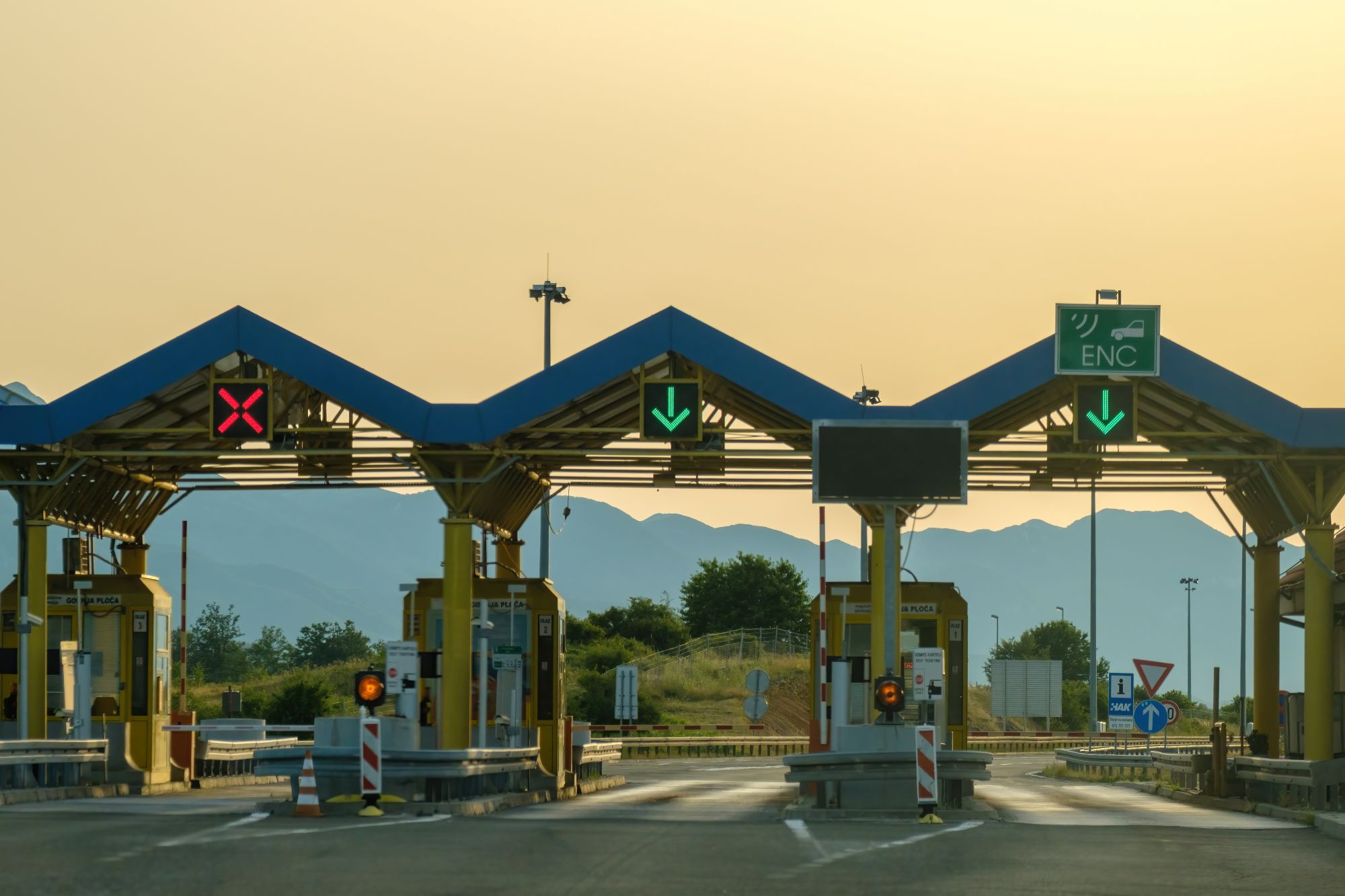
RINKLIAVŲ SISTEMŲ SUSKIRSTYMAS EUROPOJE

Guest

For many fleets operating across Europe, tolls have quietly become one of the most complex and least predictable costs. What was once a relatively straightforward question of motorway charges has evolved into a patchwork of national systems, technologies and pricing models that now reflect emissions, vehicle weight, axle count, geography and even time of day.As we move into 2026, tolling is no longer just an infrastructure charge. It is increasingly a policy lever, used by governments to fund roads, manage congestion and accelerate the shift towards lower-emission transport. For fleet operators, that shift has real financial consequences.This article breaks down how tolling works across Europe, what fleets actually pay today, and what changes are coming next.Margins in road transport are tight. Fuel, labour, insurance and compliance costs have all risen sharply in recent years. Against that backdrop, tolls are becoming more significant, particularly for long-distance and cross-border operators.In countries such as Germany and Austria, toll costs per kilometre can now rival fuel costs on certain routes. In Central and Eastern Europe, tolls remain lower, but rapid rises and network expansion are closing that gap. At the same time, the introduction of CO₂-based charging means that two otherwise identical vehicles can face very different toll bills depending on their emissions profile.For fleets operating internationally, tolls are a consideration for route planning, vehicle procurement and pricing.There is no single European toll system. Instead, fleets must navigate a mix of national approaches that broadly fall into three categories.Distance-based tolls charge vehicles per kilometre travelled. These are now the dominant model for heavy goods vehicles and are used in countries such as Germany, Austria, Poland, Hungary and Belgium.Time-based vignettes allow vehicles to use the road network for a fixed period of time, such as a day, week or year. These were traditionally a pass displayed in the windscreen, but are increasingly digital.Hybrid systems combine toll roads with toll-free alternatives. France, Italy and Spain all operate models where tolls apply only on specific routes.Across all three models, the EU’s revised Eurovignette Directive is pushing countries towards distance-based, emissions-linked charging. This is steadily reducing the role of flat-rate vignettes and increasing the costs of high-mileage fleets.Operationally, tolling is becoming more digital. Most distance-based systems rely on GNSS or GPS tracking via onboard units (OBU), supported by roadside gantries, toll booths and camera enforcement.For fleets, this means greater reliance on onboard technology, tighter compliance requirements, and less tolerance for administrative error. Missed payments on free-flow roads (where there are no toll booths and no need to stop) can quickly turn into fines, particularly for international drivers unfamiliar with local rules.Interoperable toll services under the European Electronic Toll Service (EETS) framework are becoming more important for cross-border operators. Instead of fitting vehicles with multiple country-specific onboard units, fleets can use a single approved device to pay tolls across several European networks. This simplifies administration, reduces installation and maintenance costs – and lowers the risk of non-compliance when vehicles move between different toll regimes. Germany operates one of Europe’s most comprehensive toll systems. The LKW-Maut applies to all trucks over 3.5 tonnes on motorways and federal roads. Since December 2023, tolls include a CO₂ charge, which has increased costs for diesel vehicles. Official details are published by Austria’s GO-Maut is among the most expensive per kilometre in Europe. A Euro VI articulated truck paid around on motorways in 2025. The system includes infrastructure, noise, air pollution and CO₂ components. Electric trucks benefit from lower rates. Belgium operates a kilometre-based toll for trucks in Flanders, Wallonia and Brussels. Rates vary by region, weight and Euro class, with annual increases. From 2026, zero-emission vehicles will no longer be fully exempt but will still pay reduced infrastructure charges. Official information is available from France uses a motorway concession model. Tolls apply on routes operated by private companies and are paid at toll booths or electronically. Annual increases are modest and regulated. The Italy follows a similar concession-based approach. HGVs pay on the Autostrade network. The government is working towards more dynamic tolling by 2026, potentially linking charges to congestion and emissions. Hungary’s HU-GO system applies to trucks over 3.5 tonnes on motorways and main roads. Following high inflation, toll rates have increased sharply. Official updates are published at Poland’s e-TOLL system charges per kilometre using GNSS (satellite) technology. Rates rose in 2025 and will again in 2026, while the toll network continues to expand. The official platform is Spain is unusual in that many major motorways have become toll-free following the expiry of concessions. Some tolled routes remain and costs vary per kilometre for HGVs. The Spanish government’s position is outlined via the Romania currently operates a vignette system for trucks, with a seven-day pass costing around for the heaviest vehicles. This will change in July 2026, when Romania introduces a distance-based toll system called TollRo. Initial rates are expected to be low, but are likely to rise over time. Several developments make 2026 a pivotal year for European tolling.The Netherlands will introduce a kilometre-based truck toll from 1 July, replacing the Eurovignette. Average rates are expected to be around €0.19 per kilometre, with discounts for low-emission vehicles. Official information is available at As mentioned, Romania will transition from vignettes to distance-based charging, bringing it in line with neighbouring countries.Across Europe, CO₂-based differentiation will become standard, with reduced exemptions and tighter enforcement. Electric trucks will continue to benefit, but full exemptions are gradually being replaced by reduced rates rather than zero tolls.For fleets, this means higher exposure to mileage-based costs and greater incentives to invest in cleaner vehicles and better planning tools.Operators are now evaluating routes to balance toll costs against fuel use and journey time. Investment in Euro VI and zero-emission vehicles is increasingly justified not only by fuel savings but by toll reductions. In addition, toll surcharges are becoming more explicit in customer contracts and digital route optimisation tools are playing a larger role in daily operations.Fleets therefore need accurate forecasting, up-to-date vehicle data and clear visibility of toll exposure by route and customer. Vehicle procurement decisions should factor in toll classes alongside fuel efficiency. Cross-border operators should prioritise interoperable toll solutions and ensure drivers understand local payment rules, particularly on free-flow roads.Most importantly, toll costs need to be reflected transparently in pricing. As tolling becomes more emissions-driven, fleets that plan ahead will be better placed to protect margins and remain competitive.For fleets, the question is no longer whether tolls will rise, but how well prepared they are to manage them. In the years ahead, it will not just be about how far a vehicle travels, but how cleanly, where and under which system.As tolls become more closely linked to emissions, mileage and vehicle type, understanding what you pay and where matters more than ever. SNAP helps fleet managers and operators manage payments and support drivers with access to safe, well-equipped truck stops.