Guest
Pramonės naujienos • 4 min perskaityti

Moterys krovinių vežimo sektoriuje: Neišnaudotų talentų atskleidimas

Sukurta: 26-02-2026

Atnaujinta: 26-02-2026

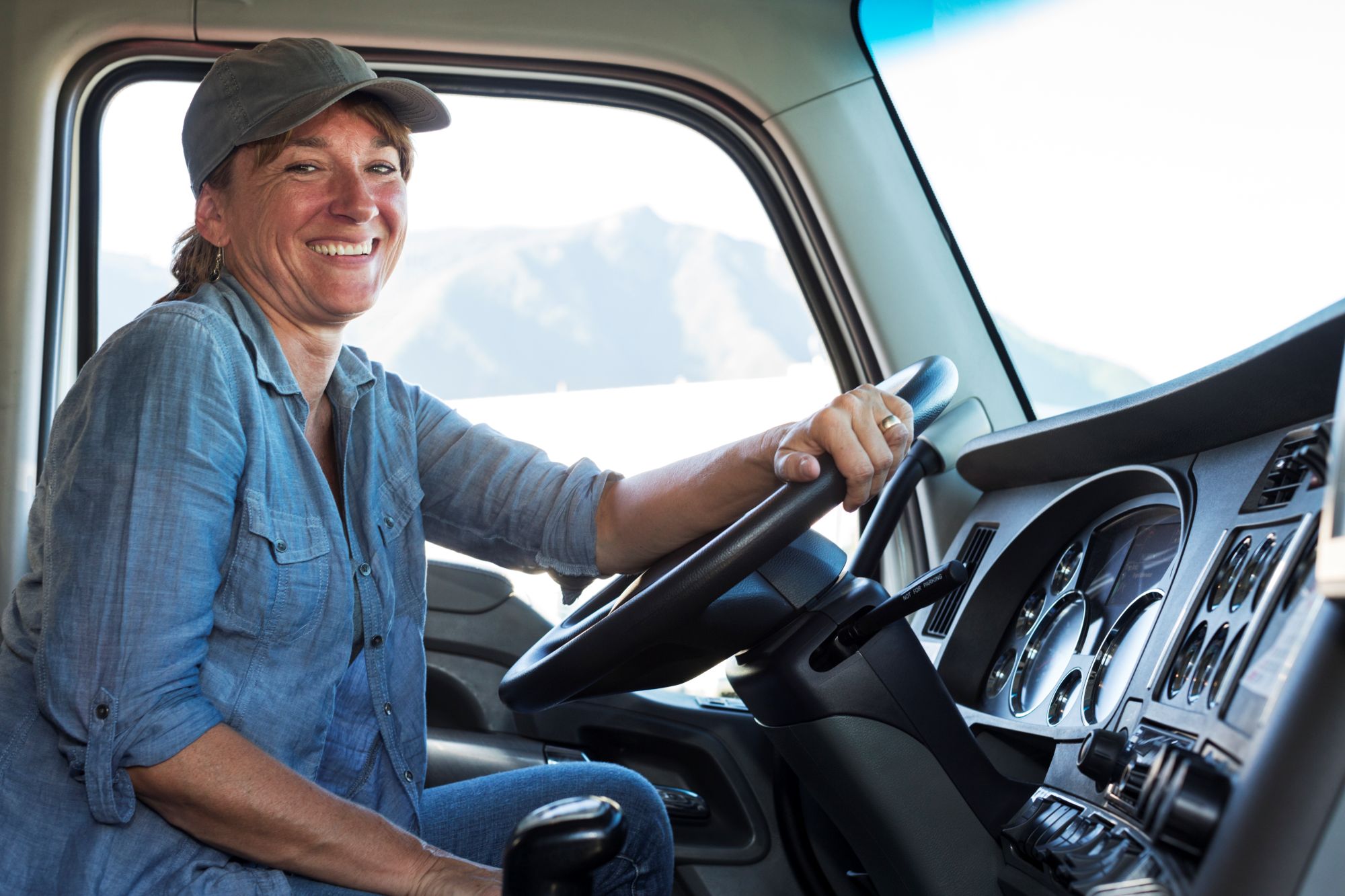
Visoje Jungtinėje Karalystėje apie 315 000 sunkiasvorių sunkvežimių vairuotojų užtikrina šalies judėjimą. Jie veža maistą į prekybos centrus, medžiagas į statybų aikšteles ir prekes į uostus bei paskirstymo centrus. Jie palaiko kasdienį gyvenimą ir ekonominį stabilumą, yra labai svarbi Jungtinės Karalystės nacionalinės infrastruktūros dalis.

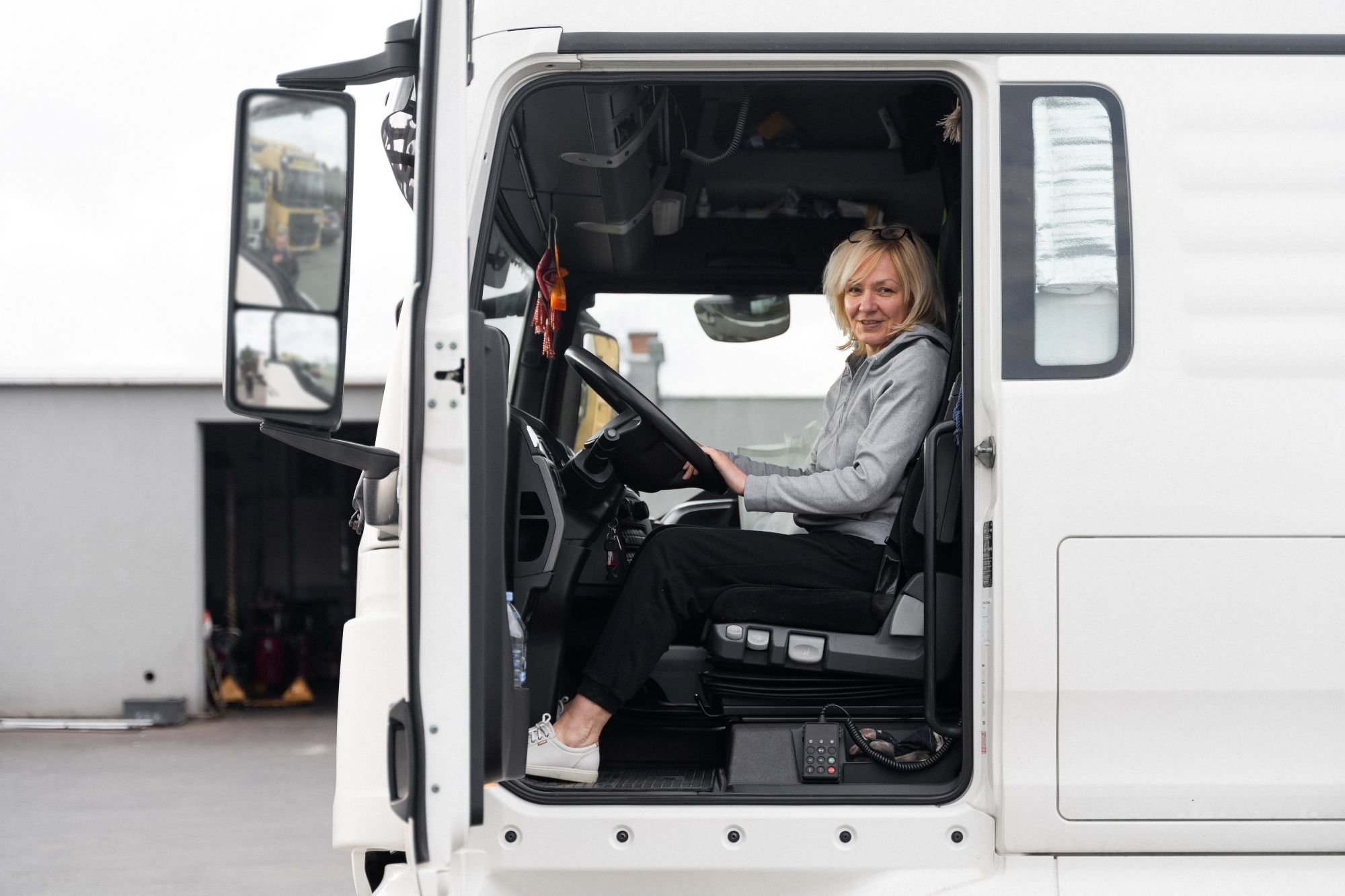
Tačiau tik apie 2 200 vairuotojų yra moterys. Tai sudaro maždaug vieną procentą JK sunkiasvorių sunkvežimių darbuotojų, kaip praneša SME Web. Pramonei, kuri susiduria su ilgalaikiu įdarbinimo spaudimu, šis skaičius kelia svarbių klausimų apie tai, iš kur ateityje atsiras talentingų darbuotojų ir kaip sektorius bus pristatomas potencialiems naujokams.

Tačiau yra pažangos ženklų. Moterų išlaikiusiųjų sunkvežimių testus procentinė dalis padidėjo nuo 6,7 proc. 2011-2012 m. iki 9,7 proc. 2021/22 m. Per pastarąjį dešimtmetį moterų, gaunančių C ir C+E kategorijų vairuotojo pažymėjimus, padaugėjo 144 %, rodo "SME Web" duomenys. Akivaizdu, kad vis daugiau moterų renkasi mokytis ir įgyti kvalifikaciją. Plečiasi pasiūla, tačiau moterų, sėdančių prie vairo, dalis išlieka nedidelė.

Ilga istorija

Moterys nebuvo visiškai nedalyvaujančios kelių transporto srityje. Viena pirmųjų užfiksuotų sunkvežimių vairuotojų moterų buvo Luella Bates, kuri 1918 m. pradėjo vairuoti sunkiasvores transporto priemones Jungtinėse Amerikos Valstijose. Karo metu tiek JAV, tiek Jungtinėje Karalystėje moterys transporto srityje dirbo iš būtinybės. XX a. septintajame dešimtmetyje Rita Jane Oakes tapo pirmąja JK tolimųjų reisų sunkvežimio vairuotoja, dažnai dirbusia 100 valandų per savaitę.

Tačiau, išskyrus išskirtines aplinkybes, krovinių vežime tradiciškai dominuoja vyrai. Tam įtakos turėjo kultūrinis suvokimas, fizinės darbo prielaidos ir gyvenimo būdas, susijęs su tolimųjų reisų vairavimu. Tik pastaraisiais dešimtmečiais dalyvavimas ėmė nuosekliau keistis.

Kodėl atstovavimas vis dar atsilieka

Mažo moterų dalyvavimo priežastys neapsiriboja vien informuotumu. Išlieka struktūrinių ir praktinių kliūčių.

Didelį rūpestį kelia patalpos. Profesionalūs vairuotojai yra priklausomi nuo saugios automobilių stovėjimo aikštelės, švarių poilsio zonų ir tinkamų socialinių sąlygų. Daugelį metų pakelės infrastruktūra sunkiai tenkino visų poreikį. Kai poilsio aikštelės yra netinkamos, prastai apšviestos, nesaugios arba jose trūksta privatumo, tai gali atgrasyti moteris nuo įsitraukimo į šį sektorių.

Darbo modeliai taip pat yra svarbūs. Tolimųjų reisų metu gali tekti nakvoti ir būti toli nuo namų. Nors daugelis vairuotojų vertina su darbu susijusią nepriklausomybę, kai kurias moteris, ypač tas, kurios turi priežiūros pareigų, gali atbaidyti suvokimas apie darbo ir asmeninio gyvenimo pusiausvyrą.

Taip pat yra matomumo klausimas. Kai tik vienas procentas vairuotojų yra moterys, būsimoms kandidatėms gali būti sunku save įsivaizduoti šiame sektoriuje.

Be to, tokius menopauzės simptomus kaip nuovargis, miego sutrikimai, karščio pylimai ir nerimas gali būti sunku suvaldyti dirbant darbą, kai tenka dirbti ilgas valandas, ribotai naudotis privačiomis patalpomis ir būti toli nuo namų. Sektoriuose, kuriuose socialinė apsauga jau ir taip patiria spaudimą, dėl nesupratimo ar praktinės paramos trūkumo patyrę vairuotojai gali palikti darbą.

Vežant krovinius tai nėra antraeilis klausimas. Patyrusių vairuotojų išlaikymas yra ne mažiau svarbus nei naujų vairuotojų pritraukimas.
Momentas už kabinos ribų

Pokyčiai neapsiriboja tik vairuotojų vaidmenimis. Visoje platesnėje transporto ir logistikos ekosistemoje moterys vis dažniau užima vadovaujančias, planavimo ir politines pareigas.

"Women in Transport" paskelbto [Moterų lygybės indekso] (https://imageline.co.uk/wp-content/uploads/2025/07/WIT-Report-2025.pdf) duomenimis, pastaraisiais metais moterų atstovavimas vadovams padidėjo nuo 26 % iki 36 %. Tačiau šis augimas daugiausia vyko už pagrindinių veiklos funkcijų ribų. Aukšto lygio atstovavimas transporto srityje tebėra palyginti ribotas.

Šią spragą sprendžia kelios pramonės organizacijos. Organizacija "Women in Transport" siūlo mentorystės galimybes, o "Everywoman", teikdama [Transporto ir logistikos apdovanojimus] (https://www.ukhaulier.co.uk/news/road-transport/awards/celebrating-talent-2026-everywoman-in-transport-logistics-awards-open-for-nominations/), pripažįsta meistriškumą, taip didindama moterų profesionalų žinomumą visame sektoriuje. Chartered Institute of Logistics and Transport taip pat paskelbė apie naują Women in Supply Chain and Transport renginį 2026 m., kuriais siekiama remti karjeros plėtrą ir profesinius tinklus.

Be to, bendruomenės iniciatyvos, tokios kaip GirlTorque, rodo, kad susidomėjimas ir įsitraukimas auga. Kelių transporto asociacija taip pat paskelbė straipsnių, kuriuose atkreipiamas dėmesys į moteris vairuotojas ir darbuotojas, taip dar labiau padidindama jų matomumą. Visos šios platformos padeda paneigti pasenusį požiūrį ir teikia praktinę paramą moterims, pradedančioms dirbti ar tobulėti šioje pramonės šakoje.

Komercinis įtraukimo atvejis

JK krovinių vežimo sektoriui tai nėra tik pokalbis apie įvairovę. Tai strateginis pokalbis.

Ankstesnėse sektoriaus ataskaitose buvo atkreiptas dėmesys į įdarbinimo spaudimą logistikos sektoriuje. Kelių transporto asociacija įspėjo](https://www.rha.uk.net/news/news/detail/rha-report-200-000-hgv-drivers-needed-in-next-5-years), kad artimiausiais metais reikės dešimčių tūkstančių naujų vairuotojų, kad būtų išlaikytas tiekimo grandinės stabilumas. Tuo pat metu esama darbo jėga sensta.

Šiuo metu tik vienas procentas vairuotojų yra moterys, todėl didelė potencialios darbo rinkos dalis išlieka nepakankamai atstovaujama. Jei dalyvavimo lygis priartėtų prie pariteto su visa darbo jėga, tai turėtų didelį poveikį įdarbinimui.

Taip pat yra įrodymų, kad įtraukios kultūros prisideda prie geresnio darbuotojų išlaikymo ir įsitraukimo. Tikėtina, kad sektorius, kuriame matomi akivaizdūs profesinio tobulėjimo keliai, sąžiningos galimybės mokytis ir tinkama gerovė, bus patrauklesnis įvairioms demografinėms grupėms.

Siūlomi tolesni veiksmai

Pažanga nepaspartės vien dėl informuotumo. Reikia struktūrinių pokyčių.

Investicijos į saugius ir gerai prižiūrimus pakelės įrenginius yra labai svarbios. Saugi automobilių stovėjimo aikštelė, tinkamas apšvietimas ir švarūs gerbūvio įrenginiai naudingi visiems vairuotojams ir pašalina kliūtis, kurių galima išvengti.

Lankstūs darbo modeliai, kai tai įmanoma, gali padidinti patrauklumą. Tai gali apimti regioninių maršrutų kūrimą, darbo vietos dalijimosi susitarimus arba aiškesnius perėjimo iš sandėlio ir planavimo pareigų į vairuotojo pareigas būdus.

Finansines kliūtis taip pat gali sumažinti finansuojami licencijų išdavimo būdai ir pameistrystė. Kaip jau minėta, mokymo išlaidos gali būti didelės. Tikslinio finansavimo iniciatyvos, skirtos nepakankamai atstovaujamoms grupėms, gali padėti subalansuoti priėmimą.

Galiausiai, svarbu užtikrinti darbo jėgos duomenų skaidrumą. Skelbiamas pasiskirstymas pagal lytį, stebimas pažangos lygis ir nustatomi išmatuojami tikslai rodo, kad į įtrauktį žiūrima rimtai.

Sektorius posūkio taške

Tarptautinė moters diena suteikia progą apmąstyti, kaip toli nuėjo JK krovinių vežimo pramonė ir kaip toli dar reikia nueiti. Didėjantis moterų, įsigyjančių vairuotojo pažymėjimus ir išlaikančių egzaminus, skaičius rodo, kad susidomėjimas egzistuoja. Kai kuriose srityse didėja atstovavimas vadovams, plečiasi paramos tinklai. Tačiau nepakankamo atstovavimo mastas išlieka ryškus.

Krovinių vežimas yra labai svarbus šalies atsparumui. Jis padeda užtikrinti prekių atsargas lentynose, infrastruktūros projektų įgyvendinimą ir prekybos srautus. Užtikrinti, kad ši darbo jėga atspindėtų visą turimų talentų spektrą, yra ne tik teisingumo klausimas. Tai ilgalaikio tvarumo klausimas.

Parama moterims krovinių vežimo sektoriuje taip pat reiškia, kad reikia gerinti kasdienio gyvenimo kelyje realijas. Saugi automobilių stovėjimo aikštelė, gerai apšviestos poilsio vietos ir tinkama infrastruktūra yra labai svarbios visų vairuotojų išsaugojimui ir gerovei. SNAP "intruck" programėlė padeda visiems vairuotojams rasti ir užsisakyti patikimas sunkvežimių sustojimo aikšteles visoje Jungtinėje Karalystėje ir Europoje, todėl transporto parkai tampa geriau matomi, o vairuotojai - labiau užtikrinti, kad ir kur juos nuvestų jų maršrutas. [Atsisiųskite ją šiandien] (https://intruckapp.com/).

Dalytis su

Kiti taip pat skaito...

Header Image

antradienis 03 vasario 2026 • Pramonės naujienos

INTEGRUOTŲ LOGISTIKOS KORIDORIŲ PLĖTRA: KODĖL JIE SVARBŪS VEŽĖJAMS?

Guest

For decades, European haulage has been built around road networks. Although rail, inland waterways and ports have always played a role, most freight journeys relied on HGVs to bridge the gaps. That model is now being reshaped.Across the EU, governments and infrastructure bodies are investing in integrated logistics corridors – long-distance, multimodal routes designed to move goods more efficiently across borders while reducing congestion, emissions and pressure on roads. For hauliers, these corridors are not an abstract policy concept. They are already influencing where trucks can travel, how journeys are planned and the technologies that fleets must adopt.Understanding how these corridors work – and what they mean in practice – is becoming essential for operators covering international routes.In Europe, integrated logistics corridors sit alongside the EU’s Trans-European Transport Network (TEN-T). This long-term programme is designed to connect member states through coordinated road, rail, port and inland waterway infrastructure.At the core of this system are : Baltic-Adriatic North Sea-Baltic Mediterranean Orient-East Med Scandinavian-Mediterranean Rhine-Alpine Atlantic North Sea-Mediterranean Rhine-DanubeRather than treating road, rail and ports as separate systems, these corridors aim to integrate them. As such, there are aligned infrastructure standards, digital systems and operational rules, allowing freight to move more smoothly from origin to destination.In short, they prioritise multimodal freight. That might mean containers transferred seamlessly between ship, rail and truck, or trailers loaded onto trains for part of a journey before returning to the road network.One example is the use of , where entire HGVs are transported on low-floor rail wagons. Drivers often travel with their vehicles, resuming road journeys at the other end. Although they are typically associated with Alpine regions, Spain is investing heavily in to improve transport links. To make this coordination possible, logistics corridors rely heavily on digital infrastructure, including: Multimodal traffic management systems that coordinate rail slots, terminal capacity and road access. Digital freight documents to reduce paperwork at borders and terminals. and GNSS positioning to support compliance and monitoring. Real-time data sharing between infrastructure operators, logistics hubs and enforcement bodies.The goal is not to remove road haulage from the equation, but to make it part of a wider, more controlled system.Key European road routes are subject to high volumes of traffic, resulting in congestion and bottlenecks. Integrated corridors aim to relieve pressure by shifting some freight to rail or waterways where possible.In addition, recent data suggests that road transport accounts for . Integrated corridors support EU climate targets by encouraging use of other forms of transport, which will improve traffic flow and reduce stop-start congestion.For operators, the benefits of integrated logistics corridors are tangible, if not immediate. One of the most significant advantages is more predictable cross-border movement. Over time, this reduces uncertainty around journey times and improves scheduling for international routes.Corridors also expand options when road-only transport becomes constrained. Rolling highways and intermodal terminals can provide practical alternatives during periods of congestion, severe weather or regulatory restriction. At the same time, integrated digital systems improve visibility across journeys, giving fleet managers better data to plan rest breaks, terminal access and driving hours with greater accuracy and confidence.There are commercial implications too. By shifting long-haul legs to rail and reserving road transport for firstand last-mile delivery, some operators may limit their exposure to low-emission zones and urban access restrictions. In addition, trucks tied up on long-distance international routes are freed up for shorter, higher-frequency routes linked to logistics hubs and terminals. In parallel, removing the most expensive kilometres from a journey – those affected by , congestion or restrictions – can reduce operating costs. For hauliers that adapt their operating model, profitability becomes less about distance travelled and more about efficiency, reliability and the ability to deliver consistent service within tighter, more controlled time windows.Despite the advantages, integrated logistics corridors also introduce new complexity for hauliers. In several parts of Europe, restrictions on HGV movements are already in force, including night bans and quota-based access. As corridor strategies expand and environmental pressures increase, these measures could become more widespread and tightly enforced, adding constraints to route planning and scheduling.Progress across corridors is also uneven. While some routes benefit from modern terminals and upgraded rail links, others, such as the Rhine-Alpine corridor suffer from limited rail capacity, congested hubs and infrastructure gaps. In these areas, the promised efficiency gains can be undermined by delays and bottlenecks rather than resolved by them. This challenge is compounded by the complications of multimodal transport. Rail and terminal slots often involve advance booking and fixed timetables, reducing the flexibility that road-only operations have traditionally relied on to absorb disruption.Digital integration brings its own demands. Although shared data systems, smart tachographs and electronic documentation offer long-term efficiency, upfront investment in compatible fleet management tools is needed, alongside driver training and process change. For some operators this transition can be resource-intensive.Perhaps the most significant challenge, however, lies in competition. Integrated corridors tend to favour operators that can move freight predictably, digitally and across modes. Smaller or road-only operators may find themselves under pressure from larger fleets, intermodal specialists or logistics integrators offering bundled, end-to-end corridor solutions.For international hauliers, integrated corridors affect planning. Route choice is no longer just about distance and tolls. It involves:Assessing where road access may be limited. Identifying intermodal alternatives. Managing driver welfare across longer, more complex journeys. Ensuring compliance across multiple systems and jurisdictions.Fleets that understand how these corridors function and plan accordingly will be best placed to adapt as rules tighten and expectations rise.Integrated logistics corridors are reshaping how transport moves across Europe. They bring opportunities for greater efficiency and resilience, but also introduce new layers of operational and regulatory complexity for hauliers. As road transport becomes more tightly integrated with rail, ports and digital systems, driver welfare, planning certainty and access to reliable infrastructure matter more than ever. Fleet managers need clear visibility and control over costs, alongside confidence that drivers can stop and rest safely.Through our network of safe, reliable truck stops, paired with integrated payment solutions, we make life on the road simpler for both drivers and operators.

Header Image

antradienis 16 gruodžio 2025 • Pramonės naujienos

KĄ ISPANIJOS PRIVALOMI SKAITMENINIAI ĮRAŠAI REIŠKIA EUROPOJE VEIKIANTIEMS LAIVYNAMS

Guest

Spain is preparing for one of the most significant transport reforms in its recent history. The Sustainable Mobility Law (Ley de Movilidad Sostenible), which received final approval in November 2025, will introduce mandatory digital records for road freight control documentation, creating a more transparent, enforceable and efficient system for domestic and international carriers. Although this is a major national change, it forms part of a wider trend. Across Europe, governments and operators are moving towards a fully digital freight environment as the EU prepares to implement the (eFTI).For fleets working in and out of Spain, this is the start of an important transition. It signals a future in which paper documentation becomes the exception rather than the rule and in which digital processes support faster checks, smoother operations and greater consistency across borders.While the Sustainable Mobility Law addresses wide-ranging transport reforms – from urban mobility to domestic flight restrictions – the provisions most relevant to international freight operators centre on digital documentation. A central section of the law introduces a mandatory digital “control document” for road freight. This includes the use of approved digital formats, such as the electronic consignment note (eCMR), which Spain has already ratified and treats as legally equivalent to the paper CMR note. The law aims to reduce administrative burdens, eliminate inconsistencies in paperwork and shorten the time required for checks and inspections. Rather than relying on handwritten notes or physical documents that can be misplaced, carriers will store, share and verify transport information digitally. For operators, this should mean fewer disputes over documentation, less ambiguity around compliance requirements and greater certainty when preparing for audits or regulatory reviews.In practice, the obligation focuses first on the digital control document used for roadside and regulatory checks, but it is expected to accelerate wider use of eCMR and other digital freight documents across the supply chain.The timeline for implementation will begin once the law is published in Spain's Official State Gazette. Carriers should expect the digital control document obligation to take effect roughly ten months after publication, making 2026 the likely year when full compliance will be required.The Mobility Law applies to road transport operations that fall under Spanish control rules on Spanish territory, not just Spanish-registered companies. Carriers will need to ensure their systems can produce and transmit digital records in compliant formats. Any delay in adopting digital documentation could slow down inspections or disrupt customer schedules.This means that foreign operators running international loads into, out of or through Spain should plan on being able to provide the required control document in digital form when requested by Spanish authorities.The Spanish reforms align closely with the EU’s eFTI Regulation, which will require Member States to accept digital freight documentation once the technical and certification rules are in place (from mid-2027). eFTI sets a unified framework for how information is structured, transmitted and verified. While it obliges authorities to accept digital records, it does not require operators to use them. Spain’s Mobility Law therefore goes further, making digital control documents mandatory for road freight.Under eFTI, carriers will be able to provide freight information electronically through certified platforms. Enforcement authorities will receive that information through secure digital channels. This should reduce administrative friction across the EU’s busiest freight routes.Spain is not alone in taking early steps. Several EU countries have already moved towards paperless freight systems and their experience demonstrates what a fully digital environment could look like.● The Netherlands has been one of the earliest adopters of eCMR and has trialled end-to-end digital workflows across different modes of transport. ● France also moved early, supporting digital documentation and faster roadside checks following its ratification of the eCMR protocol. ● In the Benelux region, Belgium, Luxembourg and the Netherlands are running a joint eCMR pilot and digital logistics corridor, illustrating how interoperable documentation can work across national boundaries.● Denmark and Sweden have operated national e-freight trials designed to simplify the sharing of transport information. Taken together, these examples show that Spain’s Mobility Law is part of a broader European transition. Rather than standing apart, Spain is moving in step with a continental shift towards digital documentation that aims to make road freight faster, more transparent and more consistent across borders.The move to digital records brings several practical advantages. Digital documents reduce the time drivers and enforcement officers spend handling paperwork and shorten inspections during roadside checks. This mirrors the benefits seen with the introduction of , which have reduced unnecessary stops for compliant drivers and improved the consistency of enforcement across Europe.Digital documentation also removes the errors that can arise from handwritten notes or damaged paper notes. Fleet managers can instantly retrieve records, resolve errors more easily and maintain clearer oversight of documentation across multiple routes. For operators managing complex schedules, this increased predictability supports better planning and stronger customer service.Drivers are likely to benefit too. A shift to digital records reduces administrative pressure and helps avoid disagreement at delivery points. With all documents stored digitally, drivers have a single source of truth that is accepted across the supply chain.Fleets may need to invest in updated transport management systems or integrate new tools that support digital documentation. Operators may require additional support and training to shift from paper-based processes to new digital workflows.There will also be a period of adjustment in which paper and digital systems may operate side by side. As eFTI becomes established across Europe, some countries will move faster than others. Operators travelling across different borders may encounter varying expectations, particularly in the early years.Throughout this transition, driver welfare should remain a priority. The administrative load associated with new processes often falls on drivers. Clear training and straightforward systems will be essential.Spain’s Mobility Law marks an important moment in the evolution of European freight. It reflects a sector that is modernising at speed and preparing for a future built on digital workflows rather than manual paperwork. Operators that begin preparing now will be in a strong position as Spain’s digital control document requirements take effect and eFTI comes into force across Europe.At SNAP, we support fleets across Spain and the wider continent with tools that make daily operations simpler and more predictable. The intruck app helps drivers locate and book secure parking along their route, which is particularly valuable as compliance processes evolve. If your fleet is preparing for Spain’s new requirements or the broader digital transition across Europe, SNAP is here to support every step of the journey.

Header Image

trečiadienis 10 gruodžio 2025 • Pramonės naujienos

2025 M. JK BIUDŽETAS: KĄ TAI REIŠKIA KROVINIŲ VEŽIMUI

Guest

The arrives at a difficult moment for the road transport sector. Operators are working against rising wages and operating costs, tight margins, ageing infrastructure and ongoing pressures around recruitment. At the same time, the shift towards cleaner mobility is accelerating, creating new expectations and increasing the need for long-term investment.The following article outlines what the Budget means for infrastructure, investment, workforce costs and the wider operating environment for haulage.For many years, fleets have been affected by deteriorating roads, weight restrictions on ageing bridges and the growing unpredictability of journey times. Government and industry data makes this clear. More than one in every ten miles of network in England and Wales is likely to require maintenance within the next year, according to reporting, and the backlogs for resurfacing work continue to rise. These issues lead to vehicle damage, driver fatigue, higher insurance costs and disrupted schedules. They also place additional pressure on operators already dealing with narrow margins.The new Budget acknowledges these concerns. One positive step is the substantial funding for strategic national projects, including almost £900 million allocated to the , which should reduce congestion, provide more reliable journey times and a safer driving environment for HGVs.Local authorities will also receive a share of and address the growing number of potholes. This could make a noticeable difference for fleets. Local roads carry the majority of domestic freight and serve as the first and last mile of nearly every delivery. Improving them should reduce wear and tear on vehicles as well as operational strain. These commitments will not fix decades of underinvestment immediately, but they represent an important shift towards a road network that is more resilient and better suited to the realities of modern logistics.The Budget also places more focus on skills. for under-25s working in small and medium-sized businesses could help attract new entrants into a profession that urgently needs them. The driver shortage is well documented. The UK must recruit around in order to stabilise supply chains, and across Europe the average age of professional drivers continues to climb. Only a small proportion of drivers are under 25, and training costs have been a barrier for many younger candidates.Providing funded apprenticeships makes logistics more accessible at a critical time. It also supports smaller operators, who often struggle to invest in training despite needing to expand their teams. The Budget introduces further support for investment, particularly around fleet renewal. Operators installing charging infrastructure can take advantage of a 100% first-year allowance until March 2027. This will help offset the upfront cost of electric HGVs and depot charging equipment.From January 2026, a new 40% first-year allowance will be available on many main-rate assets, including trucks – particularly useful where full expensing or the Annual Investment Allowance don’t apply, such as some leased fleets and unincorporated operators.While the Autumn Budget contains several positive measures, operators will also need to plan for increasing costs. Fuel duty will rise in stages between the end of August 2026 and March 2027. Fuel is already one of the largest expenses for operators, and the planned rises are likely to increase the emphasis on fuel efficiency, telematics, consolidated routing and fleet renewal.Vehicle Excise Duty (Road Tax) will be uprated in line with inflation from April 2026, including for HGVs. From April 2028, a new Electric Vehicle Excise Duty (eVED) will also apply a mileage-based charge to battery-electric and plug-in hybrid cars, on top of existing VED. Although eVED initially excludes electric vans and trucks, it signals a longer-term shift toward distance-based taxation that fleets will need to factor into future planning.The HGV Levy will also return to rising with inflation. Vehicles over twelve tonnes must pay the levy before using A roads or motorways, and the revised rate will add another cost that fleets must factor into forward planning.Larger, higher‑value properties are also likely to feel more pressure from business rates changes. The Budget confirms permanently lower business rates for retail, hospitality and leisure, funded in part by higher charges on the most expensive commercial premises. These include big warehouses and distribution centres, so operators with large sites can expect proportionately higher bills over time than smaller depots or high‑street locations.In addition, the Budget introduces several measures that directly affect the financial landscape for operators and the people who run or work within haulage businesses. Labour already represents one of the sector’s highest costs, and these changes will shape payroll planning, staff retention and the personal finances of many owner-operators.Minimum wage increases mean that employers will face higher staffing costs across warehousing, last-mile logistics and support roles. Many operators have already tackled wage rises in recent years, and this further uplift will add pressure at a time when margins remain narrow. For fleets that rely on overtime, night work or seasonal peaks, the impact will be even more noticeable.The Budget continues the government’s move toward greater digitalisation of tax and reporting. Compliance expectations will grow over the coming years, with stricter penalties for late VAT and Self Assessment returns and an expanded Making Tax Digital framework from 2027. Mandatory electronic invoicing will follow in 2029. Parcel carriers and mixed load operators will also be affected by changes to customs duty for low-value imports, which will apply to items worth less than £135 by March 2029 at the latest. While the aim is to even the playing field for UK manufacturers, it is likely to increase administrative pressure on haulage firms. These changes may eventually improve efficiency, but they will require investment in systems and staff training. Smaller fleets without dedicated administrative teams are likely to feel the adjustment most sharply.Although operators will face higher costs and increased administrative complexity, the 2025 Budget also provides some of the most significant commitments to the road network and skills pipeline seen in recent years. Taken together, these measures signal a Budget that attempts to balance fiscal constraints with long-term needs. The road ahead will still require careful planning and strategic investment, but there are genuine opportunities to strengthen the sector’s foundations and support a more resilient future for haulage.SNAP gives fleets practical tools to manage this shifting landscape, from parking access to data that supports compliance and operational decision-making. to discover how SNAP can help strengthen your fleet’s resilience in the months ahead.