Lucy Mowatt
How tensions around Iran could affect European logistics
Created: 28/04/2026
•
Updated: 28/04/2026
Geopolitical conflict rarely stays confined to the region where it began. In global logistics, disruption in one part of the world can quickly ripple through supply chains thousands of kilometres away.
That is the reality as tensions escalate around Iran and the Strait of Hormuz – a narrow shipping channel between Iran and Oman that serves as one of the world’s most important transport corridors.
Roughly one fifth of global oil supply passes through the strait, alongside large volumes of liquefied natural gas and other commodities. When shipping through this corridor slows or stops, the consequences are felt around the world.
For transport operators in Europe, the effects are already beginning to emerge through rising fuel costs, rerouted shipping traffic and growing uncertainty in global supply chains.
Shipping routes are changing
Several major maritime carriers have already begun avoiding routes close to the Strait of Hormuz due to Iranian warnings that transit is not allowed and that the area is unsafe. Vessels passing through risk being targeted or caught up in military action.
Instead, they are diverting vessels via the Cape of Good Hope at the southern tip of Africa. Although this avoids high-risk zones, it also adds thousands of miles to many journeys.
For global supply chains, the effects are clear: * Longer transit times * Increased fuel consumption for vessels * Higher freight costs for cargo owners
What begins as a maritime disruption often ends up affecting inland logistics once delayed cargo finally reaches European ports. This creates a “feast or famine” effect: periods with little cargo to move followed by sudden surges when multiple vessels arrive at once.

Fuel prices are increasing
Energy markets have been shaken by activity in the Strait of Hormuz.
Because the waterway handles such a large share of global oil exports, any disruption immediately affects expectations about future supply. Even short-term interruptions can cause price volatility across international markets.
For road transport, the implications are immediate. Diesel remains the primary fuel for most commercial fleets across Europe; sudden price increases can quickly affect operating margins.
Early signals of this shift are already visible. According to Trans.info, Spain’s carrier federation Fenadismer reports that in the 10 days following the outbreak of the conflict in Iran, diesel prices in Spain rose by more than 30%, reaching about €1.80 per litre.
For haulage operators, this kind of volatility creates difficult planning conditions. Fuel often represents one of the largest operational costs for a fleet, and sudden increases can affect everything from freight rates to contract negotiations.
Insurance pressures are growing
Insurance markets respond quickly when geopolitical risks escalate.
When tensions rise in maritime corridors, insurers may remove war-risk coverage from policies or otherwise alter policy wording. Ships travelling through or near those areas face higher premiums or additional surcharges for each voyage.
These costs rarely remain confined to the shipping sector. Instead, they are passed through the logistics chain in the form of higher freight rates and increased transportation costs.
Container flows may tighten
Another, less visible consequence of shipping disruption is the impact on container availability.
Global shipping depends on the circulation of containers between ports. When vessels are rerouted onto longer journeys, containers remain in transit for longer periods and take more time to return to export hubs.
Over time, this can create imbalances across the global container system.
Ports receiving delayed or diverted vessels may also experience congestion when ships arrive, while exporters in other regions may struggle to secure empty containers for outbound cargo.
For European freight operators, these disruptions can translate into irregular cargo volumes and more unpredictable container collection schedules.
The Red Sea shipping corridor
The disruption around the Strait of Hormuz comes at a time when global shipping routes are already under pressure.
Since late 2023, instability in the Red Sea corridor – particularly around the Bab el-Mandeb Strait and the southern entrance to the Suez Canal – has forced many shipping companies to divert vessels away from the region.
In response, numerous carriers began rerouting ships around the Cape of Good Hope, adding significant time to journeys between Asia and Europe.
Now, with tensions affecting traffic near the Strait of Hormuz as well, the pressure on international shipping routes is intensifying.
Multiple chokepoints are disrupted
The combined disruption of the Strait of Hormuz and the Red Sea illustrates how dependent global logistics remains on a small number of maritime chokepoints.
The Strait of Hormuz is critical for the global flow of oil and energy products. The Red Sea and Suez Canal corridor, meanwhile, is the primary maritime gateway for containerised goods moving between Asia and Europe.
When instability affects either corridor individually, shipping networks can usually adapt by adjusting schedules or rerouting vessels.
With the Red Sea still heavily disrupted and traffic through the Strait of Hormuz now sharply reduced, the system becomes far less flexible.
With fewer safe passages available, containers on affected services remain in transit for longer period, tightening availability on some trade lanes.
What this means for European fleet operators
Although these disruptions start at sea, their consequences are ultimately felt on Europe’s roads.
Fleet operators may encounter:
Volatile fuel costs
Energy market instability can drive rapid changes in diesel prices.
Compressed delivery windows
Delayed cargo arrivals can put pressure on logistics providers to move goods more quickly once shipments reach port.
Higher freight costs
Insurance premiums, longer shipping routes, rising fuel prices and surcharges all contribute to increased transportation costs.
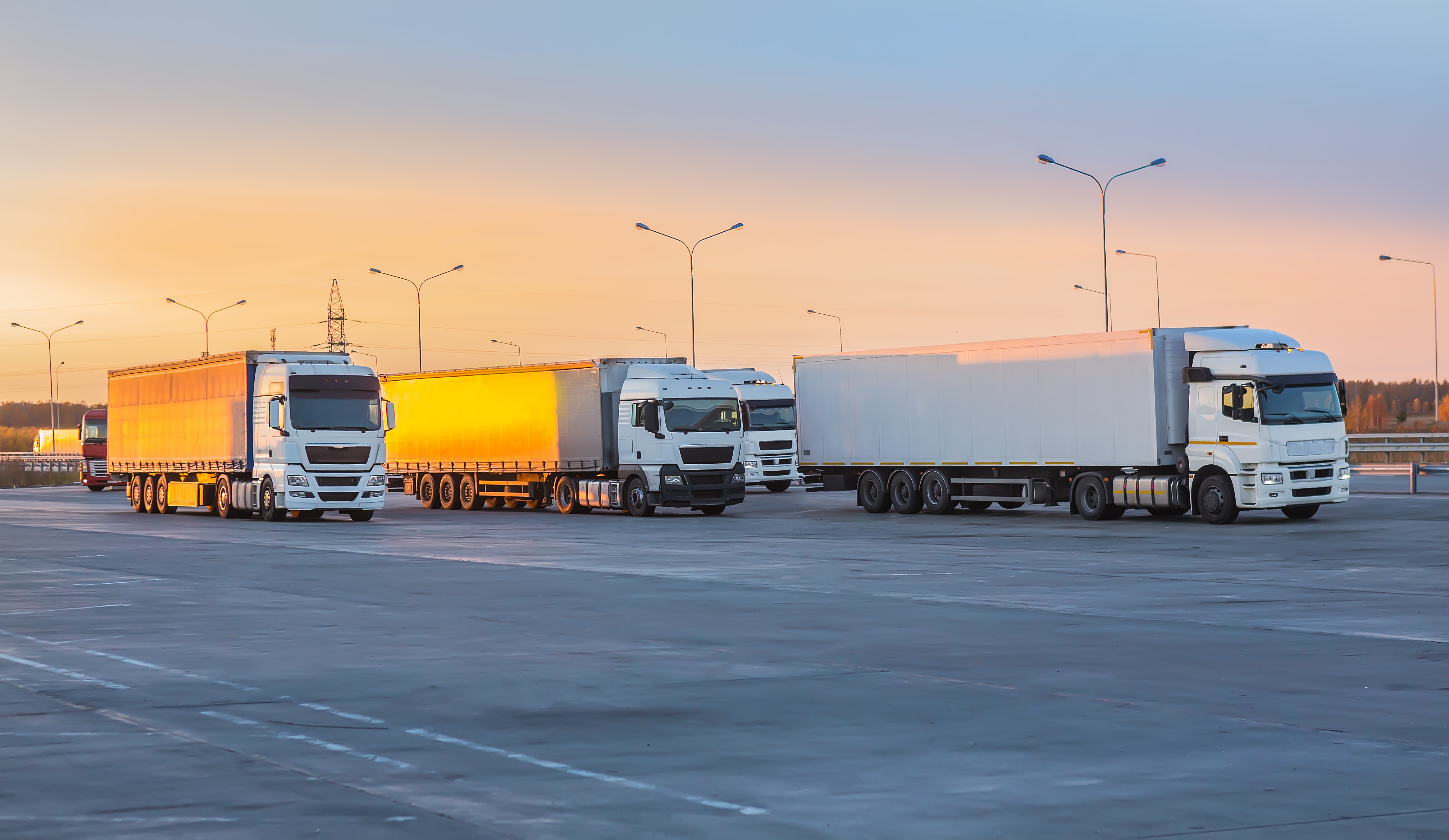
Building resilience in a volatile logistics landscape
Events around the Strait of Hormuz and the Red Sea highlight a growing reality for global logistics: supply chains now operate in an environment where geopolitical risk can quickly reshape trade routes.
“Global logistics has always been interconnected, but events like these show just how disruption can reshape logistics networks,” says Nick Renton, Head of European Strategy & Business Development at SNAP. “Even when the initial crisis occurs thousands of miles away, the effects soon reach European supply chains through fuel prices, shipping delays and tighter delivery windows.
“The fleets that adapt most effectively are those that plan for uncertainty – with flexible routes, better information and reliable places for drivers to stop and rest when schedules change.”
Sign up for SNAP
With access to reliable information and trusted truck parking across Europe, SNAP helps fleets and drivers stay flexible, plan ahead and keep journeys moving. Get started today.