Guest
Keep your fleet running smoothly during the holiday season
Created: 04/12/2025
•
Updated: 04/12/2025
As the holiday season approaches, you are likely preparing for a surge in delivery demand and more complex operating conditions. This seasonal pressure overlaps with winter weather challenges, creating a unique risk environment for fleets across the UK.
How the winter holidays put your fleet under pressure
The festive period brings extra stress to your vehicles and operations. From consumer-driven surges in mileage to the impact of cold weather on vehicle performance, several seasonal factors converge at once. Understanding these pressures up-front helps you prepare proactively and minimise disruptions across your fleet.
Increased demand and constrained windows
Consumer activity typically spikes during the holiday season, which increases delivery volumes, compresses schedules and raises service expectations. This surge means that even minor disruptions can escalate quickly, as fleets have less flexibility to absorb delays. With more journeys scheduled and tighter handover times, vehicle downtime becomes more costly. A missed inspection or delayed repair can have a much larger operational impact than during other parts of the year.
The combined effect of holiday demand and winter hazards
When peak consumer activity overlaps with hazardous weather, fleets experience amplified risk. Traffic congestion increases, road conditions deteriorate and minor mechanical problems can escalate into serious incidents more easily. To combat these issues, you must strengthen preventive maintenance, adjust schedules, and improve real-time monitoring to prevent avoidable breakdowns or delays.
Winter conditions and their operational impact
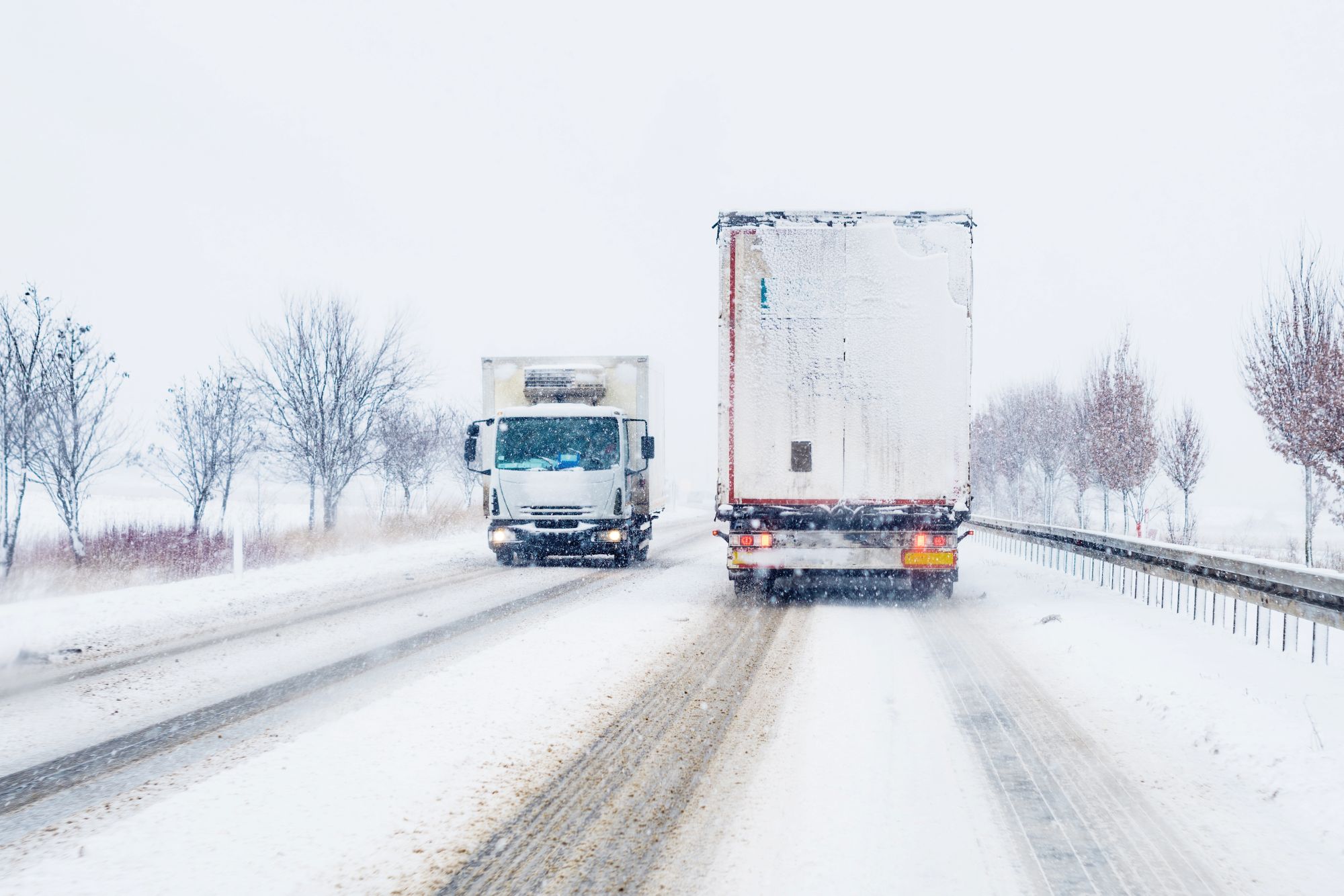
Cold temperatures, icy surfaces and reduced daylight all increase mechanical and on-road risks for commercial vehicles, raising the likelihood of weakened batteries, reduced tyre traction and visibility issues. UK roadworthiness standards emphasise the importance of more robust winter maintenance for brakes, lighting, fluids and tyres as conditions deteriorate, reinforcing why winter readiness is essential for uninterrupted fleet operations. Even mild cold can reduce engine and hydraulic performance, making proactive winter maintenance crucial.
Workflow and driver challenges
Beyond vehicle strain, the holiday season and winter conditions also place pressure on drivers and operational workflows. Increased traffic, unpredictable weather and tighter delivery windows can lead to fatigue, stress and an increased risk of accidents. Careful scheduling, clear communication and proactive support for drivers are essential to maintain safety and ensure that your fleet continues to operate efficiently under these seasonal pressures.
Strategies to keep your fleet running smoothly
Maintaining steady operations during the festive rush requires more than reactive problem-solving. It necessitates deliberate planning across vehicle maintenance, driver readiness, technology utilisation and operational coordination. These streamlined strategies will help you stay ahead of winter season disruptions and maintain consistent fleet performance throughout the holidays.
1.Prioritise preventive maintenance
Seasonal demand often requires vehicles to operate in harsher conditions for longer hours, so front-loading maintenance is one of the most effective ways to prevent in-season breakdowns. In construction, downtime can cost up to $760 per vehicle, highlighting the importance of proactive upkeep.
Focus on winter-critical systems such as batteries, brakes, heating and defrosting systems, tyres, and fluid levels. Addressing minor issues before the holiday rush ensures your vehicles start the season in top condition and reduces the risk of unscheduled downtime when capacity is at its tightest.
2.Strengthen driver preparedness
Drivers face greater pressure during the festive period, from congested roads to unpredictable weather. Preparing them early helps reduce risk and maintain service reliability. Share updated winter driving protocols, reinforce fatigue management best practices and ensure every vehicle carries essential cold-weather equipment. A well-prepared driver can adapt more effectively to seasonal hazards and keep journeys running safely.
3.Improve your parts and repair strategy
Access to parts and repair support becomes more challenging during the holidays due to demand spikes and supplier slowdowns. Securing key components in advance and confirming the availability of a repair shop ensures you can respond quickly to mid-season issues. These steps reduce the likelihood of lengthy delays and keep more of your vehicles on the road during peak workloads.
4.Leverage telematics and real-time data
Accurate, real-time insights become even more valuable when weather and traffic conditions can change quickly. Telematics systems help you monitor driver behaviour, identify emerging vehicle issues and adapt routes proactively. Using data to make same-day decisions — whether rerouting, rescheduling or escalating maintenance — helps your fleet stay responsive throughout the holiday period.
5.Enhance communication and scheduling
Seasonal peaks require tighter alignment across dispatchers, drivers, maintenance teams and customers. Clear communication reduces uncertainty and makes it easier to adjust schedules when conditions shift. Share regular updates about weather alerts, route changes, delivery windows and vehicle availability so everyone stays coordinated and able to respond quickly.
6.Build contingency plans
Even with strong preparation, winter introduces variables that no fleet can fully control. Creating contingency plans provides your team with a structured response in the event of incidents. Establish backup routes, identify alternative suppliers and workshops, and maintain a reserve vehicle strategy where possible. Planning for disruption ensures that unexpected issues don’t halt operations entirely.
Your holiday fleet readiness checklist
Use this checklist to make sure your team, vehicles and workflows are ready for the busiest stretch of the year:
● Optimise route planning: Review historical traffic data and expected holiday congestion to build more efficient routing. Tools that monitor and report real-time conditions help reduce delays and fuel waste.
● Confirm vehicle winterisation: Check batteries, fluids, tyres, wipers and heating systems to prevent cold-weather breakdowns and improve driver safety.
● Strengthen driver readiness: Conduct brief refresher sessions on winter driving techniques, fatigue management and emergency protocols. This supports both safety and productivity.
● Increase preventive maintenance frequency: Holiday mileage and cold temps can accelerate wear. A tighter maintenance schedule helps catch issues before they result in downtime.
● Validate tracking and IoT reliability: Ensure that asset trackers and sensors are fully functional for accurate location and condition data during peak demand.
● Review vendor and parts availability: Many suppliers operate on reduced hours during the holidays. Secure parts and consumables in advance to avoid repair delays.
Stay ahead of seasonal pressures
Holiday and winter conditions amplify every small inefficiency. Preparing early helps prevent avoidable downtime, strengthens driver safety and keeps your operations moving through the toughest time of the year. With precise planning, reliable tools and a proactive maintenance rhythm, fleets can turn seasonal challenges into opportunities for better performance and customer satisfaction.

Discover more from Renovated Magazine.