Guest
Industry News • 4 min read

The rise of integrated logistic corridors: Why they matter to hauliers

Created: 03/02/2026

Updated: 03/02/2026

For decades, European haulage has been built around road networks. Although rail, inland waterways and ports have always played a role, most freight journeys relied on HGVs to bridge the gaps. That model is now being reshaped.

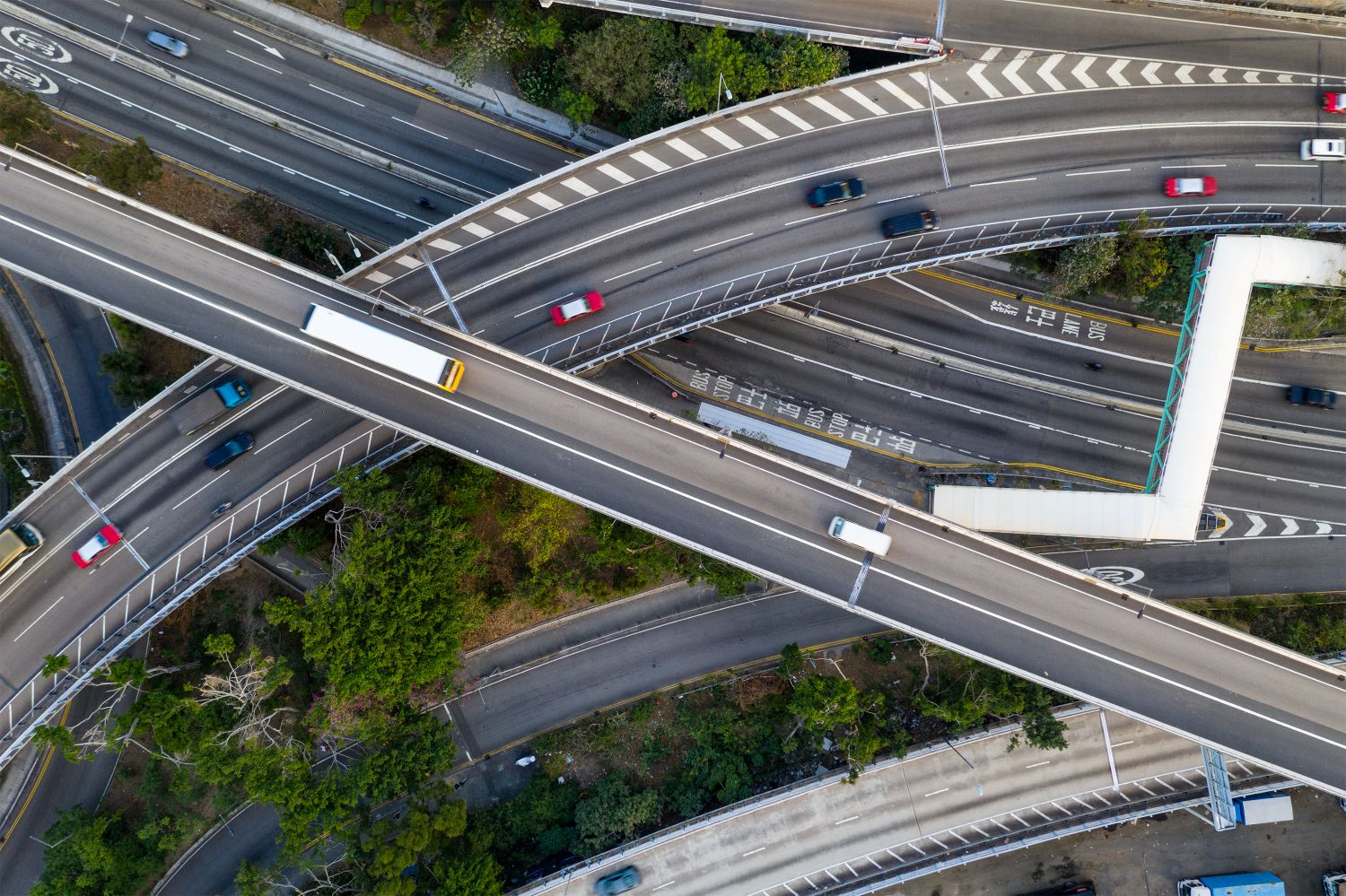
Across the EU, governments and infrastructure bodies are investing in integrated logistics corridors – long-distance, multimodal routes designed to move goods more efficiently across borders while reducing congestion, emissions and pressure on roads. For hauliers, these corridors are not an abstract policy concept. They are already influencing where trucks can travel, how journeys are planned and the technologies that fleets must adopt.

Understanding how these corridors work – and what they mean in practice – is becoming essential for operators covering international routes.

What are integrated logistics corridors?

In Europe, integrated logistics corridors sit alongside the EU’s Trans-European Transport Network (TEN-T). This long-term programme is designed to connect member states through coordinated road, rail, port and inland waterway infrastructure.

At the core of this system are nine Core Network Corridors: 1. Baltic-Adriatic 2. North Sea-Baltic 3. Mediterranean 4. Orient-East Med 5. Scandinavian-Mediterranean 6. Rhine-Alpine 7. Atlantic 8. North Sea-Mediterranean 9. Rhine-Danube

Rather than treating road, rail and ports as separate systems, these corridors aim to integrate them. As such, there are aligned infrastructure standards, digital systems and operational rules, allowing freight to move more smoothly from origin to destination.

How integrated corridors work

In short, they prioritise multimodal freight. That might mean containers transferred seamlessly between ship, rail and truck, or trailers loaded onto trains for part of a journey before returning to the road network.

One example is the use of rolling highways, where entire HGVs are transported on low-floor rail wagons. Drivers often travel with their vehicles, resuming road journeys at the other end. Although they are typically associated with Alpine regions, Spain is investing heavily in developing new rolling highways to improve transport links.

To make this coordination possible, logistics corridors rely heavily on digital infrastructure, including: * Multimodal traffic management systems that coordinate rail slots, terminal capacity and road access. * Digital freight documents to reduce paperwork at borders and terminals. * Smart tachographs and GNSS positioning to support compliance and monitoring. * Real-time data sharing between infrastructure operators, logistics hubs and enforcement bodies.

The goal is not to remove road haulage from the equation, but to make it part of a wider, more controlled system.

Why logistics corridors have been introduced

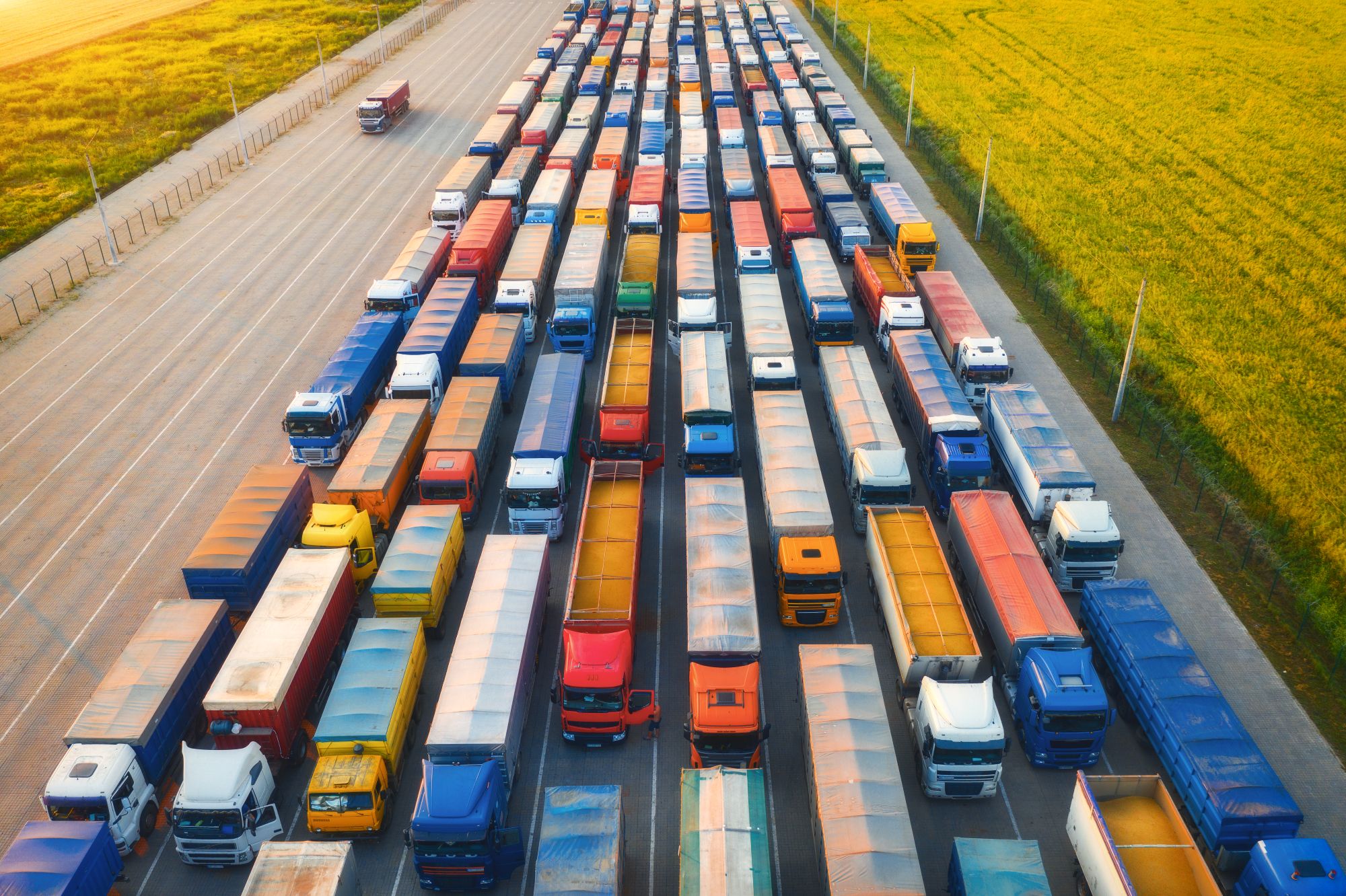
Key European road routes are subject to high volumes of traffic, resulting in congestion and bottlenecks. Integrated corridors aim to relieve pressure by shifting some freight to rail or waterways where possible.

In addition, recent data suggests that road transport accounts for 73% of Europe’s greenhouse gas emissions. Integrated corridors support EU climate targets by encouraging use of other forms of transport, which will improve traffic flow and reduce stop-start congestion.
Benefits for hauliers

For operators, the benefits of integrated logistics corridors are tangible, if not immediate. One of the most significant advantages is more predictable cross-border movement. Over time, this reduces uncertainty around journey times and improves scheduling for international routes.

Corridors also expand options when road-only transport becomes constrained. Rolling highways and intermodal terminals can provide practical alternatives during periods of congestion, severe weather or regulatory restriction.

At the same time, integrated digital systems improve visibility across journeys, giving fleet managers better data to plan rest breaks, terminal access and driving hours with greater accuracy and confidence.

There are commercial implications too. By shifting long-haul legs to rail and reserving road transport for first- and last-mile delivery, some operators may limit their exposure to low-emission zones and urban access restrictions. In addition, trucks tied up on long-distance international routes are freed up for shorter, higher-frequency routes linked to logistics hubs and terminals.

In parallel, removing the most expensive kilometres from a journey – those affected by tolls, congestion or restrictions – can reduce operating costs. For hauliers that adapt their operating model, profitability becomes less about distance travelled and more about efficiency, reliability and the ability to deliver consistent service within tighter, more controlled time windows.

Challenges for hauliers

Despite the advantages, integrated logistics corridors also introduce new complexity for hauliers. In several parts of Europe, restrictions on HGV movements are already in force, including night bans and quota-based access. As corridor strategies expand and environmental pressures increase, these measures could become more widespread and tightly enforced, adding constraints to route planning and scheduling.

Progress across corridors is also uneven. While some routes benefit from modern terminals and upgraded rail links, others, such as the Rhine-Alpine corridor suffer from limited rail capacity, congested hubs and infrastructure gaps. In these areas, the promised efficiency gains can be undermined by delays and bottlenecks rather than resolved by them.

This challenge is compounded by the complications of multimodal transport. Rail and terminal slots often involve advance booking and fixed timetables, reducing the flexibility that road-only operations have traditionally relied on to absorb disruption.

Digital integration brings its own demands. Although shared data systems, smart tachographs and electronic documentation offer long-term efficiency, upfront investment in compatible fleet management tools is needed, alongside driver training and process change. For some operators this transition can be resource-intensive.

Perhaps the most significant challenge, however, lies in competition. Integrated corridors tend to favour operators that can move freight predictably, digitally and across modes. Smaller or road-only operators may find themselves under pressure from larger fleets, intermodal specialists or logistics integrators offering bundled, end-to-end corridor solutions.

What this means for fleet planning

For international hauliers, integrated corridors affect planning. Route choice is no longer just about distance and tolls. It involves:

  • Assessing where road access may be limited.
  • Identifying intermodal alternatives.
  • Managing driver welfare across longer, more complex journeys.
  • Ensuring compliance across multiple systems and jurisdictions.

Fleets that understand how these corridors function and plan accordingly will be best placed to adapt as rules tighten and expectations rise.

Where SNAP can help

Integrated logistics corridors are reshaping how transport moves across Europe. They bring opportunities for greater efficiency and resilience, but also introduce new layers of operational and regulatory complexity for hauliers. As road transport becomes more tightly integrated with rail, ports and digital systems, driver welfare, planning certainty and access to reliable infrastructure matter more than ever. Fleet managers need clear visibility and control over costs, alongside confidence that drivers can stop and rest safely.

Through our network of safe, reliable truck stops, paired with integrated payment solutions, we make life on the road simpler for both drivers and operators. Sign up today.

Share to

Others also read...

Header Image

Thursday 30 April 2026 • Industry News

NEXT-GEN RECRUITMENT: ATTRACTING YOUNGER TALENT TO THE TRUCKING INDUSTRY

Evelyn Long

The UK driver shortage is a familiar headline, but the real story is more complex than the numbers. It’s a fundamental shift in the workforce that requires a new mindset. While it’s a crisis, it’s also an opportunity for forward-thinking fleets to innovate and gain an edge over the competition. The companies that successfully attract the next generation of drivers will thrive in the coming decades. Here is a quick look at the forces fueling the disparity between retiring heavy goods vehicle (HGV) drivers and new apprentices. National unemployment figures are rising. In 2025, it climbed to leading up to December, the highest rate in nearly five years. At the same time, there is a severe shortage of professional drivers.The UK’s driver shortage is not a simple labor deficit. It is a skills shortage. Many barriers prevent the general unemployed population from filling the role, such as: ● High cost and time commitment for obtaining an HGV license● The requirement for a certificate of professional competence● The unique lifestyle demands that do not align with a standard 9-to-5 jobThe paradox of high unemployment and significant driver shortage is why industry bodies are not passively waiting for the job market to fix the problem. The government implemented , from enhancing the current supply chain’s efficiency to improving conditions to attract more drivers to the sector. The shortage is not solely due to a lack of new drivers. The industry is actively losing experienced professionals. While the proportion of businesses reporting vacancies has , the issue lies in the persistent hiring gap. Many are leaving for better pay or benefits elsewhere. Drivers may choose a warehouse job that offers a similar salary to their current one but provides predictable shifts and more social interactions. The physical and mental toll of long hours, social isolation and poor quality of roadside facilities are also push factors. Retirement is normal in any industry. The problem is that retiring drivers in the trucking sector are not being replaced at a comparable rate. This is a growing trend in many industrial industries, potentially pointing towards a larger societal shift towards these careers.The number of HGV drivers under the age of 35 between the third quarters of 2023 and 2024. Despite that, over 53% of the labor force across the industry is aged 50 years and older. Similarly, are 55 years or older. For industrial industries, this figure means a massive impending loss of experience, a shrinking pool of reliable talent and the risk of institutional knowledge walking out the door. The industry’s image is as significant a barrier as any practical challenge. The goal is to shift the narrative from the outdated “lonely trucker” stereotype to that of a “skilled logistics professional.” The first step to rebranding is to define what the job entails in the 21st century. Essentially, HGV professionals drive vehicles with a gross combined weight of , ensuring the safe and efficient delivery of products at the right time, location and condition. To attract young talent, fleet managers must acknowledge that most are seeking career paths and a sense of meaning. Recruiters can map out a visible career ladder to show that the role is not a “dead-end” job. For example, a path can look like a progression from lead driver to new apprentice mentor to transport planner to fleet manager. Connecting the job to a larger purpose is a sound strategy, as many of the younger generations want to make an impact. Link the driver's daily tasks to the bigger picture. Instead of stating how the job involves moving products, recruiters can highlight how the work ensures families have fresh food on their tables. Here are some changes fleet managers can adopt to become more effective employers.Ensure the apprenticeship program provides a modern, engaging and supportive experience. Pair apprentices with experienced drivers who are willing and trained to be mentors. Leverage technology in training. For example, programs can include high-fidelity driving simulators to allow apprentices to practice responding to hazardous conditions. The training must cover more than just passing the driving test. Include modules on customer service, financial literacy for potential owner-operators, in-cab technology and health and wellness courses for those on the road. Flexibility and predictability in scheduling are key attractors. Consider alternative models, such as: ● Hub-and-spoke: Drivers operate out of a local depot, handling the first and last leg of a journey and returning home daily. ● Relay systems: One driver takes a load from point A to a handover point B, where a second driver takes it to point C and so on. ● Fixed rotations: Implement schedules like “four days on, four days off” to provide solid, predictable blocks. Invest in the drivers’ comfort and safety to show them they are valued. There is a shortage of , which adds to the daily stress of drivers, wasted hours searching for safe parking and the risk of cargo theft. Fleet managers must ensure their depots are places professionals want to be, with clean, modern break rooms, showers and kitchens. Another impactful investment is to foster a culture of respect. Ensure dispatchers are supportive partners who help solve problems. Provide training for positive, respectful communication between drivers and the office to improve workforce satisfaction and retention.The shortage is a catalyst for necessary evolution. The fleets that will win the war for talent will be those that adapt their approach to modern drivers' expectations. Strategically rebranding the profession’s perception, modernizing practices and investing in real resources for driver welfare can set apart forward-thinking companies. The need for changes is challenging, but it’s also an exciting opportunity to build a stronger, more resilient workforce that will carry the UK haulage industry into the future. Discover more from

Header Image

Tuesday 28 April 2026 • Industry News

HOW TENSIONS AROUND IRAN COULD AFFECT EUROPEAN LOGISTICS

Lucy Mowatt

Geopolitical conflict rarely stays confined to the region where it began. In global logistics, disruption in one part of the world can quickly ripple through supply chains thousands of kilometres away.That is the reality as tensions escalate around Iran and the Strait of Hormuz – a narrow shipping channel between Iran and Oman that serves as one of the world’s most important transport corridors.Roughly passes through the strait, alongside large volumes of liquefied natural gas and other commodities. When shipping through this corridor slows or stops, the consequences are felt around the world.For transport operators in Europe, the effects are already beginning to emerge through rising fuel costs, rerouted shipping traffic and growing uncertainty in global supply chains. have already begun avoiding routes close to the Strait of Hormuz due to that transit is not allowed and that the area is unsafe. Vessels passing through or caught up in military action. Instead, they are diverting vessels via the at the southern tip of Africa. Although this avoids high-risk zones, it also adds thousands of miles to many journeys.For global supply chains, the effects are clear: Longer transit times Increased fuel consumption for vessels Higher freight costs for cargo ownersWhat begins as a maritime disruption often ends up affecting inland logistics once delayed cargo finally reaches European ports. This creates a “feast or famine” effect: periods with little cargo to move followed by sudden surges when multiple vessels arrive at once.Energy markets have been shaken by activity in the Strait of Hormuz.Because the waterway handles such a large share of global oil exports, any disruption immediately affects expectations about future supply. Even short-term interruptions can cause price volatility across international markets.For road transport, the implications are immediate. Diesel remains the primary fuel for most commercial fleets across Europe; sudden price increases can quickly affect operating margins.Early signals of this shift are already visible. According to, Spain’s carrier federation Fenadismer reports that in the 10 days following the outbreak of the conflict in Iran, diesel prices in Spain rose by more than 30%, reaching about €1.80 per litre.For haulage operators, this kind of volatility creates difficult planning conditions. Fuel often represents one of the largest operational costs for a fleet, and sudden increases can affect everything from freight rates to contract negotiations.Insurance markets respond quickly when geopolitical risks escalate.When tensions rise in maritime corridors, insurers may or otherwise alter policy wording. Ships travelling through or near those areas face higher premiums or additional surcharges for each voyage.These costs rarely remain confined to the shipping sector. Instead, they are passed through the logistics chain in the form of higher freight rates and increased transportation costs.Another, less visible consequence of shipping disruption is the impact on container availability.Global shipping depends on the circulation of containers between ports. When vessels are rerouted onto longer journeys, and take more time to return to export hubs.Over time, this can create imbalances across the global container system.Ports receiving delayed or diverted vessels may also experience when ships arrive, while exporters in other regions may struggle to secure empty containers for outbound cargo.For European freight operators, these disruptions can translate into irregular cargo volumes and more unpredictable container collection schedules.The disruption around the Strait of Hormuz comes at a time when global shipping routes are already under pressure.Since late 2023, instability in the Red Sea corridor – particularly around the Bab el-Mandeb Strait and the southern entrance to the Suez Canal – has forced many shipping companies to divert vessels away from the region.In response, numerous carriers began rerouting ships around the Cape of Good Hope, adding significant time to journeys between Asia and Europe.Now, with tensions affecting traffic near the Strait of Hormuz as well, the pressure on international shipping routes is intensifying.The combined disruption of the Strait of Hormuz and the Red Sea illustrates how dependent global logistics remains on a small number of maritime chokepoints. The Strait of Hormuz is critical for the global flow of oil and energy products. The Red Sea and Suez Canal corridor, meanwhile, is the primary maritime gateway for containerised goods moving between Asia and Europe.When instability affects either corridor individually, shipping networks can usually adapt by adjusting schedules or rerouting vessels.With the Red Sea still heavily disrupted and traffic through the Strait of Hormuz now sharply reduced, the system becomes far less flexible.With fewer safe passages available, containers on affected services remain in transit for longer period, tightening availability on some trade lanes.Although these disruptions start at sea, their consequences are ultimately felt on Europe’s roads.Fleet operators may encounter:Energy market instability can drive rapid changes in diesel prices.Delayed cargo arrivals can put pressure on logistics providers to move goods more quickly once shipments reach port.Insurance premiums, longer shipping routes, rising fuel prices and surcharges all contribute to increased transportation costs.Events around the Strait of Hormuz and the Red Sea highlight a growing reality for global logistics: supply chains now operate in an environment where geopolitical risk can quickly reshape trade routes.“Global logistics has always been interconnected, but events like these show just how disruption can reshape logistics networks,” says Nick Renton, Head of European Strategy & Business Development at SNAP. “Even when the initial crisis occurs thousands of miles away, the effects soon reach European supply chains through fuel prices, shipping delays and tighter delivery windows.“The fleets that adapt most effectively are those that plan for uncertainty – with flexible routes, better information and and rest when schedules change.”With access to reliable information and trusted truck parking across Europe, SNAP helps fleets and drivers stay flexible, plan ahead and keep journeys moving.

Header Image

Wednesday 15 April 2026 • Industry News

CARGO THEFT IN EUROPE: WHY IT'S RISING AND HOW FLEETS CAN REDUCE THE RISK

Guest

Cargo theft is a growing threat across Europe. What was once seen as an occasional disruption is now a more persistent and organised risk to road transport, affecting fleets, drivers and the wider supply chain. Reported losses and incidents have risen sharply, with one widely cited industry figure pointing to a in recent years. In alone, 557 cargo crimes were recorded across 38 countries in the TAPA EMEA Intelligence System, and even though values were disclosed for fewer than one in five incidents, those 100 cases still totalled more than €43 million.In this article, we explore the current trends and what fleet managers and operators can do to minimise their risks.Food and beverage shipments are among the most commonly targeted categories in Europe, accounting for . also rank highly. These goods are attractive because they are easy to move, easy to sell and often difficult to trace once they enter secondary markets.The recent on its way from Italy to Poland is a useful example. Nestlé said the missing load amounted to roughly 413,793 bars, showing how quickly a mainstream consumer shipment can become a target when moving across borders.These shipments are attractive targets for organised groups because they can be offloaded quickly, resulting in rapid returns. Cargo crime often happens while loads are moving. report found that hijackings accounted for 21% of incidents, while 41% of thefts happened in transit. That is a reminder that risk does not begin when a truck parks for the night. It can begin long before a vehicle stops for the night, particularly on exposed corridors or routes where load visibility and security controls are weaker.Parked vehicles remain a major point of vulnerability. In the UK, Munich Re reported that nearly half of all thefts take place at unsecured roadside parking and rest areas. Across Europe, unsecured roadside locations and rest areas continue to feature prominently in cargo crime reporting, especially where drivers have limited alternatives and secure sites are full.Some of the most concerning incidents show coordination. recently documented attacks in Germany in which dozens of trucks were targeted in a single night along the A1 corridor. In one November 2023 incident, 67 trucks had trailers slashed at service and rest areas including Ostetal South and Grundbergsee South. Similar attacks had already taken place on the same route months earlier.Germany remains one of the clearest hotspots, largely because of the scale of freight passing through the country. Analysis showed that in 2023, more than double France in second place. Other recurring hotspots include France, Italy, Spain and the United Kingdom. That pattern reflects the reality of European freight movement. Dense logistics networks, major freight hubs and heavily used motorways create more opportunities for organised criminals, especially when secure parking capacity fails to keep pace with demand.Munich Re warns that cargo thieves are increasingly using more sophisticated methods, including identity deception, cyber-enabled scams and other tactics that bypass traditional controls. Wider points to GPS jamming, paperwork manipulation and shipment diversion as part of that shift.A stolen load may now begin with compromised data, a fraudulent carrier, a diverted instruction or a vehicle whose movements can no longer be tracked properly. For fleets, that means theft prevention now involves more than physical security. It also requires tighter dispatch processes, better control over shipment data and clearer real-time visibility.The most obvious impact is financial. Stolen goods lead to lost goods, insurance claims and disruption. But the direct value of the missing load is only part of the problem. Delayed deliveries, vehicle damage, missed slots and customer dissatisfaction can all push the true cost much higher. There is also a human cost. Drivers may face intimidation, confrontation or the shock of discovering that their vehicle has been tampered with while they were resting. Even where there is no direct violence, exposure to insecure roadside stops creates stress, fatigue and a sense of vulnerability that can affect driver welfare and retention. Operationally, the knock-on effects spread quickly through the supply chain. A single theft can mean missed delivery windows, rerouted vehicles, stock shortages and added pressure on already stretched teams. For temperature-sensitive, time-critical or high-value loads, the consequences can multiply fast.There is no single fix, but fleets can reduce exposure with a more structured approach to planning, parking and security.Secure parking remains one of the clearest areas for improvement. TAPA’s Parking Security Requirements framework provides an internationally recognised benchmark for secure truck parking, helping operators assess which locations offer stronger protection for vehicles, loads and drivers. Choosing accredited sites will not eliminate cargo theft, but it can significantly reduce the opportunity for organised criminals to strike.In practice, that may mean stopping earlier than planned to reach a safer site rather than pushing on to an unsecured lay-by. While that can feel less efficient in the moment, it is often the more resilient choice.For fleets, the challenge is not just knowing secure parking matters but being able to access it easily. SNAP helps bridge that gap by giving drivers and operators better visibility of trusted parking options across the UK and Europe, making it simpler to plan and reserve safer stops from the outset.Read more: Cybersecurity now sits alongside physical security in any serious theft-prevention strategy. Tracking, geofencing and anti-jamming tools can all help, but only if they are backed by clear processes. Fleets should review how shipment data is shared, who can alter route instructions, how delivery paperwork is verified and what happens if a vehicle suddenly disappears from view. Drivers are often the last line of defence, but they should not carry the burden alone. Clear escalation procedures, regular check-ins, secure rest planning and training on suspicious activity all matter. One of the biggest structural issues behind cargo theft is the shortage of secure truck parking. When drivers cannot find protected sites with proper lighting, access control and welfare facilities, they are more likely to end up in the very locations thieves are already targeting. SNAP has trained working to accredit more parking sites across the UK and continental Europe, helping expand the availability of secure truck parking and reduce opportunities for organised theft.For fleets, the challenge is not just understanding risk, but building safer stopping decisions into everyday operations. At SNAP, we help drivers and operators identify trusted parking options across the UK and Europe, making it easier to plan routes with security and driver welfare in mind.