Guest
Pramonės naujienos • 4 min perskaityti

Integruotų logistikos koridorių atsiradimas: Kodėl jie svarbūs vežėjams?

Sukurta: 03-02-2026

Atnaujinta: 03-02-2026

Dešimtmečius Europos krovinių vežimas buvo grindžiamas kelių tinklais. Nors geležinkelis, vidaus vandenų keliai ir uostai visada buvo svarbūs, daugumą krovinių gabenimo maršrutų įveikdavo sunkiasvorės krovininės transporto priemonės. Dabar šis modelis keičiasi.

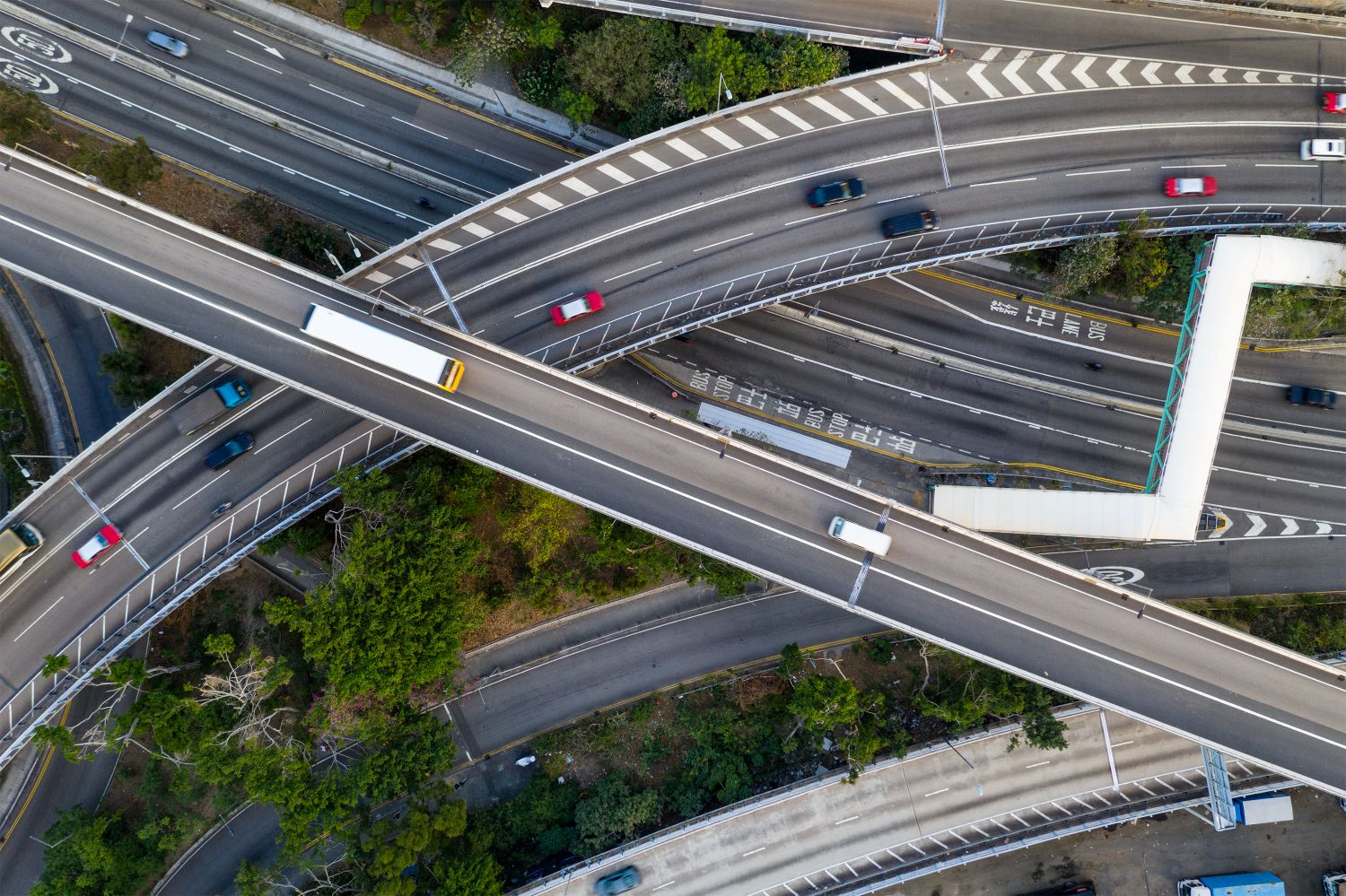
Visoje ES vyriausybės ir infrastruktūros institucijos investuoja į integruotus logistikos koridorius - tolimus daugiarūšio transporto maršrutus, skirtus veiksmingiau gabenti krovinius per sienas, mažinant spūstis, išmetamųjų teršalų kiekį ir spaudimą keliams. Vežėjams šie koridoriai nėra abstrakti politinė sąvoka. Jie jau daro įtaką tam, kur sunkvežimiai gali važiuoti, kaip planuojami reisai ir kokias technologijas turi įdiegti transporto parkai.

Tarptautinių maršrutų operatoriams tampa labai svarbu suprasti, kaip šie koridoriai veikia ir ką jie reiškia praktiškai.

Kas yra integruoti logistikos koridoriai?

Europoje integruoti logistikos koridoriai yra ES transeuropinio transporto tinklo (TEN-T) dalis. Ši ilgalaikė programa skirta sujungti valstybes nares koordinuota kelių, geležinkelių, uostų ir vidaus vandenų infrastruktūra.

Šios sistemos pagrindas yra devyni pagrindinio tinklo koridoriai: 1. Baltijos-Adrijos 2. Šiaurės jūra-Baltija 3. Viduržemio jūra 4. Rytai-Rytų Viduržemio jūra 5. Skandinavija-Viduržemio jūra 6. Reinas-Alpės 7. Atlanto vandenynas 8. Šiaurės jūra-Viduržemio jūra 9. Reinas-Dunojus

Šiais koridoriais siekiama integruoti kelių, geležinkelių ir uostų sistemas, o ne jas laikyti atskiromis sistemomis. Todėl yra suderinti infrastruktūros standartai, skaitmeninės sistemos ir veiklos taisyklės, leidžiančios kroviniams sklandžiau judėti nuo kilmės iki paskirties vietos.

Kaip veikia integruoti koridoriai

Trumpai tariant, juose pirmenybė teikiama multimodaliniam krovinių vežimui. Tai gali reikšti, kad konteineriai sklandžiai perkeliami iš vieno laivo, geležinkelio ir sunkvežimio į kitą arba puspriekabės pakraunamos į traukinius daliai kelionės ir tik tada grįžta į kelių tinklą.

Vienas iš pavyzdžių - [riedėjimo greitkeliai] (https://en.wikipedia.org/wiki/Rolling_highway), kai visos sunkiasvorės krovininės transporto priemonės gabenamos žemagrindžiuose geležinkelio vagonuose. Vairuotojai dažnai keliauja kartu su savo transporto priemonėmis, o kitame gale tęsia kelionę keliais. Nors jie paprastai siejami su Alpių regionais, Ispanija daug investuoja į naujų riedamųjų greitkelių plėtrą, kad pagerintų susisiekimą.

Kad toks koordinavimas būtų įmanomas, logistikos koridoriai labai priklauso nuo skaitmeninės infrastruktūros, įskaitant: * Multimodalinio eismo valdymo sistemos, kurios koordinuoja geležinkelio laiko tarpsnius, terminalų pajėgumus ir prieigą prie kelių. * Skaitmeniniai krovinių dokumentai, kad būtų mažiau popierizmo pasienyje ir terminaluose. * [Išmanieji tachografai] (https://snapacc.com/newsroom/second-generation-smart-tachographs-what-fleet-managers-need-to-know/) ir GNSS padėties nustatymas, padedantis užtikrinti atitiktį ir stebėseną. * Infrastruktūros operatorių, logistikos centrų ir vykdymo institucijų keitimasis duomenimis realiuoju laiku.

Tikslas - ne išbraukti krovinių vežimą keliais, bet padaryti jį platesnės ir labiau kontroliuojamos sistemos dalimi.

Kodėl atsirado logistikos koridoriai

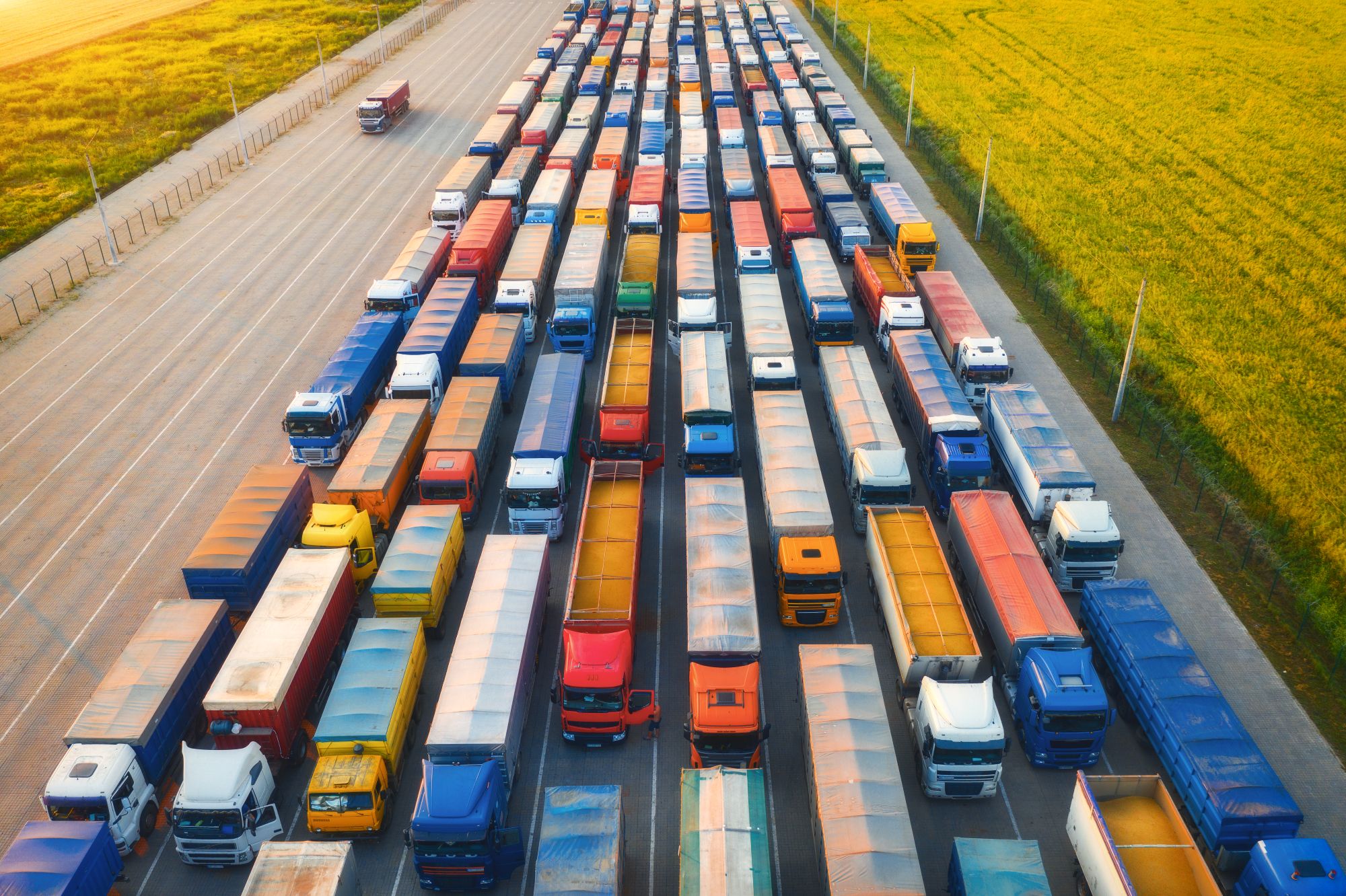
Pagrindiniuose Europos kelių maršrutuose vyksta intensyvus eismas, todėl susidaro spūstys ir kliūtys. Integruotais koridoriais siekiama sumažinti spaudimą, kai įmanoma, dalį krovinių perkeliant į geležinkelius arba vandens kelius.

Be to, naujausi duomenys rodo, kad kelių transportui tenka 73 proc. Europoje išmetamų šiltnamio efektą sukeliančių dujų. Integruoti koridoriai padeda siekti ES klimato tikslų, nes skatina naudotis kitomis transporto rūšimis, o tai pagerins eismo srautus ir sumažins spūstis, susidarančias sustojus ir sustojus.
Privalumai vežėjams

Vežėjams integruotų logistikos koridorių nauda yra apčiuopiama, jei ne tiesioginė. Vienas svarbiausių privalumų - labiau nuspėjamas tarpvalstybinis judėjimas. Ilgainiui sumažėja netikrumas dėl kelionės trukmės ir pagerėja tarptautinių maršrutų planavimas.

Koridoriai taip pat suteikia daugiau galimybių, kai susisiekimas tik keliais tampa ribotas. Riedantys greitkeliai ir įvairiarūšio krovinių vežimo terminalai gali tapti praktine alternatyva, kai susidaro spūstys, nepalankios oro sąlygos ar taikomi apribojimai.

Integruotos skaitmeninės sistemos taip pat pagerina kelionių matomumą, todėl parko vadovai gali tiksliau ir patikimiau planuoti poilsio pertraukas, patekimą į terminalus ir vairavimo valandas.

Tai turi ir komercinių pasekmių. Kai kurie operatoriai, perkeldami tolimojo susisiekimo maršrutus į geležinkelius ir palikdami kelių transportą pristatymui pirmuoju ir paskutiniuoju kilometru, gali apriboti savo poveikį mažo išmetamųjų teršalų kiekio zonoms ir patekimo į miestus apribojimams. Be to, sunkvežimiai, pririšti prie tolimųjų tarptautinių maršrutų, atlaisvinami trumpesniems, dažnesniems maršrutams, susijusiems su logistikos centrais ir terminalais.

Tuo pat metu, pašalinus iš kelionės brangiausius kilometrus, t. y. kilometrus, kuriems taikomi rinkliavos, spūstys ar apribojimai, galima sumažinti veiklos sąnaudas. Vežėjams, kurie pritaiko savo veiklos modelį, pelningumas tampa ne tiek susijęs su nuvažiuotu atstumu, kiek su efektyvumu, patikimumu ir gebėjimu teikti nuoseklias paslaugas per trumpesnį, labiau kontroliuojamą laiką.

Iššūkiai vežėjams

Nepaisant privalumų, integruoti logistikos koridoriai taip pat kelia naujų sunkumų vežėjams. Keliose Europos dalyse jau galioja sunkiasvorių krovininių transporto priemonių judėjimo apribojimai, įskaitant naktinius draudimus ir kvotomis grindžiamą patekimą. Plečiantis koridorių strategijoms ir didėjant aplinkosauginiam spaudimui, šios priemonės gali būti dar labiau paplitusios ir griežčiau taikomos, todėl gali atsirasti papildomų apribojimų planuojant maršrutus ir sudarant tvarkaraščius.

Pažanga įvairiuose koridoriuose taip pat nevienoda. Vieni maršrutai turi modernių terminalų ir atnaujintų geležinkelio jungčių, o kiti, pavyzdžiui, Reino-Alpių koridorius, kenčia dėl ribotų geležinkelio pajėgumų, perpildytų mazgų ir infrastruktūros spragų. Šiose vietovėse žadėtas efektyvumo didinimas gali būti apsunkintas dėl vėlavimų ir kliūčių, o ne išspręstas.

Šį iššūkį dar labiau apsunkina daugiarūšio transporto komplikacijos. Geležinkelio ir terminalų laiko tarpsniai dažnai susiję su išankstiniu užsakymu ir fiksuotais tvarkaraščiais, todėl sumažėja lankstumas, kuriuo tradiciškai pasikliaujama vykdant tik kelių transporto operacijas, kad būtų galima įveikti sutrikimus.

Skaitmeninė integracija kelia savų reikalavimų. Nors bendros duomenų sistemos, išmanieji tachografai ir elektroniniai dokumentai užtikrina ilgalaikį efektyvumą, reikia iš anksto investuoti į suderinamas transporto priemonių parko valdymo priemones, taip pat reikia mokyti vairuotojus ir keisti procesus. Kai kuriems operatoriams šis perėjimas gali pareikalauti daug išteklių.

Tačiau bene didžiausias iššūkis yra konkurencija. Integruotuose koridoriuose pirmenybė teikiama tiems operatoriams, kurie gali krovinius vežti nuspėjamai, skaitmeniniu būdu ir įvairiomis transporto rūšimis. Mažesnius arba tik kelių transporto operatorius gali spausti didesni laivynai, įvairiarūšio transporto specialistai arba logistikos integratoriai, siūlantys kompleksinius koridorių sprendimus.

Ką tai reiškia laivyno planavimui

Tarptautiniams vežėjams integruoti koridoriai turi įtakos planavimui. Maršrutų pasirinkimas nebėra susijęs tik su atstumu ir rinkliavomis. Jis apima:

  • Įvertinti, kur gali būti ribotas privažiavimas keliais.
  • Intermodalinių alternatyvų nustatymas.
  • Vairuotojų gerovės valdymas ilgesniuose ir sudėtingesniuose reisuose.
  • Užtikrinti, kad būtų laikomasi kelių sistemų ir jurisdikcijų reikalavimų.

Transporto laivynai, kurie supranta, kaip veikia šie koridoriai, ir atitinkamai planuoja, galės geriausiai prisitaikyti prie griežtėjančių taisyklių ir didėjančių lūkesčių.

Kur SNAP gali padėti

Integruoti logistikos koridoriai keičia transporto judėjimą Europoje. Jie suteikia daugiau galimybių didinti efektyvumą ir atsparumą, tačiau vežėjams taip pat suteikia naujų veiklos ir reguliavimo sudėtingumo sluoksnių. Kadangi kelių transportas tampa vis glaudžiau integruotas su geležinkeliu, uostais ir skaitmeninėmis sistemomis, vairuotojų gerovė, planavimo tikrumas ir galimybė naudotis patikima infrastruktūra yra svarbesni nei bet kada anksčiau. Transporto parkų vadovams reikia aiškaus matomumo ir išlaidų kontrolės, taip pat užtikrintumo, kad vairuotojai gali saugiai sustoti ir pailsėti.

Naudodamiesi saugių ir patikimų sunkvežimių stotelių tinklu bei integruotais mokėjimo sprendimais, palengviname vairuotojų ir operatorių gyvenimą kelyje. [Užsiregistruokite šiandien] (https://snapacc.com/sign-up/)
Dalytis su

Kiti taip pat skaito...

Header Image

antradienis 28 balandžio 2026 • Pramonės naujienos

KAIP ĮTAMPA DĖL IRANO GALI PAVEIKTI EUROPOS LOGISTIKĄ

Lucy Mowatt

Geopolitical conflict rarely stays confined to the region where it began. In global logistics, disruption in one part of the world can quickly ripple through supply chains thousands of kilometres away.That is the reality as tensions escalate around Iran and the Strait of Hormuz – a narrow shipping channel between Iran and Oman that serves as one of the world’s most important transport corridors.Roughly passes through the strait, alongside large volumes of liquefied natural gas and other commodities. When shipping through this corridor slows or stops, the consequences are felt around the world.For transport operators in Europe, the effects are already beginning to emerge through rising fuel costs, rerouted shipping traffic and growing uncertainty in global supply chains. have already begun avoiding routes close to the Strait of Hormuz due to that transit is not allowed and that the area is unsafe. Vessels passing through or caught up in military action. Instead, they are diverting vessels via the at the southern tip of Africa. Although this avoids high-risk zones, it also adds thousands of miles to many journeys.For global supply chains, the effects are clear: Longer transit times Increased fuel consumption for vessels Higher freight costs for cargo ownersWhat begins as a maritime disruption often ends up affecting inland logistics once delayed cargo finally reaches European ports. This creates a “feast or famine” effect: periods with little cargo to move followed by sudden surges when multiple vessels arrive at once.Energy markets have been shaken by activity in the Strait of Hormuz.Because the waterway handles such a large share of global oil exports, any disruption immediately affects expectations about future supply. Even short-term interruptions can cause price volatility across international markets.For road transport, the implications are immediate. Diesel remains the primary fuel for most commercial fleets across Europe; sudden price increases can quickly affect operating margins.Early signals of this shift are already visible. According to, Spain’s carrier federation Fenadismer reports that in the 10 days following the outbreak of the conflict in Iran, diesel prices in Spain rose by more than 30%, reaching about €1.80 per litre.For haulage operators, this kind of volatility creates difficult planning conditions. Fuel often represents one of the largest operational costs for a fleet, and sudden increases can affect everything from freight rates to contract negotiations.Insurance markets respond quickly when geopolitical risks escalate.When tensions rise in maritime corridors, insurers may or otherwise alter policy wording. Ships travelling through or near those areas face higher premiums or additional surcharges for each voyage.These costs rarely remain confined to the shipping sector. Instead, they are passed through the logistics chain in the form of higher freight rates and increased transportation costs.Another, less visible consequence of shipping disruption is the impact on container availability.Global shipping depends on the circulation of containers between ports. When vessels are rerouted onto longer journeys, and take more time to return to export hubs.Over time, this can create imbalances across the global container system.Ports receiving delayed or diverted vessels may also experience when ships arrive, while exporters in other regions may struggle to secure empty containers for outbound cargo.For European freight operators, these disruptions can translate into irregular cargo volumes and more unpredictable container collection schedules.The disruption around the Strait of Hormuz comes at a time when global shipping routes are already under pressure.Since late 2023, instability in the Red Sea corridor – particularly around the Bab el-Mandeb Strait and the southern entrance to the Suez Canal – has forced many shipping companies to divert vessels away from the region.In response, numerous carriers began rerouting ships around the Cape of Good Hope, adding significant time to journeys between Asia and Europe.Now, with tensions affecting traffic near the Strait of Hormuz as well, the pressure on international shipping routes is intensifying.The combined disruption of the Strait of Hormuz and the Red Sea illustrates how dependent global logistics remains on a small number of maritime chokepoints. The Strait of Hormuz is critical for the global flow of oil and energy products. The Red Sea and Suez Canal corridor, meanwhile, is the primary maritime gateway for containerised goods moving between Asia and Europe.When instability affects either corridor individually, shipping networks can usually adapt by adjusting schedules or rerouting vessels.With the Red Sea still heavily disrupted and traffic through the Strait of Hormuz now sharply reduced, the system becomes far less flexible.With fewer safe passages available, containers on affected services remain in transit for longer period, tightening availability on some trade lanes.Although these disruptions start at sea, their consequences are ultimately felt on Europe’s roads.Fleet operators may encounter:Energy market instability can drive rapid changes in diesel prices.Delayed cargo arrivals can put pressure on logistics providers to move goods more quickly once shipments reach port.Insurance premiums, longer shipping routes, rising fuel prices and surcharges all contribute to increased transportation costs.Events around the Strait of Hormuz and the Red Sea highlight a growing reality for global logistics: supply chains now operate in an environment where geopolitical risk can quickly reshape trade routes.“Global logistics has always been interconnected, but events like these show just how disruption can reshape logistics networks,” says Nick Renton, Head of European Strategy & Business Development at SNAP. “Even when the initial crisis occurs thousands of miles away, the effects soon reach European supply chains through fuel prices, shipping delays and tighter delivery windows.“The fleets that adapt most effectively are those that plan for uncertainty – with flexible routes, better information and and rest when schedules change.”With access to reliable information and trusted truck parking across Europe, SNAP helps fleets and drivers stay flexible, plan ahead and keep journeys moving.

Header Image

trečiadienis 15 balandžio 2026 • Pramonės naujienos

KROVINIŲ VAGYSTĖS EUROPOJE: KODĖL JŲ DAUGĖJA IR KAIP LAIVYNAI GALI SUMAŽINTI RIZIKĄ

Guest

Cargo theft is a growing threat across Europe. What was once seen as an occasional disruption is now a more persistent and organised risk to road transport, affecting fleets, drivers and the wider supply chain. Reported losses and incidents have risen sharply, with one widely cited industry figure pointing to a in recent years. In alone, 557 cargo crimes were recorded across 38 countries in the TAPA EMEA Intelligence System, and even though values were disclosed for fewer than one in five incidents, those 100 cases still totalled more than €43 million.In this article, we explore the current trends and what fleet managers and operators can do to minimise their risks.Food and beverage shipments are among the most commonly targeted categories in Europe, accounting for . also rank highly. These goods are attractive because they are easy to move, easy to sell and often difficult to trace once they enter secondary markets.The recent on its way from Italy to Poland is a useful example. Nestlé said the missing load amounted to roughly 413,793 bars, showing how quickly a mainstream consumer shipment can become a target when moving across borders.These shipments are attractive targets for organised groups because they can be offloaded quickly, resulting in rapid returns. Cargo crime often happens while loads are moving. report found that hijackings accounted for 21% of incidents, while 41% of thefts happened in transit. That is a reminder that risk does not begin when a truck parks for the night. It can begin long before a vehicle stops for the night, particularly on exposed corridors or routes where load visibility and security controls are weaker.Parked vehicles remain a major point of vulnerability. In the UK, Munich Re reported that nearly half of all thefts take place at unsecured roadside parking and rest areas. Across Europe, unsecured roadside locations and rest areas continue to feature prominently in cargo crime reporting, especially where drivers have limited alternatives and secure sites are full.Some of the most concerning incidents show coordination. recently documented attacks in Germany in which dozens of trucks were targeted in a single night along the A1 corridor. In one November 2023 incident, 67 trucks had trailers slashed at service and rest areas including Ostetal South and Grundbergsee South. Similar attacks had already taken place on the same route months earlier.Germany remains one of the clearest hotspots, largely because of the scale of freight passing through the country. Analysis showed that in 2023, more than double France in second place. Other recurring hotspots include France, Italy, Spain and the United Kingdom. That pattern reflects the reality of European freight movement. Dense logistics networks, major freight hubs and heavily used motorways create more opportunities for organised criminals, especially when secure parking capacity fails to keep pace with demand.Munich Re warns that cargo thieves are increasingly using more sophisticated methods, including identity deception, cyber-enabled scams and other tactics that bypass traditional controls. Wider points to GPS jamming, paperwork manipulation and shipment diversion as part of that shift.A stolen load may now begin with compromised data, a fraudulent carrier, a diverted instruction or a vehicle whose movements can no longer be tracked properly. For fleets, that means theft prevention now involves more than physical security. It also requires tighter dispatch processes, better control over shipment data and clearer real-time visibility.The most obvious impact is financial. Stolen goods lead to lost goods, insurance claims and disruption. But the direct value of the missing load is only part of the problem. Delayed deliveries, vehicle damage, missed slots and customer dissatisfaction can all push the true cost much higher. There is also a human cost. Drivers may face intimidation, confrontation or the shock of discovering that their vehicle has been tampered with while they were resting. Even where there is no direct violence, exposure to insecure roadside stops creates stress, fatigue and a sense of vulnerability that can affect driver welfare and retention. Operationally, the knock-on effects spread quickly through the supply chain. A single theft can mean missed delivery windows, rerouted vehicles, stock shortages and added pressure on already stretched teams. For temperature-sensitive, time-critical or high-value loads, the consequences can multiply fast.There is no single fix, but fleets can reduce exposure with a more structured approach to planning, parking and security.Secure parking remains one of the clearest areas for improvement. TAPA’s Parking Security Requirements framework provides an internationally recognised benchmark for secure truck parking, helping operators assess which locations offer stronger protection for vehicles, loads and drivers. Choosing accredited sites will not eliminate cargo theft, but it can significantly reduce the opportunity for organised criminals to strike.In practice, that may mean stopping earlier than planned to reach a safer site rather than pushing on to an unsecured lay-by. While that can feel less efficient in the moment, it is often the more resilient choice.For fleets, the challenge is not just knowing secure parking matters but being able to access it easily. SNAP helps bridge that gap by giving drivers and operators better visibility of trusted parking options across the UK and Europe, making it simpler to plan and reserve safer stops from the outset.Read more: Cybersecurity now sits alongside physical security in any serious theft-prevention strategy. Tracking, geofencing and anti-jamming tools can all help, but only if they are backed by clear processes. Fleets should review how shipment data is shared, who can alter route instructions, how delivery paperwork is verified and what happens if a vehicle suddenly disappears from view. Drivers are often the last line of defence, but they should not carry the burden alone. Clear escalation procedures, regular check-ins, secure rest planning and training on suspicious activity all matter. One of the biggest structural issues behind cargo theft is the shortage of secure truck parking. When drivers cannot find protected sites with proper lighting, access control and welfare facilities, they are more likely to end up in the very locations thieves are already targeting. SNAP has trained working to accredit more parking sites across the UK and continental Europe, helping expand the availability of secure truck parking and reduce opportunities for organised theft.For fleets, the challenge is not just understanding risk, but building safer stopping decisions into everyday operations. At SNAP, we help drivers and operators identify trusted parking options across the UK and Europe, making it easier to plan routes with security and driver welfare in mind.

Header Image

trečiadienis 11 kovo 2026 • Pramonės naujienos

SUNKVEŽIMIŲ STOVĖJIMO AIKŠTELĖS EUROPOJE: TAISYKLĖS, SPRAGOS, RIZIKA

Guest

Ask most fleet operators what makes life harder than it needs to be and you’ll hear the same answer across Europe: truck parking.Drivers have to stop. Hours rules and rest requirements make that non-negotiable. But on many of Europe’s busiest transport corridors, finding a safe, legal place to park is still uncertain. Capacity is low, security varies widely and most urban hubs aren’t built with HGVs in mind.That pressure has consequences. When designated areas are full, drivers are pushed towards places that were never intended for HGV parking: slip roads, access ramps and industrial estates. Compliance becomes a choice between two risks: stop where you shouldn’t, or keep driving when you shouldn’t.When truck parking overflows into unsuitable places, the environment becomes dangerous: poor visibility, high speeds, unpredictable manoeuvres and limited escape routes. starkly in February 2026, reporting fatal crashes in Germany and Belgium involving stationary lorries. The article challenges the easy explanation of “illegal parking” and points back to the underlying cause: drivers were out of driving time and the spaces were gone.In addition, a shortage of truck parking in Europe doesn’t just mean “no space”; it often means the only available space is poorly lit, unmonitored and isolated. That elevates the risk of theft and driver harm, which can have a knock-on effect for supply chain reliability.Poor parking provision also affects workforce sustainability. When drivers face uncertainty around legal, safe stopping, it makes the role harder and less attractive – compounding .For a long time, the conversation about truck parking focused on enforcement: where you can’t park and the penalties that follow. Increasingly, the focus is moving towards provision: where drivers can stop safely, reliably and legally. Under revised Trans-European Transport Network (TEN-T) rules, EU Member States must ensure the development of certified secure parking . The same requirement sets expectations for the location of truck parking. It must be immediately on the network or within 3km of an exit, which will have benefits for route planning. Alongside this shift, the European Commission positions safe and secure truck parking as a priority within its Intelligent Transport Systems work, including the need for to help drivers locate suitable sites.But the EU isn’t just asking Member States to add more truck parking spaces. It’s also defining what “safe and secure” means. In April 2022, the European Commission adopted EU standards for , categorising sites into four security levels: bronze, silver, gold and platinum. The intention is to create transparency for drivers and fleets, and to support investment by giving operators a clear target to design and audit against.This sits against a significant capacity gap. A European Commission study estimates a across the bloc, with the gap potentially rising towards half a million by 2040 if the network does not scale at the pace freight demand requires.Looking at more practical aspects of the situation, what are HGV parking rules and regulations in Europe?At first glance, HGV parking rules across Europe look consistent: Motorways are not designed to absorb overflow parking. Hard shoulders exist for emergencies and safety buffers. Access ramps are not for planned stopping.Urban areas add a layer of complexity. Local restrictions and enforcement are common because HGV parking competes with residents, retail and public space – and because badly parked vehicles create safety risks.Rules around HGV parking in the UK are clear. Trucks should use designated areas such as motorway services, truckstops and lorry parks. Conversely, drivers must avoid parking in locations that create risks, such as pavements, verges and central reservations. Restrictions around parking in residential areas vary by local authority, so it’s vital to check if this is unavoidable. The major constraint is supply. The RHA’s estimate of an , with very high utilisation on key routes, helps explain why informal and unsafe parking persists even where drivers know it isn’t ideal. In 2022, the Department for Transport across England, aimed at better rest areas and more secure parking, framed as part of a broader programme to improve roadside facilities.In Germany, motorway stopping rules are anchored in the (StVO), which makes clear that stopping on the autobahn – including the hard shoulder – is prohibited except in emergencies. That means running out of driving time is not treated as justification. Fines increase if obstruction or danger is caused, and enforcement is active on heavily used corridors. Poland follows the familiar motorway rule that hard shoulders are reserved for breakdowns and emergencies. The nuance appears within cities, where tonnage-based entry restrictions and are common. Overnight HGV parking in urban areas can require municipal approval and enforcement varies between municipalities. For cross-border fleets, that means treating urban stopping as permission-led rather than assumed.France reinforces the same principle through the . Articles R417-9 and R417-10 classify dangerous or obstructive parking offences, and stopping on autoroute carriageways or shoulders is prohibited except in cases of absolute necessity. Penalties can include fines and licence points.However, publishes dedicated information for secure truck parking on its network, reflecting how motorway operators guide HGV stopping into appropriate locations.Spain’s prohibits stopping on motorway shoulders except in emergencies, aligning with broader European practice. Additional complexity lies at municipal level. Many cities operate local overnight bans or restrict HGV parking to designated industrial zones, with enforcement handled by local police rather than motorway authorities. That creates a layered compliance environment: legal on the motorway network does not automatically mean legal in urban areas.To highlight positive developments, that a truck parking facility in La Jonquera became the first in Spain to receive TAPA certification, describing measures such as controlled access, fencing, lighting and continuous monitoring.Italy distinguishes clearly between motorway carriageways, ramps and designated service areas. Stopping on access or exit ramps is explicitly prohibited, and enforcement around motorway infrastructure is consistent. Importantly, Italy differentiates between aree di servizio (full service areas with facilities) and simpler rest or parking lay-bys, which may not support overnight welfare needs. However, Italy is also seeing new secure truck parking developments focused on welfare and security, reflecting the wider European momentum towards better provision.Across Europe, an additional regulatory layer now shapes truck parking decisions: Low Emission Zones (LEZs) and restricted urban traffic zones. Cities in France (Crit’Air), Germany (Umweltzonen), Spain (Zonas de Bajas Emisiones) and Italy (ZTL areas) impose vehicle-class or permit requirements that can apply even to stationary vehicles within the zone. A driver who parks overnight in a restricted area without the correct classification or registration risks fines – even if the stop itself is otherwise legal. Across Europe in 2026, the rules are clear. The constraint is capacity, especially near urban hubs and on high-volume corridors. For fleets, this has a practical impact: European truck parking can’t be left to chance at the end of a shift. It needs to be planned with the same seriousness as , routing, driver hours and security – because when the network fails to provide legal space, every other compliance system gets squeezed.SNAP can help. .