Guest
Nieuws en updates • 4 min lezen

Voorschriften voor rijden in de winter in het VK en de EU: Wat wagenparkbeheerders moeten weten

Gemaakt: 27-10-2025

Bijgewerkt: 27-10-2025

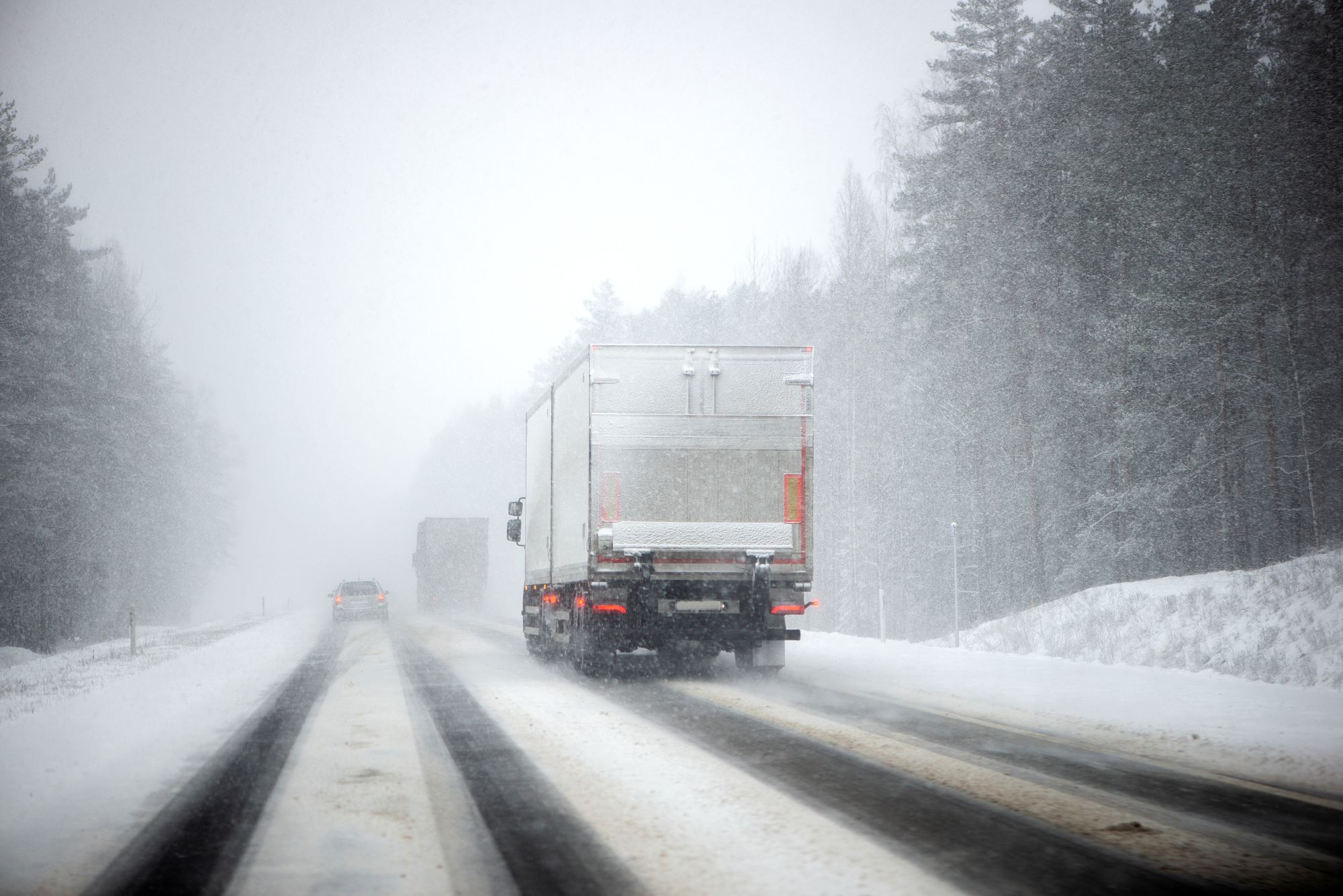
Als de temperaturen dalen, vereisen de Europese wegen meer dan alleen vaardigheid achter het stuur. Ze vragen om voorbereiding, bewustzijn en naleving van een complexe lappendeken van wintervoorschriften die per land verschillen. Voor wagenparkbeheerders die in het Verenigd Koninkrijk en de EU vrachtwagens en trucks besturen, is het van vitaal belang om deze regels te begrijpen om boetes, stilstand of - erger nog - ongelukken als gevolg van onvoldoende voorbereiding te voorkomen.

In dit artikel worden de belangrijkste vereisten voor de winter uiteengezet - van banden en zichtbaarheidregels tot de nieuwste verlichting, voorruiten en snelheidsbepalingen - en wordt uitgelegd hoe wagenparken aan de regels kunnen blijven voldoen en veilig kunnen rijden, waar ze ook zijn.

Banden en kettingen

In het grootste deel van Europa is er een verschuiving in de richting van 3PMSF-banden (Three-Peak Mountain Snowflake) als erkende norm voor winterprestaties. Zware voertuigen van meer dan 3,5 ton GVW moeten deze banden nu op de aangedreven en gestuurde assen monteren in landen als [Duitsland] (https://trans.info/en/truck-winter-tyre-400469), Zwitserland en [Zweden] (https://www.saloodo.com/blog/winter-tyres-2024/).

Hoewel 3PMSF-banden betrouwbare grip bieden in koude of matig besneeuwde omstandigheden, kunnen ze wettelijk gezien geen sneeuwkettingen vervangen wanneer dit wettelijk of door verkeersborden wordt vereist. Voor wagenparken die in bergachtig terrein rijden, blijft het dragen van sneeuwkettingen een essentieel onderdeel van de wintergereedheid.

Het is belangrijk om te weten dat M+S-banden (modder- en sneeuwbanden) geleidelijk worden afgeschaft. In Duitsland werden M+S-banden die vóór 1 januari 2018 waren geproduceerd, geaccepteerd tot 30 september 2024. Vanaf oktober 2024 zijn alleen nog banden met het Alpine (3PMSF) symbool toegestaan in winterse omstandigheden. M+S-banden worden alleen nog wettelijk geaccepteerd als overgangsuitrusting in enkele zuidelijke of oostelijke staten.

In Oostenrijk zijn winterbanden verplicht tussen 1 november en 15 april, met een [minimale profieldiepte] (https://www.oesterreich.gv.at/en/themen/mobilitaet/kfz/10/Seite.063320) van 5 mm (radiaal) of 6 mm (diagonaal) voor zware vrachtwagens.

De Franse "bergwet" (Loi Montagne II) dwingt winteruitrusting af in de Alpen en Pyreneeën van 1 november tot 31 maart.

In Italië zijn [winterbanden of sneeuwkettingen] (https://www.europe-consommateurs.eu/en/travelling-motor-vehicles/motor-vehicles/winter-tyres-in-europe.html) verplicht tussen 15 november en 15 april op bewegwijzerde regionale en bergroutes.

In sommige oostelijke en Balkanregio's - zoals Roemenië en Bosnië-Herzegovina - moeten voertuigen van meer dan 3,5 ton ook een schep en zand bij zich hebben voor tractie en veiligheid.

Ga naar de websites van de overheid voor de nieuwste regels en voorschriften.

Normen voor verlichting en zichtbaarheid

Vanaf 1 januari 2025 moeten nieuwe opleggers en zware aanhangwagens beter zichtbaar zijn. Opleggers [moeten zijn uitgerust met zijverlichting] (https://www.tralert.com/en/blog/regulations-truck-semi-trailer-lighting/) die synchroon knippert met de richtingaanwijzers om de zijzichtbaarheid te verbeteren.

Voertuigen langer dan 6 meter moeten op gepaste afstanden zijmarkeringen hebben, terwijl voertuigen breder dan 2,1 meter contourverlichting moeten gebruiken - continue witte en rode contourlichten die 's nachts de vorm van het voertuig volgen om de lengte en breedte duidelijk te maken aan andere weggebruikers.

Verplichte verlichting voor vrachtwagens omvat:

Koplampen (dimlicht en grootlicht)

Achter- en remlichten aan beide zijden

Mistachterlichten

Reflectoren en achteruitrijlichten

Dagrijverlichting is sinds 2012 [verplicht] (https://road-safety.transport.ec.europa.eu/eu-road-safety-policy/priorities/safe-vehicles/daytime-running-light_en) op vrachtwagens. Gebruiksregels verschillen per land.

Voor elke rit moeten bestuurders ervoor zorgen dat alle lichten, reflectoren en nummerplaten schoon en sneeuwvrij zijn; als ze dit niet doen, kan dit leiden tot boetes of strafpunten.

Snelheid, weggedrag en spijkerbanden

Specifieke snelheidsbeperkingen voor de winter variëren in de EU, maar wees altijd voorzichtig.

Oostenrijk beperkt voertuigen met spijkerbanden tot 80 km/u buiten de bebouwde kom en 100 km/u op snelwegen en vereist een zichtbare "spijkerbanden" badge. Spijkerbanden zijn niet toegestaan op voertuigen zwaarder dan 3,5 ton.

In Duitsland betekent de wet "gepaste snelheid" dat zelfs binnen de aangegeven limieten een te hoge snelheid op gladde wegen een overtreding kan zijn volgens het Duitse verkeersreglement.

Weerspecifieke verboden kunnen ook van toepassing zijn. In verschillende Alpenregio's en regio's in het oosten kunnen vrachtwagens bij windsnelheden van meer dan 100 km/u van bergpassen of onbeschutte bruggen worden geweerd of tijdelijk worden geweerd van routes met ijzel of lawinegevaar.

Voorruiten, spiegels en zicht

Zichtbaarheid is niet optioneel - het is wettelijk verplicht. Bestuurders moeten alle sneeuw en ijs van voorruiten, spiegels, daken en lichten verwijderen voordat ze vertrekken. Sommige landen beboeten bestuurders wanneer sneeuw of ijs van daken in het verkeer glijdt - in Duitsland, Zwitserland, Oostenrijk en andere rechtsgebieden gelden boetes.

Om hieraan te voldoen, moeten vloten:

Onderhoud ruitenwissers en ontwasemers.

Gebruik sproeiervloeistof voor de winter, getest tot -20°C.

Controleer de verwarmde spiegels dagelijks.

Zorg ervoor dat in elke cabine sneeuwruimgereedschap (schop, borstel en grit) aanwezig is.

VK vs EU

Hoewel de Britse wetgeving winterbanden niet expliciet voorschrijft, hebben bestuurders wel een zorgplicht volgens de Health and Safety at Work Act 1974 en de Road Vehicles (Construction and Use) Regulations. De DVSA adviseert dat banden een profieldiepte van [minstens 1 mm voor vrachtwagens] moeten hebben (https://www.gov.uk/government/publications/tyre-defects-and-damage-hgvs-buses-and-trailers/tyre-defects-and-damage-hgvs-buses-and-trailers). Als er niet voor wordt gezorgd dat de banden geschikt zijn voor de omstandigheden, kan dit leiden tot een handhavingsactie wegens onveilig gebruik.

Voor vloten die de EU binnenkomen, gaan de verplichtingen over op de lokale winterklaar-wetgeving zodra ze de grens oversteken. Niet-naleving kan leiden tot stilstand langs de weg, boetes of verzekeringscomplicaties bij een ongeval.

Uw wagenpark voorbereiden op de winter

Wagenparkbeheerders moeten een checklist voor winterklaarheid gebruiken die verder gaat dan banden:

Controleer de regelgeving voor de landen waar de chauffeurs doorheen reizen

Monteer 3PMSF-banden op de stuur- en aandrijfassen.

Goedgekeurde sneeuwkettingen dragen

Reinig en controleer alle lichten, reflectoren en sluitringen

Voorraad winterkits voor noodgevallen (eerste hulp, schop, reflecterende jassen)

Herzie routeplanning voor kortere daglichtvensters

Controleer dagelijks de accu's en luchtremvochtigheidsvallen

● Inspecteer de deurafdichtingen en ruitenwisserbladen op slijtage

Plan opfriscursussen voor chauffeurs over remmen bij koud weer, snelheidsbeheersing en het monteren van kettingen.

De intruck app van SNAP biedt toegang tot boekbare, goed verlichte en beveiligde vrachtwagenparkeerplaatsen - van cruciaal belang voor de veiligheid 's nachts tijdens winteronderbrekingen. Chauffeurs kunnen de faciliteiten van tevoren vinden, zodat ze een warme nachtrust hebben binnen de maximale rijtijden.

Veilig en compliant blijven

In het Verenigd Koninkrijk en de EU brengt de winter niet alleen sneeuw, maar ook een scherpere focus op naleving. Van 3PMSF-banden en sneeuwkettingen tot normen voor verlichting, snelheid en zichtbaarheid, vloten moeten alert blijven op lokale variaties die kunnen verschuiven binnen grenzen of bergketens.

Door het wagenpark gestructureerd te controleren, updates van de Europese Commissie en DVSA te volgen en voertuigen voor elke omstandigheid uit te rusten, kunnen operators hun chauffeurs en leveringen tijdens het ergste seizoen beschermen.

SNAP werkt samen met vloten om dit gemakkelijker te maken - door chauffeurs in contact te brengen met betrouwbare rustlocaties, beveiligde parkeerplaatsen en compliance tools die ervoor zorgen dat het transport veilig blijft rijden in de winter van 2025. Meer informatie vandaag
Deel naar

Anderen lezen ook...

Header Image

woensdag 25 maart 2026 • Nieuws en updates

HOE VOORSPELLENDE SYSTEMEN DE LEVERINGSONZEKERHEID TEMMEN

Evelyn Long

Delivery operations rarely unfold exactly as planned. Even the most carefully designed logistics schedules must contend with an unpredictable world. Travel congestion can add hours to a route, severe weather can delay entire regions and a single vehicle breakdown can disrupt dozens of deliveries scheduled throughout the day. When these disruptions occur, they often create a chain reaction that affects drivers, warehouses, customers and operational costs. For companies that operate fleets, whether they deliver packages, medical supplies, food or construction materials, this uncertainty can significantly impact business performance. Missed delivery windows frustrate customers and can damage brand reputation. Delays can also increase fuel costs, overtime pay and operational inefficiencies. In industries where margins are tight, even small disruptions can add up quickly.What makes delivery uncertainty especially challenging is how interconnected modern logistics networks have become. A delay at one point in the system can ripple outward, affecting multiple routes and schedules. Without the right tools to anticipate and manage these disruptions, businesses are often forced to react in real time, which can lead to rushed decisions and inefficient solutions.One of the key technologies helping organisations manage delivery uncertainty is the Internet of Things (IoT). IoT refers to networks of connected devices, such as sensors, GPS trackers and telematics systems, that connect and transmit real-time data from vehicles, equipment and infrastructure. In fleet operations, IoT devices can monitor a wide range of conditions. GPS tracking for vehicles on the road. Engine sensors can track vehicle performance and detect early signs of mechanical issues. Temperature sensors can ensure that sensitive cargo remains within required conditions during transit. Together, these data streams create a detailed picture of what’s happening across an entire delivery network. This level of visibility is essential for managing uncertainty. When managers can see where vehicles are, how they’re performing and whether any issues are developing, they can respond much faster. Instead of discovering a problem hours later, they can address it as soon as the warning signs appear. In many cases, this visibility also feeds into predictive systems that analyse the data and forecast potential disruptions before they occur. While IoT provides the data, AI offers the intelligence needed to interpret it. AI systems analyse large volumes of operational information, including traffic patterns, weather forecasts, vehicle performance metrics, delivery history and route efficiency. By identifying patterns in this data, to occur and recommend adjustments. For example, predictive algorithms can analyse historical traffic conditions along a delivery route and estimate when congestion is likely to occur during certain times of day. If the system detects that a particular route will likely experience delays, it can suggest an alternative path before the driver even leaves the depot. Similarly, AI-driven maintenance systems can analyse engine data and identify early warning signs of mechanical problems, allowing repairs to be scheduled before a breakdown occurs on the road. Predictive systems work best when they combine data from multiple sources and translate that information into actionable insights. In a fleet environment, this often means integrating vehicle telematics, weather data, delivery schedules and live traffic information into a single predictive platform. When all of this data is analysed together, the system early. For example, if a severe storm is forecasted along a delivery route, the network can recommend adjusting departure times or rerouting drivers to avoid affected areas. If sensors detect that a vehicle component is likely to fail soon, it can schedule maintenance during planned downtime rather than allowing a breakdown to disrupt deliveries. Over time, these predictive adjustments make delivery operations smoother and more efficient. Routes become more optimised because the system continually learns from previous trips. Maintenance becomes strategic because vehicles are rather than fixed schedules. Even warehouse operations can improve, since more accurate delivery predictions allow teams to better coordinate loading and unloading processes. Beyond preventing disruptions, predictive systems also help fleets operate more efficiently. Businesses that have access to reliable forecasts and operational insights can plan routes, staffing and vehicle usage with greater precision.For instance, predictive analytics can identify patterns in delivery demand, allowing companies to allocate resources where they’re most needed. If certain routes consistently experience delays during specific hours, schedules can be adjusted to avoid those peak periods. Fuel usage can also be optimised by identifying more efficient routes or driving patterns. Over time, these incremental improvements add up. Vehicles spend less time idling in traffic, drivers spend more time completing deliveries rather than waiting or rerouting, and customers receive more accurate delivery estimates, and satisfaction. Another key benefit of predictive technology is the ability to monitor and control systems remotely. As connected devices become more common, consumers and businesses expect this level of oversight and convenience. A survey found that smart garage door openers consider remote monitoring and control to be a crucial feature. While this statistic relates to residential technology, it highlights a broader shift in expectations. People increasingly value the ability to check on systems, receive alerts and manage operations from anywhere. The same mindset is becoming more important in professional logistics environments. Fleet managers want to see vehicle locations in real time, receive notifications about potential issues and make adjustments without needing to be physically present. Predictive systems support this capability by turning complex operational data into clear, actionable insights that can be assessed remotely. While predictive systems provide clear advantages, they also introduce new considerations that businesses must address. In 2024, the of suspected internet crime. As fleets become more connected and reliant on digital platforms, cybersecurity becomes increasingly important. IoT devices, cloud platforms and AI-driven systems all rely on network connectivity and data exchange. Systems that aren’t properly secured could become targets for cyberattacks. A compromised system could disrupt operations, expose sensitive data or interfere with fleet management tools.Delivery uncertainty may never disappear entirely, but predictive systems are making it far more manageable. By combining IoT connectivity with AI-driven analytics, fleet operators can gain deeper visibility into their operations and anticipate problems before they disrupt schedules. As these technologies continue to evolve, they will play an important role in helping fleet-based businesses reduce uncertainty, streamline operations and deliver a more consistent experience for their customers.Discover more from

Header Image

woensdag 11 maart 2026 • Nieuws en updates

PROACTIEVE TIPS VOOR DE VEILIGHEID EN PRESTATIES VAN HET WAGENPARK IN ELK SEIZOEN

Guest

Fleet performance rarely unravels overnight. It slips through small oversights — a missed service interval, worn tread or a delayed depot repair. As a UK fleet manager, the cost of reacting late shows up in downtime, higher insurance premiums and risk to your reputation.Your proactive, seasonal strategy protects the vehicles, drivers and infrastructure before temperature-triggered issues escalate. Align maintenance cycles with weather patterns, operational peaks and compliance demands. Your fleet will be steadier, safer on the road and reduce unwelcome surprises.Reactive fleet management costs you more. Emergency repairs can disrupt tight schedules, strain budgets and frustrate even the best drivers. In contrast, effective forward planning can reduce unplanned downtime and extend vehicle life cycles.Predictive maintenance and seasonal checks are strategic in supporting compliance. The Driver and Vehicle Standards Agency can for roadworthiness at any time, not just during the annual inspection. A prevention-first culture demonstrates your team’s due diligence and strengthens your Operator Compliance Risk Score, without warning.Driver retention links closely to this mindset. Vehicles that are reliable in winter, maintain cabin comfort in summer and feel safe in poor weather send a clear message that your organisation values professionalism and safety.Longer daylight hours and increased road activity shift risk profiles. Construction zones expand, cyclists and pedestrians increase and higher temperatures stress mechanical systems.Introduce quarterly automobile network checks before weather changes set in.: Ensure all vehicles’ air conditioning systems operate efficiently. Comfortable drivers remain more alert and calm on long routes and in heavy traffic, while being hot and bothered behind the wheel fosters reckless driving. : Check radiators, coolant levels and hoses. Heat accelerates wear and can trigger overheating if systems run hot due to environmental factors. : Rising temperatures can affect tyre pressure. Confirm correct inflation and inspect for sidewall damage to reduce the risk of blowouts. Hot road surfaces also wear tyre tread more easily, affecting braking capacity. Reinforce safe driving techniques that consider sun glare, roadworks and higher traffic density. Consider installing tinted windshields when drivers face extreme light conditions.Heat amplifies even minor engine weaknesses. Address mechanical safety early, and you'll prevent mid-season breakdowns or disrupted delivery windows.Shorter days, heavy rain and icy surfaces demand that your team is on top of their game. Autumn brings leaves and debris that litter already-slick roadways, and winter compounds the challenge with frost and failing batteries. Prepare before these conditions set in to keep your mobile assets from deteriorating:: Inspect all headlights, brake lights and indicators. Replace worn wipers, top up the windshield washer reservoirs with de-icing chemicals rated for low-temperature use and add anti-freeze to radiators. : Confirm adequate grip depth on all wheels for additional safety on wet and icy roads and consider swapping to winter sets where routes justify the investment. This is also an ideal time to check your fleet’s tyre ages, as no commercial vehicle may be on the road in the UK with ago, which are considered unroadworthy. : Cold weather reduces battery efficiency. Test older units and replace those nearing the end of life. Trickle chargers help maintain truck batteries' charge when drivers must stop to meet their rest requirements. : Low light and adverse weather can trigger anyone's natural sleep instinct, so manage drivers' alertness levels. Review route planning and rest policies to reduce strain or assign two drivers on longer routes.Vehicle readiness supports road safety, yet infrastructure also plays a role. Poor depot lighting, icy yard surfaces or malfunctioning entry points can delay departures and create hazards before trucks even reach public roads.Mobile asset safety starts at the depot. Vehicles often sit for hours in storage yards or warehouses. A compromised facility exposes high-value assets to theft, weather damage and operational delay. Commercial lots or warehouses are vulnerable matter.Rolling doors and access points demand particular attention in the UK’s damp climate. Corrosion frequently begins at exterior door components, affecting guides and structural elements. Over time, degradation can trigger failures that halt departures or compromise security. Noncorrosive rolling doors made with , like stainless steel, provide safety for the fleet’s vehicles and secure valuable manifests at depots.Businesses operating in high-moisture or coastal environments should invest in corrosion-resistant products. Use cleaning agents and lubricants to prevent hinges and mechanisms from seizing up. Functional doors safeguard operations because a primary access door that fails during peak dispatch hours can result in vehicles missing slots and customer confidence slipping. Proactive facility maintenance reduces that risk.Broader property readiness matters, too. Seasonal inspections of drainage, roofing and external lighting strengthen operational continuity at all hours of the day. Thorough winter preparation should prevent structural and water-related damage. Treat your depot as part of the company's mobility ecosystem by securing doors and maintaining clean yard surfaces. Resilient infrastructure protects vehicles before they reach the road.Technology strengthens your seasonal planning. Telematics platforms provide a wealth of information, including identifying braking patterns, fuel efficiency shifts and early warning codes before faults escalate. Advanced driver-assistance systems add further safeguards, particularly in low-visibility conditions.Use AI to help you analyse data and create workflows that meet each season’s changing needs. Data-driven insights inform scheduling. Use analytics to identify recurring battery failures in cold-region trucks or cooling issues during summer peaks. Adjust the fleet's scheduled maintenance according to telematics guidance.Modern trucks with telematics can of data per minute from hundreds of sensors, which is only useful if you have the computing systems to extrapolate findings and trends that inform maintenance and performance schedules.Proactive company asset management evolves beyond checklists. It becomes a continuous improvement process informed by data, temperatures and infrastructure integrity.Seasonal transitions present predictable challenges from heat-stressing engines, cold-draining batteries and moisture corroding structural components. Increased traffic and vehicle use alter risk patterns.Address these variables before they disrupt your team’s operations. Align maintenance cycles with weather trends, reinforce driver training ahead of weather shifts and invest in resilient depot infrastructure.A fleet that anticipates change operates with confidence and performs consistently with improved safety metrics and decreased downtime. Those incremental advantages compound into measurable operational strength.

Header Image

maandag 26 januari 2026 • Nieuws en updates

UW VLOOTBUDGET VOOR 2026 VOORBEREIDEN OP DE (ON)VERWACHTE

Guest

Preparing your fleet budget goes beyond simple financial exercises. As a manager, you need strategic oversight to navigate economic headwinds and an evolving regulatory framework. It is essential to prepare your company for unexpected events, as these instances define operational stability and success. Here’s how to build a responsive budget and get ready for future challenges. Being a fleet manager means foreseeing both the predictable trends and significant uncertainties. The following seven strategies are designed to absorb shocks, adapt to change and build resilience. Your budget may have a fixed monetary amount each year. While simple, it could be too static when anticipating unexpected events. Make your financial planning more dynamic by allocating a specific percentage rather than a fixed amount. For instance, your emergency fund could be 5% of the total budget instead of $100,000 annually. Using a percentage is wise because it hedges against inflation. A fixed amount loses purchasing power over the years, whereas a percentage-based fund grows with the budget. You get automatic protection from marketwide surges. Consumer prices in the U.K. , though they can quickly fluctuate due to market conditions. Fleet managers used to determine their budgets based on acquisition prices. Now, they are focusing on budget stability and long-term strategies. Make your process more holistic by managing the total cost of ownership (TCO) and the cost per vehicle over their lifetimes. This approach makes you more meticulous and your budget more dynamic. Mastering TCO involves centralising your data and using dedicated fleet management software. This technology helps your business by and recommending conservation strategies. TCO also enables you to forecast the year for each vehicle based on historical information. Use this to make more informed acquisitions and save money. A volatile economic climate means you need to contain costs. Leverage your company’s position by reviewing supplier contracts and considering renegotiations before renewal. This strategy converts unpredictable expenses into more manageable line items. Your business partner may raise prices on essential goods, so your meetings should lock in prices for tyres and oil. Narrow your negotiation to key areas, such as pricing structure. Your primary focus should be fixed-price agreements for high-volume items and standard labour rates. Savvy fleet managers leverage their spending from the previous year to earn volume discounts and capped increases. These properly managed contracts insulate your business and transfer risk to suppliers. Risk management for your fleet budget also includes insurance optimisation. Managers should turn this annual exercise into an opportunity to protect their business from financial debilitation. The right policy is crucial because it protects against shocks that can result in third-party damage or injury. It also increases predictability by turning repair bills into known variables. Insurance optimisation requires a thoughtful, data-driven process. Give your broker a risk management portfolio to showcase positive trends, such as fewer speeding incidents or less harsh braking. If you have policy excess, ask your insurer to model the premium savings for a higher deductible. Therefore, you can save money on your monthly payment. Maintenance and repairs can be unpredictable and expensive. One breakdown on the M6 could require costly engine work or a transmission replacement. Be proactive by implementing structured service schedules. Beyond the manufacturer's guidelines, you should create detailed plans for each vehicle based on its usage and age. You can dive deeper by including motorway driving and city travel. Your maintenance schedule should also include daily tasks. For example, experts to prevent condensation formation. If the tank is close to empty, sediment buildup and pump damage may occur. Cleaning is another nonnegotiable daily chore, especially when driving over road salts and chemicals. Rinse off dirt and other contaminants before storing vehicles. Accidents are among the most unexpected parts of your fleet budget. Besides the crash, managers must also and solicitor fees. However, proper driver training can mitigate this cost by reducing its frequency. Targeted coaching helps operators understand defensive driving, hazard perception and the specific dynamics of their jobs. Investing in driver training is one element of risk control. Human driving can be unpredictable, but education transforms it into a more consistent variable. By improving your drivers, you also help your insurance premiums. An accident can raise rates, so proper training is one way to control costs. A decrease in incidents can be used as leverage in insurance negotiations. Fleets are becoming more connected as they transform into data hubs. Your vehicles can generate and store vast amounts of information, which is essential for management. However, the connectivity exposes the modern automobile to liabilities. Budget for cybersecurity to protect your assets from digital threats and prepare for the unexpected. Managing this part of your fleet budget involves protecting vehicle systems. You could invest in hardware and software solutions to create firewalls around your GPS and V2X communications. This strategy helps keep your software up to date and protected from external threats. Secure data transmission is another part of preparing for the unexpected. Forward-thinking managers invest in fleet management systems with end-to-end encryption. Before building a resilient operation, it is essential to understand why. You should budget for unexpected events to ensure continuity. If a vehicle breaks down, it could halt operations and delay services. However, planning for these incidents provides a buffer and safeguards your bottom line. All vehicles are subject to failure, so you are preparing for the physical reality. This strategy is also essential for the bigger picture. For instance, economic volatility is a factor outside your control. Sudden inflation, interest rate hikes and price increases are detrimental to static budgets. However, planning for unexpected costs helps absorb them. By accurately forecasting expenses, you build financial discipline and credibility with stakeholders.Building a dynamic budget demonstrates strategic leadership more than defensive measures. As you incorporate wise approaches, you fundamentally shift your organisation’s mindset and promote proactive control. The modern economic climate requires fleet managers to absorb shocks and mitigate asset failure. A strong budgetary framework lets you protect profit margins and guarantee continuity.Discover more from