Miranda Blake
Wiadomości i aktualizacje • 2 min read

Optymalizacja tras dzięki oprogramowaniu do zarządzania flotą - SNAP Account

Utworzony: 18.11.2024

Aktualizacja: 18.11.2024

Optymalizacja tras ma kluczowe znaczenie dla operatorów flot dążących do wydajności i opłacalności. SNAP Account zapewnia kompleksowe podejście do optymalizacji tras, zapewniając, że zarówno kierowcy, jak i menedżerowie floty mogą z łatwością poruszać się po skomplikowanych drogach. Przyjrzyjmy się różnym aspektom optymalizacji tras, podkreślając jej korzyści i ogólny wpływ.

Zrozumienie optymalizacji trasy

Optymalizacja tras obejmuje strategiczne planowanie ścieżek podróży w celu zwiększenia wydajności, obniżenia kosztów i poprawy świadczenia usług. Głównym celem jest określenie najlepszych tras dla pojazdów, biorąc pod uwagę takie czynniki jak odległość, wzorce ruchu i harmonogramy dostaw.

Znaczenie optymalizacji trasy

  • Redukcja kosztów:** Minimalizując dystans i czas podróży, firmy mogą znacznie obniżyć wydatki na paliwo i zużycie pojazdów.
  • Większe zadowolenie klientów:** Terminowe dostawy zwiększają zaufanie i zadowolenie klientów, prowadząc do ponownych transakcji.
  • Zwiększona produktywność:** Efektywne wyznaczanie tras pozwala kierowcom wykonać więcej zadań w krótszym czasie, zwiększając ogólną produktywność.

Kluczowe czynniki w optymalizacji tras

  • Warunki drogowe:** Dane w czasie rzeczywistym mogą pomóc w dynamicznym dostosowywaniu tras.
  • Możliwości pojazdu:** Zrozumienie ograniczeń i możliwości każdej ciężarówki jest kluczowe dla efektywnego planowania.
  • Okna dostaw:** Przestrzeganie określonych godzin ma kluczowe znaczenie dla zadowolenia klientów.

Optymalizacja trasy za pomocą konta SNAP

Nasze oprogramowanie do zarządzania flotą, SNAP Account, jest rewolucyjne. Zaprojektowane w celu usprawnienia różnych aspektów działalności, w tym optymalizacji tras, łączy kierowców, operatorów flot i dostawców usług za pośrednictwem zintegrowanej platformy. W rezultacie zapewnia płynną komunikację i wydajność.

Informacje o postojach ciężarówek w czasie rzeczywistym

Za pośrednictwem aplikacji intruck i naszej mapy zapewniamy dostęp do sieci ponad 600 partnerów serwisowych w całej Europie, w tym parkingów dla ciężarówek, myjni i stacji paliw. Takie informacje mogą pomóc operatorom flot w planowaniu bardziej efektywnych podróży poprzez identyfikację dogodnych lokalizacji postojów.
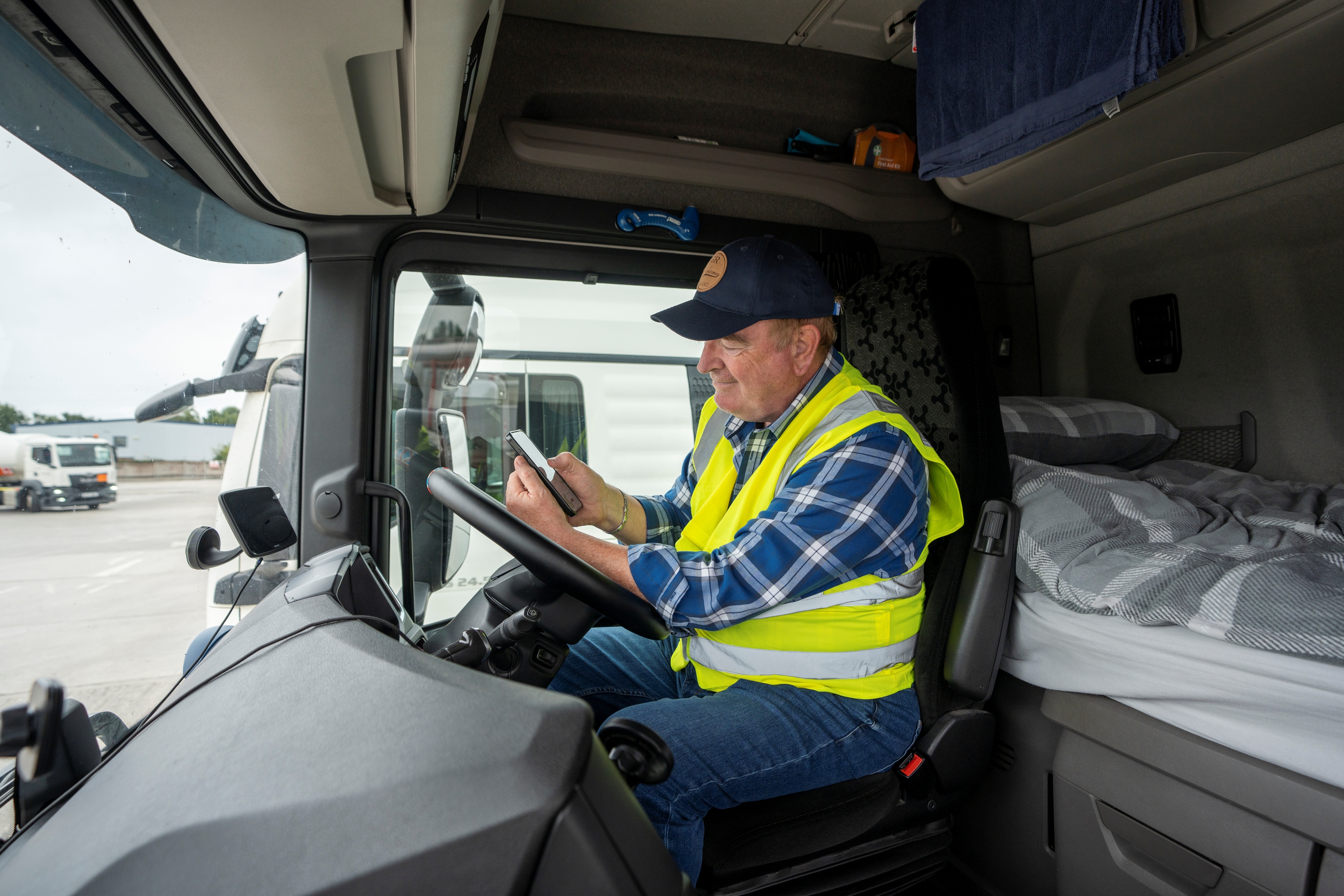
Kierowca ciężarówki w kabinie używający intruza

Możliwość wcześniejszej rezerwacji

Platforma pozwala użytkownikom rezerwować miejsca na ponad 160 parkingach depozytowych, co może pomóc im uniknąć marnowania czasu i potencjalnie zoptymalizować trasy, aby uwzględnić wcześniej zarezerwowane postoje.

Kompleksowa sieć usług

Dzięki SNAP Account kierowcy mają dostęp do różnych usług, takich jak parkowanie, mycie i tankowanie w wielu lokalizacjach w całej Europie. Ta rozległa sieć może przyczynić się do bardziej elastycznego i wydajnego planowania tras.

Zarządzanie cyfrowe

Nasz portal umożliwia operatorom flot zarządzanie wieloma usługami dla wszystkich pojazdów na jednym koncie.

Interesuje Cię, jak SNAP Account usprawnia zarządzanie flotą w praktyce? Odkryj, co zrobiliśmy dla Delintra SP. Z.O.O.

Rola zarządzania paliwem

Skuteczne zarządzanie paliwem jest integralną częścią optymalizacji tras. SNAP Account zawiera narzędzia, które pomagają flotom monitorować i kontrolować zużycie paliwa.

Alternatywa dla karty paliwowej

Alternatywa dla tradycyjnych kart paliwowych, SNAP Fuel pozwala na płynne zarządzanie paliwem.

  • Przejrzystość kosztów:** Operatorzy flot mogą uzyskać dostęp do szczegółowych raportów dotyczących wydatków, co pomaga im zidentyfikować trendy i obszary wymagające poprawy.
  • Zniżki:** Dzięki współpracy z Certas Energy jesteśmy w stanie zapewnić użytkownikom kont SNAP zniżki na paliwo, co dodatkowo obniża koszty operacyjne.

Poprawa doświadczenia kierowcy

Dobrze zoptymalizowana trasa nie tylko przynosi korzyści operatorowi floty, ale także poprawia ogólne wrażenia kierowców.

Uproszczone procesy płatności

Platforma usprawnia te procesy dla kierowców, eliminując potrzebę korzystania z gotówki lub kart paliwowych.

  • Natychmiastowe płatności:** Mogą płacić za usługi przy użyciu numerów rejestracyjnych swoich pojazdów, co upraszcza transakcje.
  • Ograniczenie formalności:** Wszystkie wydatki są konsolidowane na jednej fakturze, co zmniejsza obciążenia administracyjne.

Ponieważ branża nadal ewoluuje, przyjęcie postępu technologicznego będzie miało kluczowe znaczenie dla utrzymania konkurencyjności. Operatorzy flot, którzy chcą zoptymalizować swoje trasy i poprawić ogólną wydajność, powinni rozważyć przyjęcie SNAP Account jako podstawowego rozwiązania do zarządzania flotą. Rozwiązanie to nie tylko poprawia wydajność operacyjną, ale także przyczynia się do bardziej zrównoważonej przyszłości branży transportowej.

Jeśli chcesz czerpać korzyści z własnej działalności, skontaktuj się z nami, dzwoniąc pod numer +44 (0)1603 777242.
Udostępnij

Inni również czytają...

Header Image

poniedziałek 08 grudnia 2025 • Wiadomości i aktualizacje

TRENDY W CIĘŻARÓWKACH: PROGNOZY NA 2026 ROK

Guest

Major changes are coming for the mobility sector.The next 12 months will bring some of the most significant regulatory and technological shifts European transport has seen in years. New emissions rules, driver-monitoring systems, hydrogen trials and autonomous pilots will reshape how fleets operate across the UK and EU.For operators and professional drivers, understanding these changes now will make the difference between adapting confidently and struggling to keep up. come into force in 2026, introducing new requirements for fleets. Nitrogen oxide and carbon monoxide limits will tighten further, with the permitted particle size dropping from 23 nanometres to 10. In addition, for the first time.Every new truck sold will need to comply with Euro VII. While vehicle pricing is likely to be affected, the bigger impact will fall on procurement timelines, fleet renewal cycles and long-term decarbonisation.. These monitor eye and head movement to identify early signs of fatigue or inattention, enabling safer interventions and supporting accident-reduction goals across Europe. By 2029, new cab designs must minimise blind spots through improved glass visibility rather than camera reliance. This will particularly influence urban operations, vulnerable road user safety and future vehicle specification.. After years of exemption, this change effectively brings smaller commercial vehicles under full drivers’ hours enforcement.For operators with mixed fleets, this means introducing:● new driver cards● regular data downloads● updated monitoring processes● revised routing and rest-time planningThousands of vehicles that previously operated freely will need compliance systems in place almost immediately. requires companies with more than 250 employees or €40 million revenue to collect and report verified CO₂ emissions – including Scope 3 transport activity.This will cascade through supply chains. Smaller hauliers without reliable emissions reporting risk losing access to larger contracts, accelerating the push toward better data systems and standardised reporting.Electric HGV production will rise rapidly in 2026. are all expanding manufacturing capacity.To support this, electric charging is also expanding. , as part of HyHAUL's M4 corridor project. Three refuelling stations, each supplying up to two tonnes of hydrogen daily, support the pilot. If successful, the project aims for 30 trucks on the road by the end of 2026 and 300 by 2030. Alongside this, . Five more will follow by 2027.Vehicle manufacturers are taking different approaches to developing hydrogen-fuelled trucks: ● and DAF are planning similar systems. ● will introduce its next-generation hydrogen fuel cell stack in 2026 with improved durability and lower operating costs.Hydrotreated Vegetable Oil (HVO) is emerging as a notable transitional fuel for haulage in 2026, thanks to two factors: stricter biofuel mandates in north-western Europe and its compatibility with existing diesel engines. Reports by confirm that HVO is a “drop-in” fuel: it can be used in many existing heavy-duty vehicles without engine or infrastructure changes, which gives operators a practical pathway to immediate CO₂ reductions. Meanwhile, forecast that HVO consumption could reach record highs in 2026. Germany alone may need an additional 1.5 million tonnes – almost four times 2025 levels – to meet demand. Although uptake remains modest when compared with battery-electric or hydrogen alternatives, the current regulatory push and infrastructure compatibility mean HVO is likely to gain traction in 2026.From spring 2026, in controlled zones – a full year ahead of plans. Enabled by the , this transition supports an industry expected to contribute £42 billion to the UK economy by 2035 and create an estimated 38,000 jobs. Germany is close behind. , supported by €20 million in seed funding. Across northern Europe, autonomous freight along the 1,200-km Rotterdam-Oslo corridor. The programme runs until March 2026 and examines how autonomous vehicles perform across borders, terrain types and logistics hubs.In Sweden, already move goods between warehouses, processing five million data points per second. Their controlled deployments demonstrate the potential for automation in predictable, repeatable routes.Despite this progress, humans will continue to play a central role. . So while automation will support specific functions, such as port operations, depot shuttles and fixed urban routes, long-haul and complex international transport will remain human-led.The scale and speed of change arriving in 2026 is unlike any previous year for European road transport. Multiple regulatory, technological and sustainability shifts will land simultaneously, reshaping how fleets operate across borders."The operators who succeed in 2026 won't be those who resist change but those who prepare for it systematically," says Nick Long, European Strategic Partnership and Development Manager at SNAP. "We're working with fleets across Europe to build the infrastructure that tomorrow's industry needs. Secure parking. Integrated payments for new toll structures. The building blocks of success are available now for those ready to use them."SNAP helps fleets prepare for the future with integrated solutions for parking, payments and fleet management across Europe. Visit snapacc.com to discover how we can support your transition to 2026 and beyond.

Header Image

czwartek 04 grudnia 2025 • Wiadomości i aktualizacje

ZAPEWNIJ PŁYNNE DZIAŁANIE SWOJEJ FLOTY W OKRESIE ŚWIĄTECZNYM

Guest

As the holiday season approaches, you are likely preparing for a surge in delivery demand and more complex operating conditions. This seasonal pressure overlaps with winter weather challenges, creating a unique risk environment for fleets across the UK. The festive period brings extra stress to your vehicles and operations. From consumer-driven surges in mileage to the impact of cold weather on vehicle performance, several seasonal factors converge at once. Understanding these pressures up-front helps you prepare proactively and minimise disruptions across your fleet.Consumer activity , which increases delivery volumes, compresses schedules and raises service expectations. This surge means that even minor disruptions can escalate quickly, as fleets have less flexibility to absorb delays. With more journeys scheduled and tighter handover times, vehicle downtime becomes more costly. A missed inspection or delayed repair can have a much larger operational impact than during other parts of the year.When peak consumer activity overlaps with hazardous weather, fleets experience amplified risk. Traffic congestion increases, road conditions deteriorate and minor mechanical problems can escalate into serious incidents more easily. To combat these issues, you must strengthen preventive maintenance, adjust schedules, and improve real-time monitoring to prevent avoidable breakdowns or delays.Cold temperatures, icy surfaces and reduced daylight all increase mechanical and on-road risks for commercial vehicles, raising the likelihood of weakened batteries, reduced tyre traction and visibility issues. UK roadworthiness standards emphasise the importance of more robust winter maintenance for brakes, lighting, fluids and tyres as conditions deteriorate, reinforcing why winter readiness is essential for uninterrupted fleet operations. Even mild cold , making proactive winter maintenance crucial.Beyond vehicle strain, the holiday season and winter conditions also place pressure on drivers and operational workflows. Increased traffic, unpredictable weather and tighter delivery windows can lead to fatigue, stress and an increased risk of accidents. Careful scheduling, clear communication and proactive support for drivers are essential to maintain safety and ensure that your fleet continues to operate efficiently under these seasonal pressures.Maintaining steady operations during the festive rush requires more than reactive problem-solving. It necessitates deliberate planning across vehicle maintenance, driver readiness, technology utilisation and operational coordination. These streamlined strategies will help you stay ahead of winter season disruptions and maintain consistent fleet performance throughout the holidays.Seasonal demand often requires vehicles to operate in harsher conditions for longer hours, so front-loading maintenance is one of the most effective ways to prevent in-season breakdowns. In construction, downtime can cost , highlighting the importance of proactive upkeep. Focus on winter-critical systems such as batteries, brakes, heating and defrosting systems, tyres, and fluid levels. Addressing minor issues before the holiday rush ensures your vehicles start the season in top condition and reduces the risk of unscheduled downtime when capacity is at its tightest.Drivers face greater pressure during the festive period, from congested roads to unpredictable weather. Preparing them early helps reduce risk and maintain service reliability. Share updated winter driving protocols, reinforce fatigue management best practices and ensure every vehicle carries essential cold-weather equipment. A well-prepared driver can adapt more effectively to seasonal hazards and keep journeys running safely.Access to parts and repair support becomes more challenging during the holidays due to demand spikes and supplier slowdowns. Securing key components in advance and confirming the availability of a repair shop ensures you can respond quickly to mid-season issues. These steps reduce the likelihood of lengthy delays and keep more of your vehicles on the road during peak workloads.Accurate, real-time insights become even more valuable when weather and traffic conditions can change quickly. Telematics systems, identify emerging vehicle issues and adapt routes proactively. Using data to make same-day decisions — whether rerouting, rescheduling or escalating maintenance — helps your fleet stay responsive throughout the holiday period.Seasonal peaks require tighter alignment across dispatchers, drivers, maintenance teams and customers. Clear communication reduces uncertainty and makes it easier to adjust schedules when conditions shift. Share regular updates about weather alerts, route changes, delivery windows and vehicle availability so everyone stays coordinated and able to respond quickly.Even with strong preparation, winter introduces variables that no fleet can fully control. Creating contingency plans provides your team with a structured response in the event of incidents. Establish backup routes, identify alternative suppliers and workshops, and maintain a reserve vehicle strategy where possible. Planning for disruption ensures that unexpected issues don’t halt operations entirely.Use this checklist to make sure your team, vehicles and workflows are ready for the busiest stretch of the year:● Review historical traffic data and expected holiday congestion to build more efficient routing. Tools that monitor and report real-time conditions help reduce delays and fuel waste.● Check batteries, fluids, tyres, wipers and heating systems to prevent cold-weather breakdowns and improve driver safety.● Conduct brief refresher sessions on winter driving techniques, fatigue management and emergency protocols. This supports both safety and productivity.● Holiday mileage and cold temps can accelerate wear. A tighter maintenance schedule helps catch issues before they result in downtime.● Ensure that asset trackers and sensors are fully functional for accurate location and condition data during peak demand.● Many suppliers operate on reduced hours during the holidays. Secure parts and consumables in advance to avoid repair delays.Holiday and winter conditions amplify every small inefficiency. Preparing early helps prevent avoidable downtime, strengthens driver safety and keeps your operations moving through the toughest time of the year. With precise planning, reliable tools and a proactive maintenance rhythm, fleets can turn seasonal challenges into opportunities for better performance and customer satisfaction.Discover more from

Header Image

wtorek 25 listopada 2025 • Wiadomości i aktualizacje

POLSKA PRZYSPIESZA PRZEJŚCIE NA BEZEMISYJNY TRANSPORT TOWARÓW

Guest

Poland’s transportation sector is undergoing a major transformation. In recent months, the government has introduced a series of high-value funding programmes aimed at decarbonising the country’s road network and logistics operations. Much of this activity focuses on infrastructure related to heavy-duty vehicles – a sign that the transition to cleaner freight is being embraced across Europe.The scale of investment – and the speed at which it's happening – will be important for operators, managers and infrastructure planners right across Europe. To understand why, it helps to look at both the wider European context and the specific funding available in Poland.The move towards lowand zero-emission transport has been gathering pace across Europe for several years. The EU’s package and to cut emissions from heavy-duty vehicles by 45% by 2030 and by 90% by 2040. The (AFIR) also states that there must be high-power charging points for heavy vehicles every 60 kilometres along the Trans-European Transport Network (TEN-T) – a system of European roads, railways, ports and airports that forms the backbone of continental freight – by 2030. Hydrogen refuelling stations must be available every 200 kilometres.The UK is following a similar path. Z are being used to test electric and hydrogen HGVs on long-haul routes, while funding is being allocated to depot charging and refuelling infrastructure.Against this backdrop, Poland’s programme shows that Central and Eastern Europe are ready to take a leading role in building cleaner, better-connected transportation.In March 2025, Poland’s (NFOŚiGW) launched two major funding calls worth a combined PLN 2 billion. The first will cover the construction and expansion of power grids that supply high-capacity charging stations, especially those on the TEN-T. It covers both grid expansion and the installation of new connections. This will mean that the network can deliver the energy needed for rapid truck charging. Energy and grid operators can apply for grants if their projects meet minimum power thresholds. The second funding call supports the construction of heavy-vehicle charging stations themselves. The aim is to create 550 publicly accessible points across the country, serving both electric and hydrogen trucks. A final programme, which launched in Q2 2025, gives grants and loans to businesses so they can buy or lease zero-emission trucks in categories N2 and N3. Category N2 covers vehicles with a gross weight between 3.5 and 12 tonnes, while N3 applies to trucks over 12 tonnes. Funding levels range from 30 to 60 per cent, depending on company size. Upper limits of PLN 400,000 apply to N2 vehicles and PLN 750,000 to N3 models. Applications will be , so operators can plan their transition to zero-emission vehicles. These investments sit alongside Poland’s existing programme, which subsidises electric car purchases for individuals and companies, further extending the country’s sustainable transport strategy beyond passenger vehicles.According to the , Poland transports more goods by road than any other EU country. It is a natural gateway between Western Europe and the Baltic States, Ukraine and the Balkans, which means a reliable zero-emission infrastructure in Poland will have a Europe-wide impact.By setting clear power requirements and aligning projects with the TEN-T corridors, the government is ensuring a coordinated approach rather than isolated projects. The goal is a dependable network where electric and hydrogen trucks can move freely along key trade routes. The Deputy Minister for Climate and Environment described the programme as a way to strengthen “the competitiveness of Polish freight operators” while cutting emissions from one of the country’s largest economic sectors.Poland’s domestic network is also part of the wider . A total of nine EU countries – including Poland – committed in September 2025 to accelerate charging infrastructure deployment along key freight routes, such as the North Sea-Baltic and Scandinavian-Mediterranean corridors of the TEN-T.For fleets that operate across Europe, the initiative means charging infrastructure will become more standardised and predictable between countries. This will help drivers plan cross-border routes with greater confidence while supporting the shift towards zero-emission freight.For fleet operators, the timing is encouraging. Zero-emission trucks are rapidly , with sales of nearly 2,000 zero-emission heavy-duty electric trucks registered in the first half of 2025 across the EU. There are challenges, however. Adding high-power charging capacity will mean that grid operators, local authorities and logistics centres have to cooperate. It will also take time to hire technicians with the skills to install and maintain high-voltage equipment.In addition, vehicle costs and operational factors could also slow progress. Even with generous subsidies, businesses must weigh the cost of electric vehicle ownership, route patterns and depot readiness.For the road transport community, Poland’s programme is a significant milestone. Once complete, its charging and refuelling network will connect eastern and western Europe, supporting cleaner and more efficient freight movement.“This is a turning point for heavy transport,” says Nick Renton, Head of European Strategy and Business Development at SNAP. “Poland’s actions show that zero-emission freight is becoming part of daily life, rather than a long-term vision. As charging and refuelling points multiply, operators will be able to schedule cleaner journeys with confidence.”As the situation develops, we will continue to support fleets across Europe with technology, insight and practical tools for drivers. Our helps identify and book rest stops, refuelling points and secure parking, with more zero-emission facilities being added as new sites open. For operators looking to stay ahead of infrastructure changes, it provides a clear view of how the road network is evolving – and where new opportunities are emerging.