Guest
Știri și actualizări • 4 min citește

O defalcare a sistemelor de taxare în Europa

Creat: 19.01.2026

Actualizat: 19.01.2026

Pentru multe flote care operează în Europa, taxele de drum au devenit în mod discret unul dintre cele mai complexe și mai puțin previzibile costuri. Ceea ce a fost odată o chestiune relativ simplă a taxelor de autostradă a evoluat într-un mozaic de sisteme naționale, tehnologii și modele de tarifare care acum reflectă emisiile, greutatea vehiculului, numărul de axe, geografia și chiar ora din zi.

Pe măsură ce ne îndreptăm spre 2026, taxarea nu mai este doar o taxă de infrastructură. Este din ce în ce mai mult o pârghie politică, utilizată de guverne pentru a finanța drumuri, pentru a gestiona congestionarea traficului și pentru a accelera trecerea la transportul cu emisii reduse. Pentru operatorii de flote, această schimbare are consecințe financiare reale.

Acest articol prezintă modul în care funcționează taxarea în Europa, ce plătesc în prezent flotele și ce schimbări vor urma.

De ce contează taxarea

Marjele în transportul rutier sunt reduse. Combustibilul, forța de muncă, asigurările și costurile de conformitate au crescut brusc în ultimii ani. În acest context, taxele de drum devin din ce în ce mai importante, în special pentru operatorii pe distanțe lungi și transfrontalieri.

În țări precum Germania și Austria, costurile taxei de drum pe kilometru pot rivaliza acum cu costurile combustibilului pe anumite rute. În Europa Centrală și de Est, taxele de drum rămân mai mici, dar creșterile rapide și extinderea rețelei reduc acest decalaj. În același timp, introducerea taxării pe baza CO₂ înseamnă că două vehicule identice pot avea de plătit taxe de drum foarte diferite, în funcție de profilul lor de emisii.

Pentru flotele care operează la nivel internațional, taxele de drum sunt un factor important pentru planificarea rutelor, achiziționarea vehiculelor și stabilirea prețurilor.

Cum funcționează taxarea în Europa

Nu există un sistem european unic de taxare. În schimb, flotele trebuie să navigheze într-un amestec de abordări naționale care se încadrează în general în trei categorii.

Taxele de drum în funcție de distanță taxează vehiculele pe kilometru parcurs. Acestea sunt în prezent modelul dominant pentru vehiculele grele de marfă și sunt utilizate în țări precum Germania, Austria, Polonia, Ungaria și Belgia.

Vinietele temporale permit vehiculelor să utilizeze rețeaua rutieră pentru o perioadă fixă de timp, cum ar fi o zi, o săptămână sau un an. În mod tradițional, acestea erau un permis afișat pe parbriz, dar sunt din ce în ce mai mult digitale.

Sistemele hibride combină drumurile cu taxă cu alternative fără taxă. Franța, Italia și Spania operează toate modele în care taxele de trecere se aplică numai pe anumite rute.

În toate cele trei modele, directiva revizuită a UE privind eurovinieta împinge țările către o taxare bazată pe distanță și pe emisii. Acest lucru reduce în mod constant rolul vinietelor forfetare și crește costurile flotelor cu kilometraj mare.

Tehnologia de taxare

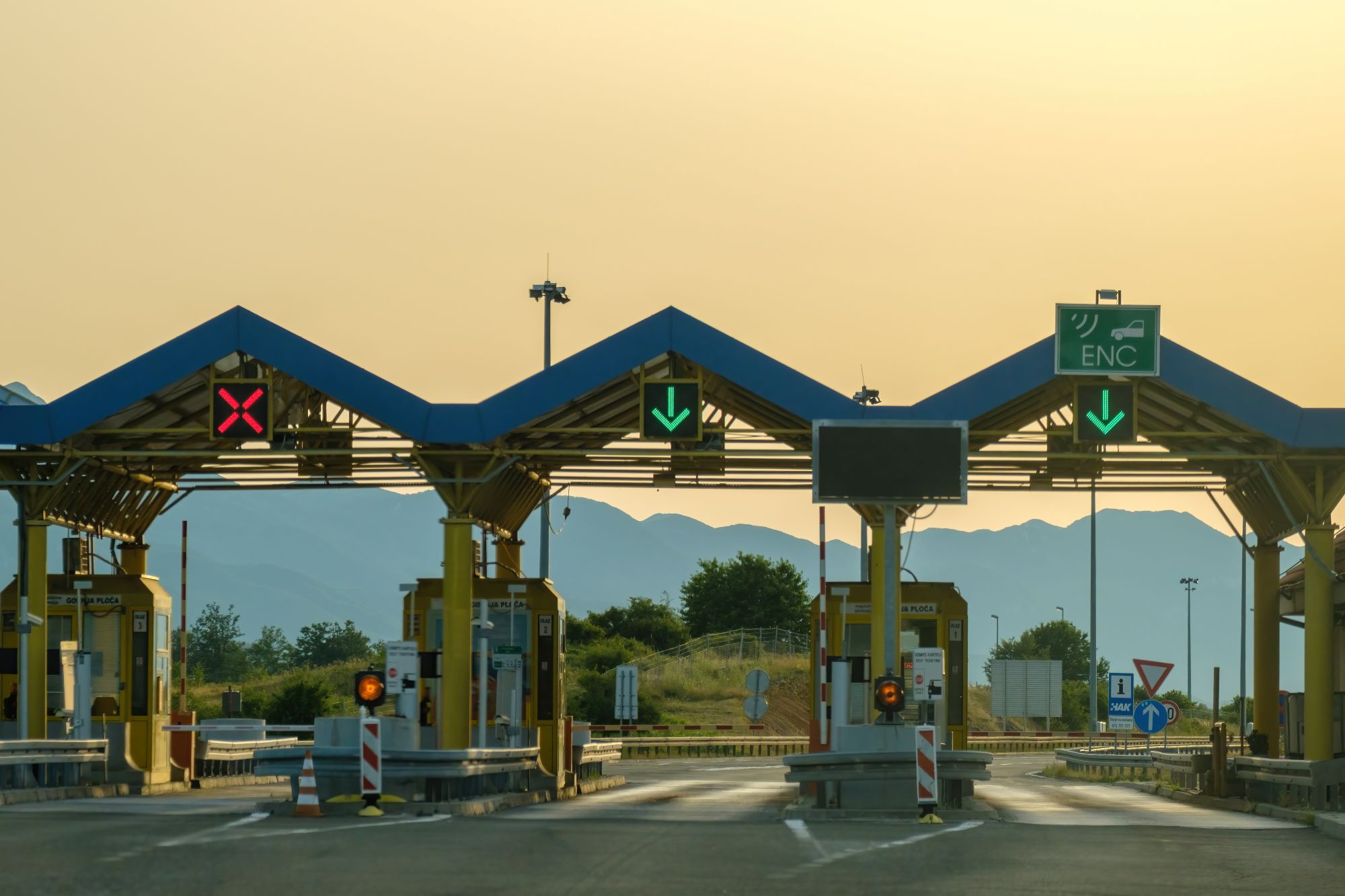
Din punct de vedere operațional, taxarea devine din ce în ce mai digitală. Cele mai multe sisteme bazate pe distanță se bazează pe urmărirea GNSS sau GPS prin intermediul unităților de bord (OBU), susținute de ganturi rutiere, cabine de taxare și camere de supraveghere.

Pentru flote, acest lucru înseamnă o dependență mai mare de tehnologia de la bord, cerințe de conformitate mai stricte și o toleranță mai mică pentru erori administrative. Plățile neefectuate pe drumurile libere (unde nu există cabine de taxare și nu este nevoie să opriți) se pot transforma rapid în amenzi, în special pentru șoferii internaționali care nu sunt familiarizați cu normele locale.

Serviciile interoperabile de taxare în cadrul Serviciului european de taxare electronică (SETRE) devin din ce în ce mai importante pentru operatorii transfrontalieri. În loc să echipeze vehiculele cu mai multe unități de bord specifice fiecărei țări, flotele pot utiliza un singur dispozitiv aprobat pentru a plăti taxe de trecere în mai multe rețele europene. Acest lucru simplifică administrarea, reduce costurile de instalare și întreținere și diminuează riscul de neconformitate atunci când vehiculele se deplasează între diferite regimuri de taxare.
Defalcare țară cu țară

Țări cu costuri ridicate

Germania operează unul dintre cele mai cuprinzătoare sisteme de taxare din Europa. Taxa LKW-Maut se aplică tuturor camioanelor de peste 3,5 tone pe autostrăzi și drumuri federale. Din decembrie 2023, taxele de trecere includ o taxă CO₂, care a crescut costurile pentru vehiculele diesel. Detalii oficiale sunt publicate de [Toll Collect.] (https://www.toll-collect.de/de/tollcollect/tchomepage.html)

Sistemul GO-Maut din Austria este unul dintre cele mai scumpe pe kilometru din Europa. Un camion articulat Euro VI a plătit aproximativ 0,50 - 0,53 euro pe kilometru pe autostrăzi în 2025. Sistemul include componente de infrastructură, zgomot, poluarea aerului și CO₂. Camioanele electrice beneficiază de tarife mai mici. ASFINAG pune la dispoziție online tabelele tarifare complete.

Belgia aplică o taxă de drum pe kilometru pentru camioane în Flandra, Valonia și Bruxelles. Tarifele variază în funcție de regiune, greutate și clasa Euro, cu creșteri anuale. Din 2026, vehiculele cu emisii zero nu vor mai fi scutite pe deplin, dar vor plăti în continuare taxe reduse de infrastructură. Informații oficiale sunt disponibile la Viapass.

Piețe de taxare cu costuri medii

Franța utilizează un model de concesionare a autostrăzilor. Taxele de drum se aplică pe rutele operate de companii private și se plătesc la ghișee sau electronic. Creșterile anuale sunt modeste și reglementate. [Association des Sociétés Françaises d'Autoroutes publică mai multe informații] (https://www.autoroutes.fr/index.htm).

Italia urmează o abordare similară bazată pe concesiuni. Vehiculele grele de marfă plătesc [aproximativ 0,10 EUR pe kilometru] (https://trans.info/en/europe-s-priciest-routes-444305) pe rețeaua Autostrade. Guvernul lucrează pentru o taxare mai dinamică până în 2026, cu posibilitatea de a lega taxele de congestionare și de emisii. Autostrade per l'Italia explică calculul taxelor

Sistemul HU-GO din Ungaria se aplică camioanelor de peste 3,5 tone pe autostrăzi și pe drumurile principale. Ca urmare a inflației ridicate, tarifele de trecere au crescut brusc. Actualizările oficiale sunt publicate la [hu-go.hu.] (https://hu-go.hu/articles/category/aktulis)

Piețe cu costuri reduse și în tranziție

Sistemul e-TOLL din Polonia percepe taxe pe kilometru utilizând tehnologia GNSS (satelit). Tarifele au crescut în 2025 și vor crește din nou în 2026, în timp ce rețeaua de taxare continuă să se extindă. Platforma oficială este [etoll.gov.pl.] (https://etoll.gov.pl/)

Spania este neobișnuită prin faptul că multe autostrăzi importante au devenit libere de taxe de drum ca urmare a expirării concesiunilor. Unele rute cu taxă au rămas și costurile variază pe kilometru pentru vehiculele grele de marfă. Poziția guvernului spaniol este prezentată prin intermediul [Ministerului Transporturilor] (https://www.transportes.gob.es/movilidad-sostenible/actuaciones-prtr).

În prezent, România operează un sistem de viniete pentru camioane, un permis de șapte zile costând aproximativ [71 EUR și un permis anual 1 425 EUR] (https://www.taxeauto.ro/ro/rovinieta) pentru cele mai grele vehicule. Acest lucru se va schimba în iulie 2026, când România va introduce un sistem de taxare bazat pe distanță, numit TollRo. Se preconizează că tarifele inițiale vor fi scăzute, dar este probabil să crească în timp. Tarifele actuale pentru viniete pot fi găsite online.
Schimbări pentru 2026

Mai multe evoluții fac din 2026 un an crucial pentru taxarea europeană.

Țările de Jos vor introduce de la 1 iulie o taxă de drum pentru camioane în funcție de kilometru, înlocuind Eurovignette. Se preconizează că tarifele medii vor fi de aproximativ 0,19 EUR pe kilometru, cu reduceri pentru vehiculele cu emisii reduse. Informații oficiale sunt disponibile la www.vrachtwagenheffing.nl.

După cum s-a menționat, România va trece de la taxarea pe bază de viniete la taxarea pe bază de distanță, aliniindu-se astfel țărilor vecine.

În întreaga Europă, diferențierea bazată pe CO₂ va deveni standard, cu scutiri reduse și o aplicare mai strictă. Camioanele electrice vor continua să beneficieze, însă scutirile complete sunt înlocuite treptat de taxe reduse, mai degrabă decât de taxe zero.

Pentru flote, acest lucru înseamnă o expunere mai mare la costurile bazate pe kilometraj și stimulente mai mari pentru a investi în vehicule mai ecologice și instrumente de planificare mai bune.

Cum modelează taxele de drum comportamentul flotei

Operatorii evaluează acum rutele pentru a pune în balanță costurile taxei de trecere cu consumul de combustibil și durata călătoriei. Investițiile în vehicule Euro VI și cu emisii zero sunt justificate din ce în ce mai mult nu numai prin economiile de combustibil, ci și prin reducerea taxelor de drum. În plus, suprataxele devin mai explicite în contractele cu clienții, iar instrumentele digitale de optimizare a rutelor joacă un rol mai important în operațiunile zilnice.

Prin urmare, flotele au nevoie de previziuni exacte, de date actualizate privind vehiculele și de o vizibilitate clară a expunerii la taxe de drum pe rute și clienți. Deciziile de achiziționare a vehiculelor ar trebui să ia în considerare clasele de taxare, alături de eficiența consumului de combustibil. Operatorii transfrontalieri ar trebui să acorde prioritate soluțiilor interoperabile de taxare și să se asigure că șoferii înțeleg regulile locale de plată, în special pe drumurile cu flux liber.

Cel mai important, costurile de taxare trebuie să fie reflectate în mod transparent în stabilirea prețurilor. Pe măsură ce taxarea se bazează tot mai mult pe emisii, flotele care planifică din timp vor fi mai bine plasate pentru a proteja marjele și a rămâne competitive.

Pentru flote, întrebarea nu mai este dacă taxele vor crește, ci cât de bine sunt pregătite pentru a le gestiona. În anii următori, nu va fi vorba doar despre cât de departe se deplasează un vehicul, ci despre cât de curat, unde și în cadrul cărui sistem.

Pe măsură ce taxele de drum devin din ce în ce mai strâns legate de emisii, kilometraj și tipul de vehicul, înțelegerea a ceea ce plătiți și unde este mai importantă ca niciodată. SNAP ajută managerii și operatorii de flote să gestioneze plățile și să sprijine șoferii cu acces la stații de camioane sigure și bine echipate. Înscrieți-vă gratuit astăzi
Share to

Alții citesc de asemenea...

Header Image

miercuri 14 ianuarie 2026 • Știri și actualizări

CELE MAI STRESANTE ORAȘE DIN EUROPA ÎN CARE SE PARCHEAZĂ ȘI SE CONDUCE

Josh Cousens

Driving and parking in Europe’s cities can be a daily headache for HGV drivers — and high stress levels don’t just affect wellbeing; they impact fleet efficiency too. For logistics managers, knowing where these challenges are greatest is crucial for route planning, driver safety, and operational performance.Using social listening to analyse millions of geotagged posts across 150 European cities, our research identifies the places drivers find most stressful. Liverpool tops the list (60.5% of posts show driving-related stress), followed by Prague (59.2%) and Dublin (58.5%). Liverpool also ranks 2nd for most stressful city for parking in the UK. Congestion, scarce parking, and tricky road conditions are the main pain points highlighted by drivers across Europe.This study maps Europe’s HGV stress hotspots using real-world driver sentiment, showing how city conditions affect wellbeing. It is not about ranking countries, but giving fleet and logistics managers clear, actionable insights to support drivers, plan smarter routes, and reduce urban driving pressures.Our research analysed over 14 million geotagged social media posts from 150 European cities, covering driving-related topics such as parking, traffic, and road conditions. Posts were assessed for stress by tracking keywords and phrases linked to negative emotions in English and local languages. Each city was scored based on the percentage of posts expressing stress, providing a clear picture of driver pressure across Europe. Data was collected across major social media platform X (formerly Twitter) throughout 2025.“Stress” covers the pressures fleet drivers face on the road, including traffic, parking, road conditions, general driving, and conflicts with other drivers. Understanding these factors helps support driver wellbeing and performance.As of 2025 for most stressful cities for driving:1. . 60.5% of stressed social posts about parking the highest proportion of stress-related driving posts in Europe. . 59.2% of stressed social posts about parking likely due to dense traffic, historic street design, and limited space for larger vehicles navigating the city. . 58.5% of stressed social posts about parking – Driver stress is strongly linked to congestion delays, parking shortages, and busy commuter routes impacting daily driving conditions.The top 3 most stressful UK cities for parking in 2025:1. . Commonly shortened to as “Newcastle” and located in the county, Tyne and Wear, this city has a staggering 65.3% of stressed social posts about parking, making it the most stressful UK city for parking in 2025. . In Merseyside, 64.4% of social posts about parking in Liverpool express stress. . 63.9% of stressed social posts about parking in this city of North Yorkshire.Scotland also shows elevated parking stress, with ) and ranking among the UK’s most challenging cities to park in. Additionally, (57.9 of stressed social posts about parking. Contributing factors could include narrow streets, dense urban layouts, high demand for limited parking space, and city-centre restrictions, which may increase pressure on drivers.Using millions of geotagged social media posts, we scored each city was by the share of stress-related posts, revealing Europe’s top driving, parking hotspots, and highlighting the urban conditions that challenge drivers most. Our infographic map shows the top cities for driving and parking pressure, revealing key urban hotspots and the challenges faced by drivers in each market.Cities can increase driver stress due to congestion, narrow streets, and complex road layouts. (ranked 1st), (4th), and (5th) all feature among the most stressful cities to drive in England, with between and . Congestion hotspots and bottlenecks — such as and heavily congested routes like .— are key contributors to these elevated stress levels. and is one of Europe’s most congested cities, with due to heavy traffic, highlighting persistent congestion pressures on urban roads. Further social listening focused specifically on Irish motorists revealed that the counties of and recorded notably high parking stress levels, with scores ranging from to These high figures highlight persistent challenges for drivers in these areas, largely driven by heavy car dependency — , . Additionally, Leitrim has local reports of sparse road infrastructure and that contributes driver stress in this Irish county. (ranked 7th) – while not one of the most congested Polish cities overall, , with drivers spending notable time in traffic and major roadways such as the S86 and A4 seeing heavy daily traffic volumes that can contribute to the stress score of 53.6%. Similarly, (ranked 13th) has drivers spending approximately , contributing to its stress score of 50.3% in 2025. (ranked 8th) faces notorious congestion as one of Europe’s most crowded cities, with drivers spending significantly more time in gridlock and due to slow traffic. Spain’s capital; (15th) suffers from heavy congestion, with a . Narrow streets and persistent traffic, especially in areas like make every day driving slow and stressful. Similarly, in Bilbao, in Spain (ranked 20th) on key routes like the A‑8 and BI‑30, causing extended queues and slow movement, which contributes to stressful driving conditions.Parking also contributes to driver and fleet management stress, as limited availability, high demand, and restrictive regulations across Europe’s cities which can delay journeys, increase frustration, and complicate route planning.Also, through social listening, we have collected data on the cities where drivers experience the across Europe, specifically in Romania, Poland, Spain, and the UK. Paying attention to these areas is important for fleet operators, as limited parking availability, high demand, and urban congestion can disrupt schedules, increase delays, and affect driver wellbeing.Our research shows the highest parking stress in Europe is in (83.3%) and (80%) facing issues like limited urban parking spaces and high vehicle density. Similarly, in the UK, (65.3%), (64.4%), and (63.9%) are the cities with the most parking stress for motorists. These located struggle with restricted city‑centre spaces, , congestion and contribute to driver frustration. Romanian cities and , along with the Spanish cities of and , recorded the within their respective countries. However, compared with the UK and Poland, their stress scores are lower — ranging from to — suggesting more manageable parking conditions, fewer bottlenecks, and relatively less pressure on drivers in these urban areas.HGV drivers face pressures that differ from regular car drivers. Limited parking for large vehicles, navigating narrow or congested streets, and high traffic volumes can make urban driving more challenging and stressful, turning routine journeys into time‑pressured, high‑stress experiences.Let us dive deeper into the factors causing stress for HGV drivers:. Scarce lorry bays and high demand make it hard to find safe places to stop, especially in urban centres. The reports an estimated creating significant stress for HGV drivers who struggle to find safe and legal places to park., creating significant stress for HGV drivers who struggle to find safe and legal places to park. . Tight roads and historic city centres require careful navigation, increasing stress and risk of delays in cities like Prague, Dublin, and Liverpool. Heavy commuter and freight traffic slows journeys, increases travel times, and heightens frustration particularly in busier cities like London, Birmingham, Bucharest, and Madrid. Restrictions on vehicle access, extra charges, and rerouting requirements can complicate planning and add pressure. For example, require some HGVs to seek alternate routes. Height and weight limits, prohibited turns, and time-specific delivery windows force drivers onto longer or less convenient routes. Long urban journeys without access to rest areas, fuelling, or amenities can increase fatigue and mental strain for HGV drivers.Stressful cities create challenges for HGV drivers. Congestion, limited parking, and complex urban layouts can lead to lost time, missed deliveries, increased fatigue, and a higher risk of minor collisions or near-misses.Drivers can manage stress by planning routes carefully, taking scheduled breaks, and using technology to anticipate delays or help with . SNAP supports drivers with tools like the intruck app, helping them locate available parking, plan efficient routes, and stay informed about congestion, reducing stress and making and more manageable.Stressful cities do not just affect drivers — they impact fleet performance too. Congestion and limited parking can lead to delayed deliveries, higher fuel and operating costs, reduced driver wellbeing, and increased risk of fines or penalties. These pressures can eat into margins and complicate scheduling, , and customer satisfaction.Fleet operators can overcome these challenges by adopting and support systems: using real‑time traffic and parking insights, building flexible schedules, and . Available at over 850 service partners across Europe, SNAP’s fleet payment solution is used every 12 seconds across the continent to pay for truck services — without cash or a card.Understanding driving and parking stress hotspots across Europe helps fleets operate more safely and efficiently. By using these insights for route planning, driver training, tech adoption, and risk reduction, operators can reduce delays, improve wellbeing, and protect their drivers. SNAP supports this mission for the haulage fleets, offering secure parking, seamless payments, and tools that make daily operations calmer and safer.

Header Image

joi 08 ianuarie 2026 • Știri și actualizări

SUTTERTON TRUCK STOP: RIDICAREA STANDARDULUI PENTRU CONFORTUL ȘI SIGURANȚA ȘOFERULUI

Susie Jones

Situated on the A17 and a short drive from Boston is , a haven for truck drivers transporting goods along this stretch of road. The location provides not only a truck stop with the usual amenities one would expect clean showers, toilets, shop, and refuelling options but it also presents drivers with the choice to dine at the Roadside Diner, providing visitors with an American-themed restaurant with a variety of meals. We sat down with Director James Townsend to discuss improvements to the site, driver welfare, site security, and their long-standing relationship with SNAP. explains James. The site has undergone a major refurbishment, prioritising the needs of truck drivers. Nestled inside the truck stop is the new roadside diner. James and the team have recently taken back ownership of this and refurbished it. James says. He goes on to explain that it was more than upgrading existing facilities, but providing drivers with the right facilities to make the site a home away from home. SNAP asked truck drivers parking at Sutterton what they thought of the new facilities on offer. One driver commented:When it came to the design of the truck park, the site worked closely with SNAP to maximise the site’s potential:Driver welfare still remains a huge priority for those working in the industry, with investment into truck parking lacking, something James is all too aware of after working with the DFT. he explains. While investment is valuable, directing it into the right facilities for truck drivers is also imperative. James states. James and the rest of the team work closely with SNAP’s UK Network Team as well as , providing them with a single, clear point of contact should any issues arise. explains James. Having the support in place for complaints and technical issues is a major advantage for a truck stop like Sutterton, which often manages competing demands. Working with SNAP has delivered additional benefits as well, as James goes on to say:To ensure truck drivers get a good night’s rest, ensuring the site is as safe and secure as possible was vital for Sutterton Truck Stop. Working with SNAP Access & Security from the outset has allowed James and the team to do exactly that. says James. The site is a firm believer in training its staff to deal with incidents if they occur. Inspired by what you’ve just read? Catch the full interview with

Header Image

vineri 19 decembrie 2025 • Știri și actualizări

ESTE FLOTA DVS. O ȚINTĂ? PRIORITIZAREA SECURITĂȚII ÎNTR-O LUME AVANSATĂ DIN PUNCT DE VEDERE TEHNOLOGIC

Guest

Cybersecurity readiness must be a top priority for fleet owners and managers in the United Kingdom. The rapid digital transformation in the transportation and logistics industry has made fleets attractive targets for hackers. Learn about the cybersecurity trends fleet operators must be aware of and strategies you should adopt to lower your susceptibility to attacks.The advent of connected vehicles, push for fleet electrification, integration of Internet of Things (IoT) devices and reliance on automation have expanded the attack surface opportunistic cybercriminals can exploit to infiltrate your network.Vulnerable telematics back-end systems, insecure over-the-air firmware updates and buggy APIs are common entry points for phishers, data thieves, business saboteurs and ransomware attackers. Threat actors are also increasingly leveraging artificial intelligence to launch more believable scams.Falling victim to a cyberattack can cause more than extended, unscheduled downtime. A high-profile security incident can inflict severe reputational damage on your organisation and harm your business in the long term.Although your cyber insurance coverage may compensate you millions for losses, the financial impact can lead to insolvency — as happened to KNP Logistics in June 2025. An Akira ransomware attack exacerbated this major logistics group’s preexisting financial struggles, and let go of 730 employees.Every business is at risk from cyberattacks, but these strategies can help make your fleet management software and vehicles less vulnerable.A robust threat intelligence platform strengthens cybersecurity, as it allows you to proactively defend your assets from malicious actors and minimise your losses if they target you. Here are the primary ways to use threat intel to improve your security posture:Contextualisation enables your team to identify the perpetrators behind specific attacks, understand their motives and capabilities, determine what they want from your organisation, and comprehend their methods. Context transforms raw threat data into actionable intelligence, enabling you to inform your decision-making.Attackers evolve, so learning how they operated in the past is not enough to accurately anticipate their future actions. A threat intelligence platform can help you keep pace with known malicious actors and familiarise your team with relatively unknown ones. Some organisations use deception technologies to lure cybercriminals and watch them in action in a controlled environment.A software solution that can integrate into your company’s existing tools breaks down silos and allows threat intelligence to flow freely across teams. Cross-departmental collaboration is the key to implementing an organisation-wide cybersecurity strategy effectively.A threat intelligence platform can monitor your network activity and sense attack patterns early enough to notify your Security Operations Centre or IT professionals immediately. Early detection is vital to count threats before they infiltrate deeply into your system and cause more harm.Responding to urgent incidents involves less manual work with a threat intelligence platform. This software solution can orchestrate essential tasks to mitigate breaches, enabling your in-house cybersecurity professionals to focus on activities where human input is more impactful.Regulatory frameworks and data privacy standards are becoming more stringent over time. A threat intelligence platform aids compliance by ensuring that your team handles sensitive data responsibly and generates detailed reports to document your best practices.Zero trust minimises the likelihood of unauthorised access to fleet management systems by continuously verifying every user and device and enforcing identity-centric access control.This approach acknowledges that threats can come from within the organisation. Assuming that each request may come from a malicious actor reflects the level of vigilance you must exercise to protect your operation from sophisticated attacks and help your team adapt to complex, dynamic environments involving remote users, IoT devices and cloud services.After verification, zero trust gives users and devices just enough access to perform specific tasks. The principle of least privilege enables effective threat containment if a cybercriminal gets in.According to Cybersecurity Insiders’ 2024 Insider Threat Report, insider threat attacks have spiked. In October 2024, 51% of the 413 respondents in IT and cybersecurity reportedly over the past year. 29% reported spending over $1 million on remediation.The adoption of new technologies is a primary driver behind the rise in these cyberattacks. Investing in employee training is crucial for preventing team members from becoming insider threats.Provide target users with sufficient resources to familiarise themselves with the technologies. Highlight the ways they may inadvertently leak sensitive information or compromise the system. Tell them the red flags to watch out for to identify malicious schemes and teach them safe, responsible ways to deal with cybercriminals.Tight physical security can safeguard your assets from digital hijackers. Effective physical protection often involves a layered approach, which includes perimeter fencing, strategic placement of surveillance equipment and tamper-evident vehicle electronics casings. Additionally, limiting visibility with opaque doors , thereby adding an extra layer of protection to your physical security. Blending physical safeguards with digital solutions can restrict what hackers can do, even if they manage to gain control over fleet vehicles. In 2022, a group of hacktivists attacked the Russian ride-hailing service Yandex Taxi and directed in the same place in western Moscow. The incident should serve as a wake-up call to embrace measures to immobilise your assets if criminals remotely take control of the driver’s seat.Your company is only as strong as the weakest link in your supply chain. The positive impact of impregnable internal cybersecurity diminishes when third-party vendors make it easy for lawbreakers to steal your data from elsewhere. For instance, temporarily could jeopardise your cybersecurity if your lessor has outdated software.Working with supply chain partners that are as particular about cybersecurity reduces your risk exposure. Integrating your suppliers’ systems into your threat intelligence platform ensures better coordination during data breaches. Close collaboration with critical external parties promotes cybersecurity readiness and helps everyone prepare for potential attacks.Contending with online threat actors is inevitable in modern fleet management. Prioritise proactive strategies to stay ahead of hackers. By implementing a multi-layered defence that combines technology, employee training and strategic partnerships, you can build a resilient operation. This stance protects your current assets and secures your company’s future in an increasingly connected world.Discover more from