Guest
Știri și actualizări • 3 min citește

Polonia accelerează trecerea la transporturi cu emisii zero

Creat: 25.11.2025

Actualizat: 25.11.2025

Sectorul transporturilor din Polonia este supus unei transformări majore. În ultimele luni, guvernul a introdus o serie de programe de finanțare de mare valoare menite să decarbonizeze rețeaua rutieră și operațiunile logistice ale țării. O mare parte din această activitate se concentrează pe infrastructura legată de vehiculele grele - un semn că tranziția către un transport de marfă mai curat este adoptată în întreaga Europă.

Amploarea investițiilor - și viteza cu care acestea au loc - vor fi importante pentru operatorii, administratorii și planificatorii de infrastructură din întreaga Europă. Pentru a înțelege de ce, este util să ne uităm atât la contextul european mai larg, cât și la finanțarea specifică disponibilă în Polonia.

Drumul Europei către emisii zero

De câțiva ani, trecerea la transportul cu emisii reduse și zero a luat amploare în întreaga Europă. Pachetul UE Fit for 55 și Green Deal au stabilit obiective ambițioase de reducere a emisiilor provenite de la vehiculele grele cu 45% până în 2030 și cu 90% până în 2040.

De asemenea, [Regulamentul privind infrastructura pentru combustibili alternativi] (https://www.consilium.europa.eu/en/press/press-releases/2023/07/25/alternative-fuels-infrastructure-council-adopts-new-law-for-more-recharging-and-refuelling-stations-across-europe/) (AFIR) prevede că, până în 2030, trebuie să existe puncte de încărcare de mare putere pentru vehiculele grele la fiecare 60 de kilometri de-a lungul rețelei transeuropene de transport (TEN-T) - un sistem european de drumuri, căi ferate, porturi și aeroporturi care formează coloana vertebrală a transportului continental de marfă. Stațiile de alimentare cu hidrogen trebuie să fie disponibile la fiecare 200 de kilometri.

Regatul Unit urmează o cale similară. Proiectele Z[ero Emission Road Freight Demonstrator] (https://iuk-business-connect.org.uk/programme/zero-emission-heavy-goods-vehicles-and-infrastructure/) sunt utilizate pentru a testa vehiculele grele de marfă electrice și cu hidrogen pe rute pe distanțe lungi, în timp ce finanțarea este alocată infrastructurii de încărcare și realimentare a depozitelor.

În acest context, programul Poloniei arată că Europa Centrală și de Est este pregătită să își asume un rol de lider în crearea unui transport mai curat și mai bine conectat.

Un angajament de mai multe miliarde de zloți

În martie 2025, Fondul național pentru protecția mediului și gestionarea apelor (NFOŚiGW) din Polonia a lansat două cereri majore de finanțare în valoare totală de 2 miliarde PLN.

Prima va acoperi construcția și extinderea rețelelor electrice care alimentează stațiile de încărcare de mare capacitate, în special cele de pe TEN-T. Aceasta acoperă atât extinderea rețelei, cât și instalarea de noi conexiuni. Acest lucru va însemna că rețeaua poate furniza energia necesară pentru încărcarea rapidă a camioanelor. Operatorii de energie și de rețea pot solicita subvenții dacă proiectele lor îndeplinesc pragurile minime de putere.

Cea de-a doua cerere de finanțare sprijină construirea de stații de încărcare a vehiculelor grele. Obiectivul este de a crea 550 de puncte accesibile publicului în întreaga țară, care să deservească atât camioanele electrice, cât și pe bază de hidrogen.

Un ultim program, care a fost lansat în T2 2025, oferă subvenții și împrumuturi întreprinderilor pentru ca acestea să poată cumpăra sau închiria camioane cu emisii zero din categoriile N2 și N3. Categoria N2 acoperă vehiculele cu o greutate brută cuprinsă între 3,5 și 12 tone, în timp ce N3 se aplică camioanelor de peste 12 tone. Nivelurile de finanțare variază de la 30 la 60 %, în funcție de mărimea întreprinderii. Limitele superioare de 400 000 PLN se aplică vehiculelor N2 și 750 000 PLN modelelor N3. Cererile vor fi deschise până în 2029, astfel încât operatorii să își poată planifica tranziția către vehiculele cu emisii zero.

Aceste investiții vin în completarea programului polonez existent [Nasz Eauto] (https://naszeauto.gov.pl/), care subvenționează achiziționarea de mașini electrice de către persoane fizice și companii, extinzând astfel strategia de transport durabil a țării dincolo de vehiculele de pasageri.
Construirea unei rețele de transport greu

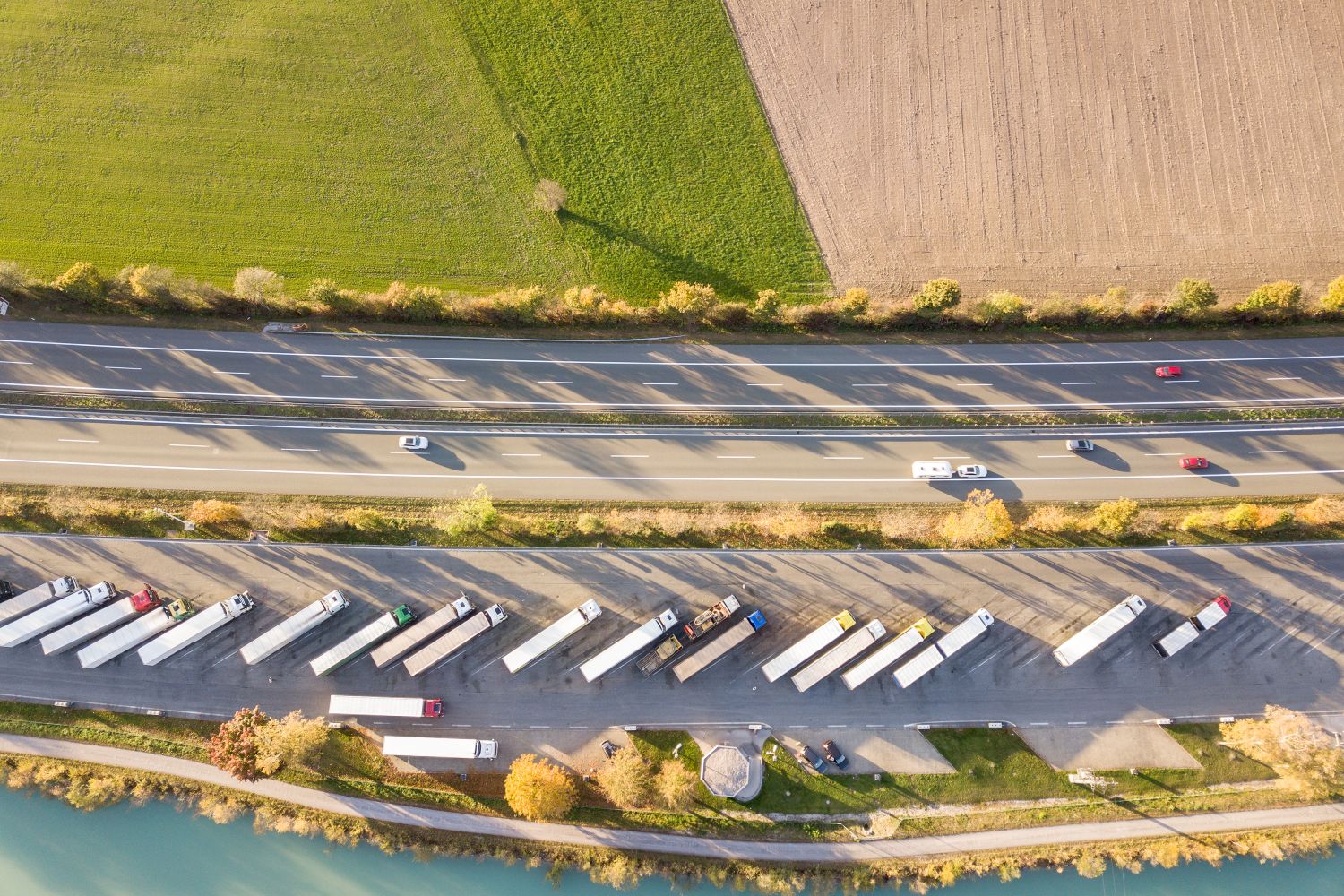
Conform [Uniunii Internaționale a Transporturilor Rutiere (IRU)] (https://www.iru.org/news-resources/newsroom/who-driving-what-and-where-eu-road-freight-trends), Polonia transportă mai multe mărfuri pe cale rutieră decât orice altă țară din UE. Este o poartă naturală între Europa de Vest și statele baltice, Ucraina și Balcani, ceea ce înseamnă că o infrastructură fiabilă cu emisii zero în Polonia va avea un impact la nivel european.

Prin stabilirea unor cerințe clare în materie de energie și alinierea proiectelor la coridoarele TEN-T, guvernul asigură o abordare coordonată, mai degrabă decât proiecte izolate. Obiectivul este o rețea fiabilă în care camioanele electrice și cu hidrogen pot circula liber de-a lungul rutelor comerciale cheie. Ministrul adjunct pentru climă și mediu a descris programul ca o modalitate de a consolida "competitivitatea operatorilor polonezi de transport de marfă", reducând în același timp emisiile din unul dintre cele mai mari sectoare economice ale țării.

Rețeaua internă a Poloniei face parte, de asemenea, din inițiativa mai largă [Clean Transport Corridor Initiative] (https://transport.ec.europa.eu/news-events/news/eu-ministers-commit-faster-truck-recharging-deployment-2025-09-16_en). În septembrie 2025, nouă țări din UE - inclusiv Polonia - s-au angajat să accelereze implementarea infrastructurii de încărcare de-a lungul rutelor de transport de marfă cheie, cum ar fi coridoarele TEN-T Marea Nordului-Baltica și Scandinavia-Mediterana.

Pentru flotele care operează în întreaga Europă, inițiativa înseamnă că infrastructura de încărcare va deveni mai standardizată și mai previzibilă între țări. Acest lucru îi va ajuta pe șoferi să planifice rutele transfrontaliere cu mai multă încredere, sprijinind în același timp trecerea la transportul de marfă cu emisii zero.

Oportunități practice și provocări din lumea reală

Pentru operatorii de flote, momentul este încurajator. Camioanele cu emisii zero [intră rapid pe piața europeană] (https://theicct.org/publication/r2z-eu-hdv-market-development-quarterly-january-june-2025-sept25/), cu vânzări de aproape 2 000 de camioane electrice grele cu emisii zero înregistrate în prima jumătate a anului 2025 în întreaga UE.

Cu toate acestea, există provocări. Adăugarea capacității de încărcare de mare putere va însemna că operatorii de rețea, autoritățile locale și centrele logistice trebuie să coopereze. De asemenea, va fi nevoie de timp pentru a angaja tehnicieni cu competențele necesare pentru instalarea și întreținerea echipamentelor de înaltă tensiune.

În plus, costurile vehiculelor și factorii operaționali ar putea, de asemenea, să încetinească progresul. Chiar și cu subvenții generoase, întreprinderile trebuie să evalueze costul deținerii vehiculelor electrice, modelele de rute și disponibilitatea depozitelor.

Ce înseamnă pentru mobilitate

Pentru comunitatea transportului rutier, programul Poloniei reprezintă o etapă importantă. Odată finalizată, rețeaua sa de încărcare și realimentare va conecta estul și vestul Europei, sprijinind o circulație mai curată și mai eficientă a mărfurilor.

"Acesta este un punct de cotitură pentru transportul greu", spune Nick Renton, șeful departamentului european de strategie și dezvoltare a afacerilor din cadrul SNAP. "Acțiunile Poloniei arată că transportul de marfă cu emisii zero devine parte din viața de zi cu zi, mai degrabă decât o viziune pe termen lung. Pe măsură ce punctele de încărcare și realimentare se înmulțesc, operatorii vor putea programa cu încredere călătorii mai curate."

Pe măsură ce situația evoluează, vom continua să sprijinim flotele din întreaga Europă cu tehnologie, informații și instrumente practice pentru șoferi. Aplicația noastră [intruck] (https://intruckapp.com/) ajută la identificarea și rezervarea stațiilor de odihnă, a punctelor de realimentare și a parcărilor sigure, cu mai multe facilități cu emisii zero care sunt adăugate pe măsură ce se deschid noi locații. Pentru operatorii care doresc să țină pasul cu schimbările din infrastructură, aplicația oferă o imagine clară a modului în care evoluează rețeaua de drumuri și unde apar noi oportunități.
Share to

Alții citesc de asemenea...

Header Image

luni 08 decembrie 2025 • Știri și actualizări

TENDINȚELE CAMIOANELOR: PREVIZIUNI PENTRU 2026

Guest

Major changes are coming for the mobility sector.The next 12 months will bring some of the most significant regulatory and technological shifts European transport has seen in years. New emissions rules, driver-monitoring systems, hydrogen trials and autonomous pilots will reshape how fleets operate across the UK and EU.For operators and professional drivers, understanding these changes now will make the difference between adapting confidently and struggling to keep up. come into force in 2026, introducing new requirements for fleets. Nitrogen oxide and carbon monoxide limits will tighten further, with the permitted particle size dropping from 23 nanometres to 10. In addition, for the first time.Every new truck sold will need to comply with Euro VII. While vehicle pricing is likely to be affected, the bigger impact will fall on procurement timelines, fleet renewal cycles and long-term decarbonisation.. These monitor eye and head movement to identify early signs of fatigue or inattention, enabling safer interventions and supporting accident-reduction goals across Europe. By 2029, new cab designs must minimise blind spots through improved glass visibility rather than camera reliance. This will particularly influence urban operations, vulnerable road user safety and future vehicle specification.. After years of exemption, this change effectively brings smaller commercial vehicles under full drivers’ hours enforcement.For operators with mixed fleets, this means introducing:● new driver cards● regular data downloads● updated monitoring processes● revised routing and rest-time planningThousands of vehicles that previously operated freely will need compliance systems in place almost immediately. requires companies with more than 250 employees or €40 million revenue to collect and report verified CO₂ emissions – including Scope 3 transport activity.This will cascade through supply chains. Smaller hauliers without reliable emissions reporting risk losing access to larger contracts, accelerating the push toward better data systems and standardised reporting.Electric HGV production will rise rapidly in 2026. are all expanding manufacturing capacity.To support this, electric charging is also expanding. , as part of HyHAUL's M4 corridor project. Three refuelling stations, each supplying up to two tonnes of hydrogen daily, support the pilot. If successful, the project aims for 30 trucks on the road by the end of 2026 and 300 by 2030. Alongside this, . Five more will follow by 2027.Vehicle manufacturers are taking different approaches to developing hydrogen-fuelled trucks: ● and DAF are planning similar systems. ● will introduce its next-generation hydrogen fuel cell stack in 2026 with improved durability and lower operating costs.Hydrotreated Vegetable Oil (HVO) is emerging as a notable transitional fuel for haulage in 2026, thanks to two factors: stricter biofuel mandates in north-western Europe and its compatibility with existing diesel engines. Reports by confirm that HVO is a “drop-in” fuel: it can be used in many existing heavy-duty vehicles without engine or infrastructure changes, which gives operators a practical pathway to immediate CO₂ reductions. Meanwhile, forecast that HVO consumption could reach record highs in 2026. Germany alone may need an additional 1.5 million tonnes – almost four times 2025 levels – to meet demand. Although uptake remains modest when compared with battery-electric or hydrogen alternatives, the current regulatory push and infrastructure compatibility mean HVO is likely to gain traction in 2026.From spring 2026, in controlled zones – a full year ahead of plans. Enabled by the , this transition supports an industry expected to contribute £42 billion to the UK economy by 2035 and create an estimated 38,000 jobs. Germany is close behind. , supported by €20 million in seed funding. Across northern Europe, autonomous freight along the 1,200-km Rotterdam-Oslo corridor. The programme runs until March 2026 and examines how autonomous vehicles perform across borders, terrain types and logistics hubs.In Sweden, already move goods between warehouses, processing five million data points per second. Their controlled deployments demonstrate the potential for automation in predictable, repeatable routes.Despite this progress, humans will continue to play a central role. . So while automation will support specific functions, such as port operations, depot shuttles and fixed urban routes, long-haul and complex international transport will remain human-led.The scale and speed of change arriving in 2026 is unlike any previous year for European road transport. Multiple regulatory, technological and sustainability shifts will land simultaneously, reshaping how fleets operate across borders."The operators who succeed in 2026 won't be those who resist change but those who prepare for it systematically," says Nick Long, European Strategic Partnership and Development Manager at SNAP. "We're working with fleets across Europe to build the infrastructure that tomorrow's industry needs. Secure parking. Integrated payments for new toll structures. The building blocks of success are available now for those ready to use them."SNAP helps fleets prepare for the future with integrated solutions for parking, payments and fleet management across Europe. Visit snapacc.com to discover how we can support your transition to 2026 and beyond.

Header Image

joi 04 decembrie 2025 • Știri și actualizări

ASIGURAȚI BUNA FUNCȚIONARE A FLOTEI DVS. ÎN SEZONUL SĂRBĂTORILOR

Guest

As the holiday season approaches, you are likely preparing for a surge in delivery demand and more complex operating conditions. This seasonal pressure overlaps with winter weather challenges, creating a unique risk environment for fleets across the UK. The festive period brings extra stress to your vehicles and operations. From consumer-driven surges in mileage to the impact of cold weather on vehicle performance, several seasonal factors converge at once. Understanding these pressures up-front helps you prepare proactively and minimise disruptions across your fleet.Consumer activity , which increases delivery volumes, compresses schedules and raises service expectations. This surge means that even minor disruptions can escalate quickly, as fleets have less flexibility to absorb delays. With more journeys scheduled and tighter handover times, vehicle downtime becomes more costly. A missed inspection or delayed repair can have a much larger operational impact than during other parts of the year.When peak consumer activity overlaps with hazardous weather, fleets experience amplified risk. Traffic congestion increases, road conditions deteriorate and minor mechanical problems can escalate into serious incidents more easily. To combat these issues, you must strengthen preventive maintenance, adjust schedules, and improve real-time monitoring to prevent avoidable breakdowns or delays.Cold temperatures, icy surfaces and reduced daylight all increase mechanical and on-road risks for commercial vehicles, raising the likelihood of weakened batteries, reduced tyre traction and visibility issues. UK roadworthiness standards emphasise the importance of more robust winter maintenance for brakes, lighting, fluids and tyres as conditions deteriorate, reinforcing why winter readiness is essential for uninterrupted fleet operations. Even mild cold , making proactive winter maintenance crucial.Beyond vehicle strain, the holiday season and winter conditions also place pressure on drivers and operational workflows. Increased traffic, unpredictable weather and tighter delivery windows can lead to fatigue, stress and an increased risk of accidents. Careful scheduling, clear communication and proactive support for drivers are essential to maintain safety and ensure that your fleet continues to operate efficiently under these seasonal pressures.Maintaining steady operations during the festive rush requires more than reactive problem-solving. It necessitates deliberate planning across vehicle maintenance, driver readiness, technology utilisation and operational coordination. These streamlined strategies will help you stay ahead of winter season disruptions and maintain consistent fleet performance throughout the holidays.Seasonal demand often requires vehicles to operate in harsher conditions for longer hours, so front-loading maintenance is one of the most effective ways to prevent in-season breakdowns. In construction, downtime can cost , highlighting the importance of proactive upkeep. Focus on winter-critical systems such as batteries, brakes, heating and defrosting systems, tyres, and fluid levels. Addressing minor issues before the holiday rush ensures your vehicles start the season in top condition and reduces the risk of unscheduled downtime when capacity is at its tightest.Drivers face greater pressure during the festive period, from congested roads to unpredictable weather. Preparing them early helps reduce risk and maintain service reliability. Share updated winter driving protocols, reinforce fatigue management best practices and ensure every vehicle carries essential cold-weather equipment. A well-prepared driver can adapt more effectively to seasonal hazards and keep journeys running safely.Access to parts and repair support becomes more challenging during the holidays due to demand spikes and supplier slowdowns. Securing key components in advance and confirming the availability of a repair shop ensures you can respond quickly to mid-season issues. These steps reduce the likelihood of lengthy delays and keep more of your vehicles on the road during peak workloads.Accurate, real-time insights become even more valuable when weather and traffic conditions can change quickly. Telematics systems, identify emerging vehicle issues and adapt routes proactively. Using data to make same-day decisions — whether rerouting, rescheduling or escalating maintenance — helps your fleet stay responsive throughout the holiday period.Seasonal peaks require tighter alignment across dispatchers, drivers, maintenance teams and customers. Clear communication reduces uncertainty and makes it easier to adjust schedules when conditions shift. Share regular updates about weather alerts, route changes, delivery windows and vehicle availability so everyone stays coordinated and able to respond quickly.Even with strong preparation, winter introduces variables that no fleet can fully control. Creating contingency plans provides your team with a structured response in the event of incidents. Establish backup routes, identify alternative suppliers and workshops, and maintain a reserve vehicle strategy where possible. Planning for disruption ensures that unexpected issues don’t halt operations entirely.Use this checklist to make sure your team, vehicles and workflows are ready for the busiest stretch of the year:● Review historical traffic data and expected holiday congestion to build more efficient routing. Tools that monitor and report real-time conditions help reduce delays and fuel waste.● Check batteries, fluids, tyres, wipers and heating systems to prevent cold-weather breakdowns and improve driver safety.● Conduct brief refresher sessions on winter driving techniques, fatigue management and emergency protocols. This supports both safety and productivity.● Holiday mileage and cold temps can accelerate wear. A tighter maintenance schedule helps catch issues before they result in downtime.● Ensure that asset trackers and sensors are fully functional for accurate location and condition data during peak demand.● Many suppliers operate on reduced hours during the holidays. Secure parts and consumables in advance to avoid repair delays.Holiday and winter conditions amplify every small inefficiency. Preparing early helps prevent avoidable downtime, strengthens driver safety and keeps your operations moving through the toughest time of the year. With precise planning, reliable tools and a proactive maintenance rhythm, fleets can turn seasonal challenges into opportunities for better performance and customer satisfaction.Discover more from

Header Image

joi 30 octombrie 2025 • Știri și actualizări

EFICIENTIZAREA OPERAȚIUNILOR FLOTEI: POVESTEA FULGERĂTOARE A FET LOGISTICS

Susie Jones

Located in Colnbrook, Berkshire, is a family-owned and family-run company specialising in the transportation of pharmaceutical products.The company originated from humble beginnings in 1984 when Frederick Woolley produced a service that was second to none in the secure logistics industry his very own tracking system, the best on the market, which left companies knocking on his door to transport their goods safely throughout Europe. In 1999, FET entered the world of pharmaceutical transportation, with Frederick taking on a partner, his son-in-law, Harry Hughes. From there, the business has gone from strength to strength, becoming one of the best pharmaceutical logistics companies in the UK. We sit down with Managing Director, Harry, to discuss what it's like running a fleet across Europe and how SNAP has helped ease processes."We focus on transporting high-value, high-consequence goods, white glove deliveries, and hospital deliveries. We're often in mainland Europe pretty much every day, from Northern Ireland all the way down to Spain, Italy, and even Greece."Transporting high-value goods comes with the added pressure to ensure your drivers park in safe and secure areas. For Harry, his drivers must have access to a wide network of truck stops across Europe, complete with details regarding security features something SNAP can deliver through its and Transporting high-consequence goods also brings additional challenges, as Harry explains:"We have the same challenges as everyone else in the supply chain, but you're adding temperature as well. That's another critical requirement. Whether it be a dry ice box that's got a life of 72 hours, or you need to keep that van completely at the right temperature throughout its journey. If the truck or van has to park up overnight, we need to ensure that the temperature is being monitored through the night as well."TAPA EMEA's TSR regulations have been developed by the industry, for the industry. The standard protects products transported by road and aims to ensure the safety of drivers, vehicles, and cargo. As TAPA UK Lead, Harry knows the importance and the benefits of transporting goods under TAPA TSR."We outsource to an external monitoring company for some of the delicate loads being transported under TSR. This means they will monitor the load for the route and geofence it if it deviates. They're checking in with the driver and also checking that it's parked at the right location from the route risk assessment we've uploaded to the monitoring company."These standards give drivers, fleet operators, and customers peace of mind that their cargo will be transported safely. And Harry has peace of mind when these journeys utilise SNAP's vast network of truck stops across Europe."You know that if you go to a SNAP site, you're going to get a decent site."Driver welfare remains a critical topic within the mobility industry, and for fleets like Harry's, ensuring their drivers are looked after while on the road remains vital. We asked Harry what offerings truck stops must provide to those on the road regularly:"I think the drivers just want some decent facilities. If they've got a shower, toilet, and a hot meal, they're generally happy." He also notes that it's not a one-size-fits-all, "they've all got different requirements. Some of them want to go to sites with a fancy restaurant, and some of them are just happy with a burger and chips. I think if the basics are there of clean facilities, hot and cold food, and showers, that's the main thing."Truck stops are already in high demand, and the most popular ones, offering the right facilities and security requirements, tend to fill up early in the evening. This often forces drivers to park in unsafe areas, a challenge that's expected to grow even more significant when SNAP not only simplifies life for fleet managers but also delivers a seamless parking experience for drivers. This leads to increased convenience and satisfaction on the road, while enhancing efficiency and streamlining operations across the company."It's the simplicity for the drivers. They don't have to worry about anything. They just pull in, and the parking payment method is already done for them. The drivers love it since we've implemented it," Harry states. SNAP's growing network of truck wash sites is something that hasn't gone unnoticed by FET Logistics, especially when the weather takes a turn for the worse:"More truck washes are coming onto the network, which helps us especially through winter. Nobody wants to see a dirty truck turn up if you're loading pharmaceuticals into it."Inspired by what you've just read? Catch the full interview with