Guest
Novinky z odvetvia • 4 min čítania

Ženy v nákladnej doprave: Uvoľnenie nevyužitých talentov

Vytvorené: 26. 02. 2026

Aktualizované: 27. 02. 2026

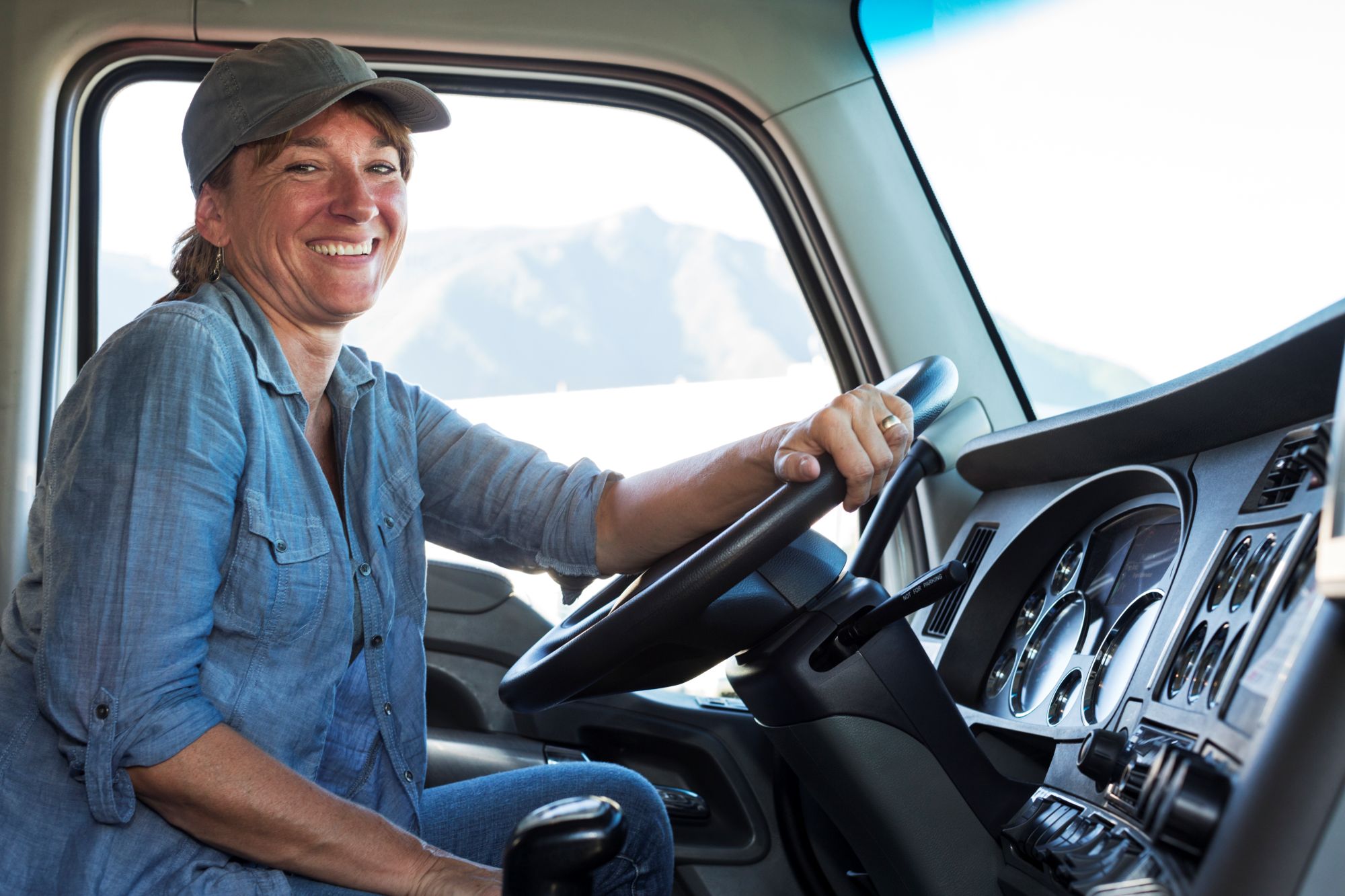
V celom Spojenom kráľovstve zabezpečuje pohyb krajiny približne 315 000 vodičov nákladných vozidiel. Prepravujú potraviny do supermarketov, materiál na staveniská a tovar do prístavov a distribučných centier. Sú základom každodenného života a hospodárskej stability a tvoria dôležitú súčasť národnej infraštruktúry Spojeného kráľovstva.

Napriek tomu len približne 2 200 z týchto vodičov sú ženy. Podľa správy SME Web to predstavuje približne jedno percento zamestnancov nákladných vozidiel v Spojenom kráľovstve. V odvetví, ktoré dlhodobo čelí tlaku na nábor zamestnancov, tento údaj vyvoláva dôležité otázky o tom, odkiaľ budú prichádzať budúce talenty a ako sa toto odvetvie prezentuje potenciálnym záujemcom.

Existujú však náznaky pokroku. Percentuálny podiel žien, ktoré absolvovali skúšku na HGV, sa zvýšil zo 6,7 % v roku 2011/12 na 9,7 % do roku 2021/22. Za posledné desaťročie sa podľa SME Web počet žien, ktoré získali vodičské oprávnenie kategórie C a C+E, zvýšil o 144 %. Je zrejmé, že viac žien sa rozhoduje pre odbornú prípravu a získanie kvalifikácie. Záujem sa rozširuje, ale podiel žien za volantom zostáva marginálny.

Dlhá história

Ženy neboli v cestnej doprave úplne vynechané. Jednou z prvých zaznamenaných vodičiek nákladných vozidiel bola Luella Batesová, ktorá začala riadiť ťažké vozidlá v Spojených štátoch v roku 1918. Počas vojnových období v USA aj v Spojenom kráľovstve ženy z nevyhnutnosti vstupovali do dopravných funkcií. V 60. rokoch 20. storočia sa Rita Jane Oakesová stala prvou vodičkou diaľkového nákladného auta v Spojenom kráľovstve, ktorá často pracovala 100 hodín týždenne.

Okrem výnimočných okolností však v nákladnej doprave tradične dominujú muži. Svoju úlohu zohráva kultúrne vnímanie, fyzické predpoklady práce a životný štýl spojený s jazdou na dlhé vzdialenosti. Až v posledných desaťročiach sa účasť začala trvalejšie meniť.

Prečo zastúpenie stále zaostáva

Dôvody nízkej účasti žien sa neobmedzujú len na informovanosť. Štrukturálne a praktické prekážky pretrvávajú.

Veľkým problémom je vybavenie. Profesionálni vodiči sú závislí od bezpečného parkovania, čistých odpočívadiel a primeraného sociálneho zabezpečenia. Infraštruktúra pri cestách už mnoho rokov nedokáže uspokojiť dopyt vo všetkých oblastiach. Ak sú odpočívadlá nedostatočné, slabo osvetlené, nie sú bezpečné alebo nemajú dostatok súkromia, môže to ženy odradiť od vstupu do tohto odvetvia.

Svoju úlohu zohrávajú aj pracovné modely. Diaľkové cesty môžu zahŕňať prenocovanie a čas mimo domova. Hoci si mnohí vodiči cenia nezávislosť, ktorá je s touto úlohou spojená, vnímanie rovnováhy medzi pracovným a súkromným životom môže niektoré ženy, najmä tie, ktoré majú opatrovateľské povinnosti, odradiť.

Je tu aj otázka viditeľnosti. Ak je medzi vodičmi len jedno percento žien, potenciálni uchádzači môžu mať problém vidieť sa v tomto odvetví.

Okrem toho môže byť ťažké zvládnuť príznaky menopauzy, ako sú únava, poruchy spánku, návaly horúčavy a úzkosť, ak ide o prácu, ktorá zahŕňa dlhý pracovný čas, obmedzený prístup k súkromným zariadeniam a čas mimo domova. V odvetviach, kde je poskytovanie sociálnej starostlivosti už teraz pod tlakom, môže nedostatok pochopenia alebo praktickej podpory viesť k odchodu skúsených vodičov z práce.

V prípade nákladnej dopravy to nie je okrajová záležitosť. Udržať si skúsených vodičov je rovnako dôležité ako prilákať nových.
Momentum mimo kabíny

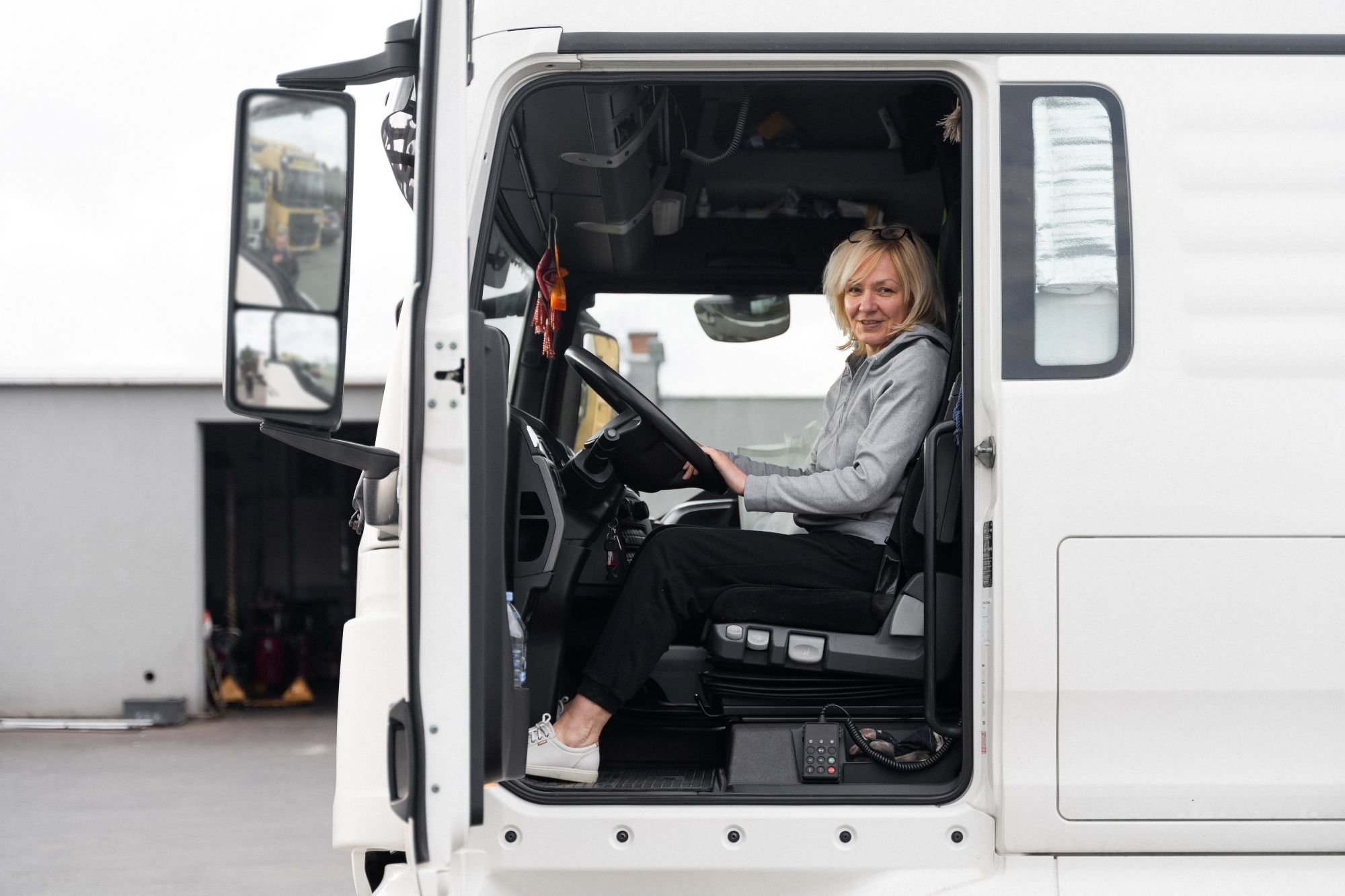
Zmena sa neobmedzuje len na úlohy vodičov. V celom širšom ekosystéme dopravy a logistiky sú ženy čoraz viac viditeľné v riadiacich, plánovacích a politických funkciách.

Z Indexu rovnosti, ktorý zverejnila organizácia Women in Transport vyplýva, že zastúpenie žien na vedúcich pozíciách sa v posledných rokoch zvýšilo z 26 % na 36 %. K tomuto nárastu však do veľkej miery došlo mimo hlavných prevádzkových funkcií. Zastúpenie žien na vedúcich pozíciách v doprave je stále pomerne obmedzené.

Túto medzeru rieši niekoľko priemyselných organizácií. Women in Transport ponúka možnosti mentoringu, zatiaľ čo everywoman oceňuje excelentnosť prostredníctvom svojich cien Transport and Logistics Awards, čím zviditeľňuje odborníčky v celom sektore. Chartered Institute of Logistics and Transport tiež oznámil nové podujatie Women in Supply Chain and Transport na rok 2026, zamerané na podporu kariérneho postupu a profesionálnych sietí.

Popri tom komunitné iniciatívy, ako napríklad GirlTorque, dokazujú, že záujem a angažovanosť rastú. Združenie Road Haulage Association tiež uverejnilo články, v ktorých sa venuje pozornosť vodičkám a zamestnankyniam, čím sa ešte viac zviditeľňuje. Tieto platformy spoločne pomáhajú spochybňovať zastarané názory a poskytujú praktickú podporu ženám, ktoré vstupujú do odvetvia alebo sa v ňom presadzujú.

Komerčný dôvod na začlenenie

Pre odvetvie nákladnej dopravy v Spojenom kráľovstve to nie je len rozhovor o rozmanitosti. Je to strategický rozhovor.

Predchádzajúce správy z tohto odvetvia poukázali na rozsah náborového tlaku v logistike. Združenie Road Haulage Association varovalo, že v nadchádzajúcich rokoch budú potrebné desaťtisíce nových vodičov, aby sa zachovala stabilita dodávateľského reťazca. Súčasne súčasná pracovná sila starne.

Keďže v súčasnosti je medzi vodičmi len jedno percento žien, značná časť potenciálneho trhu práce je stále nedostatočne zastúpená. Ak by sa miera účasti priblížila k parite so širšou pracovnou silou, mohlo by to mať významný vplyv na nábor.

Existujú tiež dôkazy, že inkluzívna kultúra prispieva k lepšiemu udržaniu a angažovanosti. Odvetvie, ktoré sa vyznačuje viditeľnými postupmi, spravodlivým prístupom k odbornej príprave a primeraným sociálnym zabezpečením, pravdepodobne osloví širšie demografické skupiny.

Navrhované ďalšie kroky

Pokrok sa nezrýchli len vďaka informovanosti. Sú potrebné štrukturálne zmeny.

Základom sú investície do bezpečných a dobre udržiavaných zariadení na cestách. Bezpečné parkovanie, primerané osvetlenie a čisté sociálne zariadenia sú prospešné pre všetkých vodičov a odstraňujú prekážky, ktorým sa dá vyhnúť.

Flexibilné pracovné modely, ak je to z prevádzkového hľadiska možné, môžu rozšíriť príťažlivosť. To môže zahŕňať regionálne trasy, dohody o zdieľaní pracovných miest alebo jasnejšie cesty postupu zo skladových a plánovacích pozícií na pozície vodičov.

Finančné prekážky môžu znížiť aj financované licencie a učňovská príprava. Ako už bolo uvedené, náklady na odbornú prípravu môžu byť značné. Iniciatívy cieleného financovania zamerané na nedostatočne zastúpené skupiny môžu podporiť vyváženejšie prijímanie študentov.

V neposlednom rade je dôležitá transparentnosť údajov o pracovnej sile. Zverejňovanie rodového rozdelenia, monitorovanie miery postupu a stanovenie merateľných cieľov signalizujú, že inklúzia sa berie vážne.

Sektor v bode obratu

Medzinárodný deň žien je príležitosťou zamyslieť sa nad tým, ako ďaleko sa odvetvie nákladnej dopravy v Spojenom kráľovstve dostalo a ako ďaleko má ešte pred sebou. Nárast počtu žien, ktoré získali vodičský preukaz a úspešne absolvovali skúšky, dokazuje, že záujem existuje. Zastúpenie vedúcich pracovníkov sa v niektorých oblastiach zlepšuje a podporné siete sa rozširujú. Rozsah nedostatočného zastúpenia je však stále výrazný.

Nákladná doprava má zásadný význam pre odolnosť krajiny. Zabezpečuje zásobovanie regálov, zásobovanie projektov infraštruktúry a plynulý obchod. Zabezpečenie toho, aby táto pracovná sila odrážala celú šírku dostupných talentov, nie je len otázkou spravodlivosti. Je to otázka dlhodobej udržateľnosti.

Podpora žien v nákladnej doprave znamená aj zlepšenie každodennej reality života na cestách. Prístup k bezpečnému parkovaniu, dobre osvetleným miestam na odpočinok a vhodným zariadeniam je základom pre udržanie a pohodu všetkých vodičov. Aplikácia intruck spoločnosti SNAP pomáha všetkým vodičom vyhľadať a rezervovať dôveryhodné zastávky pre nákladné vozidlá v Spojenom kráľovstve a Európe, čím poskytuje vozovým parkom lepší prehľad a vodičom väčšiu istotu, nech už ich trasa vedie kamkoľvek. Stiahnite si ju ešte dnes.

Zdieľať na

Ostatní tiež čítajú...

Header Image

streda 11 marca 2026 • Novinky z odvetvia

PARKOVANIE NÁKLADNÝCH VOZIDIEL V EURÓPE: PRAVIDLÁ, NEDOSTATKY, RIZIKÁ

Guest

Ask most fleet operators what makes life harder than it needs to be and you’ll hear the same answer across Europe: truck parking.Drivers have to stop. Hours rules and rest requirements make that non-negotiable. But on many of Europe’s busiest transport corridors, finding a safe, legal place to park is still uncertain. Capacity is low, security varies widely and most urban hubs aren’t built with HGVs in mind.That pressure has consequences. When designated areas are full, drivers are pushed towards places that were never intended for HGV parking: slip roads, access ramps and industrial estates. Compliance becomes a choice between two risks: stop where you shouldn’t, or keep driving when you shouldn’t.When truck parking overflows into unsuitable places, the environment becomes dangerous: poor visibility, high speeds, unpredictable manoeuvres and limited escape routes. starkly in February 2026, reporting fatal crashes in Germany and Belgium involving stationary lorries. The article challenges the easy explanation of “illegal parking” and points back to the underlying cause: drivers were out of driving time and the spaces were gone.In addition, a shortage of truck parking in Europe doesn’t just mean “no space”; it often means the only available space is poorly lit, unmonitored and isolated. That elevates the risk of theft and driver harm, which can have a knock-on effect for supply chain reliability.Poor parking provision also affects workforce sustainability. When drivers face uncertainty around legal, safe stopping, it makes the role harder and less attractive – compounding .For a long time, the conversation about truck parking focused on enforcement: where you can’t park and the penalties that follow. Increasingly, the focus is moving towards provision: where drivers can stop safely, reliably and legally. Under revised Trans-European Transport Network (TEN-T) rules, EU Member States must ensure the development of certified secure parking . The same requirement sets expectations for the location of truck parking. It must be immediately on the network or within 3km of an exit, which will have benefits for route planning. Alongside this shift, the European Commission positions safe and secure truck parking as a priority within its Intelligent Transport Systems work, including the need for to help drivers locate suitable sites.But the EU isn’t just asking Member States to add more truck parking spaces. It’s also defining what “safe and secure” means. In April 2022, the European Commission adopted EU standards for , categorising sites into four security levels: bronze, silver, gold and platinum. The intention is to create transparency for drivers and fleets, and to support investment by giving operators a clear target to design and audit against.This sits against a significant capacity gap. A European Commission study estimates a across the bloc, with the gap potentially rising towards half a million by 2040 if the network does not scale at the pace freight demand requires.Looking at more practical aspects of the situation, what are HGV parking rules and regulations in Europe?At first glance, HGV parking rules across Europe look consistent: Motorways are not designed to absorb overflow parking. Hard shoulders exist for emergencies and safety buffers. Access ramps are not for planned stopping.Urban areas add a layer of complexity. Local restrictions and enforcement are common because HGV parking competes with residents, retail and public space – and because badly parked vehicles create safety risks.Rules around HGV parking in the UK are clear. Trucks should use designated areas such as motorway services, truckstops and lorry parks. Conversely, drivers must avoid parking in locations that create risks, such as pavements, verges and central reservations. Restrictions around parking in residential areas vary by local authority, so it’s vital to check if this is unavoidable. The major constraint is supply. The RHA’s estimate of an , with very high utilisation on key routes, helps explain why informal and unsafe parking persists even where drivers know it isn’t ideal. In 2022, the Department for Transport across England, aimed at better rest areas and more secure parking, framed as part of a broader programme to improve roadside facilities.In Germany, motorway stopping rules are anchored in the (StVO), which makes clear that stopping on the autobahn – including the hard shoulder – is prohibited except in emergencies. That means running out of driving time is not treated as justification. Fines increase if obstruction or danger is caused, and enforcement is active on heavily used corridors. Poland follows the familiar motorway rule that hard shoulders are reserved for breakdowns and emergencies. The nuance appears within cities, where tonnage-based entry restrictions and are common. Overnight HGV parking in urban areas can require municipal approval and enforcement varies between municipalities. For cross-border fleets, that means treating urban stopping as permission-led rather than assumed.France reinforces the same principle through the . Articles R417-9 and R417-10 classify dangerous or obstructive parking offences, and stopping on autoroute carriageways or shoulders is prohibited except in cases of absolute necessity. Penalties can include fines and licence points.However, publishes dedicated information for secure truck parking on its network, reflecting how motorway operators guide HGV stopping into appropriate locations.Spain’s prohibits stopping on motorway shoulders except in emergencies, aligning with broader European practice. Additional complexity lies at municipal level. Many cities operate local overnight bans or restrict HGV parking to designated industrial zones, with enforcement handled by local police rather than motorway authorities. That creates a layered compliance environment: legal on the motorway network does not automatically mean legal in urban areas.To highlight positive developments, that a truck parking facility in La Jonquera became the first in Spain to receive TAPA certification, describing measures such as controlled access, fencing, lighting and continuous monitoring.Italy distinguishes clearly between motorway carriageways, ramps and designated service areas. Stopping on access or exit ramps is explicitly prohibited, and enforcement around motorway infrastructure is consistent. Importantly, Italy differentiates between aree di servizio (full service areas with facilities) and simpler rest or parking lay-bys, which may not support overnight welfare needs. However, Italy is also seeing new secure truck parking developments focused on welfare and security, reflecting the wider European momentum towards better provision.Across Europe, an additional regulatory layer now shapes truck parking decisions: Low Emission Zones (LEZs) and restricted urban traffic zones. Cities in France (Crit’Air), Germany (Umweltzonen), Spain (Zonas de Bajas Emisiones) and Italy (ZTL areas) impose vehicle-class or permit requirements that can apply even to stationary vehicles within the zone. A driver who parks overnight in a restricted area without the correct classification or registration risks fines – even if the stop itself is otherwise legal. Across Europe in 2026, the rules are clear. The constraint is capacity, especially near urban hubs and on high-volume corridors. For fleets, this has a practical impact: European truck parking can’t be left to chance at the end of a shift. It needs to be planned with the same seriousness as , routing, driver hours and security – because when the network fails to provide legal space, every other compliance system gets squeezed.SNAP can help. .

Header Image

utorok 03 februára 2026 • Novinky z odvetvia

VZNIK INTEGROVANÝCH LOGISTICKÝCH KORIDOROV: PREČO SÚ DÔLEŽITÉ PRE DOPRAVCOV

Guest

For decades, European haulage has been built around road networks. Although rail, inland waterways and ports have always played a role, most freight journeys relied on HGVs to bridge the gaps. That model is now being reshaped.Across the EU, governments and infrastructure bodies are investing in integrated logistics corridors – long-distance, multimodal routes designed to move goods more efficiently across borders while reducing congestion, emissions and pressure on roads. For hauliers, these corridors are not an abstract policy concept. They are already influencing where trucks can travel, how journeys are planned and the technologies that fleets must adopt.Understanding how these corridors work – and what they mean in practice – is becoming essential for operators covering international routes.In Europe, integrated logistics corridors sit alongside the EU’s Trans-European Transport Network (TEN-T). This long-term programme is designed to connect member states through coordinated road, rail, port and inland waterway infrastructure.At the core of this system are : Baltic-Adriatic North Sea-Baltic Mediterranean Orient-East Med Scandinavian-Mediterranean Rhine-Alpine Atlantic North Sea-Mediterranean Rhine-DanubeRather than treating road, rail and ports as separate systems, these corridors aim to integrate them. As such, there are aligned infrastructure standards, digital systems and operational rules, allowing freight to move more smoothly from origin to destination.In short, they prioritise multimodal freight. That might mean containers transferred seamlessly between ship, rail and truck, or trailers loaded onto trains for part of a journey before returning to the road network.One example is the use of , where entire HGVs are transported on low-floor rail wagons. Drivers often travel with their vehicles, resuming road journeys at the other end. Although they are typically associated with Alpine regions, Spain is investing heavily in to improve transport links. To make this coordination possible, logistics corridors rely heavily on digital infrastructure, including: Multimodal traffic management systems that coordinate rail slots, terminal capacity and road access. Digital freight documents to reduce paperwork at borders and terminals. and GNSS positioning to support compliance and monitoring. Real-time data sharing between infrastructure operators, logistics hubs and enforcement bodies.The goal is not to remove road haulage from the equation, but to make it part of a wider, more controlled system.Key European road routes are subject to high volumes of traffic, resulting in congestion and bottlenecks. Integrated corridors aim to relieve pressure by shifting some freight to rail or waterways where possible.In addition, recent data suggests that road transport accounts for . Integrated corridors support EU climate targets by encouraging use of other forms of transport, which will improve traffic flow and reduce stop-start congestion.For operators, the benefits of integrated logistics corridors are tangible, if not immediate. One of the most significant advantages is more predictable cross-border movement. Over time, this reduces uncertainty around journey times and improves scheduling for international routes.Corridors also expand options when road-only transport becomes constrained. Rolling highways and intermodal terminals can provide practical alternatives during periods of congestion, severe weather or regulatory restriction. At the same time, integrated digital systems improve visibility across journeys, giving fleet managers better data to plan rest breaks, terminal access and driving hours with greater accuracy and confidence.There are commercial implications too. By shifting long-haul legs to rail and reserving road transport for firstand last-mile delivery, some operators may limit their exposure to low-emission zones and urban access restrictions. In addition, trucks tied up on long-distance international routes are freed up for shorter, higher-frequency routes linked to logistics hubs and terminals. In parallel, removing the most expensive kilometres from a journey – those affected by , congestion or restrictions – can reduce operating costs. For hauliers that adapt their operating model, profitability becomes less about distance travelled and more about efficiency, reliability and the ability to deliver consistent service within tighter, more controlled time windows.Despite the advantages, integrated logistics corridors also introduce new complexity for hauliers. In several parts of Europe, restrictions on HGV movements are already in force, including night bans and quota-based access. As corridor strategies expand and environmental pressures increase, these measures could become more widespread and tightly enforced, adding constraints to route planning and scheduling.Progress across corridors is also uneven. While some routes benefit from modern terminals and upgraded rail links, others, such as the Rhine-Alpine corridor suffer from limited rail capacity, congested hubs and infrastructure gaps. In these areas, the promised efficiency gains can be undermined by delays and bottlenecks rather than resolved by them. This challenge is compounded by the complications of multimodal transport. Rail and terminal slots often involve advance booking and fixed timetables, reducing the flexibility that road-only operations have traditionally relied on to absorb disruption.Digital integration brings its own demands. Although shared data systems, smart tachographs and electronic documentation offer long-term efficiency, upfront investment in compatible fleet management tools is needed, alongside driver training and process change. For some operators this transition can be resource-intensive.Perhaps the most significant challenge, however, lies in competition. Integrated corridors tend to favour operators that can move freight predictably, digitally and across modes. Smaller or road-only operators may find themselves under pressure from larger fleets, intermodal specialists or logistics integrators offering bundled, end-to-end corridor solutions.For international hauliers, integrated corridors affect planning. Route choice is no longer just about distance and tolls. It involves:Assessing where road access may be limited. Identifying intermodal alternatives. Managing driver welfare across longer, more complex journeys. Ensuring compliance across multiple systems and jurisdictions.Fleets that understand how these corridors function and plan accordingly will be best placed to adapt as rules tighten and expectations rise.Integrated logistics corridors are reshaping how transport moves across Europe. They bring opportunities for greater efficiency and resilience, but also introduce new layers of operational and regulatory complexity for hauliers. As road transport becomes more tightly integrated with rail, ports and digital systems, driver welfare, planning certainty and access to reliable infrastructure matter more than ever. Fleet managers need clear visibility and control over costs, alongside confidence that drivers can stop and rest safely.Through our network of safe, reliable truck stops, paired with integrated payment solutions, we make life on the road simpler for both drivers and operators.

Header Image

utorok 16 decembra 2025 • Novinky z odvetvia

ČO ZNAMENAJÚ POVINNÉ DIGITÁLNE ZÁZNAMY V ŠPANIELSKU PRE VOZOVÉ PARKY PÔSOBIACE V EURÓPE

Guest

Spain is preparing for one of the most significant transport reforms in its recent history. The Sustainable Mobility Law (Ley de Movilidad Sostenible), which received final approval in November 2025, will introduce mandatory digital records for road freight control documentation, creating a more transparent, enforceable and efficient system for domestic and international carriers. Although this is a major national change, it forms part of a wider trend. Across Europe, governments and operators are moving towards a fully digital freight environment as the EU prepares to implement the (eFTI).For fleets working in and out of Spain, this is the start of an important transition. It signals a future in which paper documentation becomes the exception rather than the rule and in which digital processes support faster checks, smoother operations and greater consistency across borders.While the Sustainable Mobility Law addresses wide-ranging transport reforms – from urban mobility to domestic flight restrictions – the provisions most relevant to international freight operators centre on digital documentation. A central section of the law introduces a mandatory digital “control document” for road freight. This includes the use of approved digital formats, such as the electronic consignment note (eCMR), which Spain has already ratified and treats as legally equivalent to the paper CMR note. The law aims to reduce administrative burdens, eliminate inconsistencies in paperwork and shorten the time required for checks and inspections. Rather than relying on handwritten notes or physical documents that can be misplaced, carriers will store, share and verify transport information digitally. For operators, this should mean fewer disputes over documentation, less ambiguity around compliance requirements and greater certainty when preparing for audits or regulatory reviews.In practice, the obligation focuses first on the digital control document used for roadside and regulatory checks, but it is expected to accelerate wider use of eCMR and other digital freight documents across the supply chain.The timeline for implementation will begin once the law is published in Spain's Official State Gazette. Carriers should expect the digital control document obligation to take effect roughly ten months after publication, making 2026 the likely year when full compliance will be required.The Mobility Law applies to road transport operations that fall under Spanish control rules on Spanish territory, not just Spanish-registered companies. Carriers will need to ensure their systems can produce and transmit digital records in compliant formats. Any delay in adopting digital documentation could slow down inspections or disrupt customer schedules.This means that foreign operators running international loads into, out of or through Spain should plan on being able to provide the required control document in digital form when requested by Spanish authorities.The Spanish reforms align closely with the EU’s eFTI Regulation, which will require Member States to accept digital freight documentation once the technical and certification rules are in place (from mid-2027). eFTI sets a unified framework for how information is structured, transmitted and verified. While it obliges authorities to accept digital records, it does not require operators to use them. Spain’s Mobility Law therefore goes further, making digital control documents mandatory for road freight.Under eFTI, carriers will be able to provide freight information electronically through certified platforms. Enforcement authorities will receive that information through secure digital channels. This should reduce administrative friction across the EU’s busiest freight routes.Spain is not alone in taking early steps. Several EU countries have already moved towards paperless freight systems and their experience demonstrates what a fully digital environment could look like.● The Netherlands has been one of the earliest adopters of eCMR and has trialled end-to-end digital workflows across different modes of transport. ● France also moved early, supporting digital documentation and faster roadside checks following its ratification of the eCMR protocol. ● In the Benelux region, Belgium, Luxembourg and the Netherlands are running a joint eCMR pilot and digital logistics corridor, illustrating how interoperable documentation can work across national boundaries.● Denmark and Sweden have operated national e-freight trials designed to simplify the sharing of transport information. Taken together, these examples show that Spain’s Mobility Law is part of a broader European transition. Rather than standing apart, Spain is moving in step with a continental shift towards digital documentation that aims to make road freight faster, more transparent and more consistent across borders.The move to digital records brings several practical advantages. Digital documents reduce the time drivers and enforcement officers spend handling paperwork and shorten inspections during roadside checks. This mirrors the benefits seen with the introduction of , which have reduced unnecessary stops for compliant drivers and improved the consistency of enforcement across Europe.Digital documentation also removes the errors that can arise from handwritten notes or damaged paper notes. Fleet managers can instantly retrieve records, resolve errors more easily and maintain clearer oversight of documentation across multiple routes. For operators managing complex schedules, this increased predictability supports better planning and stronger customer service.Drivers are likely to benefit too. A shift to digital records reduces administrative pressure and helps avoid disagreement at delivery points. With all documents stored digitally, drivers have a single source of truth that is accepted across the supply chain.Fleets may need to invest in updated transport management systems or integrate new tools that support digital documentation. Operators may require additional support and training to shift from paper-based processes to new digital workflows.There will also be a period of adjustment in which paper and digital systems may operate side by side. As eFTI becomes established across Europe, some countries will move faster than others. Operators travelling across different borders may encounter varying expectations, particularly in the early years.Throughout this transition, driver welfare should remain a priority. The administrative load associated with new processes often falls on drivers. Clear training and straightforward systems will be essential.Spain’s Mobility Law marks an important moment in the evolution of European freight. It reflects a sector that is modernising at speed and preparing for a future built on digital workflows rather than manual paperwork. Operators that begin preparing now will be in a strong position as Spain’s digital control document requirements take effect and eFTI comes into force across Europe.At SNAP, we support fleets across Spain and the wider continent with tools that make daily operations simpler and more predictable. The intruck app helps drivers locate and book secure parking along their route, which is particularly valuable as compliance processes evolve. If your fleet is preparing for Spain’s new requirements or the broader digital transition across Europe, SNAP is here to support every step of the journey.