Guest
Novinky z odvetvia • 4 min čítania

Parkovanie nákladných vozidiel v Európe: Pravidlá, nedostatky, riziká

Vytvorené: 11. 03. 2026

Aktualizované: 11. 03. 2026

Ak sa spýtate väčšiny prevádzkovateľov vozových parkov, čo im sťažuje život, budete počuť rovnakú odpoveď v celej Európe: parkovanie nákladných vozidiel.

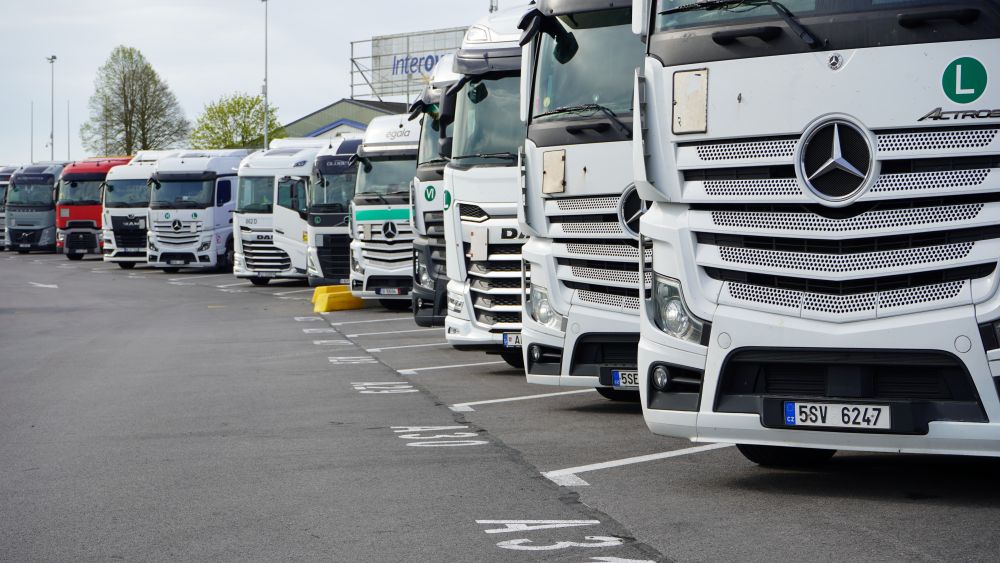
Vodiči musia zastaviť. Pravidlá týkajúce sa pracovného času a požiadaviek na odpočinok sú neoddiskutovateľné. Ale na mnohých najrušnejších dopravných koridoroch v Európe je stále neisté nájsť bezpečné a legálne miesto na parkovanie. Kapacita je nízka, bezpečnosť sa značne líši a väčšina mestských uzlov nie je postavená s ohľadom na nákladné vozidlá.

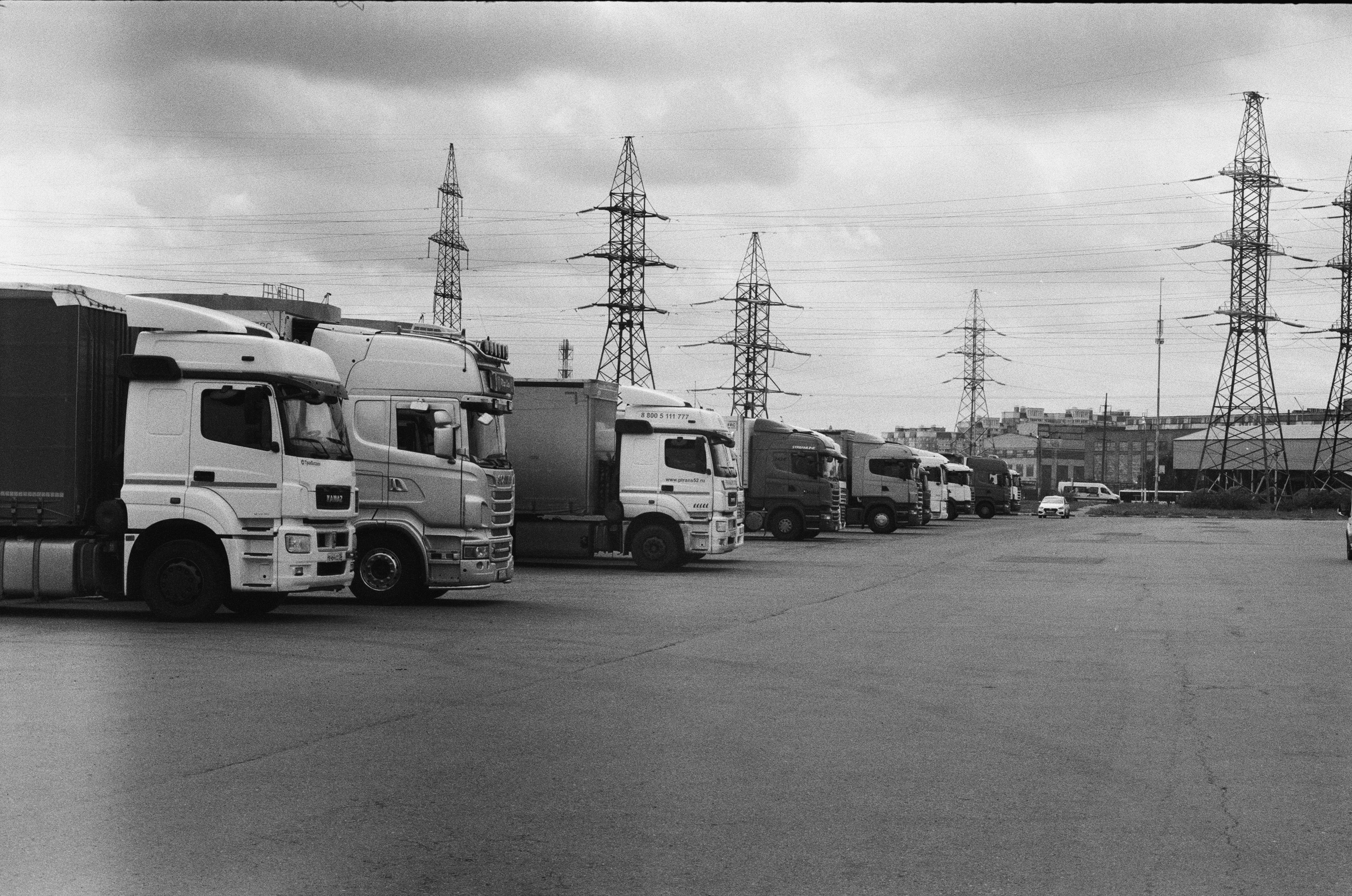
Tento tlak má svoje dôsledky. Keď sú určené miesta plné, vodiči sú tlačení na miesta, ktoré nikdy neboli určené na parkovanie nákladných vozidiel: výpadovky, príjazdové rampy a priemyselné zóny. Dodržiavanie predpisov sa stáva voľbou medzi dvoma rizikami: zastaviť tam, kde sa nemá, alebo pokračovať v jazde, keď sa nemá.

Vplyv na reálny svet

Keď sa parkovanie nákladných vozidiel preplní na nevhodné miesta, prostredie sa stáva nebezpečným: zlá viditeľnosť, vysoké rýchlosti, nepredvídateľné manévre a obmedzené únikové cesty. Vo februári 2026 to Trans.INFO zachytil ostro, keď informoval o smrteľných nehodách v Nemecku a Belgicku, ktorých účastníkmi boli stojace nákladné vozidlá. Článok spochybňuje jednoduché vysvetlenie "nelegálneho parkovania" a poukazuje späť na základnú príčinu: vodičom došiel čas jazdy a miesta neboli.

Okrem toho nedostatok parkovacích miest pre nákladné vozidlá v Európe neznamená len "žiadne miesto", ale často aj to, že jediné dostupné miesto je slabo osvetlené, nemonitorované a izolované. To zvyšuje riziko krádeže a poškodenia vodiča, čo môže mať následný vplyv na spoľahlivosť dodávateľského reťazca.

Udržateľnosť pracovnej sily ovplyvňuje aj nedostatočné zabezpečenie parkovania. Keď vodiči čelia neistote v súvislosti s legálnym a bezpečným zastavením, sťažuje to ich prácu a znižuje jej atraktívnosť, čo ešte viac zhoršuje problémy s náborom a udržaním vodičov.

Smer jazdy

Dlhý čas sa diskusia o parkovaní nákladných vozidiel sústreďovala na presadzovanie pravidiel: kde nemôžete parkovať a aké sankcie z toho vyplývajú. Čoraz viac sa pozornosť presúva na poskytovanie: kde môžu vodiči bezpečne, spoľahlivo a legálne zastaviť.

Podľa revidovaných pravidiel transeurópskej dopravnej siete (TEN-T) musia členské štáty EÚ do 31. decembra 2040 zabezpečiť vybudovanie certifikovaných bezpečných parkovísk každých 150 km na základnej sieti. Rovnaká požiadavka stanovuje očakávania týkajúce sa umiestnenia parkovísk pre nákladné vozidlá. Musí sa nachádzať bezprostredne na sieti alebo do 3 km od výjazdu, čo bude mať výhody pre plánovanie trasy.

Popri tejto zmene Európska komisia považuje bezpečné a spoľahlivé parkovanie nákladných vozidiel za prioritu v rámci svojej práce na inteligentných dopravných systémoch vrátane potreby spoľahlivých informácií, ktoré vodičom pomôžu nájsť vhodné miesta.

EÚ však od členských štátov nepožaduje len to, aby pridali viac parkovacích miest pre nákladné vozidlá. Zároveň definuje, čo znamená "bezpečný a chránený". V apríli 2022 Európska komisia prijala normy EÚ pre bezpečné a chránené parkoviská (SSPA), ktoré kategorizujú parkoviská do štyroch úrovní bezpečnosti: bronzovej, striebornej, zlatej a platinovej. Zámerom je vytvoriť transparentnosť pre vodičov a vozové parky a podporiť investície tým, že prevádzkovatelia dostanú jasný cieľ, podľa ktorého môžu navrhovať a kontrolovať.

To sa spája s výraznou kapacitnou medzerou. Štúdia Európskej komisie odhaduje nedostatok takmer 390 000 bezpečných parkovacích miest pre nákladné vozidlá v celom bloku, pričom tento nedostatok môže do roku 2040 narásť až na pol milióna, ak sa sieť nebude rozširovať takým tempom, aké si vyžaduje dopyt po nákladnej doprave.

Spoločné pravidlá pre všetky krajiny

Ak sa pozrieme na praktickejšie aspekty situácie, aké sú pravidlá a predpisy parkovania nákladných vozidiel v Európe?

Na prvý pohľad vyzerajú pravidlá parkovania nákladných vozidiel v Európe jednotne: * Diaľnice nie sú navrhnuté tak, aby absorbovali preplnené parkoviská. * Pevné ramená slúžia pre núdzové situácie a bezpečnostné nárazníky. * Príjazdové rampy nie sú určené na plánované zastavenie.

Mestské oblasti predstavujú ďalšiu zložitú vrstvu. Miestne obmedzenia a presadzovanie sú bežné, pretože parkovanie nákladných vozidiel konkuruje obyvateľom, maloobchodným predajniam a verejným priestorom - a pretože zle zaparkované vozidlá predstavujú bezpečnostné riziko.

Spojené kráľovstvo

Pravidlá parkovania nákladných vozidiel v Spojenom kráľovstve sú jasné. Nákladné vozidlá by mali využívať určené miesta, ako sú diaľničné servisy, odpočívadlá pre nákladné vozidlá a parkoviská pre nákladné vozidlá. Naopak, vodiči sa musia vyhýbať parkovaniu na miestach, ktoré predstavujú riziko, ako sú chodníky, krajnice a centrálne rezervácie. Obmedzenia týkajúce sa parkovania v obytných zónach sa líšia podľa miestnych úradov, preto je nevyhnutné overiť si, či sa tomu nedá vyhnúť.

Hlavným obmedzením je ponuka. Odhad RHA o nedostatku 11 000 miest s veľmi vysokým využitím na kľúčových trasách pomáha vysvetliť, prečo neformálne a nebezpečné parkovanie pretrváva aj tam, kde vodiči vedia, že to nie je ideálne. V roku 2022 ministerstvo dopravy oznámilo, že 39 prevádzkovateľom zariadení pri cestách v Anglicku udelilo takmer 8 miliónov libier zameraných na lepšie odpočívadlá a bezpečnejšie parkovanie, ktoré sú súčasťou širšieho programu na zlepšenie zariadení pri cestách.

Nemecko

V Nemecku sú pravidlá zastavovania na diaľniciach zakotvené v Straßenverkehrs-Ordnung (StVO), ktorý jasne stanovuje, že zastavovanie na diaľnici - vrátane spevnenej krajnice - je zakázané s výnimkou núdzových situácií. To znamená, že vyčerpanie času jazdy sa nepovažuje za ospravedlnenie. Pokuty sa zvyšujú, ak sa spôsobí prekážka alebo nebezpečenstvo, a na intenzívne využívaných koridoroch sa aktívne presadzujú.

Poľsko

Poľsko sa riadi známym pravidlom, že krajnice sú vyhradené pre poruchy a núdzové situácie. Nóvum sa objavuje v mestách, kde sú bežné obmedzenia vjazdu na základe tonáže a miestne dopravné predpisy.

Nočné parkovanie ťažkých nákladných vozidiel v mestských oblastiach si môže vyžadovať súhlas obce a jeho presadzovanie sa v jednotlivých obciach líši. Pre cezhraničné vozové parky to znamená, že zastavenie v mestách sa považuje skôr za povolenie než za predpokladané.

Francúzsko

Francúzsko posilňuje rovnaký princíp prostredníctvom Code de la route. Články R417-9 a R417-10 klasifikujú nebezpečné alebo prekážajúce parkovanie ako priestupok a zastavenie na vozovkách alebo krajniciach autotrasy je zakázané s výnimkou prípadov absolútnej nevyhnutnosti. Sankcie môžu zahŕňať pokuty a body do vodičského preukazu.

SANEF však zverejňuje osobitné informácie o bezpečnom parkovaní nákladných vozidiel na svojej sieti, ktoré odrážajú spôsob, akým prevádzkovatelia diaľnic usmerňujú zastavovanie nákladných vozidiel na vhodných miestach.

Španielsko

Španielsky zákon Ley de Seguridad Vial zakazuje zastavenie na krajniciach diaľnice s výnimkou núdzových situácií, čo je v súlade so širšou európskou praxou.

Ďalšia zložitosť spočíva na úrovni obcí. V mnohých mestách platia miestne zákazy nočného parkovania alebo sa parkovanie nákladných vozidiel obmedzuje na určené priemyselné zóny, pričom o ich dodržiavanie sa stará skôr miestna polícia než diaľničné úrady. To vytvára viacúrovňové prostredie dodržiavania predpisov: legálne na diaľničnej sieti neznamená automaticky legálne v mestských oblastiach.

Na zdôraznenie pozitívneho vývoja Trans.INFO informoval , že parkovisko pre nákladné vozidlá v La Jonquera získalo ako prvé v Španielsku certifikát TAPA, v ktorom sú opísané opatrenia ako kontrolovaný prístup, oplotenie, osvetlenie a nepretržité monitorovanie.

Taliansko

Taliansko jasne rozlišuje medzi vozovkami diaľnic, nájazdovými rampami a určenými servisnými zónami. Zastavovanie na príjazdových alebo výjazdových rampách je výslovne zakázané a dodržiavanie pravidiel v okolí diaľničnej infraštruktúry je dôsledné.

Dôležité je, že Taliansko rozlišuje medzi areálmi služieb (areálmi s kompletnými službami a zariadeniami) a jednoduchšími odstavnými alebo parkovacími plochami, ktoré nemusia podporovať potreby sociálnej starostlivosti cez noc.

V Taliansku však vznikajú aj nové bezpečné parkoviská pre nákladné vozidlá, ktoré sa zameriavajú na sociálne zabezpečenie a bezpečnosť, čo odráža širší európsky trend smerom k lepšiemu zabezpečeniu.
Poznámka k nízkoemisným zónam

V celej Európe teraz rozhodovanie o parkovaní nákladných vozidiel ovplyvňuje ďalšia regulačná vrstva: Zóny s nízkymi emisiami (LEZ) a zóny s obmedzenou premávkou v mestách. Mestá vo Francúzsku (Crit'Air), Nemecku (Umweltzonen), Španielsku (Zonas de Bajas Emisiones) a Taliansku (oblasti ZTL) zavádzajú požiadavky na triedu vozidla alebo povolenie, ktoré sa môžu vzťahovať aj na stojace vozidlá v zóne.

Vodič, ktorý zaparkuje cez noc v zóne s obmedzeným státím bez správnej klasifikácie alebo registrácie, riskuje pokutu, aj keď je samotné zastavenie inak legálne.

Viac informácií o ULEZ.

Bezpečné parkovanie nákladných vozidiel je riadenie rizík

V celej Európe v roku 2026 sú pravidlá jasné. Obmedzením je kapacita, najmä v blízkosti mestských uzlov a na koridoroch s vysokou intenzitou dopravy.

Pre vozové parky to má praktický dopad: Parkovanie európskych nákladných vozidiel na konci zmeny nemožno ponechať na náhodu. Musí sa plánovať s rovnakou vážnosťou ako mýto, trasovanie, pracovný čas vodičov a bezpečnosť - pretože keď sieť neposkytuje legálny priestor, každý iný systém dodržiavania predpisov sa obmedzuje.

SNAP vám môže pomôcť. Zaregistrujte sa a naplánujte bezpečné parkovanie pre svoj tím ešte dnes.
Zdieľať na

Ostatní tiež čítajú...

Header Image

štvrtok 26 februára 2026 • Novinky z odvetvia

ŽENY V NÁKLADNEJ DOPRAVE: ODOMYKANIE NEVYUŽITÝCH TALENTOV

Guest

Across the UK, around . They transport food to supermarkets, materials to construction sites and goods to ports and distribution centres. They underpin daily life and economic stability, forming a critical part of the UK’s national infrastructure.Yet only around . That amounts to roughly one per cent of the UK HGV workforce, according to reporting by . For an industry facing long-term recruitment pressure, that figure raises important questions about where future talent will come from and how the sector presents itself to potential entrants.There are signs of progress, however. The percentage of from 6.7% in 2011/12 to 9.7% by 2021/22. Over the past decade, women securing Category C and C+E licences increased by 144%, according to SME Web. More women are clearly choosing to train and qualify. The pipeline is widening, but the proportion of women behind the wheel remains marginal.Women have not been entirely absent from road transport. One of the earliest recorded female truck drivers was, who began driving heavy vehicles in the United States in 1918. During wartime periods in both the US and the UK, women stepped into transport roles out of necessity. Then, in the 1960s, became the UK’s first long-distance lorry driver, often working 100-hour weeks.However, outside exceptional circumstances, haulage has traditionally been male dominated. Cultural perceptions, physical assumptions about the work and the lifestyle associated with long distance driving have all played a part. Only in recent decades has participation begun to shift in a more sustained way.The reasons for low female participation are not limited to awareness. Structural and practical barriers remain.Facilities are a big concern. Professional drivers depend on secure parking, clean rest areas and appropriate welfare provision. For many years, roadside infrastructure has struggled to meet demand across the board. When rest stops are inadequate, poorly lit, feel unsafe or lack privacy, this can discourage women from joining the sector.Working patterns also play a role. Long-haul journeys can involve overnight stays and time away from home. While many drivers value the independence that comes with the role, the perception of work-life balance may deter some women, especially those with caring responsibilities. There is also the issue of visibility. When only one per cent of drivers are women, prospective candidates may struggle to see themselves in the sector. In addition, menopause symptoms such as fatigue, sleep disruption, hot flushes and anxiety can be difficult to manage in roles that involve long hours, limited access to private facilities and time away from home. In sectors where welfare provision is already under pressure, a lack of understanding or practical support can lead to experienced drivers leaving the workforce.For haulage, this is not a peripheral issue. Retaining experienced drivers is as important as attracting new entrants. Change is not confined to driving roles. Across the broader transport and logistics ecosystem, women are increasingly visible in management, planning and policy functions.The shows that leadership representation by women has increased from 26% to 36% in recent years. However, much of this growth has taken place outside core operational functions. Senior representation within frontline transport roles remains comparatively limited.Several industry organisations are addressing this gap. Women in Transport offers mentorship opportunities, while everywoman recognises excellence through its , raising the profile of female professionals across the sector. The Chartered Institute of Logistics and Transport has also announced a new , aimed at supporting career progression and professional networks.Alongside this, community initiatives such as demonstrate that interest and engagement are growing. The spotlighting female drivers and employees, further increasing visibility. Collectively, these platforms help challenge outdated perceptions and provide practical support for women entering or advancing within the industry.For the UK haulage sector, this is not just a diversity conversation. It is a strategic one.Previous industry reporting has highlighted the scale of recruitment pressure across logistics. The that tens of thousands of new drivers will be required in the coming years to maintain supply chain stability. At the same time, the existing workforce is ageing.With only one per cent of drivers currently women, a significant proportion of the potential labour market remains underrepresented. If participation rates were to move closer to parity with the wider workforce, the impact on recruitment could be substantial.There is also evidence that inclusive cultures contribute to improved retention and engagement. A sector that demonstrates visible progression pathways, fair access to training and appropriate welfare provision is likely to appeal more broadly across demographics.Progress will not accelerate through awareness alone. Structural changes are needed.Investment in safe, well maintained roadside facilities is fundamental. Secure parking, adequate lighting and clean welfare amenities benefit all drivers and remove avoidable barriers to entry.Flexible working models, where operationally feasible, can broaden appeal. This may include regional route design, job sharing arrangements or clearer progression pathways from warehouse and planning roles into driving positions.Funded licence pathways and apprenticeships can also reduce financial barriers. As previously outlined, the cost of training can be significant. Targeted funding initiatives aimed at underrepresented groups can support a more balanced intake.Finally, transparency around workforce data matters. Publishing gender breakdowns, monitoring progression rates and setting measurable objectives signal that inclusion is being taken seriously.International Women’s Day provides an opportunity to reflect on how far the UK haulage industry has come and how far it still has to go. The rise in female licence acquisition and test pass rates demonstrates that interest exists. Leadership representation is improving in some areas and support networks are expanding. However, the scale of underrepresentation remains stark.Haulage is central to national resilience. It keeps shelves stocked, infrastructure projects supplied and trade flowing. Ensuring that this workforce reflects the full breadth of available talent is not simply a question of equity. It is a matter of long term sustainability.Supporting women in haulage also means improving the day-to-day realities of life on the road. Access to secure parking, well-lit rest areas and appropriate facilities is fundamental to retention and wellbeing for all drivers. SNAP’s intruck app helps all drivers locate and book trusted truck stops across the UK and Europe, giving fleets greater visibility and drivers greater confidence wherever their route takes them. .

Header Image

utorok 03 februára 2026 • Novinky z odvetvia

VZNIK INTEGROVANÝCH LOGISTICKÝCH KORIDOROV: PREČO SÚ DÔLEŽITÉ PRE DOPRAVCOV

Guest

For decades, European haulage has been built around road networks. Although rail, inland waterways and ports have always played a role, most freight journeys relied on HGVs to bridge the gaps. That model is now being reshaped.Across the EU, governments and infrastructure bodies are investing in integrated logistics corridors – long-distance, multimodal routes designed to move goods more efficiently across borders while reducing congestion, emissions and pressure on roads. For hauliers, these corridors are not an abstract policy concept. They are already influencing where trucks can travel, how journeys are planned and the technologies that fleets must adopt.Understanding how these corridors work – and what they mean in practice – is becoming essential for operators covering international routes.In Europe, integrated logistics corridors sit alongside the EU’s Trans-European Transport Network (TEN-T). This long-term programme is designed to connect member states through coordinated road, rail, port and inland waterway infrastructure.At the core of this system are : Baltic-Adriatic North Sea-Baltic Mediterranean Orient-East Med Scandinavian-Mediterranean Rhine-Alpine Atlantic North Sea-Mediterranean Rhine-DanubeRather than treating road, rail and ports as separate systems, these corridors aim to integrate them. As such, there are aligned infrastructure standards, digital systems and operational rules, allowing freight to move more smoothly from origin to destination.In short, they prioritise multimodal freight. That might mean containers transferred seamlessly between ship, rail and truck, or trailers loaded onto trains for part of a journey before returning to the road network.One example is the use of , where entire HGVs are transported on low-floor rail wagons. Drivers often travel with their vehicles, resuming road journeys at the other end. Although they are typically associated with Alpine regions, Spain is investing heavily in to improve transport links. To make this coordination possible, logistics corridors rely heavily on digital infrastructure, including: Multimodal traffic management systems that coordinate rail slots, terminal capacity and road access. Digital freight documents to reduce paperwork at borders and terminals. and GNSS positioning to support compliance and monitoring. Real-time data sharing between infrastructure operators, logistics hubs and enforcement bodies.The goal is not to remove road haulage from the equation, but to make it part of a wider, more controlled system.Key European road routes are subject to high volumes of traffic, resulting in congestion and bottlenecks. Integrated corridors aim to relieve pressure by shifting some freight to rail or waterways where possible.In addition, recent data suggests that road transport accounts for . Integrated corridors support EU climate targets by encouraging use of other forms of transport, which will improve traffic flow and reduce stop-start congestion.For operators, the benefits of integrated logistics corridors are tangible, if not immediate. One of the most significant advantages is more predictable cross-border movement. Over time, this reduces uncertainty around journey times and improves scheduling for international routes.Corridors also expand options when road-only transport becomes constrained. Rolling highways and intermodal terminals can provide practical alternatives during periods of congestion, severe weather or regulatory restriction. At the same time, integrated digital systems improve visibility across journeys, giving fleet managers better data to plan rest breaks, terminal access and driving hours with greater accuracy and confidence.There are commercial implications too. By shifting long-haul legs to rail and reserving road transport for firstand last-mile delivery, some operators may limit their exposure to low-emission zones and urban access restrictions. In addition, trucks tied up on long-distance international routes are freed up for shorter, higher-frequency routes linked to logistics hubs and terminals. In parallel, removing the most expensive kilometres from a journey – those affected by , congestion or restrictions – can reduce operating costs. For hauliers that adapt their operating model, profitability becomes less about distance travelled and more about efficiency, reliability and the ability to deliver consistent service within tighter, more controlled time windows.Despite the advantages, integrated logistics corridors also introduce new complexity for hauliers. In several parts of Europe, restrictions on HGV movements are already in force, including night bans and quota-based access. As corridor strategies expand and environmental pressures increase, these measures could become more widespread and tightly enforced, adding constraints to route planning and scheduling.Progress across corridors is also uneven. While some routes benefit from modern terminals and upgraded rail links, others, such as the Rhine-Alpine corridor suffer from limited rail capacity, congested hubs and infrastructure gaps. In these areas, the promised efficiency gains can be undermined by delays and bottlenecks rather than resolved by them. This challenge is compounded by the complications of multimodal transport. Rail and terminal slots often involve advance booking and fixed timetables, reducing the flexibility that road-only operations have traditionally relied on to absorb disruption.Digital integration brings its own demands. Although shared data systems, smart tachographs and electronic documentation offer long-term efficiency, upfront investment in compatible fleet management tools is needed, alongside driver training and process change. For some operators this transition can be resource-intensive.Perhaps the most significant challenge, however, lies in competition. Integrated corridors tend to favour operators that can move freight predictably, digitally and across modes. Smaller or road-only operators may find themselves under pressure from larger fleets, intermodal specialists or logistics integrators offering bundled, end-to-end corridor solutions.For international hauliers, integrated corridors affect planning. Route choice is no longer just about distance and tolls. It involves:Assessing where road access may be limited. Identifying intermodal alternatives. Managing driver welfare across longer, more complex journeys. Ensuring compliance across multiple systems and jurisdictions.Fleets that understand how these corridors function and plan accordingly will be best placed to adapt as rules tighten and expectations rise.Integrated logistics corridors are reshaping how transport moves across Europe. They bring opportunities for greater efficiency and resilience, but also introduce new layers of operational and regulatory complexity for hauliers. As road transport becomes more tightly integrated with rail, ports and digital systems, driver welfare, planning certainty and access to reliable infrastructure matter more than ever. Fleet managers need clear visibility and control over costs, alongside confidence that drivers can stop and rest safely.Through our network of safe, reliable truck stops, paired with integrated payment solutions, we make life on the road simpler for both drivers and operators.

Header Image

utorok 16 decembra 2025 • Novinky z odvetvia

ČO ZNAMENAJÚ POVINNÉ DIGITÁLNE ZÁZNAMY V ŠPANIELSKU PRE VOZOVÉ PARKY PÔSOBIACE V EURÓPE

Guest

Spain is preparing for one of the most significant transport reforms in its recent history. The Sustainable Mobility Law (Ley de Movilidad Sostenible), which received final approval in November 2025, will introduce mandatory digital records for road freight control documentation, creating a more transparent, enforceable and efficient system for domestic and international carriers. Although this is a major national change, it forms part of a wider trend. Across Europe, governments and operators are moving towards a fully digital freight environment as the EU prepares to implement the (eFTI).For fleets working in and out of Spain, this is the start of an important transition. It signals a future in which paper documentation becomes the exception rather than the rule and in which digital processes support faster checks, smoother operations and greater consistency across borders.While the Sustainable Mobility Law addresses wide-ranging transport reforms – from urban mobility to domestic flight restrictions – the provisions most relevant to international freight operators centre on digital documentation. A central section of the law introduces a mandatory digital “control document” for road freight. This includes the use of approved digital formats, such as the electronic consignment note (eCMR), which Spain has already ratified and treats as legally equivalent to the paper CMR note. The law aims to reduce administrative burdens, eliminate inconsistencies in paperwork and shorten the time required for checks and inspections. Rather than relying on handwritten notes or physical documents that can be misplaced, carriers will store, share and verify transport information digitally. For operators, this should mean fewer disputes over documentation, less ambiguity around compliance requirements and greater certainty when preparing for audits or regulatory reviews.In practice, the obligation focuses first on the digital control document used for roadside and regulatory checks, but it is expected to accelerate wider use of eCMR and other digital freight documents across the supply chain.The timeline for implementation will begin once the law is published in Spain's Official State Gazette. Carriers should expect the digital control document obligation to take effect roughly ten months after publication, making 2026 the likely year when full compliance will be required.The Mobility Law applies to road transport operations that fall under Spanish control rules on Spanish territory, not just Spanish-registered companies. Carriers will need to ensure their systems can produce and transmit digital records in compliant formats. Any delay in adopting digital documentation could slow down inspections or disrupt customer schedules.This means that foreign operators running international loads into, out of or through Spain should plan on being able to provide the required control document in digital form when requested by Spanish authorities.The Spanish reforms align closely with the EU’s eFTI Regulation, which will require Member States to accept digital freight documentation once the technical and certification rules are in place (from mid-2027). eFTI sets a unified framework for how information is structured, transmitted and verified. While it obliges authorities to accept digital records, it does not require operators to use them. Spain’s Mobility Law therefore goes further, making digital control documents mandatory for road freight.Under eFTI, carriers will be able to provide freight information electronically through certified platforms. Enforcement authorities will receive that information through secure digital channels. This should reduce administrative friction across the EU’s busiest freight routes.Spain is not alone in taking early steps. Several EU countries have already moved towards paperless freight systems and their experience demonstrates what a fully digital environment could look like.● The Netherlands has been one of the earliest adopters of eCMR and has trialled end-to-end digital workflows across different modes of transport. ● France also moved early, supporting digital documentation and faster roadside checks following its ratification of the eCMR protocol. ● In the Benelux region, Belgium, Luxembourg and the Netherlands are running a joint eCMR pilot and digital logistics corridor, illustrating how interoperable documentation can work across national boundaries.● Denmark and Sweden have operated national e-freight trials designed to simplify the sharing of transport information. Taken together, these examples show that Spain’s Mobility Law is part of a broader European transition. Rather than standing apart, Spain is moving in step with a continental shift towards digital documentation that aims to make road freight faster, more transparent and more consistent across borders.The move to digital records brings several practical advantages. Digital documents reduce the time drivers and enforcement officers spend handling paperwork and shorten inspections during roadside checks. This mirrors the benefits seen with the introduction of , which have reduced unnecessary stops for compliant drivers and improved the consistency of enforcement across Europe.Digital documentation also removes the errors that can arise from handwritten notes or damaged paper notes. Fleet managers can instantly retrieve records, resolve errors more easily and maintain clearer oversight of documentation across multiple routes. For operators managing complex schedules, this increased predictability supports better planning and stronger customer service.Drivers are likely to benefit too. A shift to digital records reduces administrative pressure and helps avoid disagreement at delivery points. With all documents stored digitally, drivers have a single source of truth that is accepted across the supply chain.Fleets may need to invest in updated transport management systems or integrate new tools that support digital documentation. Operators may require additional support and training to shift from paper-based processes to new digital workflows.There will also be a period of adjustment in which paper and digital systems may operate side by side. As eFTI becomes established across Europe, some countries will move faster than others. Operators travelling across different borders may encounter varying expectations, particularly in the early years.Throughout this transition, driver welfare should remain a priority. The administrative load associated with new processes often falls on drivers. Clear training and straightforward systems will be essential.Spain’s Mobility Law marks an important moment in the evolution of European freight. It reflects a sector that is modernising at speed and preparing for a future built on digital workflows rather than manual paperwork. Operators that begin preparing now will be in a strong position as Spain’s digital control document requirements take effect and eFTI comes into force across Europe.At SNAP, we support fleets across Spain and the wider continent with tools that make daily operations simpler and more predictable. The intruck app helps drivers locate and book secure parking along their route, which is particularly valuable as compliance processes evolve. If your fleet is preparing for Spain’s new requirements or the broader digital transition across Europe, SNAP is here to support every step of the journey.