Guest
Новини от индустрията • 4 мин. четене

Паркиране на камиони в Европа: Правилата, пропуските и рисковете

Създаден: 11.03.2026

Актуализирано: 11.03.2026

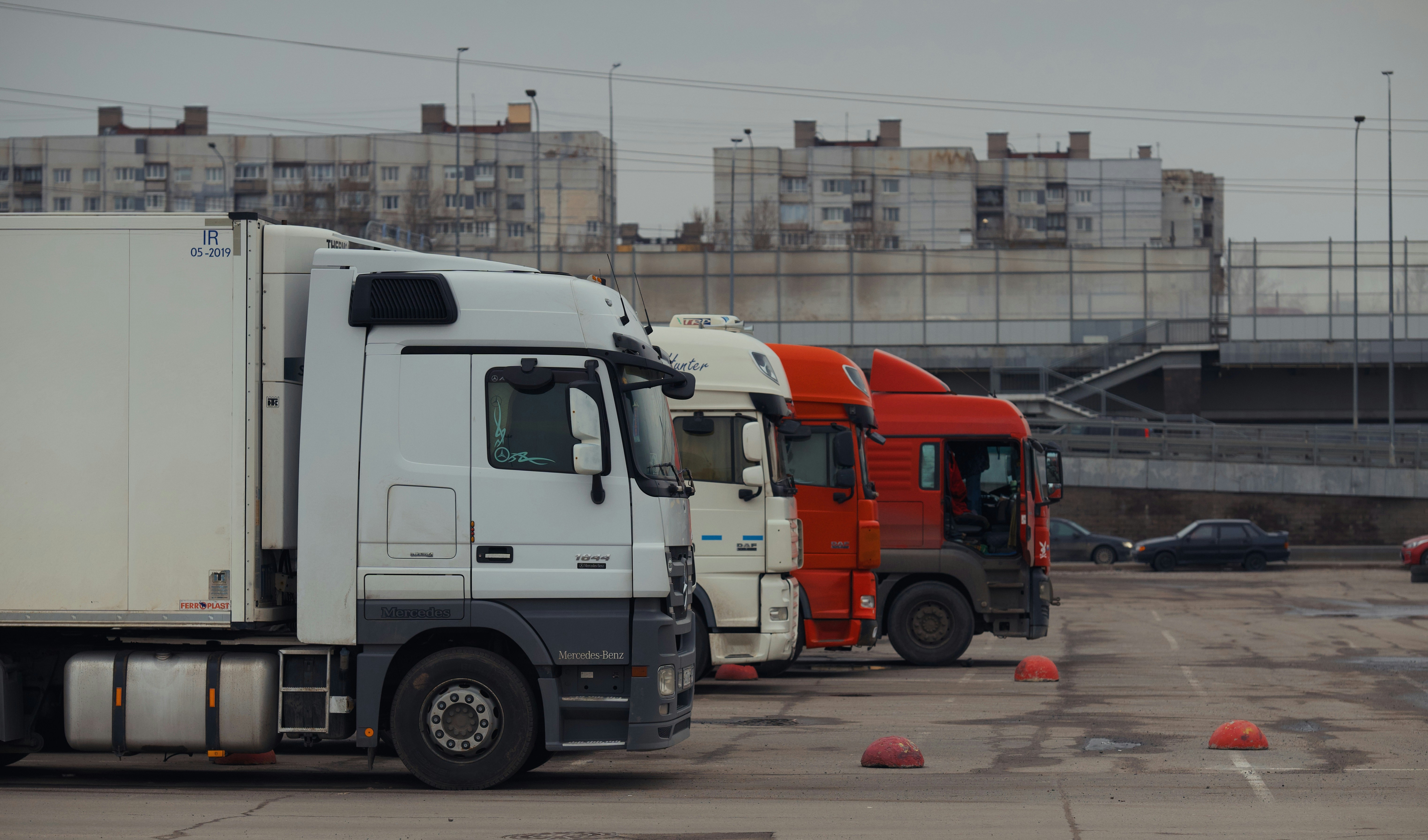
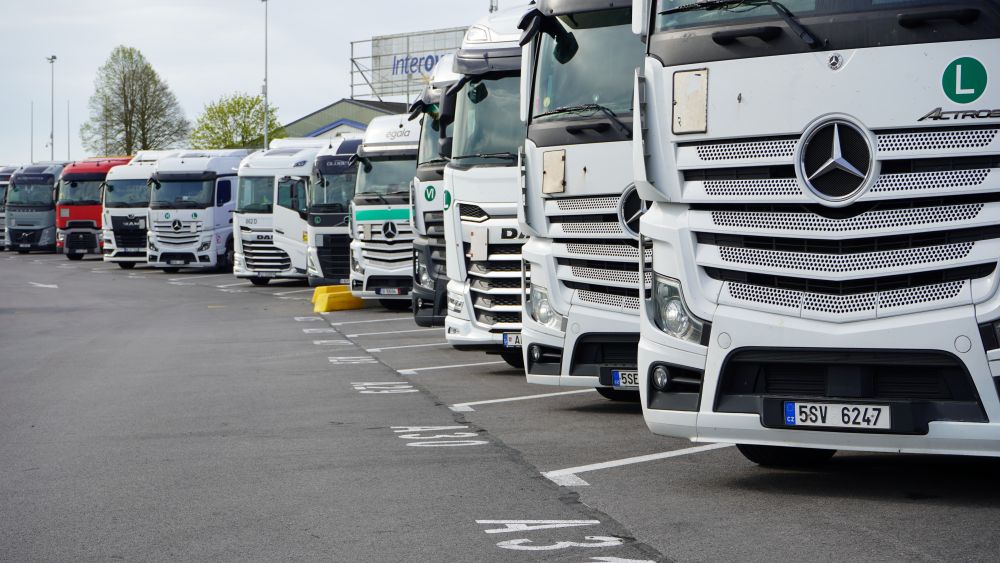
Ако попитате повечето оператори на автопаркове какво затруднява живота им, ще чуете един и същ отговор в цяла Европа: паркирането на камиони.

Шофьорите трябва да спрат. Правилата за работното време и изискванията за почивка не подлежат на обсъждане. Но по много от най-натоварените транспортни коридори в Европа намирането на безопасно и законно място за паркиране все още е несигурно. Капацитетът е малък, сигурността варира в широки граници, а повечето градски центрове не са построени с оглед на тежкотоварните автомобили.

Този натиск има последствия. Когато определените за това места са пълни, водачите са принудени да се насочат към места, които никога не са били предназначени за паркиране на тежкотоварни автомобили: улици за слизане, рампи за достъп и индустриални зони. Спазването на правилата се превръща в избор между два риска: да спрете там, където не трябва, или да продължите да шофирате, когато не трябва.

Реално въздействие

Когато паркингът за камиони се препълни на неподходящи места, средата става опасна: лоша видимост, високи скорости, непредсказуеми маневри и ограничени пътища за бягство. През февруари 2026 г. Trans.INFO улови това рязко, като съобщи за катастрофи с фатален край в Германия и Белгия, в които са участвали неподвижни камиони. Статията оспорва лесното обяснение за "незаконно паркиране" и насочва обратно към основната причина: шофьорите не са имали време за шофиране и местата са били изчезнали.

Освен това недостигът на паркинги за камиони в Европа не означава просто "няма място", а често означава, че единственото налично място е лошо осветено, неконтролирано и изолирано. Това повишава риска от кражби и увреждане на шофьора, което може да има отражение върху надеждността на веригата за доставки.

Лошото осигуряване на паркинги също се отразява на устойчивостта на работната сила. Когато шофьорите се сблъскват с несигурност относно законното и безопасно спиране, това прави ролята им по-трудна и по-малко привлекателна, което задълбочава проблемите, свързани с набирането и задържането на шофьори.

Посоката на движение

Дълго време разговорът за паркирането на камиони се съсредоточаваше върху прилагането на закона: къде не може да се паркира и какви санкции следват. Все по-често фокусът се насочва към осигуряване: къде водачите могат да спират безопасно, надеждно и законно.

Съгласно преразгледаните правила за трансевропейската транспортна мрежа (TEN-T) държавите членки на ЕС трябва да осигурят изграждането на сертифицирани охраняеми паркинги на всеки 150 км по основната мрежа до 31 декември 2040 г.. Същото изискване определя очакванията за местоположението на паркингите за камиони. Той трябва да бъде разположен непосредствено в мрежата или в рамките на 3 км от изход, което ще има предимства за планирането на маршрута.

Заедно с тази промяна Европейската комисия поставя безопасното и сигурно паркиране на камиони като приоритет в работата си по интелигентните транспортни системи, включително необходимостта от надеждна информация, която да помага на водачите да намират подходящи места.

Но ЕС не просто иска от държавите членки да добавят повече места за паркиране на камиони. Той също така определя какво означава "безопасно и сигурно". През април 2022 г. Европейската комисия прие стандартите на ЕС за безопасни и сигурни зони за паркиране (SSPA), като категоризира местата в четири нива на сигурност: бронзово, сребърно, златно и платинено. Намерението е да се създаде прозрачност за водачите и автопарковете и да се подкрепят инвестициите, като се даде на операторите ясна цел, по която да проектират и одитират.

Това се случва при значителен недостиг на капацитет. Проучване на Европейската комисия оценява недостиг на почти 390 000 безопасни и сигурни места за паркиране на камиони в целия блок, като недостигът може да нарасне до половин милион до 2040 г., ако мрежата не се разшири с темповете, които изисква търсенето на товарни превози.

Общи правила за всички държави

Ако разгледаме по-практическите аспекти на ситуацията, какви са правилата и разпоредбите за паркиране на тежкотоварни автомобили в Европа?

На пръв поглед правилата за паркиране на тежкотоварни автомобили в Европа изглеждат последователни: * Автомагистралите не са проектирани да поемат препълнени паркинги. * Твърдите бордюри са предназначени за аварийни ситуации и за буфери за безопасност. * Рампите за достъп не са предназначени за планирано спиране.

Градските райони добавят още едно ниво на сложност. Местните ограничения и правоприлагането са често срещани, тъй като паркирането на тежкотоварни автомобили се конкурира с паркирането на жители, търговски обекти и обществени пространства, а лошо паркираните превозни средства създават рискове за безопасността.

Обединеното кралство

Правилата за паркиране на тежкотоварни автомобили в Обединеното кралство са ясни. Камионите трябва да използват определените за това места, като например сервизи по магистралите, спирки за камиони и паркинги за камиони. Обратно, водачите трябва да избягват паркирането на места, които създават рискове, като тротоари, крайпътни и централни резервати. Ограниченията за паркиране в жилищни райони варират в зависимост от местните власти, така че е важно да проверите дали това е неизбежно.

Основното ограничение е предлагането. Оценката на RHA за недостиг на 11 000 места, при много високо използване на ключови маршрути, помага да се обясни защо неофициалното и опасно паркиране продължава дори там, където водачите знаят, че не е идеално. През 2022 г. Министерството на транспорта съобщи за близо 8 млн. паунда, отпуснати на 39 оператори на крайпътни съоръжения в Англия, насочени към по-добри места за почивка и по-сигурни паркинги, оформени като част от по-широка програма за подобряване на крайпътните съоръжения.

Германия

В Германия правилата за спиране по магистралите са залегнали в Straßenverkehrs-Ordnung (StVO), в който ясно се посочва, че спирането по аутобана - включително и по твърдата част на пътя - е забранено, освен в спешни случаи. Това означава, че изчерпването на времето за шофиране не се третира като оправдание. Глобите се увеличават, ако е причинено затруднение или опасност, а по силно използваните коридори има активен контрол.

Полша

В Полша се спазва познатото правило за магистралите, че твърдите бордюри са запазени за катастрофи и спешни случаи. Нюансите се проявяват в градовете, където често се срещат ограничения за влизане, основани на тонажа, и местни заповеди за движение.

Нощното паркиране на тежкотоварни автомобили в градските райони може да изисква одобрение от общината, а прилагането на закона е различно в отделните общини. За трансграничните автопаркове това означава спирането в градски условия да се разглежда като изискващо разрешение, а не като предполагаемо.

Франция

Франция утвърждава същия принцип чрез Code de la route. Членове R417-9 и R417-10 класифицират опасни или пречещи на паркирането нарушения, а спирането върху пътните платна на автомагистралите или върху страничните участъци е забранено, освен в случаите на абсолютна необходимост. Наказанията могат да включват глоби и точки за свидетелство за управление на МПС.

Въпреки това SANEF публикува специална информация за охраняемите паркинги за камиони в своята мрежа, отразявайки начина, по който операторите на магистрали насочват спирането на тежкотоварни автомобили към подходящи места.

Испания

Испанският закон Ley de Seguridad Vial забранява спирането по страничните участъци на магистралите, освен при спешни случаи, което е в съответствие с по-широката европейска практика.

Допълнителна сложност се крие на общинско ниво. В много градове се въвеждат местни забрани за паркиране през нощта или се ограничава паркирането на тежкотоварни автомобили до определени индустриални зони, като контролът се осъществява от местната полиция, а не от органите, отговарящи за автомагистралите. Това създава многопластова среда за спазване на изискванията: законността на магистралната мрежа не означава автоматично законност в градските райони.

За да подчертае положителните тенденции, Trans.INFO съобщи че паркинг за камиони в Ла Йонкера е първият в Испания, който е получил сертификат TAPA, описващ мерки като контролиран достъп, ограда, осветление и непрекъснато наблюдение.

Италия

В Италия се прави ясно разграничение между пътните платна на магистралите, рампите и определените сервизни зони. Спирането на рампите за достъп или изход е изрично забранено, а прилагането на правилата около инфраструктурата на магистралите е последователно.

Важно е да се отбележи, че в Италия се прави разграничение между aree di servizio (зони за пълно обслужване със съоръжения) и по-прости места за почивка или паркиране, които не могат да обслужват нуждите от социални грижи през нощта.

Въпреки това в Италия също се появяват нови проекти за охраняеми паркинги за камиони, насочени към благосъстоянието и сигурността, което отразява по-широката европейска тенденция за по-добро осигуряване.
Бележка за зоните с ниски емисии

В цяла Европа решенията за паркиране на камиони се определят от допълнително регулаторно ниво: Зони с ниски емисии (ЗНИ) и зони с ограничено движение в градовете. Градовете във Франция (Crit'Air), Германия (Umweltzonen), Испания (Zonas de Bajas Emisiones) и Италия (ZTL зони) налагат изисквания за клас превозни средства или разрешителни, които могат да се прилагат дори за неподвижни превозни средства в рамките на зоната.

Шофьор, който паркира през нощта в зона с ограничен достъп, без да има необходимата класификация или регистрация, рискува да бъде глобен, дори ако самото спиране е законно.

Прочетете повече за ULEZ.

Сигурният паркинг за камиони е управление на риска

В цяла Европа през 2026 г. правилата са ясни. Ограничението е в капацитета, особено в близост до градските центрове и по коридорите с голям трафик.

За автопарковете това има практическо значение: Паркирането на европейски камиони не може да бъде оставено на случайността в края на смяната. Той трябва да бъде планиран със същата сериозност като таксуването на пътни такси, маршрутите, работното време на водачите и сигурността - защото когато мрежата не успее да осигури законно пространство, всяка друга система за спазване на изискванията се оказва подтисната.

SNAP може да ви помогне. Регистрирайте се и планирайте сигурен паркинг за камиони за вашия екип днес.

Споделете с

Други също четат...

Header Image

сряда 15 април 2026 • Новини от индустрията

КРАЖБИ НА ТОВАРИ В ЕВРОПА: ЗАЩО СЕ УВЕЛИЧАВАТ И КАК АВТОПАРКОВЕТЕ МОГАТ ДА НАМАЛЯТ РИСКА

Guest

Cargo theft is a growing threat across Europe. What was once seen as an occasional disruption is now a more persistent and organised risk to road transport, affecting fleets, drivers and the wider supply chain. Reported losses and incidents have risen sharply, with one widely cited industry figure pointing to a in recent years. In alone, 557 cargo crimes were recorded across 38 countries in the TAPA EMEA Intelligence System, and even though values were disclosed for fewer than one in five incidents, those 100 cases still totalled more than €43 million.In this article, we explore the current trends and what fleet managers and operators can do to minimise their risks.Food and beverage shipments are among the most commonly targeted categories in Europe, accounting for . also rank highly. These goods are attractive because they are easy to move, easy to sell and often difficult to trace once they enter secondary markets.The recent on its way from Italy to Poland is a useful example. Nestlé said the missing load amounted to roughly 413,793 bars, showing how quickly a mainstream consumer shipment can become a target when moving across borders.These shipments are attractive targets for organised groups because they can be offloaded quickly, resulting in rapid returns. Cargo crime often happens while loads are moving. report found that hijackings accounted for 21% of incidents, while 41% of thefts happened in transit. That is a reminder that risk does not begin when a truck parks for the night. It can begin long before a vehicle stops for the night, particularly on exposed corridors or routes where load visibility and security controls are weaker.Parked vehicles remain a major point of vulnerability. In the UK, Munich Re reported that nearly half of all thefts take place at unsecured roadside parking and rest areas. Across Europe, unsecured roadside locations and rest areas continue to feature prominently in cargo crime reporting, especially where drivers have limited alternatives and secure sites are full.Some of the most concerning incidents show coordination. recently documented attacks in Germany in which dozens of trucks were targeted in a single night along the A1 corridor. In one November 2023 incident, 67 trucks had trailers slashed at service and rest areas including Ostetal South and Grundbergsee South. Similar attacks had already taken place on the same route months earlier.Germany remains one of the clearest hotspots, largely because of the scale of freight passing through the country. Analysis showed that in 2023, more than double France in second place. Other recurring hotspots include France, Italy, Spain and the United Kingdom. That pattern reflects the reality of European freight movement. Dense logistics networks, major freight hubs and heavily used motorways create more opportunities for organised criminals, especially when secure parking capacity fails to keep pace with demand.Munich Re warns that cargo thieves are increasingly using more sophisticated methods, including identity deception, cyber-enabled scams and other tactics that bypass traditional controls. Wider points to GPS jamming, paperwork manipulation and shipment diversion as part of that shift.A stolen load may now begin with compromised data, a fraudulent carrier, a diverted instruction or a vehicle whose movements can no longer be tracked properly. For fleets, that means theft prevention now involves more than physical security. It also requires tighter dispatch processes, better control over shipment data and clearer real-time visibility.The most obvious impact is financial. Stolen goods lead to lost goods, insurance claims and disruption. But the direct value of the missing load is only part of the problem. Delayed deliveries, vehicle damage, missed slots and customer dissatisfaction can all push the true cost much higher. There is also a human cost. Drivers may face intimidation, confrontation or the shock of discovering that their vehicle has been tampered with while they were resting. Even where there is no direct violence, exposure to insecure roadside stops creates stress, fatigue and a sense of vulnerability that can affect driver welfare and retention. Operationally, the knock-on effects spread quickly through the supply chain. A single theft can mean missed delivery windows, rerouted vehicles, stock shortages and added pressure on already stretched teams. For temperature-sensitive, time-critical or high-value loads, the consequences can multiply fast.There is no single fix, but fleets can reduce exposure with a more structured approach to planning, parking and security.Secure parking remains one of the clearest areas for improvement. TAPA’s Parking Security Requirements framework provides an internationally recognised benchmark for secure truck parking, helping operators assess which locations offer stronger protection for vehicles, loads and drivers. Choosing accredited sites will not eliminate cargo theft, but it can significantly reduce the opportunity for organised criminals to strike.In practice, that may mean stopping earlier than planned to reach a safer site rather than pushing on to an unsecured lay-by. While that can feel less efficient in the moment, it is often the more resilient choice.For fleets, the challenge is not just knowing secure parking matters but being able to access it easily. SNAP helps bridge that gap by giving drivers and operators better visibility of trusted parking options across the UK and Europe, making it simpler to plan and reserve safer stops from the outset.Read more: Cybersecurity now sits alongside physical security in any serious theft-prevention strategy. Tracking, geofencing and anti-jamming tools can all help, but only if they are backed by clear processes. Fleets should review how shipment data is shared, who can alter route instructions, how delivery paperwork is verified and what happens if a vehicle suddenly disappears from view. Drivers are often the last line of defence, but they should not carry the burden alone. Clear escalation procedures, regular check-ins, secure rest planning and training on suspicious activity all matter. One of the biggest structural issues behind cargo theft is the shortage of secure truck parking. When drivers cannot find protected sites with proper lighting, access control and welfare facilities, they are more likely to end up in the very locations thieves are already targeting. SNAP has trained working to accredit more parking sites across the UK and continental Europe, helping expand the availability of secure truck parking and reduce opportunities for organised theft.For fleets, the challenge is not just understanding risk, but building safer stopping decisions into everyday operations. At SNAP, we help drivers and operators identify trusted parking options across the UK and Europe, making it easier to plan routes with security and driver welfare in mind.

Header Image

четвъртък 26 февруари 2026 • Новини от индустрията

ЖЕНИ В ОБЛАСТТА НА ТОВАРНИТЕ ПРЕВОЗИ: ОТКЛЮЧВАНЕ НА НЕИЗПОЛЗВАН ТАЛАНТ

Guest

Across the UK, around . They transport food to supermarkets, materials to construction sites and goods to ports and distribution centres. They underpin daily life and economic stability, forming a critical part of the UK’s national infrastructure.Yet only around . That amounts to roughly one per cent of the UK HGV workforce, according to reporting by . For an industry facing long-term recruitment pressure, that figure raises important questions about where future talent will come from and how the sector presents itself to potential entrants.There are signs of progress, however. The percentage of from 6.7% in 2011/12 to 9.7% by 2021/22. Over the past decade, women securing Category C and C+E licences increased by 144%, according to SME Web. More women are clearly choosing to train and qualify. The pipeline is widening, but the proportion of women behind the wheel remains marginal.Women have not been entirely absent from road transport. One of the earliest recorded female truck drivers was, who began driving heavy vehicles in the United States in 1918. During wartime periods in both the US and the UK, women stepped into transport roles out of necessity. Then, in the 1960s, became the UK’s first long-distance lorry driver, often working 100-hour weeks.However, outside exceptional circumstances, haulage has traditionally been male dominated. Cultural perceptions, physical assumptions about the work and the lifestyle associated with long distance driving have all played a part. Only in recent decades has participation begun to shift in a more sustained way.The reasons for low female participation are not limited to awareness. Structural and practical barriers remain.Facilities are a big concern. Professional drivers depend on secure parking, clean rest areas and appropriate welfare provision. For many years, roadside infrastructure has struggled to meet demand across the board. When rest stops are inadequate, poorly lit, feel unsafe or lack privacy, this can discourage women from joining the sector.Working patterns also play a role. Long-haul journeys can involve overnight stays and time away from home. While many drivers value the independence that comes with the role, the perception of work-life balance may deter some women, especially those with caring responsibilities. There is also the issue of visibility. When only one per cent of drivers are women, prospective candidates may struggle to see themselves in the sector. In addition, menopause symptoms such as fatigue, sleep disruption, hot flushes and anxiety can be difficult to manage in roles that involve long hours, limited access to private facilities and time away from home. In sectors where welfare provision is already under pressure, a lack of understanding or practical support can lead to experienced drivers leaving the workforce.For haulage, this is not a peripheral issue. Retaining experienced drivers is as important as attracting new entrants. Change is not confined to driving roles. Across the broader transport and logistics ecosystem, women are increasingly visible in management, planning and policy functions.The shows that leadership representation by women has increased from 26% to 36% in recent years. However, much of this growth has taken place outside core operational functions. Senior representation within frontline transport roles remains comparatively limited.Several industry organisations are addressing this gap. Women in Transport offers mentorship opportunities, while everywoman recognises excellence through its , raising the profile of female professionals across the sector. The Chartered Institute of Logistics and Transport has also announced a new , aimed at supporting career progression and professional networks.Alongside this, community initiatives such as demonstrate that interest and engagement are growing. The spotlighting female drivers and employees, further increasing visibility. Collectively, these platforms help challenge outdated perceptions and provide practical support for women entering or advancing within the industry.For the UK haulage sector, this is not just a diversity conversation. It is a strategic one.Previous industry reporting has highlighted the scale of recruitment pressure across logistics. The that tens of thousands of new drivers will be required in the coming years to maintain supply chain stability. At the same time, the existing workforce is ageing.With only one per cent of drivers currently women, a significant proportion of the potential labour market remains underrepresented. If participation rates were to move closer to parity with the wider workforce, the impact on recruitment could be substantial.There is also evidence that inclusive cultures contribute to improved retention and engagement. A sector that demonstrates visible progression pathways, fair access to training and appropriate welfare provision is likely to appeal more broadly across demographics.Progress will not accelerate through awareness alone. Structural changes are needed.Investment in safe, well maintained roadside facilities is fundamental. Secure parking, adequate lighting and clean welfare amenities benefit all drivers and remove avoidable barriers to entry.Flexible working models, where operationally feasible, can broaden appeal. This may include regional route design, job sharing arrangements or clearer progression pathways from warehouse and planning roles into driving positions.Funded licence pathways and apprenticeships can also reduce financial barriers. As previously outlined, the cost of training can be significant. Targeted funding initiatives aimed at underrepresented groups can support a more balanced intake.Finally, transparency around workforce data matters. Publishing gender breakdowns, monitoring progression rates and setting measurable objectives signal that inclusion is being taken seriously.International Women’s Day provides an opportunity to reflect on how far the UK haulage industry has come and how far it still has to go. The rise in female licence acquisition and test pass rates demonstrates that interest exists. Leadership representation is improving in some areas and support networks are expanding. However, the scale of underrepresentation remains stark.Haulage is central to national resilience. It keeps shelves stocked, infrastructure projects supplied and trade flowing. Ensuring that this workforce reflects the full breadth of available talent is not simply a question of equity. It is a matter of long term sustainability.Supporting women in haulage also means improving the day-to-day realities of life on the road. Access to secure parking, well-lit rest areas and appropriate facilities is fundamental to retention and wellbeing for all drivers. SNAP’s intruck app helps all drivers locate and book trusted truck stops across the UK and Europe, giving fleets greater visibility and drivers greater confidence wherever their route takes them. .

Header Image

вторник 03 февруари 2026 • Новини от индустрията

РАЗВИТИЕТО НА ИНТЕГРИРАНИТЕ ЛОГИСТИЧНИ КОРИДОРИ: ЗАЩО ТЕ СА ВАЖНИ ЗА ПРЕВОЗВАЧИТЕ

Guest

For decades, European haulage has been built around road networks. Although rail, inland waterways and ports have always played a role, most freight journeys relied on HGVs to bridge the gaps. That model is now being reshaped.Across the EU, governments and infrastructure bodies are investing in integrated logistics corridors – long-distance, multimodal routes designed to move goods more efficiently across borders while reducing congestion, emissions and pressure on roads. For hauliers, these corridors are not an abstract policy concept. They are already influencing where trucks can travel, how journeys are planned and the technologies that fleets must adopt.Understanding how these corridors work – and what they mean in practice – is becoming essential for operators covering international routes.In Europe, integrated logistics corridors sit alongside the EU’s Trans-European Transport Network (TEN-T). This long-term programme is designed to connect member states through coordinated road, rail, port and inland waterway infrastructure.At the core of this system are : Baltic-Adriatic North Sea-Baltic Mediterranean Orient-East Med Scandinavian-Mediterranean Rhine-Alpine Atlantic North Sea-Mediterranean Rhine-DanubeRather than treating road, rail and ports as separate systems, these corridors aim to integrate them. As such, there are aligned infrastructure standards, digital systems and operational rules, allowing freight to move more smoothly from origin to destination.In short, they prioritise multimodal freight. That might mean containers transferred seamlessly between ship, rail and truck, or trailers loaded onto trains for part of a journey before returning to the road network.One example is the use of , where entire HGVs are transported on low-floor rail wagons. Drivers often travel with their vehicles, resuming road journeys at the other end. Although they are typically associated with Alpine regions, Spain is investing heavily in to improve transport links. To make this coordination possible, logistics corridors rely heavily on digital infrastructure, including: Multimodal traffic management systems that coordinate rail slots, terminal capacity and road access. Digital freight documents to reduce paperwork at borders and terminals. and GNSS positioning to support compliance and monitoring. Real-time data sharing between infrastructure operators, logistics hubs and enforcement bodies.The goal is not to remove road haulage from the equation, but to make it part of a wider, more controlled system.Key European road routes are subject to high volumes of traffic, resulting in congestion and bottlenecks. Integrated corridors aim to relieve pressure by shifting some freight to rail or waterways where possible.In addition, recent data suggests that road transport accounts for . Integrated corridors support EU climate targets by encouraging use of other forms of transport, which will improve traffic flow and reduce stop-start congestion.For operators, the benefits of integrated logistics corridors are tangible, if not immediate. One of the most significant advantages is more predictable cross-border movement. Over time, this reduces uncertainty around journey times and improves scheduling for international routes.Corridors also expand options when road-only transport becomes constrained. Rolling highways and intermodal terminals can provide practical alternatives during periods of congestion, severe weather or regulatory restriction. At the same time, integrated digital systems improve visibility across journeys, giving fleet managers better data to plan rest breaks, terminal access and driving hours with greater accuracy and confidence.There are commercial implications too. By shifting long-haul legs to rail and reserving road transport for firstand last-mile delivery, some operators may limit their exposure to low-emission zones and urban access restrictions. In addition, trucks tied up on long-distance international routes are freed up for shorter, higher-frequency routes linked to logistics hubs and terminals. In parallel, removing the most expensive kilometres from a journey – those affected by , congestion or restrictions – can reduce operating costs. For hauliers that adapt their operating model, profitability becomes less about distance travelled and more about efficiency, reliability and the ability to deliver consistent service within tighter, more controlled time windows.Despite the advantages, integrated logistics corridors also introduce new complexity for hauliers. In several parts of Europe, restrictions on HGV movements are already in force, including night bans and quota-based access. As corridor strategies expand and environmental pressures increase, these measures could become more widespread and tightly enforced, adding constraints to route planning and scheduling.Progress across corridors is also uneven. While some routes benefit from modern terminals and upgraded rail links, others, such as the Rhine-Alpine corridor suffer from limited rail capacity, congested hubs and infrastructure gaps. In these areas, the promised efficiency gains can be undermined by delays and bottlenecks rather than resolved by them. This challenge is compounded by the complications of multimodal transport. Rail and terminal slots often involve advance booking and fixed timetables, reducing the flexibility that road-only operations have traditionally relied on to absorb disruption.Digital integration brings its own demands. Although shared data systems, smart tachographs and electronic documentation offer long-term efficiency, upfront investment in compatible fleet management tools is needed, alongside driver training and process change. For some operators this transition can be resource-intensive.Perhaps the most significant challenge, however, lies in competition. Integrated corridors tend to favour operators that can move freight predictably, digitally and across modes. Smaller or road-only operators may find themselves under pressure from larger fleets, intermodal specialists or logistics integrators offering bundled, end-to-end corridor solutions.For international hauliers, integrated corridors affect planning. Route choice is no longer just about distance and tolls. It involves:Assessing where road access may be limited. Identifying intermodal alternatives. Managing driver welfare across longer, more complex journeys. Ensuring compliance across multiple systems and jurisdictions.Fleets that understand how these corridors function and plan accordingly will be best placed to adapt as rules tighten and expectations rise.Integrated logistics corridors are reshaping how transport moves across Europe. They bring opportunities for greater efficiency and resilience, but also introduce new layers of operational and regulatory complexity for hauliers. As road transport becomes more tightly integrated with rail, ports and digital systems, driver welfare, planning certainty and access to reliable infrastructure matter more than ever. Fleet managers need clear visibility and control over costs, alongside confidence that drivers can stop and rest safely.Through our network of safe, reliable truck stops, paired with integrated payment solutions, we make life on the road simpler for both drivers and operators.