Guest
Novinky z odvetvia • 4 min čítania

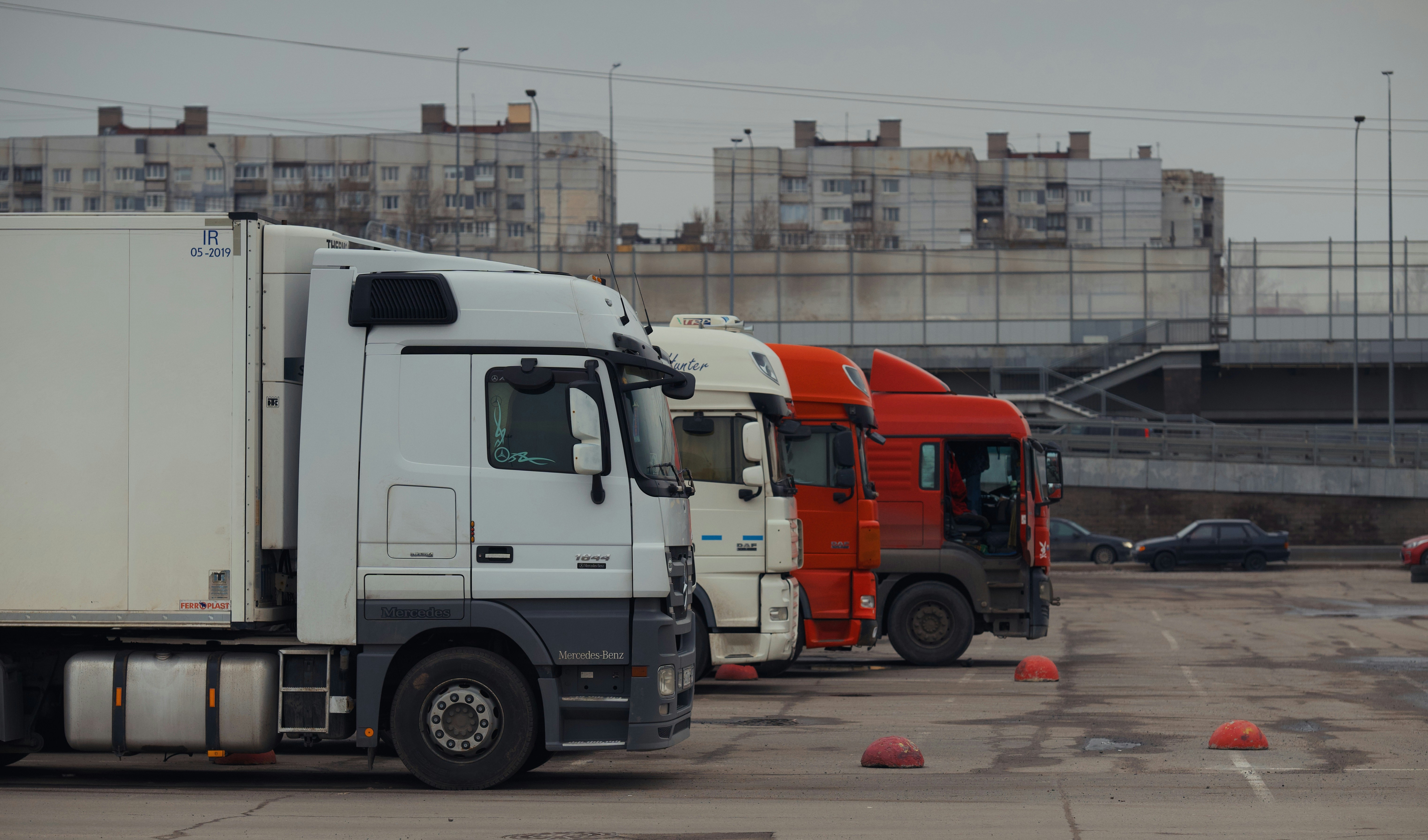
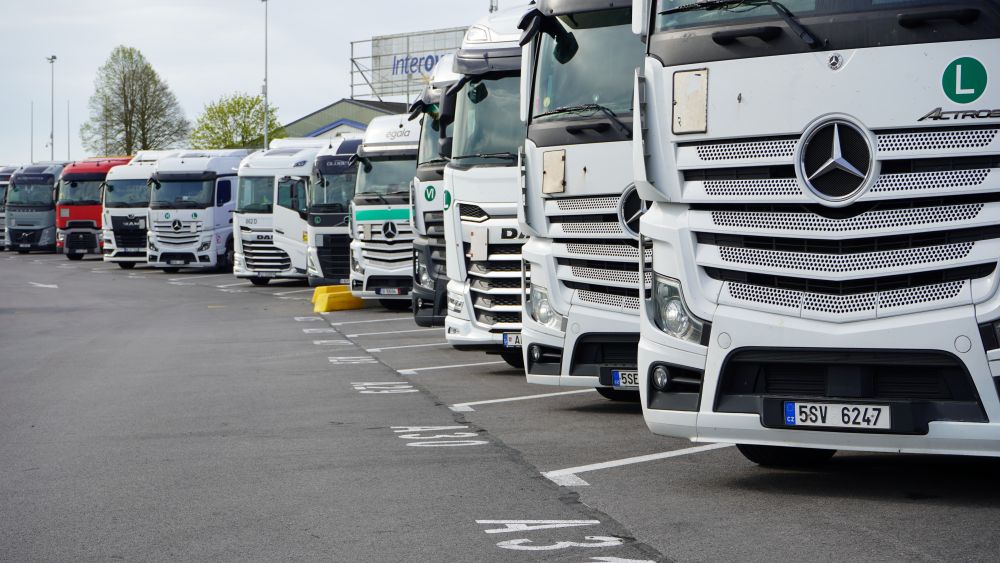
Parkovanie nákladných vozidiel v Európe: Pravidlá, nedostatky, riziká

Vytvorené: 11. 03. 2026

Aktualizované: 11. 03. 2026

Ak sa spýtate väčšiny prevádzkovateľov vozových parkov, čo im sťažuje život, budete počuť rovnakú odpoveď v celej Európe: parkovanie nákladných vozidiel.

Vodiči musia zastaviť. Pravidlá týkajúce sa pracovného času a požiadaviek na odpočinok sú neoddiskutovateľné. Ale na mnohých najrušnejších dopravných koridoroch v Európe je stále neisté nájsť bezpečné a legálne miesto na parkovanie. Kapacita je nízka, bezpečnosť sa značne líši a väčšina mestských uzlov nie je postavená s ohľadom na nákladné vozidlá.

Tento tlak má svoje dôsledky. Keď sú určené miesta plné, vodiči sú tlačení na miesta, ktoré nikdy neboli určené na parkovanie nákladných vozidiel: výpadovky, príjazdové rampy a priemyselné zóny. Dodržiavanie predpisov sa stáva voľbou medzi dvoma rizikami: zastaviť tam, kde sa nemá, alebo pokračovať v jazde, keď sa nemá.

Vplyv na reálny svet

Keď sa parkovanie nákladných vozidiel preplní na nevhodné miesta, prostredie sa stáva nebezpečným: zlá viditeľnosť, vysoké rýchlosti, nepredvídateľné manévre a obmedzené únikové cesty. Vo februári 2026 to Trans.INFO zachytil ostro, keď informoval o smrteľných nehodách v Nemecku a Belgicku, ktorých účastníkmi boli stojace nákladné vozidlá. Článok spochybňuje jednoduché vysvetlenie "nelegálneho parkovania" a poukazuje späť na základnú príčinu: vodičom došiel čas jazdy a miesta neboli.

Okrem toho nedostatok parkovacích miest pre nákladné vozidlá v Európe neznamená len "žiadne miesto", ale často aj to, že jediné dostupné miesto je slabo osvetlené, nemonitorované a izolované. To zvyšuje riziko krádeže a poškodenia vodiča, čo môže mať následný vplyv na spoľahlivosť dodávateľského reťazca.

Udržateľnosť pracovnej sily ovplyvňuje aj nedostatočné zabezpečenie parkovania. Keď vodiči čelia neistote v súvislosti s legálnym a bezpečným zastavením, sťažuje to ich prácu a znižuje jej atraktívnosť, čo ešte viac zhoršuje problémy s náborom a udržaním vodičov.

Smer jazdy

Dlhý čas sa diskusia o parkovaní nákladných vozidiel sústreďovala na presadzovanie pravidiel: kde nemôžete parkovať a aké sankcie z toho vyplývajú. Čoraz viac sa pozornosť presúva na poskytovanie: kde môžu vodiči bezpečne, spoľahlivo a legálne zastaviť.

Podľa revidovaných pravidiel transeurópskej dopravnej siete (TEN-T) musia členské štáty EÚ do 31. decembra 2040 zabezpečiť vybudovanie certifikovaných bezpečných parkovísk každých 150 km na základnej sieti. Rovnaká požiadavka stanovuje očakávania týkajúce sa umiestnenia parkovísk pre nákladné vozidlá. Musí sa nachádzať bezprostredne na sieti alebo do 3 km od výjazdu, čo bude mať výhody pre plánovanie trasy.

Popri tejto zmene Európska komisia považuje bezpečné a spoľahlivé parkovanie nákladných vozidiel za prioritu v rámci svojej práce na inteligentných dopravných systémoch vrátane potreby spoľahlivých informácií, ktoré vodičom pomôžu nájsť vhodné miesta.

EÚ však od členských štátov nepožaduje len to, aby pridali viac parkovacích miest pre nákladné vozidlá. Zároveň definuje, čo znamená "bezpečný a chránený". V apríli 2022 Európska komisia prijala normy EÚ pre bezpečné a chránené parkoviská (SSPA), ktoré kategorizujú parkoviská do štyroch úrovní bezpečnosti: bronzovej, striebornej, zlatej a platinovej. Zámerom je vytvoriť transparentnosť pre vodičov a vozové parky a podporiť investície tým, že prevádzkovatelia dostanú jasný cieľ, podľa ktorého môžu navrhovať a kontrolovať.

To sa spája s výraznou kapacitnou medzerou. Štúdia Európskej komisie odhaduje nedostatok takmer 390 000 bezpečných parkovacích miest pre nákladné vozidlá v celom bloku, pričom tento nedostatok môže do roku 2040 narásť až na pol milióna, ak sa sieť nebude rozširovať takým tempom, aké si vyžaduje dopyt po nákladnej doprave.

Spoločné pravidlá pre všetky krajiny

Ak sa pozrieme na praktickejšie aspekty situácie, aké sú pravidlá a predpisy parkovania nákladných vozidiel v Európe?

Na prvý pohľad vyzerajú pravidlá parkovania nákladných vozidiel v Európe jednotne: * Diaľnice nie sú navrhnuté tak, aby absorbovali preplnené parkoviská. * Pevné ramená slúžia pre núdzové situácie a bezpečnostné nárazníky. * Príjazdové rampy nie sú určené na plánované zastavenie.

Mestské oblasti predstavujú ďalšiu zložitú vrstvu. Miestne obmedzenia a presadzovanie sú bežné, pretože parkovanie nákladných vozidiel konkuruje obyvateľom, maloobchodným predajniam a verejným priestorom - a pretože zle zaparkované vozidlá predstavujú bezpečnostné riziko.

Spojené kráľovstvo

Pravidlá parkovania nákladných vozidiel v Spojenom kráľovstve sú jasné. Nákladné vozidlá by mali využívať určené miesta, ako sú diaľničné servisy, odpočívadlá pre nákladné vozidlá a parkoviská pre nákladné vozidlá. Naopak, vodiči sa musia vyhýbať parkovaniu na miestach, ktoré predstavujú riziko, ako sú chodníky, krajnice a centrálne rezervácie. Obmedzenia týkajúce sa parkovania v obytných zónach sa líšia podľa miestnych úradov, preto je nevyhnutné overiť si, či sa tomu nedá vyhnúť.

Hlavným obmedzením je ponuka. Odhad RHA o nedostatku 11 000 miest s veľmi vysokým využitím na kľúčových trasách pomáha vysvetliť, prečo neformálne a nebezpečné parkovanie pretrváva aj tam, kde vodiči vedia, že to nie je ideálne. V roku 2022 ministerstvo dopravy oznámilo, že 39 prevádzkovateľom zariadení pri cestách v Anglicku udelilo takmer 8 miliónov libier zameraných na lepšie odpočívadlá a bezpečnejšie parkovanie, ktoré sú súčasťou širšieho programu na zlepšenie zariadení pri cestách.

Nemecko

V Nemecku sú pravidlá zastavovania na diaľniciach zakotvené v Straßenverkehrs-Ordnung (StVO), ktorý jasne stanovuje, že zastavovanie na diaľnici - vrátane spevnenej krajnice - je zakázané s výnimkou núdzových situácií. To znamená, že vyčerpanie času jazdy sa nepovažuje za ospravedlnenie. Pokuty sa zvyšujú, ak sa spôsobí prekážka alebo nebezpečenstvo, a na intenzívne využívaných koridoroch sa aktívne presadzujú.

Poľsko

Poľsko sa riadi známym pravidlom, že krajnice sú vyhradené pre poruchy a núdzové situácie. Nóvum sa objavuje v mestách, kde sú bežné obmedzenia vjazdu na základe tonáže a miestne dopravné predpisy.

Nočné parkovanie ťažkých nákladných vozidiel v mestských oblastiach si môže vyžadovať súhlas obce a jeho presadzovanie sa v jednotlivých obciach líši. Pre cezhraničné vozové parky to znamená, že zastavenie v mestách sa považuje skôr za povolenie než za predpokladané.

Francúzsko

Francúzsko posilňuje rovnaký princíp prostredníctvom Code de la route. Články R417-9 a R417-10 klasifikujú nebezpečné alebo prekážajúce parkovanie ako priestupok a zastavenie na vozovkách alebo krajniciach autotrasy je zakázané s výnimkou prípadov absolútnej nevyhnutnosti. Sankcie môžu zahŕňať pokuty a body do vodičského preukazu.

SANEF však zverejňuje osobitné informácie o bezpečnom parkovaní nákladných vozidiel na svojej sieti, ktoré odrážajú spôsob, akým prevádzkovatelia diaľnic usmerňujú zastavovanie nákladných vozidiel na vhodných miestach.

Španielsko

Španielsky zákon Ley de Seguridad Vial zakazuje zastavenie na krajniciach diaľnice s výnimkou núdzových situácií, čo je v súlade so širšou európskou praxou.

Ďalšia zložitosť spočíva na úrovni obcí. V mnohých mestách platia miestne zákazy nočného parkovania alebo sa parkovanie nákladných vozidiel obmedzuje na určené priemyselné zóny, pričom o ich dodržiavanie sa stará skôr miestna polícia než diaľničné úrady. To vytvára viacúrovňové prostredie dodržiavania predpisov: legálne na diaľničnej sieti neznamená automaticky legálne v mestských oblastiach.

Na zdôraznenie pozitívneho vývoja Trans.INFO informoval , že parkovisko pre nákladné vozidlá v La Jonquera získalo ako prvé v Španielsku certifikát TAPA, v ktorom sú opísané opatrenia ako kontrolovaný prístup, oplotenie, osvetlenie a nepretržité monitorovanie.

Taliansko

Taliansko jasne rozlišuje medzi vozovkami diaľnic, nájazdovými rampami a určenými servisnými zónami. Zastavovanie na príjazdových alebo výjazdových rampách je výslovne zakázané a dodržiavanie pravidiel v okolí diaľničnej infraštruktúry je dôsledné.

Dôležité je, že Taliansko rozlišuje medzi areálmi služieb (areálmi s kompletnými službami a zariadeniami) a jednoduchšími odstavnými alebo parkovacími plochami, ktoré nemusia podporovať potreby sociálnej starostlivosti cez noc.

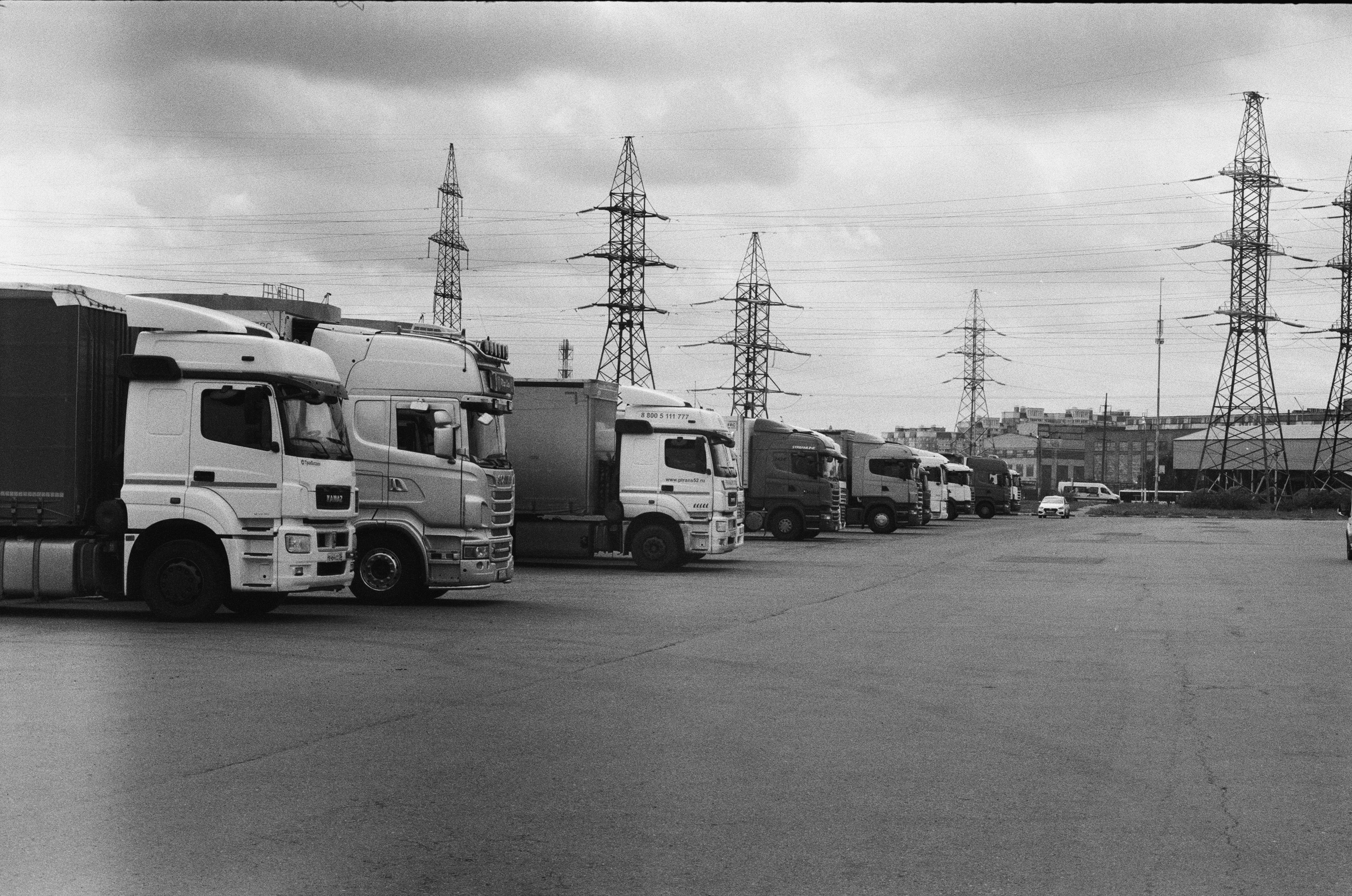
V Taliansku však vznikajú aj nové bezpečné parkoviská pre nákladné vozidlá, ktoré sa zameriavajú na sociálne zabezpečenie a bezpečnosť, čo odráža širší európsky trend smerom k lepšiemu zabezpečeniu.
Poznámka k nízkoemisným zónam

V celej Európe teraz rozhodovanie o parkovaní nákladných vozidiel ovplyvňuje ďalšia regulačná vrstva: Zóny s nízkymi emisiami (LEZ) a zóny s obmedzenou premávkou v mestách. Mestá vo Francúzsku (Crit'Air), Nemecku (Umweltzonen), Španielsku (Zonas de Bajas Emisiones) a Taliansku (oblasti ZTL) zavádzajú požiadavky na triedu vozidla alebo povolenie, ktoré sa môžu vzťahovať aj na stojace vozidlá v zóne.

Vodič, ktorý zaparkuje cez noc v zóne s obmedzeným státím bez správnej klasifikácie alebo registrácie, riskuje pokutu, aj keď je samotné zastavenie inak legálne.

Viac informácií o ULEZ.

Bezpečné parkovanie nákladných vozidiel je riadenie rizík

V celej Európe v roku 2026 sú pravidlá jasné. Obmedzením je kapacita, najmä v blízkosti mestských uzlov a na koridoroch s vysokou intenzitou dopravy.

Pre vozové parky to má praktický dopad: Parkovanie európskych nákladných vozidiel na konci zmeny nemožno ponechať na náhodu. Musí sa plánovať s rovnakou vážnosťou ako mýto, trasovanie, pracovný čas vodičov a bezpečnosť - pretože keď sieť neposkytuje legálny priestor, každý iný systém dodržiavania predpisov sa obmedzuje.

SNAP vám môže pomôcť. Zaregistrujte sa a naplánujte bezpečné parkovanie pre svoj tím ešte dnes.

Zdieľať na

Ostatní tiež čítajú...

Header Image

štvrtok 30 apríla 2026 • Novinky z odvetvia

NÁBOR NOVEJ GENERÁCIE: PRILÁKANIE MLADŠÍCH TALENTOV DO ODVETVIA NÁKLADNEJ DOPRAVY

Evelyn Long

The UK driver shortage is a familiar headline, but the real story is more complex than the numbers. It’s a fundamental shift in the workforce that requires a new mindset. While it’s a crisis, it’s also an opportunity for forward-thinking fleets to innovate and gain an edge over the competition. The companies that successfully attract the next generation of drivers will thrive in the coming decades. Here is a quick look at the forces fueling the disparity between retiring heavy goods vehicle (HGV) drivers and new apprentices. National unemployment figures are rising. In 2025, it climbed to leading up to December, the highest rate in nearly five years. At the same time, there is a severe shortage of professional drivers.The UK’s driver shortage is not a simple labor deficit. It is a skills shortage. Many barriers prevent the general unemployed population from filling the role, such as: ● High cost and time commitment for obtaining an HGV license● The requirement for a certificate of professional competence● The unique lifestyle demands that do not align with a standard 9-to-5 jobThe paradox of high unemployment and significant driver shortage is why industry bodies are not passively waiting for the job market to fix the problem. The government implemented , from enhancing the current supply chain’s efficiency to improving conditions to attract more drivers to the sector. The shortage is not solely due to a lack of new drivers. The industry is actively losing experienced professionals. While the proportion of businesses reporting vacancies has , the issue lies in the persistent hiring gap. Many are leaving for better pay or benefits elsewhere. Drivers may choose a warehouse job that offers a similar salary to their current one but provides predictable shifts and more social interactions. The physical and mental toll of long hours, social isolation and poor quality of roadside facilities are also push factors. Retirement is normal in any industry. The problem is that retiring drivers in the trucking sector are not being replaced at a comparable rate. This is a growing trend in many industrial industries, potentially pointing towards a larger societal shift towards these careers.The number of HGV drivers under the age of 35 between the third quarters of 2023 and 2024. Despite that, over 53% of the labor force across the industry is aged 50 years and older. Similarly, are 55 years or older. For industrial industries, this figure means a massive impending loss of experience, a shrinking pool of reliable talent and the risk of institutional knowledge walking out the door. The industry’s image is as significant a barrier as any practical challenge. The goal is to shift the narrative from the outdated “lonely trucker” stereotype to that of a “skilled logistics professional.” The first step to rebranding is to define what the job entails in the 21st century. Essentially, HGV professionals drive vehicles with a gross combined weight of , ensuring the safe and efficient delivery of products at the right time, location and condition. To attract young talent, fleet managers must acknowledge that most are seeking career paths and a sense of meaning. Recruiters can map out a visible career ladder to show that the role is not a “dead-end” job. For example, a path can look like a progression from lead driver to new apprentice mentor to transport planner to fleet manager. Connecting the job to a larger purpose is a sound strategy, as many of the younger generations want to make an impact. Link the driver's daily tasks to the bigger picture. Instead of stating how the job involves moving products, recruiters can highlight how the work ensures families have fresh food on their tables. Here are some changes fleet managers can adopt to become more effective employers.Ensure the apprenticeship program provides a modern, engaging and supportive experience. Pair apprentices with experienced drivers who are willing and trained to be mentors. Leverage technology in training. For example, programs can include high-fidelity driving simulators to allow apprentices to practice responding to hazardous conditions. The training must cover more than just passing the driving test. Include modules on customer service, financial literacy for potential owner-operators, in-cab technology and health and wellness courses for those on the road. Flexibility and predictability in scheduling are key attractors. Consider alternative models, such as: ● Hub-and-spoke: Drivers operate out of a local depot, handling the first and last leg of a journey and returning home daily. ● Relay systems: One driver takes a load from point A to a handover point B, where a second driver takes it to point C and so on. ● Fixed rotations: Implement schedules like “four days on, four days off” to provide solid, predictable blocks. Invest in the drivers’ comfort and safety to show them they are valued. There is a shortage of , which adds to the daily stress of drivers, wasted hours searching for safe parking and the risk of cargo theft. Fleet managers must ensure their depots are places professionals want to be, with clean, modern break rooms, showers and kitchens. Another impactful investment is to foster a culture of respect. Ensure dispatchers are supportive partners who help solve problems. Provide training for positive, respectful communication between drivers and the office to improve workforce satisfaction and retention.The shortage is a catalyst for necessary evolution. The fleets that will win the war for talent will be those that adapt their approach to modern drivers' expectations. Strategically rebranding the profession’s perception, modernizing practices and investing in real resources for driver welfare can set apart forward-thinking companies. The need for changes is challenging, but it’s also an exciting opportunity to build a stronger, more resilient workforce that will carry the UK haulage industry into the future. Discover more from

Header Image

utorok 28 apríla 2026 • Novinky z odvetvia

AKO MÔŽE NAPÄTIE OKOLO IRÁNU OVPLYVNIŤ EURÓPSKU LOGISTIKU

Lucy Mowatt

Geopolitical conflict rarely stays confined to the region where it began. In global logistics, disruption in one part of the world can quickly ripple through supply chains thousands of kilometres away.That is the reality as tensions escalate around Iran and the Strait of Hormuz – a narrow shipping channel between Iran and Oman that serves as one of the world’s most important transport corridors.Roughly passes through the strait, alongside large volumes of liquefied natural gas and other commodities. When shipping through this corridor slows or stops, the consequences are felt around the world.For transport operators in Europe, the effects are already beginning to emerge through rising fuel costs, rerouted shipping traffic and growing uncertainty in global supply chains. have already begun avoiding routes close to the Strait of Hormuz due to that transit is not allowed and that the area is unsafe. Vessels passing through or caught up in military action. Instead, they are diverting vessels via the at the southern tip of Africa. Although this avoids high-risk zones, it also adds thousands of miles to many journeys.For global supply chains, the effects are clear: Longer transit times Increased fuel consumption for vessels Higher freight costs for cargo ownersWhat begins as a maritime disruption often ends up affecting inland logistics once delayed cargo finally reaches European ports. This creates a “feast or famine” effect: periods with little cargo to move followed by sudden surges when multiple vessels arrive at once.Energy markets have been shaken by activity in the Strait of Hormuz.Because the waterway handles such a large share of global oil exports, any disruption immediately affects expectations about future supply. Even short-term interruptions can cause price volatility across international markets.For road transport, the implications are immediate. Diesel remains the primary fuel for most commercial fleets across Europe; sudden price increases can quickly affect operating margins.Early signals of this shift are already visible. According to, Spain’s carrier federation Fenadismer reports that in the 10 days following the outbreak of the conflict in Iran, diesel prices in Spain rose by more than 30%, reaching about €1.80 per litre.For haulage operators, this kind of volatility creates difficult planning conditions. Fuel often represents one of the largest operational costs for a fleet, and sudden increases can affect everything from freight rates to contract negotiations.Insurance markets respond quickly when geopolitical risks escalate.When tensions rise in maritime corridors, insurers may or otherwise alter policy wording. Ships travelling through or near those areas face higher premiums or additional surcharges for each voyage.These costs rarely remain confined to the shipping sector. Instead, they are passed through the logistics chain in the form of higher freight rates and increased transportation costs.Another, less visible consequence of shipping disruption is the impact on container availability.Global shipping depends on the circulation of containers between ports. When vessels are rerouted onto longer journeys, and take more time to return to export hubs.Over time, this can create imbalances across the global container system.Ports receiving delayed or diverted vessels may also experience when ships arrive, while exporters in other regions may struggle to secure empty containers for outbound cargo.For European freight operators, these disruptions can translate into irregular cargo volumes and more unpredictable container collection schedules.The disruption around the Strait of Hormuz comes at a time when global shipping routes are already under pressure.Since late 2023, instability in the Red Sea corridor – particularly around the Bab el-Mandeb Strait and the southern entrance to the Suez Canal – has forced many shipping companies to divert vessels away from the region.In response, numerous carriers began rerouting ships around the Cape of Good Hope, adding significant time to journeys between Asia and Europe.Now, with tensions affecting traffic near the Strait of Hormuz as well, the pressure on international shipping routes is intensifying.The combined disruption of the Strait of Hormuz and the Red Sea illustrates how dependent global logistics remains on a small number of maritime chokepoints. The Strait of Hormuz is critical for the global flow of oil and energy products. The Red Sea and Suez Canal corridor, meanwhile, is the primary maritime gateway for containerised goods moving between Asia and Europe.When instability affects either corridor individually, shipping networks can usually adapt by adjusting schedules or rerouting vessels.With the Red Sea still heavily disrupted and traffic through the Strait of Hormuz now sharply reduced, the system becomes far less flexible.With fewer safe passages available, containers on affected services remain in transit for longer period, tightening availability on some trade lanes.Although these disruptions start at sea, their consequences are ultimately felt on Europe’s roads.Fleet operators may encounter:Energy market instability can drive rapid changes in diesel prices.Delayed cargo arrivals can put pressure on logistics providers to move goods more quickly once shipments reach port.Insurance premiums, longer shipping routes, rising fuel prices and surcharges all contribute to increased transportation costs.Events around the Strait of Hormuz and the Red Sea highlight a growing reality for global logistics: supply chains now operate in an environment where geopolitical risk can quickly reshape trade routes.“Global logistics has always been interconnected, but events like these show just how disruption can reshape logistics networks,” says Nick Renton, Head of European Strategy & Business Development at SNAP. “Even when the initial crisis occurs thousands of miles away, the effects soon reach European supply chains through fuel prices, shipping delays and tighter delivery windows.“The fleets that adapt most effectively are those that plan for uncertainty – with flexible routes, better information and and rest when schedules change.”With access to reliable information and trusted truck parking across Europe, SNAP helps fleets and drivers stay flexible, plan ahead and keep journeys moving.

Header Image

streda 15 apríla 2026 • Novinky z odvetvia

KRÁDEŽE NÁKLADU V EURÓPE: PREČO SA ZVYŠUJE A AKO MÔŽU VOZOVÉ PARKY ZNÍŽIŤ RIZIKO

Guest

Cargo theft is a growing threat across Europe. What was once seen as an occasional disruption is now a more persistent and organised risk to road transport, affecting fleets, drivers and the wider supply chain. Reported losses and incidents have risen sharply, with one widely cited industry figure pointing to a in recent years. In alone, 557 cargo crimes were recorded across 38 countries in the TAPA EMEA Intelligence System, and even though values were disclosed for fewer than one in five incidents, those 100 cases still totalled more than €43 million.In this article, we explore the current trends and what fleet managers and operators can do to minimise their risks.Food and beverage shipments are among the most commonly targeted categories in Europe, accounting for . also rank highly. These goods are attractive because they are easy to move, easy to sell and often difficult to trace once they enter secondary markets.The recent on its way from Italy to Poland is a useful example. Nestlé said the missing load amounted to roughly 413,793 bars, showing how quickly a mainstream consumer shipment can become a target when moving across borders.These shipments are attractive targets for organised groups because they can be offloaded quickly, resulting in rapid returns. Cargo crime often happens while loads are moving. report found that hijackings accounted for 21% of incidents, while 41% of thefts happened in transit. That is a reminder that risk does not begin when a truck parks for the night. It can begin long before a vehicle stops for the night, particularly on exposed corridors or routes where load visibility and security controls are weaker.Parked vehicles remain a major point of vulnerability. In the UK, Munich Re reported that nearly half of all thefts take place at unsecured roadside parking and rest areas. Across Europe, unsecured roadside locations and rest areas continue to feature prominently in cargo crime reporting, especially where drivers have limited alternatives and secure sites are full.Some of the most concerning incidents show coordination. recently documented attacks in Germany in which dozens of trucks were targeted in a single night along the A1 corridor. In one November 2023 incident, 67 trucks had trailers slashed at service and rest areas including Ostetal South and Grundbergsee South. Similar attacks had already taken place on the same route months earlier.Germany remains one of the clearest hotspots, largely because of the scale of freight passing through the country. Analysis showed that in 2023, more than double France in second place. Other recurring hotspots include France, Italy, Spain and the United Kingdom. That pattern reflects the reality of European freight movement. Dense logistics networks, major freight hubs and heavily used motorways create more opportunities for organised criminals, especially when secure parking capacity fails to keep pace with demand.Munich Re warns that cargo thieves are increasingly using more sophisticated methods, including identity deception, cyber-enabled scams and other tactics that bypass traditional controls. Wider points to GPS jamming, paperwork manipulation and shipment diversion as part of that shift.A stolen load may now begin with compromised data, a fraudulent carrier, a diverted instruction or a vehicle whose movements can no longer be tracked properly. For fleets, that means theft prevention now involves more than physical security. It also requires tighter dispatch processes, better control over shipment data and clearer real-time visibility.The most obvious impact is financial. Stolen goods lead to lost goods, insurance claims and disruption. But the direct value of the missing load is only part of the problem. Delayed deliveries, vehicle damage, missed slots and customer dissatisfaction can all push the true cost much higher. There is also a human cost. Drivers may face intimidation, confrontation or the shock of discovering that their vehicle has been tampered with while they were resting. Even where there is no direct violence, exposure to insecure roadside stops creates stress, fatigue and a sense of vulnerability that can affect driver welfare and retention. Operationally, the knock-on effects spread quickly through the supply chain. A single theft can mean missed delivery windows, rerouted vehicles, stock shortages and added pressure on already stretched teams. For temperature-sensitive, time-critical or high-value loads, the consequences can multiply fast.There is no single fix, but fleets can reduce exposure with a more structured approach to planning, parking and security.Secure parking remains one of the clearest areas for improvement. TAPA’s Parking Security Requirements framework provides an internationally recognised benchmark for secure truck parking, helping operators assess which locations offer stronger protection for vehicles, loads and drivers. Choosing accredited sites will not eliminate cargo theft, but it can significantly reduce the opportunity for organised criminals to strike.In practice, that may mean stopping earlier than planned to reach a safer site rather than pushing on to an unsecured lay-by. While that can feel less efficient in the moment, it is often the more resilient choice.For fleets, the challenge is not just knowing secure parking matters but being able to access it easily. SNAP helps bridge that gap by giving drivers and operators better visibility of trusted parking options across the UK and Europe, making it simpler to plan and reserve safer stops from the outset.Read more: Cybersecurity now sits alongside physical security in any serious theft-prevention strategy. Tracking, geofencing and anti-jamming tools can all help, but only if they are backed by clear processes. Fleets should review how shipment data is shared, who can alter route instructions, how delivery paperwork is verified and what happens if a vehicle suddenly disappears from view. Drivers are often the last line of defence, but they should not carry the burden alone. Clear escalation procedures, regular check-ins, secure rest planning and training on suspicious activity all matter. One of the biggest structural issues behind cargo theft is the shortage of secure truck parking. When drivers cannot find protected sites with proper lighting, access control and welfare facilities, they are more likely to end up in the very locations thieves are already targeting. SNAP has trained working to accredit more parking sites across the UK and continental Europe, helping expand the availability of secure truck parking and reduce opportunities for organised theft.For fleets, the challenge is not just understanding risk, but building safer stopping decisions into everyday operations. At SNAP, we help drivers and operators identify trusted parking options across the UK and Europe, making it easier to plan routes with security and driver welfare in mind.