Guest
Nouvelles et mises à jour • 4 min lire

Préparer le budget de la flotte pour 2026 en prévision des événements (imprévus)

Créée: 26/01/2026

Mise à jour : 26/01/2026

La préparation du budget de votre flotte ne se limite pas à un simple exercice financier. En tant que gestionnaire, vous avez besoin d'une supervision stratégique pour faire face aux vents contraires de l'économie et à l'évolution du cadre réglementaire. Il est essentiel de préparer votre entreprise à faire face à des événements inattendus, car ce sont eux qui déterminent la stabilité et la réussite de l'entreprise. Voici comment établir un budget réactif et vous préparer à relever les défis à venir.

Stratégies pour préparer le budget de votre flotte en 2026

Être gestionnaire de flotte, c'est prévoir à la fois les tendances prévisibles et les incertitudes importantes. Les sept stratégies suivantes sont conçues pour absorber les chocs, s'adapter au changement et renforcer la résilience.

1. Dynamiser le fonds de prévoyance

Votre budget prévoit peut-être un montant fixe chaque année. Bien que simple, il pourrait être trop statique lorsque vous anticipez des événements inattendus. Rendez votre planification financière plus dynamique en allouant un pourcentage spécifique plutôt qu'un montant fixe. Par exemple, votre fonds d'urgence pourrait représenter 5 % du budget total au lieu de 100 000 dollars par an.

L'utilisation d'un pourcentage est judicieuse car elle permet de se prémunir contre l'inflation. Un montant fixe perd de son pouvoir d'achat au fil des ans, alors qu'un fonds basé sur un pourcentage évolue avec le budget. Vous bénéficiez d'une protection automatique contre les hausses du marché. Les prix à la consommation au Royaume-Uni [ont augmenté de 3,2 % à la fin de 2025] (https://www.ons.gov.uk/economy/inflationandpriceindices/bulletins/consumerpriceinflation/november2025), bien qu'ils puissent fluctuer rapidement en raison des conditions du marché.

2. Maîtriser le coût total de possession

Les gestionnaires de flotte avaient l'habitude de déterminer leurs budgets en fonction des prix d'acquisition. Aujourd'hui, ils se concentrent sur la stabilité du budget et les stratégies à long terme. Rendez votre processus plus holistique en gérant le coût total de possession (TCO) et le coût par véhicule sur leur durée de vie. Cette approche vous rend plus méticuleux et votre budget plus dynamique.

La maîtrise du TCO passe par la centralisation des données et l'utilisation d'un logiciel de gestion de flotte dédié. Cette technologie aide votre entreprise en [fournissant des données en temps réel sur la consommation de carburant] (https://renovated.com/construction-fleet-management-software/) et en recommandant des stratégies de conservation. Le TCO vous permet également de prévoir l'année de chaque véhicule sur la base d'informations historiques. Utilisez ces informations pour faire des acquisitions en toute connaissance de cause et économiser de l'argent.

3. Réviser les contrats avec les fournisseurs

La volatilité du climat économique vous oblige à maîtriser les coûts. Tirez parti de la position de votre entreprise en examinant les contrats avec les fournisseurs et en envisageant de les renégocier avant de les renouveler. Cette stratégie permet de convertir les dépenses imprévisibles en postes plus faciles à gérer. Votre partenaire commercial peut augmenter les prix des produits de première nécessité ; vos réunions devraient donc permettre de fixer les prix des pneus et de l'huile.

Limitez vos négociations à des domaines clés, tels que la structure des prix. Vous devez vous concentrer sur les accords à prix fixe pour les articles à fort volume et sur les taux de main-d'œuvre standard. Les gestionnaires de flotte avisés tirent parti de leurs dépenses de l'année précédente pour obtenir des remises sur le volume et des augmentations plafonnées. Ces contrats bien gérés protègent votre entreprise et transfèrent le risque aux fournisseurs.

4. Optimiser les polices d'assurance

La gestion des risques pour le budget de votre flotte comprend également l'optimisation des assurances. Les gestionnaires devraient faire de cet exercice annuel une occasion de protéger leur entreprise d'une débilitation financière. La bonne police est cruciale car elle protège contre les chocs qui peuvent entraîner des dommages ou des blessures à des tiers. Elle améliore également la prévisibilité en transformant les factures de réparation en variables connues.

L'optimisation de l'assurance nécessite un processus réfléchi et fondé sur des données. Remettez à votre courtier un portefeuille de gestion des risques pour mettre en évidence les tendances positives, telles que la diminution des excès de vitesse ou des freinages brusques. Si vous avez une franchise, demandez à votre assureur de modéliser les économies réalisées sur la prime en cas de franchise plus élevée. Vous pourrez ainsi économiser de l'argent sur vos mensualités.

5. Soyez proactif en matière d'entretien

L'entretien et les réparations peuvent être imprévisibles et coûteux. Une panne sur la M6 peut nécessiter une intervention coûteuse sur le moteur ou le remplacement de la transmission. Soyez proactif en mettant en place des programmes d'entretien structurés. Au-delà des directives du fabricant, vous devez créer des plans détaillés pour chaque véhicule en fonction de son utilisation et de son âge. Vous pouvez aller plus loin en incluant la conduite sur autoroute et les déplacements en ville.

Votre programme d'entretien doit également inclure des tâches quotidiennes. Par exemple, les experts [recommandent de maintenir les réservoirs de carburant à niveau] (https://carolinacat.com/construction/winter-heavy-equipment-maintenance/) pour éviter la formation de condensation. Si le réservoir est presque vide, des sédiments peuvent s'accumuler et la pompe peut être endommagée. Le nettoyage est une autre tâche quotidienne non négociable, en particulier lorsque le véhicule roule sur des sels de voirie et des produits chimiques. Rincez la saleté et les autres contaminants avant de ranger les véhicules.

6. Donner la priorité à la formation des conducteurs

Les accidents font partie des postes les plus inattendus du budget de votre flotte. Outre l'accident, les gestionnaires doivent également [prendre en compte des coûts tels que le remorquage] (https://www.fusedmagazine.co.uk/the-hidden-costs-of-car-accidents-beyond-property-damage/) et les frais d'avocat. Toutefois, une formation adéquate des conducteurs peut atténuer ces coûts en réduisant la fréquence des accidents. Une formation ciblée aide les conducteurs à comprendre la conduite défensive, la perception des dangers et la dynamique spécifique de leur travail.

Investir dans la formation des conducteurs est un élément du contrôle des risques. La conduite humaine peut être imprévisible, mais la formation la transforme en une variable plus cohérente. En améliorant vos conducteurs, vous réduisez également vos primes d'assurance. Un accident peut faire grimper les primes, une formation adéquate est donc un moyen de contrôler les coûts. Une diminution du nombre d'incidents peut servir de levier dans les négociations d'assurance.

7. Budget pour la cybersécurité

Les flottes sont de plus en plus connectées et se transforment en centres de données. Vos véhicules peuvent générer et stocker de grandes quantités d'informations, ce qui est essentiel pour la gestion. Toutefois, la connectivité expose l'automobile moderne à des risques. Prévoyez un budget pour la cybersécurité afin de protéger vos actifs contre les menaces numériques et de vous préparer à l'inattendu.

La gestion de cette partie du budget de votre flotte implique la protection des systèmes des véhicules. Vous pouvez investir dans des solutions matérielles et logicielles pour créer des pare-feu autour de vos communications GPS et V2X. Cette stratégie permet de maintenir vos logiciels à jour et de les protéger contre les menaces extérieures. La transmission sécurisée des données est un autre aspect de la préparation à l'imprévu. Les gestionnaires prévoyants investissent dans des systèmes de gestion de flotte dotés d'un cryptage de bout en bout.
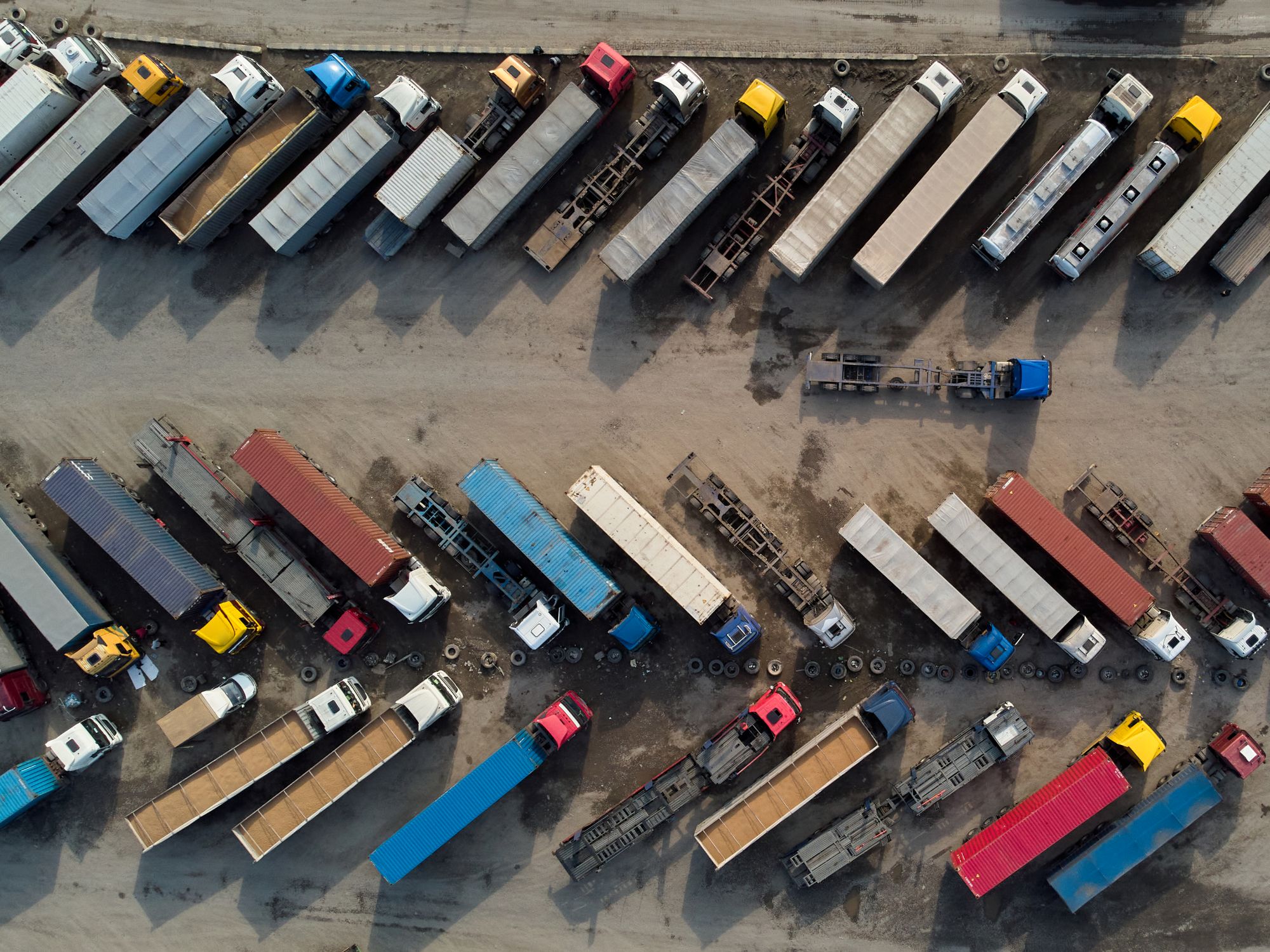
Pourquoi les gestionnaires de flotte doivent-ils être vigilants face à l'inattendu ?

Avant de mettre en place une opération résiliente, il est essentiel de comprendre pourquoi. Vous devez prévoir un budget pour les événements inattendus afin d'assurer la continuité. Si un véhicule tombe en panne, les opérations peuvent être interrompues et les services retardés. Cependant, la planification de ces incidents permet d'avoir une marge de manœuvre et de protéger vos résultats. Tous les véhicules sont susceptibles de tomber en panne, vous vous préparez donc à la réalité physique.

Cette stratégie est également essentielle pour avoir une vue d'ensemble. Par exemple, la volatilité économique est un facteur sur lequel vous n'avez aucun contrôle. L'inflation soudaine, les hausses de taux d'intérêt et les augmentations de prix sont préjudiciables aux budgets statiques. Cependant, la planification des coûts inattendus permet de les absorber. En prévoyant les dépenses avec précision, vous renforcez votre discipline financière et votre crédibilité auprès des parties prenantes.

Utiliser intelligemment le budget annuel de votre flotte

L'élaboration d'un budget dynamique témoigne d'un leadership stratégique plus que de mesures défensives. En intégrant des approches judicieuses, vous modifiez fondamentalement l'état d'esprit de votre organisation et favorisez un contrôle proactif. Le climat économique actuel oblige les gestionnaires de flotte à absorber les chocs et à atténuer les défaillances des actifs. Un cadre budgétaire solide vous permet de protéger les marges bénéficiaires et de garantir la continuité.

Découvrez-en plus sur Renovated Magazine.
Partager avec

D'autres lisent également...

Header Image

lundi 19 janvier 2026 • Nouvelles et mises à jour

RÉPARTITION DES SYSTÈMES DE PÉAGE EN EUROPE

Guest

For many fleets operating across Europe, tolls have quietly become one of the most complex and least predictable costs. What was once a relatively straightforward question of motorway charges has evolved into a patchwork of national systems, technologies and pricing models that now reflect emissions, vehicle weight, axle count, geography and even time of day.As we move into 2026, tolling is no longer just an infrastructure charge. It is increasingly a policy lever, used by governments to fund roads, manage congestion and accelerate the shift towards lower-emission transport. For fleet operators, that shift has real financial consequences.This article breaks down how tolling works across Europe, what fleets actually pay today, and what changes are coming next.Margins in road transport are tight. Fuel, labour, insurance and compliance costs have all risen sharply in recent years. Against that backdrop, tolls are becoming more significant, particularly for long-distance and cross-border operators.In countries such as Germany and Austria, toll costs per kilometre can now rival fuel costs on certain routes. In Central and Eastern Europe, tolls remain lower, but rapid rises and network expansion are closing that gap. At the same time, the introduction of CO₂-based charging means that two otherwise identical vehicles can face very different toll bills depending on their emissions profile.For fleets operating internationally, tolls are a consideration for route planning, vehicle procurement and pricing.There is no single European toll system. Instead, fleets must navigate a mix of national approaches that broadly fall into three categories.Distance-based tolls charge vehicles per kilometre travelled. These are now the dominant model for heavy goods vehicles and are used in countries such as Germany, Austria, Poland, Hungary and Belgium.Time-based vignettes allow vehicles to use the road network for a fixed period of time, such as a day, week or year. These were traditionally a pass displayed in the windscreen, but are increasingly digital.Hybrid systems combine toll roads with toll-free alternatives. France, Italy and Spain all operate models where tolls apply only on specific routes.Across all three models, the EU’s revised Eurovignette Directive is pushing countries towards distance-based, emissions-linked charging. This is steadily reducing the role of flat-rate vignettes and increasing the costs of high-mileage fleets.Operationally, tolling is becoming more digital. Most distance-based systems rely on GNSS or GPS tracking via onboard units (OBU), supported by roadside gantries, toll booths and camera enforcement.For fleets, this means greater reliance on onboard technology, tighter compliance requirements, and less tolerance for administrative error. Missed payments on free-flow roads (where there are no toll booths and no need to stop) can quickly turn into fines, particularly for international drivers unfamiliar with local rules.Interoperable toll services under the European Electronic Toll Service (EETS) framework are becoming more important for cross-border operators. Instead of fitting vehicles with multiple country-specific onboard units, fleets can use a single approved device to pay tolls across several European networks. This simplifies administration, reduces installation and maintenance costs – and lowers the risk of non-compliance when vehicles move between different toll regimes. Germany operates one of Europe’s most comprehensive toll systems. The LKW-Maut applies to all trucks over 3.5 tonnes on motorways and federal roads. Since December 2023, tolls include a CO₂ charge, which has increased costs for diesel vehicles. Official details are published by Austria’s GO-Maut is among the most expensive per kilometre in Europe. A Euro VI articulated truck paid around on motorways in 2025. The system includes infrastructure, noise, air pollution and CO₂ components. Electric trucks benefit from lower rates. Belgium operates a kilometre-based toll for trucks in Flanders, Wallonia and Brussels. Rates vary by region, weight and Euro class, with annual increases. From 2026, zero-emission vehicles will no longer be fully exempt but will still pay reduced infrastructure charges. Official information is available from France uses a motorway concession model. Tolls apply on routes operated by private companies and are paid at toll booths or electronically. Annual increases are modest and regulated. The Italy follows a similar concession-based approach. HGVs pay on the Autostrade network. The government is working towards more dynamic tolling by 2026, potentially linking charges to congestion and emissions. Hungary’s HU-GO system applies to trucks over 3.5 tonnes on motorways and main roads. Following high inflation, toll rates have increased sharply. Official updates are published at Poland’s e-TOLL system charges per kilometre using GNSS (satellite) technology. Rates rose in 2025 and will again in 2026, while the toll network continues to expand. The official platform is Spain is unusual in that many major motorways have become toll-free following the expiry of concessions. Some tolled routes remain and costs vary per kilometre for HGVs. The Spanish government’s position is outlined via the Romania currently operates a vignette system for trucks, with a seven-day pass costing around for the heaviest vehicles. This will change in July 2026, when Romania introduces a distance-based toll system called TollRo. Initial rates are expected to be low, but are likely to rise over time. Several developments make 2026 a pivotal year for European tolling.The Netherlands will introduce a kilometre-based truck toll from 1 July, replacing the Eurovignette. Average rates are expected to be around €0.19 per kilometre, with discounts for low-emission vehicles. Official information is available at As mentioned, Romania will transition from vignettes to distance-based charging, bringing it in line with neighbouring countries.Across Europe, CO₂-based differentiation will become standard, with reduced exemptions and tighter enforcement. Electric trucks will continue to benefit, but full exemptions are gradually being replaced by reduced rates rather than zero tolls.For fleets, this means higher exposure to mileage-based costs and greater incentives to invest in cleaner vehicles and better planning tools.Operators are now evaluating routes to balance toll costs against fuel use and journey time. Investment in Euro VI and zero-emission vehicles is increasingly justified not only by fuel savings but by toll reductions. In addition, toll surcharges are becoming more explicit in customer contracts and digital route optimisation tools are playing a larger role in daily operations.Fleets therefore need accurate forecasting, up-to-date vehicle data and clear visibility of toll exposure by route and customer. Vehicle procurement decisions should factor in toll classes alongside fuel efficiency. Cross-border operators should prioritise interoperable toll solutions and ensure drivers understand local payment rules, particularly on free-flow roads.Most importantly, toll costs need to be reflected transparently in pricing. As tolling becomes more emissions-driven, fleets that plan ahead will be better placed to protect margins and remain competitive.For fleets, the question is no longer whether tolls will rise, but how well prepared they are to manage them. In the years ahead, it will not just be about how far a vehicle travels, but how cleanly, where and under which system.As tolls become more closely linked to emissions, mileage and vehicle type, understanding what you pay and where matters more than ever. SNAP helps fleet managers and operators manage payments and support drivers with access to safe, well-equipped truck stops.

Header Image

mercredi 14 janvier 2026 • Nouvelles et mises à jour

LES VILLES EUROPÉENNES OÙ IL EST LE PLUS DIFFICILE DE SE GARER ET DE CONDUIRE

Josh Cousens

Driving and parking in Europe’s cities can be a daily headache for HGV drivers — and high stress levels don’t just affect wellbeing; they impact fleet efficiency too. For logistics managers, knowing where these challenges are greatest is crucial for route planning, driver safety, and operational performance.Using social listening to analyse millions of geotagged posts across 150 European cities, our research identifies the places drivers find most stressful. Liverpool tops the list (60.5% of posts show driving-related stress), followed by Prague (59.2%) and Dublin (58.5%). Liverpool also ranks 2nd for most stressful city for parking in the UK. Congestion, scarce parking, and tricky road conditions are the main pain points highlighted by drivers across Europe.This study maps Europe’s HGV stress hotspots using real-world driver sentiment, showing how city conditions affect wellbeing. It is not about ranking countries, but giving fleet and logistics managers clear, actionable insights to support drivers, plan smarter routes, and reduce urban driving pressures.Our research analysed over 14 million geotagged social media posts from 150 European cities, covering driving-related topics such as parking, traffic, and road conditions. Posts were assessed for stress by tracking keywords and phrases linked to negative emotions in English and local languages. Each city was scored based on the percentage of posts expressing stress, providing a clear picture of driver pressure across Europe. Data was collected across major social media platform X (formerly Twitter) throughout 2025.“Stress” covers the pressures fleet drivers face on the road, including traffic, parking, road conditions, general driving, and conflicts with other drivers. Understanding these factors helps support driver wellbeing and performance.As of 2025 for most stressful cities for driving:1. . 60.5% of stressed social posts about parking the highest proportion of stress-related driving posts in Europe. . 59.2% of stressed social posts about parking likely due to dense traffic, historic street design, and limited space for larger vehicles navigating the city. . 58.5% of stressed social posts about parking – Driver stress is strongly linked to congestion delays, parking shortages, and busy commuter routes impacting daily driving conditions.The top 3 most stressful UK cities for parking in 2025:1. . Commonly shortened to as “Newcastle” and located in the county, Tyne and Wear, this city has a staggering 65.3% of stressed social posts about parking, making it the most stressful UK city for parking in 2025. . In Merseyside, 64.4% of social posts about parking in Liverpool express stress. . 63.9% of stressed social posts about parking in this city of North Yorkshire.Scotland also shows elevated parking stress, with ) and ranking among the UK’s most challenging cities to park in. Additionally, (57.9 of stressed social posts about parking. Contributing factors could include narrow streets, dense urban layouts, high demand for limited parking space, and city-centre restrictions, which may increase pressure on drivers.Using millions of geotagged social media posts, we scored each city was by the share of stress-related posts, revealing Europe’s top driving, parking hotspots, and highlighting the urban conditions that challenge drivers most. Our infographic map shows the top cities for driving and parking pressure, revealing key urban hotspots and the challenges faced by drivers in each market.Cities can increase driver stress due to congestion, narrow streets, and complex road layouts. (ranked 1st), (4th), and (5th) all feature among the most stressful cities to drive in England, with between and . Congestion hotspots and bottlenecks — such as and heavily congested routes like .— are key contributors to these elevated stress levels. and is one of Europe’s most congested cities, with due to heavy traffic, highlighting persistent congestion pressures on urban roads. Further social listening focused specifically on Irish motorists revealed that the counties of and recorded notably high parking stress levels, with scores ranging from to These high figures highlight persistent challenges for drivers in these areas, largely driven by heavy car dependency — , . Additionally, Leitrim has local reports of sparse road infrastructure and that contributes driver stress in this Irish county. (ranked 7th) – while not one of the most congested Polish cities overall, , with drivers spending notable time in traffic and major roadways such as the S86 and A4 seeing heavy daily traffic volumes that can contribute to the stress score of 53.6%. Similarly, (ranked 13th) has drivers spending approximately , contributing to its stress score of 50.3% in 2025. (ranked 8th) faces notorious congestion as one of Europe’s most crowded cities, with drivers spending significantly more time in gridlock and due to slow traffic. Spain’s capital; (15th) suffers from heavy congestion, with a . Narrow streets and persistent traffic, especially in areas like make every day driving slow and stressful. Similarly, in Bilbao, in Spain (ranked 20th) on key routes like the A‑8 and BI‑30, causing extended queues and slow movement, which contributes to stressful driving conditions.Parking also contributes to driver and fleet management stress, as limited availability, high demand, and restrictive regulations across Europe’s cities which can delay journeys, increase frustration, and complicate route planning.Also, through social listening, we have collected data on the cities where drivers experience the across Europe, specifically in Romania, Poland, Spain, and the UK. Paying attention to these areas is important for fleet operators, as limited parking availability, high demand, and urban congestion can disrupt schedules, increase delays, and affect driver wellbeing.Our research shows the highest parking stress in Europe is in (83.3%) and (80%) facing issues like limited urban parking spaces and high vehicle density. Similarly, in the UK, (65.3%), (64.4%), and (63.9%) are the cities with the most parking stress for motorists. These located struggle with restricted city‑centre spaces, , congestion and contribute to driver frustration. Romanian cities and , along with the Spanish cities of and , recorded the within their respective countries. However, compared with the UK and Poland, their stress scores are lower — ranging from to — suggesting more manageable parking conditions, fewer bottlenecks, and relatively less pressure on drivers in these urban areas.HGV drivers face pressures that differ from regular car drivers. Limited parking for large vehicles, navigating narrow or congested streets, and high traffic volumes can make urban driving more challenging and stressful, turning routine journeys into time‑pressured, high‑stress experiences.Let us dive deeper into the factors causing stress for HGV drivers:. Scarce lorry bays and high demand make it hard to find safe places to stop, especially in urban centres. The reports an estimated creating significant stress for HGV drivers who struggle to find safe and legal places to park., creating significant stress for HGV drivers who struggle to find safe and legal places to park. . Tight roads and historic city centres require careful navigation, increasing stress and risk of delays in cities like Prague, Dublin, and Liverpool. Heavy commuter and freight traffic slows journeys, increases travel times, and heightens frustration particularly in busier cities like London, Birmingham, Bucharest, and Madrid. Restrictions on vehicle access, extra charges, and rerouting requirements can complicate planning and add pressure. For example, require some HGVs to seek alternate routes. Height and weight limits, prohibited turns, and time-specific delivery windows force drivers onto longer or less convenient routes. Long urban journeys without access to rest areas, fuelling, or amenities can increase fatigue and mental strain for HGV drivers.Stressful cities create challenges for HGV drivers. Congestion, limited parking, and complex urban layouts can lead to lost time, missed deliveries, increased fatigue, and a higher risk of minor collisions or near-misses.Drivers can manage stress by planning routes carefully, taking scheduled breaks, and using technology to anticipate delays or help with . SNAP supports drivers with tools like the intruck app, helping them locate available parking, plan efficient routes, and stay informed about congestion, reducing stress and making and more manageable.Stressful cities do not just affect drivers — they impact fleet performance too. Congestion and limited parking can lead to delayed deliveries, higher fuel and operating costs, reduced driver wellbeing, and increased risk of fines or penalties. These pressures can eat into margins and complicate scheduling, , and customer satisfaction.Fleet operators can overcome these challenges by adopting and support systems: using real‑time traffic and parking insights, building flexible schedules, and . Available at over 850 service partners across Europe, SNAP’s fleet payment solution is used every 12 seconds across the continent to pay for truck services — without cash or a card.Understanding driving and parking stress hotspots across Europe helps fleets operate more safely and efficiently. By using these insights for route planning, driver training, tech adoption, and risk reduction, operators can reduce delays, improve wellbeing, and protect their drivers. SNAP supports this mission for the haulage fleets, offering secure parking, seamless payments, and tools that make daily operations calmer and safer.

Header Image

jeudi 08 janvier 2026 • Nouvelles et mises à jour

LE RELAIS ROUTIER DE SUTTERTON : AMÉLIORER LA QUALITÉ DU CONFORT ET DE LA SÉCURITÉ DES CONDUCTEURS

Susie Jones

Situated on the A17 and a short drive from Boston is , a haven for truck drivers transporting goods along this stretch of road. The location provides not only a truck stop with the usual amenities one would expect clean showers, toilets, shop, and refuelling options but it also presents drivers with the choice to dine at the Roadside Diner, providing visitors with an American-themed restaurant with a variety of meals. We sat down with Director James Townsend to discuss improvements to the site, driver welfare, site security, and their long-standing relationship with SNAP. explains James. The site has undergone a major refurbishment, prioritising the needs of truck drivers. Nestled inside the truck stop is the new roadside diner. James and the team have recently taken back ownership of this and refurbished it. James says. He goes on to explain that it was more than upgrading existing facilities, but providing drivers with the right facilities to make the site a home away from home. SNAP asked truck drivers parking at Sutterton what they thought of the new facilities on offer. One driver commented:When it came to the design of the truck park, the site worked closely with SNAP to maximise the site’s potential:Driver welfare still remains a huge priority for those working in the industry, with investment into truck parking lacking, something James is all too aware of after working with the DFT. he explains. While investment is valuable, directing it into the right facilities for truck drivers is also imperative. James states. James and the rest of the team work closely with SNAP’s UK Network Team as well as , providing them with a single, clear point of contact should any issues arise. explains James. Having the support in place for complaints and technical issues is a major advantage for a truck stop like Sutterton, which often manages competing demands. Working with SNAP has delivered additional benefits as well, as James goes on to say:To ensure truck drivers get a good night’s rest, ensuring the site is as safe and secure as possible was vital for Sutterton Truck Stop. Working with SNAP Access & Security from the outset has allowed James and the team to do exactly that. says James. The site is a firm believer in training its staff to deal with incidents if they occur. Inspired by what you’ve just read? Catch the full interview with