Guest
Notizie e aggiornamenti • 4 leggere

Riapertura del confine polacco-ucraino: Cosa devono sapere gli operatori delle flotte

Creato: 18/06/2025

Aggiornato: 20/06/2025

Dopo mesi di interruzioni, il traffico merci tra Polonia e Ucraina è tornato a circolare liberamente. Ma con le tensioni che ancora ribollono e la minaccia di nuovi blocchi nella mente di tutti, gli operatori delle flotte devono rimanere attenti ai rischi e pronti a proteggere il benessere dei conducenti su entrambi i lati del confine.

Questo articolo spiega cosa ha causato l'interruzione, come ha influito sugli autisti e le misure che potete adottare per ridurre l'impatto in caso di ritorno dell'azione sindacale.

Cosa ha causato il blocco del confine tra Polonia e Ucraina nel 2024?

La situazione è iniziata alla fine del 2023, quando i camionisti polacchi hanno iniziato a protestare ai principali valichi di frontiera. Essi sostenevano che la decisione dell'UE di rinunciare ai requisiti di autorizzazione per gli autotrasportatori ucraini - introdotta come misura temporanea in tempo di guerra - aveva portato a un afflusso di operatori a basso costo a scapito delle aziende polacche.

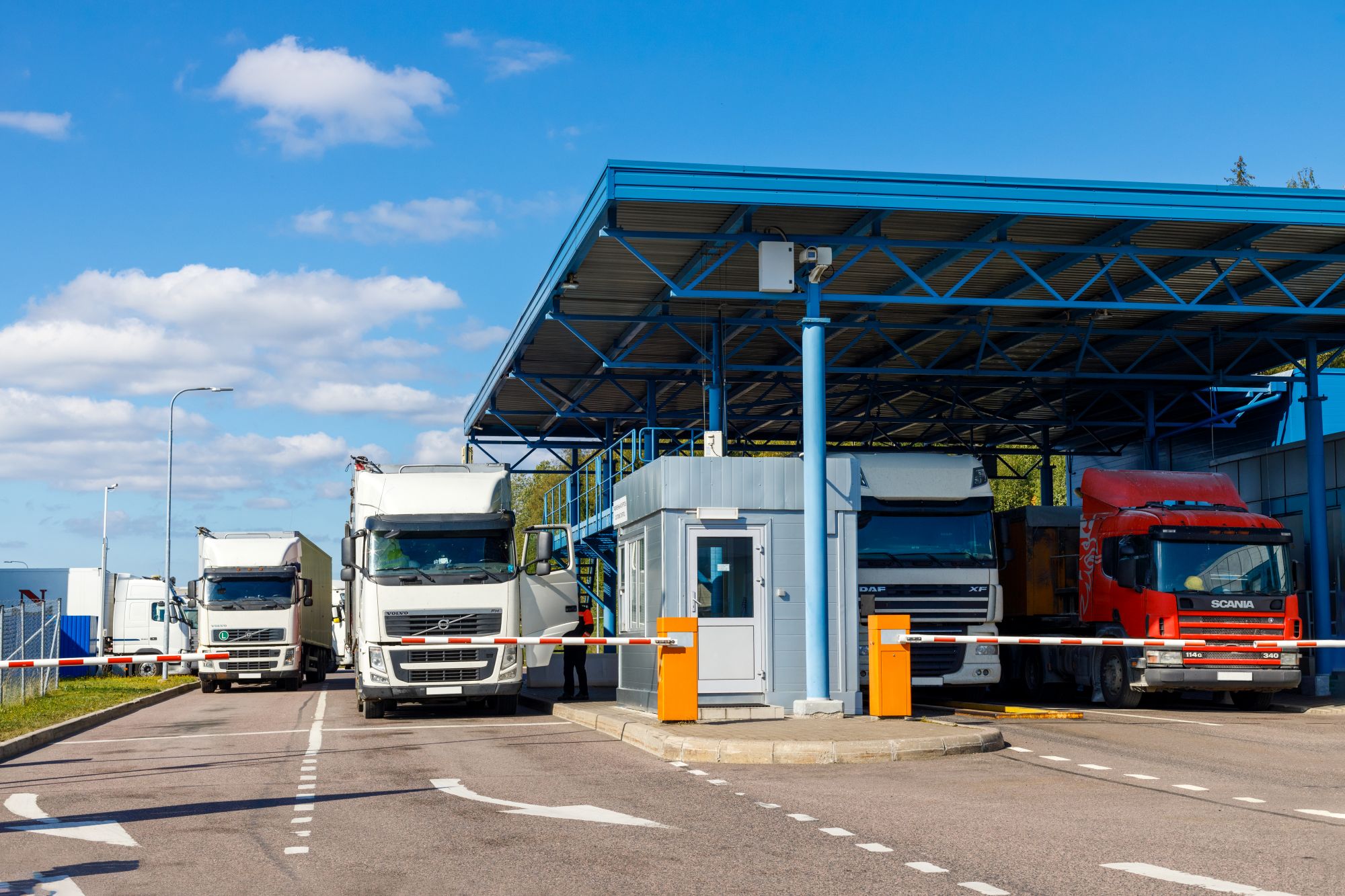
Le proteste si sono intensificate, bloccando le principali vie di trasporto verso l'Ucraina e intrappolando migliaia di veicoli in code chilometriche. Al suo culmine, il blocco ha lasciato più di 5.000 camion bloccati al confine, alcuni dei quali hanno aspettato più di una settimana per attraversare. Anche gli autisti dell'UE non ucraini hanno subito lunghi ritardi, orari stressanti e condizioni di lavoro precarie.

Quella che era iniziata come una disputa logistica si è evoluta in una più ampia protesta dei camionisti polacchi per le importazioni ucraine, l'accesso al mercato e l'impatto delle misure di emergenza dell'UE in materia di trasporti. Gli agricoltori polacchi si sono presto uniti a loro, frustrati dall'effetto dei prodotti agricoli ucraini sui prezzi nazionali.

Gli autotrasportatori polacchi hanno anche criticato il sistema di code elettroniche dell'Ucraina per l'attraversamento delle frontiere - noto come eCherha - sostenendo che metteva i trasportatori dell'UE in una posizione di svantaggio. Sebbene il sistema sia stato concepito per snellire la movimentazione delle merci consentendo ai vettori di prenotare in anticipo gli slot per l'attraversamento, gli operatori polacchi hanno sostenuto che ha dato alle imprese ucraine una maggiore flessibilità e un accesso più rapido. Problemi come le barriere linguistiche, l'integrazione limitata con i sistemi logistici dell'UE e l'attuazione incoerente hanno fatto sì che molti autisti dell'UE attendessero più a lungo al confine, alimentando ulteriormente la percezione di un trattamento iniquo e contribuendo ai disordini più generali.

Cronologia dei blocchi al confine tra Polonia e Ucraina

Novembre 2023: Iniziano le proteste ai valichi di Dorohusk, Hrebenne e Korczowa.

Dicembre 2023: Vengono bloccati altri valichi, tra cui quello di Medyka; tre autisti ucraini muoiono in coda.

Gennaio 2024: Il governo polacco raggiunge un accordo per sospendere il blocco fino a marzo.

Marzo-aprile 2024: Riprendono i blocchi sporadici ai valichi minori.

Maggio 2025: Inizia un nuovo blocco di quattro mesi a Yahodyn-Dorohusk, ma viene annullato in tribunale.

Giugno 2025: Tutti i principali valichi di frontiera rimangono aperti, ma permane il rischio di future interruzioni.

Cosa sta facendo il governo polacco per migliorare la situazione?

In risposta all'interruzione e alle sue implicazioni più ampie, il governo polacco ha assunto una posizione proattiva. I valichi di frontiera con l'Ucraina sono stati designati come infrastrutture critiche, garantendo una maggiore protezione da futuri blocchi e contribuendo a garantire il flusso continuo di merci, aiuti umanitari e supporto militare.

È stato inoltre istituito un nuovo Consiglio per la cooperazione con l'Ucraina per rafforzare in generale i legami tra i due Paesi. Parte del suo compito è quello di migliorare il coordinamento del commercio e dei trasporti. Parallelamente, la Polonia sta investendo nelle infrastrutture del confine orientale e si sta impegnando con i funzionari dell'UE per sollecitare condizioni più eque per gli autotrasportatori polacchi. Sebbene queste azioni non possano risolvere la situazione da un giorno all'altro, segnalano un impegno a lungo termine per la stabilità e il dialogo strutturato.
L'impatto sugli autisti

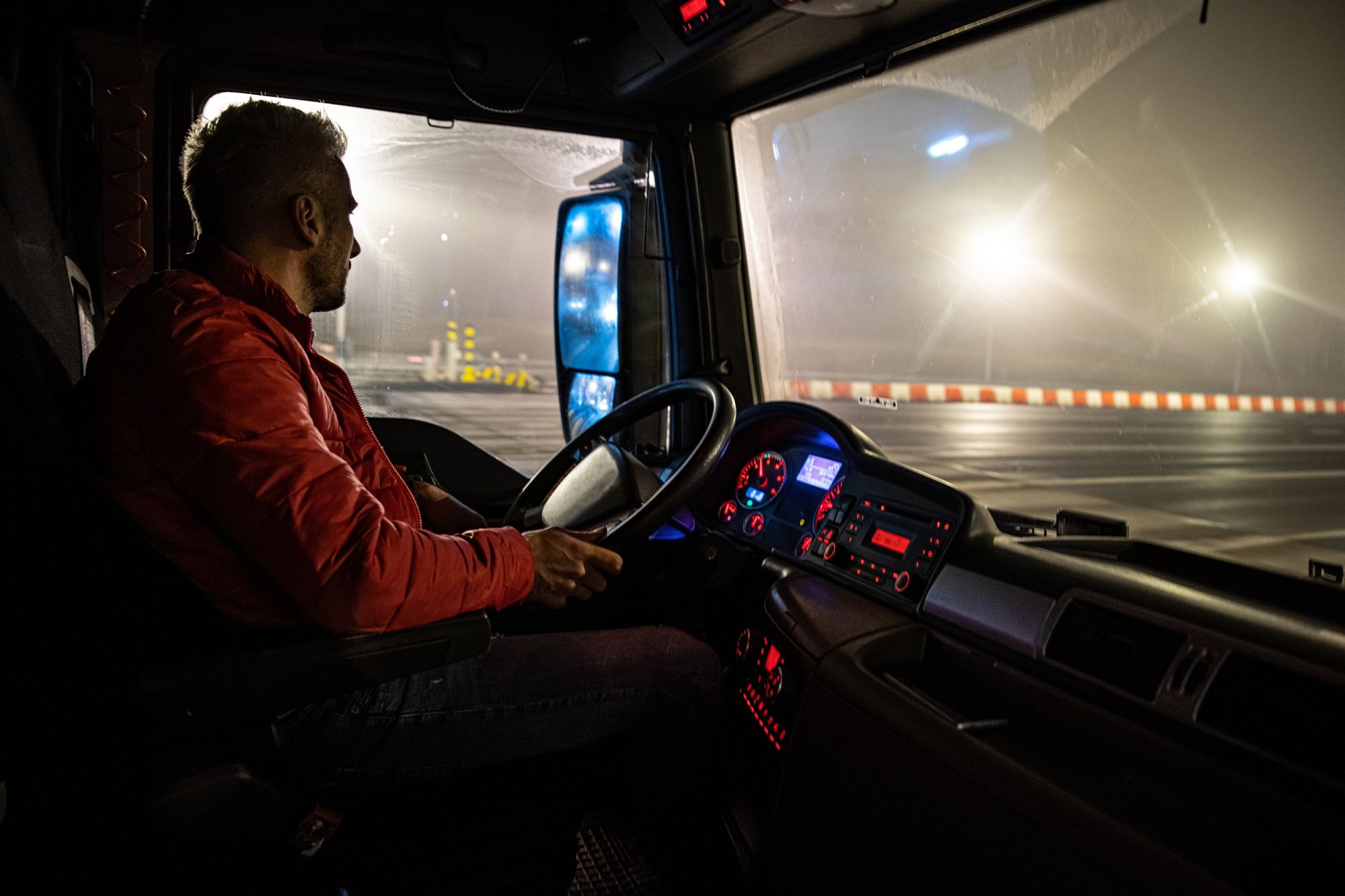
Il blocco ha creato condizioni inaccettabili per gli autisti professionisti. Molti hanno trascorso giorni o settimane nei loro taxi senza avere accesso a servizi igienici, cibo o acqua corrente. Alcuni sono rimasti bloccati a temperature gelide, senza riscaldamento o riparo.

Tre autisti ucraini sono morti durante il periodo di blocco, e si ritiene che la stanchezza e le condizioni mediche non curate siano stati i fattori che hanno contribuito.

L'interruzione ha causato anche una notevole tensione mentale ed emotiva, in particolare per gli autisti ucraini che cercavano di raggiungere o tornare da casa in tempo di guerra. I ritardi hanno colpito non solo il commercio, ma anche la circolazione di carburante, aiuti e beni militari fondamentali per la difesa nazionale dell'Ucraina.

Mentre i manifestanti polacchi hanno insistito sul fatto che i veicoli per gli aiuti umanitari e militari sono stati autorizzati a passare il confine, i rapporti delle autorità ucraine indicano che non è sempre stato così.

Queste condizioni non sono state traumatiche solo per i conducenti, ma hanno anche messo in luce le lacune nella gestione dei rischi della flotta e nella pianificazione delle emergenze. Gli operatori devono ora considerare le interruzioni alle frontiere come una minaccia continua.

Cosa devono sapere gli operatori delle flotte

Sebbene la situazione si sia stabilizzata, le tensioni di fondo tra i trasportatori polacchi, gli operatori ucraini e la politica dell'UE rimangono irrisolte. I gestori di flotte che operano nella regione o nelle sue vicinanze devono prestare attenzione alla possibilità di ulteriori azioni sindacali, soprattutto in occasione di pressioni stagionali o di revisioni della politica dell'UE.

Ecco le raccomandazioni del team SNAP per gestire efficacemente la situazione:

1. Monitorare la situazione al confine polacco-ucraino

Rimanete aggiornati con le notizie provenienti dalle associazioni logistiche polacche e ucraine e dalle fonti governative. Abbonatevi agli avvisi sul traffico al confine e seguite i partner logistici di fiducia per avere aggiornamenti in tempo reale.

2. Pianificare percorsi flessibili

Predisporre piani di emergenza che reindirizzino i veicoli attraverso l'Ungheria, la Slovacchia o la Romania se i passaggi tra la Polonia e l'Ucraina dovessero essere nuovamente bloccati.

3. Sostenere il benessere degli autisti

Assicuratevi che i vostri camion siano riforniti dei prodotti essenziali: cibo, acqua, power bank e kit medici.

Durante i periodi di agitazione, l'accesso a parcheggi sicuri per camion in Polonia è essenziale, in modo che i vostri autisti siano al sicuro, riposati e lontani dalla strada. Fornite agli autisti informazioni aggiornate sui parcheggi sicuri per camion e sulle aree di sosta lungo il loro percorso.

La nostra app intruck ha una mappa interattiva dei parcheggi per camion, con 11.000 fornitori di servizi per mezzi pesanti in tutta Europa, tra cui Polonia, Ungheria e Slovacchia. Si tratta di uno strumento facile da usare per trovare aree di sosta sicure per i camion in Polonia, particolarmente utile durante i periodi di sciopero.

Sebbene l'applicazione non offra attualmente parcheggi per camion prenotabili in Ucraina, gli operatori e gli autisti ucraini possono utilizzare intruck per individuare aree di sosta affidabili all'interno dell'UE durante i viaggi a lunga distanza o nei periodi di interruzione.

4. Prenotate soluzioni di parcheggio sicure per camion in Polonia

Con l'aumento della domanda durante i periodi di interruzione, la prenotazione anticipata è fondamentale. Gli autisti possono anche utilizzare intruck per trovare e prenotare in anticipo un parcheggio per camion di fiducia in Polonia. Sia che i vostri veicoli stiano viaggiando verso l'Europa dell'Est o che stiano tornando verso ovest, questo sistema permette ai vostri autisti di accedere a parcheggi per camion vicino a Varsavia e ad altre aree ad alto traffico.

5. Comunicare regolarmente con i conducenti

Stabilire orari di check-in, soprattutto se si prevedono lunghe attese o deviazioni. Rassicurate gli autisti sul fatto che il loro benessere è una priorità e fornite loro assistenza in caso di ritardi imprevisti. Se possibile, suggerite in anticipo i parcheggi sicuri per i camion in Ucraina, in modo che sappiano dove fare una pausa.

Guardando al futuro

La riapertura del confine tra Polonia e Ucraina è una notizia positiva per le flotte che operano in Europa orientale. Ma con le tensioni politiche ancora irrisolte, è essenziale rimanere preparati.

"La situazione sta rapidamente cambiando", afferma Nick Renton, responsabile della strategia europea e dello sviluppo commerciale di SNAP. "Con la possibilità di ulteriori disagi al confine tra Polonia e Ucraina, raccomandiamo agli operatori delle flotte di mettere in atto piani solidi per dare priorità al benessere dei conducenti e ridurre al minimo i rischi operativi. Ciò include la flessibilità nei programmi di consegna, la fornitura di scorte essenziali nei veicoli e la garanzia che i conducenti abbiano accesso a un parcheggio sicuro per i camion.

"La nostra rete di autogrill prenotabili in tutta Europa e in Polonia vi dà gli strumenti per rimanere agili, offrendo tranquillità sia agli operatori che agli autisti quando le condizioni a terra diventano imprevedibili".

Visualizza la nostra mappa interattiva di parcheggio sicuro per camion in Polonia oggi.

Condividi con

Anche altri leggono...

Header Image

giovedì 11 giugno 2026 • Notizie e aggiornamenti

VIAGGI DELLA COPPA DEL MONDO E REALTÀ DEL TRASPORTO SU STRADA: COME GLI AUTOTRASPORTATORI EUROPEI COPRONO LE DISTANZE DEL TORNEO OGNI SETTIMANA

Lucy Black

When football fans think about the FIFA World Cup, they think about big matches, packed stadiums and long journeys.And in 2026, those journeys will be bigger than ever.The expanded FIFA World Cup will feature 48 teams, 104 matches and 16 host cities spread across the United States, Canada and Mexico. It will be the largest and most geographically dispersed World Cup ever staged.Millions of supporters will travel across North America. Teams will cover thousands of kilometres throughout the tournament. Billions of pounds will be spent. Vast amounts of equipment, merchandise, food, drink and technology will need to be moved between venues.But while football fans focus on the journeys made by players and supporters, there is another group of professionals covering similar distances every month.Europe's truck drivers.In fact, a truck driver in Spain could cover more than 10,000 kilometres in just four weeks. That's comparable to the distance some teams could travel throughout an entire World Cup campaign.There's another important similarity too.Without logistics, there is no World Cup.As , explains:Every match, every fan zone and every broadcast relies on goods being delivered to the right place at the right time. From food and drink to merchandise, security infrastructure and broadcasting equipment, road transport plays a critical role behind the scenes.The reality is simple. While football takes centre stage, logistics makes it possible.The 2026 tournament will create one of the most complex logistics operations ever seen in sport.Unlike previous World Cups hosted in a single country, teams could be travelling thousands of kilometres between fixtures throughout the competition.For players, those journeys will be carefully planned and supported by charter flights, recovery teams and world-class facilities.For truck drivers, covering long distances is simply part of everyday life.Across Europe, drivers move goods between manufacturers, ports, warehouses, retailers and customers every day. They connect supply chains, support businesses and keep economies moving.The scale of logistics required for a global event like the World Cup is enormous.As , explains:Every screen, every item of merchandise, every catering delivery and every piece of technical equipment must arrive exactly where it is needed.The same expertise that helps major sporting events run smoothly is being used every day across Europe's transport networks.A team progressing from the group stages to the final could realistically travel between 8,000 and 15,000 kilometres during the 2026 FIFA World Cup.To put that into perspective, SNAP compared projected World Cup travel distances against the average weekly mileage completed by truck drivers across some of Europe's largest freight markets.The results show that truck drivers across Europe routinely cover World Cup-level distances in as little as four weeks.In Spain, Portugal, the Netherlands and Poland, drivers can cover close to or more than 10,000 kilometres over a month.While football teams travel with dedicated support staff and carefully planned schedules, drivers achieve similar distances while managing delivery deadlines, congestion, border crossings, parking shortages and increasingly complex transport networks.It is a reminder of the scale of modern road freight and the critical role drivers play in keeping supply chains moving.Comparing distances only tells part of the story.Players travel between matches.Drivers travel whilst managing deliveries, navigating road networks, complying with regulations and keeping customers supplied.Every week, millions of tonnes of goods move across Europe, supporting supermarkets, manufacturers, construction projects, healthcare providers and countless other industries.The distances may be similar.The challenges are not.Road freight remains the backbone of European trade.Around 75% of inland freight transport across the European Union is moved by road when measured in tonne-kilometres.Every year, billions of tonnes of goods travel across Europe's road networks.Behind every delivery is a transport operation built on the expertise of drivers, fleet managers and logistics professionals.Major sporting events simply make that reality more visible.The World Cup creates additional demand for food, beverages, merchandise, security equipment and event infrastructure. The pressure on transport networks increases significantly.But for transport operators, managing complex logistics is not a once-every-four-years challenge.It's business as usual.Large sporting events often highlight challenges that fleet operators deal with every day.Research from previous World Cups and Olympic Games has shown that host cities experience increased congestion, higher freight demand and greater pressure on transport infrastructure.During major sporting tournaments, cities often see:Increased congestion Higher demand for food and beverage deliveries Greater pressure on parking facilities Increased demand for security logistics Additional passenger transport requirements More complex route planningAs , points out:He's right.Whether it's food and drink for supporters, retail stock, security infrastructure or broadcast technology, major events place huge demands on logistics networks.For fleet managers, those operational pressures are familiar territory.While football teams rely on coaches, analysts and support staff, supply chains rely on drivers.Yet Europe's transport sector continues to face significant challenges.There is an estimated shortage of around 390,000 secure truck parking spaces across Europe.At the same time, driver shortages remain a major concern across many markets.Without drivers, supply chains stop.Without safe, secure places to rest, attracting and retaining drivers becomes even more difficult.As , explains:It's a simple observation, but it highlights an important truth.Whether it's a major sporting tournament or a normal weekend, drivers are the people making sure shelves stay stocked, businesses stay supplied and customers get what they need.For fleet managers, investing in driver welfare is no longer a nice-to-have.It's a business necessity.Providing access to secure parking, quality facilities and efficient payment solutions helps improve driver satisfaction, supports retention and drives operational efficiency.The biggest lesson from the World Cup isn't about football.It's about preparation.The teams that perform best are supported by planning, logistics and infrastructure that allows them to perform when it matters most.The same applies to transport operations.The fleets best positioned for success are those investing in:Driver welfare Secure truck parking Operational visibility Smarter transport payments Fleet efficiency Transport technology Simplified fleet managementThe journeys completed by football teams during the World Cup may capture the headlines.But they also provide a useful reminder of the distances being covered by Europe's transport industry every single day.From Spain and Portugal to Poland, Romania and the United Kingdom, professional drivers routinely travel extraordinary distances whilst supporting businesses, communities and supply chains across the continent.While the world's best footballers compete on the biggest stage, millions of drivers will continue doing what they do every day: keeping goods moving and economies running.At SNAP, we're proud to support those journeys through smarter transport payments, better access to truck parking and driver facilities, and solutions designed to make life easier for fleets and drivers alike.Because while the World Cup only lasts a few weeks, Europe's transport industry operates at that scale every single day.

Header Image

mercoledì 25 marzo 2026 • Notizie e aggiornamenti

COME I SISTEMI PREDITTIVI DOMANO L'INCERTEZZA DELLE CONSEGNE

Evelyn Long

Delivery operations rarely unfold exactly as planned. Even the most carefully designed logistics schedules must contend with an unpredictable world. Travel congestion can add hours to a route, severe weather can delay entire regions and a single vehicle breakdown can disrupt dozens of deliveries scheduled throughout the day. When these disruptions occur, they often create a chain reaction that affects drivers, warehouses, customers and operational costs. For companies that operate fleets, whether they deliver packages, medical supplies, food or construction materials, this uncertainty can significantly impact business performance. Missed delivery windows frustrate customers and can damage brand reputation. Delays can also increase fuel costs, overtime pay and operational inefficiencies. In industries where margins are tight, even small disruptions can add up quickly.What makes delivery uncertainty especially challenging is how interconnected modern logistics networks have become. A delay at one point in the system can ripple outward, affecting multiple routes and schedules. Without the right tools to anticipate and manage these disruptions, businesses are often forced to react in real time, which can lead to rushed decisions and inefficient solutions.One of the key technologies helping organisations manage delivery uncertainty is the Internet of Things (IoT). IoT refers to networks of connected devices, such as sensors, GPS trackers and telematics systems, that connect and transmit real-time data from vehicles, equipment and infrastructure. In fleet operations, IoT devices can monitor a wide range of conditions. GPS tracking for vehicles on the road. Engine sensors can track vehicle performance and detect early signs of mechanical issues. Temperature sensors can ensure that sensitive cargo remains within required conditions during transit. Together, these data streams create a detailed picture of what’s happening across an entire delivery network. This level of visibility is essential for managing uncertainty. When managers can see where vehicles are, how they’re performing and whether any issues are developing, they can respond much faster. Instead of discovering a problem hours later, they can address it as soon as the warning signs appear. In many cases, this visibility also feeds into predictive systems that analyse the data and forecast potential disruptions before they occur. While IoT provides the data, AI offers the intelligence needed to interpret it. AI systems analyse large volumes of operational information, including traffic patterns, weather forecasts, vehicle performance metrics, delivery history and route efficiency. By identifying patterns in this data, to occur and recommend adjustments. For example, predictive algorithms can analyse historical traffic conditions along a delivery route and estimate when congestion is likely to occur during certain times of day. If the system detects that a particular route will likely experience delays, it can suggest an alternative path before the driver even leaves the depot. Similarly, AI-driven maintenance systems can analyse engine data and identify early warning signs of mechanical problems, allowing repairs to be scheduled before a breakdown occurs on the road. Predictive systems work best when they combine data from multiple sources and translate that information into actionable insights. In a fleet environment, this often means integrating vehicle telematics, weather data, delivery schedules and live traffic information into a single predictive platform. When all of this data is analysed together, the system early. For example, if a severe storm is forecasted along a delivery route, the network can recommend adjusting departure times or rerouting drivers to avoid affected areas. If sensors detect that a vehicle component is likely to fail soon, it can schedule maintenance during planned downtime rather than allowing a breakdown to disrupt deliveries. Over time, these predictive adjustments make delivery operations smoother and more efficient. Routes become more optimised because the system continually learns from previous trips. Maintenance becomes strategic because vehicles are rather than fixed schedules. Even warehouse operations can improve, since more accurate delivery predictions allow teams to better coordinate loading and unloading processes. Beyond preventing disruptions, predictive systems also help fleets operate more efficiently. Businesses that have access to reliable forecasts and operational insights can plan routes, staffing and vehicle usage with greater precision.For instance, predictive analytics can identify patterns in delivery demand, allowing companies to allocate resources where they’re most needed. If certain routes consistently experience delays during specific hours, schedules can be adjusted to avoid those peak periods. Fuel usage can also be optimised by identifying more efficient routes or driving patterns. Over time, these incremental improvements add up. Vehicles spend less time idling in traffic, drivers spend more time completing deliveries rather than waiting or rerouting, and customers receive more accurate delivery estimates, and satisfaction. Another key benefit of predictive technology is the ability to monitor and control systems remotely. As connected devices become more common, consumers and businesses expect this level of oversight and convenience. A survey found that smart garage door openers consider remote monitoring and control to be a crucial feature. While this statistic relates to residential technology, it highlights a broader shift in expectations. People increasingly value the ability to check on systems, receive alerts and manage operations from anywhere. The same mindset is becoming more important in professional logistics environments. Fleet managers want to see vehicle locations in real time, receive notifications about potential issues and make adjustments without needing to be physically present. Predictive systems support this capability by turning complex operational data into clear, actionable insights that can be assessed remotely. While predictive systems provide clear advantages, they also introduce new considerations that businesses must address. In 2024, the of suspected internet crime. As fleets become more connected and reliant on digital platforms, cybersecurity becomes increasingly important. IoT devices, cloud platforms and AI-driven systems all rely on network connectivity and data exchange. Systems that aren’t properly secured could become targets for cyberattacks. A compromised system could disrupt operations, expose sensitive data or interfere with fleet management tools.Delivery uncertainty may never disappear entirely, but predictive systems are making it far more manageable. By combining IoT connectivity with AI-driven analytics, fleet operators can gain deeper visibility into their operations and anticipate problems before they disrupt schedules. As these technologies continue to evolve, they will play an important role in helping fleet-based businesses reduce uncertainty, streamline operations and deliver a more consistent experience for their customers.Discover more from

Header Image

mercoledì 11 marzo 2026 • Notizie e aggiornamenti

CONSIGLI PROATTIVI PER LA SICUREZZA E LE PRESTAZIONI DELLA FLOTTA IN OGNI STAGIONE

Guest

Fleet performance rarely unravels overnight. It slips through small oversights — a missed service interval, worn tread or a delayed depot repair. As a UK fleet manager, the cost of reacting late shows up in downtime, higher insurance premiums and risk to your reputation.Your proactive, seasonal strategy protects the vehicles, drivers and infrastructure before temperature-triggered issues escalate. Align maintenance cycles with weather patterns, operational peaks and compliance demands. Your fleet will be steadier, safer on the road and reduce unwelcome surprises.Reactive fleet management costs you more. Emergency repairs can disrupt tight schedules, strain budgets and frustrate even the best drivers. In contrast, effective forward planning can reduce unplanned downtime and extend vehicle life cycles.Predictive maintenance and seasonal checks are strategic in supporting compliance. The Driver and Vehicle Standards Agency can for roadworthiness at any time, not just during the annual inspection. A prevention-first culture demonstrates your team’s due diligence and strengthens your Operator Compliance Risk Score, without warning.Driver retention links closely to this mindset. Vehicles that are reliable in winter, maintain cabin comfort in summer and feel safe in poor weather send a clear message that your organisation values professionalism and safety.Longer daylight hours and increased road activity shift risk profiles. Construction zones expand, cyclists and pedestrians increase and higher temperatures stress mechanical systems.Introduce quarterly automobile network checks before weather changes set in.: Ensure all vehicles’ air conditioning systems operate efficiently. Comfortable drivers remain more alert and calm on long routes and in heavy traffic, while being hot and bothered behind the wheel fosters reckless driving. : Check radiators, coolant levels and hoses. Heat accelerates wear and can trigger overheating if systems run hot due to environmental factors. : Rising temperatures can affect tyre pressure. Confirm correct inflation and inspect for sidewall damage to reduce the risk of blowouts. Hot road surfaces also wear tyre tread more easily, affecting braking capacity. Reinforce safe driving techniques that consider sun glare, roadworks and higher traffic density. Consider installing tinted windshields when drivers face extreme light conditions.Heat amplifies even minor engine weaknesses. Address mechanical safety early, and you'll prevent mid-season breakdowns or disrupted delivery windows.Shorter days, heavy rain and icy surfaces demand that your team is on top of their game. Autumn brings leaves and debris that litter already-slick roadways, and winter compounds the challenge with frost and failing batteries. Prepare before these conditions set in to keep your mobile assets from deteriorating:: Inspect all headlights, brake lights and indicators. Replace worn wipers, top up the windshield washer reservoirs with de-icing chemicals rated for low-temperature use and add anti-freeze to radiators. : Confirm adequate grip depth on all wheels for additional safety on wet and icy roads and consider swapping to winter sets where routes justify the investment. This is also an ideal time to check your fleet’s tyre ages, as no commercial vehicle may be on the road in the UK with ago, which are considered unroadworthy. : Cold weather reduces battery efficiency. Test older units and replace those nearing the end of life. Trickle chargers help maintain truck batteries' charge when drivers must stop to meet their rest requirements. : Low light and adverse weather can trigger anyone's natural sleep instinct, so manage drivers' alertness levels. Review route planning and rest policies to reduce strain or assign two drivers on longer routes.Vehicle readiness supports road safety, yet infrastructure also plays a role. Poor depot lighting, icy yard surfaces or malfunctioning entry points can delay departures and create hazards before trucks even reach public roads.Mobile asset safety starts at the depot. Vehicles often sit for hours in storage yards or warehouses. A compromised facility exposes high-value assets to theft, weather damage and operational delay. Commercial lots or warehouses are vulnerable matter.Rolling doors and access points demand particular attention in the UK’s damp climate. Corrosion frequently begins at exterior door components, affecting guides and structural elements. Over time, degradation can trigger failures that halt departures or compromise security. Noncorrosive rolling doors made with , like stainless steel, provide safety for the fleet’s vehicles and secure valuable manifests at depots.Businesses operating in high-moisture or coastal environments should invest in corrosion-resistant products. Use cleaning agents and lubricants to prevent hinges and mechanisms from seizing up. Functional doors safeguard operations because a primary access door that fails during peak dispatch hours can result in vehicles missing slots and customer confidence slipping. Proactive facility maintenance reduces that risk.Broader property readiness matters, too. Seasonal inspections of drainage, roofing and external lighting strengthen operational continuity at all hours of the day. Thorough winter preparation should prevent structural and water-related damage. Treat your depot as part of the company's mobility ecosystem by securing doors and maintaining clean yard surfaces. Resilient infrastructure protects vehicles before they reach the road.Technology strengthens your seasonal planning. Telematics platforms provide a wealth of information, including identifying braking patterns, fuel efficiency shifts and early warning codes before faults escalate. Advanced driver-assistance systems add further safeguards, particularly in low-visibility conditions.Use AI to help you analyse data and create workflows that meet each season’s changing needs. Data-driven insights inform scheduling. Use analytics to identify recurring battery failures in cold-region trucks or cooling issues during summer peaks. Adjust the fleet's scheduled maintenance according to telematics guidance.Modern trucks with telematics can of data per minute from hundreds of sensors, which is only useful if you have the computing systems to extrapolate findings and trends that inform maintenance and performance schedules.Proactive company asset management evolves beyond checklists. It becomes a continuous improvement process informed by data, temperatures and infrastructure integrity.Seasonal transitions present predictable challenges from heat-stressing engines, cold-draining batteries and moisture corroding structural components. Increased traffic and vehicle use alter risk patterns.Address these variables before they disrupt your team’s operations. Align maintenance cycles with weather trends, reinforce driver training ahead of weather shifts and invest in resilient depot infrastructure.A fleet that anticipates change operates with confidence and performs consistently with improved safety metrics and decreased downtime. Those incremental advantages compound into measurable operational strength.