Susie Jones
Pramonės naujienos • 3 min perskaityti

Šiaurės tinklas: Kuo tai bus naudinga sunkvežimių vairuotojams?

Sukurta: 12-08-2024

Atnaujinta: 12-08-2024

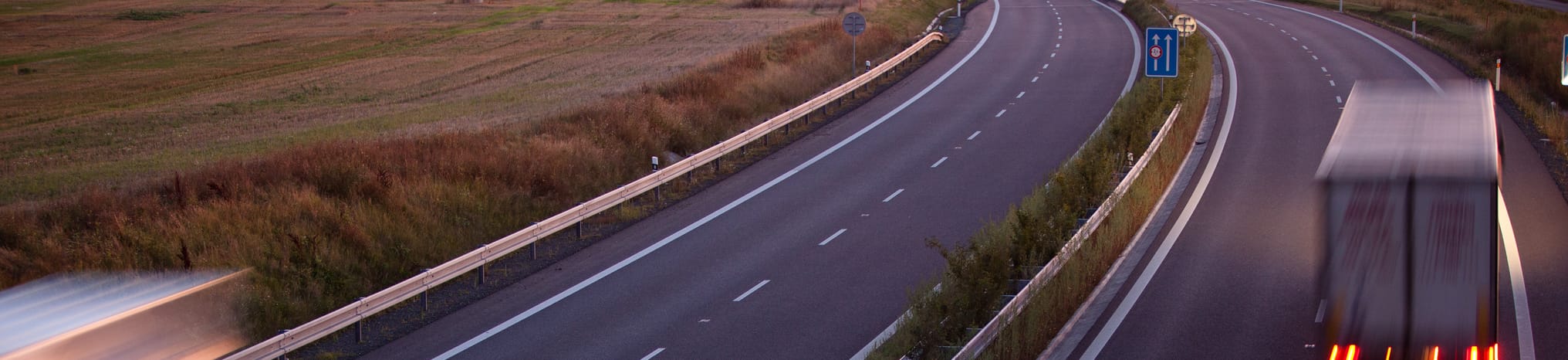
Spalio pradžioje vyriausybė paskelbė apie savo planą atsisakyti HS2 ir nukreipti finansavimą šalies transporto infrastruktūrai gerinti - projektui, vadinamam "Network North". Pagal šį projektą bus skirta 36 mlrd. svarų sterlingų pagrindiniams keliams, kurie tapo vairuotojų nesutarimų objektu, gerinti. Šis pranešimas nustebino daugelį, tačiau ką jis reiškia sunkvežimių vairuotojams, kurie be perstojo važinėja šiais keliais?

Esamos kelių gerinimo schemos

Vyriausybė padidins finansavimą daugumai esamų pagrindinių kelių tinklo ir didelių vietinės reikšmės kelių schemų. Siekiant užtikrinti, kad šios schemos būtų įgyvendintos, joms bus skiriama ne 85 %, o 100 % lėšų. Kelių gerinimo schemų sąrašą kelių gerinimo schemų galima rasti gov.co.uk. Papildomas šių schemų finansavimas pagerins kelių efektyvumą visoje šalyje.

Strateginio kelių tinklo schemos

Strateginio kelių tinklo schemos tikslas - sumažinti spūstis ir užtikrinti sklandesnes keliones tiems, kurie dažnai naudojasi keliais. Tai sveikintina pažanga sunkvežimių vairuotojams, kuriems stovėti stovinčiame eisme tapo norma.

Šiaurė

  • 15-oji M6 sankryža - tai vienas judriausių kelių Jungtinėje Karalystėje, kuriuo per dieną važiuoja daugiau kaip 127 000 transporto priemonių, todėl jau seniai susidarė didelės spūstys ir nenuspėjamas kelionės laikas. Siauri posūkiai nuvažiavimo kelyje tapo iššūkiu sunkvežimių vairuotojams - dėl jų apsiverčia automobiliai ir didėja eismo vėlavimai. Žadami pakeitimai turėtų sumažinti spūstis ir pagerinti sankryžos saugumą.

  • Du Mančesterio šiaurės vakarų kvadranto projektai - M60 greitkeliu kasdien 180 00 važiuoja 180,00 keleivių ir tolimųjų reisų vairuotojų. Šiaurės vakarų kvadranto projektais bus siekiama aplenkti J12-J18 ir pertvarkyti 12, 13 ir 14 sankryžas. Kiti papildymai, pavyzdžiui, jungiamasis kelias su A57 ir devintojo, dešimtojo, septynioliktojo ir aštuonioliktojo kelių mazgų pralaidumo didinimas, pagerins spūstis ir kelionės laiką.

  • A1 tarp Morpeto ir Ellinghamo. 12,8 mylios ilgio ruožas nuo pat pasiūlymo pateikimo buvo atidėliojamas. Tačiau "Network North" projekto tikslas - išplėsti šį kelio ruožą ir pagerinti kelionės laiką, saugumą ir atsparumą.

Midlands

  • A5 tarp Hinklio ir Tamvorto susispaudimo taškų - Nors daugiau informacijos dar nepaskelbta, buvo užsiminta, kad spūsčių mažinimas bus svarbi jų planų dalis.

  • A50/A500 koridoriaus tarp Stoko ir Derbio patobulinimai - šis maršrutas, kuriame vidutinis piko valandos greitis nesiekia 20 mylių per valandą, sunkvežimių vairuotojams ir keleiviams pasirodė lėtas ir nepatikimas. Tikėtina, kad "Network North" schema:

  • Iki 2061 m. sukurti 17 760 naujų darbo vietų

  • Iki 2061 m. rajone padaugės 21 538 gyventojų.

  • Per ateinančius 60 metų GVA (bendroji pridėtinė vertė) padidės 12,04 mlrd. svarų sterlingų.

Pietryčių

  • A2 Brenley Corner - "Network North" žada investuoti į šią vietovę - tai puiki žinia sunkvežimių vairuotojams, vykstantiems į Doverį. Daugiau informacijos apie plėtros planus dar nepaskelbta. Tačiau apie planus patobulinti Brenley Corner diskutuojama nuo 2021 m.

Škotija

  • A75 tarp Gretnos ir Stranraerio - A57 kelią labai reikia nutiesti, nes šiuo metu sunkvežimių vairuotojai gali važiuoti tik 40 mylių per valandą greičiu, todėl susidaro spūstys ir ilgai vėluojama. Kadangi tai labai svarbi keltų jungtis tarp Šiaurės Airijos ir Didžiosios Britanijos, sunkvežimių vairuotojai, kurie naudojasi šia jungtimi, gaus didelę naudą iš šio projekto.

Pagerinta kelių infrastruktūra sumažins spūstis, o sunkvežimių vairuotojai sutaupys brangaus laiko ir degalų sąnaudų - tai padės greičiau pristatyti krovinius. "Network North" programa siekiama pagerinti sunkvežimių vairuotojų ir kitų eismo dalyvių gyvenimą didinant saugumą ir efektyvumą.

Kiek žmonių išlaiko sunkvežimių vairavimo egzaminą iš pirmo karto?

Remiantis Statista ataskaita, 2007-2021 m. vidutinis sunkvežimio praktinio egzamino išlaikymo procentas buvo apie 50 %. Iš gov.co.uk duomenų matyti, kad 2022-2023 m. LGV praktinį egzaminą Jungtinėje Karalystėje išlaikė 75,9 proc. vyrų, palyginti su 75,9 proc. išlaikiusių moterų.

Ar sunkvežimio vairavimas kelia stresą?

Kaip ir bet kurioje profesijoje, kai kurie aspektai kelia stresą. Ilgos valandos, praleistos toli nuo artimųjų, daugeliui vairuotojų gali sukelti vienatvę ir izoliaciją. Be to, sunkvežimio vairuotojo darbas kartais kelia didelę įtampą, nes tenka laikytis griežtų pristatymo terminų ir važiuoti nenuspėjamomis oro sąlygomis.

Dalytis su

Kiti taip pat skaito...

Header Image

trečiadienis 10 gruodžio 2025 • Pramonės naujienos

2025 M. JK BIUDŽETAS: KĄ TAI REIŠKIA KROVINIŲ VEŽIMUI

Guest

The arrives at a difficult moment for the road transport sector. Operators are working against rising wages and operating costs, tight margins, ageing infrastructure and ongoing pressures around recruitment. At the same time, the shift towards cleaner mobility is accelerating, creating new expectations and increasing the need for long-term investment.The following article outlines what the Budget means for infrastructure, investment, workforce costs and the wider operating environment for haulage.For many years, fleets have been affected by deteriorating roads, weight restrictions on ageing bridges and the growing unpredictability of journey times. Government and industry data makes this clear. More than one in every ten miles of network in England and Wales is likely to require maintenance within the next year, according to reporting, and the backlogs for resurfacing work continue to rise. These issues lead to vehicle damage, driver fatigue, higher insurance costs and disrupted schedules. They also place additional pressure on operators already dealing with narrow margins.The new Budget acknowledges these concerns. One positive step is the substantial funding for strategic national projects, including almost £900 million allocated to the , which should reduce congestion, provide more reliable journey times and a safer driving environment for HGVs.Local authorities will also receive a share of and address the growing number of potholes. This could make a noticeable difference for fleets. Local roads carry the majority of domestic freight and serve as the first and last mile of nearly every delivery. Improving them should reduce wear and tear on vehicles as well as operational strain. These commitments will not fix decades of underinvestment immediately, but they represent an important shift towards a road network that is more resilient and better suited to the realities of modern logistics.The Budget also places more focus on skills. for under-25s working in small and medium-sized businesses could help attract new entrants into a profession that urgently needs them. The driver shortage is well documented. The UK must recruit around in order to stabilise supply chains, and across Europe the average age of professional drivers continues to climb. Only a small proportion of drivers are under 25, and training costs have been a barrier for many younger candidates.Providing funded apprenticeships makes logistics more accessible at a critical time. It also supports smaller operators, who often struggle to invest in training despite needing to expand their teams. The Budget introduces further support for investment, particularly around fleet renewal. Operators installing charging infrastructure can take advantage of a 100% first-year allowance until March 2027. This will help offset the upfront cost of electric HGVs and depot charging equipment.From January 2026, a new 40% first-year allowance will be available on many main-rate assets, including trucks – particularly useful where full expensing or the Annual Investment Allowance don’t apply, such as some leased fleets and unincorporated operators.While the Autumn Budget contains several positive measures, operators will also need to plan for increasing costs. Fuel duty will rise in stages between the end of August 2026 and March 2027. Fuel is already one of the largest expenses for operators, and the planned rises are likely to increase the emphasis on fuel efficiency, telematics, consolidated routing and fleet renewal.Vehicle Excise Duty (Road Tax) will be uprated in line with inflation from April 2026, including for HGVs. From April 2028, a new Electric Vehicle Excise Duty (eVED) will also apply a mileage-based charge to battery-electric and plug-in hybrid cars, on top of existing VED. Although eVED initially excludes electric vans and trucks, it signals a longer-term shift toward distance-based taxation that fleets will need to factor into future planning.The HGV Levy will also return to rising with inflation. Vehicles over twelve tonnes must pay the levy before using A roads or motorways, and the revised rate will add another cost that fleets must factor into forward planning.Larger, higher‑value properties are also likely to feel more pressure from business rates changes. The Budget confirms permanently lower business rates for retail, hospitality and leisure, funded in part by higher charges on the most expensive commercial premises. These include big warehouses and distribution centres, so operators with large sites can expect proportionately higher bills over time than smaller depots or high‑street locations.In addition, the Budget introduces several measures that directly affect the financial landscape for operators and the people who run or work within haulage businesses. Labour already represents one of the sector’s highest costs, and these changes will shape payroll planning, staff retention and the personal finances of many owner-operators.Minimum wage increases mean that employers will face higher staffing costs across warehousing, last-mile logistics and support roles. Many operators have already tackled wage rises in recent years, and this further uplift will add pressure at a time when margins remain narrow. For fleets that rely on overtime, night work or seasonal peaks, the impact will be even more noticeable.The Budget continues the government’s move toward greater digitalisation of tax and reporting. Compliance expectations will grow over the coming years, with stricter penalties for late VAT and Self Assessment returns and an expanded Making Tax Digital framework from 2027. Mandatory electronic invoicing will follow in 2029. Parcel carriers and mixed load operators will also be affected by changes to customs duty for low-value imports, which will apply to items worth less than £135 by March 2029 at the latest. While the aim is to even the playing field for UK manufacturers, it is likely to increase administrative pressure on haulage firms. These changes may eventually improve efficiency, but they will require investment in systems and staff training. Smaller fleets without dedicated administrative teams are likely to feel the adjustment most sharply.Although operators will face higher costs and increased administrative complexity, the 2025 Budget also provides some of the most significant commitments to the road network and skills pipeline seen in recent years. Taken together, these measures signal a Budget that attempts to balance fiscal constraints with long-term needs. The road ahead will still require careful planning and strategic investment, but there are genuine opportunities to strengthen the sector’s foundations and support a more resilient future for haulage.SNAP gives fleets practical tools to manage this shifting landscape, from parking access to data that supports compliance and operational decision-making. to discover how SNAP can help strengthen your fleet’s resilience in the months ahead.

Header Image

pirmadienis 03 lapkričio 2025 • Pramonės naujienos

9 BŪDAI, KAIP AI APTIKIMAS KEIČIA AUTOMOBILIŲ PARKO PRAMONĘ

Guest

Artificial intelligence (AI) has redefined how fleet professionals approach daily operations. Modern technologies let managers measurably improve maintenance, safety and compliance across their vehicles. As regulatory pressures rise, AI-driven insights will be more critical in gaining a decisive edge. Here are nine ways AI detection is transforming the fleet industry. Advanced telematics and machine learning (ML) algorithms help AI detection in fleets by monitoring driver behaviour. These devices analyse real-time patterns and flag risky driving behaviours like speeding and harsh braking. ML models instantly process data from in-vehicle sensors and identify deviations from safe driving norms and company policies.Drivers receive immediate feedback in the vehicle, while fleet managers get detailed reports on trends. The wealth of information helps supervisors personalise coaching sessions and find specific improvement areas. Telematics solutions have been critical to fleets nationwide because through improved behaviour and training programmes. AI algorithms are essential to analysing real-time traffic data, like road closures and weather conditions. Congestion can be significant, especially if your routes pass through London. A 2024 Inrix report said drivers when driving in the capital city. ML models can quickly identify bottlenecks and adverse weather to meet critical delivery times. Fleet managers benefit because their drivers can improve on-time performance. Route optimisation means deliveries are more likely to arrive during scheduled windows. It also enhances driver behaviours by idling less and covering fewer miles. Modern AI technologies rapidly detect roadway closures and unexpected weather changes to minimise disruptions. Accident reporting used to include manual logs and documentation. However, AI can reduce labour needs by automatically detecting and submitting incident reports. From collisions to near misses, these technologies can recognise potential incidents. Sensors gather relevant information at the event’s timing to provide more context. Unusual circumstances like airbag deployment can also be part of the automatic reporting. Once AI detection is complete, the system compiles information into a standardised report. Manual logs can create time-consuming tasks, so AI can automate these processes and free up staff. Fleet managers and insurers receive the report, thus ensuring compliance and accurate communication. Advanced technologies capture relevant data and use consistent formatting, so all parties get the critical details. Unexpected vehicle breakdowns can disrupt schedules and delay deliveries. AI helps fleet managers detect these problems before they become significant issues. From engine temperature to oil pressure, characteristics are monitored in real time. Advanced algorithms identify subtle anomalies and alert operators when a component is nearing failure. While fixed service intervals can be beneficial, AI lets you be more proactive and schedule maintenance precisely. Tire pressure sensors are an excellent example, especially for construction and utility companies. Experts say air compressors than equipment needs to maintain best practises. These sensors continually monitor output and detect gradual drops, flagging early signs of leaks.AI detection in fleets goes beyond studying driver behaviour. Telematics and sensors analyse speed and acceleration patterns to better understand fuel consumption. The systems monitor your vehicles for excessive idling and inefficient routing that increases petrol or diesel usage. AI can tailor recommendations to drivers by offering optimised speed ranges or maintenance needs.Fleet managers benefit by getting aggregated data on fuel consumption and spending. This information helps them make more informed vehicle procurement and route planning decisions. If older vehicles show inefficiencies, it may be time to upgrade the lot. Logistics professionals should compare individual vehicles against industry standards to see outliers. The U.K.’s environmental goals by 2050. Therefore, fleet managers must be more aware of tightening standards and the risk of fines. AI detection helps vehicles through sensors and onboard diagnostics systems, which collect data during operations. ML algorithms identify patterns and anomalies within the information and notify of excessive emissions. AI can alert fleet managers and enable proactive maintenance if a vehicle exceeds emissions thresholds. While humans take measures to reduce greenhouse gases, AI detection is rising to help the transportation industry. A 2025 study said by adapting eco-driving capabilities. The U.S. researchers said implementing it in 10% of vehicles would reduce carbon emissions up to 50%. Another way fleet managers can reduce emissions is through electric vehicle (EV) conversion. EV ownership is rising nationally through private drivers and fleet owners, as a 2025 report from 2023. AI can assist logistics professionals in the transition by recommending when, where and how to electrify their fleets. First-time EV owners may need help with charging windows and infrastructure needs. AI-powered systems detect when and where electric cars could naturally align with charging windows. For example, it could recommend the best times to charge to reduce schedule disruptions. Some may be pondering the switch to EVs, so logistics managers can leverage AI to compare cost data between electric and petrol cars. While AI investment can be a barrier, it may be financially beneficial in the long run. These software options that slows daily operations. Early detection of issues can lead to a more well-maintained fleet, which creates more uptime and revenue. Fleet managers can also save money through enhanced route optimisation and fuel management. AI detection in fleets is essential for streamlining administrative processes. These technologies can automatically perform compliance checks and incident documentation, thus reducing the need for manual paperwork. Your operators can focus more on the bigger picture and less on administrative overhead. If monitoring helps your drivers, it could reduce the cost of vehicle repairs and legal claims. Vehicle and cargo theft ., though they remain significant concerns. AI detection offers additional security layers by reducing the window of opportunity for thieves. Asset tracking features combine GPS and telematics capabilities to monitor real-time location, essential for companies transporting high-value assets. Fleet managers benefit from geofencing features, allowing them to set virtual boundaries. If a truck or van exits these zones, AI-powered systems automatically flag the event and notify logistics professionals. The algorithm is intelligent enough to understand anomalies and security protocols. Abnormalities can trigger security measures like remote disabling. AI is a practical, game-changing tool for fleet managers. Advanced analytics and real-time monitoring empower logistics professionals to drive measurable safety and performance improvements. While technologies are developing, the future is here. Your business should be willing to invest in AI-driven solutions to reduce costs and minimise risks. Discover more from .

Header Image

ketvirtadienis 28 rugpjūčio 2025 • Pramonės naujienos

AR AUTOMOBILIŲ PARKAI PEREINA PRIE AUTONOMINIŲ TRANSPORTO PRIEMONIŲ INTEGRACIJOS?

Guest

The buzz around self-driving cars isn’t as loud as it used to be, but it remains a constant noise in fleet managers’ ears. The United Kingdom government has moved autonomous vehicle integration pilot plans to 2026, renewing interest in the technology. Will decision-makers ignore the noise or embrace early adoption?Autonomous vehicle integration involves embedding self-driving technologies like artificial intelligence, light detection and ranging (LiDAR), and high-definition cameras into commercial fleets. On a broader scale, it entails introducing self-driving cars into existing public transportation systems.Driver assistance systems include collision avoidance, automatic speed adjustment, lane-centring, adaptive cruise control and intelligent ride-hailing. Partial and conditional automation leverage more advanced technologies to enable hands-free operation under certain circumstances.Level 4 and 5 automation are top priorities for automakers but challenging to implement in practice because engineers must account for countless edge cases. Even with advanced AI, perfecting parking and preventing collisions can be difficult. What if the pavement markings are barely visible or a child runs into the road? Adoption hinges on the car’s reaction.According to the Centre for Connected & Autonomous Vehicles, transport secretary Heidi Alexander confirmed the U.K. government will accelerate self-driving commercial pilot plans and aim for Spring 2026. The move could and add £42 billion to the U.K. economy by 2035.The country’s new automated vehicle legislation is among the most robust worldwide, laying the groundwork for widespread commercial adoption. Technological maturity is the only remaining hurdle.In an interview with McKinsey & Company, Sascha Meyer — the CEO of German automotive technology company MOIA — said predicting autonomous vehicle integration timelines has been challenging. In 2016, her enterprise MOIA throughout Europe by 2021.Since then, Meyer has realised adoption entails designing an entire ecosystem, not just driving functions. The new timeline sees self-driving cars in European cities by 2030 at the earliest. The engineers at MOIA are designing the prototype to exceed mandated redundancies. This way, they will be ready to operate commercially once the relevant legislation passes.Delivery, taxi, utility, and commercial fleets are seeing an uptick in driver assistance systems and intelligent automation. However, the penetration rate remains relatively low, especially considering how long the technology has existed. What are their plans for autonomy?Increased efficiency is among the main reasons fleet managers are embracing automation. Unlike humans, driverless vans can operate around the clock. With telematics systems, they can optimise driving and minimise idle time to improve fuel efficiency and expedite trips.AI is immune to human error, eliminating harsh braking and distracted driving. It cannot become fatigued and does not have blind spots. These improvements could help reduce road collisions and car accidents, which can mitigate costly workers’ compensation claims and potentially lower insurance costs.Cost savings are another contributing factor. At Level 4 and 5, owners can optimise labour expenses and compensate for driver shortages. Moreover, electric driverless cars with vehicle-to-grid capacity can over 30 years, helping offset the upfront investment.Aside from waiting for driverless technology to mature, fleet owners are delaying adoption due to high upfront costs. Embedding LiDAR, AI and telematics into every truck is expensive. Buying new instead of retrofitting is equally pricey. Even if cost savings could be found, technology is moving quickly — their investment may quickly become outdated.Safety is another concern. Photo-eye sensors garage doors. They stop the door from closing on objects, cars or people, and are used throughout the industry in car washes and automotive assembly lines. While some automakers utilise camera-only systems, engineers have had to pioneer new solutions. Today, many use LiDAR, global navigation satellite systems and ultrasonic sensors.However, even the most advanced systems are fallible. It is not enough to make automated cars perform as well as people — they must succeed where human drivers fail.Sensors have existed for years, but engineers have not perfected them yet. They may fail in edge cases or unfamiliar scenarios. Level 3 cars only work on premapped, divided highways in clear weather. Given that the U.K. in 2021, they may be too unreliable for adoption at scale.Autonomous vehicle integration may be moving slowly, but it is on track to reach its destination within the next decade. According to Goldman Sachs research, sold worldwide could be Level 3 vehicles by 2030. It forecasts that Level 2 — those requiring driver supervision — will increase from 20% of sales in 2025 to 30% in 2027.Managers should consider the scope and cost of autonomous fleet integration to determine whether early adoption is right for them. It will likely result in long-term savings, but waiting may be more rewarding because it allows time for technological advancement. If the cost-benefit analysis is unconvincing, they should consider incrementally upgrading as cars fail.Those who proceed with adoption must develop operation, storage, security and upgrades policies. These rules should vary depending on the automation level. For instance, drivers of Level 3 lorries should be required to pay full attention to the road to take control if necessary.Educating employees on their role is essential for successful implementation. Volkswagen Financial Services research found consider themselves better drivers than autonomous vehicles, so they are unlikely to overestimate the driverless system’s capabilities. However, they should still receive explicit training on best practices and habits to avoid.Self-driving machines are hard at work in ports and warehouses across Europe. Automating highway vehicles is more challenging because they are not on a fixed track. Also, they must account for variables like weather and other motorists. Geofencing, telematics and AI are accelerating adoption by making the unpredictable predictable. At the very least, these solutions enhance response times and mitigate human error, demonstrating that these previously unproven technologies are just as capable as human motorists.For now, full automation that eliminates the need for human attention remains theoretical. However, hands-free driving is a reality, and driverless systems could soon become standard issue in commercial fleets. As automakers perfect driving functions, fleet owners should prioritise route mapping, driver management and maintenance scheduling.Discover more from .