Guest
Nieuws en updates • 4 min lezen

Een overzicht van tolsystemen in Europa

Gemaakt: 19-01-2026

Bijgewerkt: 19-01-2026

Voor veel wagenparken in Europa is tolheffing stilletjes aan een van de meest complexe en minst voorspelbare kostenposten geworden. Wat ooit een relatief eenvoudige kwestie van snelwegheffingen was, is geëvolueerd tot een lappendeken van nationale systemen, technologieën en prijsmodellen die nu emissies, voertuiggewicht, aantal assen, geografie en zelfs het tijdstip van de dag weerspiegelen.

Op weg naar 2026 is tolheffing niet langer alleen een infrastructuurheffing. Het is in toenemende mate een beleidshefboom die door overheden wordt gebruikt om wegen te financieren, congestie te beheersen en de verschuiving naar vervoer met een lagere uitstoot te versnellen. Voor wagenparkbeheerders heeft die verschuiving reële financiële gevolgen.

In dit artikel wordt uiteengezet hoe tolheffing in Europa werkt, wat vloten vandaag betalen en welke veranderingen eraan komen.

Waarom tol belangrijk is

De marges in het wegvervoer zijn krap. Brandstof-, arbeids-, verzekerings- en nalevingskosten zijn de afgelopen jaren sterk gestegen. Tegen die achtergrond worden tolheffingen steeds belangrijker, vooral voor langeafstands- en grensoverschrijdende vervoerders.

In landen als Duitsland en Oostenrijk kunnen de tolkosten per kilometer nu op bepaalde routes concurreren met de brandstofkosten. In Centraal- en Oost-Europa blijven de toltarieven lager, maar snelle stijgingen en uitbreiding van het netwerk zorgen ervoor dat de kloof kleiner wordt. Tegelijkertijd betekent de invoering van CO₂-gebaseerde tolheffing dat twee anders identieke voertuigen, afhankelijk van hun emissieprofiel, met zeer verschillende tolrekeningen te maken kunnen krijgen.

Voor wagenparken die internationaal opereren, zijn tolheffingen een overweging bij de routeplanning, voertuigaanschaf en prijsbepaling.

Hoe tolheffing in Europa werkt

Er is niet één Europees tolsysteem. In plaats daarvan moeten vloten navigeren door een mix van nationale benaderingen die grofweg in drie categorieën vallen.

Op afstand gebaseerde tolheffingen rekenen voertuigen per afgelegde kilometer aan. Dit is nu het dominante model voor vrachtwagens en wordt gebruikt in landen als Duitsland, Oostenrijk, Polen, Hongarije en België.

Tijdgebonden vignetten geven voertuigen toestemming om het wegennet te gebruiken gedurende een vaste periode, zoals een dag, week of jaar. Traditioneel waren dit pasjes die op de voorruit werden weergegeven, maar ze worden steeds meer digitaal.

Hybride systemen combineren tolwegen met tolvrije alternatieven. Frankrijk, Italië en Spanje hebben allemaal modellen waarbij alleen op specifieke routes tol wordt geheven.

Voor alle drie de modellen duwt de herziene Eurovignetrichtlijn van de EU landen in de richting van op afstand gebaseerde, emissiegerelateerde heffingen. Dit vermindert gestaag de rol van flat-rate vignetten en verhoogt de kosten van wagenparken met een hoog kilometrage.

Toltechnologie

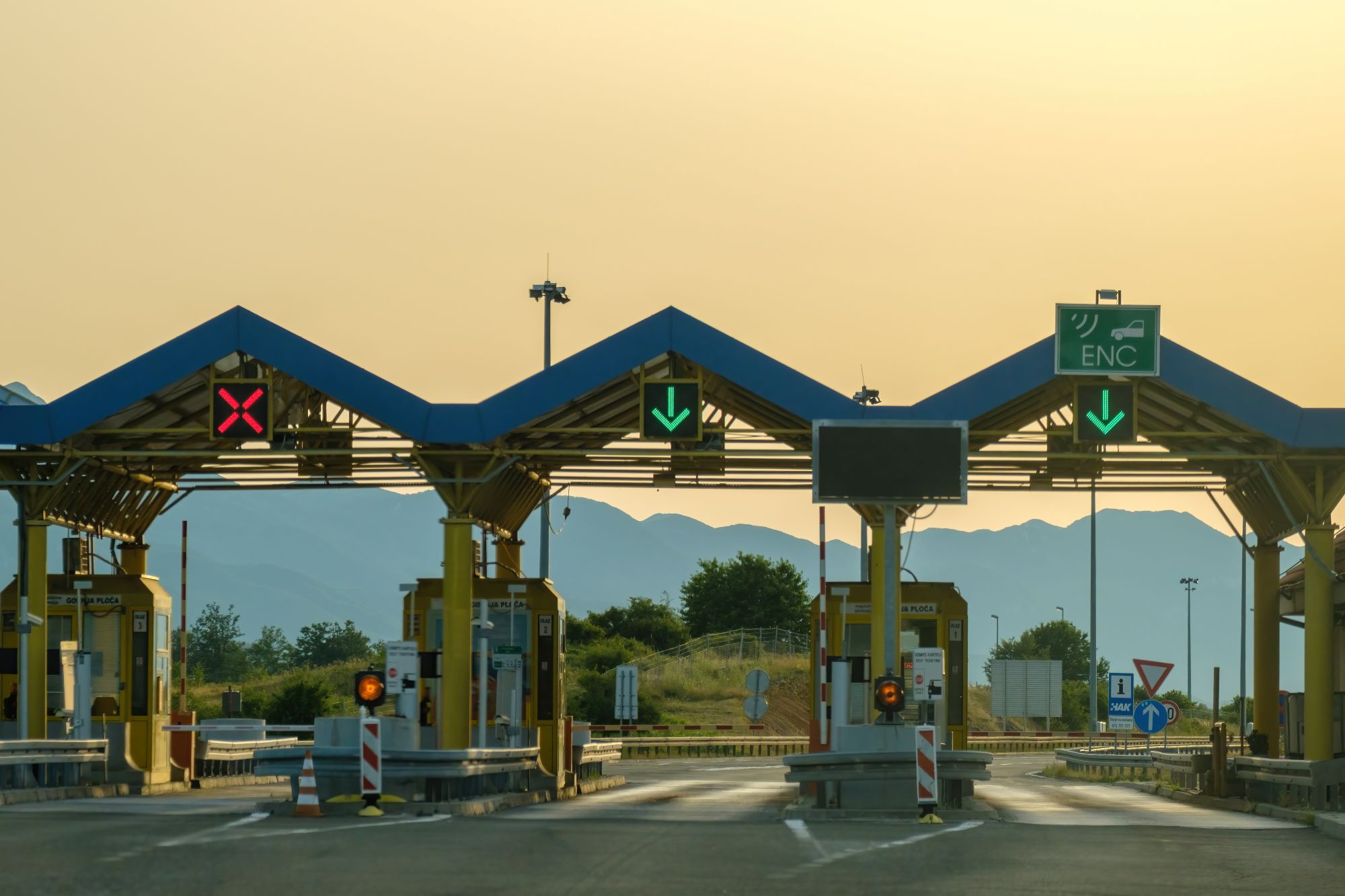
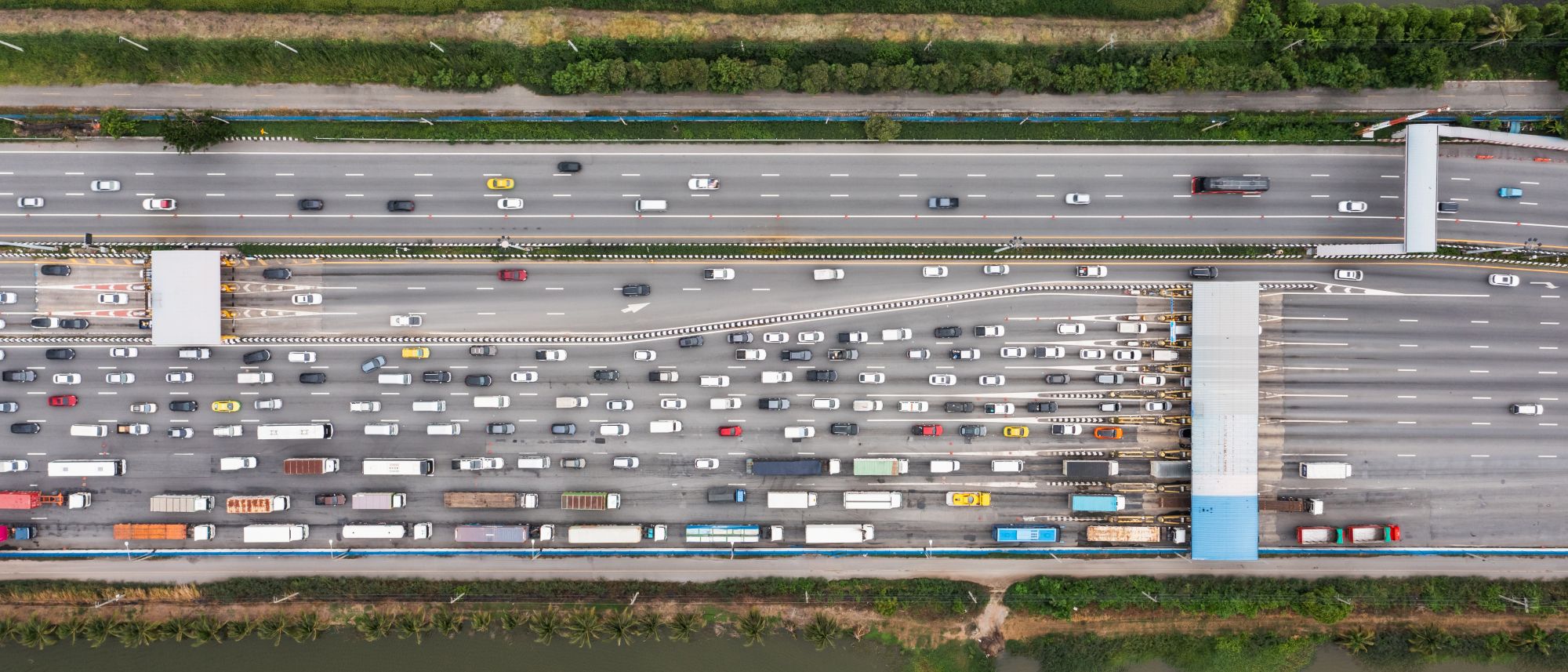
Tolheffing wordt steeds digitaler. De meeste op afstand gebaseerde systemen vertrouwen op GNSS- of GPS-tracering via onboard units (OBU), ondersteund door wegkantoortorens, tolhuisjes en camerahandhaving.

Voor wagenparken betekent dit een grotere afhankelijkheid van boordtechnologie, strengere nalevingseisen en minder tolerantie voor administratieve fouten. Gemiste betalingen op wegen met vrije doorstroming (waar geen tolhuisjes zijn en niet gestopt hoeft te worden) kunnen snel uitmonden in boetes, vooral voor internationale bestuurders die niet bekend zijn met de lokale regels.

Interoperabele tolheffingsdiensten in het kader van de Europese elektronische tolheffingsdienst (EETS) worden steeds belangrijker voor grensoverschrijdende exploitanten. In plaats van voertuigen uit te rusten met meerdere landspecifieke onboard units, kunnen wagenparken één goedgekeurd apparaat gebruiken om tol te betalen op verschillende Europese netwerken. Dit vereenvoudigt de administratie, verlaagt de installatie- en onderhoudskosten en verlaagt het risico op niet-naleving wanneer voertuigen van het ene naar het andere tolregime rijden.
Uitsplitsing per land

Landen met hoge kosten

Duitsland heeft een van de meest uitgebreide tolsystemen van Europa. De LKW-Maut geldt voor alle vrachtwagens van meer dan 3,5 ton op snelwegen en federale wegen. Sinds december 2023 omvat de tol een CO₂-heffing, waardoor de kosten voor dieselvoertuigen zijn gestegen. Officiële details worden gepubliceerd door Toll Collect.

De Oostenrijkse GO-Maut behoort tot de duurste per kilometer in Europa. Een Euro VI gelede vrachtwagen betaalde ongeveer €0,50 tot €0,53 per kilometer op snelwegen in 2025. Het systeem omvat infrastructuur, geluid, luchtvervuiling en CO₂-componenten. Elektrische vrachtwagens profiteren van lagere tarieven. ASFINAG biedt online volledige tarieventabellen.

België hanteert een kilometerheffing voor vrachtwagens in Vlaanderen, Wallonië en Brussel. De tarieven variëren per regio, gewicht en Euroklasse, met jaarlijkse verhogingen. Vanaf 2026 zijn nulemissievoertuigen niet langer volledig vrijgesteld, maar betalen ze nog steeds lagere infrastructuurheffingen. Officiële informatie is beschikbaar op Viapass.

Middelgrote markten voor tolheffing

Frankrijk gebruikt een snelwegconcessiemodel. Tol wordt geheven op routes die door particuliere bedrijven worden geëxploiteerd en wordt betaald aan tolhuisjes of elektronisch. De jaarlijkse verhogingen zijn bescheiden en gereguleerd. De Association des Sociétés Françaises d'Autoroutes publiceert meer informatie.

Italië volgt een vergelijkbare aanpak op basis van concessies. Vrachtwagens betalen ongeveer €0,10 per kilometer op het Autostrade-netwerk. De regering werkt aan een meer dynamische tolheffing in 2026, waarbij de heffingen mogelijk worden gekoppeld aan congestie en emissies. Autostrade per l'Italia geeft uitleg over tolberekeningen

Het Hongaarse HU-GO-systeem geldt voor vrachtwagens van meer dan 3,5 ton op snelwegen en hoofdwegen. Als gevolg van de hoge inflatie zijn de toltarieven sterk gestegen. Officiële updates worden gepubliceerd op hu-go.hu.

Lagere kosten en overgangsmarkten

Het Poolse e-TOLL-systeem rekent per kilometer af met behulp van GNSS-technologie (satelliet). De tarieven stegen in 2025 en zullen in 2026 weer stijgen, terwijl het tolnetwerk zich blijft uitbreiden. Het officiële platform is [etoll.gov.pl.] (https://etoll.gov.pl/)

Het bijzondere aan Spanje is dat veel grote snelwegen tolvrij zijn geworden na het aflopen van concessies. Sommige tolwegen blijven bestaan en de kosten voor vrachtwagens variëren per kilometer. Het standpunt van de Spaanse overheid wordt uiteengezet via het Ministerie van Transport.

Roemenië werkt momenteel met een vignetsysteem voor vrachtwagens, waarbij een zevendaagse pas ongeveer [€71] en een jaarpas €1.425](https://www.taxeauto.ro/ro/rovinieta) kost voor de zwaarste voertuigen. Dit zal veranderen in juli 2026, wanneer Roemenië een op afstand gebaseerd tolsysteem invoert, TollRo genaamd. De initiële tarieven zullen naar verwachting laag zijn, maar zullen na verloop van tijd waarschijnlijk stijgen. Actuele vignettarieven zijn online te vinden.
Veranderingen voor 2026

Verschillende ontwikkelingen maken 2026 tot een cruciaal jaar voor Europese tolheffing.

Nederland voert vanaf 1 juli een kilometerheffing in voor vrachtwagens, ter vervanging van het Eurovignet. De gemiddelde tarieven zullen naar verwachting rond de €0,19 per kilometer liggen, met kortingen voor voertuigen met een lage uitstoot. Officiële informatie is beschikbaar op www.vrachtwagenheffing.nl.

Zoals gezegd, zal Roemenië overstappen van vignetten naar tarifering op basis van afstand, waardoor het land op één lijn komt met de buurlanden.

In heel Europa zal differentiatie op basis van CO₂ standaard worden, met minder vrijstellingen en strengere handhaving. Elektrische vrachtwagens zullen blijven profiteren, maar volledige vrijstellingen worden geleidelijk vervangen door verlaagde tarieven in plaats van nultarieven.

Voor wagenparken betekent dit een hogere blootstelling aan kilometerafhankelijke kosten en een grotere stimulans om te investeren in schonere voertuigen en betere planningstools.

Hoe tolheffingen vlootgedrag vormen

Exploitanten evalueren nu routes om de tolkosten af te wegen tegen het brandstofverbruik en de reistijd. Investeringen in Euro VI en nulemissievoertuigen worden steeds meer gerechtvaardigd, niet alleen door brandstofbesparingen, maar ook door een verlaging van de toltarieven. Daarnaast worden toltoeslagen explicieter opgenomen in klantencontracten en spelen digitale tools voor routeoptimalisatie een grotere rol in de dagelijkse werkzaamheden.

Vloten hebben daarom behoefte aan nauwkeurige prognoses, actuele voertuiggegevens en een duidelijk overzicht van de tolheffingen per route en klant. Bij de aanschaf van voertuigen moet naast brandstofefficiëntie ook rekening worden gehouden met tolklassen. Grensoverschrijdende exploitanten moeten voorrang geven aan interoperabele toloplossingen en ervoor zorgen dat bestuurders de lokale betalingsregels begrijpen, vooral op wegen met vrije doorstroming.

Het belangrijkste is dat de tolkosten op transparante wijze in de prijs worden doorberekend. Naarmate tolheffing meer emissie-gedreven wordt, zullen vloten die vooruit plannen beter in staat zijn om hun marges te beschermen en concurrerend te blijven.

Voor wagenparken is de vraag niet langer of de tolgelden zullen stijgen, maar hoe goed ze voorbereid zijn om ze te beheren. In de komende jaren zal het er niet alleen om gaan hoe ver een voertuig rijdt, maar ook hoe schoon, waar en onder welk systeem.

Nu tolheffing steeds nauwer gekoppeld wordt aan uitstoot, kilometers en voertuigtype, is het belangrijker dan ooit om te weten wat je betaalt en waar. SNAP helpt wagenparkbeheerders en -exploitanten om betalingen te beheren en chauffeurs toegang te bieden tot veilige, goed uitgeruste truckstops. Meld u vandaag nog gratis aan
Deel naar

Anderen lezen ook...

Header Image

woensdag 14 januari 2026 • Nieuws en updates

MEEST STRESSVOLLE STEDEN IN EUROPA OM TE PARKEREN EN TE RIJDEN

Josh Cousens

Driving and parking in Europe’s cities can be a daily headache for HGV drivers — and high stress levels don’t just affect wellbeing; they impact fleet efficiency too. For logistics managers, knowing where these challenges are greatest is crucial for route planning, driver safety, and operational performance.Using social listening to analyse millions of geotagged posts across 150 European cities, our research identifies the places drivers find most stressful. Liverpool tops the list (60.5% of posts show driving-related stress), followed by Prague (59.2%) and Dublin (58.5%). Liverpool also ranks 2nd for most stressful city for parking in the UK. Congestion, scarce parking, and tricky road conditions are the main pain points highlighted by drivers across Europe.This study maps Europe’s HGV stress hotspots using real-world driver sentiment, showing how city conditions affect wellbeing. It is not about ranking countries, but giving fleet and logistics managers clear, actionable insights to support drivers, plan smarter routes, and reduce urban driving pressures.Our research analysed over 14 million geotagged social media posts from 150 European cities, covering driving-related topics such as parking, traffic, and road conditions. Posts were assessed for stress by tracking keywords and phrases linked to negative emotions in English and local languages. Each city was scored based on the percentage of posts expressing stress, providing a clear picture of driver pressure across Europe. Data was collected across major social media platform X (formerly Twitter) throughout 2025.“Stress” covers the pressures fleet drivers face on the road, including traffic, parking, road conditions, general driving, and conflicts with other drivers. Understanding these factors helps support driver wellbeing and performance.As of 2025 for most stressful cities for driving:1. . 60.5% of stressed social posts about parking the highest proportion of stress-related driving posts in Europe. . 59.2% of stressed social posts about parking likely due to dense traffic, historic street design, and limited space for larger vehicles navigating the city. . 58.5% of stressed social posts about parking – Driver stress is strongly linked to congestion delays, parking shortages, and busy commuter routes impacting daily driving conditions.The top 3 most stressful UK cities for parking in 2025:1. . Commonly shortened to as “Newcastle” and located in the county, Tyne and Wear, this city has a staggering 65.3% of stressed social posts about parking, making it the most stressful UK city for parking in 2025. . In Merseyside, 64.4% of social posts about parking in Liverpool express stress. . 63.9% of stressed social posts about parking in this city of North Yorkshire.Scotland also shows elevated parking stress, with ) and ranking among the UK’s most challenging cities to park in. Additionally, (57.9 of stressed social posts about parking. Contributing factors could include narrow streets, dense urban layouts, high demand for limited parking space, and city-centre restrictions, which may increase pressure on drivers.Using millions of geotagged social media posts, we scored each city was by the share of stress-related posts, revealing Europe’s top driving, parking hotspots, and highlighting the urban conditions that challenge drivers most. Our infographic map shows the top cities for driving and parking pressure, revealing key urban hotspots and the challenges faced by drivers in each market.Cities can increase driver stress due to congestion, narrow streets, and complex road layouts. (ranked 1st), (4th), and (5th) all feature among the most stressful cities to drive in England, with between and . Congestion hotspots and bottlenecks — such as and heavily congested routes like .— are key contributors to these elevated stress levels. and is one of Europe’s most congested cities, with due to heavy traffic, highlighting persistent congestion pressures on urban roads. Further social listening focused specifically on Irish motorists revealed that the counties of and recorded notably high parking stress levels, with scores ranging from to These high figures highlight persistent challenges for drivers in these areas, largely driven by heavy car dependency — , . Additionally, Leitrim has local reports of sparse road infrastructure and that contributes driver stress in this Irish county. (ranked 7th) – while not one of the most congested Polish cities overall, , with drivers spending notable time in traffic and major roadways such as the S86 and A4 seeing heavy daily traffic volumes that can contribute to the stress score of 53.6%. Similarly, (ranked 13th) has drivers spending approximately , contributing to its stress score of 50.3% in 2025. (ranked 8th) faces notorious congestion as one of Europe’s most crowded cities, with drivers spending significantly more time in gridlock and due to slow traffic. Spain’s capital; (15th) suffers from heavy congestion, with a . Narrow streets and persistent traffic, especially in areas like make every day driving slow and stressful. Similarly, in Bilbao, in Spain (ranked 20th) on key routes like the A‑8 and BI‑30, causing extended queues and slow movement, which contributes to stressful driving conditions.Parking also contributes to driver and fleet management stress, as limited availability, high demand, and restrictive regulations across Europe’s cities which can delay journeys, increase frustration, and complicate route planning.Also, through social listening, we have collected data on the cities where drivers experience the across Europe, specifically in Romania, Poland, Spain, and the UK. Paying attention to these areas is important for fleet operators, as limited parking availability, high demand, and urban congestion can disrupt schedules, increase delays, and affect driver wellbeing.Our research shows the highest parking stress in Europe is in (83.3%) and (80%) facing issues like limited urban parking spaces and high vehicle density. Similarly, in the UK, (65.3%), (64.4%), and (63.9%) are the cities with the most parking stress for motorists. These located struggle with restricted city‑centre spaces, , congestion and contribute to driver frustration. Romanian cities and , along with the Spanish cities of and , recorded the within their respective countries. However, compared with the UK and Poland, their stress scores are lower — ranging from to — suggesting more manageable parking conditions, fewer bottlenecks, and relatively less pressure on drivers in these urban areas.HGV drivers face pressures that differ from regular car drivers. Limited parking for large vehicles, navigating narrow or congested streets, and high traffic volumes can make urban driving more challenging and stressful, turning routine journeys into time‑pressured, high‑stress experiences.Let us dive deeper into the factors causing stress for HGV drivers:. Scarce lorry bays and high demand make it hard to find safe places to stop, especially in urban centres. The reports an estimated creating significant stress for HGV drivers who struggle to find safe and legal places to park., creating significant stress for HGV drivers who struggle to find safe and legal places to park. . Tight roads and historic city centres require careful navigation, increasing stress and risk of delays in cities like Prague, Dublin, and Liverpool. Heavy commuter and freight traffic slows journeys, increases travel times, and heightens frustration particularly in busier cities like London, Birmingham, Bucharest, and Madrid. Restrictions on vehicle access, extra charges, and rerouting requirements can complicate planning and add pressure. For example, require some HGVs to seek alternate routes. Height and weight limits, prohibited turns, and time-specific delivery windows force drivers onto longer or less convenient routes. Long urban journeys without access to rest areas, fuelling, or amenities can increase fatigue and mental strain for HGV drivers.Stressful cities create challenges for HGV drivers. Congestion, limited parking, and complex urban layouts can lead to lost time, missed deliveries, increased fatigue, and a higher risk of minor collisions or near-misses.Drivers can manage stress by planning routes carefully, taking scheduled breaks, and using technology to anticipate delays or help with . SNAP supports drivers with tools like the intruck app, helping them locate available parking, plan efficient routes, and stay informed about congestion, reducing stress and making and more manageable.Stressful cities do not just affect drivers — they impact fleet performance too. Congestion and limited parking can lead to delayed deliveries, higher fuel and operating costs, reduced driver wellbeing, and increased risk of fines or penalties. These pressures can eat into margins and complicate scheduling, , and customer satisfaction.Fleet operators can overcome these challenges by adopting and support systems: using real‑time traffic and parking insights, building flexible schedules, and . Available at over 850 service partners across Europe, SNAP’s fleet payment solution is used every 12 seconds across the continent to pay for truck services — without cash or a card.Understanding driving and parking stress hotspots across Europe helps fleets operate more safely and efficiently. By using these insights for route planning, driver training, tech adoption, and risk reduction, operators can reduce delays, improve wellbeing, and protect their drivers. SNAP supports this mission for the haulage fleets, offering secure parking, seamless payments, and tools that make daily operations calmer and safer.

Header Image

donderdag 08 januari 2026 • Nieuws en updates

SUTTERTON TRUCK STOP: DE NORM VERHOGEN VOOR CHAUFFEURSCOMFORT EN VEILIGHEID

Susie Jones

Situated on the A17 and a short drive from Boston is , a haven for truck drivers transporting goods along this stretch of road. The location provides not only a truck stop with the usual amenities one would expect clean showers, toilets, shop, and refuelling options but it also presents drivers with the choice to dine at the Roadside Diner, providing visitors with an American-themed restaurant with a variety of meals. We sat down with Director James Townsend to discuss improvements to the site, driver welfare, site security, and their long-standing relationship with SNAP. explains James. The site has undergone a major refurbishment, prioritising the needs of truck drivers. Nestled inside the truck stop is the new roadside diner. James and the team have recently taken back ownership of this and refurbished it. James says. He goes on to explain that it was more than upgrading existing facilities, but providing drivers with the right facilities to make the site a home away from home. SNAP asked truck drivers parking at Sutterton what they thought of the new facilities on offer. One driver commented:When it came to the design of the truck park, the site worked closely with SNAP to maximise the site’s potential:Driver welfare still remains a huge priority for those working in the industry, with investment into truck parking lacking, something James is all too aware of after working with the DFT. he explains. While investment is valuable, directing it into the right facilities for truck drivers is also imperative. James states. James and the rest of the team work closely with SNAP’s UK Network Team as well as , providing them with a single, clear point of contact should any issues arise. explains James. Having the support in place for complaints and technical issues is a major advantage for a truck stop like Sutterton, which often manages competing demands. Working with SNAP has delivered additional benefits as well, as James goes on to say:To ensure truck drivers get a good night’s rest, ensuring the site is as safe and secure as possible was vital for Sutterton Truck Stop. Working with SNAP Access & Security from the outset has allowed James and the team to do exactly that. says James. The site is a firm believer in training its staff to deal with incidents if they occur. Inspired by what you’ve just read? Catch the full interview with

Header Image

vrijdag 19 december 2025 • Nieuws en updates

IS UW WAGENPARK EEN DOELWIT? PRIORITEIT GEVEN AAN BEVEILIGING IN EEN WERELD VOL TECHNOLOGIE

Guest

Cybersecurity readiness must be a top priority for fleet owners and managers in the United Kingdom. The rapid digital transformation in the transportation and logistics industry has made fleets attractive targets for hackers. Learn about the cybersecurity trends fleet operators must be aware of and strategies you should adopt to lower your susceptibility to attacks.The advent of connected vehicles, push for fleet electrification, integration of Internet of Things (IoT) devices and reliance on automation have expanded the attack surface opportunistic cybercriminals can exploit to infiltrate your network.Vulnerable telematics back-end systems, insecure over-the-air firmware updates and buggy APIs are common entry points for phishers, data thieves, business saboteurs and ransomware attackers. Threat actors are also increasingly leveraging artificial intelligence to launch more believable scams.Falling victim to a cyberattack can cause more than extended, unscheduled downtime. A high-profile security incident can inflict severe reputational damage on your organisation and harm your business in the long term.Although your cyber insurance coverage may compensate you millions for losses, the financial impact can lead to insolvency — as happened to KNP Logistics in June 2025. An Akira ransomware attack exacerbated this major logistics group’s preexisting financial struggles, and let go of 730 employees.Every business is at risk from cyberattacks, but these strategies can help make your fleet management software and vehicles less vulnerable.A robust threat intelligence platform strengthens cybersecurity, as it allows you to proactively defend your assets from malicious actors and minimise your losses if they target you. Here are the primary ways to use threat intel to improve your security posture:Contextualisation enables your team to identify the perpetrators behind specific attacks, understand their motives and capabilities, determine what they want from your organisation, and comprehend their methods. Context transforms raw threat data into actionable intelligence, enabling you to inform your decision-making.Attackers evolve, so learning how they operated in the past is not enough to accurately anticipate their future actions. A threat intelligence platform can help you keep pace with known malicious actors and familiarise your team with relatively unknown ones. Some organisations use deception technologies to lure cybercriminals and watch them in action in a controlled environment.A software solution that can integrate into your company’s existing tools breaks down silos and allows threat intelligence to flow freely across teams. Cross-departmental collaboration is the key to implementing an organisation-wide cybersecurity strategy effectively.A threat intelligence platform can monitor your network activity and sense attack patterns early enough to notify your Security Operations Centre or IT professionals immediately. Early detection is vital to count threats before they infiltrate deeply into your system and cause more harm.Responding to urgent incidents involves less manual work with a threat intelligence platform. This software solution can orchestrate essential tasks to mitigate breaches, enabling your in-house cybersecurity professionals to focus on activities where human input is more impactful.Regulatory frameworks and data privacy standards are becoming more stringent over time. A threat intelligence platform aids compliance by ensuring that your team handles sensitive data responsibly and generates detailed reports to document your best practices.Zero trust minimises the likelihood of unauthorised access to fleet management systems by continuously verifying every user and device and enforcing identity-centric access control.This approach acknowledges that threats can come from within the organisation. Assuming that each request may come from a malicious actor reflects the level of vigilance you must exercise to protect your operation from sophisticated attacks and help your team adapt to complex, dynamic environments involving remote users, IoT devices and cloud services.After verification, zero trust gives users and devices just enough access to perform specific tasks. The principle of least privilege enables effective threat containment if a cybercriminal gets in.According to Cybersecurity Insiders’ 2024 Insider Threat Report, insider threat attacks have spiked. In October 2024, 51% of the 413 respondents in IT and cybersecurity reportedly over the past year. 29% reported spending over $1 million on remediation.The adoption of new technologies is a primary driver behind the rise in these cyberattacks. Investing in employee training is crucial for preventing team members from becoming insider threats.Provide target users with sufficient resources to familiarise themselves with the technologies. Highlight the ways they may inadvertently leak sensitive information or compromise the system. Tell them the red flags to watch out for to identify malicious schemes and teach them safe, responsible ways to deal with cybercriminals.Tight physical security can safeguard your assets from digital hijackers. Effective physical protection often involves a layered approach, which includes perimeter fencing, strategic placement of surveillance equipment and tamper-evident vehicle electronics casings. Additionally, limiting visibility with opaque doors , thereby adding an extra layer of protection to your physical security. Blending physical safeguards with digital solutions can restrict what hackers can do, even if they manage to gain control over fleet vehicles. In 2022, a group of hacktivists attacked the Russian ride-hailing service Yandex Taxi and directed in the same place in western Moscow. The incident should serve as a wake-up call to embrace measures to immobilise your assets if criminals remotely take control of the driver’s seat.Your company is only as strong as the weakest link in your supply chain. The positive impact of impregnable internal cybersecurity diminishes when third-party vendors make it easy for lawbreakers to steal your data from elsewhere. For instance, temporarily could jeopardise your cybersecurity if your lessor has outdated software.Working with supply chain partners that are as particular about cybersecurity reduces your risk exposure. Integrating your suppliers’ systems into your threat intelligence platform ensures better coordination during data breaches. Close collaboration with critical external parties promotes cybersecurity readiness and helps everyone prepare for potential attacks.Contending with online threat actors is inevitable in modern fleet management. Prioritise proactive strategies to stay ahead of hackers. By implementing a multi-layered defence that combines technology, employee training and strategic partnerships, you can build a resilient operation. This stance protects your current assets and secures your company’s future in an increasingly connected world.Discover more from