Guest
Nieuws en updates • 3 min lezen

Polen versnelt de overstap naar emissievrij vervoer

Gemaakt: 25-11-2025

Bijgewerkt: 25-11-2025

De Poolse transportsector ondergaat een grote transformatie. In de afgelopen maanden heeft de regering een reeks hoogwaardige financieringsprogramma's geïntroduceerd om het wegennet en de logistieke activiteiten van het land koolstofvrij te maken. Veel van deze activiteiten zijn gericht op infrastructuur voor zware voertuigen - een teken dat de overgang naar schonere vracht in heel Europa wordt omarmd.

De omvang van de investeringen - en de snelheid waarmee ze plaatsvinden - is belangrijk voor exploitanten, managers en infrastructuurplanners in heel Europa. Om te begrijpen waarom, helpt het om te kijken naar zowel de bredere Europese context als de specifieke financiering die beschikbaar is in Polen.

Europa op weg naar nulemissie

De overstap naar vervoer met lage of nulemissie is in heel Europa al enkele jaren aan de gang. Het EU Fit for 55 pakket en Green Deal hebben ambitieuze doelen gesteld om de uitstoot van zware bedrijfsvoertuigen te verminderen met 45% in 2030 en met 90% in 2040.

De Alternative Fuels Infrastructure Regulation (AFIR) stelt ook dat er tegen 2030 elke 60 kilometer langs het trans-Europese transportnetwerk (TEN-T) - een systeem van Europese wegen, spoorwegen, havens en luchthavens dat de ruggengraat vormt van het vrachtvervoer op het vasteland - oplaadpunten met hoog vermogen voor zware voertuigen moeten zijn. Tankstations voor waterstof moeten om de 200 kilometer beschikbaar zijn.

Het Verenigd Koninkrijk volgt een vergelijkbaar pad. Z[ero Emission Road Freight Demonstrator projects] (https://iuk-business-connect.org.uk/programme/zero-emission-heavy-goods-vehicles-and-infrastructure/) worden gebruikt om elektrische en waterstofvrachtwagens te testen op langeafstandsroutes, terwijl er geld wordt uitgetrokken voor oplaad- en tankinfrastructuur in depots.

Tegen deze achtergrond laat het programma van Polen zien dat Centraal- en Oost-Europa klaar zijn om een leidende rol te spelen in het bouwen van schoner, beter verbonden vervoer.

Een verbintenis van meerdere miljarden złoty

In maart 2025 lanceerde het Poolse Nationaal Fonds voor Milieubescherming en Waterbeheer (NFOŚiGW) twee grote financieringsoproepen ter waarde van in totaal 2 miljard PLN.

Het eerste heeft betrekking op de aanleg en uitbreiding van elektriciteitsnetten die oplaadstations met een hoge capaciteit voeden, met name die op de TEN-T. Het omvat zowel de uitbreiding van het netwerk als de installatie van nieuwe aansluitingen. Dit betekent dat het netwerk de energie kan leveren die nodig is voor het snelladen van vrachtwagens. Energie- en netwerkbeheerders kunnen subsidies aanvragen als hun projecten voldoen aan de minimale vermogensdrempels.

De tweede financieringsoproep ondersteunt de bouw van oplaadstations voor zware voertuigen zelf. Het doel is om 550 openbaar toegankelijke punten in het hele land aan te leggen voor zowel elektrische als waterstofvrachtwagens.

Een laatste programma, dat in het tweede kwartaal van 2025 van start ging, geeft subsidies en leningen aan bedrijven zodat ze nulemissietrucks in de categorieën N2 en N3 kunnen kopen of leasen. Categorie N2 heeft betrekking op voertuigen met een brutogewicht tussen 3,5 en 12 ton, terwijl N3 van toepassing is op trucks van meer dan 12 ton. De financieringsniveaus variëren van 30 tot 60 procent, afhankelijk van de bedrijfsgrootte. Voor N2-voertuigen geldt een bovengrens van 400.000 PLN en voor N3-modellen een bovengrens van 750.000 PLN. Aanvragen kunnen [tot 2029] worden ingediend (https://www.logistyka.net.pl/aktualnosci/english-speaking-zone/item/96519-funding-for-zero-emission-trucks-has-been-launched?tmpl=component&print=1), zodat bedrijven hun overgang naar emissievrije voertuigen kunnen plannen.

Deze investeringen vormen een aanvulling op het bestaande Poolse Nasz Eauto programma, dat de aanschaf van elektrische auto's door particulieren en bedrijven subsidieert, waardoor de duurzame transportstrategie van het land verder wordt uitgebreid dan alleen personenauto's.
Een zwaar transportnetwerk opbouwen

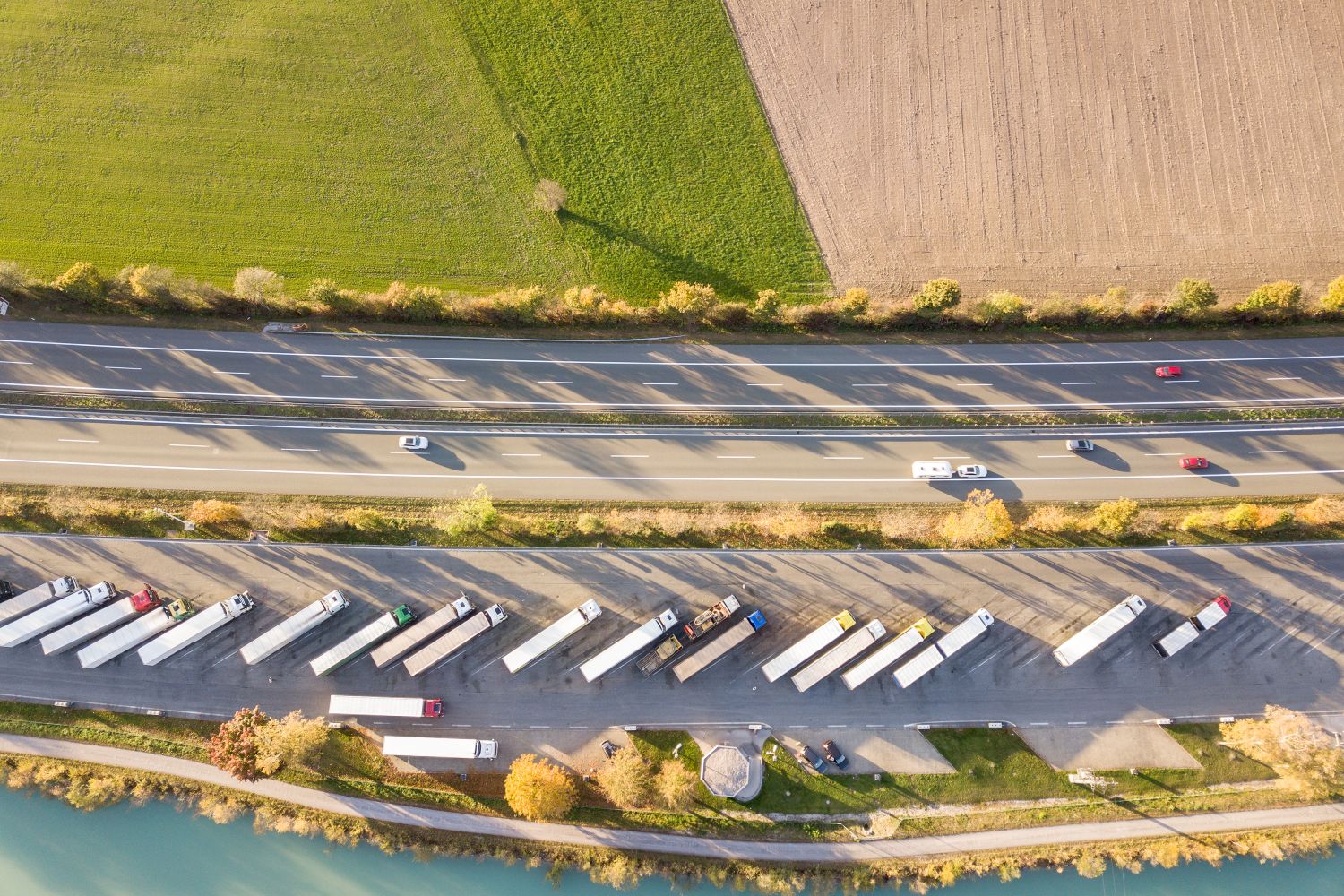
Volgens de International Road Transport Union (IRU) vervoert Polen meer goederen over de weg dan enig ander EU-land. Het is een natuurlijke toegangspoort tussen West-Europa en de Baltische staten, Oekraïne en de Balkan, wat betekent dat een betrouwbare nulemissie-infrastructuur in Polen een Europabrede impact zal hebben.

Door duidelijke vermogenseisen te stellen en projecten af te stemmen op de TEN-T corridors, zorgt de overheid voor een gecoördineerde aanpak in plaats van geïsoleerde projecten. Het doel is een betrouwbaar netwerk waar elektrische en waterstofvrachtwagens vrij kunnen rijden langs belangrijke handelsroutes. De onderminister van Klimaat en Milieu beschreef het programma als een manier om "het concurrentievermogen van Poolse vrachtvervoerders" te versterken en tegelijkertijd de uitstoot van een van de grootste economische sectoren van het land te verminderen.

Het Poolse binnenlandse netwerk maakt ook deel uit van het bredere [Clean Transport Corridor Initiative] (https://transport.ec.europa.eu/news-events/news/eu-ministers-commit-faster-truck-recharging-deployment-2025-09-16_en). In totaal negen EU-landen - waaronder Polen - hebben zich er in september 2025 toe verbonden om de invoering van oplaadinfrastructuur langs belangrijke vrachtroutes, zoals de Noordzee-Baltische en Scandinavisch-mediterrane corridors van het TEN-T, te versnellen.

Voor vloten die in heel Europa actief zijn, betekent het initiatief dat de laadinfrastructuur in de verschillende landen meer gestandaardiseerd en voorspelbaar wordt. Dit zal chauffeurs helpen om grensoverschrijdende routes met meer vertrouwen te plannen en tegelijkertijd de verschuiving naar emissievrije vracht te ondersteunen.

Praktische mogelijkheden en echte uitdagingen

Voor wagenparkbeheerders is de timing bemoedigend. Zero-emissie trucks doen hun intrede op de Europese markt, met een verkoop van bijna 2.000 zero-emissie zware elektrische trucks geregistreerd in de eerste helft van 2025 in de hele EU.

Er zijn echter uitdagingen. Het toevoegen van laadcapaciteit met een hoog vermogen betekent dat netbeheerders, lokale overheden en logistieke centra moeten samenwerken. Het zal ook tijd kosten om technici aan te werven met de vaardigheden om hoogspanningsapparatuur te installeren en te onderhouden.

Daarnaast kunnen ook voertuigkosten en operationele factoren de vooruitgang vertragen. Zelfs met royale subsidies moeten bedrijven de kosten van het bezit van elektrische voertuigen, routepatronen en de gereedheid van depots afwegen.

Wat het betekent voor mobiliteit

Voor de wegvervoersgemeenschap is het Poolse programma een belangrijke mijlpaal. Zodra het voltooid is, zal het oplaad- en tanknetwerk Oost- en West-Europa met elkaar verbinden en schoner en efficiënter vrachtvervoer ondersteunen.

"Dit is een keerpunt voor zwaar transport," zegt Nick Renton, hoofd Europese strategie en bedrijfsontwikkeling bij SNAP. "De acties van Polen laten zien dat zero-emissie vrachtvervoer onderdeel wordt van het dagelijks leven, in plaats van een langetermijnvisie. Naarmate het aantal oplaad- en tankpunten toeneemt, kunnen vervoerders met vertrouwen schonere ritten plannen."

Naarmate de situatie zich verder ontwikkelt, zullen we vloten in heel Europa blijven ondersteunen met technologie, inzicht en praktische hulpmiddelen voor chauffeurs. Onze [intruck app] (https://intruckapp.com/) helpt bij het identificeren en boeken van rustplaatsen, tankpunten en beveiligde parkeerplaatsen, met meer zero-emissie faciliteiten die worden toegevoegd naarmate er nieuwe locaties worden geopend. Exploitanten die veranderingen in de infrastructuur willen voorblijven, krijgen een duidelijk beeld van hoe het wegennet evolueert - en waar nieuwe kansen ontstaan.
Deel naar

Anderen lezen ook...

Header Image

maandag 08 december 2025 • Nieuws en updates

VRACHTWAGEN TRENDS: VOORSPELLINGEN VOOR 2026

Guest

Major changes are coming for the mobility sector.The next 12 months will bring some of the most significant regulatory and technological shifts European transport has seen in years. New emissions rules, driver-monitoring systems, hydrogen trials and autonomous pilots will reshape how fleets operate across the UK and EU.For operators and professional drivers, understanding these changes now will make the difference between adapting confidently and struggling to keep up. come into force in 2026, introducing new requirements for fleets. Nitrogen oxide and carbon monoxide limits will tighten further, with the permitted particle size dropping from 23 nanometres to 10. In addition, for the first time.Every new truck sold will need to comply with Euro VII. While vehicle pricing is likely to be affected, the bigger impact will fall on procurement timelines, fleet renewal cycles and long-term decarbonisation.. These monitor eye and head movement to identify early signs of fatigue or inattention, enabling safer interventions and supporting accident-reduction goals across Europe. By 2029, new cab designs must minimise blind spots through improved glass visibility rather than camera reliance. This will particularly influence urban operations, vulnerable road user safety and future vehicle specification.. After years of exemption, this change effectively brings smaller commercial vehicles under full drivers’ hours enforcement.For operators with mixed fleets, this means introducing:● new driver cards● regular data downloads● updated monitoring processes● revised routing and rest-time planningThousands of vehicles that previously operated freely will need compliance systems in place almost immediately. requires companies with more than 250 employees or €40 million revenue to collect and report verified CO₂ emissions – including Scope 3 transport activity.This will cascade through supply chains. Smaller hauliers without reliable emissions reporting risk losing access to larger contracts, accelerating the push toward better data systems and standardised reporting.Electric HGV production will rise rapidly in 2026. are all expanding manufacturing capacity.To support this, electric charging is also expanding. , as part of HyHAUL's M4 corridor project. Three refuelling stations, each supplying up to two tonnes of hydrogen daily, support the pilot. If successful, the project aims for 30 trucks on the road by the end of 2026 and 300 by 2030. Alongside this, . Five more will follow by 2027.Vehicle manufacturers are taking different approaches to developing hydrogen-fuelled trucks: ● and DAF are planning similar systems. ● will introduce its next-generation hydrogen fuel cell stack in 2026 with improved durability and lower operating costs.Hydrotreated Vegetable Oil (HVO) is emerging as a notable transitional fuel for haulage in 2026, thanks to two factors: stricter biofuel mandates in north-western Europe and its compatibility with existing diesel engines. Reports by confirm that HVO is a “drop-in” fuel: it can be used in many existing heavy-duty vehicles without engine or infrastructure changes, which gives operators a practical pathway to immediate CO₂ reductions. Meanwhile, forecast that HVO consumption could reach record highs in 2026. Germany alone may need an additional 1.5 million tonnes – almost four times 2025 levels – to meet demand. Although uptake remains modest when compared with battery-electric or hydrogen alternatives, the current regulatory push and infrastructure compatibility mean HVO is likely to gain traction in 2026.From spring 2026, in controlled zones – a full year ahead of plans. Enabled by the , this transition supports an industry expected to contribute £42 billion to the UK economy by 2035 and create an estimated 38,000 jobs. Germany is close behind. , supported by €20 million in seed funding. Across northern Europe, autonomous freight along the 1,200-km Rotterdam-Oslo corridor. The programme runs until March 2026 and examines how autonomous vehicles perform across borders, terrain types and logistics hubs.In Sweden, already move goods between warehouses, processing five million data points per second. Their controlled deployments demonstrate the potential for automation in predictable, repeatable routes.Despite this progress, humans will continue to play a central role. . So while automation will support specific functions, such as port operations, depot shuttles and fixed urban routes, long-haul and complex international transport will remain human-led.The scale and speed of change arriving in 2026 is unlike any previous year for European road transport. Multiple regulatory, technological and sustainability shifts will land simultaneously, reshaping how fleets operate across borders."The operators who succeed in 2026 won't be those who resist change but those who prepare for it systematically," says Nick Long, European Strategic Partnership and Development Manager at SNAP. "We're working with fleets across Europe to build the infrastructure that tomorrow's industry needs. Secure parking. Integrated payments for new toll structures. The building blocks of success are available now for those ready to use them."SNAP helps fleets prepare for the future with integrated solutions for parking, payments and fleet management across Europe. Visit snapacc.com to discover how we can support your transition to 2026 and beyond.

Header Image

donderdag 04 december 2025 • Nieuws en updates

ZORG DAT UW WAGENPARK SOEPEL BLIJFT DRAAIEN TIJDENS DE FEESTDAGEN

Guest

As the holiday season approaches, you are likely preparing for a surge in delivery demand and more complex operating conditions. This seasonal pressure overlaps with winter weather challenges, creating a unique risk environment for fleets across the UK. The festive period brings extra stress to your vehicles and operations. From consumer-driven surges in mileage to the impact of cold weather on vehicle performance, several seasonal factors converge at once. Understanding these pressures up-front helps you prepare proactively and minimise disruptions across your fleet.Consumer activity , which increases delivery volumes, compresses schedules and raises service expectations. This surge means that even minor disruptions can escalate quickly, as fleets have less flexibility to absorb delays. With more journeys scheduled and tighter handover times, vehicle downtime becomes more costly. A missed inspection or delayed repair can have a much larger operational impact than during other parts of the year.When peak consumer activity overlaps with hazardous weather, fleets experience amplified risk. Traffic congestion increases, road conditions deteriorate and minor mechanical problems can escalate into serious incidents more easily. To combat these issues, you must strengthen preventive maintenance, adjust schedules, and improve real-time monitoring to prevent avoidable breakdowns or delays.Cold temperatures, icy surfaces and reduced daylight all increase mechanical and on-road risks for commercial vehicles, raising the likelihood of weakened batteries, reduced tyre traction and visibility issues. UK roadworthiness standards emphasise the importance of more robust winter maintenance for brakes, lighting, fluids and tyres as conditions deteriorate, reinforcing why winter readiness is essential for uninterrupted fleet operations. Even mild cold , making proactive winter maintenance crucial.Beyond vehicle strain, the holiday season and winter conditions also place pressure on drivers and operational workflows. Increased traffic, unpredictable weather and tighter delivery windows can lead to fatigue, stress and an increased risk of accidents. Careful scheduling, clear communication and proactive support for drivers are essential to maintain safety and ensure that your fleet continues to operate efficiently under these seasonal pressures.Maintaining steady operations during the festive rush requires more than reactive problem-solving. It necessitates deliberate planning across vehicle maintenance, driver readiness, technology utilisation and operational coordination. These streamlined strategies will help you stay ahead of winter season disruptions and maintain consistent fleet performance throughout the holidays.Seasonal demand often requires vehicles to operate in harsher conditions for longer hours, so front-loading maintenance is one of the most effective ways to prevent in-season breakdowns. In construction, downtime can cost , highlighting the importance of proactive upkeep. Focus on winter-critical systems such as batteries, brakes, heating and defrosting systems, tyres, and fluid levels. Addressing minor issues before the holiday rush ensures your vehicles start the season in top condition and reduces the risk of unscheduled downtime when capacity is at its tightest.Drivers face greater pressure during the festive period, from congested roads to unpredictable weather. Preparing them early helps reduce risk and maintain service reliability. Share updated winter driving protocols, reinforce fatigue management best practices and ensure every vehicle carries essential cold-weather equipment. A well-prepared driver can adapt more effectively to seasonal hazards and keep journeys running safely.Access to parts and repair support becomes more challenging during the holidays due to demand spikes and supplier slowdowns. Securing key components in advance and confirming the availability of a repair shop ensures you can respond quickly to mid-season issues. These steps reduce the likelihood of lengthy delays and keep more of your vehicles on the road during peak workloads.Accurate, real-time insights become even more valuable when weather and traffic conditions can change quickly. Telematics systems, identify emerging vehicle issues and adapt routes proactively. Using data to make same-day decisions — whether rerouting, rescheduling or escalating maintenance — helps your fleet stay responsive throughout the holiday period.Seasonal peaks require tighter alignment across dispatchers, drivers, maintenance teams and customers. Clear communication reduces uncertainty and makes it easier to adjust schedules when conditions shift. Share regular updates about weather alerts, route changes, delivery windows and vehicle availability so everyone stays coordinated and able to respond quickly.Even with strong preparation, winter introduces variables that no fleet can fully control. Creating contingency plans provides your team with a structured response in the event of incidents. Establish backup routes, identify alternative suppliers and workshops, and maintain a reserve vehicle strategy where possible. Planning for disruption ensures that unexpected issues don’t halt operations entirely.Use this checklist to make sure your team, vehicles and workflows are ready for the busiest stretch of the year:● Review historical traffic data and expected holiday congestion to build more efficient routing. Tools that monitor and report real-time conditions help reduce delays and fuel waste.● Check batteries, fluids, tyres, wipers and heating systems to prevent cold-weather breakdowns and improve driver safety.● Conduct brief refresher sessions on winter driving techniques, fatigue management and emergency protocols. This supports both safety and productivity.● Holiday mileage and cold temps can accelerate wear. A tighter maintenance schedule helps catch issues before they result in downtime.● Ensure that asset trackers and sensors are fully functional for accurate location and condition data during peak demand.● Many suppliers operate on reduced hours during the holidays. Secure parts and consumables in advance to avoid repair delays.Holiday and winter conditions amplify every small inefficiency. Preparing early helps prevent avoidable downtime, strengthens driver safety and keeps your operations moving through the toughest time of the year. With precise planning, reliable tools and a proactive maintenance rhythm, fleets can turn seasonal challenges into opportunities for better performance and customer satisfaction.Discover more from

Header Image

donderdag 30 oktober 2025 • Nieuws en updates

VLOOTBEHEER STROOMLIJNEN: FET LOGISTICS' SNAP STORY

Susie Jones

Located in Colnbrook, Berkshire, is a family-owned and family-run company specialising in the transportation of pharmaceutical products.The company originated from humble beginnings in 1984 when Frederick Woolley produced a service that was second to none in the secure logistics industry his very own tracking system, the best on the market, which left companies knocking on his door to transport their goods safely throughout Europe. In 1999, FET entered the world of pharmaceutical transportation, with Frederick taking on a partner, his son-in-law, Harry Hughes. From there, the business has gone from strength to strength, becoming one of the best pharmaceutical logistics companies in the UK. We sit down with Managing Director, Harry, to discuss what it's like running a fleet across Europe and how SNAP has helped ease processes."We focus on transporting high-value, high-consequence goods, white glove deliveries, and hospital deliveries. We're often in mainland Europe pretty much every day, from Northern Ireland all the way down to Spain, Italy, and even Greece."Transporting high-value goods comes with the added pressure to ensure your drivers park in safe and secure areas. For Harry, his drivers must have access to a wide network of truck stops across Europe, complete with details regarding security features something SNAP can deliver through its and Transporting high-consequence goods also brings additional challenges, as Harry explains:"We have the same challenges as everyone else in the supply chain, but you're adding temperature as well. That's another critical requirement. Whether it be a dry ice box that's got a life of 72 hours, or you need to keep that van completely at the right temperature throughout its journey. If the truck or van has to park up overnight, we need to ensure that the temperature is being monitored through the night as well."TAPA EMEA's TSR regulations have been developed by the industry, for the industry. The standard protects products transported by road and aims to ensure the safety of drivers, vehicles, and cargo. As TAPA UK Lead, Harry knows the importance and the benefits of transporting goods under TAPA TSR."We outsource to an external monitoring company for some of the delicate loads being transported under TSR. This means they will monitor the load for the route and geofence it if it deviates. They're checking in with the driver and also checking that it's parked at the right location from the route risk assessment we've uploaded to the monitoring company."These standards give drivers, fleet operators, and customers peace of mind that their cargo will be transported safely. And Harry has peace of mind when these journeys utilise SNAP's vast network of truck stops across Europe."You know that if you go to a SNAP site, you're going to get a decent site."Driver welfare remains a critical topic within the mobility industry, and for fleets like Harry's, ensuring their drivers are looked after while on the road remains vital. We asked Harry what offerings truck stops must provide to those on the road regularly:"I think the drivers just want some decent facilities. If they've got a shower, toilet, and a hot meal, they're generally happy." He also notes that it's not a one-size-fits-all, "they've all got different requirements. Some of them want to go to sites with a fancy restaurant, and some of them are just happy with a burger and chips. I think if the basics are there of clean facilities, hot and cold food, and showers, that's the main thing."Truck stops are already in high demand, and the most popular ones, offering the right facilities and security requirements, tend to fill up early in the evening. This often forces drivers to park in unsafe areas, a challenge that's expected to grow even more significant when SNAP not only simplifies life for fleet managers but also delivers a seamless parking experience for drivers. This leads to increased convenience and satisfaction on the road, while enhancing efficiency and streamlining operations across the company."It's the simplicity for the drivers. They don't have to worry about anything. They just pull in, and the parking payment method is already done for them. The drivers love it since we've implemented it," Harry states. SNAP's growing network of truck wash sites is something that hasn't gone unnoticed by FET Logistics, especially when the weather takes a turn for the worse:"More truck washes are coming onto the network, which helps us especially through winter. Nobody wants to see a dirty truck turn up if you're loading pharmaceuticals into it."Inspired by what you've just read? Catch the full interview with