Susie Jones
Ratschläge für Fahrer • 4 min lesen

Der Leitfaden für Lkw-Fahrer zur Budgetierung

Erstellt: 29.08.2024

Aktualisiert: 29.08.2024

Als Lkw-Fahrer sind Sie daran gewöhnt, lange Strecken zu fahren und unsoziale Arbeitszeiten einzuhalten, was oft mit zusätzlichen Kosten verbunden ist. Aber wie kann man als Lkw-Fahrer Geld sparen? Es kann schwierig sein, die Ausgaben im Auge zu behalten und das Geld zu verwalten, aber wir haben ein paar praktische Tipps zusammengestellt, die Ihnen beim Sparen helfen.

Vorbereitung

Wenn Sie sich die Zeit nehmen, sich auf die Reise vorzubereiten, können Sie Geld sparen und sich beruhigt zurücklehnen.

  • Vorräte: Überlegen Sie sich, welche Artikel Sie benötigen, damit Sie unterwegs keine teuren Artikel kaufen müssen.

  • Lebensmittel: Die Zubereitung Ihres Essens ist zwar ein einfacher, aber effektiver Trick, wenn es darum geht, Geld zu sparen. Auswärts zu essen ist oft teuer und manchmal ungesund. Versuchen Sie, Ihre Mahlzeiten in Ihrem Taxi zuzubereiten. Eine Mikrowelle und ein Kühlschrank im Fahrerhaus machen die Zubereitung von Mahlzeiten viel einfacher. Sehen Sie sich unsere Tipps für eine [gesunde Fahrt] an (https://snapacc.com/newsroom/how-to-be-a-healthy-truck-driver/).

  • Reiseplanung: Die Planung der effizientesten Route kann Ihnen Geld für Kraftstoff und unerwartete Mautgebühren sparen. Wenn Sie wissen, wo Sie übernachten werden, und im Voraus buchen, können Sie Ihre Reise kostengünstiger gestalten. Laden Sie unsere intruck app herunter, um Lkw-Parkplätze in der Nähe Ihrer Transitstrecke zu finden.

Ein Budget erstellen und einhalten

Der schwierigste, aber effektivste Tipp. Erstellen Sie ein monatliches oder wöchentliches Budget, an das Sie sich halten können, und behalten Sie den Überblick über Ihre Ausgaben. Es gibt viele Möglichkeiten, Ihr Budget aufzustellen: Sie können Ihre Ausgaben in einen Monatskalender eintragen, sie in einem Notizbuch notieren oder eine App zur Unterstützung verwenden. Forbes hat eine umfangreiche Liste von Apps, die Ihnen dabei helfen können.

Wechselrichter

Die Investition in einen Wechselrichter ermöglicht es Ihnen, kleine Geräte zu betreiben. Mit einem Kühlschrank zum Frischhalten von Lebensmitteln, einer elektrischen Grillplatte zum Kochen und einer Kaffeemaschine, mit der Sie Ihre Tasse Kaffee ganz nach Ihrem Geschmack zubereiten können, müssen Sie kein Vermögen ausgeben. Verabschieden Sie sich von teurem Fast Food und freuen Sie sich auf hausgemachte Mahlzeiten zum halben Preis.

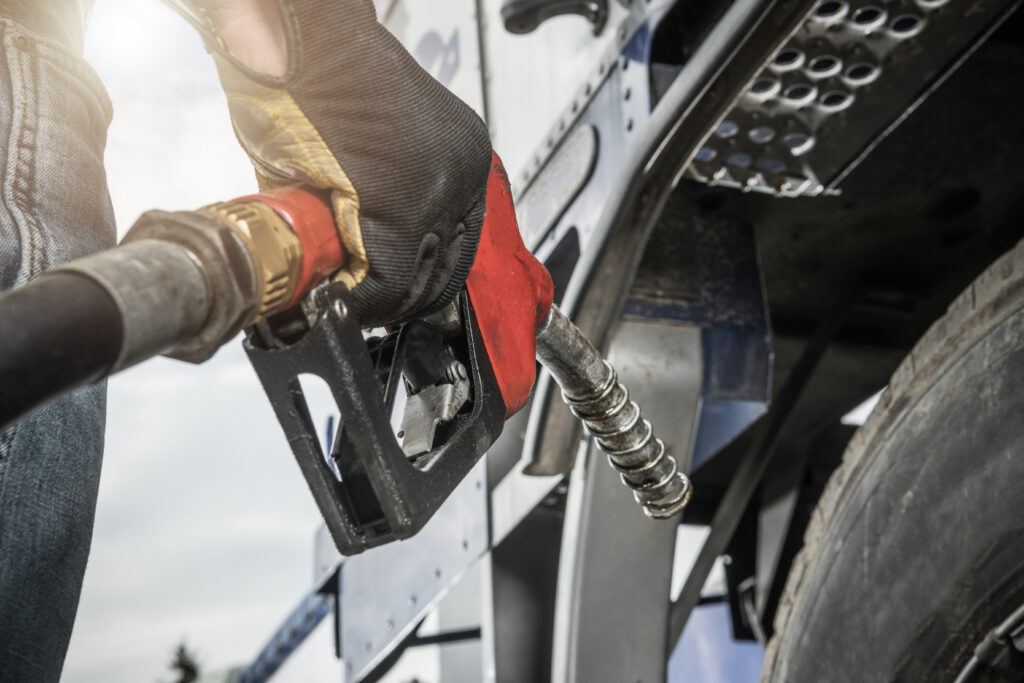
Kraftstoff

Kosten, um die man nicht herumkommt. Es gibt jedoch viele Möglichkeiten, wie man sie einsparen kann:

  • Reifendruck: Ein zu geringer Reifendruck verringert den Kraftstoffverbrauch, daher ist es wichtig, ihn regelmäßig zu überprüfen.

  • Reduzieren Sie den Leerlauf: Stellen Sie den Motor ab, wenn Sie wissen, dass Sie eine Weile stehen bleiben werden. Eine Stunde im Leerlauf kann etwa einen Liter Kraftstoff verbrauchen.

  • Verwenden Sie den Tempomat: Der Tempomat kann unnötiges Beschleunigen und Abbremsen verhindern.

  • Fahren Sie in einem höheren Gang: Dadurch wird die Kraftstoffeffizienz maximiert, da bei hohen Geschwindigkeiten in niedrigeren Gängen 45 % mehr Kraftstoff verbraucht werden kann.

  • Klimaanlagen: Sie kann Ihren Kraftstoffverbrauch um bis zu 0,4 Meilen pro Gallone erhöhen. Fahren Sie nach Möglichkeit mit offenem Fenster, bevor Sie auf die Klimaanlage zurückgreifen.

Zusätzlich zu diesen Tipps bietet SNAP Fuel eine nachhaltige, transparente Preisstruktur und ermäßigte Tarife an den Tankstellen unseres Partnerunternehmens Certas Energy.

Treueprogramme

Einige Arbeitgeber bieten ihren Fahrern Prämienprogramme an, um ihnen beim Sparen zu helfen. Ermäßigungen auf Lebensmittel, Getränke, Duschen und Reinigungseinrichtungen können beim Sparen helfen. Wenn Sie SNAP-Kunde sind, können wir Ihnen außerdem Essensgutscheine für teilnehmende Truckstops anbieten.

WiFi

Ganz gleich, ob Sie mit Ihrer Familie per Videoanruf in Kontakt treten oder Ihre Lieblingssendungen streamen möchten, die Möglichkeit, sich mit dem WiFi zu verbinden, kann Ihnen erhebliche Kosten ersparen. Die ausschließliche Nutzung der Daten Ihres Telefons kann teuer werden und zu einer unerwartet hohen Rechnung führen. Die meisten Raststätten bieten WiFi für Fahrer an, und Sie können auf unserer Seite maps jederzeit herausfinden, welche Raststätten dies anbieten.

Ist Lkw-Fahren ein harter Job?

Das hängt oft von der Person ab, denn wie bei jedem Beruf gibt es Aspekte, die für Sie schwierig sind, für andere aber nicht. Lange Arbeitszeiten, die Abwesenheit von geliebten Menschen und eine sitzende Lebensweise können den Job schwierig machen. Darüber hinaus müssen Sie sich mit externen Schwierigkeiten wie Verkehrsstaus, engen Zeitplänen und manchmal Überstunden auseinandersetzen. Aber es ist nicht alles schlecht: Viele Lkw-Fahrer haben viele Arbeitsmöglichkeiten, Unabhängigkeit, Flexibilität und die Chance, ins Ausland zu reisen.

Ist Lkw-Fahren ein gutes Leben?

Wie bereits erwähnt, kann das Leben auf der Straße durchaus auch seine Schattenseiten haben. Der Beruf des Lkw-Fahrers ist sicherlich nicht jedermanns Sache, aber diejenigen, die sich für diesen Beruf entscheiden, profitieren von einigen Vorteilen: - Jobstabilität - Der derzeitige Fahrermangel bedeutet, dass Sie keine Probleme haben werden, einen Job zu finden und zu behalten.

  • Bezahlung - Eine Karriere als Lkw-Fahrer kann eine gute Bezahlung und zusätzliche Leistungen bieten.

  • Reisen - Wenn Sie es nicht mögen, jeden Tag an einem einzigen Ort zu sein, dann ist es ein großer Vorteil, wenn Sie durch Teile des Vereinigten Königreichs und Europas reisen können.

Zusätzlich zu diesen Vorteilen gibt es viele Lkw-Fahrer, die ihr Leben hinter dem Steuer nicht gegen einen 9-5-Bürojob eintauschen würden.

Wie viel kostet es, Lkw-Fahrer zu werden?

Der Weg zum Lkw-Fahrer umfasst mehrere Schritte, und die Kosten variieren je nachdem, bei wem Sie Ihre Prüfungen ablegen. Wir haben es für Sie in ein paar einfachen Schritten aufgeschlüsselt.

Vorläufiger Lkw-Führerschein

Bevor Sie Ihren Führerschein der Klasse 2 erwerben können, müssen Sie einen vollwertigen Pkw-Führerschein besitzen, über 18 Jahre alt sein und einen vorläufigen Lkw-Führerschein haben. Ihr vorläufiger Lkw-Führerschein besteht aus zwei Formularen, einem D2 (das kostenlos ist) und einem D4. Das D4-Formular ist die ärztliche Untersuchung, deren Kosten zwischen £50 und £120 variieren können.

HGV-Führerschein (Klasse 2, C-Klasse)

Der Erwerb des Lkw-Führerscheins besteht aus vier Teilen, und die Kosten für jeden Teil können variieren. Laut der Website der Regierung kostet der Erwerb des LKW-Führerscheins etwa £304. Diese Kosten können jedoch schwanken, wenn Sie über eine inoffizielle Website buchen. Zusätzlich zu diesen Gebühren müssen Sie für Fahrstunden bezahlen, die bis zu 1.390 £ kosten können.

Tachokarte

Nach bestandener Prüfung haben Sie Ihren Führerschein der Klasse 2 (Klasse C) und können einen Lastkraftwagen fahren. Um gewerblich zu fahren, benötigen Sie eine Tachokarte, die Sie £32 kostet und alle fünf Jahre erneuert werden muss und £15 kostet.

Klasse 1 (C+E)

Um ein Fahrer der Klasse 1 zu werden, müssen Sie eine weitere Prüfung ablegen. Ein Führerschein der Klasse 1 berechtigt Sie zum Führen von Lastkraftwagen mit einem Gewicht von über 3.500 kg und einem Anhänger von über 750 kg. Diese Prüfung kostet £115.

Insgesamt kostet die Ausbildung zum Lkw-Fahrer der Klasse 1 knapp 2.000 £. Es ist jedoch wichtig zu erwähnen, dass Sie, sobald Sie Ihren Führerschein erworben haben, ein anständiges Gehalt erhalten, einen sicheren Arbeitsplatz haben, reisen können und ein Gefühl der Gemeinschaft innerhalb der Lkw-Welt bekommen.

Die Budgetierung als Lkw-Fahrer kann eine Herausforderung sein, ist aber unerlässlich, wenn Sie Ihre Finanzen im Griff haben wollen. Wenn Sie Ihre Ausgaben im Auge behalten, ein Budget aufstellen und sich daran halten, können Sie Geld sparen. Die oben genannten Tipps sind ein guter Ausgangspunkt, um Sie zu gesünderen finanziellen Gewohnheiten zu ermutigen. Wie sparen Sie Geld, wenn Sie unterwegs sind? Teilen Sie Ihre Tipps und Tricks mit uns bei SNAP.

Teilen mit

Andere lesen auch...

Header Image

Freitag 29 Mai 2026 • Ratschläge für Fahrer

VOM KAMPF ZUR STÄRKE: WIE DARREN WRIGHT VETERANEN HILFT, IHR LEBEN DURCH LOGISTIK WIEDER AUFZUBAUEN

Ellie Aldous

For many veterans, leaving the armed forces can mean losing far more than a career. It can mean losing structure, identity, purpose and community.For Darren Wright, founder of Veterans into Logistics, that transition was deeply personal.After serving nearly six years in the British Army, including a tour of Afghanistan as an air defence gunner, Darren struggled following his own transition into civilian life. He experienced homelessness, mental health challenges, the breakdown of his marriage and eventually served a custodial sentence.Rather than defining him, those experiences became the driving force behind a mission that is now changing lives across the UK.“I rebuilt my life through HGV driving,” Darren explains. “And I realised that if it could help me rebuild my life, it could help other veterans rebuild theirs too.”Founded in 2020, Veterans Into Logistics supports ex-service personnel into sustainable careers within the logistics industry by helping them gain HGV licences, training and employment opportunities.The organisation was inspired in part by the loss of Darren’s friend Jamie Doyle, a former Royal Artillery soldier who tragically died less than six months after leaving the military.“Jamie had served 22 years and was heavily decorated,” Darren says. “But like many veterans, he struggled with the transition. Losing that structure, purpose and identity can hit people incredibly hard.” That loss became the catalyst for action.Creating Opportunities Through LogisticsDarren recognised that logistics offered something many veterans desperately needed: a fast, accessible route into stable employment. “In six weeks, someone can go from having a car licence to becoming an HGV driver earning a strong salary,” he explains. “For many people, especially those who aren’t academic, that can completely change their future.” Veterans Into Logistics now works with veterans, ex-offenders and people from disadvantaged backgrounds to help them access training, employment and long-term career opportunities. The programme focuses not only on skills training, but also on restoring confidence and hope.“When someone comes to us at rock bottom, the first thing we do is give them hope,” Darren says. “Booking that first medical appointment may seem small, but it gives someone belief that something is finally changing.” The results have been transformative.Darren shared the story of one veteran he met sleeping rough in Manchester. After engaging with Veterans Into Logistics, the veteran gained his HGV licence, secured employment and later proudly returned to show Darren the car he had been able to buy through his hard work.Another veteran who had repeatedly cycled in and out of prison after leaving the military was supported into training and employment. He has since rebuilt his life and has not reoffended. “These are people who simply needed the right tools and the right opportunity,” Darren says. “I always say I’d rather give someone a fishing rod than a fish.”Challenging Perceptions of the IndustryDarren is also passionate about changing perceptions around logistics careers.“There’s this misconception that every driving role means being away Monday to Friday sleeping in a truck,” he says. “That’s not true. There are so many different types of driving jobs — local council work, airport operations, supermarket deliveries, highways maintenance, Formula One logistics and more.”Through his growing online platform, Manc on a Mission, Darren is using social media to educate people about the opportunities available in the logistics sector.His TikTok videos, which showcase real drivers and real careers, quickly gained millions of views and have inspired many people outside the military community to explore careers in transport and logistics. “I want to show young people and people from deprived areas that this is a real career path,” Darren explains. “You can build a stable life through this industry.” Driving Change Nationally Darren’s work has also led to national policy change. After discovering that military resettlement funding could not be used for HGV driver training because it was classified below Level 3 education, Darren challenged the rules directly with government ministers.Following his campaign, the policy was changed, allowing service leavers to use Enhanced Learning Credits for HGV driver training.“It was about making sure less academic service leavers weren’t excluded from opportunities,” Darren says.What’s next for Veterans into LogisticsToday, Veterans into Logistics continues to expand its impact through partnerships with logistics companies, prisons, colleges and employers across the UK. Looking ahead, Darren hopes to continue opening doors for veterans and others who may otherwise struggle to access meaningful employment. “If we keep changing lives, that’s success,” he says.If this story resonates with you or someone you know within the industry please reach out to Darren at the Team at Veterans for Logistics.‍Watch the full Interview:

Header Image

Freitag 29 Mai 2026 • Ratschläge für Fahrer

REDEN, BEVOR DER TANK LEER IST - DAS STIGMA UND DAS SCHWEIGEN IN DER SPEDITIONSBRANCHE BRECHEN.

Ellie Aldous

Extended periods away from home, long driving hours and tight delivery schedules are all part of a life in the logistics and haulage industry. But behind the movement of goods that keeps the world moving, there is a growing conversation about something far less visible, the mental health of drivers.With limited to no social interaction during their working week, isolation has become one of the biggest challenges among drivers. This is compounded by pressures on the road, such as finding secure parking for their cargo, managing delivery deadlines, navigating traffic, and maintaining concentration while dealing with mental fatigue.For some, the stresses continue past the steering wheel with some struggling with financial worries, physical wellbeing and difficulty maintaining relationships given they are spending a vast amount of time away from loved ones. What makes the issue even more concerning is that 98% of drivers are male, a group that is often less likely to speak openly about mental health. A UK survey by Priory found that 40% of men have never spoken to anyone about their mental health, with many citing embarrassment, stigma, or fear of appearing weak. Experts say this silence can leave drivers feeling even more disconnected and therefore the cycle continues. So, the big question is how can fleet managers help break the cycle? We have provided some top tips from mental health advocates!Regular check in calls with your drivers Recognise and Reward good work Support healthy rest breaks Offering a confidential support services such as wellbeing apps & counselling services Monthly team catch ups. Here are the top 5 tips to give to your driversMove when you can! A 10-minute walk & stretch can boost energy and improve circulation. Stay Hydrated. Dehydration can lead to fatigue! Keep in touch with others – Regular calls and facetime with family and friends can help you feel more connected Eat Balanced Meals – Choosing a healthy alternative helps maintain your energy. Listen to something positive – Pick a podcast or audio book, something interesting to support the long journey.At SNAP, were more than just a payment solution, we’re committed to driving meaningful, positive change across the industry by supporting not only our service partners, but also the hardworking drivers that keep the world moving.Sources: Men's Mental Health: Why 40% of men won't talk about it Priory Office for National Statistics https://www.nomisweb.co.uk/datasets/aps218/reports/employment-by-occupation?compare=K02000001

Header Image

Dienstag 26 Mai 2026 • Ratschläge für Fahrer

SICHERE BE- UND ENTLADEVERFAHREN ZUR VERMEIDUNG VON VERLETZUNGEN DES BEWEGUNGSAPPARATS

Evelyn Long

Musculoskeletal injuries are one of the most persistent challenges facing the fleet industry today. Drivers and warehouse staff face constant physical demands during loading and unloading operations. Implementing proper procedures protects your workforce from chronic pain and career-ending injuries while maintaining the efficiency that keeps your business competitive in demanding markets.Musculoskeletal injuries affect individual workers while draining business resources through lost productivity and increased insurance premiums.When an employee sustains an injury, the financial consequences go beyond the immediate medical expenses. Fleet managers must account for sick leave costs, temporary worker expenses and potential compensation claims.In 2023 to 2024, the total costs of workplace ill health and injury , with injury accounting for 28% or £6.5 billion. These figures demonstrate how injuries translate into economic burdens that affect profit margins.Lost productivity compounds these direct costs. When experienced drivers or warehouse staff take extended leave, operations slow down and remaining team members face increased workloads. The ripple effects touch every aspect of fleet operations, from delayed deliveries to strained client relationships.Drivers who develop musculoskeletal disorders face a difficult reality. Chronic back pain, shoulder injuries and repetitive strain can make basic job functions excruciating. Many drivers report that persistent pain affects their ability to focus during long routes, creating additional safety concerns.Musculoskeletal disorders rank among the in Great Britain. These conditions force experienced professionals out of an industry where they've built years of expertise.UK law requires employers to take specific steps to prevent manual handling injuries. Risk assessment forms the foundation of compliance and serves as the first line of defense against workplace strain.Employers must follow the Manual Handling Operations Regulations from the Health and Safety Executive, which establish a clear hierarchy. First, wherever reasonably practicable. Second, assess any hazardous operations that cannot be avoided. Third, reduce the risk of injury from those operations to the lowest level reasonably practicable.This framework pushes businesses to eliminate manual handling risks entirely. Mechanical equipment must be used whenever possible for moving loads. Any unavoidable manual handling requires proper assessment and mandatory control measures.A suitable and sufficient risk assessment examines four key factors in logistics operations:1. Task: The task itself matters, including whether it involves twisting, stooping or repetitive movements. Load: Load characteristics, such as weight, size and stability, play a role. Environment: Environmental conditions, including space constraints, floor surfaces and temperature extremes, affect safety outcomes. Individual: Individual capabilities vary among workers, who bring different strengths and physical limitations to each job. Effective should lead to concrete improvements. Document your findings and share them with your team.When manual handling becomes inescapable, proper technique can reduce injury risk. Training the workforce in correct lifting methods protects them during daily operations.The feet should be , positioned close to the load. Bending at the knees while maintaining a straight back allows you to grip the load firmly with both hands. Leg muscles should power the lift as you rise smoothly. Keeping the load close to the body throughout the movement prevents strain, as does avoiding any twisting motion during the lift or carry.If you need to strain or jerk to move an object, it requires mechanical assistance or team lifting. Never rush a lift to save time. Taking a few extra seconds to position yourself correctly prevents injuries that could sideline you for weeks.Team lifts require clear communication and planning before anyone touches the load. Designate one person as the lift coordinator who will call out instructions. All team members must understand the lift plan, including grip points, the path of movement and where the load will be placed.The coordinator should count down before the lift begins so everyone moves at the same time. Team members must maintain communication throughout, calling out if they need to pause or adjust.Technology offers powerful tools to reduce or eliminate manual handling risks in fleet operations, while equipment investments protect workers, often improving efficiency and throughput.Mechanical equipment, such as pallet jacks, forklifts and conveyors, eliminates many manual handling injuries. Workers' backs and joints no longer bear the physical strain when machines handle the load. Motorizing the effort required to move heavy loads, battery-electric pallet jacks . These machines can handle significantly more weight than manual versions while requiring minimal physical exertion from operators.Forklifts excel at transporting and lifting materials in warehouse and loading dock environments. Operators control heavy loads from a protected position, eliminating back strain and repetitive-motion injuries associated with manual handling.Data-driven scheduling through predictive systems can and potential delay points across your routes. Fleet managers can use these insights to adjust schedules, allocate additional resources during peak periods and give drivers realistic time frames.When drivers feel rushed, they are more likely to cut corners on safety procedures. Proper scheduling eliminates this pressure. Workers have time to use mechanical equipment properly, conduct team lifts when needed and follow correct manual handling techniques.Emerging wearable devices monitor workers' movements and posture throughout their shifts. These devices use to analyze lifting techniques and provide real-time feedback when workers adopt unsafe postures.Similar technology appears in driver safety applications. A telematics app program helped among young drivers by providing real-time feedback. The same principle applies to physical work, where immediate alerts about improper lifting form can prevent cumulative strain injuries.Fleet operations can use prevention through design (PtD) to eliminate hazards during planning. Vehicle specifications that minimize manual handling requirements, warehouse layouts that facilitate safe movement and procurement decisions that prioritize ergonomics all fall under this proactive approach.Vehicle design choices directly impact daily injury risk. Lower load bed heights reduce the distance workers must lift heavy items, while side-loading configurations ease the strain on workers' backs compared to rear-loading designs. Warehouse layout decisions matter as well, with adequate space around loading docks allowing workers to position themselves correctly and use equipment without awkward maneuvering.Equipment provision alone doesn't guarantee safety. Research shows that while 62.2% of construction workers might work at heights requiring protection, equipment. This gap highlights why PtD matters. When you design operations so that the safe method is also the easiest, compliance becomes natural.Preventing musculoskeletal injuries necessitates ongoing attention. Investing in proper equipment, training and operational design protects your workforce while strengthening your business's reputation and future prospects.Discover more from