Guest
Naujienos ir atnaujinimai • 5 min perskaityti

Antros kartos išmanieji tachografai: Ką turi žinoti automobilių parkų vadovai

Sukurta: 28-10-2025

Atnaujinta: 28-10-2025

Europos kelių transporto pramonėje vyksta dideli pokyčiai, nes pradedami naudoti antrosios kartos išmanieji tachografai (antroji išmaniųjų tachografų versija arba G2V2). Šie nauji prietaisai buvo įdiegti pagal ES mobilumo dokumentų rinkinį siekiant pagerinti kelių eismo saugą, užtikrinti sąžiningą konkurenciją ir apsaugoti vairuotojų teises.

Transporto priemonių parko valdytojams visoje ES, o Jungtinėje Karalystėje - ir tiems, kurie vykdo tarptautinę veiklą, labai svarbu suprasti, ką reiškia naujasis išmanusis tachografas v2, kokie yra jo įdiegimo terminai ir kaip jis paveiks kasdienę veiklą. Šiame straipsnyje pateikiama praktinė G2V2 funkcijų, teisės aktais nustatytų terminų ir veiklos pasekmių transporto parkams apžvalga.

Kas yra antros kartos išmanusis tachografas?

Antrosios kartos išmanusis tachografas - tai patobulintas skaitmeninis tachografas, pasižymintis didesnėmis galimybėmis, skirtas padidinti vairavimo taisyklių laikymąsi ir supaprastinti jų vykdymą.

Naujasis išmanusis tachografas, sukurtas 2019 m. pristatytų pirmųjų išmaniųjų tachografų pagrindu, papildytas keliomis svarbiomis funkcijomis:

GNSS sekimas su automatiniu sienos aptikimu: G2V2 prietaisai naudoja palydovinį padėties nustatymą (Galileo GNSS), kad užfiksuotų transporto priemonės buvimo vietą kertant valstybių sienas. Tai padeda užtikrinti kabotažo ir vairuotojų komandiravimo taisyklių laikymąsi, nes tiksliai fiksuojama, kada sunkvežimis įvažiuoja į naują šalį.

Tolydi prieiga prie duomenų, skirta teisėsaugos institucijoms: Naujasis tachografas leidžia teisėsaugos pareigūnams gauti duomenis belaidžiu ryšiu per specialųjį trumpojo nuotolio ryšį (DSRC). Kelių inspektoriai, artėjant sunkvežimiui, gali nuotoliniu būdu gauti informaciją apie naujausią važiavimo laiką, paskutinį sustojimą ar galimus pažeidimus. Iš esmės teisėsaugos pareigūnai gali gauti pagrindinius G2V2 tachografo duomenis nesustabdydami transporto priemonės, o tai palengvina pažangesnį ir vieningesnį vairuotojų darbo laiko taisyklių vykdymą.

Ši nuotolinio patikrinimo galimybė leidžia valdžios institucijoms iš anksto pasirinkti transporto priemones, kurias gali prireikti atidžiau patikrinti, ir taip sumažinti nereikalingų vairuotojų sustojimų skaičių.

Susiejimas su telematika (ITS sąsaja): G2V2 apima privalomą ITS sąsają su "Bluetooth" ryšiu, kad būtų galima saugiai keistis duomenimis su trečiųjų šalių sistemomis. Tai reiškia, kad transporto priemonių parko telematikos platformos gali būti susietos su tachografu ir realiuoju laiku gauti tokius duomenis kaip transporto priemonės buvimo vieta, greitis, vairuotojo veikla ir net transporto priemonės įvykiai (pvz., stabdžių naudojimas).

Transporto priemonių parko valdytojams ši integracija suteikia galimybę naudotis turtingesniais duomenų srautais, skirtais atitikties stebėsenai ir maršrutų valdymui, sklandžiai sujungiant tachografų informaciją su esama transporto priemonių parko valdymo programine įranga.

Pagerintas duomenų įrašymas: Naujieji G2V2 tachografai įrašo daugiau informacijos ir ilgiau ją išsaugo. Vairuotojų veiklos žurnalai dabar apima ne 28, o 56 dienas, todėl pailgėja kontrolės laikotarpis, per kurį galima užtikrinti teisės aktų vykdymą, o operatoriams lengviau saugoti duomenis ir atlikti auditą. Be to, nauji duomenų laukai leidžia susidaryti išsamesnį kiekvienos kelionės vaizdą. Prietaisai registruoja pakrovimo ir iškrovimo vietas, fiksuoja, ar transporto priemonė veža keleivius, ar krovinius, taip pat išsamiau fiksuoja konfigūracijos ir kalibravimo įvykius. Kartu šie atnaujinimai padeda užtikrinti atitiktį ir planuoti logistiką. Vis dėlto vairuotojams reikės mokymų, kaip atlikti naujus rankinius krovinio pakrovimo ir iškrovimo vietų įrašus, nes šios koordinatės saugomos vėlesniam patikrinimui.

Griežtesnė apsauga nuo klastojimo ir apsauga nuo ateities: Antrosios kartos įrenginiai turi patobulintą apsaugą, kad būtų galima aptikti ir apsaugoti nuo klastojimo. Juose taip pat yra atnaujinama programinė įranga, kad ateityje būtų galima atlikti patobulinimus. Be to, pristatytos naujos tvarkyklių kortelės (G2V2 tvarkyklių kortelės) su didesne atmintimi, kad būtų galima sutalpinti papildomus duomenis. Teisės aktais nereikalaujama, kad vairuotojai iš karto pakeistų turimas skaitmeninių tachografų korteles, jei jos vis dar galioja, tačiau, pasibaigus kortelių galiojimo laikui, jos bus pakeistos atnaujintomis, kad būtų galima visapusiškai naudotis G2V2 funkcijomis.

Reguliavimo atnaujinimas

Dauguma svarbiausių tachografų terminų jau praėjo. Visos sunkiasvorės transporto priemonės, važinėjančios tarptautiniais maršrutais Europos Sąjungoje arba įvažiuojančios iš Jungtinės Karalystės, privalo turėti įrengtus antrosios kartos išmaniuosius tachografus (G2V2).

Vienintelis likęs etapas - 2026 m. liepos 1 d., kai taisyklė bus taikoma ir tarptautiniam transportui naudojamoms lengvosioms komercinėms transporto priemonėms, sveriančioms nuo 2,5 iki 3,5 tonos. Anksčiau mikroautobusams ES vairuotojų darbo valandų ir tachografų taisyklės nebuvo taikomos, tačiau nuo 2026 m. liepos mėn. krovinius per sieną vežantys operatoriai turės jų laikytis.

Šiuo pakeitimu siekiama pašalinti ilgai egzistavusias spragas ir užtikrinti, kad mažesnių komercinių transporto priemonių vairuotojai laikytųsi tų pačių poilsio laiko taisyklių kaip ir sunkiasvorių krovininių transporto priemonių vairuotojai. Automobilių parkų valdytojai, valdantys visos Europos furgonų parkus, jau dabar turėtų pradėti planuoti diegimą ir integruoti atnaujinimą į įprastinius techninės priežiūros ar parko atnaujinimo ciklus, kad būtų kuo mažiau trikdžių.
Poveikis tarptautiniams laivynams

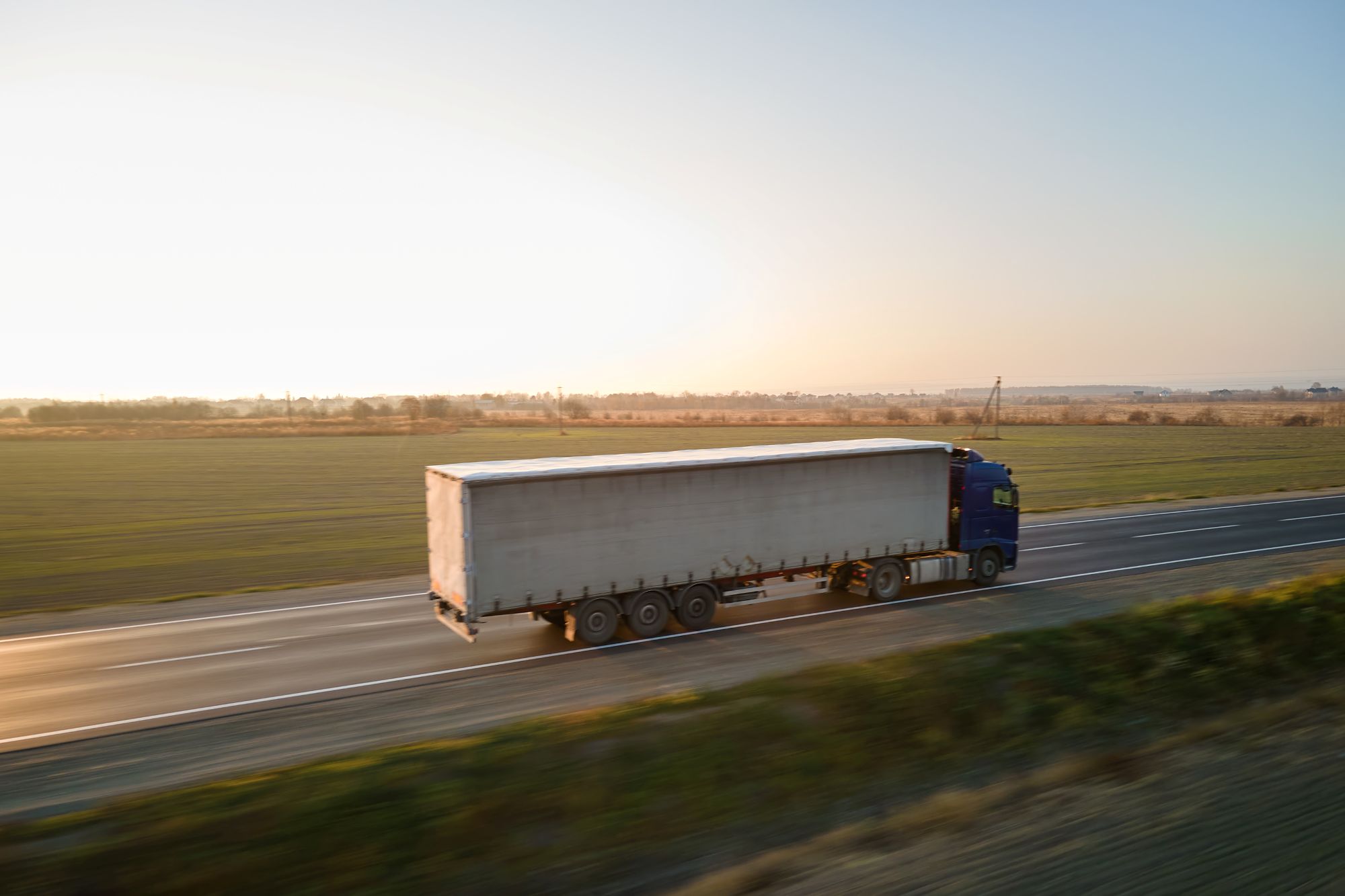
Tarptautinę veiklą vykdantys transporto priemonių parkų vadovai turi suprasti, kad šių tachografų atnaujinimo reikalavimų laikymasis dabar yra būtina sąlyga vykdant tarptautinį kelių transportą Europoje. Jei jūsų sunkvežimiai keliauja tarp ES šalių arba iš JK į ES, jei neturėsite tinkamo tachografo, jūsų verslas gali būti sustabdytas pasienyje.

Toliau pateikiame pagrindinius aspektus, kaip tai paveikė skirtingus transporto priemonių parkus:

ES laivynai (tarptautinė veikla)

Kaip minėta, nuo 2025 m. rugpjūčio mėn. visos sunkiasvorės krovininės transporto priemonės, kurios vykdo tarptautinius reisus ES, privalo turėti antros kartos tachografą. Tai taikoma nepriklausomai nuo to, kurioje ES šalyje sunkvežimis yra registruotas. Vykdymas užtikrinamas atliekant patikrinimus keliuose arba pasienyje. Reikalavimų neatitinkančios transporto priemonės gali būti pašalintos iš kelių, kol bus įrengtas tinkamas tachografas.

JK operatoriai, atvykstantys į ES

Didžiosios Britanijos automobilių parkams, vykdantiems tarptautinius reisus į ES arba jos viduje, taikomi tokie patys tachografų reikalavimai, jei jie eksploatuoja krovinines transporto priemones. Taip yra todėl, kad taisyklės įtrauktos į AETR sutartį, kuri reglamentuoja kelių transportą tarp ES ir ES nepriklausančių Europos šalių. Jungtinės Karalystės Transporto departamentas suderino vidaus taisykles, kad jos atspindėtų ES terminus, taikomus tarptautinėms kelionėms.

Jei neatnaujinsite sistemos, ne tik gausite baudą - tai gali reikšti, kad jūsų sunkvežimis bus sustabdytas kontrolės punkte ir negalės užbaigti pristatymo. Tokiose šalyse kaip Prancūzija už rimtus tachografų atitikties pažeidimus valdžios institucijos skyrė [baudas iki 30 000 eurų] (https://trans.info/en/smart-tachograph-2-406996) ir net laisvės atėmimo bausmes. Kitos šalys, pavyzdžiui, Vokietija, Ispanija ir Italija, taip pat taiko griežtas sankcijas. Be to, reikalavimų nesilaikymas gali pakenkti įmonės reputacijai.

Teigiama, kad reikalavimus atitinkantys transporto priemonių parkai gaus naudos dėl sklandesnio vykdymo. Pavyzdžiui, dėl nuotolinių išankstinių patikrinimų sunkvežimiai su naujausiais prietaisais gali būti rečiau stabdomi, todėl įstatymų besilaikantys vairuotojai gali važiuoti toliau.

Poveikis vairuotojų gerovei

Vienas iš pagrindinių naujųjų tachografus reglamentuojančių teisės aktų ir platesnio ES Mobilumo paketo tikslų - pagerinti darbo sąlygas. Automatizuojant tokias registravimo užduotis, kaip įvažiavimai į pasienį, ir ribojant neteisėtą darbo grafikų viršijimą, sistema padeda užtikrinti, kad vairuotojai tinkamai pailsėtų. Tikimasi, kad dėl to sumažės su nuovargiu susijusių incidentų, o teisės aktų vykdymas taps teisingesnis, nes vairuotojai galės būti tikri, kad konkurentai laikosi tų pačių taisyklių.

Nuotolinis vykdymo užtikrinimas taip pat reiškia, kad reikalavimus atitinkantys vairuotojai rečiau vėluoja kelyje, todėl jie gali baigti keliones, patirdami mažiau streso.

Vairuotojams reikės šiek tiek mokymų, kad prisitaikytų. Nors pagrindai išlieka tie patys, naujosios funkcijos reikalauja rankiniu būdu įvesti krovinio pakrovimo ir iškrovimo vietas ir duoti sutikimą dalytis duomenimis su prijungtomis sistemomis. Supratus šiuos raginimus ir tai, kaip reaguoti įvykus gedimui, eksploatacija taps paprastesnė.

Vertinant iš automobilių parko perspektyvos, G2V2 įrenginiai saugo dvigubai daugiau duomenų (56 dienas), todėl atsisiuntimai bus didesni ir juose bus daugiau istorijos. Operatoriai turėtų patikrinti, ar jų tachografų programinė įranga ir duomenų saugojimo sistemos gali apdoroti šį padidėjusį duomenų kiekį.

Galiausiai, dėl "Bluetooth" ir internetinio ryšio duomenų privatumas tapo svarbiu klausimu. Teisėsaugos institucijos gali naudotis tachografų duomenimis, siekdamos užtikrinti atitiktį reikalavimams, tačiau dalijantis duomenimis su telematinėmis ar valdymo sistemomis, vairuotojai pirmiausia turi duoti sutikimą. Automobilių parkų vadovai turėtų užtikrinti vairuotojus, kad visi duomenys tvarkomi saugiai ir naudojami tik teisėtais, BDAR reikalavimus atitinkančiais tikslais.

Planavimas į priekį

Antrosios kartos išmanieji tachografai susiję su visomis automobilių parko veiklos sritimis - nuo atitikties reikalavimams ir maršrutų planavimo iki vairuotojų gerovės. Aktyvus požiūris padės išlaikyti atitiktį reikalavimams ir maksimaliai išnaudoti naująją technologiją.

Atnaujinkite informaciją. Sekite Europos Komisijos Mobilumo ir transporto skyriaus ir pramonės įstaigų naujienas. Reglamentai gali būti sudėtingi, tačiau oficialios santraukos ir DUK yra geras atspirties taškas.

Apmokykite savo komandas. Surenkite vairuotojams ir transporto vadybininkams pasitarimus arba atnaujinimo sesijas, daugiausia dėmesio skirdami naujoms funkcijoms, pvz., nuotoliniam vykdymui ir rankiniams įrašams.

Optimizuokite savo maršrutus. Tiesioginiai duomenys gali padėti stebėti likusias vairavimo valandas, koreguoti siuntimo planus ir nustatyti maršrutus, kuriuose dažnai artėjama prie ribinių verčių.

Sukurkite atitikties kultūrą. Skatinkite savo komandą į tachografų laikymąsi žiūrėti kaip į gero automobilių parko valdymo dalį, o ne tik kaip į teisės aktais nustatytą prievolę. Pripažinkite tokius svarbius dalykus kaip nulinis pažeidimų skaičius, investuokite į vairuotojų mokymą ir įsitikinkite, kad visi supranta, kaip tikslūs duomenys padeda užtikrinti saugą ir efektyvumą.

G2V2 diegimas kelia iššūkių, bet kartu duoda ir akivaizdžios naudos: griežtesnis vykdymo užtikrinimas, geresni duomenys ir sąžiningesnės vairuotojų darbo sąlygos. Transporto priemonių parkai, kurie priima pokyčius, gaus atlygį - sklandesnį darbą, geresnę saugą ir labiau susietą, teisės aktų reikalavimus atitinkančią ateitį Europos keliuose.

SNAP teikiame paramą automobilių parkams visame žemyne šiame kitame skaitmeninės transformacijos etape. Naudodamiesi "intruck" programėle, vairuotojai gali iš anksto užsisakyti saugias automobilių stovėjimo aikšteles savo maršrutuose, o SNAP portale parko vadovai gali iš anksto planuoti ir rezervuoti poilsio stoteles, taip užtikrindami atitiktį reikalavimams ir saugodami vairuotojų gerovę. [Užsiregistruokite šiandien] (https://snapacc.com/sign-up/)

Dalytis su

Kiti taip pat skaito...

Header Image

ketvirtadienis 11 birželio 2026 • Naujienos ir atnaujinimai

PASAULIO FUTBOLO ČEMPIONATO KELIONĖS IR KROVINIŲ VEŽIMO REALYBĖ: KAIP EUROPOS SUNKVEŽIMIŲ VAIRUOTOJAI KIEKVIENĄ SAVAITĘ ĮVEIKIA TURNYRO ATSTUMUS

Lucy Black

When football fans think about the FIFA World Cup, they think about big matches, packed stadiums and long journeys.And in 2026, those journeys will be bigger than ever.The expanded FIFA World Cup will feature 48 teams, 104 matches and 16 host cities spread across the United States, Canada and Mexico. It will be the largest and most geographically dispersed World Cup ever staged.Millions of supporters will travel across North America. Teams will cover thousands of kilometres throughout the tournament. Billions of pounds will be spent. Vast amounts of equipment, merchandise, food, drink and technology will need to be moved between venues.But while football fans focus on the journeys made by players and supporters, there is another group of professionals covering similar distances every month.Europe's truck drivers.In fact, a truck driver in Spain could cover more than 10,000 kilometres in just four weeks. That's comparable to the distance some teams could travel throughout an entire World Cup campaign.There's another important similarity too.Without logistics, there is no World Cup.As , explains:Every match, every fan zone and every broadcast relies on goods being delivered to the right place at the right time. From food and drink to merchandise, security infrastructure and broadcasting equipment, road transport plays a critical role behind the scenes.The reality is simple. While football takes centre stage, logistics makes it possible.The 2026 tournament will create one of the most complex logistics operations ever seen in sport.Unlike previous World Cups hosted in a single country, teams could be travelling thousands of kilometres between fixtures throughout the competition.For players, those journeys will be carefully planned and supported by charter flights, recovery teams and world-class facilities.For truck drivers, covering long distances is simply part of everyday life.Across Europe, drivers move goods between manufacturers, ports, warehouses, retailers and customers every day. They connect supply chains, support businesses and keep economies moving.The scale of logistics required for a global event like the World Cup is enormous.As , explains:Every screen, every item of merchandise, every catering delivery and every piece of technical equipment must arrive exactly where it is needed.The same expertise that helps major sporting events run smoothly is being used every day across Europe's transport networks.A team progressing from the group stages to the final could realistically travel between 8,000 and 15,000 kilometres during the 2026 FIFA World Cup.To put that into perspective, SNAP compared projected World Cup travel distances against the average weekly mileage completed by truck drivers across some of Europe's largest freight markets.The results show that truck drivers across Europe routinely cover World Cup-level distances in as little as four weeks.In Spain, Portugal, the Netherlands and Poland, drivers can cover close to or more than 10,000 kilometres over a month.While football teams travel with dedicated support staff and carefully planned schedules, drivers achieve similar distances while managing delivery deadlines, congestion, border crossings, parking shortages and increasingly complex transport networks.It is a reminder of the scale of modern road freight and the critical role drivers play in keeping supply chains moving.Comparing distances only tells part of the story.Players travel between matches.Drivers travel whilst managing deliveries, navigating road networks, complying with regulations and keeping customers supplied.Every week, millions of tonnes of goods move across Europe, supporting supermarkets, manufacturers, construction projects, healthcare providers and countless other industries.The distances may be similar.The challenges are not.Road freight remains the backbone of European trade.Around 75% of inland freight transport across the European Union is moved by road when measured in tonne-kilometres.Every year, billions of tonnes of goods travel across Europe's road networks.Behind every delivery is a transport operation built on the expertise of drivers, fleet managers and logistics professionals.Major sporting events simply make that reality more visible.The World Cup creates additional demand for food, beverages, merchandise, security equipment and event infrastructure. The pressure on transport networks increases significantly.But for transport operators, managing complex logistics is not a once-every-four-years challenge.It's business as usual.Large sporting events often highlight challenges that fleet operators deal with every day.Research from previous World Cups and Olympic Games has shown that host cities experience increased congestion, higher freight demand and greater pressure on transport infrastructure.During major sporting tournaments, cities often see:Increased congestion Higher demand for food and beverage deliveries Greater pressure on parking facilities Increased demand for security logistics Additional passenger transport requirements More complex route planningAs , points out:He's right.Whether it's food and drink for supporters, retail stock, security infrastructure or broadcast technology, major events place huge demands on logistics networks.For fleet managers, those operational pressures are familiar territory.While football teams rely on coaches, analysts and support staff, supply chains rely on drivers.Yet Europe's transport sector continues to face significant challenges.There is an estimated shortage of around 390,000 secure truck parking spaces across Europe.At the same time, driver shortages remain a major concern across many markets.Without drivers, supply chains stop.Without safe, secure places to rest, attracting and retaining drivers becomes even more difficult.As , explains:It's a simple observation, but it highlights an important truth.Whether it's a major sporting tournament or a normal weekend, drivers are the people making sure shelves stay stocked, businesses stay supplied and customers get what they need.For fleet managers, investing in driver welfare is no longer a nice-to-have.It's a business necessity.Providing access to secure parking, quality facilities and efficient payment solutions helps improve driver satisfaction, supports retention and drives operational efficiency.The biggest lesson from the World Cup isn't about football.It's about preparation.The teams that perform best are supported by planning, logistics and infrastructure that allows them to perform when it matters most.The same applies to transport operations.The fleets best positioned for success are those investing in:Driver welfare Secure truck parking Operational visibility Smarter transport payments Fleet efficiency Transport technology Simplified fleet managementThe journeys completed by football teams during the World Cup may capture the headlines.But they also provide a useful reminder of the distances being covered by Europe's transport industry every single day.From Spain and Portugal to Poland, Romania and the United Kingdom, professional drivers routinely travel extraordinary distances whilst supporting businesses, communities and supply chains across the continent.While the world's best footballers compete on the biggest stage, millions of drivers will continue doing what they do every day: keeping goods moving and economies running.At SNAP, we're proud to support those journeys through smarter transport payments, better access to truck parking and driver facilities, and solutions designed to make life easier for fleets and drivers alike.Because while the World Cup only lasts a few weeks, Europe's transport industry operates at that scale every single day.

Header Image

trečiadienis 25 kovo 2026 • Naujienos ir atnaujinimai

KAIP PROGNOZAVIMO SISTEMOS SUVALDO PRISTATYMO NEAPIBRĖŽTUMĄ

Evelyn Long

Delivery operations rarely unfold exactly as planned. Even the most carefully designed logistics schedules must contend with an unpredictable world. Travel congestion can add hours to a route, severe weather can delay entire regions and a single vehicle breakdown can disrupt dozens of deliveries scheduled throughout the day. When these disruptions occur, they often create a chain reaction that affects drivers, warehouses, customers and operational costs. For companies that operate fleets, whether they deliver packages, medical supplies, food or construction materials, this uncertainty can significantly impact business performance. Missed delivery windows frustrate customers and can damage brand reputation. Delays can also increase fuel costs, overtime pay and operational inefficiencies. In industries where margins are tight, even small disruptions can add up quickly.What makes delivery uncertainty especially challenging is how interconnected modern logistics networks have become. A delay at one point in the system can ripple outward, affecting multiple routes and schedules. Without the right tools to anticipate and manage these disruptions, businesses are often forced to react in real time, which can lead to rushed decisions and inefficient solutions.One of the key technologies helping organisations manage delivery uncertainty is the Internet of Things (IoT). IoT refers to networks of connected devices, such as sensors, GPS trackers and telematics systems, that connect and transmit real-time data from vehicles, equipment and infrastructure. In fleet operations, IoT devices can monitor a wide range of conditions. GPS tracking for vehicles on the road. Engine sensors can track vehicle performance and detect early signs of mechanical issues. Temperature sensors can ensure that sensitive cargo remains within required conditions during transit. Together, these data streams create a detailed picture of what’s happening across an entire delivery network. This level of visibility is essential for managing uncertainty. When managers can see where vehicles are, how they’re performing and whether any issues are developing, they can respond much faster. Instead of discovering a problem hours later, they can address it as soon as the warning signs appear. In many cases, this visibility also feeds into predictive systems that analyse the data and forecast potential disruptions before they occur. While IoT provides the data, AI offers the intelligence needed to interpret it. AI systems analyse large volumes of operational information, including traffic patterns, weather forecasts, vehicle performance metrics, delivery history and route efficiency. By identifying patterns in this data, to occur and recommend adjustments. For example, predictive algorithms can analyse historical traffic conditions along a delivery route and estimate when congestion is likely to occur during certain times of day. If the system detects that a particular route will likely experience delays, it can suggest an alternative path before the driver even leaves the depot. Similarly, AI-driven maintenance systems can analyse engine data and identify early warning signs of mechanical problems, allowing repairs to be scheduled before a breakdown occurs on the road. Predictive systems work best when they combine data from multiple sources and translate that information into actionable insights. In a fleet environment, this often means integrating vehicle telematics, weather data, delivery schedules and live traffic information into a single predictive platform. When all of this data is analysed together, the system early. For example, if a severe storm is forecasted along a delivery route, the network can recommend adjusting departure times or rerouting drivers to avoid affected areas. If sensors detect that a vehicle component is likely to fail soon, it can schedule maintenance during planned downtime rather than allowing a breakdown to disrupt deliveries. Over time, these predictive adjustments make delivery operations smoother and more efficient. Routes become more optimised because the system continually learns from previous trips. Maintenance becomes strategic because vehicles are rather than fixed schedules. Even warehouse operations can improve, since more accurate delivery predictions allow teams to better coordinate loading and unloading processes. Beyond preventing disruptions, predictive systems also help fleets operate more efficiently. Businesses that have access to reliable forecasts and operational insights can plan routes, staffing and vehicle usage with greater precision.For instance, predictive analytics can identify patterns in delivery demand, allowing companies to allocate resources where they’re most needed. If certain routes consistently experience delays during specific hours, schedules can be adjusted to avoid those peak periods. Fuel usage can also be optimised by identifying more efficient routes or driving patterns. Over time, these incremental improvements add up. Vehicles spend less time idling in traffic, drivers spend more time completing deliveries rather than waiting or rerouting, and customers receive more accurate delivery estimates, and satisfaction. Another key benefit of predictive technology is the ability to monitor and control systems remotely. As connected devices become more common, consumers and businesses expect this level of oversight and convenience. A survey found that smart garage door openers consider remote monitoring and control to be a crucial feature. While this statistic relates to residential technology, it highlights a broader shift in expectations. People increasingly value the ability to check on systems, receive alerts and manage operations from anywhere. The same mindset is becoming more important in professional logistics environments. Fleet managers want to see vehicle locations in real time, receive notifications about potential issues and make adjustments without needing to be physically present. Predictive systems support this capability by turning complex operational data into clear, actionable insights that can be assessed remotely. While predictive systems provide clear advantages, they also introduce new considerations that businesses must address. In 2024, the of suspected internet crime. As fleets become more connected and reliant on digital platforms, cybersecurity becomes increasingly important. IoT devices, cloud platforms and AI-driven systems all rely on network connectivity and data exchange. Systems that aren’t properly secured could become targets for cyberattacks. A compromised system could disrupt operations, expose sensitive data or interfere with fleet management tools.Delivery uncertainty may never disappear entirely, but predictive systems are making it far more manageable. By combining IoT connectivity with AI-driven analytics, fleet operators can gain deeper visibility into their operations and anticipate problems before they disrupt schedules. As these technologies continue to evolve, they will play an important role in helping fleet-based businesses reduce uncertainty, streamline operations and deliver a more consistent experience for their customers.Discover more from

Header Image

trečiadienis 11 kovo 2026 • Naujienos ir atnaujinimai

AKTYVŪS PATARIMAI, KAIP UŽTIKRINTI AUTOMOBILIŲ PARKO SAUGUMĄ IR NAŠUMĄ VISAIS METŲ LAIKAIS

Guest

Fleet performance rarely unravels overnight. It slips through small oversights — a missed service interval, worn tread or a delayed depot repair. As a UK fleet manager, the cost of reacting late shows up in downtime, higher insurance premiums and risk to your reputation.Your proactive, seasonal strategy protects the vehicles, drivers and infrastructure before temperature-triggered issues escalate. Align maintenance cycles with weather patterns, operational peaks and compliance demands. Your fleet will be steadier, safer on the road and reduce unwelcome surprises.Reactive fleet management costs you more. Emergency repairs can disrupt tight schedules, strain budgets and frustrate even the best drivers. In contrast, effective forward planning can reduce unplanned downtime and extend vehicle life cycles.Predictive maintenance and seasonal checks are strategic in supporting compliance. The Driver and Vehicle Standards Agency can for roadworthiness at any time, not just during the annual inspection. A prevention-first culture demonstrates your team’s due diligence and strengthens your Operator Compliance Risk Score, without warning.Driver retention links closely to this mindset. Vehicles that are reliable in winter, maintain cabin comfort in summer and feel safe in poor weather send a clear message that your organisation values professionalism and safety.Longer daylight hours and increased road activity shift risk profiles. Construction zones expand, cyclists and pedestrians increase and higher temperatures stress mechanical systems.Introduce quarterly automobile network checks before weather changes set in.: Ensure all vehicles’ air conditioning systems operate efficiently. Comfortable drivers remain more alert and calm on long routes and in heavy traffic, while being hot and bothered behind the wheel fosters reckless driving. : Check radiators, coolant levels and hoses. Heat accelerates wear and can trigger overheating if systems run hot due to environmental factors. : Rising temperatures can affect tyre pressure. Confirm correct inflation and inspect for sidewall damage to reduce the risk of blowouts. Hot road surfaces also wear tyre tread more easily, affecting braking capacity. Reinforce safe driving techniques that consider sun glare, roadworks and higher traffic density. Consider installing tinted windshields when drivers face extreme light conditions.Heat amplifies even minor engine weaknesses. Address mechanical safety early, and you'll prevent mid-season breakdowns or disrupted delivery windows.Shorter days, heavy rain and icy surfaces demand that your team is on top of their game. Autumn brings leaves and debris that litter already-slick roadways, and winter compounds the challenge with frost and failing batteries. Prepare before these conditions set in to keep your mobile assets from deteriorating:: Inspect all headlights, brake lights and indicators. Replace worn wipers, top up the windshield washer reservoirs with de-icing chemicals rated for low-temperature use and add anti-freeze to radiators. : Confirm adequate grip depth on all wheels for additional safety on wet and icy roads and consider swapping to winter sets where routes justify the investment. This is also an ideal time to check your fleet’s tyre ages, as no commercial vehicle may be on the road in the UK with ago, which are considered unroadworthy. : Cold weather reduces battery efficiency. Test older units and replace those nearing the end of life. Trickle chargers help maintain truck batteries' charge when drivers must stop to meet their rest requirements. : Low light and adverse weather can trigger anyone's natural sleep instinct, so manage drivers' alertness levels. Review route planning and rest policies to reduce strain or assign two drivers on longer routes.Vehicle readiness supports road safety, yet infrastructure also plays a role. Poor depot lighting, icy yard surfaces or malfunctioning entry points can delay departures and create hazards before trucks even reach public roads.Mobile asset safety starts at the depot. Vehicles often sit for hours in storage yards or warehouses. A compromised facility exposes high-value assets to theft, weather damage and operational delay. Commercial lots or warehouses are vulnerable matter.Rolling doors and access points demand particular attention in the UK’s damp climate. Corrosion frequently begins at exterior door components, affecting guides and structural elements. Over time, degradation can trigger failures that halt departures or compromise security. Noncorrosive rolling doors made with , like stainless steel, provide safety for the fleet’s vehicles and secure valuable manifests at depots.Businesses operating in high-moisture or coastal environments should invest in corrosion-resistant products. Use cleaning agents and lubricants to prevent hinges and mechanisms from seizing up. Functional doors safeguard operations because a primary access door that fails during peak dispatch hours can result in vehicles missing slots and customer confidence slipping. Proactive facility maintenance reduces that risk.Broader property readiness matters, too. Seasonal inspections of drainage, roofing and external lighting strengthen operational continuity at all hours of the day. Thorough winter preparation should prevent structural and water-related damage. Treat your depot as part of the company's mobility ecosystem by securing doors and maintaining clean yard surfaces. Resilient infrastructure protects vehicles before they reach the road.Technology strengthens your seasonal planning. Telematics platforms provide a wealth of information, including identifying braking patterns, fuel efficiency shifts and early warning codes before faults escalate. Advanced driver-assistance systems add further safeguards, particularly in low-visibility conditions.Use AI to help you analyse data and create workflows that meet each season’s changing needs. Data-driven insights inform scheduling. Use analytics to identify recurring battery failures in cold-region trucks or cooling issues during summer peaks. Adjust the fleet's scheduled maintenance according to telematics guidance.Modern trucks with telematics can of data per minute from hundreds of sensors, which is only useful if you have the computing systems to extrapolate findings and trends that inform maintenance and performance schedules.Proactive company asset management evolves beyond checklists. It becomes a continuous improvement process informed by data, temperatures and infrastructure integrity.Seasonal transitions present predictable challenges from heat-stressing engines, cold-draining batteries and moisture corroding structural components. Increased traffic and vehicle use alter risk patterns.Address these variables before they disrupt your team’s operations. Align maintenance cycles with weather trends, reinforce driver training ahead of weather shifts and invest in resilient depot infrastructure.A fleet that anticipates change operates with confidence and performs consistently with improved safety metrics and decreased downtime. Those incremental advantages compound into measurable operational strength.