Guest
Știri și actualizări • 3 min citește

Tendințele camioanelor: Previziuni pentru 2026

Creat: 08.12.2025

Actualizat: 08.12.2025

Urmează schimbări majore în sectorul mobilității.

Următoarele 12 luni vor aduce unele dintre cele mai semnificative schimbări de reglementare și tehnologice pe care le-a cunoscut transportul european în ultimii ani. Noile norme privind emisiile, sistemele de monitorizare a șoferilor, testele pe hidrogen și piloții autonomi vor remodela modul în care operează flotele în Regatul Unit și în UE.

Pentru operatori și șoferi profesioniști, înțelegerea acestor schimbări acum va face diferența între adaptarea cu încredere și lupta pentru a ține pasul.

Revoluția reglementărilor

[Standardele de emisii Euro VII] (https://en.wikipedia.org/wiki/Europeanemissionstandards) intră în vigoare în 2026, introducând noi cerințe pentru flote. Limitele pentru oxidul de azot și monoxidul de carbon se vor înăspri și mai mult, iar dimensiunea permisă a particulelor va scădea de la 23 nanometri la 10 nanometri. În plus, reglementările vor acoperi pentru prima dată emisiile provenite de la anvelope și frâne.

Fiecare autocamion nou vândut va trebui să fie conform cu Euro VII. În timp ce prețurile vehiculelor vor fi probabil afectate, impactul cel mai mare se va răsfrânge asupra termenelor de achiziție, a ciclurilor de reînnoire a flotei și a decarbonizării pe termen lung.

Regulamentul privind siguranța generală (GSR)

[Până în iulie 2026, toate camioanele noi trebuie să includă sisteme de recunoaștere a distragerii atenției] (https://www.volvotrucks.com/en-en/news-stories/insights/articles/2022/may/the-eus-updated-general-safety-regulations.html). Aceste sisteme monitorizează mișcarea ochilor și a capului pentru a identifica semne timpurii de oboseală sau neatenție, permițând intervenții mai sigure și sprijinind obiectivele de reducere a accidentelor în întreaga Europă

Standarde de viziune directă

[Standardele de vizibilitate directă (DVS) au început să fie implementate în 2025] (https://www.volvotrucks.com/en-en/news-stories/insights/articles/2022/may/the-eus-updated-general-safety-regulations.html). Până în 2029, noile modele de cabine trebuie să minimizeze unghiurile moarte prin îmbunătățirea vizibilității geamurilor, mai degrabă decât prin utilizarea camerelor. Acest lucru va influența în special operațiunile urbane, siguranța utilizatorilor vulnerabili ai drumurilor și specificațiile viitoare ale vehiculelor.

Modificări ale tahografului

[De la 1 iulie 2026, camionetele între 2,5 și 3,5 tone care efectuează transporturi internaționale trebuie să fie echipate cu tahografe inteligente] (https://snapacc.com/newsroom/second-generation-smart-tachographs-what-fleet-managers-need-to-know/). După ani de scutire, această schimbare aduce efectiv vehiculele comerciale mai mici sub incidența aplicării integrale a orelor de conducere.

Pentru operatorii cu flote mixte, aceasta înseamnă introducerea:

● carduri noi pentru șoferi

● descărcări regulate de date

● procese de monitorizare actualizate

● planificare revizuită a rutelor și a timpului de odihnă

Mii de vehicule care anterior funcționau liber vor avea nevoie de sisteme de conformitate aproape imediat.

Cerințe privind datele CSRD

[Directiva privind raportarea privind durabilitatea întreprinderilor] (https://www.mooveconnectedmobility.com/blog/navigating-regulation-what-fleet-managers-need-to-know-in-2025) impune întreprinderilor cu mai mult de 250 de angajați sau venituri de 40 de milioane EUR să colecteze și să raporteze emisiile de CO₂ verificate - inclusiv activitățile de transport de domeniul 3.

Acest lucru se va răspândi în lanțurile de aprovizionare. Micii transportatori care nu dispun de sisteme fiabile de raportare a emisiilor riscă să piardă accesul la contracte mai mari, ceea ce accelerează tendința de îmbunătățire a sistemelor de date și de standardizare a raportării.
Tranziția combustibilului se accelerează

Camioanele electrice cresc

Producția de camioane HGV electrice va crește rapid în 2026. [DAF, Mercedes, Scania și MAN] (https://think.ing.com/articles/europes-market-for-e-trucks-set-to-accelerate-in-2025/) își extind capacitatea de producție.

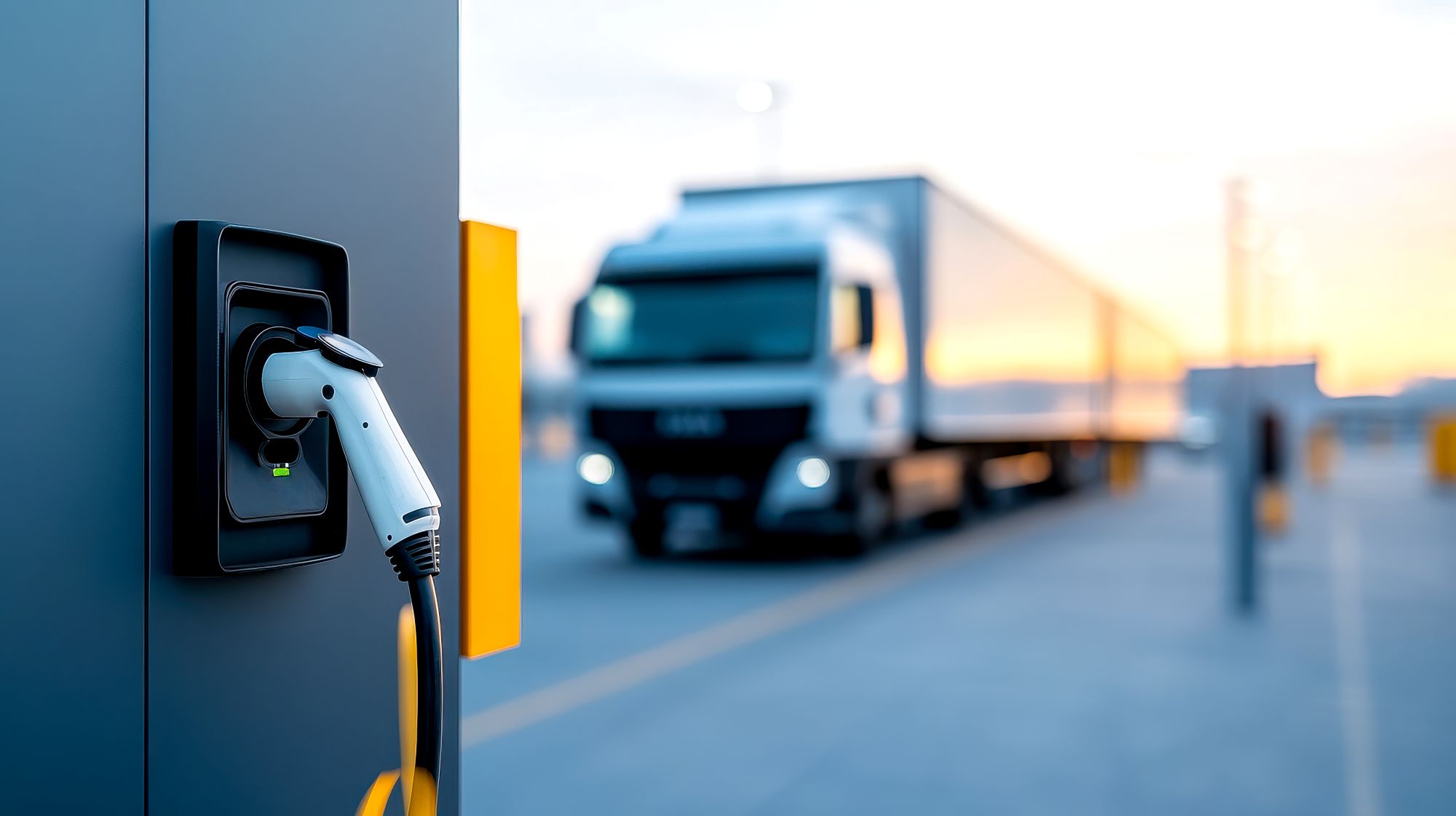
Pentru a sprijini acest lucru, încărcarea electrică este, de asemenea, în expansiune. [BP Pulse plănuiește încărcătoare de megawați pentru vehicule grele în întreaga Europă, cu instalații începând din 2026] (https://www.adrianflux.co.uk/blog/2024/05/hydrogen-vs-electric-trucks/) [în timp ce Polonia investește masiv în noi puncte de încărcare a camioanelor grele de-a lungul rețelei TEN-T.] (https://snapacc.com/newsroom/poland-accelerates-the-shift-to-zero-emission-haulage/)

Implementarea hidrogenului câștigă viteză

[Primul camion Scania cu pile de combustie pe bază de hidrogen din Regatul Unit intră în serviciu în T1 2026] (https://drivinghydrogen.com/2025/03/06/explore-plant-bags-first-scania-hydrogen-truck-for-uk-operations/), ca parte a proiectului HyHAUL privind coridorul M4. Proiectul pilot este susținut de trei stații de realimentare, fiecare furnizând zilnic până la două tone de hidrogen. În caz de succes, proiectul își propune ca până la sfârșitul anului 2026 să fie puse în circulație 30 de camioane, iar până în 2030, 300.

Pe lângă aceasta, [prima stație de hidrogen din Regatul Unit a Aegis Energy va fi deschisă la începutul anului 2026] (https://hydrogen-central.com/hydrogen-vehicles-receive-huge-100-million-boost-amid-plans-to-develop-uk-wide-refuelling-network/). Cinci altele vor urma până în 2027.

Producătorii de vehicule au abordări diferite în ceea ce privește dezvoltarea camioanelor alimentate cu hidrogen:

● [Volvo va demara testele motorului cu combustie pe hidrogen în 2026.] (https://www.volvotrucks.com/en-en/news-stories/press-releases/2024/may/Volvo-to-launch-hydrogen-powered-trucks.html) [MAN] (https://www.truckpages.co.uk/news/fuel-type/hydrogen/hydrogen-powered-trucks-explained/) și DAF planifică sisteme similare.

Toyota va introduce în 2026 următoarea sa generație de pile de combustie cu hidrogen, cu durabilitate îmbunătățită și costuri de exploatare mai mici.

Creșterea HVO

Uleiul vegetal hidrotratat (HVO) apare ca un combustibil de tranziție notabil pentru transportul rutier în 2026, datorită a doi factori: mandatele mai stricte privind biocarburanții în nord-vestul Europei și compatibilitatea sa cu motoarele diesel existente.

Rapoartele [Zemo Partnership] (https://www.zemo.org.uk/assets/reports/DecarbonisingHeavyDutyVehiclesandMachineryZemo_Nov2022.pdf) confirmă faptul că HVO este un combustibil "drop-in": poate fi utilizat în multe vehicule grele existente, fără modificări ale motorului sau ale infrastructurii, ceea ce oferă operatorilor o cale practică de reducere imediată a CO₂.

Între timp, [analiștii de la Argus Media] (https://www.argusmedia.com/ja/news-and-insights/latest-market-news/2706126-hvo-demand-may-hit-record-as-eu-rules-tighten) prevăd că consumul de HVO ar putea atinge niveluri record în 2026. Numai Germania ar putea avea nevoie de 1,5 milioane de tone suplimentare - aproape de patru ori mai mult decât în 2025 - pentru a satisface cererea.

Deși absorbția rămâne modestă în comparație cu alternativele pe bază de baterii electrice sau hidrogen, impulsul actual de reglementare și compatibilitatea infrastructurii înseamnă că HVO va câștiga probabil teren în 2026.

Tehnologia autonomă ajunge

Din primăvara anului 2026, Regatul Unit va permite pilotarea vehiculelor cu conducere autonomă fără șoferi de siguranță în zonele controlate - cu un an înaintea planurilor. Facilitată de Legea privind vehiculele automate din Regatul Unit, această tranziție sprijină o industrie care se așteaptă să contribuie cu 42 de miliarde de lire sterline la economia Regatului Unit până în 2035 și să creeze aproximativ 38 000 de locuri de muncă.

Germania este la mică distanță. [Motor Ai își propune să implementeze vehicule fără șofer pe șosele până în 2026] (https://www.iotworldtoday.com/transportation-logistics/driverless-cars-planned-for-european-roads-in-2026), susținută de o finanțare inițială de 20 de milioane EUR.

În nordul Europei, [MODI continuă să testeze] (https://projects.research-and-innovation.ec.europa.eu/en/horizon-magazine/self-driving-trucks-en-route-transform-europes-freight-sector) transportul autonom de marfă de-a lungul coridorului Rotterdam-Oslo de 1 200 km. Programul se desfășoară până în martie 2026 și examinează modul în care vehiculele autonome se comportă dincolo de frontiere, tipuri de teren și centre logistice.

În Suedia, [Einride autonomous electric trucks] (https://projects.research-and-innovation.ec.europa.eu/en/horizon-magazine/self-driving-trucks-en-route-transform-europes-freight-sector) transportă deja mărfuri între depozite, procesând cinci milioane de puncte de date pe secundă. Implementarea lor controlată demonstrează potențialul de automatizare pe rute previzibile și repetabile.

În ciuda acestor progrese, oamenii vor continua să joace un rol central. [Europa trebuie să recruteze încă 745 000 de șoferi suplimentari până în 2028] (https://www.innovationnewsnetwork.com/self-driving-trucks-en-route-to-transform-europes-freight-sector/58466/). Astfel, în timp ce automatizarea va sprijini funcții specifice, cum ar fi operațiunile portuare, navetele din depozite și rutele urbane fixe, transportul internațional complex și pe distanțe lungi va rămâne condus de oameni.

2026 se apropie

Amploarea și viteza schimbărilor care vor avea loc în 2026 nu seamănă cu niciun an precedent pentru transportul rutier european. Mai multe schimbări de reglementare, tehnologice și de sustenabilitate vor avea loc simultan, remodelând modul în care flotele operează peste granițe.

"Operatorii care vor avea succes în 2026 nu vor fi cei care vor rezista schimbării, ci cei care se vor pregăti sistematic pentru aceasta", spune Nick Long, European Strategic Partnership and Development Manager la SNAP. "Lucrăm cu flote din întreaga Europă pentru a construi infrastructura de care are nevoie industria de mâine. Parcări sigure. Plăți integrate pentru noile structuri de taxare. Elementele de bază ale succesului sunt disponibile acum pentru cei care sunt pregătiți să le folosească."

SNAP ajută flotele să se pregătească pentru viitor cu soluții integrate pentru parcări, plăți și gestionarea flotelor în întreaga Europă. Vizitați snapacc.com pentru a descoperi cum vă putem sprijini tranziția către 2026 și mai departe.
Share to

Alții citesc de asemenea...

Header Image

joi 04 decembrie 2025 • Știri și actualizări

ASIGURAȚI BUNA FUNCȚIONARE A FLOTEI DVS. ÎN SEZONUL SĂRBĂTORILOR

Guest

As the holiday season approaches, you are likely preparing for a surge in delivery demand and more complex operating conditions. This seasonal pressure overlaps with winter weather challenges, creating a unique risk environment for fleets across the UK. The festive period brings extra stress to your vehicles and operations. From consumer-driven surges in mileage to the impact of cold weather on vehicle performance, several seasonal factors converge at once. Understanding these pressures up-front helps you prepare proactively and minimise disruptions across your fleet.Consumer activity , which increases delivery volumes, compresses schedules and raises service expectations. This surge means that even minor disruptions can escalate quickly, as fleets have less flexibility to absorb delays. With more journeys scheduled and tighter handover times, vehicle downtime becomes more costly. A missed inspection or delayed repair can have a much larger operational impact than during other parts of the year.When peak consumer activity overlaps with hazardous weather, fleets experience amplified risk. Traffic congestion increases, road conditions deteriorate and minor mechanical problems can escalate into serious incidents more easily. To combat these issues, you must strengthen preventive maintenance, adjust schedules, and improve real-time monitoring to prevent avoidable breakdowns or delays.Cold temperatures, icy surfaces and reduced daylight all increase mechanical and on-road risks for commercial vehicles, raising the likelihood of weakened batteries, reduced tyre traction and visibility issues. UK roadworthiness standards emphasise the importance of more robust winter maintenance for brakes, lighting, fluids and tyres as conditions deteriorate, reinforcing why winter readiness is essential for uninterrupted fleet operations. Even mild cold , making proactive winter maintenance crucial.Beyond vehicle strain, the holiday season and winter conditions also place pressure on drivers and operational workflows. Increased traffic, unpredictable weather and tighter delivery windows can lead to fatigue, stress and an increased risk of accidents. Careful scheduling, clear communication and proactive support for drivers are essential to maintain safety and ensure that your fleet continues to operate efficiently under these seasonal pressures.Maintaining steady operations during the festive rush requires more than reactive problem-solving. It necessitates deliberate planning across vehicle maintenance, driver readiness, technology utilisation and operational coordination. These streamlined strategies will help you stay ahead of winter season disruptions and maintain consistent fleet performance throughout the holidays.Seasonal demand often requires vehicles to operate in harsher conditions for longer hours, so front-loading maintenance is one of the most effective ways to prevent in-season breakdowns. In construction, downtime can cost , highlighting the importance of proactive upkeep. Focus on winter-critical systems such as batteries, brakes, heating and defrosting systems, tyres, and fluid levels. Addressing minor issues before the holiday rush ensures your vehicles start the season in top condition and reduces the risk of unscheduled downtime when capacity is at its tightest.Drivers face greater pressure during the festive period, from congested roads to unpredictable weather. Preparing them early helps reduce risk and maintain service reliability. Share updated winter driving protocols, reinforce fatigue management best practices and ensure every vehicle carries essential cold-weather equipment. A well-prepared driver can adapt more effectively to seasonal hazards and keep journeys running safely.Access to parts and repair support becomes more challenging during the holidays due to demand spikes and supplier slowdowns. Securing key components in advance and confirming the availability of a repair shop ensures you can respond quickly to mid-season issues. These steps reduce the likelihood of lengthy delays and keep more of your vehicles on the road during peak workloads.Accurate, real-time insights become even more valuable when weather and traffic conditions can change quickly. Telematics systems, identify emerging vehicle issues and adapt routes proactively. Using data to make same-day decisions — whether rerouting, rescheduling or escalating maintenance — helps your fleet stay responsive throughout the holiday period.Seasonal peaks require tighter alignment across dispatchers, drivers, maintenance teams and customers. Clear communication reduces uncertainty and makes it easier to adjust schedules when conditions shift. Share regular updates about weather alerts, route changes, delivery windows and vehicle availability so everyone stays coordinated and able to respond quickly.Even with strong preparation, winter introduces variables that no fleet can fully control. Creating contingency plans provides your team with a structured response in the event of incidents. Establish backup routes, identify alternative suppliers and workshops, and maintain a reserve vehicle strategy where possible. Planning for disruption ensures that unexpected issues don’t halt operations entirely.Use this checklist to make sure your team, vehicles and workflows are ready for the busiest stretch of the year:● Review historical traffic data and expected holiday congestion to build more efficient routing. Tools that monitor and report real-time conditions help reduce delays and fuel waste.● Check batteries, fluids, tyres, wipers and heating systems to prevent cold-weather breakdowns and improve driver safety.● Conduct brief refresher sessions on winter driving techniques, fatigue management and emergency protocols. This supports both safety and productivity.● Holiday mileage and cold temps can accelerate wear. A tighter maintenance schedule helps catch issues before they result in downtime.● Ensure that asset trackers and sensors are fully functional for accurate location and condition data during peak demand.● Many suppliers operate on reduced hours during the holidays. Secure parts and consumables in advance to avoid repair delays.Holiday and winter conditions amplify every small inefficiency. Preparing early helps prevent avoidable downtime, strengthens driver safety and keeps your operations moving through the toughest time of the year. With precise planning, reliable tools and a proactive maintenance rhythm, fleets can turn seasonal challenges into opportunities for better performance and customer satisfaction.Discover more from

Header Image

marți 25 noiembrie 2025 • Știri și actualizări

POLONIA ACCELEREAZĂ TRECEREA LA TRANSPORTUL CU EMISII ZERO

Guest

Poland’s transportation sector is undergoing a major transformation. In recent months, the government has introduced a series of high-value funding programmes aimed at decarbonising the country’s road network and logistics operations. Much of this activity focuses on infrastructure related to heavy-duty vehicles – a sign that the transition to cleaner freight is being embraced across Europe.The scale of investment – and the speed at which it's happening – will be important for operators, managers and infrastructure planners right across Europe. To understand why, it helps to look at both the wider European context and the specific funding available in Poland.The move towards lowand zero-emission transport has been gathering pace across Europe for several years. The EU’s package and to cut emissions from heavy-duty vehicles by 45% by 2030 and by 90% by 2040. The (AFIR) also states that there must be high-power charging points for heavy vehicles every 60 kilometres along the Trans-European Transport Network (TEN-T) – a system of European roads, railways, ports and airports that forms the backbone of continental freight – by 2030. Hydrogen refuelling stations must be available every 200 kilometres.The UK is following a similar path. Z are being used to test electric and hydrogen HGVs on long-haul routes, while funding is being allocated to depot charging and refuelling infrastructure.Against this backdrop, Poland’s programme shows that Central and Eastern Europe are ready to take a leading role in building cleaner, better-connected transportation.In March 2025, Poland’s (NFOŚiGW) launched two major funding calls worth a combined PLN 2 billion. The first will cover the construction and expansion of power grids that supply high-capacity charging stations, especially those on the TEN-T. It covers both grid expansion and the installation of new connections. This will mean that the network can deliver the energy needed for rapid truck charging. Energy and grid operators can apply for grants if their projects meet minimum power thresholds. The second funding call supports the construction of heavy-vehicle charging stations themselves. The aim is to create 550 publicly accessible points across the country, serving both electric and hydrogen trucks. A final programme, which launched in Q2 2025, gives grants and loans to businesses so they can buy or lease zero-emission trucks in categories N2 and N3. Category N2 covers vehicles with a gross weight between 3.5 and 12 tonnes, while N3 applies to trucks over 12 tonnes. Funding levels range from 30 to 60 per cent, depending on company size. Upper limits of PLN 400,000 apply to N2 vehicles and PLN 750,000 to N3 models. Applications will be , so operators can plan their transition to zero-emission vehicles. These investments sit alongside Poland’s existing programme, which subsidises electric car purchases for individuals and companies, further extending the country’s sustainable transport strategy beyond passenger vehicles.According to the , Poland transports more goods by road than any other EU country. It is a natural gateway between Western Europe and the Baltic States, Ukraine and the Balkans, which means a reliable zero-emission infrastructure in Poland will have a Europe-wide impact.By setting clear power requirements and aligning projects with the TEN-T corridors, the government is ensuring a coordinated approach rather than isolated projects. The goal is a dependable network where electric and hydrogen trucks can move freely along key trade routes. The Deputy Minister for Climate and Environment described the programme as a way to strengthen “the competitiveness of Polish freight operators” while cutting emissions from one of the country’s largest economic sectors.Poland’s domestic network is also part of the wider . A total of nine EU countries – including Poland – committed in September 2025 to accelerate charging infrastructure deployment along key freight routes, such as the North Sea-Baltic and Scandinavian-Mediterranean corridors of the TEN-T.For fleets that operate across Europe, the initiative means charging infrastructure will become more standardised and predictable between countries. This will help drivers plan cross-border routes with greater confidence while supporting the shift towards zero-emission freight.For fleet operators, the timing is encouraging. Zero-emission trucks are rapidly , with sales of nearly 2,000 zero-emission heavy-duty electric trucks registered in the first half of 2025 across the EU. There are challenges, however. Adding high-power charging capacity will mean that grid operators, local authorities and logistics centres have to cooperate. It will also take time to hire technicians with the skills to install and maintain high-voltage equipment.In addition, vehicle costs and operational factors could also slow progress. Even with generous subsidies, businesses must weigh the cost of electric vehicle ownership, route patterns and depot readiness.For the road transport community, Poland’s programme is a significant milestone. Once complete, its charging and refuelling network will connect eastern and western Europe, supporting cleaner and more efficient freight movement.“This is a turning point for heavy transport,” says Nick Renton, Head of European Strategy and Business Development at SNAP. “Poland’s actions show that zero-emission freight is becoming part of daily life, rather than a long-term vision. As charging and refuelling points multiply, operators will be able to schedule cleaner journeys with confidence.”As the situation develops, we will continue to support fleets across Europe with technology, insight and practical tools for drivers. Our helps identify and book rest stops, refuelling points and secure parking, with more zero-emission facilities being added as new sites open. For operators looking to stay ahead of infrastructure changes, it provides a clear view of how the road network is evolving – and where new opportunities are emerging.

Header Image

joi 30 octombrie 2025 • Știri și actualizări

EFICIENTIZAREA OPERAȚIUNILOR FLOTEI: POVESTEA FULGERĂTOARE A FET LOGISTICS

Susie Jones

Located in Colnbrook, Berkshire, is a family-owned and family-run company specialising in the transportation of pharmaceutical products.The company originated from humble beginnings in 1984 when Frederick Woolley produced a service that was second to none in the secure logistics industry his very own tracking system, the best on the market, which left companies knocking on his door to transport their goods safely throughout Europe. In 1999, FET entered the world of pharmaceutical transportation, with Frederick taking on a partner, his son-in-law, Harry Hughes. From there, the business has gone from strength to strength, becoming one of the best pharmaceutical logistics companies in the UK. We sit down with Managing Director, Harry, to discuss what it's like running a fleet across Europe and how SNAP has helped ease processes."We focus on transporting high-value, high-consequence goods, white glove deliveries, and hospital deliveries. We're often in mainland Europe pretty much every day, from Northern Ireland all the way down to Spain, Italy, and even Greece."Transporting high-value goods comes with the added pressure to ensure your drivers park in safe and secure areas. For Harry, his drivers must have access to a wide network of truck stops across Europe, complete with details regarding security features something SNAP can deliver through its and Transporting high-consequence goods also brings additional challenges, as Harry explains:"We have the same challenges as everyone else in the supply chain, but you're adding temperature as well. That's another critical requirement. Whether it be a dry ice box that's got a life of 72 hours, or you need to keep that van completely at the right temperature throughout its journey. If the truck or van has to park up overnight, we need to ensure that the temperature is being monitored through the night as well."TAPA EMEA's TSR regulations have been developed by the industry, for the industry. The standard protects products transported by road and aims to ensure the safety of drivers, vehicles, and cargo. As TAPA UK Lead, Harry knows the importance and the benefits of transporting goods under TAPA TSR."We outsource to an external monitoring company for some of the delicate loads being transported under TSR. This means they will monitor the load for the route and geofence it if it deviates. They're checking in with the driver and also checking that it's parked at the right location from the route risk assessment we've uploaded to the monitoring company."These standards give drivers, fleet operators, and customers peace of mind that their cargo will be transported safely. And Harry has peace of mind when these journeys utilise SNAP's vast network of truck stops across Europe."You know that if you go to a SNAP site, you're going to get a decent site."Driver welfare remains a critical topic within the mobility industry, and for fleets like Harry's, ensuring their drivers are looked after while on the road remains vital. We asked Harry what offerings truck stops must provide to those on the road regularly:"I think the drivers just want some decent facilities. If they've got a shower, toilet, and a hot meal, they're generally happy." He also notes that it's not a one-size-fits-all, "they've all got different requirements. Some of them want to go to sites with a fancy restaurant, and some of them are just happy with a burger and chips. I think if the basics are there of clean facilities, hot and cold food, and showers, that's the main thing."Truck stops are already in high demand, and the most popular ones, offering the right facilities and security requirements, tend to fill up early in the evening. This often forces drivers to park in unsafe areas, a challenge that's expected to grow even more significant when SNAP not only simplifies life for fleet managers but also delivers a seamless parking experience for drivers. This leads to increased convenience and satisfaction on the road, while enhancing efficiency and streamlining operations across the company."It's the simplicity for the drivers. They don't have to worry about anything. They just pull in, and the parking payment method is already done for them. The drivers love it since we've implemented it," Harry states. SNAP's growing network of truck wash sites is something that hasn't gone unnoticed by FET Logistics, especially when the weather takes a turn for the worse:"More truck washes are coming onto the network, which helps us especially through winter. Nobody wants to see a dirty truck turn up if you're loading pharmaceuticals into it."Inspired by what you've just read? Catch the full interview with