Guest
Novice in posodobitve • 3 min branja

Trendi na področju tovornjakov: Napovedi za leto 2026

Ustvarjeno: 08. 12. 2025

Posodobljeno: 08. 12. 2025

V sektorju mobilnosti se obetajo velike spremembe.

Naslednjih 12 mesecev bo prineslo nekaj najpomembnejših regulativnih in tehnoloških sprememb v evropskem prometu v zadnjih letih. Nova pravila o emisijah, sistemi za nadzor voznikov, preizkusi vodika in pilotni projekti avtonomnih vozil bodo spremenili delovanje voznih parkov v Združenem kraljestvu in EU.

Če upravljavci in poklicni vozniki te spremembe razumejo že zdaj, bo to pomenilo razliko med samozavestnim prilagajanjem in težavami pri sledenju.

Regulativna revolucija

Emisijski standardi Euro VII začnejo veljati leta 2026, s čimer bodo uvedene nove zahteve za vozne parke. Omejitve dušikovega oksida in ogljikovega monoksida bodo še strožje, dovoljena velikost delcev pa se bo s 23 nanometrov zmanjšala na 10. Poleg tega bodo predpisi prvič zajemali tudi emisije iz pnevmatik in zavor.

Vsak novo prodan tovornjak bo moral izpolnjevati zahteve standarda Euro VII. Čeprav bo to verjetno vplivalo na cene vozil, bodo večji vpliv imeli roki za nabavo, cikli obnove voznega parka in dolgoročna dekarbonizacija.

Uredba o splošni varnosti (GSR)

Do julija 2026 morajo vsa nova tovorna vozila vključevati sisteme za prepoznavanje odvračanja pozornosti. Ti sistemi spremljajo gibanje oči in glave ter tako prepoznavajo zgodnje znake utrujenosti ali nepozornosti, kar omogoča varnejše posege in podpira cilje zmanjšanja števila nesreč po vsej Evropi

Standardi neposrednega vida

Standardi neposrednega vida (DVS) so se začeli uvajati leta 2025. Do leta 2029 morajo nove zasnove kabin zmanjšati mrtve kote z izboljšano vidljivostjo iz stekla in ne z odvisnostjo od kamer. To bo vplivalo zlasti na delovanje v mestih, varnost ranljivih udeležencev v prometu in prihodnje specifikacije vozil.

Spremembe tahografov

Od 1. julija 2026 morajo biti kombiji med 2,5 in 3,5 tone, ki opravljajo mednarodni prevoz, opremljeni s pametnimi tahografi. Po več letih izvzetja ta sprememba dejansko pomeni, da se za manjša gospodarska vozila v celoti uveljavljajo ure vožnje.

Za upravljavce z mešanimi voznimi parki to pomeni uvedbo:

● nove vozniške kartice

● redno prenašanje podatkov

● posodobljeni postopki spremljanja

● spremenjeno načrtovanje poti in počitka

Na tisoče vozil, ki so prej delovala brez omejitev, bo moralo skoraj takoj vzpostaviti sisteme za zagotavljanje skladnosti.

CSRD podatkovne zahteve

Direktiva o trajnostnem poročanju podjetij od podjetij z več kot 250 zaposlenimi ali 40 milijoni evrov prihodkov zahteva, da zbirajo preverjene emisije CO₂ - vključno s prometnimi dejavnostmi iz obsega 3 - in o njih poročajo.

To se bo razširilo po dobavnih verigah. Manjši prevozniki brez zanesljivega poročanja o emisijah lahko izgubijo dostop do večjih pogodb, kar bo pospešilo prizadevanja za boljše sisteme podatkov in standardizirano poročanje.
Prehod na gorivo se pospešuje

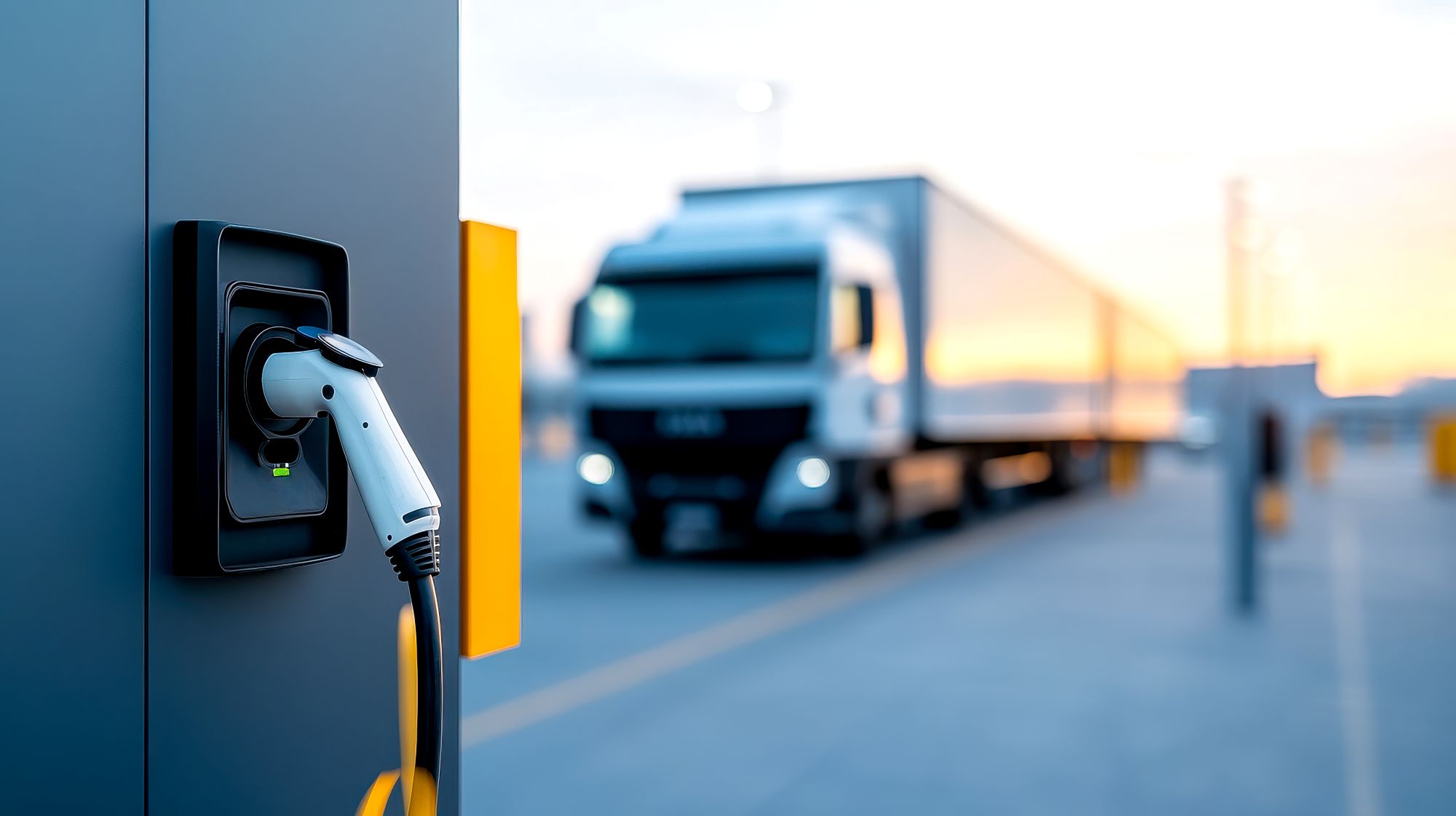
Električni tovornjaki se povečujejo

Proizvodnja električnih tovornih vozil se bo do leta 2026 hitro povečala. DAF, Mercedes, Scania in MAN širijo proizvodne zmogljivosti.

V podporo temu se širi tudi polnjenje z električno energijo. [BP Pulse načrtuje megavatne polnilnice za težka tovorna vozila po vsej Evropi, ki bodo nameščene od leta 2026,] (https://www.adrianflux.co.uk/blog/2024/05/hydrogen-vs-electric-trucks/) [medtem ko Poljska veliko vlaga v nove polnilnice za težka tovorna vozila v omrežju TEN-T] (https://snapacc.com/newsroom/poland-accelerates-the-shift-to-zero-emission-haulage/).

Uvajanje vodika se pospešuje

Prvi britanski tovornjak Scania na vodikove gorivne celice bo začel obratovati v prvem četrtletju 2026 v okviru projekta HyHAUL na koridorju M4. Pilotni projekt podpirajo tri polnilne postaje, od katerih vsaka zagotavlja do dve toni vodika dnevno. Če bo projekt uspešen, bo do konca leta 2026 na cesti 30 tovornjakov, do leta 2030 pa 300 tovornjakov.

Poleg tega bo [prva vodikova postaja družbe Aegis Energy v Združenem kraljestvu odprta v začetku leta 2026] (https://hydrogen-central.com/hydrogen-vehicles-receive-huge-100-million-boost-amid-plans-to-develop-uk-wide-refuelling-network/). Do leta 2027 jih bo sledilo še pet.

Proizvajalci vozil imajo različne pristope k razvoju tovornjakov na vodik:

● [Volvo bo leta 2026 začel preizkušati motorje z vodikovim izgorevanjem] (https://www.volvotrucks.com/en-en/news-stories/press-releases/2024/may/Volvo-to-launch-hydrogen-powered-trucks.html) MAN in DAF načrtujeta podobne sisteme.

Toyota bo leta 2026 predstavila svojo naslednjo generacijo vodikovih gorivnih celic z izboljšano vzdržljivostjo in nižjimi obratovalnimi stroški.

Rast HVO

Hidrogenirano rastlinsko olje (HVO) postaja pomembno prehodno gorivo za tovorni promet v letu 2026 zaradi dveh dejavnikov: strožjih zahtev glede biogoriv v severozahodni Evropi in njegove združljivosti z obstoječimi dizelskimi motorji.

Poročila Zemo Partnership potrjujejo, da je HVO gorivo "drop-in": lahko se uporablja v številnih obstoječih težkih vozilih brez sprememb motorja ali infrastrukture, kar upravljavcem omogoča praktično pot do takojšnjega zmanjšanja CO₂.

Medtem analitiki družbe Argus Media napovedujejo, da bi lahko poraba HVO leta 2026 dosegla rekordno raven. Samo Nemčija bo morda potrebovala dodatnih 1,5 milijona ton, kar je skoraj štirikrat več kot leta 2025, da bo zadostila povpraševanju.

Čeprav je razširjenost v primerjavi z baterijskimi ali vodikovimi alternativami še vedno skromna, bodo zaradi sedanjega zakonodajnega pritiska in združljivosti infrastrukture vozila na gorivo do leta 2026 verjetno pridobila na veljavi.

Prihaja avtonomna tehnologija

Spomladi 2026 bodo v Združenem kraljestvu dovolili pilote samovozečih vozil brez varnostnih voznikov na nadzorovanih območjih - celo leto prej, kot je bilo načrtovano. Ta prehod, ki ga omogoča britanski zakon o avtomatiziranih vozilih, podpira industrijo, ki naj bi do leta 2035 prispevala 42 milijard funtov gospodarstvu Združenega kraljestva in ustvarila približno 38 000 delovnih mest.

Nemčija je takoj za njo. [Motor Ai namerava do leta 2026 na ceste postaviti vozila brez voznika] (https://www.iotworldtoday.com/transportation-logistics/driverless-cars-planned-for-european-roads-in-2026), ki ga je podprlo 20 milijonov evrov zagonskih sredstev.

V severni Evropi MODI še naprej testira avtonomni tovorni promet na 1200 km dolgem koridorju Rotterdam-Oslo. Program bo trajal do marca 2026, v njem pa se preverja, kako se avtonomna vozila obnesejo na različnih mejah, vrstah terena in logističnih vozliščih.

Na Švedskem avtonomni električni tovornjaki Einride že prevažajo blago med skladišči in obdelajo pet milijonov podatkovnih točk na sekundo. Njihove nadzorovane namestitve dokazujejo potencial za avtomatizacijo na predvidljivih in ponovljivih poteh.

Kljub temu napredku bo imel človek še naprej osrednjo vlogo. [Evropa mora do leta 2028 še vedno zaposliti 745 000 dodatnih voznikov] (https://www.innovationnewsnetwork.com/self-driving-trucks-en-route-to-transform-europes-freight-sector/58466/). Medtem ko bo avtomatizacija podpirala določene funkcije, kot so pristaniške operacije, prevozi po skladiščih in fiksne mestne poti, pa bo daljinski in kompleksni mednarodni prevoz še naprej vodil človek.

prihaja leto 2026

Razsežnost in hitrost sprememb, ki jih prinaša leto 2026, sta za evropski cestni promet drugačni kot v preteklih letih. Hkrati bo prišlo do številnih regulativnih, tehnoloških in trajnostnih sprememb, ki bodo preoblikovale čezmejno delovanje voznih parkov.

"V letu 2026 ne bodo uspešni tisti ponudniki, ki se upirajo spremembam, temveč tisti, ki se nanje sistematično pripravljajo," pravi Nick Long, vodja evropskega strateškega partnerstva in razvoja pri družbi SNAP. "Sodelujemo z voznimi parki po vsej Evropi, da bi zgradili infrastrukturo, ki jo bo potrebovala industrija prihodnosti. Varno parkiranje. Integrirana plačila za nove cestninske strukture. Gradniki uspeha so zdaj na voljo tistim, ki so jih pripravljeni uporabiti."

SNAP pomaga voznim parkom pripraviti se na prihodnost z integriranimi rešitvami za parkiranje, plačila in upravljanje voznega parka po vsej Evropi. Obiščite snapacc.com in odkrijte, kako vam lahko pomagamo pri prehodu v leto 2026 in naprej.
Delite z

Tudi drugi berejo...

Header Image

četrtek 04 december 2025 • Novice in posodobitve

POSKRBITE ZA NEMOTENO DELOVANJE SVOJEGA VOZNEGA PARKA MED PRAZNIKI

Guest

As the holiday season approaches, you are likely preparing for a surge in delivery demand and more complex operating conditions. This seasonal pressure overlaps with winter weather challenges, creating a unique risk environment for fleets across the UK. The festive period brings extra stress to your vehicles and operations. From consumer-driven surges in mileage to the impact of cold weather on vehicle performance, several seasonal factors converge at once. Understanding these pressures up-front helps you prepare proactively and minimise disruptions across your fleet.Consumer activity , which increases delivery volumes, compresses schedules and raises service expectations. This surge means that even minor disruptions can escalate quickly, as fleets have less flexibility to absorb delays. With more journeys scheduled and tighter handover times, vehicle downtime becomes more costly. A missed inspection or delayed repair can have a much larger operational impact than during other parts of the year.When peak consumer activity overlaps with hazardous weather, fleets experience amplified risk. Traffic congestion increases, road conditions deteriorate and minor mechanical problems can escalate into serious incidents more easily. To combat these issues, you must strengthen preventive maintenance, adjust schedules, and improve real-time monitoring to prevent avoidable breakdowns or delays.Cold temperatures, icy surfaces and reduced daylight all increase mechanical and on-road risks for commercial vehicles, raising the likelihood of weakened batteries, reduced tyre traction and visibility issues. UK roadworthiness standards emphasise the importance of more robust winter maintenance for brakes, lighting, fluids and tyres as conditions deteriorate, reinforcing why winter readiness is essential for uninterrupted fleet operations. Even mild cold , making proactive winter maintenance crucial.Beyond vehicle strain, the holiday season and winter conditions also place pressure on drivers and operational workflows. Increased traffic, unpredictable weather and tighter delivery windows can lead to fatigue, stress and an increased risk of accidents. Careful scheduling, clear communication and proactive support for drivers are essential to maintain safety and ensure that your fleet continues to operate efficiently under these seasonal pressures.Maintaining steady operations during the festive rush requires more than reactive problem-solving. It necessitates deliberate planning across vehicle maintenance, driver readiness, technology utilisation and operational coordination. These streamlined strategies will help you stay ahead of winter season disruptions and maintain consistent fleet performance throughout the holidays.Seasonal demand often requires vehicles to operate in harsher conditions for longer hours, so front-loading maintenance is one of the most effective ways to prevent in-season breakdowns. In construction, downtime can cost , highlighting the importance of proactive upkeep. Focus on winter-critical systems such as batteries, brakes, heating and defrosting systems, tyres, and fluid levels. Addressing minor issues before the holiday rush ensures your vehicles start the season in top condition and reduces the risk of unscheduled downtime when capacity is at its tightest.Drivers face greater pressure during the festive period, from congested roads to unpredictable weather. Preparing them early helps reduce risk and maintain service reliability. Share updated winter driving protocols, reinforce fatigue management best practices and ensure every vehicle carries essential cold-weather equipment. A well-prepared driver can adapt more effectively to seasonal hazards and keep journeys running safely.Access to parts and repair support becomes more challenging during the holidays due to demand spikes and supplier slowdowns. Securing key components in advance and confirming the availability of a repair shop ensures you can respond quickly to mid-season issues. These steps reduce the likelihood of lengthy delays and keep more of your vehicles on the road during peak workloads.Accurate, real-time insights become even more valuable when weather and traffic conditions can change quickly. Telematics systems, identify emerging vehicle issues and adapt routes proactively. Using data to make same-day decisions — whether rerouting, rescheduling or escalating maintenance — helps your fleet stay responsive throughout the holiday period.Seasonal peaks require tighter alignment across dispatchers, drivers, maintenance teams and customers. Clear communication reduces uncertainty and makes it easier to adjust schedules when conditions shift. Share regular updates about weather alerts, route changes, delivery windows and vehicle availability so everyone stays coordinated and able to respond quickly.Even with strong preparation, winter introduces variables that no fleet can fully control. Creating contingency plans provides your team with a structured response in the event of incidents. Establish backup routes, identify alternative suppliers and workshops, and maintain a reserve vehicle strategy where possible. Planning for disruption ensures that unexpected issues don’t halt operations entirely.Use this checklist to make sure your team, vehicles and workflows are ready for the busiest stretch of the year:● Review historical traffic data and expected holiday congestion to build more efficient routing. Tools that monitor and report real-time conditions help reduce delays and fuel waste.● Check batteries, fluids, tyres, wipers and heating systems to prevent cold-weather breakdowns and improve driver safety.● Conduct brief refresher sessions on winter driving techniques, fatigue management and emergency protocols. This supports both safety and productivity.● Holiday mileage and cold temps can accelerate wear. A tighter maintenance schedule helps catch issues before they result in downtime.● Ensure that asset trackers and sensors are fully functional for accurate location and condition data during peak demand.● Many suppliers operate on reduced hours during the holidays. Secure parts and consumables in advance to avoid repair delays.Holiday and winter conditions amplify every small inefficiency. Preparing early helps prevent avoidable downtime, strengthens driver safety and keeps your operations moving through the toughest time of the year. With precise planning, reliable tools and a proactive maintenance rhythm, fleets can turn seasonal challenges into opportunities for better performance and customer satisfaction.Discover more from

Header Image

torek 25 november 2025 • Novice in posodobitve

POLJSKA POSPEŠUJE PREHOD NA PREVOZ BREZ EMISIJ

Guest

Poland’s transportation sector is undergoing a major transformation. In recent months, the government has introduced a series of high-value funding programmes aimed at decarbonising the country’s road network and logistics operations. Much of this activity focuses on infrastructure related to heavy-duty vehicles – a sign that the transition to cleaner freight is being embraced across Europe.The scale of investment – and the speed at which it's happening – will be important for operators, managers and infrastructure planners right across Europe. To understand why, it helps to look at both the wider European context and the specific funding available in Poland.The move towards lowand zero-emission transport has been gathering pace across Europe for several years. The EU’s package and to cut emissions from heavy-duty vehicles by 45% by 2030 and by 90% by 2040. The (AFIR) also states that there must be high-power charging points for heavy vehicles every 60 kilometres along the Trans-European Transport Network (TEN-T) – a system of European roads, railways, ports and airports that forms the backbone of continental freight – by 2030. Hydrogen refuelling stations must be available every 200 kilometres.The UK is following a similar path. Z are being used to test electric and hydrogen HGVs on long-haul routes, while funding is being allocated to depot charging and refuelling infrastructure.Against this backdrop, Poland’s programme shows that Central and Eastern Europe are ready to take a leading role in building cleaner, better-connected transportation.In March 2025, Poland’s (NFOŚiGW) launched two major funding calls worth a combined PLN 2 billion. The first will cover the construction and expansion of power grids that supply high-capacity charging stations, especially those on the TEN-T. It covers both grid expansion and the installation of new connections. This will mean that the network can deliver the energy needed for rapid truck charging. Energy and grid operators can apply for grants if their projects meet minimum power thresholds. The second funding call supports the construction of heavy-vehicle charging stations themselves. The aim is to create 550 publicly accessible points across the country, serving both electric and hydrogen trucks. A final programme, which launched in Q2 2025, gives grants and loans to businesses so they can buy or lease zero-emission trucks in categories N2 and N3. Category N2 covers vehicles with a gross weight between 3.5 and 12 tonnes, while N3 applies to trucks over 12 tonnes. Funding levels range from 30 to 60 per cent, depending on company size. Upper limits of PLN 400,000 apply to N2 vehicles and PLN 750,000 to N3 models. Applications will be , so operators can plan their transition to zero-emission vehicles. These investments sit alongside Poland’s existing programme, which subsidises electric car purchases for individuals and companies, further extending the country’s sustainable transport strategy beyond passenger vehicles.According to the , Poland transports more goods by road than any other EU country. It is a natural gateway between Western Europe and the Baltic States, Ukraine and the Balkans, which means a reliable zero-emission infrastructure in Poland will have a Europe-wide impact.By setting clear power requirements and aligning projects with the TEN-T corridors, the government is ensuring a coordinated approach rather than isolated projects. The goal is a dependable network where electric and hydrogen trucks can move freely along key trade routes. The Deputy Minister for Climate and Environment described the programme as a way to strengthen “the competitiveness of Polish freight operators” while cutting emissions from one of the country’s largest economic sectors.Poland’s domestic network is also part of the wider . A total of nine EU countries – including Poland – committed in September 2025 to accelerate charging infrastructure deployment along key freight routes, such as the North Sea-Baltic and Scandinavian-Mediterranean corridors of the TEN-T.For fleets that operate across Europe, the initiative means charging infrastructure will become more standardised and predictable between countries. This will help drivers plan cross-border routes with greater confidence while supporting the shift towards zero-emission freight.For fleet operators, the timing is encouraging. Zero-emission trucks are rapidly , with sales of nearly 2,000 zero-emission heavy-duty electric trucks registered in the first half of 2025 across the EU. There are challenges, however. Adding high-power charging capacity will mean that grid operators, local authorities and logistics centres have to cooperate. It will also take time to hire technicians with the skills to install and maintain high-voltage equipment.In addition, vehicle costs and operational factors could also slow progress. Even with generous subsidies, businesses must weigh the cost of electric vehicle ownership, route patterns and depot readiness.For the road transport community, Poland’s programme is a significant milestone. Once complete, its charging and refuelling network will connect eastern and western Europe, supporting cleaner and more efficient freight movement.“This is a turning point for heavy transport,” says Nick Renton, Head of European Strategy and Business Development at SNAP. “Poland’s actions show that zero-emission freight is becoming part of daily life, rather than a long-term vision. As charging and refuelling points multiply, operators will be able to schedule cleaner journeys with confidence.”As the situation develops, we will continue to support fleets across Europe with technology, insight and practical tools for drivers. Our helps identify and book rest stops, refuelling points and secure parking, with more zero-emission facilities being added as new sites open. For operators looking to stay ahead of infrastructure changes, it provides a clear view of how the road network is evolving – and where new opportunities are emerging.

Header Image

četrtek 30 oktober 2025 • Novice in posodobitve

RACIONALIZACIJA DELOVANJA VOZNEGA PARKA: HITRA ZGODBA PODJETJA FET LOGISTICS

Susie Jones

Located in Colnbrook, Berkshire, is a family-owned and family-run company specialising in the transportation of pharmaceutical products.The company originated from humble beginnings in 1984 when Frederick Woolley produced a service that was second to none in the secure logistics industry his very own tracking system, the best on the market, which left companies knocking on his door to transport their goods safely throughout Europe. In 1999, FET entered the world of pharmaceutical transportation, with Frederick taking on a partner, his son-in-law, Harry Hughes. From there, the business has gone from strength to strength, becoming one of the best pharmaceutical logistics companies in the UK. We sit down with Managing Director, Harry, to discuss what it's like running a fleet across Europe and how SNAP has helped ease processes."We focus on transporting high-value, high-consequence goods, white glove deliveries, and hospital deliveries. We're often in mainland Europe pretty much every day, from Northern Ireland all the way down to Spain, Italy, and even Greece."Transporting high-value goods comes with the added pressure to ensure your drivers park in safe and secure areas. For Harry, his drivers must have access to a wide network of truck stops across Europe, complete with details regarding security features something SNAP can deliver through its and Transporting high-consequence goods also brings additional challenges, as Harry explains:"We have the same challenges as everyone else in the supply chain, but you're adding temperature as well. That's another critical requirement. Whether it be a dry ice box that's got a life of 72 hours, or you need to keep that van completely at the right temperature throughout its journey. If the truck or van has to park up overnight, we need to ensure that the temperature is being monitored through the night as well."TAPA EMEA's TSR regulations have been developed by the industry, for the industry. The standard protects products transported by road and aims to ensure the safety of drivers, vehicles, and cargo. As TAPA UK Lead, Harry knows the importance and the benefits of transporting goods under TAPA TSR."We outsource to an external monitoring company for some of the delicate loads being transported under TSR. This means they will monitor the load for the route and geofence it if it deviates. They're checking in with the driver and also checking that it's parked at the right location from the route risk assessment we've uploaded to the monitoring company."These standards give drivers, fleet operators, and customers peace of mind that their cargo will be transported safely. And Harry has peace of mind when these journeys utilise SNAP's vast network of truck stops across Europe."You know that if you go to a SNAP site, you're going to get a decent site."Driver welfare remains a critical topic within the mobility industry, and for fleets like Harry's, ensuring their drivers are looked after while on the road remains vital. We asked Harry what offerings truck stops must provide to those on the road regularly:"I think the drivers just want some decent facilities. If they've got a shower, toilet, and a hot meal, they're generally happy." He also notes that it's not a one-size-fits-all, "they've all got different requirements. Some of them want to go to sites with a fancy restaurant, and some of them are just happy with a burger and chips. I think if the basics are there of clean facilities, hot and cold food, and showers, that's the main thing."Truck stops are already in high demand, and the most popular ones, offering the right facilities and security requirements, tend to fill up early in the evening. This often forces drivers to park in unsafe areas, a challenge that's expected to grow even more significant when SNAP not only simplifies life for fleet managers but also delivers a seamless parking experience for drivers. This leads to increased convenience and satisfaction on the road, while enhancing efficiency and streamlining operations across the company."It's the simplicity for the drivers. They don't have to worry about anything. They just pull in, and the parking payment method is already done for them. The drivers love it since we've implemented it," Harry states. SNAP's growing network of truck wash sites is something that hasn't gone unnoticed by FET Logistics, especially when the weather takes a turn for the worse:"More truck washes are coming onto the network, which helps us especially through winter. Nobody wants to see a dirty truck turn up if you're loading pharmaceuticals into it."Inspired by what you've just read? Catch the full interview with