Guest
Naujienos ir atnaujinimai • 3 min perskaityti

Lenkija sparčiau pereina prie nulinės taršos krovinių vežimo

Sukurta: 25-11-2025

Atnaujinta: 25-11-2025

Lenkijos transporto sektoriuje vyksta didelės permainos. Pastaraisiais mėnesiais vyriausybė pristatė keletą didelės vertės finansavimo programų, kuriomis siekiama sumažinti anglies dioksido išmetimą į atmosferą šalies kelių tinkle ir logistikos veikloje. Daugiausia dėmesio skiriama su sunkiasvorėmis transporto priemonėmis susijusiai infrastruktūrai - tai ženklas, kad visoje Europoje pereinama prie ekologiškesnio krovinių vežimo.

Investicijų mastas ir jų greitis bus svarbus operatoriams, valdytojams ir infrastruktūros planuotojams visoje Europoje. Kad suprastume, kodėl taip yra, reikia apžvelgti platesnį Europos kontekstą ir konkretų Lenkijoje skiriamą finansavimą.

Europos kelias į nulinį išmetamųjų teršalų kiekį

Jau kelerius metus visoje Europoje vis sparčiau pereinama prie mažataršio ir nulinės taršos transporto. ES Fit for 55 paketu ir "Žaliuoju susitarimu" nustatyti plataus užmojo tikslai iki 2030 m. sumažinti sunkiųjų transporto priemonių išmetamų teršalų kiekį 45 %, o iki 2040 m. - 90 %.

Alternatyviųjų degalų infrastruktūros reglamente (https://www.consilium.europa.eu/en/press/press-releases/2023/07/25/alternative-fuels-infrastructure-council-adopts-new-law-for-more-recharging-and-refuelling-stations-across-europe/) (AFIR) taip pat nustatyta, kad iki 2030 m. kas 60 kilometrų transeuropiniame transporto tinkle (TEN-T) - Europos kelių, geležinkelių, uostų ir oro uostų sistemoje, kuri yra žemyno krovinių vežimo pagrindas - turi būti įrengtos didelės galios sunkiasvorių transporto priemonių įkrovimo stotelės. Vandenilio degalinės turi būti įrengtos kas 200 kilometrų.

Panašiu keliu eina ir Jungtinė Karalystė. Nulinės emisijos krovinių vežimo keliais demonstraciniai projektai (https://iuk-business-connect.org.uk/programme/zero-emission-heavy-goods-vehicles-and-infrastructure/) naudojami elektra ir vandeniliu varomoms sunkiasvorėms krovininėms transporto priemonėms išbandyti tolimojo susisiekimo maršrutuose, o lėšos skiriamos depo įkrovimo ir degalų papildymo infrastruktūrai.

Šiomis aplinkybėmis Lenkijos programa rodo, kad Vidurio ir Rytų Europa yra pasirengusi imtis vadovaujančio vaidmens kuriant švaresnį ir geriau sujungtą transportą.

Kelių milijardų zlotų įsipareigojimas

2025 m. kovą Lenkijos Nacionalinis aplinkos apsaugos ir vandentvarkos fondas (NFOŚiGW) paskelbė du didelius finansavimo kvietimus, kurių bendra vertė - 2 mlrd. zlotų.

Pirmoji priemonė bus skirta elektros tinklų, kurie aprūpina didelės galios įkrovimo stoteles, ypač esančias TEN-T magistralėse, statybai ir plėtrai. Ji apima ir tinklų plėtrą, ir naujų jungčių įrengimą. Tai reiškia, kad tinklas galės tiekti energiją, reikalingą greitajam sunkvežimių įkrovimui. Energetikos ir tinklų operatoriai gali teikti paraiškas dotacijoms gauti, jei jų projektai atitinka minimalias galios ribas.

Antrasis kvietimas teikti paraiškas dėl finansavimo skirtas pačių sunkiasvorių transporto priemonių įkrovimo stočių statybai. Siekiama sukurti 550 viešai prieinamų vietų visoje šalyje, kuriose būtų galima naudotis tiek elektra, tiek vandeniliu varomais sunkvežimiais.

Pagal paskutinę programą, kuri pradėta įgyvendinti 2025 m. II ketvirtį, įmonėms skiriamos dotacijos ir paskolos, kad jos galėtų įsigyti arba išsinuomoti N2 ir N3 kategorijų netaršius sunkvežimius. N2 kategorija taikoma transporto priemonėms, kurių bendroji masė yra nuo 3,5 iki 12 tonų, o N3 - sunkvežimiams, kurių bendroji masė viršija 12 tonų. Finansavimo lygis svyruoja nuo 30 iki 60 proc., priklausomai nuo įmonės dydžio. N2 kategorijos transporto priemonėms taikoma 400 000 PLN, o N3 kategorijos modeliams - 750 000 PLN viršutinė riba. Paraiškos bus teikiamos iki 2029 m., kad ūkio subjektai galėtų planuoti perėjimą prie nulinės taršos transporto priemonių.

Šios investicijos prisideda prie Lenkijoje vykdomos programos Nasz Eauto, pagal kurią subsidijuojamas elektromobilių įsigijimas privatiems asmenims ir įmonėms, taip toliau plečiant šalies tvaraus transporto strategiją ir neapsiribojant tik keleivinėmis transporto priemonėmis.
Sunkiojo transporto tinklo kūrimas

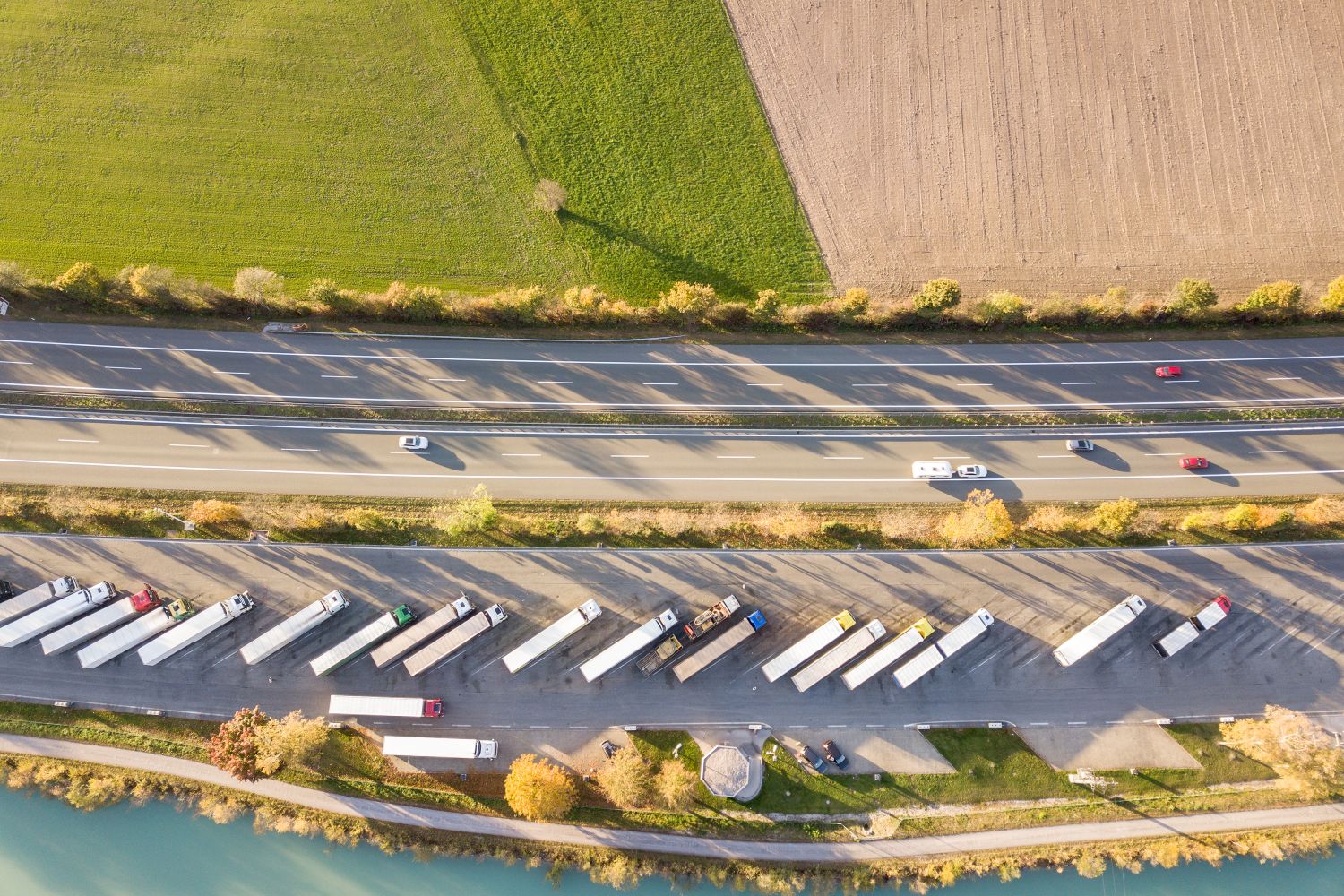
Tarptautinės kelių transporto sąjungos (IRU) duomenimis, Lenkija keliais perveža daugiau krovinių nei bet kuri kita ES šalis. Ji yra natūralūs vartai tarp Vakarų Europos ir Baltijos šalių, Ukrainos bei Balkanų, todėl patikima nulinės taršos infrastruktūra Lenkijoje turės poveikį visai Europai.

Nustatydama aiškius galios reikalavimus ir suderindama projektus su TEN-T koridoriais, vyriausybė užtikrina koordinuotą požiūrį, o ne pavienius projektus. Tikslas - patikimas tinklas, kuriame elektra ir vandeniliu varomi sunkvežimiai galėtų laisvai judėti pagrindiniais prekybos maršrutais. Klimato ir aplinkos viceministras apibūdino programą kaip būdą sustiprinti "Lenkijos krovinių vežėjų konkurencingumą" ir kartu sumažinti vieno didžiausių šalies ekonomikos sektorių išmetamų teršalų kiekį.

Lenkijos vidaus tinklas taip pat yra platesnės Švaraus transporto koridoriaus iniciatyvos dalis. Iš viso devynios ES šalys, įskaitant Lenkiją, 2025 m. rugsėjį įsipareigojo paspartinti įkrovimo infrastruktūros diegimą pagrindiniuose krovinių vežimo maršrutuose, pavyzdžiui, TEN-T koridoriuose Šiaurės jūra-Baltija ir Skandinavija-Viduržemio jūra.

Iniciatyva reiškia, kad visoje Europoje eksploatuojamiems transporto priemonių parkams įkrovimo infrastruktūra taps labiau standartizuota ir nuspėjama įvairiose šalyse. Tai padės vairuotojams patikimiau planuoti tarpvalstybinius maršrutus ir padės pereiti prie nulinės taršos krovinių vežimo.

Praktinės galimybės ir realūs iššūkiai

Automobilių parkų operatoriams laikas teikia vilčių. Nulinės emisijos sunkvežimiai sparčiai žengia į Europos rinką: per pirmąjį 2025 m. pusmetį visoje ES užregistruota beveik 2 000 nulinės emisijos sunkiųjų elektrinių sunkvežimių pardavimų.

Tačiau yra ir iššūkių. Didelės galios įkrovimo pajėgumų didinimas reiškia, kad tinklo operatoriai, vietos valdžios institucijos ir logistikos centrai turi bendradarbiauti. Taip pat prireiks laiko, kad būtų galima pasamdyti aukštos įtampos įrangos montavimo ir priežiūros įgūdžių turinčius specialistus.

Be to, pažangą gali sulėtinti transporto priemonių sąnaudos ir veiklos veiksniai. Net ir gaudamos dosnias subsidijas, įmonės turi pasverti elektrinių transporto priemonių įsigijimo išlaidas, maršrutų schemas ir sandėlių parengtį.

Ką tai reiškia mobilumui

Kelių transporto bendruomenei Lenkijos programa yra svarbus etapas. Užbaigus jos įkrovimo ir degalų papildymo tinklą, jis sujungs Rytų ir Vakarų Europą ir padės užtikrinti švaresnį ir efektyvesnį krovinių judėjimą.

"Tai lūžio taškas sunkiajam transportui, - sako SNAP Europos strategijos ir verslo plėtros vadovas Nickas Rentonas. "Lenkijos veiksmai rodo, kad nulinės taršos krovinių vežimas tampa kasdienybe, o ne ilgalaike vizija. Daugėjant įkrovimo ir degalų papildymo punktų, vežėjai galės drąsiai planuoti ekologiškesnius reisus."

Besikeičiant situacijai, toliau teiksime paramą Europos transporto parkams, teikdami technologijas, įžvalgas ir praktines priemones vairuotojams. Mūsų intruck programėlė padeda nustatyti ir užsisakyti poilsio stoteles, degalų papildymo punktus ir saugias automobilių stovėjimo aikšteles, o atsidarius naujoms vietoms, bus pridėta daugiau nulinės taršos objektų. Operatoriams, norintiems neatsilikti nuo infrastruktūros pokyčių, ji suteikia aiškų vaizdą, kaip vystosi kelių tinklas ir kur atsiranda naujų galimybių.
Dalytis su

Kiti taip pat skaito...

Header Image

pirmadienis 08 gruodžio 2025 • Naujienos ir atnaujinimai

SUNKVEŽIMIŲ TENDENCIJOS: 2026 M. PROGNOZĖS

Guest

Major changes are coming for the mobility sector.The next 12 months will bring some of the most significant regulatory and technological shifts European transport has seen in years. New emissions rules, driver-monitoring systems, hydrogen trials and autonomous pilots will reshape how fleets operate across the UK and EU.For operators and professional drivers, understanding these changes now will make the difference between adapting confidently and struggling to keep up. come into force in 2026, introducing new requirements for fleets. Nitrogen oxide and carbon monoxide limits will tighten further, with the permitted particle size dropping from 23 nanometres to 10. In addition, for the first time.Every new truck sold will need to comply with Euro VII. While vehicle pricing is likely to be affected, the bigger impact will fall on procurement timelines, fleet renewal cycles and long-term decarbonisation.. These monitor eye and head movement to identify early signs of fatigue or inattention, enabling safer interventions and supporting accident-reduction goals across Europe. By 2029, new cab designs must minimise blind spots through improved glass visibility rather than camera reliance. This will particularly influence urban operations, vulnerable road user safety and future vehicle specification.. After years of exemption, this change effectively brings smaller commercial vehicles under full drivers’ hours enforcement.For operators with mixed fleets, this means introducing:● new driver cards● regular data downloads● updated monitoring processes● revised routing and rest-time planningThousands of vehicles that previously operated freely will need compliance systems in place almost immediately. requires companies with more than 250 employees or €40 million revenue to collect and report verified CO₂ emissions – including Scope 3 transport activity.This will cascade through supply chains. Smaller hauliers without reliable emissions reporting risk losing access to larger contracts, accelerating the push toward better data systems and standardised reporting.Electric HGV production will rise rapidly in 2026. are all expanding manufacturing capacity.To support this, electric charging is also expanding. , as part of HyHAUL's M4 corridor project. Three refuelling stations, each supplying up to two tonnes of hydrogen daily, support the pilot. If successful, the project aims for 30 trucks on the road by the end of 2026 and 300 by 2030. Alongside this, . Five more will follow by 2027.Vehicle manufacturers are taking different approaches to developing hydrogen-fuelled trucks: ● and DAF are planning similar systems. ● will introduce its next-generation hydrogen fuel cell stack in 2026 with improved durability and lower operating costs.Hydrotreated Vegetable Oil (HVO) is emerging as a notable transitional fuel for haulage in 2026, thanks to two factors: stricter biofuel mandates in north-western Europe and its compatibility with existing diesel engines. Reports by confirm that HVO is a “drop-in” fuel: it can be used in many existing heavy-duty vehicles without engine or infrastructure changes, which gives operators a practical pathway to immediate CO₂ reductions. Meanwhile, forecast that HVO consumption could reach record highs in 2026. Germany alone may need an additional 1.5 million tonnes – almost four times 2025 levels – to meet demand. Although uptake remains modest when compared with battery-electric or hydrogen alternatives, the current regulatory push and infrastructure compatibility mean HVO is likely to gain traction in 2026.From spring 2026, in controlled zones – a full year ahead of plans. Enabled by the , this transition supports an industry expected to contribute £42 billion to the UK economy by 2035 and create an estimated 38,000 jobs. Germany is close behind. , supported by €20 million in seed funding. Across northern Europe, autonomous freight along the 1,200-km Rotterdam-Oslo corridor. The programme runs until March 2026 and examines how autonomous vehicles perform across borders, terrain types and logistics hubs.In Sweden, already move goods between warehouses, processing five million data points per second. Their controlled deployments demonstrate the potential for automation in predictable, repeatable routes.Despite this progress, humans will continue to play a central role. . So while automation will support specific functions, such as port operations, depot shuttles and fixed urban routes, long-haul and complex international transport will remain human-led.The scale and speed of change arriving in 2026 is unlike any previous year for European road transport. Multiple regulatory, technological and sustainability shifts will land simultaneously, reshaping how fleets operate across borders."The operators who succeed in 2026 won't be those who resist change but those who prepare for it systematically," says Nick Long, European Strategic Partnership and Development Manager at SNAP. "We're working with fleets across Europe to build the infrastructure that tomorrow's industry needs. Secure parking. Integrated payments for new toll structures. The building blocks of success are available now for those ready to use them."SNAP helps fleets prepare for the future with integrated solutions for parking, payments and fleet management across Europe. Visit snapacc.com to discover how we can support your transition to 2026 and beyond.

Header Image

ketvirtadienis 04 gruodžio 2025 • Naujienos ir atnaujinimai

UŽTIKRINKITE SKLANDŲ SAVO AUTOMOBILIŲ PARKO VEIKIMĄ ATOSTOGŲ SEZONO METU.

Guest

As the holiday season approaches, you are likely preparing for a surge in delivery demand and more complex operating conditions. This seasonal pressure overlaps with winter weather challenges, creating a unique risk environment for fleets across the UK. The festive period brings extra stress to your vehicles and operations. From consumer-driven surges in mileage to the impact of cold weather on vehicle performance, several seasonal factors converge at once. Understanding these pressures up-front helps you prepare proactively and minimise disruptions across your fleet.Consumer activity , which increases delivery volumes, compresses schedules and raises service expectations. This surge means that even minor disruptions can escalate quickly, as fleets have less flexibility to absorb delays. With more journeys scheduled and tighter handover times, vehicle downtime becomes more costly. A missed inspection or delayed repair can have a much larger operational impact than during other parts of the year.When peak consumer activity overlaps with hazardous weather, fleets experience amplified risk. Traffic congestion increases, road conditions deteriorate and minor mechanical problems can escalate into serious incidents more easily. To combat these issues, you must strengthen preventive maintenance, adjust schedules, and improve real-time monitoring to prevent avoidable breakdowns or delays.Cold temperatures, icy surfaces and reduced daylight all increase mechanical and on-road risks for commercial vehicles, raising the likelihood of weakened batteries, reduced tyre traction and visibility issues. UK roadworthiness standards emphasise the importance of more robust winter maintenance for brakes, lighting, fluids and tyres as conditions deteriorate, reinforcing why winter readiness is essential for uninterrupted fleet operations. Even mild cold , making proactive winter maintenance crucial.Beyond vehicle strain, the holiday season and winter conditions also place pressure on drivers and operational workflows. Increased traffic, unpredictable weather and tighter delivery windows can lead to fatigue, stress and an increased risk of accidents. Careful scheduling, clear communication and proactive support for drivers are essential to maintain safety and ensure that your fleet continues to operate efficiently under these seasonal pressures.Maintaining steady operations during the festive rush requires more than reactive problem-solving. It necessitates deliberate planning across vehicle maintenance, driver readiness, technology utilisation and operational coordination. These streamlined strategies will help you stay ahead of winter season disruptions and maintain consistent fleet performance throughout the holidays.Seasonal demand often requires vehicles to operate in harsher conditions for longer hours, so front-loading maintenance is one of the most effective ways to prevent in-season breakdowns. In construction, downtime can cost , highlighting the importance of proactive upkeep. Focus on winter-critical systems such as batteries, brakes, heating and defrosting systems, tyres, and fluid levels. Addressing minor issues before the holiday rush ensures your vehicles start the season in top condition and reduces the risk of unscheduled downtime when capacity is at its tightest.Drivers face greater pressure during the festive period, from congested roads to unpredictable weather. Preparing them early helps reduce risk and maintain service reliability. Share updated winter driving protocols, reinforce fatigue management best practices and ensure every vehicle carries essential cold-weather equipment. A well-prepared driver can adapt more effectively to seasonal hazards and keep journeys running safely.Access to parts and repair support becomes more challenging during the holidays due to demand spikes and supplier slowdowns. Securing key components in advance and confirming the availability of a repair shop ensures you can respond quickly to mid-season issues. These steps reduce the likelihood of lengthy delays and keep more of your vehicles on the road during peak workloads.Accurate, real-time insights become even more valuable when weather and traffic conditions can change quickly. Telematics systems, identify emerging vehicle issues and adapt routes proactively. Using data to make same-day decisions — whether rerouting, rescheduling or escalating maintenance — helps your fleet stay responsive throughout the holiday period.Seasonal peaks require tighter alignment across dispatchers, drivers, maintenance teams and customers. Clear communication reduces uncertainty and makes it easier to adjust schedules when conditions shift. Share regular updates about weather alerts, route changes, delivery windows and vehicle availability so everyone stays coordinated and able to respond quickly.Even with strong preparation, winter introduces variables that no fleet can fully control. Creating contingency plans provides your team with a structured response in the event of incidents. Establish backup routes, identify alternative suppliers and workshops, and maintain a reserve vehicle strategy where possible. Planning for disruption ensures that unexpected issues don’t halt operations entirely.Use this checklist to make sure your team, vehicles and workflows are ready for the busiest stretch of the year:● Review historical traffic data and expected holiday congestion to build more efficient routing. Tools that monitor and report real-time conditions help reduce delays and fuel waste.● Check batteries, fluids, tyres, wipers and heating systems to prevent cold-weather breakdowns and improve driver safety.● Conduct brief refresher sessions on winter driving techniques, fatigue management and emergency protocols. This supports both safety and productivity.● Holiday mileage and cold temps can accelerate wear. A tighter maintenance schedule helps catch issues before they result in downtime.● Ensure that asset trackers and sensors are fully functional for accurate location and condition data during peak demand.● Many suppliers operate on reduced hours during the holidays. Secure parts and consumables in advance to avoid repair delays.Holiday and winter conditions amplify every small inefficiency. Preparing early helps prevent avoidable downtime, strengthens driver safety and keeps your operations moving through the toughest time of the year. With precise planning, reliable tools and a proactive maintenance rhythm, fleets can turn seasonal challenges into opportunities for better performance and customer satisfaction.Discover more from

Header Image

ketvirtadienis 30 spalio 2025 • Naujienos ir atnaujinimai

RACIONALIZUOTI AUTOMOBILIŲ PARKO OPERACIJAS: FET LOGISTICS" MOMENTINĖ ISTORIJA

Susie Jones

Located in Colnbrook, Berkshire, is a family-owned and family-run company specialising in the transportation of pharmaceutical products.The company originated from humble beginnings in 1984 when Frederick Woolley produced a service that was second to none in the secure logistics industry his very own tracking system, the best on the market, which left companies knocking on his door to transport their goods safely throughout Europe. In 1999, FET entered the world of pharmaceutical transportation, with Frederick taking on a partner, his son-in-law, Harry Hughes. From there, the business has gone from strength to strength, becoming one of the best pharmaceutical logistics companies in the UK. We sit down with Managing Director, Harry, to discuss what it's like running a fleet across Europe and how SNAP has helped ease processes."We focus on transporting high-value, high-consequence goods, white glove deliveries, and hospital deliveries. We're often in mainland Europe pretty much every day, from Northern Ireland all the way down to Spain, Italy, and even Greece."Transporting high-value goods comes with the added pressure to ensure your drivers park in safe and secure areas. For Harry, his drivers must have access to a wide network of truck stops across Europe, complete with details regarding security features something SNAP can deliver through its and Transporting high-consequence goods also brings additional challenges, as Harry explains:"We have the same challenges as everyone else in the supply chain, but you're adding temperature as well. That's another critical requirement. Whether it be a dry ice box that's got a life of 72 hours, or you need to keep that van completely at the right temperature throughout its journey. If the truck or van has to park up overnight, we need to ensure that the temperature is being monitored through the night as well."TAPA EMEA's TSR regulations have been developed by the industry, for the industry. The standard protects products transported by road and aims to ensure the safety of drivers, vehicles, and cargo. As TAPA UK Lead, Harry knows the importance and the benefits of transporting goods under TAPA TSR."We outsource to an external monitoring company for some of the delicate loads being transported under TSR. This means they will monitor the load for the route and geofence it if it deviates. They're checking in with the driver and also checking that it's parked at the right location from the route risk assessment we've uploaded to the monitoring company."These standards give drivers, fleet operators, and customers peace of mind that their cargo will be transported safely. And Harry has peace of mind when these journeys utilise SNAP's vast network of truck stops across Europe."You know that if you go to a SNAP site, you're going to get a decent site."Driver welfare remains a critical topic within the mobility industry, and for fleets like Harry's, ensuring their drivers are looked after while on the road remains vital. We asked Harry what offerings truck stops must provide to those on the road regularly:"I think the drivers just want some decent facilities. If they've got a shower, toilet, and a hot meal, they're generally happy." He also notes that it's not a one-size-fits-all, "they've all got different requirements. Some of them want to go to sites with a fancy restaurant, and some of them are just happy with a burger and chips. I think if the basics are there of clean facilities, hot and cold food, and showers, that's the main thing."Truck stops are already in high demand, and the most popular ones, offering the right facilities and security requirements, tend to fill up early in the evening. This often forces drivers to park in unsafe areas, a challenge that's expected to grow even more significant when SNAP not only simplifies life for fleet managers but also delivers a seamless parking experience for drivers. This leads to increased convenience and satisfaction on the road, while enhancing efficiency and streamlining operations across the company."It's the simplicity for the drivers. They don't have to worry about anything. They just pull in, and the parking payment method is already done for them. The drivers love it since we've implemented it," Harry states. SNAP's growing network of truck wash sites is something that hasn't gone unnoticed by FET Logistics, especially when the weather takes a turn for the worse:"More truck washes are coming onto the network, which helps us especially through winter. Nobody wants to see a dirty truck turn up if you're loading pharmaceuticals into it."Inspired by what you've just read? Catch the full interview with