Can lorries drive in Europe on Sundays?

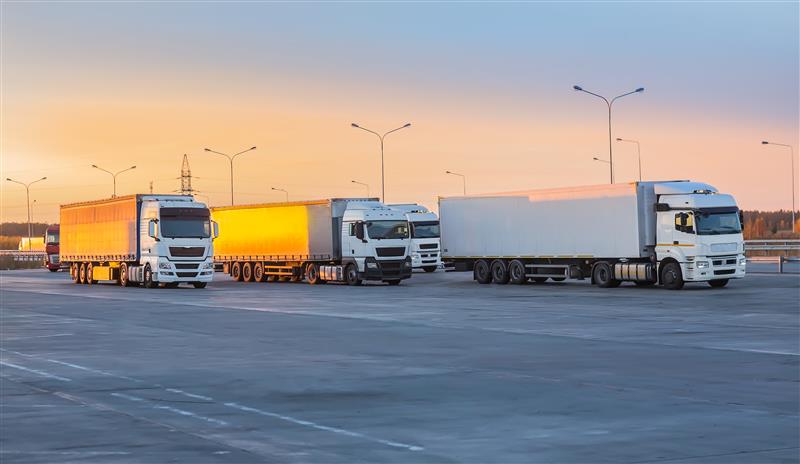
Navigating Sunday truck driving bans across Europe requires a comprehensive understanding of country-specific regulations, seasonal variations, and effective strategies. By investing in thorough route planning, staying informed, optimising operations, and leveraging technology, fleet companies can mitigate the impact of these restrictions.
In this blog, we explore the different rules in a variety of European countries and dive further into the best ways to adapt to them.
Country-specific regulations
Each country has its own laws around Sunday driving bans, and these can vary widely.
Germany
From 12 AM until 10 PM on the last day of the week, trucks that exceed 7.5 tonnes aren’t allowed to operate. However, this isn’t necessarily a deterrent. Combined transport operations can enjoy special allowances, with rail and road transport permitted within 200 kilometres of loading or unloading stations, and port or road transport allowed within 150 kilometres of ports. Moving specific perishable goods is also exempt, such as fresh milk, dairy products, meat, fish, fruit, and vegetables.
Additionally, certain vehicles and operations aren’t subject to the ban, such as emergency vehicles involved in recovery, towing, or breakdown services.
France
In this territory, driving restrictions are similar to those in Germany, applying to lorries surpassing 7.5 tonnes. These embargos occur on Sundays and public holidays from 12 AM to 10 PM.
On top of this, there are restrictions on Saturdays and the day before national holidays, with driving prohibited from 10 PM to 12 AM. And during the summer, specific Saturdays have bans from 7 AM to 7 PM.
Exemptions exist for certain goods, including dairy and meat items, as well as emergency vehicles. Violations of these prohibitions can lead to significant fines ranging from €750 to €3,750 for individuals and companies, respectively.
Italy
Trucks aren’t allowed to be out on the roads on Sundays and public holidays from 9 AM to 10 PM in Italy. It’s worth noting that in June, July, August, and September, the embargo starts earlier at 7 AM – though it still ends at 10 PM.
The country also imposes additional restrictions during the summer months. In July, there’s a Saturday embargo from 8 AM to 4 PM, and this extends from 8 AM to 10 PM in August.
While these are the general rules, it’s crucial to know that there might be local variations or temporary restrictions on certain routes. Like with France and Germany, some exceptions may also apply for specific types of goods or emergency services.
Spain
As for Spain, this presents a much more complex scenario. There’s a patchwork of regional bans, particularly in Catalonia. Driving restrictions for trucks can change based on local regulations, public holidays, and specific routes. Truckers operating here should consult local guidelines to ensure compliance.
On top of the Sunday and holiday injunctions, there are also limitations on certain Saturdays during the summer months. These generally apply from 8 AM to 12 AM, particularly in July and August, when traffic is heavier due to vacationers.
Other countries
In terms of other European nations, there are many that also enforce their own Sunday driving bans. Austria, for example, dictates that trucks that weigh over 7.5 tonnes aren’t allowed on the roads on Sundays from 12 AM to 10 PM. Switzerland maintain something similar, with vehicles exceeding 3.5 tonnes unable to drive throughout the entire day.

Strategies for fleet companies
To navigate Sunday lorry driving restrictions, effective route planning is crucial. By using advanced technology and strategic thinking, fleet operators can optimise their processes.
Utilise GPS and route planning software
Employing modern GPS systems and route planning software enables fleets and their drivers to identify the most efficient journeys while avoiding areas with driving bans. These tools can provide real-time updates on road conditions, ensuring that truckers can make informed decisions on the go.
Consider alternative routes
Another idea is to explore different ways to get to the place in question. While it may be tempting to stick to the most direct path, alternative routes can often save time and avoid potential fines. Such detours may be slightly longer but can help circumvent areas with stringent embargos, allowing for smoother operations.
Plan for delays
Given the possibility of setbacks caused by traffic congestion or driving embargos, it’s also wise for fleet companies to build additional time into their schedules. A proactive approach provides better opportunity for deliveries to remain timely – even in the face of unexpected challenges.
Keep informed
Staying updated on regulations and real-time traffic conditions is just as crucial. That’s why it’s wise to use specific apps and websites – these provide truckers with live updates on road closures, accidents, and congestion, enabling them to make adjustments to routes and avoid any delays.
Many transport associations and logistics providers offer subscription services for traffic alerts. By signing up for these notifications, fleet operators can receive information on any changes to driving rules, ensuring they adhere to them.
Leverage technology
Utilising technology can enhance operational efficiency and compliance with driving time regulations.
Telematics systems allow fleet companies to monitor vehicle location, fuel consumption, and driver behaviour. The data can be invaluable for optimising routes. What’s more, maintaining digital logbooks simplifies record keeping, and this will provide essential documentation in the event of an audit.
Equally important is technology to simplify payments – and that’s where SNAP can help.
Sign up to SNAP
Whether you’re looking for safe parking, a truck wash, or other services for your fleets, our solutions make paying for them much more convenient. Take a look at what SNAP can offer you today.