Truck Tolls in Germany: How the System Works and How to Pay

Germany has one of Europe’s most extensive road networks, making it a key route for international freight transport. However, drivers and fleet operators travelling through the country need to understand how Germany’s truck toll system works, which vehicles are affected and how charges are calculated.
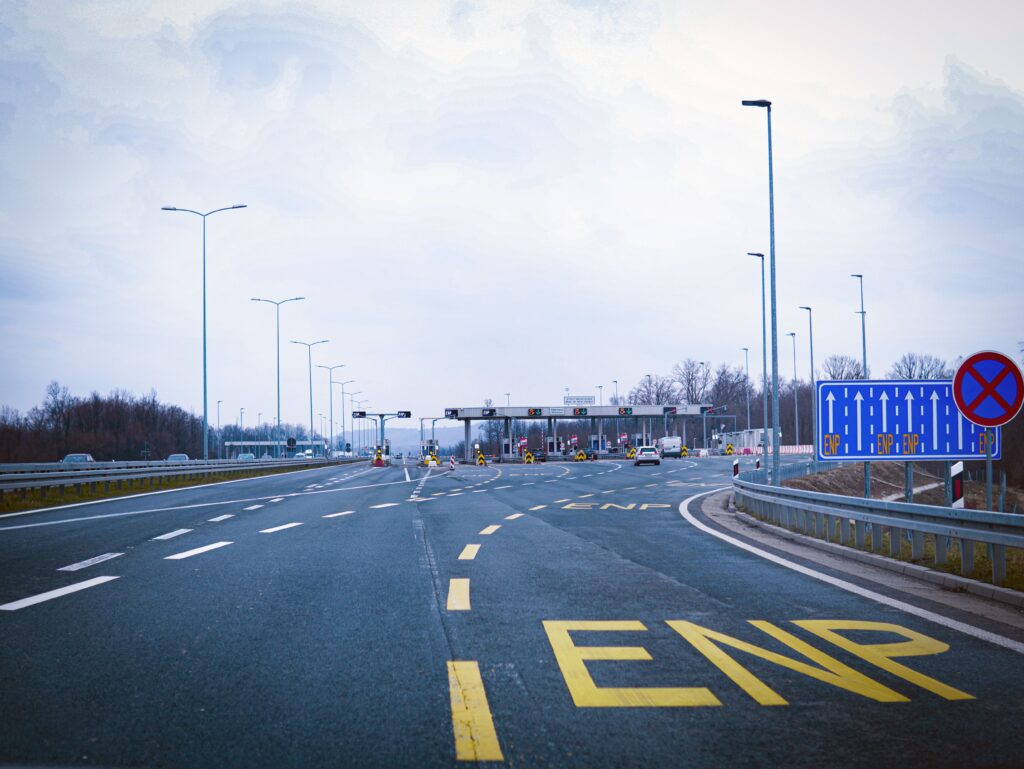
Unlike some European countries, Germany does not use traditional toll booths for heavy goods vehicles. Instead, it operates a distance-based electronic tolling system known as Lkw-Maut.
In this guide, we explain Germany tolls for trucks, including current charging rules, payment options, exemptions and what happens if you fail to pay.
How Do Truck Tolls Work in Germany?
Germany operates a nationwide electronic truck toll system managed by Toll Collect, on behalf of the German government.
The system charges eligible commercial vehicles based on the distance they travel on toll roads, rather than requiring drivers to pay at individual toll booths.
Toll charges depend on several factors:
- Distance travelled on toll roads
-
Vehicle weight
-
Number of axles, where relevant
-
Emissions class, including CO₂ emissions
-
Air pollution and noise-related classifications
Germany’s toll system is designed to contribute towards infrastructure costs while encouraging the use of lower-emission vehicles.
Which Vehicles Must Pay Germany Tolls?
Since 1 July 2024, Germany’s truck toll system has applied to vehicles with a technically permissible maximum laden mass (TPMLM) of more than 3.5 tonnes, where they are intended or used for road haulage.
Previously, the general threshold was 7.5 tonnes.
This means that many smaller commercial vehicles are now subject to toll charges, alongside larger trucks and articulated vehicles.
There are exemptions for certain vehicle types and operations, including qualifying craft businesses and some emergency and public-service vehicles.
Operators should check their vehicle’s eligibility using the official Toll Collect guidance.
Which Roads Have Tolls in Germany?
Germany’s truck toll network covers approximately 51,000 kilometres of roads, including:
-
Federal motorways (Autobahnen)
-
Federal highways (Bundesstraßen)
This means toll charges apply beyond the main motorway network, including many routes used for regional deliveries.
Unlike traditional toll roads, drivers will not necessarily encounter a physical payment point when entering a chargeable section.
Important: Drivers should not assume that avoiding motorways will eliminate toll charges. Many federal roads are also covered by the system.
How Much Are Truck Tolls in Germany?
Germany truck toll rates vary depending on the vehicle’s characteristics and the distance travelled.
Charges are calculated per kilometre and include several components:
| Toll component | What it covers |
|---|---|
| Infrastructure | Road construction, maintenance and operation |
| Air pollution | Costs associated with vehicle emissions |
| Noise pollution | Environmental impact of traffic noise |
| CO₂ emissions | Charges based on the vehicle’s CO₂ emission class |
How Does the CO₂ Toll Affect Costs?
Germany introduced CO₂-based truck toll charges on 1 December 2023.
Vehicles are assigned to CO₂ emission classes, with different rates depending on their classification.
Generally, vehicles with higher emissions face higher charges, while qualifying lower-emission vehicles may benefit from reduced rates.
Vehicle operators should ensure their CO₂ classification is correct, as an incorrect classification can affect the amount charged.
Example of Germany Truck Toll Costs
The total cost of a journey depends on the applicable per-kilometre rate.
For example, if a vehicle has an applicable toll rate of €0.35 per kilometre:
| Distance | Example toll cost |
|---|---|
| 100 km | €35 |
| 250 km | €87.50 |
| 500 km | €175 |
| 750 km | €262.50 |
These are illustrative calculations, not official toll rates. Actual charges depend on the vehicle and route.
For accurate journey estimates, use the official Toll Collect toll calculator.
How to Pay Truck Tolls in Germany
There are several ways to pay Germany truck tolls, depending on how frequently a vehicle travels through the country.
1. Automatic Payment Using an On-Board Unit
An on-board unit (OBU) automatically records toll-liable journeys and enables the appropriate charges to be calculated.
This is particularly useful for fleets travelling regularly through Germany, as it reduces the need for drivers to register each journey manually.
Automatic toll collection can also help fleet operators manage payments across multiple vehicles.
2. Manual Booking Through Toll Collect
Drivers who do not use an automatic tolling device can register their journeys manually.
Manual booking is available through Toll Collect’s online services and app.
Drivers must provide the relevant journey and vehicle information before using toll roads.
This option can be useful for occasional journeys, although it requires more planning than automatic payment.
3. European Electronic Toll Service (EETS)
The European Electronic Toll Service (EETS) allows operators to use compatible tolling equipment and services across participating European toll networks.
Instead of managing completely separate tolling arrangements for every country, fleets can use an approved provider to simplify cross-border toll payments.
For international transport businesses, this can reduce administration and make toll management more straightforward.
What Happens If You Don’t Pay Germany Truck Tolls?
Germany uses electronic monitoring and roadside enforcement to check whether eligible vehicles have paid the correct toll.
Enforcement is carried out by the Federal Logistics and Mobility Office (BALM), supported by the toll collection system.
If a driver or operator fails to pay the required toll, they may face:
-
Recovery of unpaid toll charges
-
Administrative fines
-
Additional checks or enforcement action
Incorrect vehicle details, such as weight or emissions classification, can also lead to problems.
To avoid unnecessary costs, fleet operators should ensure their vehicle information is accurate and their chosen payment method is working correctly.
Are There Any Exemptions From Germany Truck Tolls?
Not every vehicle above 3.5 tonnes is required to pay.
Certain vehicles and operations qualify for exemptions under German toll legislation.
Examples include:
-
Qualifying emergency and rescue vehicles
-
Certain public-service vehicles
-
Eligible vehicles used by craft businesses
-
Qualifying zero-emission vehicles, subject to the applicable rules
Exemptions often depend on specific conditions, including the vehicle’s use, registration and technical characteristics.
Operators should verify eligibility rather than assuming their vehicle is exempt.
For the latest rules, consult Toll Collect or the Federal Logistics and Mobility Office (BALM).
Tips for Fleet Operators Travelling Through Germany
For fleets operating internationally, understanding Germany’s toll requirements can help reduce unexpected costs and administrative work.
Check vehicle classifications. Ensure weight, axle and emissions information is accurate before travelling.
Plan routes in advance. Consider toll costs alongside fuel, distance and delivery schedules when planning journeys.
Choose a suitable payment method. Regular international journeys may benefit from automatic toll collection rather than manual booking.
Keep toll records organised. Accurate records can support cost reporting, invoicing and fleet administration.
Monitor regulatory changes. Toll rates, exemptions and emissions-related rules can change, so regularly check official guidance.
Frequently Asked Questions About Germany Tolls
Do trucks have to pay tolls in Germany?
Yes. Vehicles with a technically permissible maximum laden mass of more than 3.5 tonnes that are intended or used for road haulage are generally subject to Germany’s truck toll system, unless an exemption applies.
Are German motorways free for trucks?
No. Eligible trucks must pay distance-based tolls on Germany’s federal motorways and federal highways.
How do I pay truck tolls in Germany?
You can pay using an approved automatic toll collection device or by booking your journey manually through Toll Collect. EETS providers also offer compatible cross-border payment solutions.
How much is the toll per kilometre in Germany?
There is no single rate for every truck. Charges vary according to vehicle weight, emissions classification, axle configuration where relevant, and other applicable factors.
Do foreign trucks have to pay Germany tolls?
Yes. The toll system applies to eligible vehicles using chargeable roads regardless of whether they are registered in Germany or another country.
Can I drive through Germany without a toll device?
Yes. An on-board unit is not mandatory if you use the official manual booking system and correctly register your toll-liable journeys in advance.
Do vans over 3.5 tonnes pay tolls in Germany?
They generally do if they meet the relevant weight and road-haulage criteria, unless an exemption applies. Vehicles with a TPMLM of exactly 3.5 tonnes are below the general threshold.